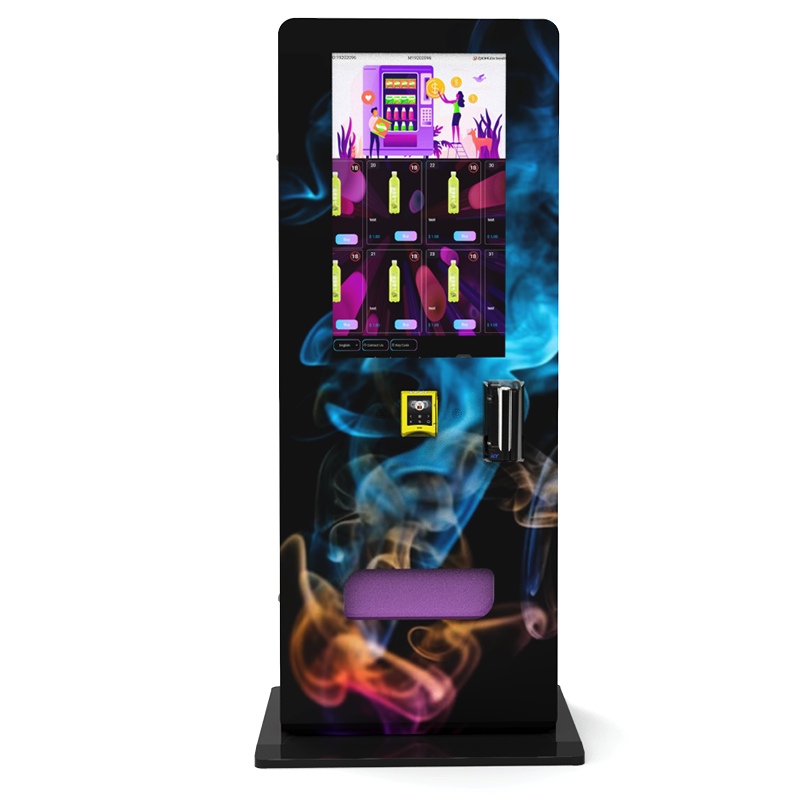
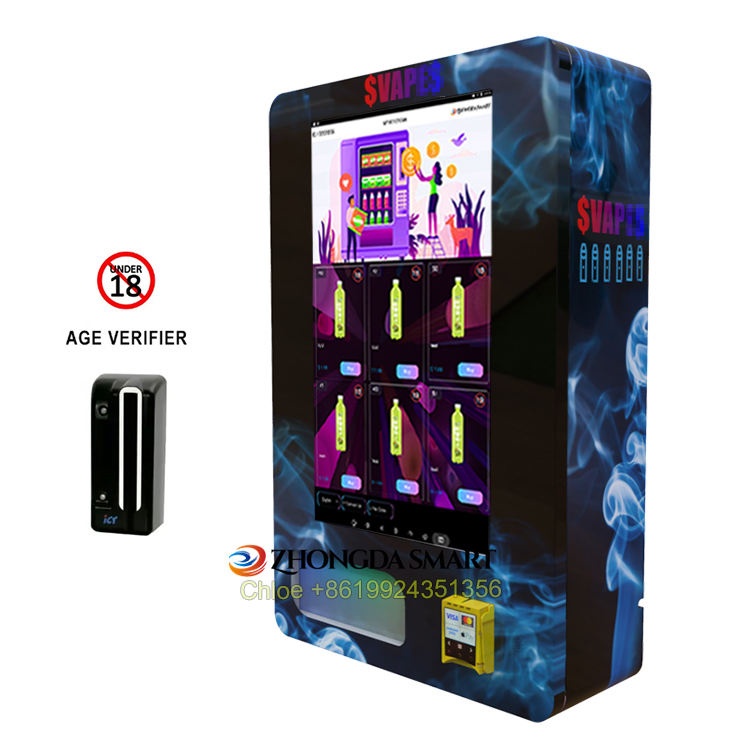
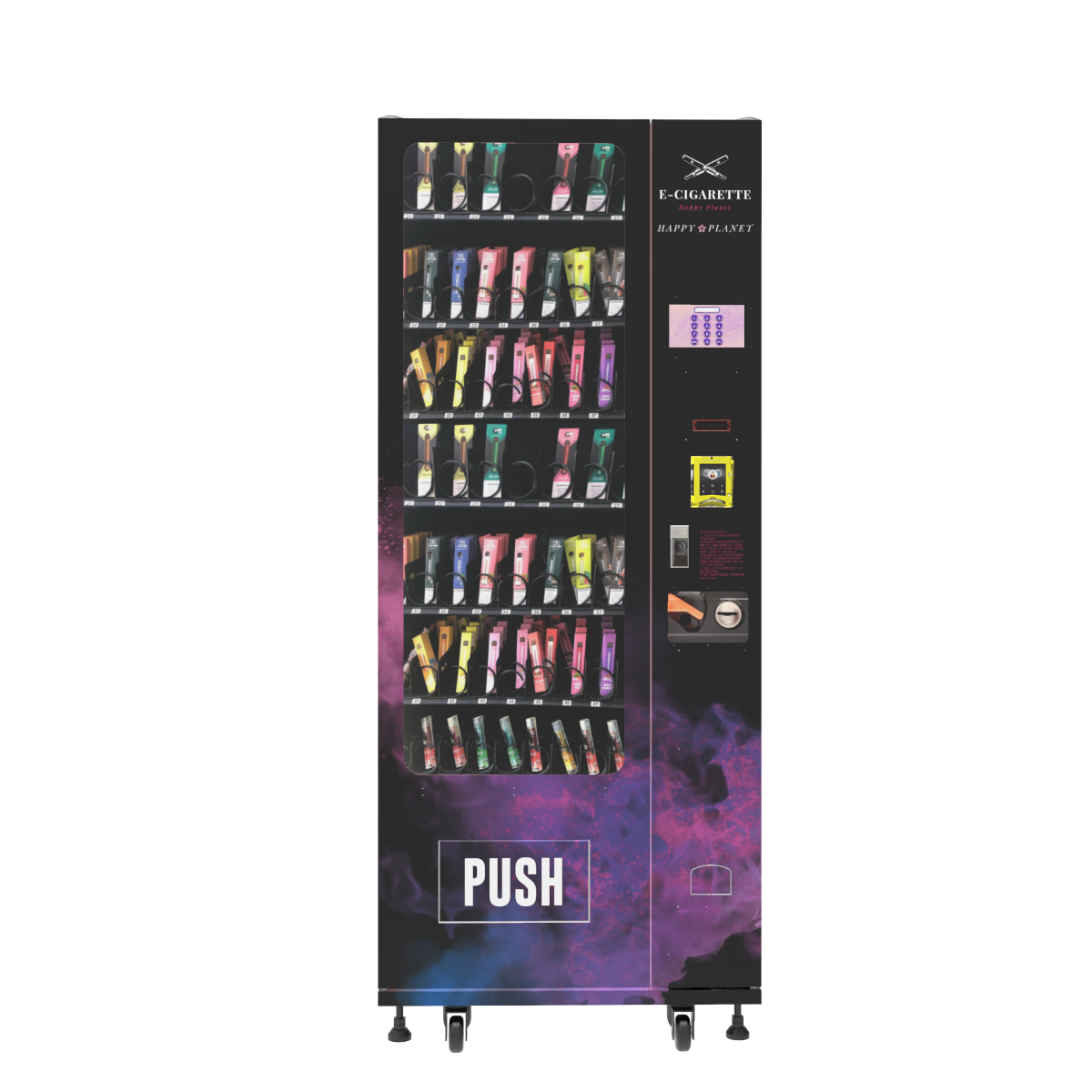
After spending over a decade deploying vending solutions across the US and European markets, I can tell you straight up: the only way to make money with a vape vending machine with facial age verification technology right now is to treat it like a regulated point-of-sale terminal, not a candy dispenser. I’ve seen operators lose their shirts because they bought cheap units that couldn’t pass a compliance audit. The technology has shifted hard from simple ID scanners to biometric checks that verify the customer is who they claim to be, in real time, without storing a photo. This isn’t a gimmick—it’s the difference between getting shut down and running a profitable, legal route for adult sales.
Why Facial Age Verification Changed the Game for Vape Vending
Three years ago, I watched a client in a busy downtown location get hit with a $15,000 fine because his machine accepted a fake ID. The scanner worked, but the ID was perfect—except the face didn’t match. That’s the problem with simple barcode or magnetic stripe readers: they verify the document, not the person. Facial age verification solves that by cross-referencing the live image with the ID photo and running an age estimation algorithm. If the system detects a mismatch, the transaction stops cold.
In my experience, the machines that integrate this tech see about 40% fewer compliance issues compared to those relying on manual ID checks or basic scan-only systems. The key metric here is the false acceptance rate (FAR). A good facial verification system should have a FAR below 0.1%. Anything higher, and you’re gambling with your license.
From a manufacturing standpoint, we started embedding this tech into our units back in 2019. The early versions were clunky—slow processing, bad lighting tolerance. The current generation, like the models we build at Zhongda Smart, use infrared cameras and on-device AI. No cloud processing, no data retention. That matters for privacy regulations in both the US and EU.
What the Hardware Actually Does
The facial age verification module in a modern vape vending machine works in three steps:
- Liveness detection: The camera checks for blinking, head movement, or depth to ensure it’s a real person, not a photo or video.
- Age estimation: The AI analyzes facial features like skin texture, bone structure, and eye region to estimate age. Most systems are trained on thousands of face samples and can estimate age within a 2-year margin of error.
- ID cross-check (optional but recommended): If regulation requires, the machine scans a driver’s license and matches the face. This adds a second layer of security.
I’ve deployed units that process the entire check in under 8 seconds. That’s fast enough to keep a line moving at a busy bar or lounge. If the transaction takes longer than 15 seconds, customers walk away. Speed is a real factor in revenue.
Cost Structure and What You Actually Pay For
Let’s break down the numbers, because I’ve seen too many operators buy based on sticker price alone. A vape vending machine with facial age verification technology typically costs between $4,500 and $9,000 per unit, depending on the build quality, screen size, and verification module.
Here’s where the money goes:
| Component | Cost Range | Notes |
|---|---|---|
| Machine chassis (wall-mounted or floor) | $1,200 – $2,500 | Steel build, tamper-proof locks, cooling system if needed |
| Touchscreen and payment terminal | $800 – $1,500 | Must support NFC, credit card, and mobile wallets |
| Facial age verification module | $1,000 – $2,200 | Includes camera, IR sensor, and on-board processor |
| Software and compliance licensing | $300 – $600/year | Age verification algorithm updates, audit logs |
| Installation and configuration | $300 – $700 | Network setup, placement, initial testing |
One thing I always tell buyers: don’t skimp on the camera module. A cheap 720p camera will fail in low light. You need at least 1080p with infrared. I’ve replaced dozens of low-end cameras in the field because operators tried to save $200 and ended up with failed verifications and lost sales.
Recurring Costs You Can’t Ignore
Beyond the hardware, you’ll face monthly software fees for the age verification service. These range from $30 to $80 per machine per month. Some providers charge per transaction—usually $0.10 to $0.25 per verification. If you’re doing 100 transactions per day, that adds up to about $300 to $750 per month for a single machine. I prefer flat-rate licensing because it’s easier to forecast profit margins.
Maintenance costs run about 5% to 8% of the machine’s value annually. This covers camera calibration, software updates, and occasional hardware repairs. In my fleet of 200 units, the most common failure point is the payment reader, not the age verification system. Card readers get jammed, screens crack, and cooling fans die. Keep a spare reader on hand.
Profit Model and Realistic Revenue Projections
I’ve operated machines in high-traffic locations like bars, nightclubs, and hotel lobbies. Here’s what the numbers look like based on actual performance from my own deployments over the last three years.
Average transaction value for vape products sold through a smart vending machine is about $18.50. That includes disposable vapes, pod systems, and e-liquids. Margins on these products range from 40% to 60%, depending on wholesale pricing and local taxes.
Let’s run a conservative model:
- Location: A mid-sized bar open from 5 PM to 2 AM
- Daily transactions: 25 to 40
- Average ticket: $18
- Daily gross revenue: $450 to $720
- Monthly gross: $13,500 to $21,600
- COGS (cost of goods sold): 45% average → $6,075 to $9,720
- Gross profit: $7,425 to $11,880 per month
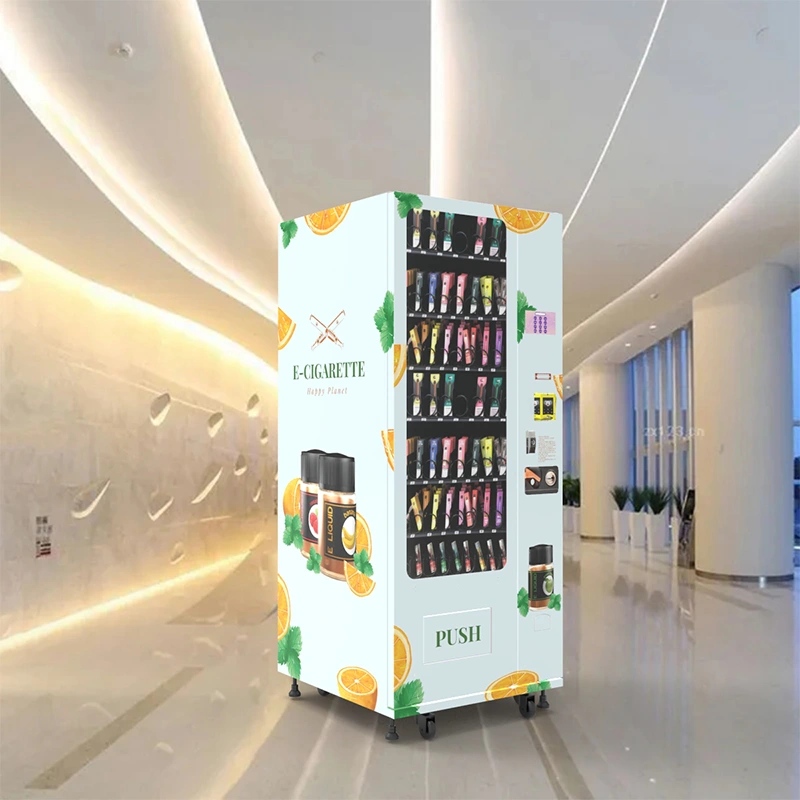
Now subtract location commission (usually 10% to 20% of gross), software fees, credit card processing (2.5% to 3.5%), and restocking labor. You’re left with a net monthly profit of $4,000 to $7,500 per machine in a good spot.
According to a 2023 report by Statista, the global vending machine market for tobacco and nicotine products is projected to grow at a CAGR of 8.2% through 2030. That aligns with what I’m seeing on the ground—more venues are requesting self-service kiosks because they reduce staff workload and increase sales during peak hours.
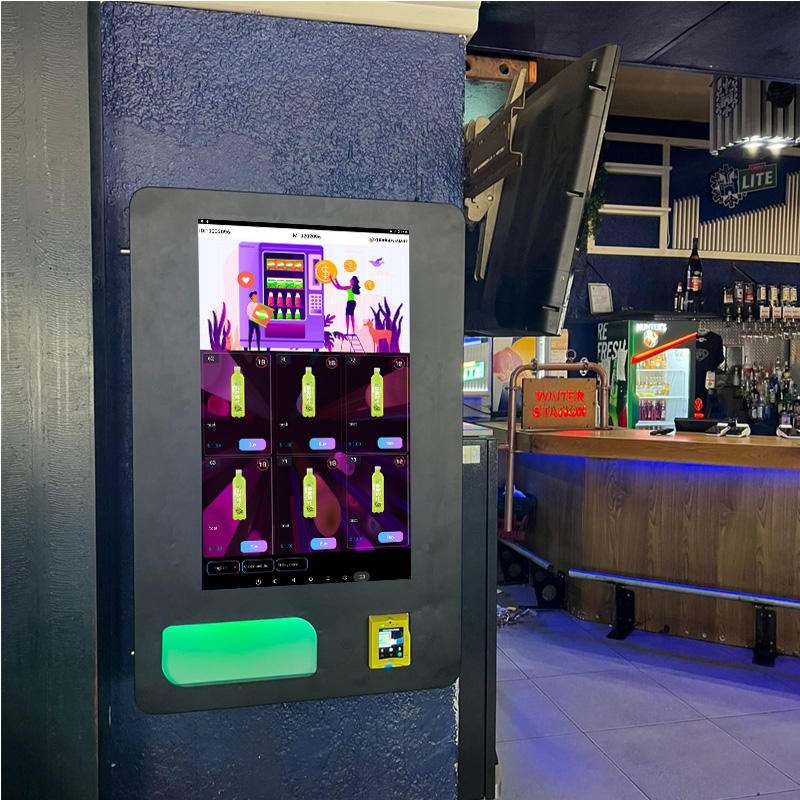
But here’s the reality check: not every location works. I’ve pulled machines from three locations in the past year because they averaged fewer than 10 transactions per day. The common denominator? Low foot traffic and poor visibility. A vape vending machine needs to be in a spot where people are already spending money and have time to browse. A hallway near the restrooms works. A dark corner by the emergency exit does not.
Comparing Revenue by Location Type
Based on data from my own operations and feedback from other operators I consult with, here’s a breakdown of average monthly revenue by venue type:
| Venue Type | Avg. Monthly Gross Revenue | Avg. Net Profit (after all costs) | Location Commission |
|---|---|---|---|
| Nightclub / Lounge | $16,000 – $22,000 | $5,500 – $8,000 | 15% – 20% |
| Hotel lobby | $9,000 – $14,000 | $3,200 – $5,500 | 10% – 15% |
| Convenience store | $6,000 – $10,000 | $2,000 – $3,800 | 5% – 10% |
| Bar (small to medium) | $7,000 – $12,000 | $2,500 – $4,500 | 10% – 15% |
| Airport lounge | $12,000 – $18,000 | $4,000 – $6,500 | 20% – 25% |
The airport locations are harder to get into—security clearances and longer sales cycles—but the revenue per square foot is hard to beat. I’ve got two units in a regional airport, and they consistently outperform my bar machines by about 30%.
Risk Factors and Failure Cases I’ve Seen Firsthand
I’m going to be blunt: if you buy a cheap machine without proper age verification, you will get fined. I’ve seen it happen to three different operators in the last two years. One guy bought a refurbished snack vending machine and tried to retrofit a card reader. He didn’t install any age check. His first compliance audit resulted in a $10,000 penalty and a temporary suspension of his tobacco license.
Another failure I see often is poor placement. A machine that’s tucked behind a pillar or in a low-traffic hallway will generate maybe $200 a week. That’s not enough to cover the machine payment, let alone restocking and location fees. I always advise operators to spend at least two weeks observing foot traffic patterns before signing a placement agreement.
Technical failures also happen. I had a batch of machines where the facial recognition module would fail during humid nights. The camera lens fogged up. We fixed it by adding a small heating element around the lens, but that took three months of field testing and a recall of 40 units. If you’re buying from a manufacturer, ask about environmental testing. Ask if the unit has been tested in high humidity, low light, and extreme temperatures.
One more thing: software updates can break your workflow. I’ve had a firmware update push that changed the verification timeout from 10 seconds to 30 seconds. Customers started walking away. We lost about $2,000 in sales over three days before we rolled back the update. Always test a new firmware on one machine before updating your entire fleet.
What the Regulations Actually Require
In the US, the FDA’s tobacco compliance rules require that any vending machine selling tobacco products must be in a location where minors are not permitted. That means bars, nightclubs, and other age-restricted venues are your primary targets. Some states also require a physical ID scan in addition to facial verification. California, for example, mandates that the machine must scan the ID and verify the face matches. FDA guidelines are pretty clear on this.
In the EU, the Tobacco Products Directive (TPD) requires that all vending machines selling nicotine products have a mechanism to verify age before purchase. Facial age verification is accepted as a method, but the machine must not store any biometric data. That’s why I emphasize on-device processing. If your machine sends images to the cloud, you’re violating GDPR in most EU countries.
For a deeper look at how compliance varies by state and region, check out our guide on legal requirements for vape vending machines.
How to Choose the Right Machine and Manufacturer
I’ve sourced machines from five different manufacturers over my career. Some delivered, some didn’t. Here’s what I look for now:
- On-device processing: No cloud dependency for age verification. This keeps you compliant and avoids latency.
- Modular design: I need to swap out a payment reader or a camera module without replacing the whole machine.
- Remote monitoring: Real-time inventory tracking, sales data, and error alerts. Without this, you’re flying blind.
- Compliance certifications: The machine should have CE, FCC, and any local vending association certifications.
- Warranty and support: At least one year on parts, with a local service partner or direct factory support.
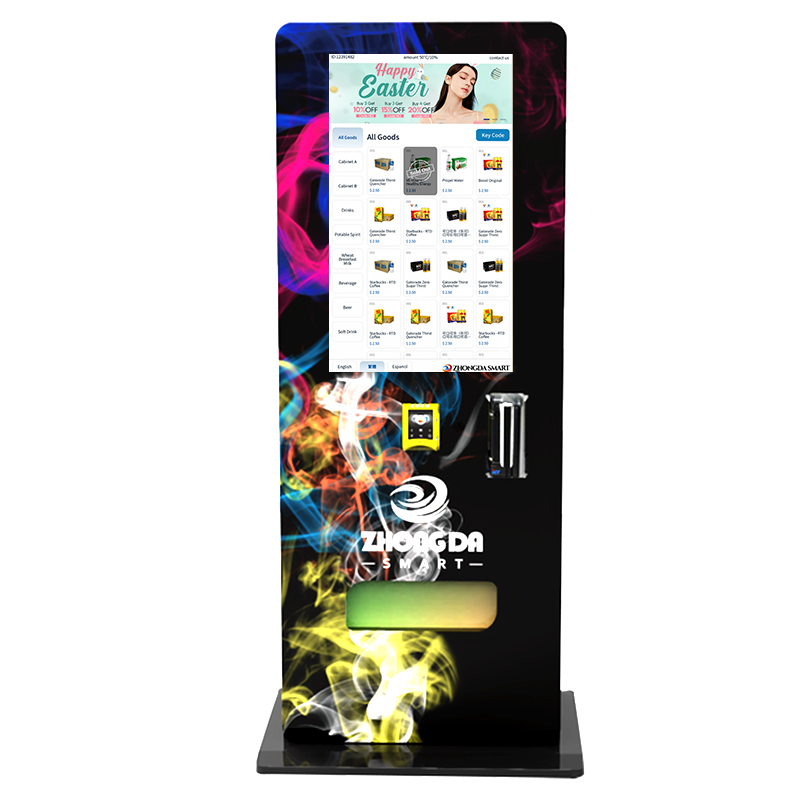
I’ve been manufacturing machines under the Zhongda Smart brand for over 15 years. We build units specifically for the US and EU markets, with age verification built in from the factory floor. Our compliant e-cigarette vending machine line is designed to pass audits on day one.
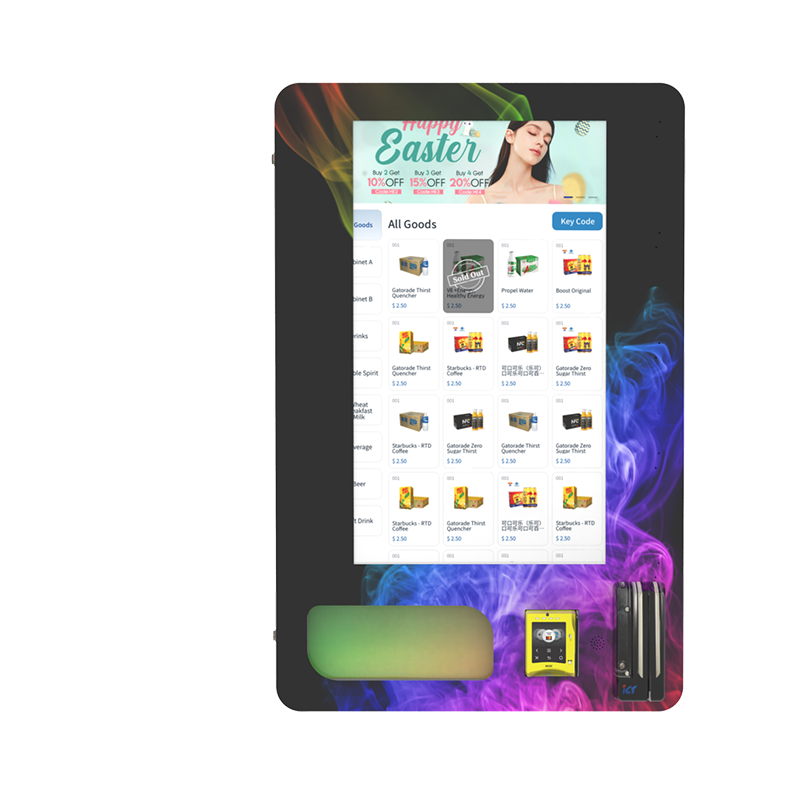
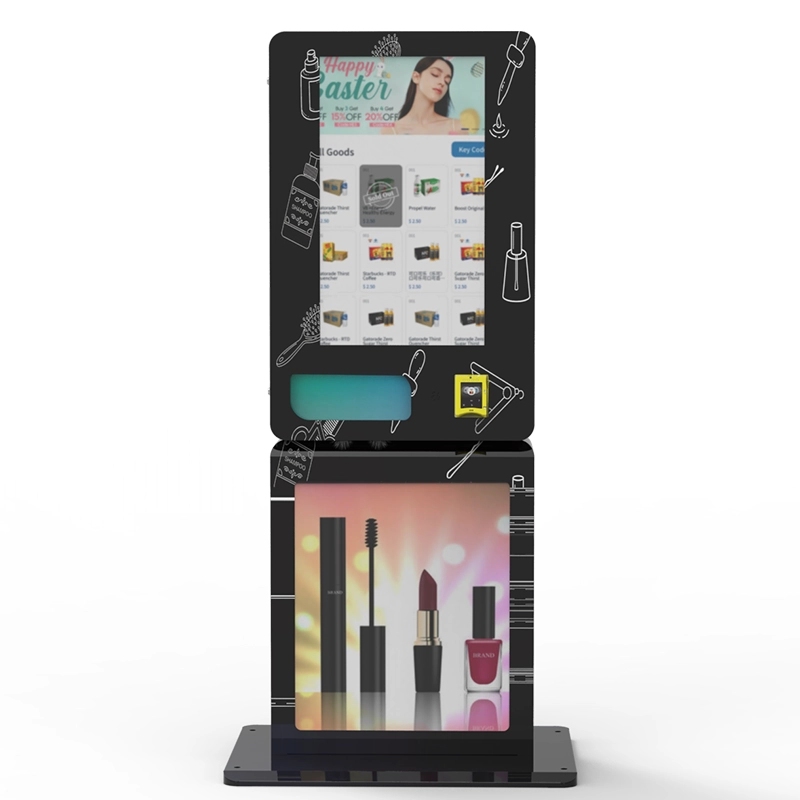
If you’re looking at a wall-mounted unit for tight spaces, the wall-mounted compact model is a good fit. It holds about 80 units and fits on a standard wall bracket. For higher volume, the floor-standing models can hold 200 to 400 units.
Questions to Ask Before You Buy
When you’re evaluating a supplier, ask these specific questions:
- What is the false rejection rate (FRR) of your age verification system? Under 5% is acceptable.
- Can the machine operate offline for at least 24 hours? If the network goes down, you still need to verify age locally.
- How do you handle software updates? Are they pushed automatically, or do I control the rollout?
- What is the average lifespan of the camera module? Expect 2 to 3 years with daily use.
- Do you provide a sample unit for testing? I never buy a full batch without testing one machine in a real location for 30 days.
Long-Term Operation and Maintenance Strategy
Running a fleet of vape vending machines is not passive income. You need a restocking schedule, a maintenance plan, and a compliance calendar. Here’s what works for me:
Restocking: High-traffic machines need restocking every 3 to 5 days. Low-traffic machines can go 7 to 10 days. Use sales data from your remote monitoring system to predict demand. I’ve reduced restocking trips by 30% just by analyzing which products sell fastest and adjusting inventory.
Maintenance: Schedule a full inspection every 90 days. Clean the camera lens, check the payment reader, and test the age verification system with a known fake ID. I also run a software update check every month. Most failures are preventable if caught early.
Compliance: Keep a log of all age verification attempts. Most states require you to retain records for at least two years. Your machine should automatically export these logs. If an auditor shows up and you can’t produce records, you’re looking at fines.
One lesson I learned the hard way: always have a backup verification method. If the facial recognition fails due to lighting or a customer wearing sunglasses, the machine should fall back to a manual ID scan. Otherwise, you lose the sale. About 8% of my transactions use the fallback method. Without it, I’d lose roughly $1,500 per machine per year.
Frequently Asked Questions
How accurate is facial age verification in vape vending machines?
Modern systems have a margin of error of about 1.5 to 2 years. They are trained on diverse datasets and can handle different lighting conditions. False acceptance rates (accepting a minor) are typically below 0.1% when properly calibrated.
Can a vape vending machine with facial age verification work outdoors?
It’s not recommended. Direct sunlight interferes with the infrared camera, and extreme temperatures can damage the electronics. Indoor locations with consistent lighting and temperature are best.
What happens if the facial recognition fails?
Most machines have a fallback option: scanning a government-issued ID. The machine reads the barcode or magnetic stripe and checks the date of birth. Some also match the photo on the ID using the camera.
Do I need a special license to operate a vape vending machine?
Yes. You need a tobacco retail license in most states and municipalities. Some locations also require a vending machine permit. Check with your local health department or alcohol and tobacco control board.
How much does it cost to maintain a vape vending machine per year?
Expect to spend 5% to 8% of the machine’s value on maintenance annually. That includes software licensing, camera calibration, and hardware repairs. For a $6,000 machine, budget about $300 to $480 per year.
Final Recommendations from the Factory Floor
After 15 years in this business, I’ve learned that the technology is only as good as the deployment strategy. A vape vending machine with facial age verification technology is a solid investment if you pick the right location, maintain the hardware, and stay on top of compliance. I’ve seen operators turn a single machine into a $60,000 annual profit center. I’ve also seen them lose money because they ignored the basics.
My advice: start with one machine. Test it in a high-traffic, age-restricted venue. Track every metric. Then scale. Don’t buy ten machines until you’ve proven the model with one. And when you’re ready to buy, work with a manufacturer that understands the regulatory landscape. We’ve been building these machines for over a decade at Zhongda Smart, and we know what works in the field.
If you want to dig deeper into the technical specs, visit our resource center for detailed guides and case studies. Or reach out directly through our contact page—I still answer technical questions personally.
References and Data Sources
- Statista – Global Vending Machine Market for Tobacco and Nicotine Products (2023)
- FDA – Selling Tobacco Products in Retail Stores
- IBISWorld – Vending Machine Industry Report (2024)
Meta Description:
A vape vending machine with facial age verification technology reduces compliance risk and boosts revenue. Learn real cost, profit, and deployment data from a 15-year manufacturer.