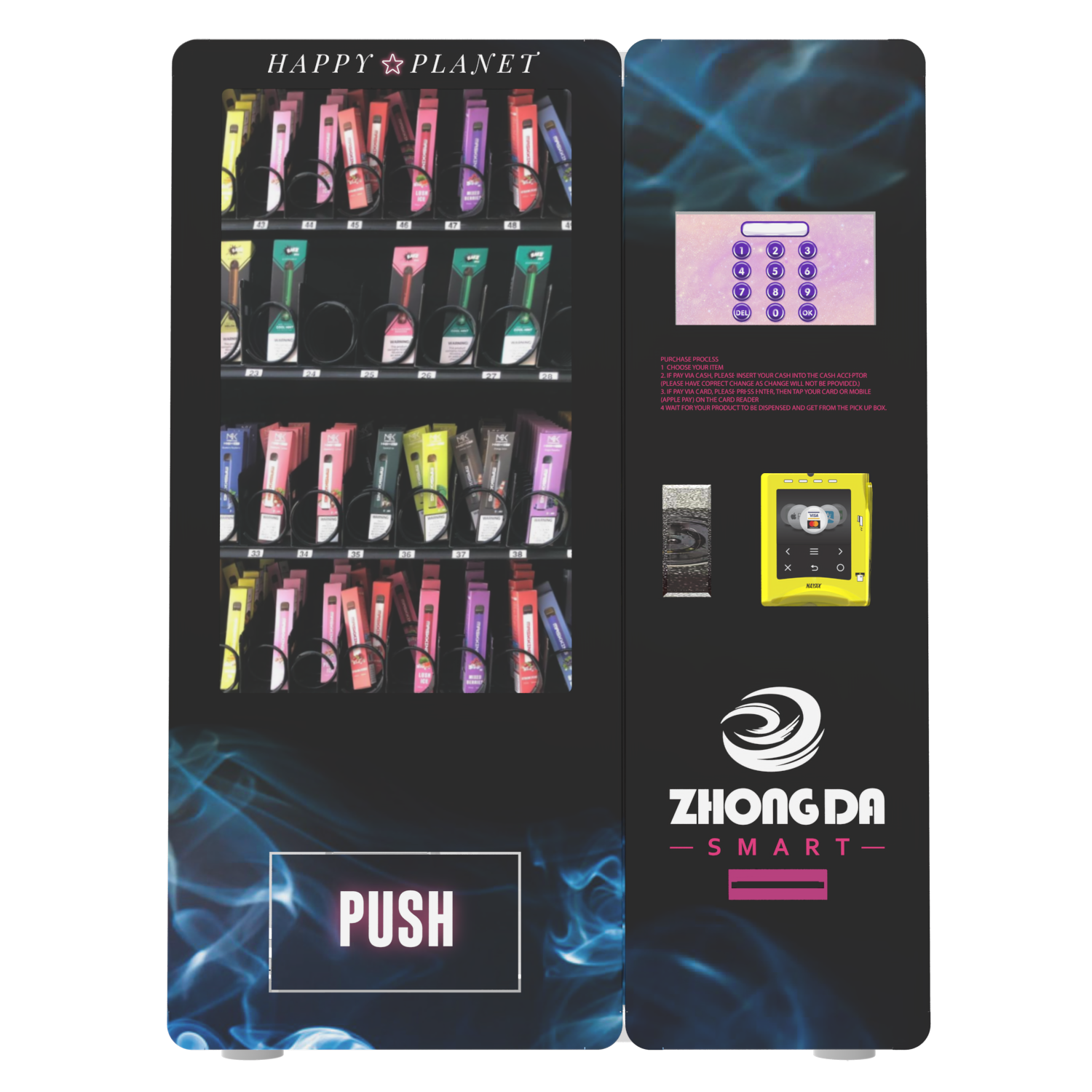
After spending the better part of the last decade deploying smart vending technology across bars, dispensaries, and convenience stores in the US, I can tell you one thing with certainty: the demand for a reliable vape vending machine supplier USA has never been higher. The shift toward self-service retail isn’t a trend—it’s a response to real operational pressure. Staff shortages, rising labor costs, and the need for 24/7 sales channels have pushed operators to look for automated solutions that don’t compromise on compliance. That’s where smart kiosks come in. But not all machines are built the same, and choosing the wrong supplier can cost you months of downtime and lost revenue. This guide breaks down what actually matters when sourcing wholesale smart kiosks for the North American market, based on real deployments and hard numbers.
What Makes a Vending Machine “Smart” for Vape Products
When I started in this space, a “smart” machine meant a basic touchscreen and a card reader. That’s not enough anymore. Today, a smart kiosk for vape products must integrate three core systems: age verification, inventory management, and remote monitoring. Without all three, you’re essentially running a glorified display case with a payment terminal.
Age Verification That Actually Works
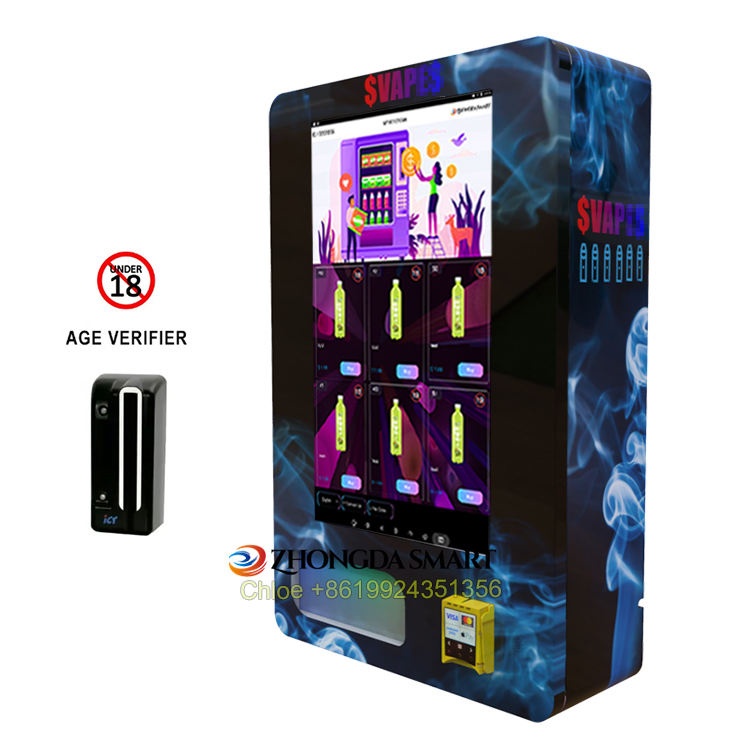
The biggest headache for operators is compliance. Every state has different rules, and the penalties for selling to a minor are severe. A smart kiosk needs an integrated ID scanner that can parse driver’s licenses from all 50 states, verify the date of birth, and reject expired or invalid IDs. Some machines now use biometric verification or third-party database checks. In our deployments, we’ve found that combining ID scanning with facial age estimation (using the camera) reduces chargebacks and audit failures significantly. For example, the ID scan vending machine we manufacture includes a built-in barcode scanner and a secondary age estimation camera to double-check the buyer’s age against the ID photo. This dual-layer system has passed compliance checks in states like California and Colorado without issue.
Remote Inventory and Sales Tracking
If you’re managing multiple locations, you can’t afford to drive to each machine just to check stock. A proper smart kiosk sends real-time data to a cloud dashboard. You should be able to see which products are selling, which are sitting, and whether any coils are low on stock. The system should also alert you if a column is jammed or if the temperature inside the cabinet rises above safe levels for nicotine products. We’ve seen operators reduce restocking trips by 40% just by using the data from their machines to plan routes more efficiently.
Payment Flexibility
Cash is still used, but the majority of vape sales in the US are now cashless. Your kiosk needs to accept credit cards, debit cards, and mobile wallets like Apple Pay and Google Pay. Some machines also support cash recycling, which is useful for locations with heavy foot traffic. The key is to choose a payment system that integrates with the machine’s software without requiring a separate terminal. This keeps the customer experience smooth and reduces the number of failure points.
Why Wholesale Pricing Matters for Your Bottom Line
Buying a single machine is one thing. Buying ten or fifty is a completely different conversation. The wholesale model is where the real savings kick in, but you need to understand what you’re actually paying for.
Unit Cost vs. Total Cost of Ownership
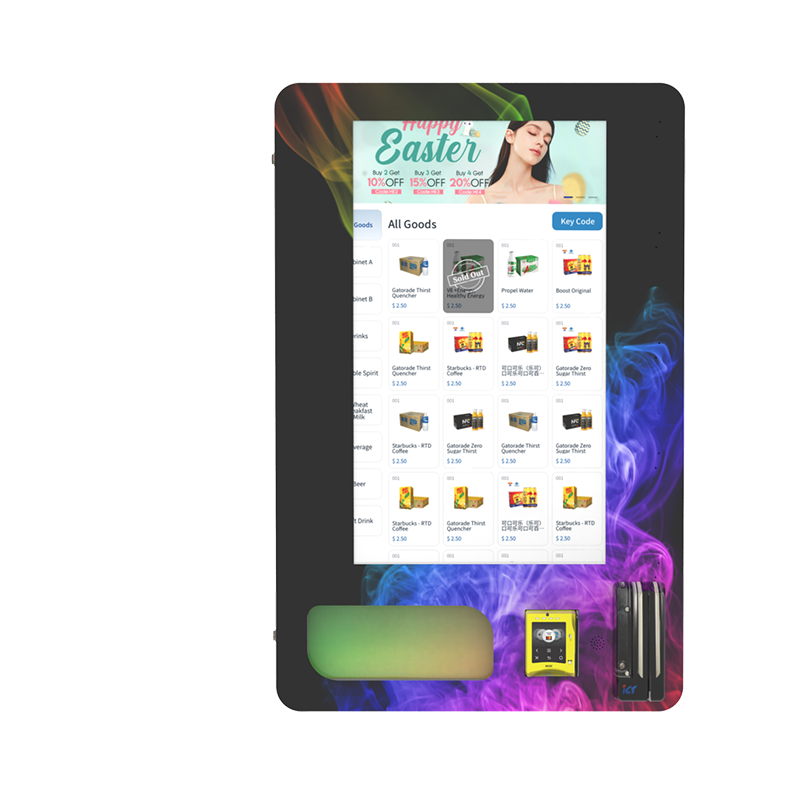
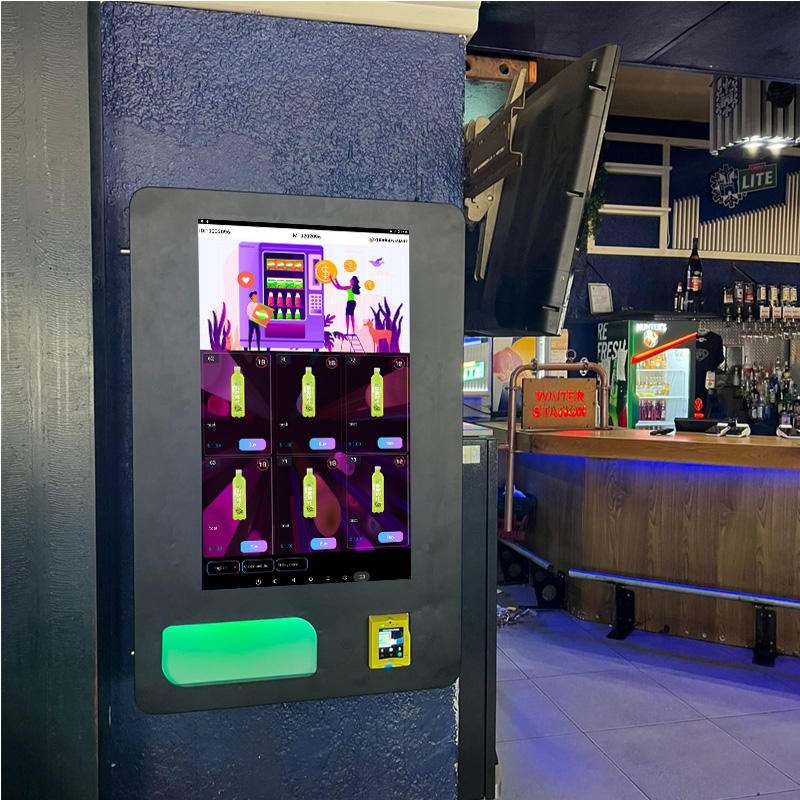
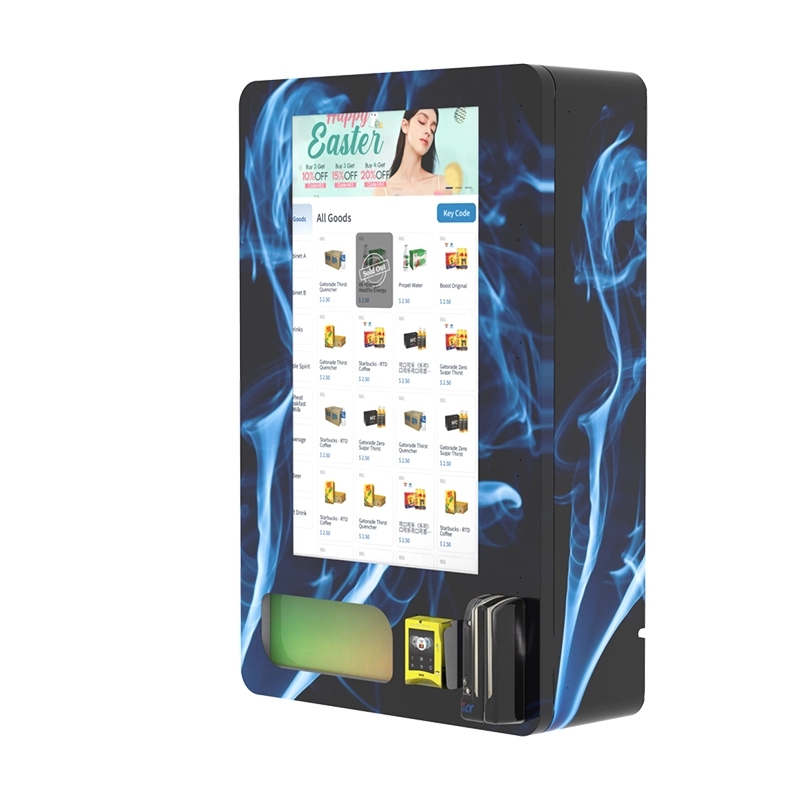
A lot of suppliers advertise a low per-unit price, but they don’t include the software license fees, installation costs, or the first year of maintenance. When we quote wholesale orders, we break down the total cost: hardware, software, shipping, installation, and a one-year warranty. This gives operators a clear picture of their upfront investment. For example, a wall-mounted compact e-cigarette vending machine from our factory costs less upfront than a full-sized floor model, but the profit per square foot is often higher because it fits in tight spaces like a bar counter or a hotel lobby.
| Machine Type | Typical Wholesale Price (per unit) | Software License (annual) | Installation & Shipping | Estimated 1-Year TCO |
|---|---|---|---|---|
| Wall-Mounted Compact | $2,800 – $4,200 | $300 – $600 | $200 – $400 | $3,300 – $5,200 |
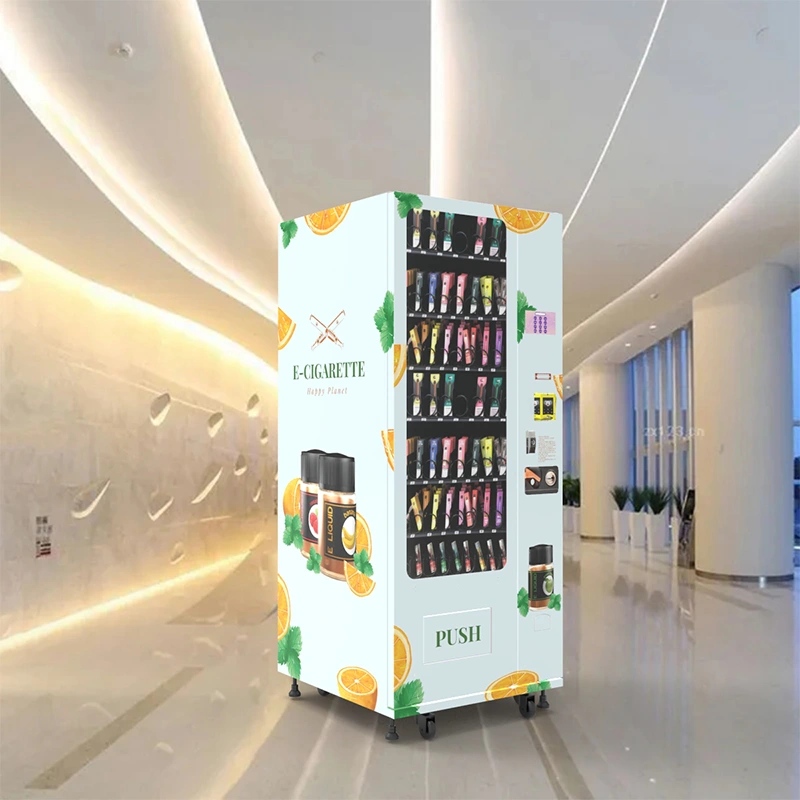
| Full-Size Floor Model | $5,500 – $8,500 | $500 – $900 | $400 – $800 | $6,400 – $10,200 |
| High-Capacity Kiosk (with ID scan) | $7,000 – $12,000 | $600 – $1,200 | $500 – $1,000 | $8,100 – $14,200 |
Note: Prices are estimates based on 2024 wholesale data from our factory and industry averages. Actual costs vary by configuration and volume.
Volume Discounts and Customization
If you’re ordering 20 units or more, most suppliers will offer tiered discounts. But the real value in wholesale is the ability to customize the machine to your needs. Want a specific color scheme for a chain of lounges? Need a custom product tray for a new disposable vape size? A factory-direct supplier like Zhongda smart can adjust the design during production. You can’t get that from a distributor who just resells generic machines.
Profit Models That Work in the Real World
I’ve seen operators try to copy the snack vending model—buy cheap, fill it with random products, and hope for the best. That doesn’t work for vapes. The profit margin on a single disposable vape can be 40% to 60%, but only if you choose the right products and price them correctly.
Product Mix and Margins
Based on data from our network of operators, the best-selling items in a vape kiosk are:
- Disposable vapes (50% – 60% of sales)
- Pod systems and replacement pods (20% – 25%)
- Nicotine salt bottles (10% – 15%)
- Accessories like chargers and coils (5% – 10%)
Pricing Strategy
Set your prices slightly below what a convenience store charges, but above what an online retailer offers. Customers are paying for convenience and instant access. A $15 disposable that costs you $7.50 gives you a 50% margin. If you sell 10 units per day, that’s $75 in gross profit from one machine. Multiply that by 30 days, and you’re looking at $2,250 per month from a single machine. After deducting the machine cost, location fees, and restocking labor, most operators see a return on investment within 6 to 12 months.
Real Example: A Bar in Austin, Texas
One of our clients placed a wall-mounted e-cigarette vending machine in a busy bar. The machine was stocked with 12 different SKUs of disposables and pods. In the first month, the machine generated $3,400 in sales. The cost of goods was $1,700, leaving a gross profit of $1,700. After the bar’s 15% location fee ($255) and restocking labor ($150), the net profit was $1,295. That machine paid for itself in just over four months.
Common Mistakes and How to Avoid Them
I’ve made plenty of mistakes over the years, and I’ve seen others make the same ones. Here are the three most common failures I’ve observed in the field.
Ignoring Local Compliance Rules
I once worked with an operator who bought a machine without age verification because he “didn’t think it was required” in his county. Three months later, the county health department fined him $5,000. The fine wiped out his profits for the entire quarter. Every machine we sell now includes age verification as a standard feature, not an add-on. You can read more about the legal landscape in our article on vape vending machine legality in Colorado, but the short version is: always check local laws before you buy.
Choosing the Wrong Location
A vape kiosk in a quiet laundromat will fail. A kiosk in a busy nightclub or a smoke shop will thrive. Location is everything. Look for places with high foot traffic, a demographic that matches your product, and a business owner who sees the value in having a machine. We’ve compiled a list of best locations for vape vending machines based on our deployment data.
Underestimating Maintenance
Machines break. Screens freeze. Card readers fail. If you don’t have a plan for maintenance, your machine will sit idle for days, losing money. Our factory offers remote diagnostics that can fix 80% of issues without a site visit. But you still need a local contact who can clear a jam or reboot the system when needed. Factor in a maintenance budget of about $200 per machine per year for parts and labor.
Technical Specifications That Actually Matter
When you’re comparing suppliers, don’t get distracted by flashy features you’ll never use. Focus on the specs that affect your daily operations.
Screen Size and Touch Sensitivity
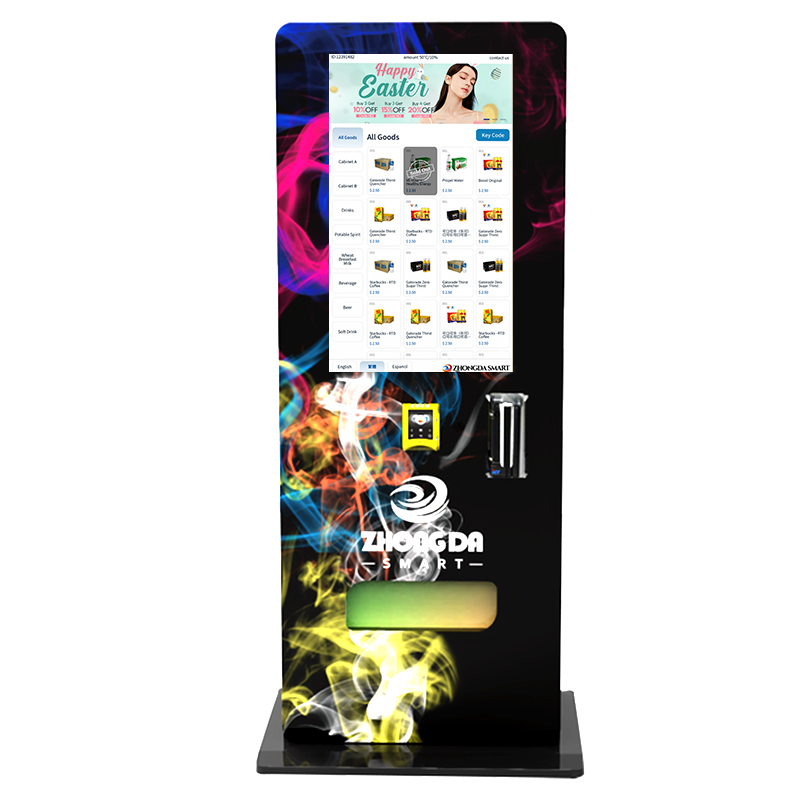
A 21-inch screen is adequate for most locations. Larger screens (32-inch) are better for high-traffic areas where you want to display product images and promotions. The touchscreen must work with gloves, because many bars and clubs have customers wearing gloves in winter. We use industrial-grade capacitive touch screens that are tested for 10 million touches.
Temperature Control
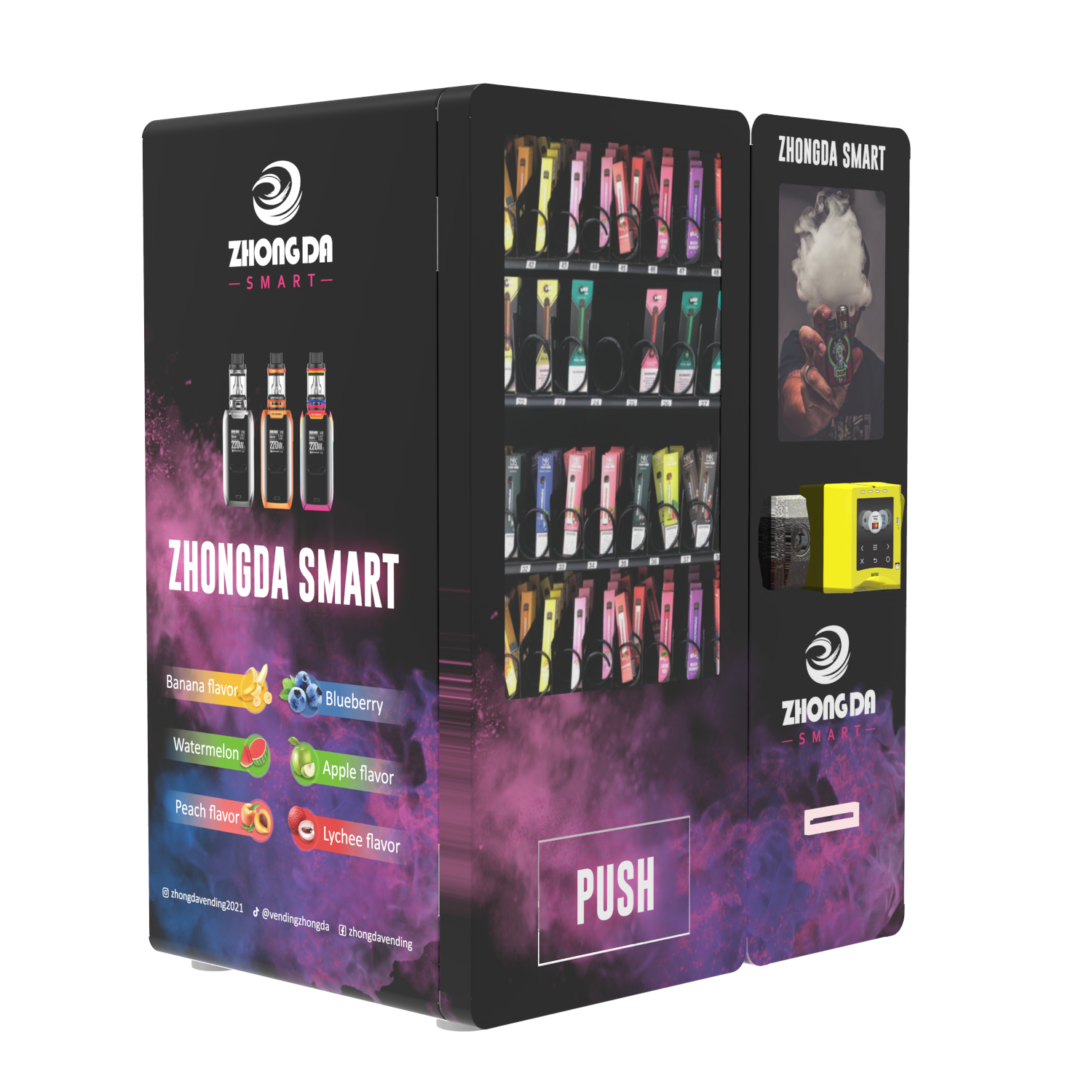
Nicotine products degrade in heat. If your machine is outdoors or in a location without climate control, you need a cooling system. Look for machines with a compressor-based cooler, not just a fan. The cooling system should maintain a temperature between 60°F and 75°F. Our compliant e-cigarette vending machine includes a built-in refrigeration unit that keeps products fresh even in warm environments.
Security Features
Vandalism is a real concern, especially in unsupervised locations. The machine should have a steel frame, a tamper-proof lock, and an alarm system that triggers if the door is forced open. Some operators also install a camera inside the machine to record every transaction. This helps with theft prevention and dispute resolution.
How to Choose Between a Wall-Mounted and Floor-Standing Kiosk
The choice often comes down to space and traffic flow.
Wall-Mounted Units
These are ideal for tight spaces like a bar counter, a hotel lobby, or a small retail store. They typically hold 50 to 100 units and are easy to install. The downside is limited capacity, so you’ll need to restock more frequently. But if the location has high turnover, that’s not a problem. The wall-mounted compact e-cigarette vending machine is our most popular model for this reason.
Floor-Standing Units
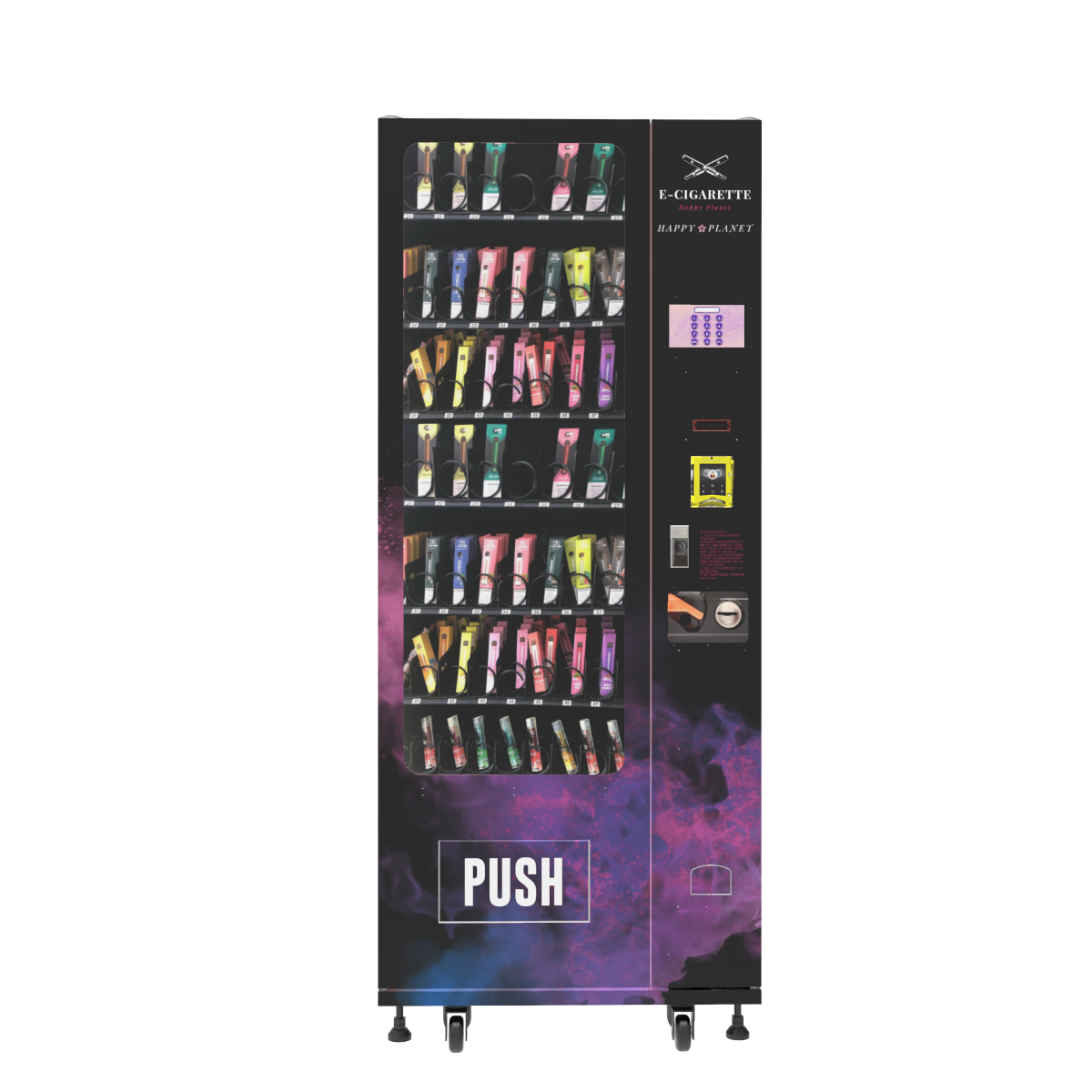
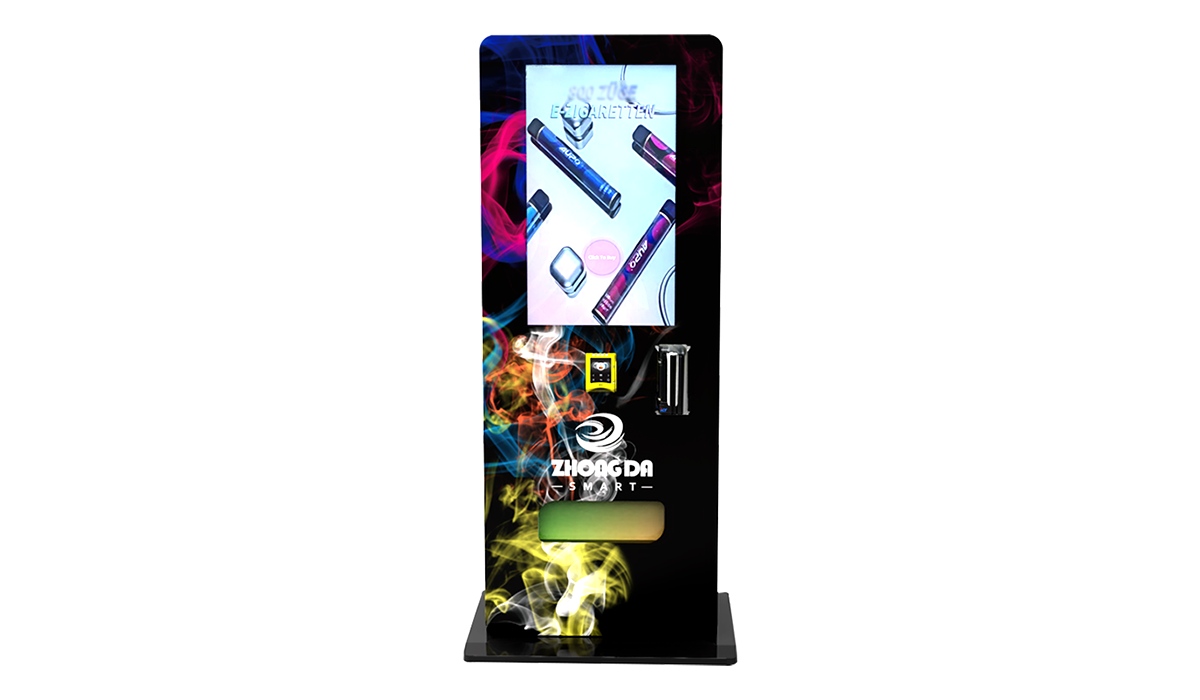
These hold 200 to 400 units and are better for high-volume locations like a mall or a large smoke shop. They take up more floor space, so you need to negotiate the footprint with the location owner. The higher capacity means fewer restocking trips, which saves labor costs. If you’re placing a machine in a busy airport or a casino, a floor-standing unit is usually the better choice.
Long-Term Strategy: Scaling Your Vending Network
Once you have one machine running profitably, the next step is scaling. But scaling too fast without a solid operational plan is a recipe for disaster.
Start with One or Two Machines
I always advise new operators to start with one or two machines in different locations. Run them for three to six months. Learn the maintenance patterns, the sales cycles, and the customer behavior. Once you have a proven model, then expand.
Use Data to Decide Where to Expand
Your machine’s software should tell you which products sell best and at what times of day. Use that data to choose your next location. If a machine near a college campus sells out of disposables every Friday night, that’s a signal that another machine near a different campus might perform similarly.
Build Relationships with Location Owners
The best locations are often locked into exclusive agreements. If you can build a relationship with a bar chain or a hotel group, you can secure multiple locations at once. Offer a fair revenue split (typically 10% to 20% of gross sales) and reliable service. Location owners talk to each other. A good reputation will open doors.
Frequently Asked Questions
How much does a vape vending machine cost in the USA?
Are vape vending machines legal in the US?
How much profit can a vape vending machine make?
What is the best location for a vape vending machine?
How do I maintain a vape vending machine?
Final Thoughts on Choosing a Supplier
I’ve been in this industry long enough to see suppliers come and go. The ones that survive are the ones that build machines that work in the real world, not just in a showroom. When you’re evaluating a vape vending machine supplier USA, ask about their manufacturing process, their warranty terms, and their track record with compliance. A factory-direct partner like Zhongda smart gives you control over the product and the support you need to scale. Don’t settle for a generic machine that will cause headaches down the road. Invest in a smart kiosk that’s built for the demands of the American market.
Sources: Data on profit margins and sales patterns based on internal operator network surveys (2023–2024). Industry pricing benchmarks from IBISWorld (Vending Machine Operators in the US, 2024). Legal compliance guidelines referenced from state-specific tobacco retail laws. External source: IBISWorld Vending Machine Operators Report.
Meta Description: Looking for a reliable vape vending machine supplier USA? This guide covers wholesale pricing, age verification, profit models, and real-world deployment tips from a factory expert.