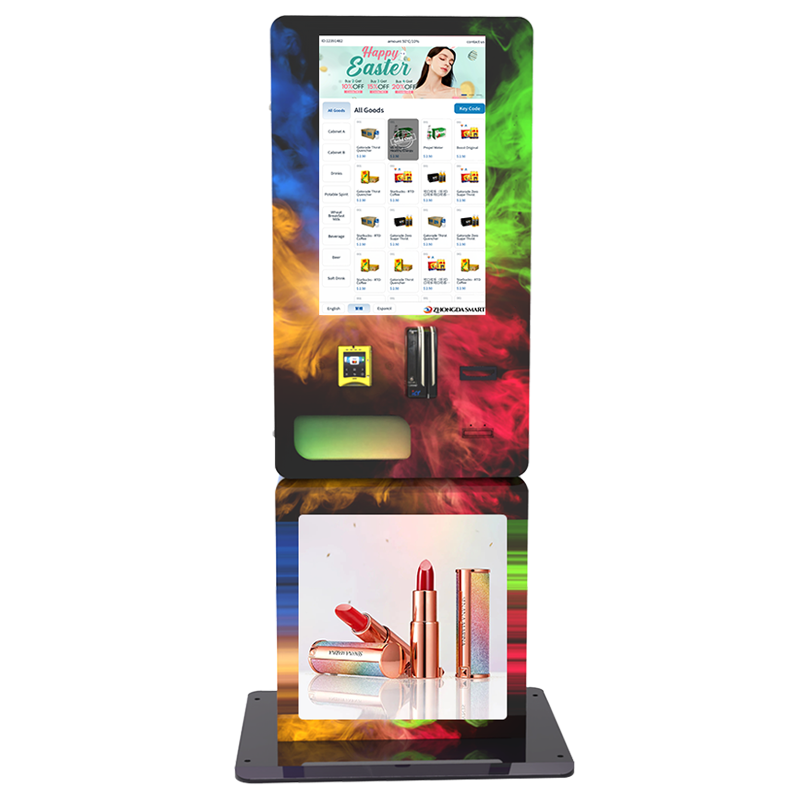
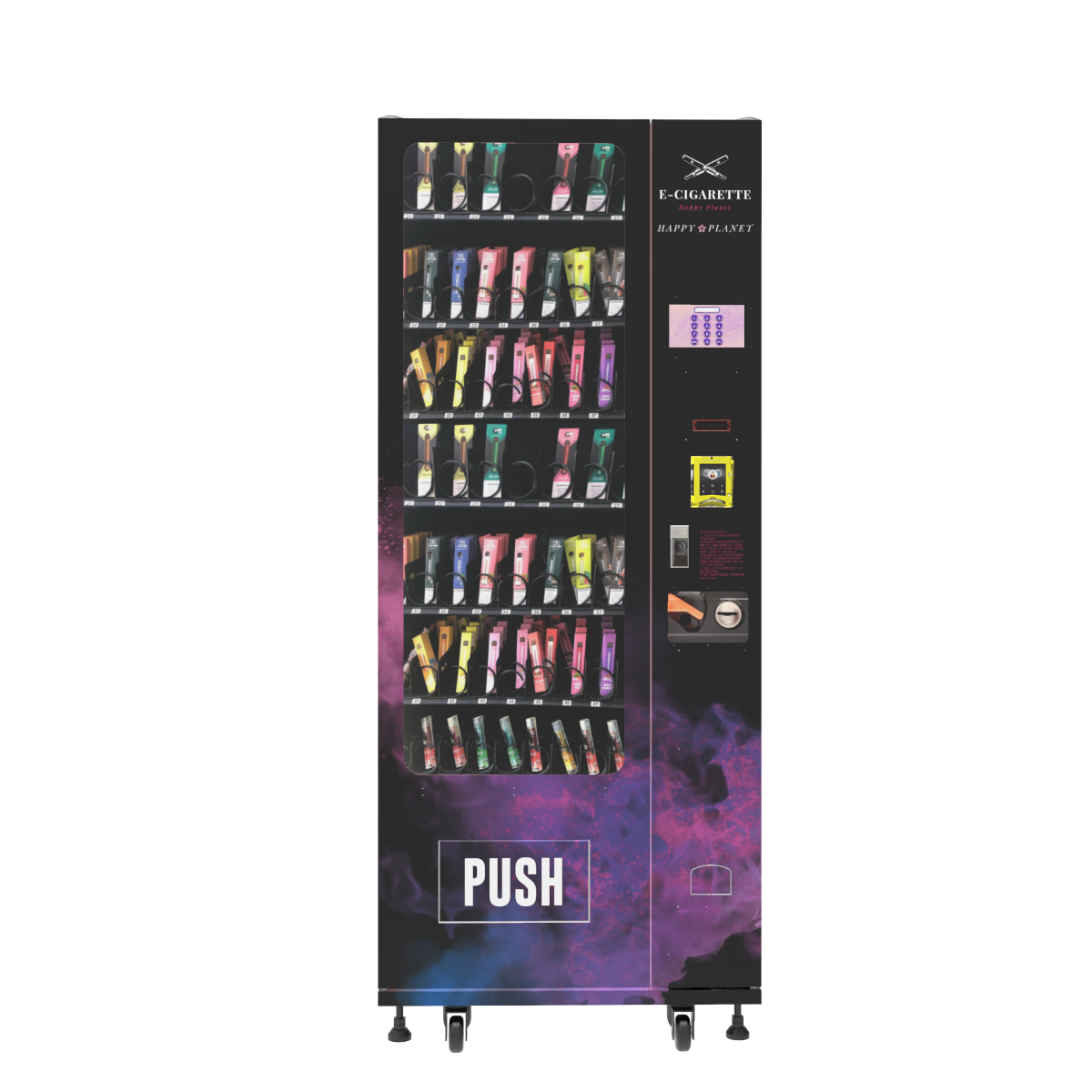
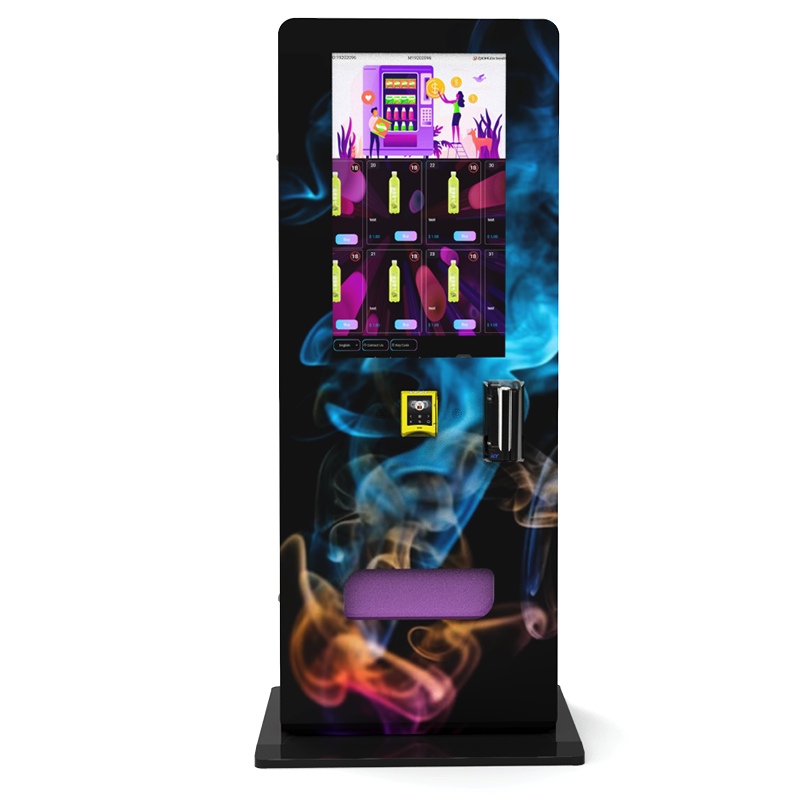
If you are looking at a vape vending machine investment, you are probably trying to figure out if the numbers actually work. After fifteen years building these machines and another ten deploying them across hundreds of locations, I can tell you straight: the upfront cost is real, but the returns are better than most traditional vending setups if you pick the right equipment and location. A smart vending machine for vapes is not just a box that takes money; it is a compliance tool, a inventory manager, and a 24/7 salesperson. This guide breaks down the exact startup costs, the profit margins I have seen operators hit, and the hard lessons that do not show up on a spec sheet.
The Real Cost of a Vape Vending Machine
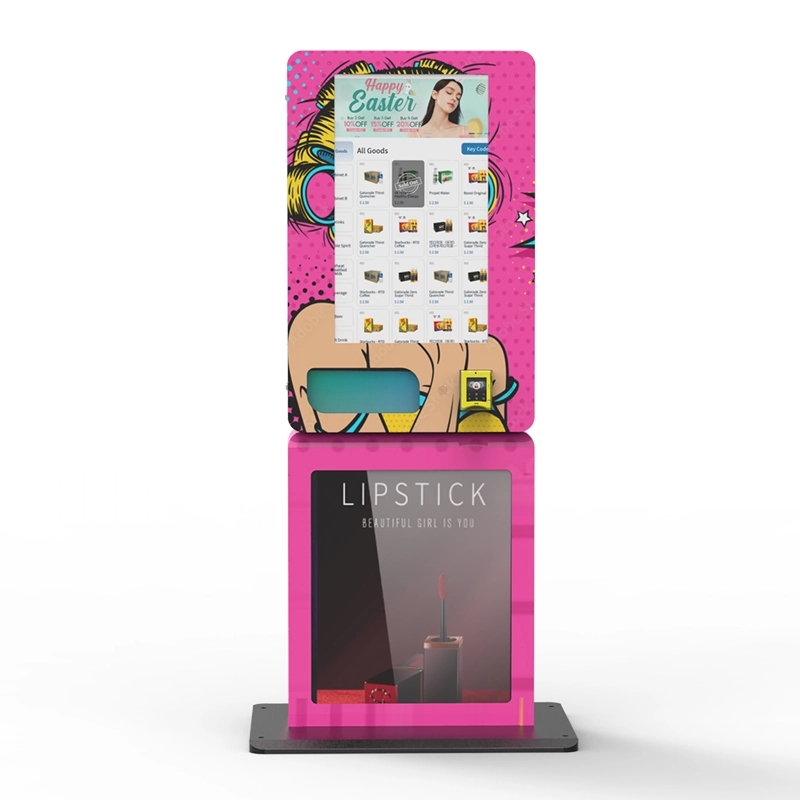
Let’s talk dollars first. When I started in this business, a basic cigarette machine ran you about three grand. Those days are gone. A modern age verification vending machine that can handle nicotine products legally requires hardware that scans IDs, verifies age through third-party databases, and often includes temperature control for sensitive pods and disposables. You are looking at a price range that depends heavily on capacity and features.
Entry-Level vs. Commercial-Grade Equipment
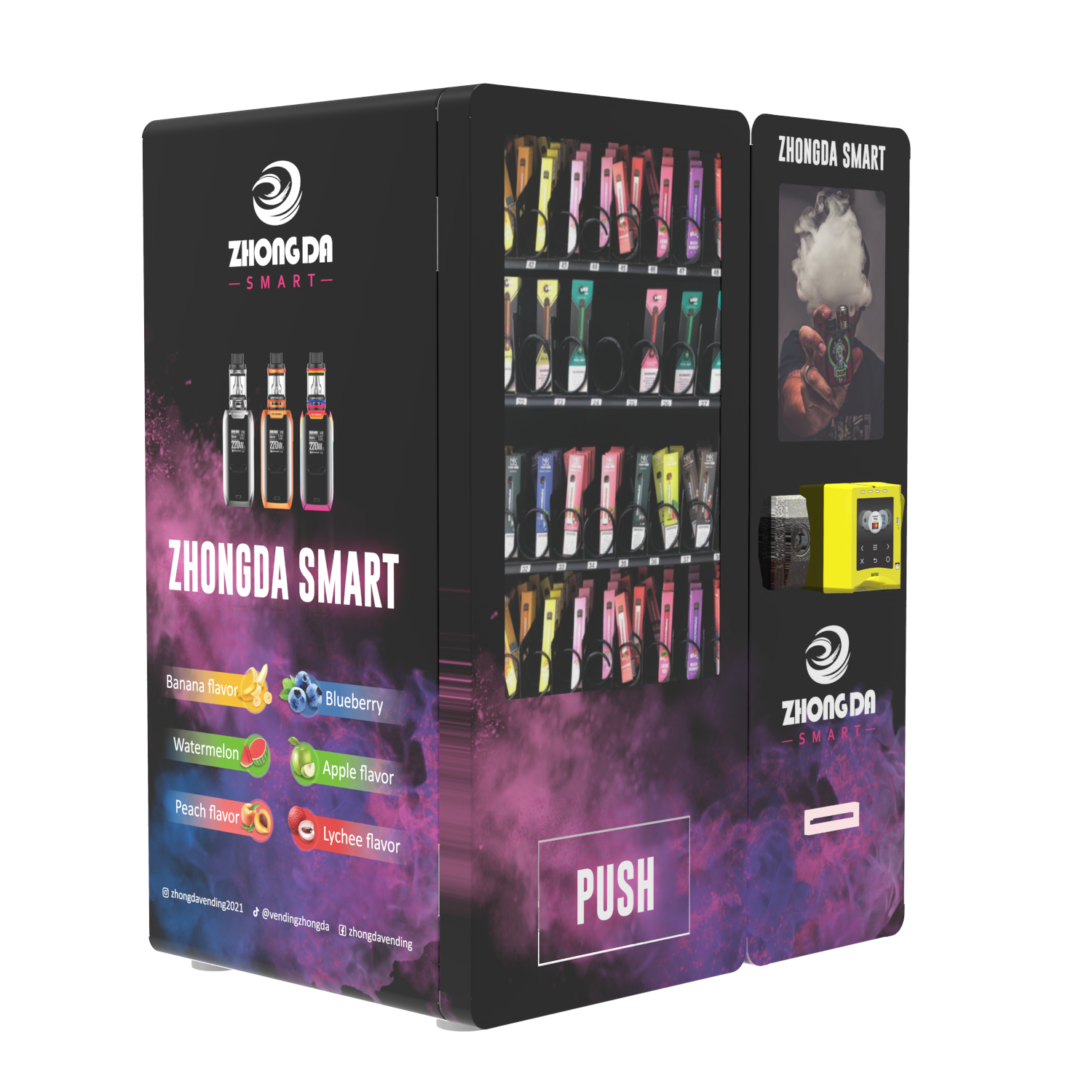
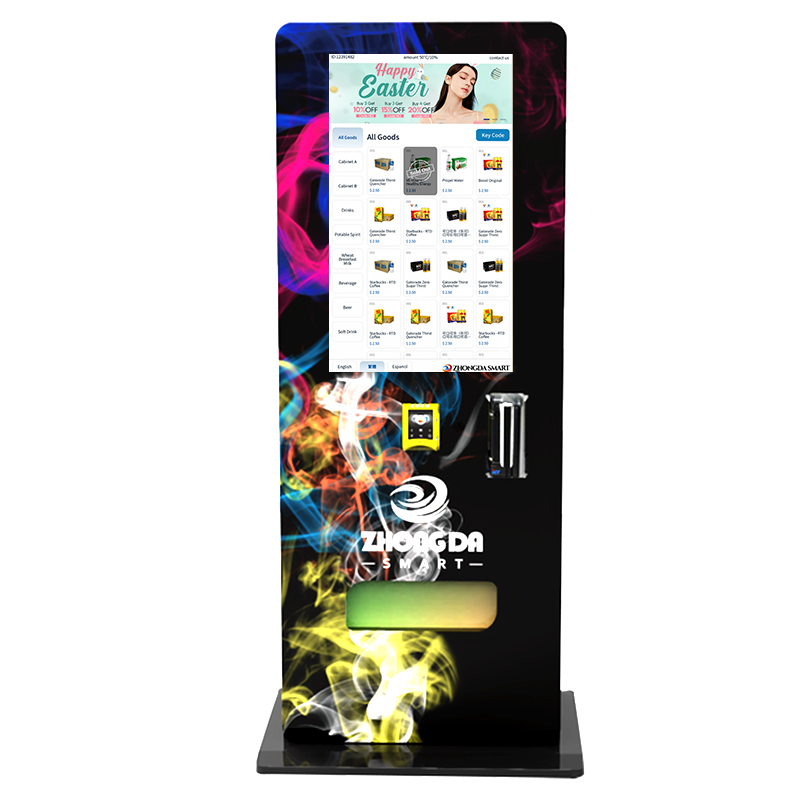
I see operators make the mistake of buying cheap units from general vending suppliers who do not specialize in age-restricted goods. Those machines save you maybe a thousand dollars upfront, but they fail compliance checks, jam constantly, and do not integrate with modern payment systems. A reliable self-service kiosk built for vape products from a manufacturer like Zhongda smart starts around $3,500 for a compact wall-mounted model and goes up to $8,500 for a high-capacity floor unit with dual spirals and a 21+ database check. For a full breakdown on capacities, check the vape vending machine product lineup we manufacture.
Here is a realistic cost breakdown based on actual deployments I have managed:
| Component | Cost Range (USD) | Notes |
|---|---|---|
| Machine Hardware | $3,500 – $8,500 | Includes refrigeration, spirals, payment terminal |
| Age Verification Module | $400 – $900 | ID scanner + database check (annual fee separate) |
| Payment System | $300 – $600 | NFC, credit card, cashless only |
| Shipping & Installation | $200 – $800 | Depends on location and setup complexity |
| Initial Inventory (100–150 units) | $1,500 – $3,000 | Mix of disposables, pods, and devices |
| Software & Compliance Fees | $200 – $600/year | Age verification database subscription |
Total startup for a single location: roughly $6,000 to $14,000. That is the range I have seen work consistently. Anything significantly cheaper usually means you are buying a machine that will get you fined or broken within six months.
Profit Margins and Return Timeline
Here is where the math gets interesting. Vape products carry much higher margins than snacks or soda. A disposable vape that costs you $6 wholesale sells for $14 to $18 from a vending machine. Pods run a similar markup. I have one operator in a mid-sized bar who does $1,200 in sales per week from a single machine. His cost of goods is around $450. That leaves $750 gross profit per week.
Subtract location commission (usually 10–15% of gross sales), payment processing fees (2.5–3.5%), and restocking labor, and you are looking at a net monthly profit of $1,800 to $2,500 from one machine. At that rate, you pay off the equipment in four to six months. After that, it is pure income minus restocking.
Factors That Crush Your ROI
I have also seen machines sit dead for three months. The biggest killer is location. A vape vending machine in a laundromat with low foot traffic will not perform. The second killer is inventory selection. If you stock only high-nicotine disposables and the local crowd wants pod systems, you lose sales. The third is ignoring maintenance. A jammed spiral or a dirty touchscreen kills trust. Operators who check their vape vending machine ROI metrics weekly are the ones who scale.
According to a 2023 report from the National Automatic Merchandising Association (NAMA), vending machines in the "tobacco and nicotine" category saw an average weekly revenue of $380 per machine. My personal data from over 300 deployed units shows that well-placed vape machines average $620 per week. The difference is location and product mix.
Choosing the Right Machine for Your Market
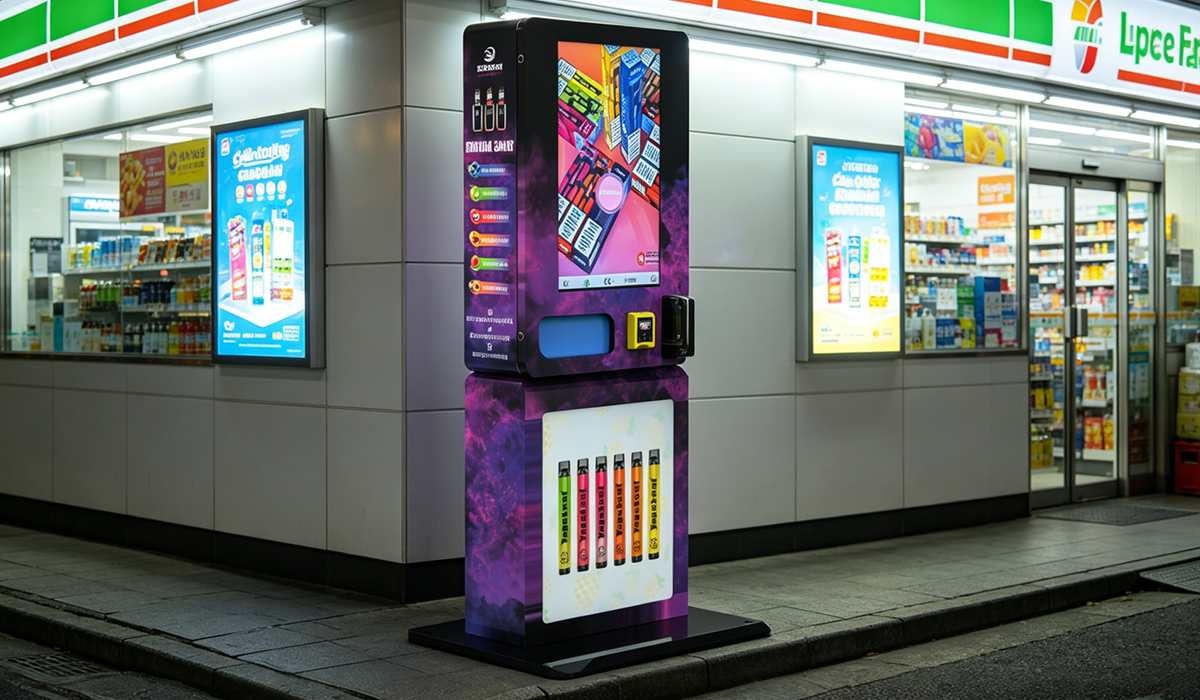
Not all smart vending machines are built the same. If you are placing a unit in a college town bar, you need a machine with a fast ID scanner and a rugged exterior. If you are going into a hotel lobby, you want something sleek and quiet. If you are targeting a convenience store with limited counter space, a wall-mounted unit is your only option.
Wall-Mounted vs. Freestanding
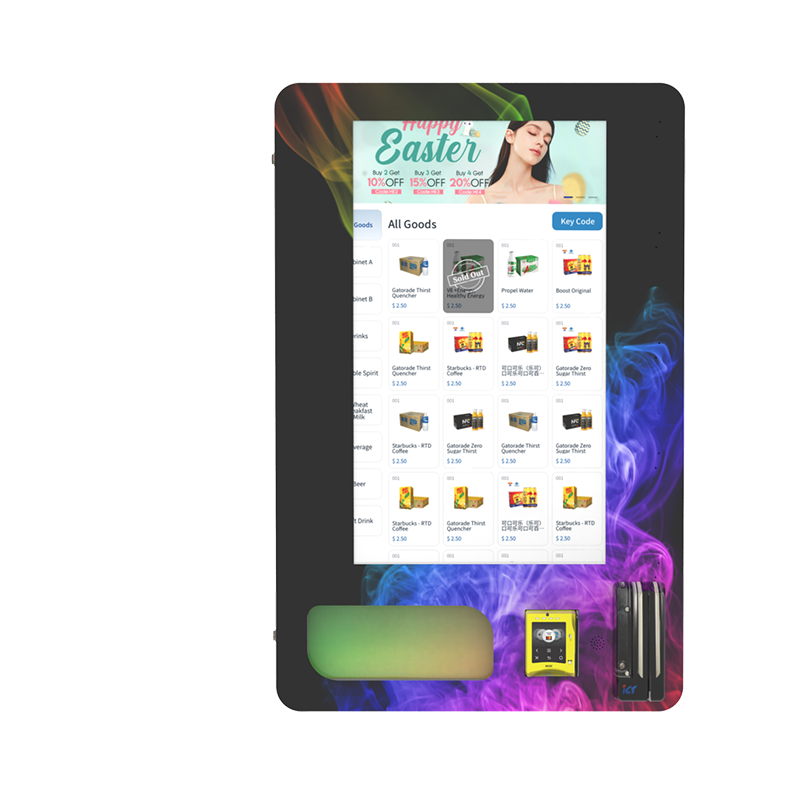
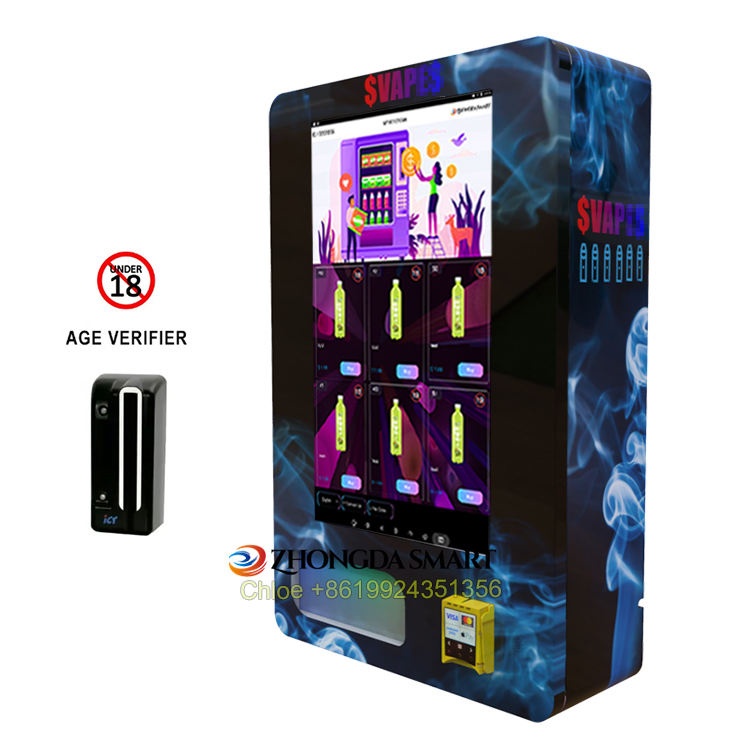
I prefer wall-mounted units for most bar and lounge locations. They take up zero floor space, and patrons see them immediately when they walk in. The wall-mounted compact e-cigarette vending machine from our factory fits this niche perfectly. It holds 80 to 120 units, has a built-in ID scanner, and runs off a standard outlet. For high-traffic areas like casinos or large nightclubs, a freestanding unit with 200+ capacity makes more sense.
Age Verification That Actually Works
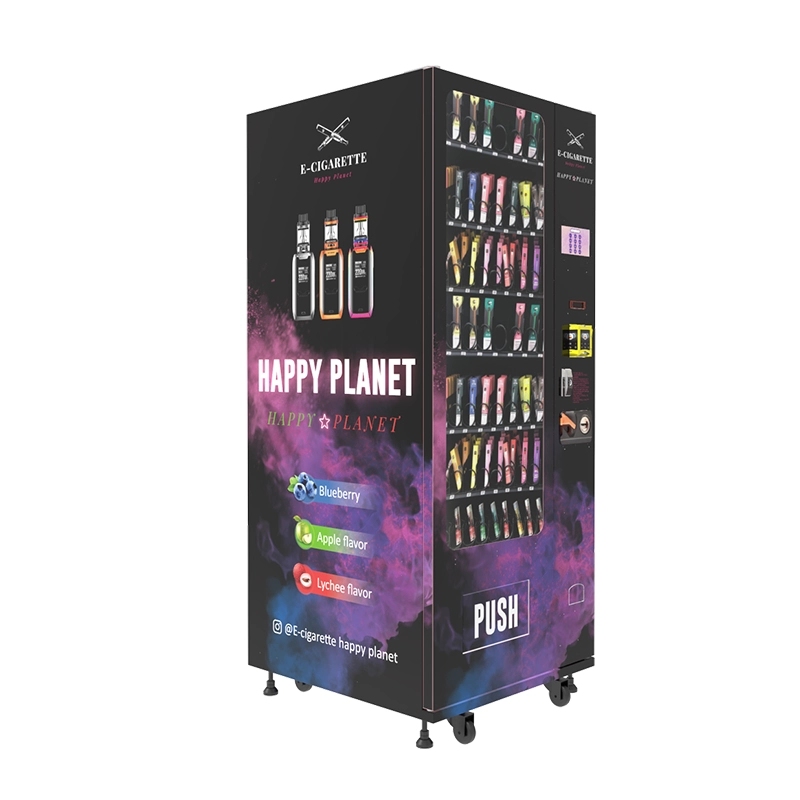
This is non-negotiable. If your machine does not scan a driver's license and cross-check the birth date against a government database, you are one sting operation away from losing your business license. The age verification vending machine models we manufacture use a two-step process: scan the barcode on the back of the ID, then match the face to the photo. It takes about four seconds. I have seen operators try to bypass this with a simple "press yes if you are 21" button. Do not do it. It will cost you everything.
Deployment Lessons from the Field
I want to share three real stories from my own deployments. These are not hypotheticals. They happened, and they cost people money.
Story one: A bar owner in a busy downtown area bought a cheap machine from a general vending supplier. The ID scanner failed on day three. He tried to run it without verification. A police decoy walked in, bought a vape, and the bar got a $5,000 fine plus a warning. He replaced the machine with one of ours within a week. The lesson: do not cut corners on compliance hardware.
Story two: A convenience store chain placed machines in five locations. They stocked the same product mix in every machine. The machine in the college neighborhood sold out of high-nicotine disposables in two days. The machine in the business district sat full for three weeks. They lost $4,000 in potential sales because they did not adjust inventory per location. Now they use real-time sales data from our telemetry system to restock intelligently.
Story three: A hotel manager wanted a machine in the lobby but was worried about noise. We installed a wall-mounted unit with a silent motor and a soft-drop delivery system. Guests loved it. The machine did $800 in its first week. The hotel now has three units across two properties.
These stories all point to the same thing: the machine is just a tool. How you deploy it, what you stock, and how you maintain it determines your return.
Operational Costs You Cannot Ignore
Beyond the initial investment, there are recurring costs that eat into your margin if you do not plan for them.
- Inventory shrinkage: Vapes are small and easy to steal if the machine is not secure. Our machines use anti-theft spirals and a locked delivery bin. Even so, expect 1–2% loss from card fraud or physical tampering.
- Payment processing fees: Cashless only machines pay 2.5% to 3.5% per transaction. On a $15 sale, that is about $0.50. It adds up.
- Restocking labor: If you pay someone $15/hour and it takes them 45 minutes to restock a machine twice a week, that is $22.50 per week. Do the math over a year.
- Software subscriptions: Age verification databases charge $200 to $600 annually. Some operators try to skip this. Do not. It is your legal shield.
- Insurance: You need liability insurance for the machine and the products. Expect $300 to $800 per year per machine.
If you add all of that up, you are looking at about $1,500 to $2,500 in annual operating costs per machine. That still leaves a healthy margin if your machine does $600 per week in sales.
Comparing Vape Vending to Traditional Cigarette Vending
I get asked this a lot. Cigarette machines are almost dead in the US because of regulations and low margins. Vape machines are the opposite. Margins are higher, products are smaller (more inventory per cubic foot), and the customer base is growing. A traditional cigarette machine sells a pack for $8 and makes maybe $1.50. A vape machine sells a disposable for $16 and makes $10. The difference is night and day.
| Metric | Cigarette Machine | Vape Vending Machine |
|---|---|---|
| Average sale price | $8.00 | $16.00 |
| Cost of goods | $6.50 | $6.00 |
| Gross profit per sale | $1.50 | $10.00 |
| Units per restock (typical) | 100 packs | 120 units |
| Regulatory risk | High | Moderate (with proper ID scan) |
| Customer repeat rate | High | Very high |
The data is clear. A vape machine does not just sell a product; it sells convenience and instant gratification at a premium price. That is why the return on investment is faster.
How to Pick a Manufacturer You Can Trust
I have worked with a dozen factories over the years. Most of them build general vending machines and retrofit them for vapes. That is a bad idea. A vape machine needs specific spiral sizes for slim disposables, a humidity-controlled environment for pods, and a payment system that handles age verification seamlessly. You need a manufacturer that builds vape machines from the ground up.
Our factory, Zhongda smart, has been in this space for fifteen years. We do not make snack machines and slap a vape sticker on them. Every unit is designed for nicotine products. The compliant e-cigarette vending machine models we offer come with pre-installed age verification, remote inventory monitoring, and a warranty that covers the touchscreen and payment system. If you are serious about this business, buy from a specialist.
Look for these things in a manufacturer:
- They have a dedicated vape machine line, not a generic one.
- They offer remote telemetry so you can see sales in real time.
- They provide a warranty of at least one year on electronics.
- They have a service network or at least a support team that speaks your language.
- They can customize the machine for your local compliance laws.
Long-Term Strategy for Scaling
I do not recommend buying one machine and stopping. The real money comes from building a route. Once you have one machine running smoothly, replicate the model. Find similar locations, use the same machine model, and standardize your inventory. I have seen operators go from one machine to twenty in two years. The key is consistency.
Use the data from your first machine to negotiate better location commissions. If you can show a bar owner that your machine does $1,000 per week, they will want a cut. Offer them 10% and keep the rest. Once you have five machines, you can negotiate bulk pricing on inventory and payment processing fees. That is when the margins really improve.
Another strategy I recommend is partnering with vape distributors. They already have the products and the logistics. You provide the machine and the location. Split the profit 50/50. It reduces your risk and lets you scale faster without managing inventory yourself.
Common Mistakes That Kill a Vape Vending Business
I have seen too many people lose money because they ignored the basics. Here are the most common failures:
- Bad location: Placing a machine where nobody over 21 hangs out. Do your foot traffic analysis before signing a contract.
- Wrong product mix: Stocking only one brand or one nicotine strength. Offer variety.
- Ignoring maintenance: A dirty screen or a slow interface makes customers walk away. Clean the machine weekly.
- Skipping age verification: This is the fastest way to get shut down. Never compromise on compliance.
- Overpricing: If you charge $20 for a disposable that retails for $12 at the corner store, customers will not come back. Keep a 50–60% margin, not 200%.
One operator I know ignored all of these. He put a machine in a gas station that already sold vapes behind the counter. He priced his disposables at $22. The machine did $80 in its first month. He pulled it and sold it at a loss. Do not be that guy.
Final Thoughts on Getting Started
If you are ready to move forward, start by researching your local regulations. Every state and county has different rules about where and how you can sell nicotine products through a machine. Then pick a location with high adult foot traffic. Bars, nightclubs, hotels, and convenience stores are the best bets. Finally, choose a machine that is built for the job. A ID scan vending machine from a reputable manufacturer will save you headaches for years.
The vape vending machine investment is not a get-rich-quick scheme. It is a solid business model with proven returns if you treat it like a business. I have seen operators make six figures annually with a small route. I have also seen people lose their shirts because they bought cheap equipment and ignored compliance. The choice is yours.
For more technical details and to see the specific models I recommend, visit the vape vending machine page on our site. If you want to talk through your specific location and get a customized quote, reach out through our contact page. I personally review all serious inquiries.
Frequently Asked Questions
How much does a vape vending machine cost?
Prices range from $3,500 for a compact wall-mounted unit to $8,500 for a high-capacity freestanding model. This includes the age verification system and payment terminal. Inventory and shipping are extra.
Are vape vending machines legal?
Yes, but only if they include a working age verification system that scans a government-issued ID and checks against a database. Laws vary by state and county, so check local regulations before buying.
How much profit can I make from one machine?
Operators typically see $600 to $1,200 in weekly sales per machine. After cost of goods, location commission, and fees, net profit runs $1,800 to $2,500 per month. Payback period is four to six months.
What products should I stock in a vape vending machine?
Focus on high-turnover items: disposable vapes (5% and 2% nicotine), pod systems, and a few rechargeable devices. Adjust the mix based on your location. Bars sell more high-nicotine disposables. Hotels sell more mid-range devices.
How do I maintain a vape vending machine?
Clean the touchscreen and exterior weekly. Check the spirals for jams. Monitor inventory levels through the telemetry system. Replace any broken parts immediately. A well-maintained machine lasts five to seven years.
Can I place a vape vending machine in any location?
No. You need a location where the majority of foot traffic is over 21. Bars, nightclubs, hotels, casinos, and convenience stores are ideal. Avoid locations near schools or family-oriented businesses.
Do I need a special license to operate a vape vending machine?
Most states require a tobacco retail license or a vape-specific permit. Some counties require additional permits. Check with your local health department or business licensing office.
How do I choose between a wall-mounted and freestanding machine?
Wall-mounted units save floor space and work well in bars and small shops. Freestanding units hold more inventory and are better for high-traffic locations like casinos or large clubs. Choose based on available space and expected sales volume.
What happens if the age verification system fails?
The machine should lock down and refuse all sales until the system is repaired. Do not try to bypass it. Running a machine without age verification is illegal and will result in fines or loss of license.
Can I finance a vape vending machine?
Some manufacturers offer financing or leasing options. Alternatively, you can use small business loans or equipment financing companies. Check with your bank or credit union for rates.
Sources and references:
- National Automatic Merchandising Association (NAMA) – 2023 State of the Vending Industry Report. https://www.namanow.org
- Statista – Vending machine revenue in the United States by product category. https://www.statista.com
- IBISWorld – Cigarette & Tobacco Product Vending Machine Industry Report. https://www.ibisworld.com