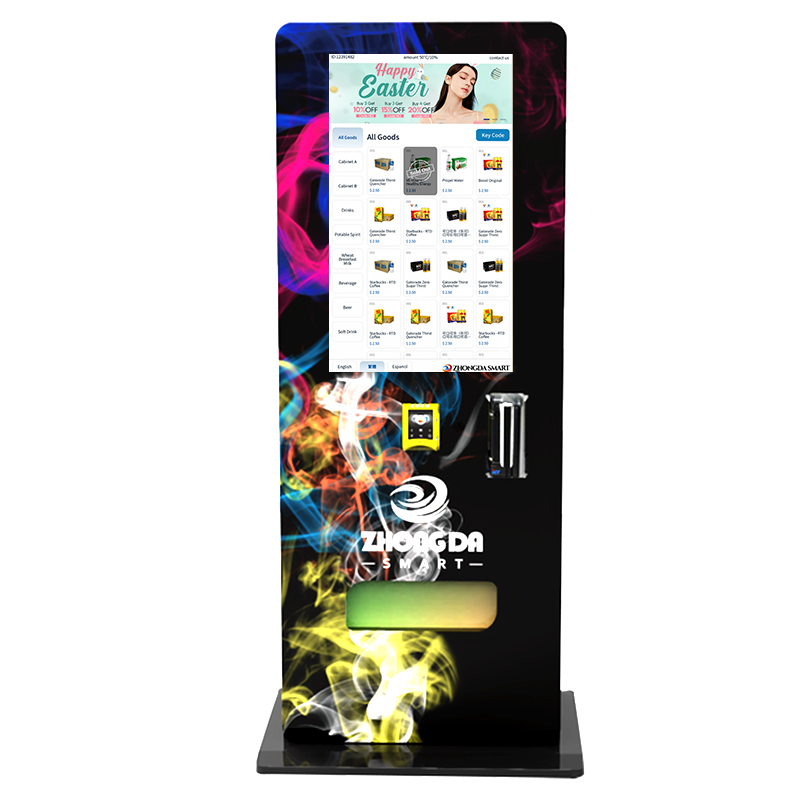
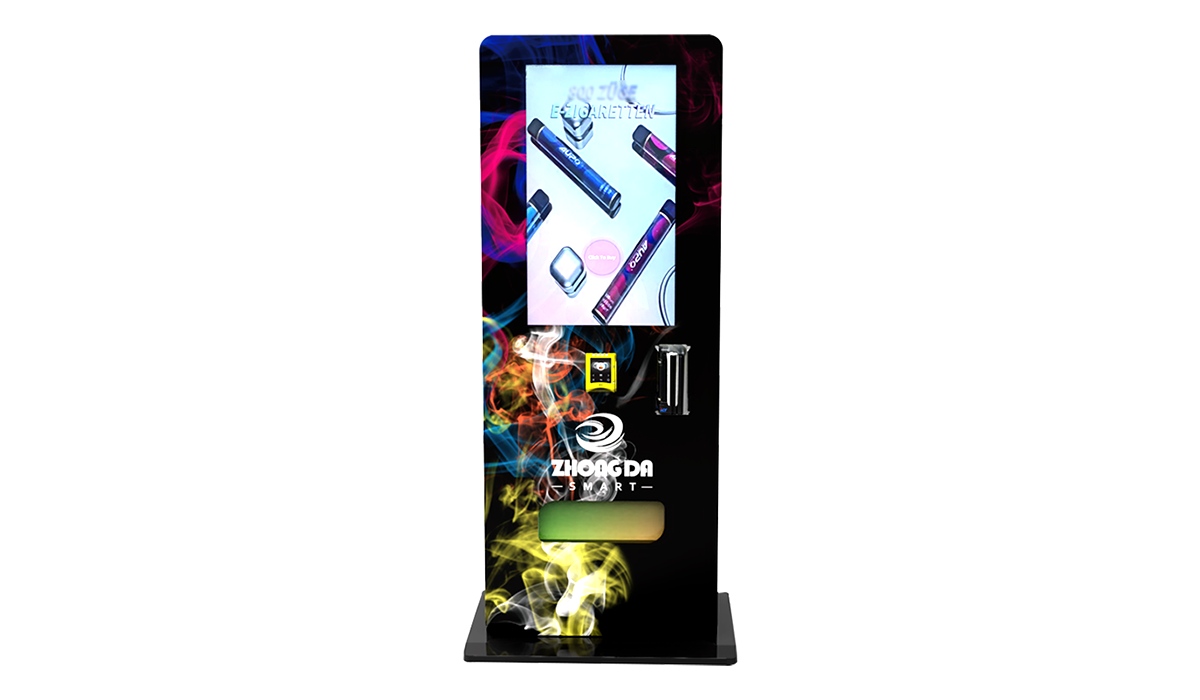
After a decade and a half spent designing, building, and deploying vending machines for the nicotine market across various states and regions, I can tell you the single biggest question I hear from retailers and entrepreneurs isn't about the technology. It is about the money. Specifically, how do you get into the wholesale vape vending machines game without overpaying, and what does a realistic profit model look like? The answer lies in understanding bulk pricing structures and the often-overlooked leasing options that preserve your working capital. This guide is not a textbook. It is the playbook we use internally when consulting with clients who want to place a self-service kiosk in a high-traffic bar or a convenience store. We will break down the actual costs, the hidden maintenance traps, and the specific hardware choices that separate a profitable route from a money pit.
The Real Cost of Entry: Bulk Pricing vs. Per-Unit Markup
When you start looking at smart vending machine options, the sticker price can be intimidating. A single, compliant unit with age verification can run anywhere from $3,500 to over $8,000 depending on the features. But here is the truth that most sales brochures skip: the real savings come when you stop thinking about one machine and start thinking about a deployment strategy. Bulk pricing is not just a discount; it is a fundamental shift in your unit economics.
If you buy one machine, you pay retail. If you buy five, you pay wholesale. If you buy twenty, you are essentially buying at factory cost plus a small margin. I have seen operators who bought a single unit for $5,200 struggle to break even because their cost of goods sold (the machine) was too high. Meanwhile, an operator who bought ten units for $3,800 each had a 27% lower entry cost, allowing them to recoup their investment in six months instead of ten.
Here is a typical breakdown we use when quoting a fleet deployment:
| Quantity Ordered | Price Per Unit (Standard Model) | Total Investment | Typical Lead Time |
|---|---|---|---|
| 1 | $5,200 | $5,200 | 2-3 weeks |
| 5 - 9 | $4,500 | $22,500 - $40,500 | 4-6 weeks |
| 10 - 24 | $3,800 | $38,000 - $91,200 | 6-8 weeks |
| 25+ | $3,200 | $80,000+ | 8-12 weeks (custom config) |
The jump from $5,200 to $3,200 is significant, but it requires a commitment. Most factories, including ours at Zhongda Smart, build these units on a semi-custom basis. We do not stockpile thousands of finished machines. We stock components. When you order in bulk, we can optimize the supply chain for you. This is why I always advise new operators to start with a pilot of three machines, validate the locations, and then immediately place a bulk order for the rest of the fleet. Do not buy one machine and then wait six months to buy another. You lose the pricing leverage and you lose the consistency of the user interface.
Leasing as a Capital Preservation Tool
Not everyone has $40,000 sitting in a checking account to buy ten machines. This is where leasing becomes a critical strategy. A lease allows you to treat the machine as an operating expense rather than a capital expenditure. For a business that is just starting out or for a location that has a seasonal cash flow (like a beachside vape shop), leasing can be the difference between a successful deployment and a failed one.
Leasing terms vary, but a standard structure looks like this:
- 36-month lease: Monthly payment of approximately $110 - $150 per unit (based on a $4,500 machine).
- 60-month lease: Monthly payment of approximately $75 - $95 per unit.
- Buyout option: Usually $1 at the end of the term, or a fair market value buyout.
The advantage here is obvious. If your machine generates $800 in gross profit per month, a $120 lease payment leaves you with $680 in cash flow. You are using the machine's own revenue to pay for itself. I have seen some of the most successful operators use a mix: they lease the first five machines to test the market, and then use the profits from those five to buy the next ten outright. This hybrid approach minimizes risk while maximizing scalability.
Profit Models That Actually Work (And One That Doesn't)
I have visited hundreds of locations over the years. I have seen machines that do $3,000 a month in sales and machines that do $300. The difference is rarely the machine itself. It is almost always the product mix and the location agreement. Let me walk you through the three most common profit models.
Model 1: The High-Margin Disposable Route. This is the most common model in the US right now. You stock high-demand disposable vapes (like Elf Bar, Geek Bar, or Lost Mary) with a retail markup of 50% to 100%. A disposable that costs you $8 wholesale sells for $15.99. If your machine holds 200 units and you sell 50% of your inventory per week, that is roughly $1,600 in gross profit per week. The downside is that inventory management is critical. Disposables have a shelf life and a trend cycle. If you buy 500 units of a flavor that dies in popularity, you are stuck with slow-moving stock.
Model 2: The Pod/Coil Subscription Model. This is a lower-margin but higher-frequency model. You stock pod systems (like JUUL or Vuse) and replacement pods. The margin on pods is thinner (30% to 40%), but the repurchase rate is much higher. A customer who buys a pod system once will come back every week for a four-pack of pods. This creates predictable, recurring revenue. I have a client in a busy office building who makes over $4,000 a month just selling pods and coils. He rarely sells devices. He just feeds the addiction cycle.
Model 3: The "Premium" Glass and Concentrate Model (Where Most People Fail). I have to be honest here. Putting high-value glass pieces or cannabis concentrates into a vape vending machine is a recipe for theft and mechanical jams. The coils get stuck, the glass breaks, and the age verification screen becomes a bottleneck. I strongly advise against this model unless you have a dedicated attendant nearby. The margins look great on paper (200%+), but the shrinkage rate eats all of that profit. Stick to sealed, standardized packaging.
The Hidden Cost of Location Agreements
One of the biggest mistakes I see is operators signing a 50/50 revenue split with a bar or a lounge. That sounds fair until you realize you are paying for the machine, the maintenance, the inventory, the credit card processing fees (2.5% to 3.5%), and the restocking labor. A 50/50 split means you are doing all the work for half the money. I always negotiate for a flat monthly rent or a 70/30 split in favor of the operator. The location provides the foot traffic and the electricity. You provide the capital and the expertise. That is worth more than a 50% cut.
Here is a real-world example from a deployment we did in a college-town bar. The bar wanted 50%. We offered them a flat $400 per month rent. They countered at $500. We accepted. The machine does about $2,800 in sales per month. At a 50% margin on the product, that is $1,400 in gross profit. Subtract the $500 rent, the $90 payment on the leased machine, and the $50 in credit card fees. The operator nets $760 per month from that single location. If we had taken the 50% split, the operator would have paid $1,400 in rent (50% of sales) and lost money on the deal.
Technical Specifications That Matter for Compliance and Reliability
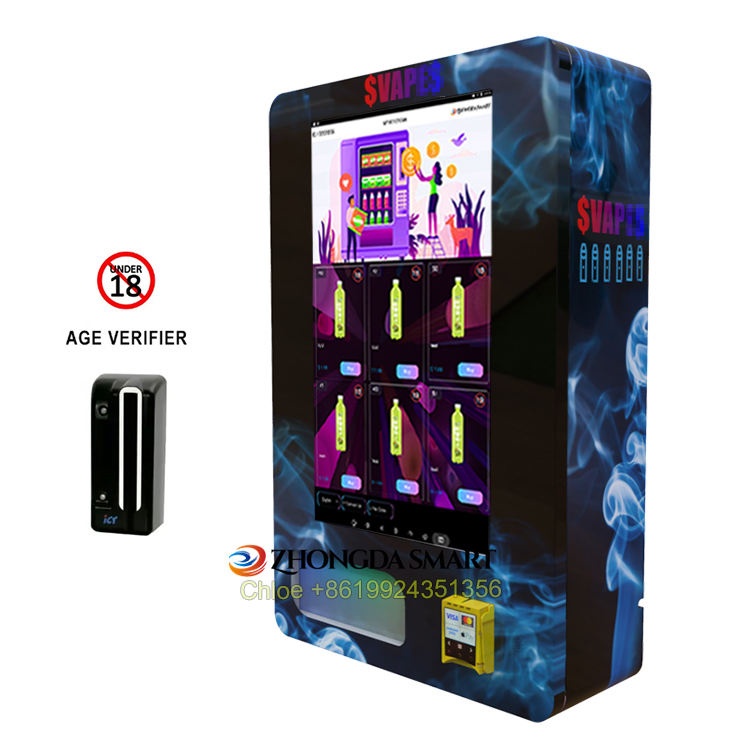
If you are reading this, you already know that selling tobacco products through a vending machine requires robust age verification. But the market is flooded with "compliant" machines that use a simple scanner that a teenager can fool with a fake ID. The real standard is a machine that integrates with a third-party age verification service that checks the ID against a government database. This is not a feature you should compromise on.
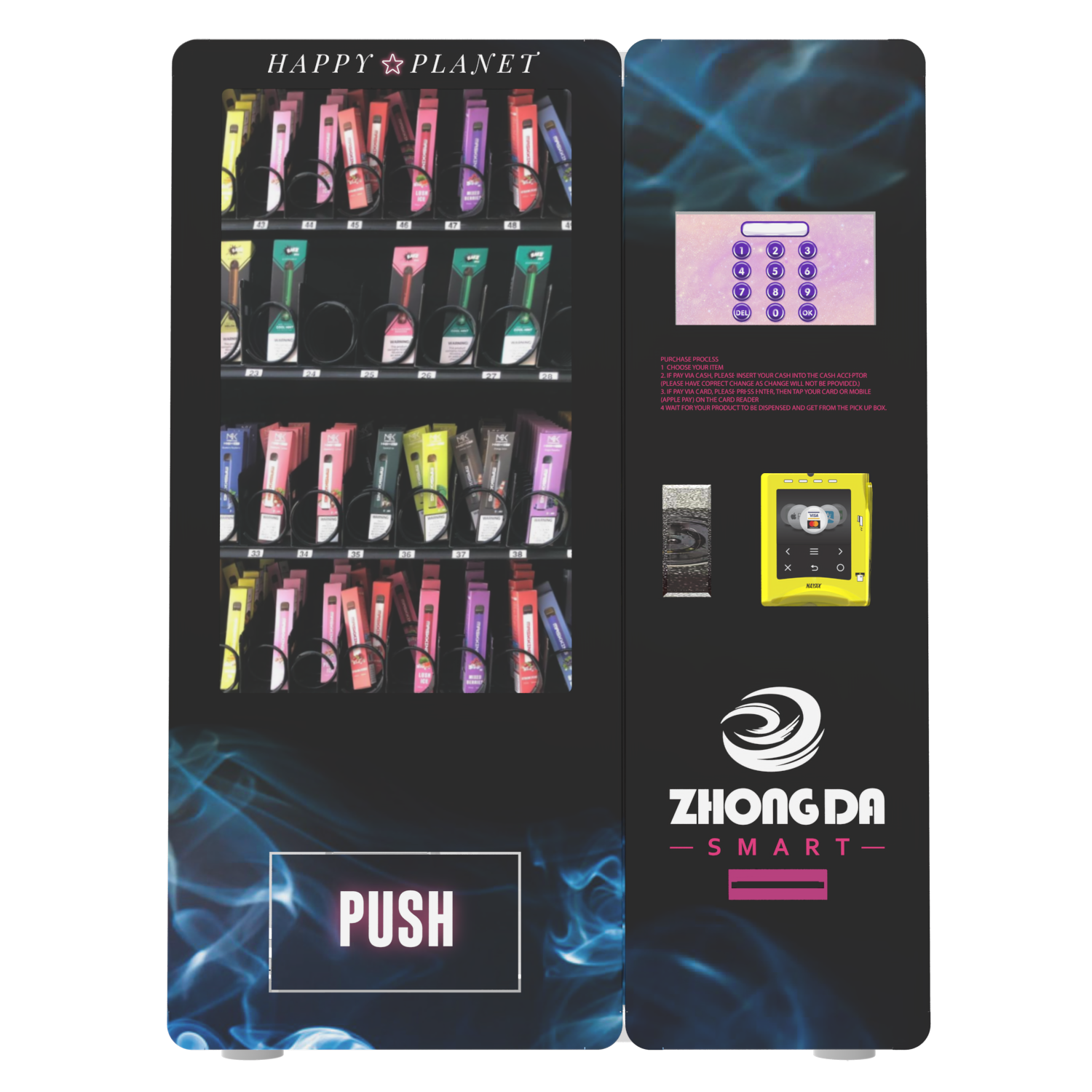
At Zhongda Smart, we build our age verification vending machines with a multi-layer security system. First, the ID scanner reads the barcode and the magnetic stripe. Second, the software checks the date of birth against the current date. Third, it runs the ID number through a database to confirm it has not been reported stolen. This three-step process is what keeps you out of legal trouble. I have seen operators fined $10,000 for a single sale to a minor because their machine only did a visual check.
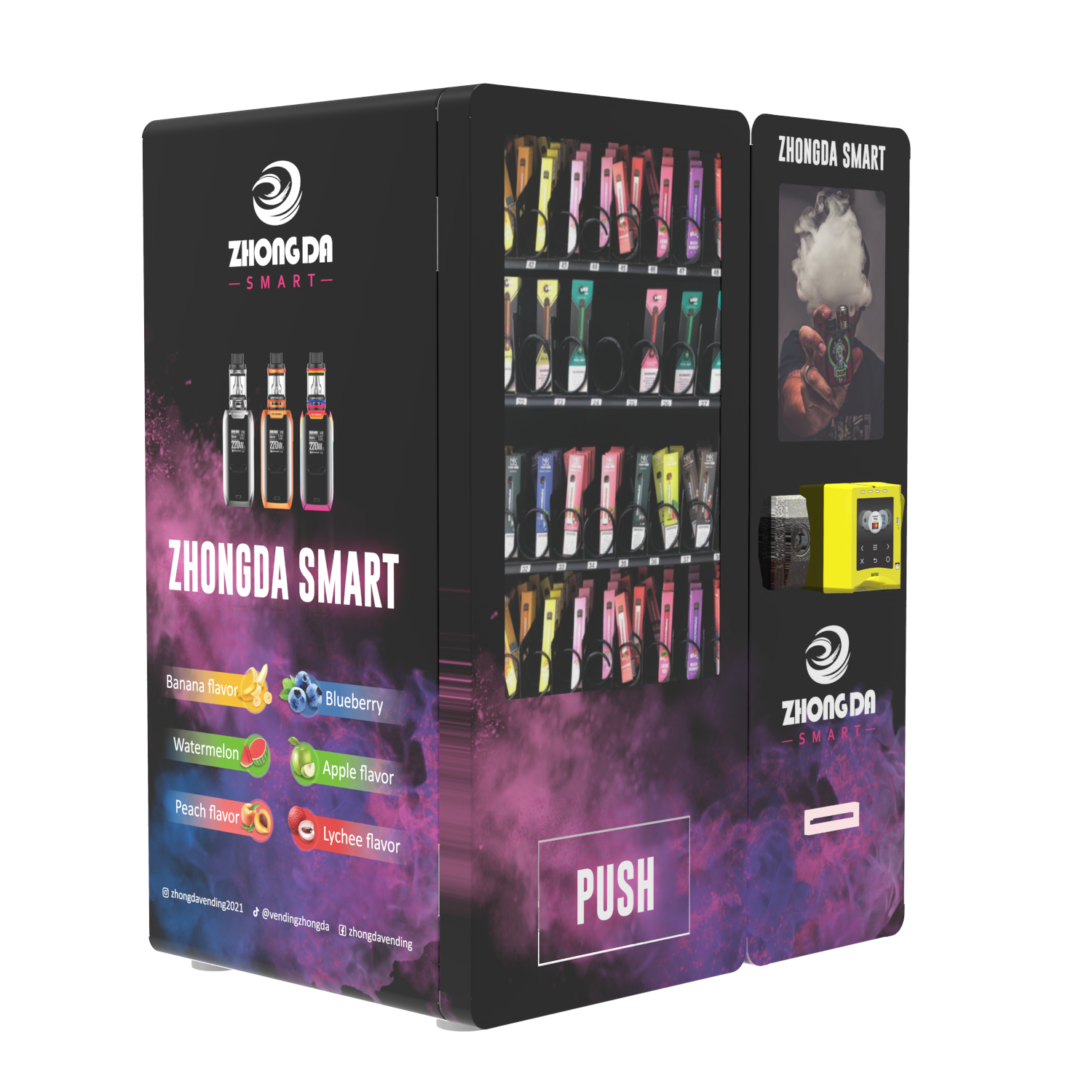
Beyond compliance, the mechanical reliability of the dispensing system is your biggest operational concern. I prefer helical coil systems for standard pod boxes and disposable pens. They are simple, robust, and easy to clear if a product gets stuck. Avoid machines that use complex robotic arms or conveyor belts for vape products. Those systems are designed for shoes or electronics, not small, lightweight cylindrical objects. A jam in a robotic arm can take a machine offline for a week while you wait for a technician. A jam in a coil system can be fixed in five minutes by the restocker.
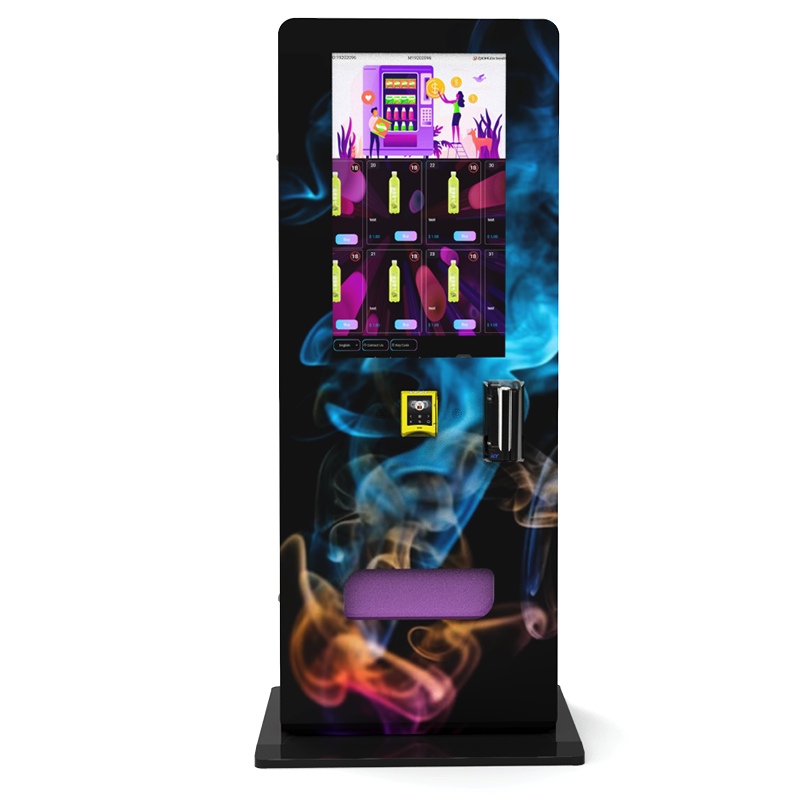
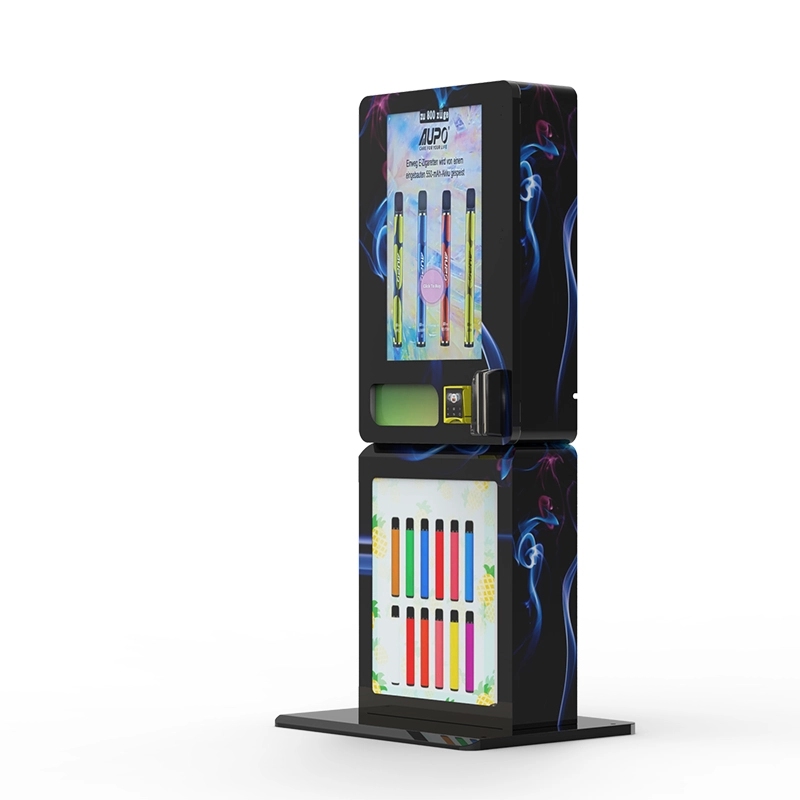
For a deeper look at the specific models we recommend for high-traffic locations, check out our wall-mounted compact e-cigarette vending machine. It is designed specifically for tight spaces like bar corners or small convenience store lobbies.
Deployment Strategy: Where to Put the Machine
I have a simple rule: if a location does not have a restroom, do not put a vending machine there. Why? Because if a customer has to ask for a key to the bathroom, the staff is already annoyed. A vending machine in a location with hostile staff is a dead machine. The best locations are places where the staff is indifferent or actively supportive.
Here are the top three location types based on our deployment data:
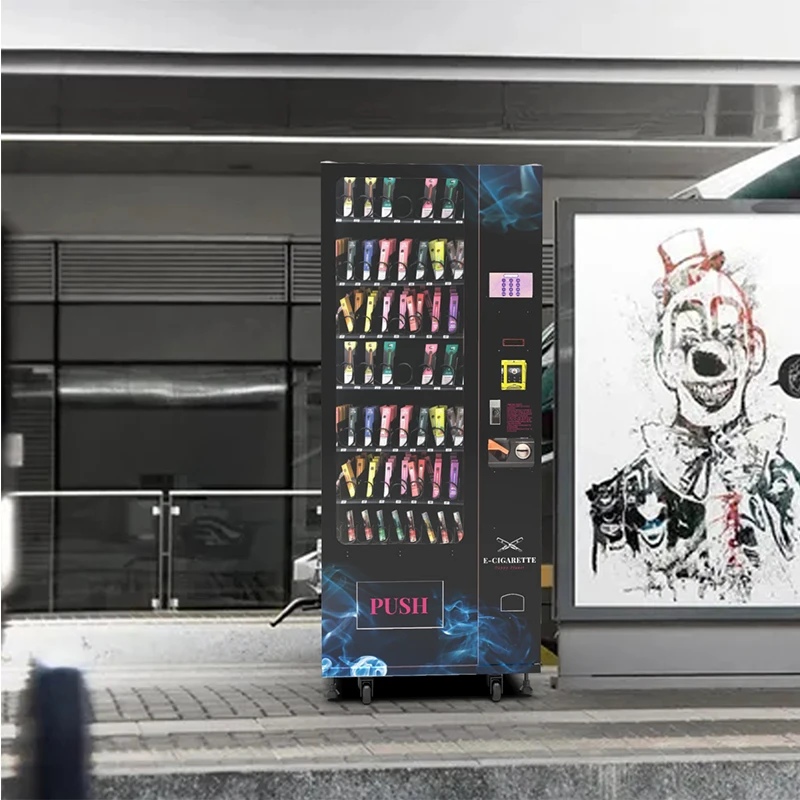
- Bars and Nightclubs (with a security guard): These are the gold standard. The customer is already in a buying mood, they have cash, and they are over 21. The security guard acts as a passive monitor. We have seen machines in these locations do $4,000 to $6,000 per month.
- Smoke Shops and Vape Stores (after hours): These are tricky because you are competing with the counter. But if you can place a machine outside the store or in a 24-hour gas station attached to the store, you capture the "after hours" customer. This is a lower volume ( $1,500 to $2,500 per month) but very consistent revenue stream.
- Hotel Lobbies (limited service): Hotels that do not have a 24-hour front desk are perfect. The machine acts as a convenience store. The key here is to stock travel-sized items and single-use disposables. Do not stock large bottles of juice. They do not sell.
Avoid locations like laundromats (low traffic, high risk of vandalism) and public parks (weather damage, no supervision). I have seen operators try to put machines in laundromats because the rent is cheap. The machine gets broken into within three months. The insurance deductible eats all the profit.
Maintenance and Restocking: The Operational Rhythm
You cannot just install a machine and wait for the money to roll in. A vending machine is a living business that needs weekly care. I recommend a restocking schedule of once per week for high-traffic locations and once every two weeks for low-traffic locations. The restocking process should take no more than 20 minutes per machine.
Here is a checklist we give to every new operator:
- Clean the glass and the touchscreen.
- Check the ID scanner for dust or smudges.
- Count the cash in the bill acceptor (if you accept cash).
- Pull the sales data from the telemetry system.
- Restock the top 5 selling items.
- Remove any expired or damaged products.
The biggest operational mistake is overstocking. A machine that looks full but has slow-moving inventory is a machine that is losing money. You need to let the data drive your stocking decisions. Use the telemetry data to see what is selling and what is not. Do not be sentimental about a flavor that you personally like. If it is not moving, mark it down or remove it.
For a comprehensive guide on the legal landscape and compliance requirements, I recommend reading our article on vape vending machine legal considerations. It covers state-specific nuances that you need to be aware of before signing a lease.
Risk Factors and Failure Cases You Need to Know
I have seen more failures than successes in this industry. The failures are not usually due to a bad machine. They are due to bad planning. Here are the three most common failure modes.
Failure Mode 1: The "Set It and Forget It" Mentality. A client of mine bought ten machines, placed them in five locations, and then went on vacation for a month. When he came back, two machines were broken, one had been vandalized, and the other seven had sold out of the top products. He lost a month of revenue because he did not have a restocking plan. You need a dedicated person or a service contract.
Failure Mode 2: Ignoring the Local Regulations. I worked with a distributor in a state that required a specific type of age verification (biometric fingerprint). He bought a standard ID scanner machine and got fined $15,000 in the first month. He had to retrofit all his machines at a cost of $2,000 each. Always check the local laws before you buy. Our article on California compliance is a good starting point for understanding the strictest regulations.
Failure Mode 3: Overpaying for the Machine. I see this all the time. A new operator walks into a trade show, sees a shiny machine, and pays $7,000 for a unit that has a $3,500 bill of materials. They then cannot compete on price because their cost of goods is too high. Always negotiate. Always ask for bulk pricing, even if you are only buying one machine. The worst they can say is no.
Comparing Leading Manufacturers: A Practical Guide
When you are evaluating a supplier, you are not just buying a machine. You are buying a support system. I have dealt with factories in China, the US, and Europe. The quality varies wildly. Here is a comparison based on my direct experience.
| Feature | Zhongda Smart (Our Factory) | Generic OEM Supplier | US-Based Reseller |
|---|---|---|---|
| Base Price (10 units) | $3,800 | $3,200 | $5,500 |
| Age Verification | 3-step (scan + database) | Basic barcode scan | Database integration |
| Warranty | 2 years parts & labor | 1 year parts only | 1 year parts & labor |
| Software Telemetry | Proprietary (free) | Third-party (paid) | Proprietary (included) |
| Custom Branding | Included in bulk | Extra $500 | Not available |
| Lead Time | 6-8 weeks | 8-12 weeks | 2-4 weeks (stock) |
The generic OEM supplier looks cheaper on paper, but the lack of a robust age verification system and the short warranty can cost you more in the long run. The US-based reseller offers convenience and fast shipping, but you are paying a premium for that convenience. Our factory, Zhongda Smart, sits in the middle. We offer a high-quality, compliant machine at a wholesale price because we control the manufacturing. We have been doing this for over 15 years. We know what breaks and what doesn't.
If you are looking for a specific model that balances size and capacity, I recommend looking at the ID scan vending machine which is our best-selling unit for bars and lounges. It is compact enough to fit in a corner but has enough trays to hold 20 different SKUs.
Long-Term Operations: Scaling Your Fleet
Once you have three to five machines running smoothly, the next step is scaling. The biggest bottleneck is not finding locations. It is finding reliable restockers. You cannot do it all yourself. You need to hire a part-time driver or contract with a local vending route operator.
I have seen operators scale from 5 machines to 50 machines in two years by following a simple rule: only add a new machine when the existing fleet is generating enough profit to cover the lease payment of the new machine. Do not use debt to scale faster than your cash flow allows. The vending business is a cash business, but it is also a high-fixed-cost business. Every machine has a floor. If it is not doing at least $1,000 in sales per month, it is probably a liability.
Another key to long-term success is diversification of product. Do not put all your eggs in the disposable basket. The FDA is constantly changing the rules on flavored products. I advise my clients to dedicate at least 30% of their machine capacity to non-flavored or tobacco-flavored pods and coils. This ensures that if a flavor ban hits your state, you are not left with a machine full of illegal product.
For a deeper dive into the return on investment calculations, I have written a detailed breakdown in our vape vending machine ROI analysis. It includes a downloadable calculator that helps you model your specific costs.
Frequently Asked Questions
What is the average lifespan of a vape vending machine?
A well-maintained machine from a reputable manufacturer like Zhongda Smart should last 7 to 10 years. The key components that wear out are the bill acceptor, the touchscreen, and the dispensing coils. These are all replaceable parts. The steel cabinet itself will last indefinitely if kept indoors.
Do I need a special license to operate a vape vending machine?
Yes, in most states you need a tobacco retailer license for each machine location. Some states also require a specific vending machine license. You must also ensure your machine has an approved age verification system. Operating without the proper license can result in fines and seizure of the machine.
Can I use a standard snack vending machine for vapes?
Technically yes, but I strongly advise against it. Standard snack machines do not have age verification. They also do not have the proper dispensing mechanisms for small, cylindrical vape products. You will experience constant jams. It is much cheaper to buy a purpose-built machine than to retrofit a snack machine.
How much does it cost to lease a vape vending machine?
Lease payments typically range from $75 to $150 per month depending on the machine cost and the lease term (36 to 60 months). Most leases include a buyout option at the end. Leasing is a great way to preserve capital, especially if you are testing a new location.
What is the most profitable product to sell in a vape vending machine?
Currently, disposable vape pens offer the highest margin (50% to 100% markup) and the highest turnover. However, pod systems and replacement coils offer better repeat business. A balanced mix of both is the most profitable strategy.
Final Thoughts on Bulk Purchasing
The vending machine business is a volume game. The margins are good, but they are not spectacular on a per-unit basis. You make money by having ten machines running at 70% capacity, not by having one machine running at 100% capacity. That is why bulk pricing and leasing are so important. They allow you to deploy multiple machines without draining your entire budget. If you are serious about this business, do your homework, negotiate hard on the machine price, and always prioritize compliance over flashy features. The machine is just a tool. The business is in the execution.
For a full catalog of our bulk pricing options and to discuss a custom lease structure, visit our vape vending machines product page.
Disclaimer: The information provided in this article is based on personal experience and industry knowledge. It does not constitute legal or financial advice. Always consult with a legal professional regarding compliance with local, state, and federal regulations.
References: