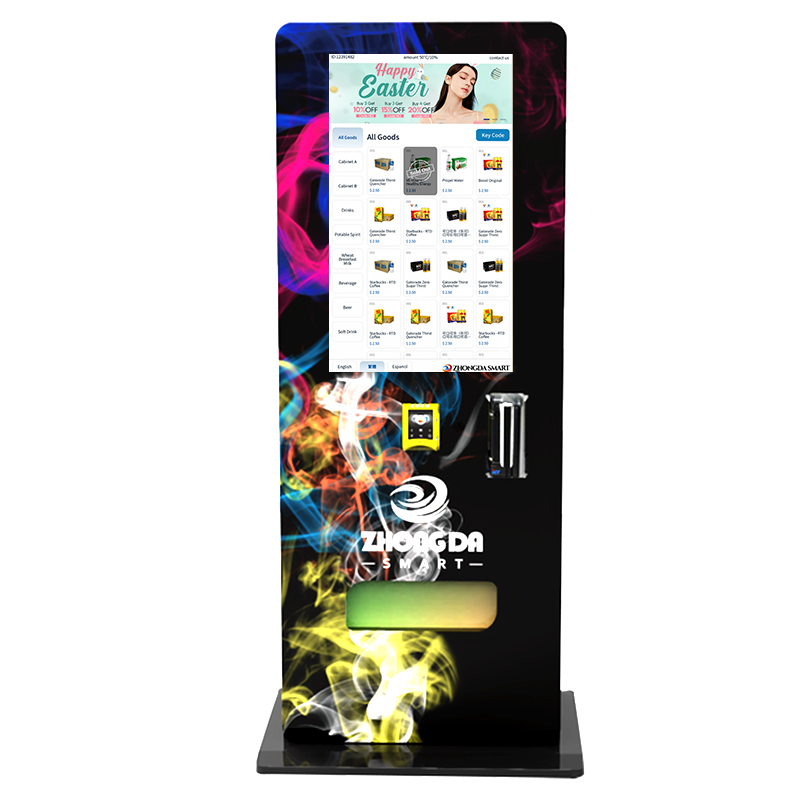
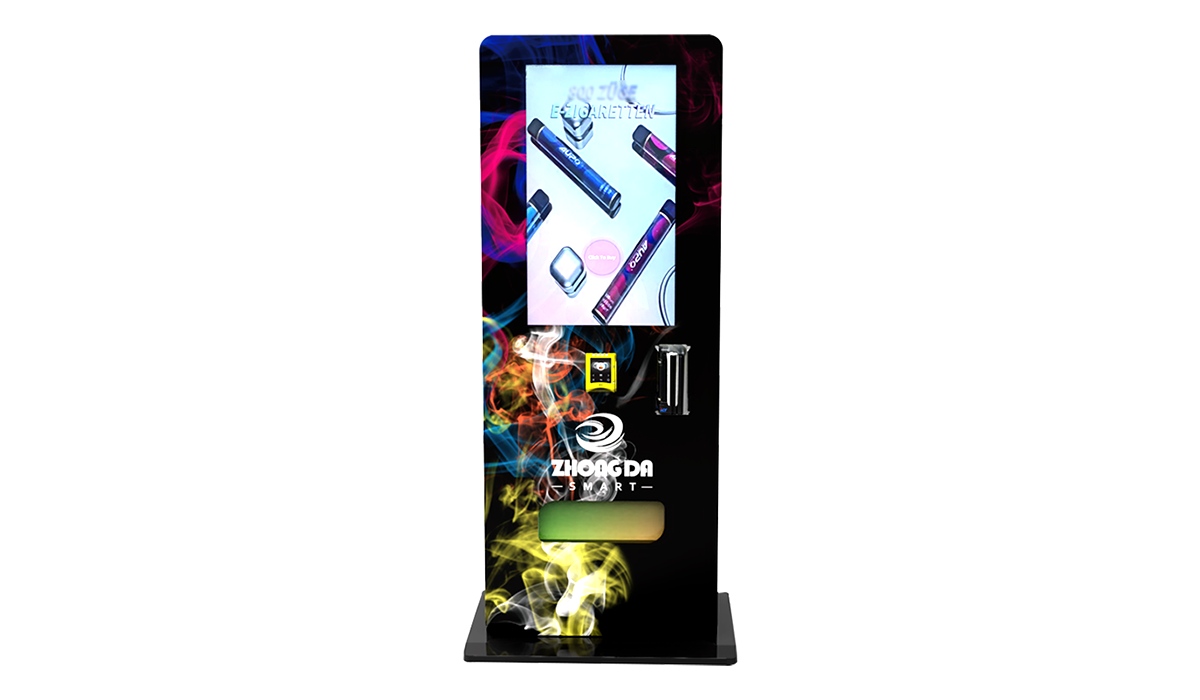
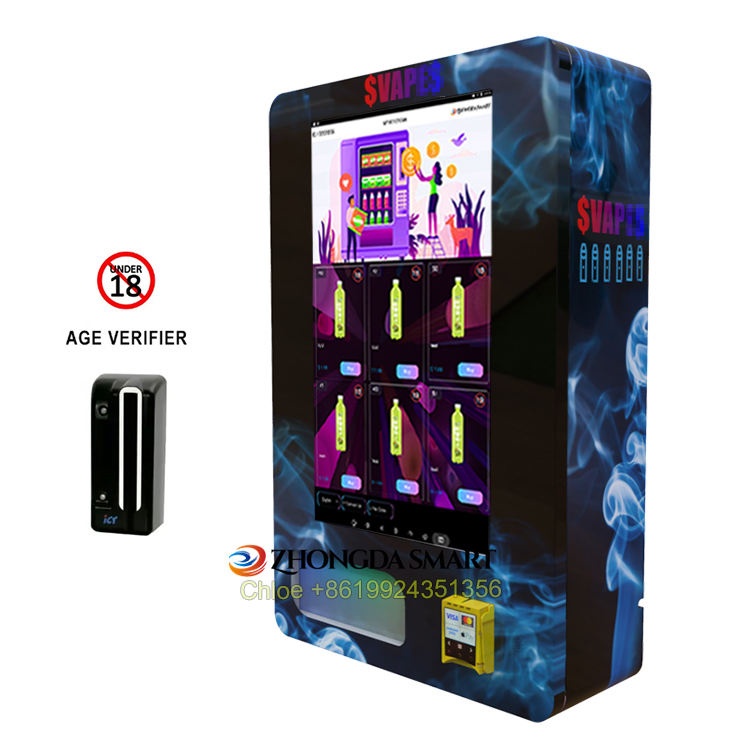
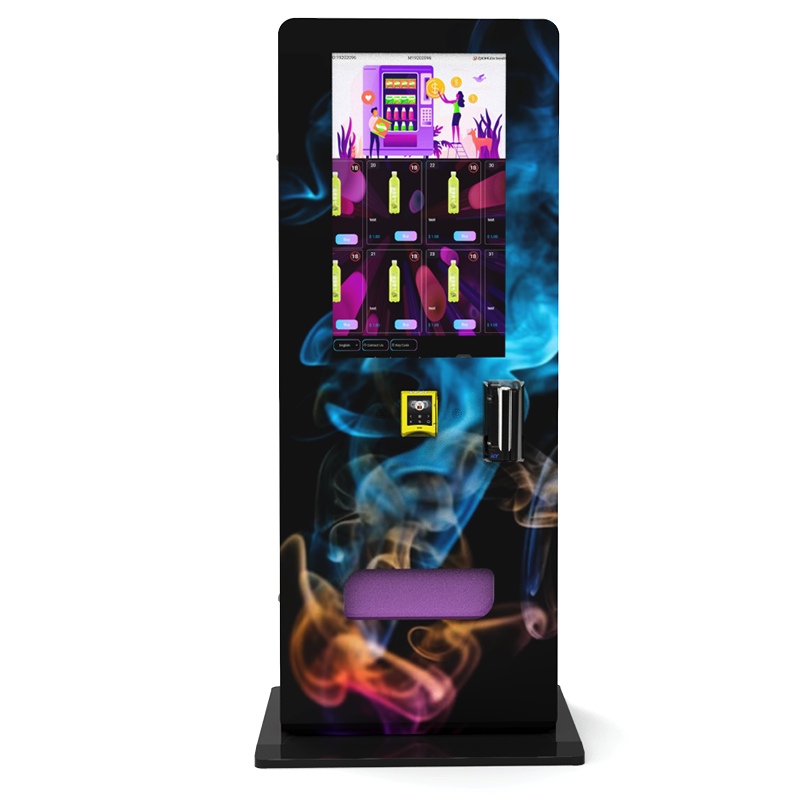
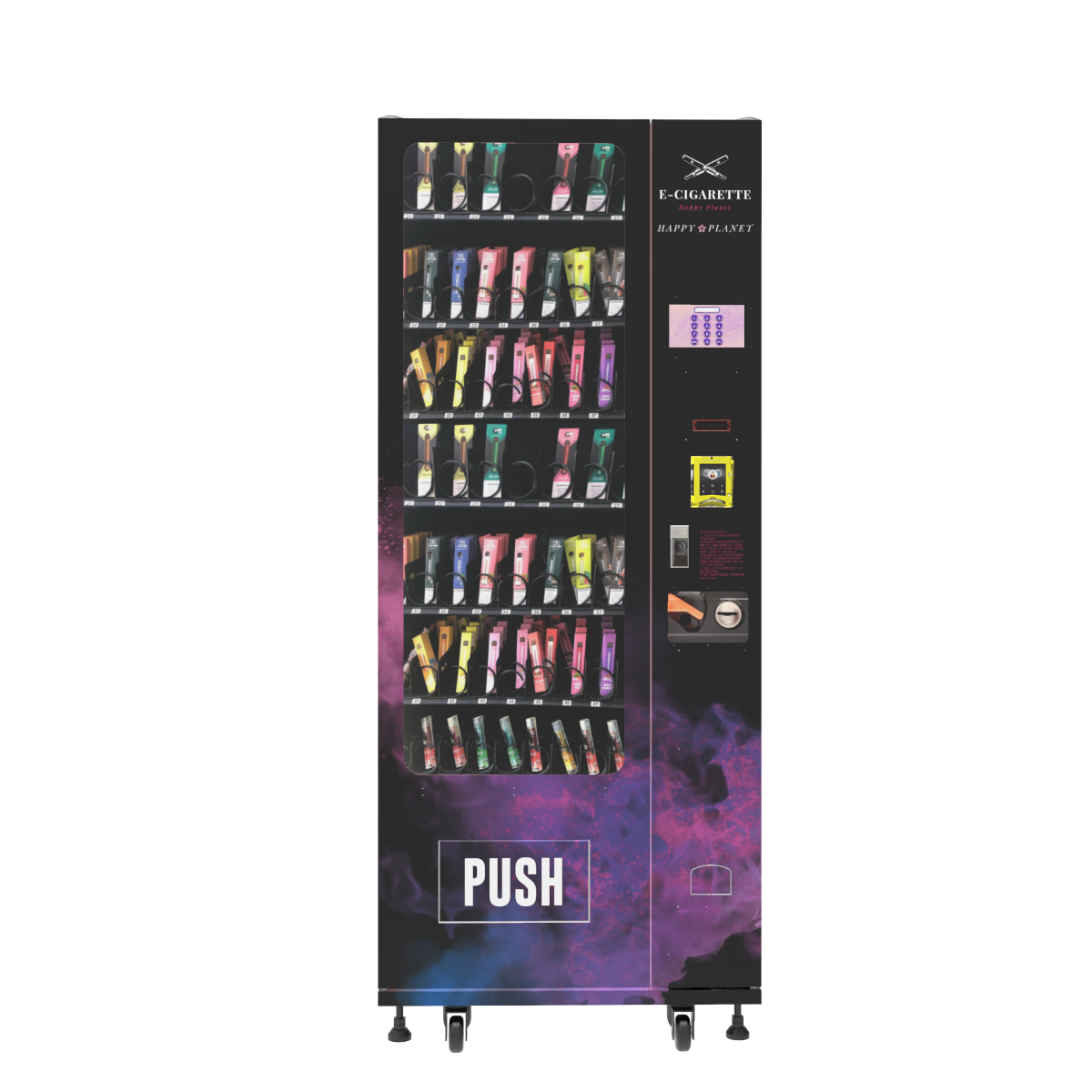
If you are looking at deploying vape vending machines in the current regulatory environment, the single most critical question is whether ID scanning technology alone will keep you compliant. After spending over a decade running my own vending operations across the U.S. and Europe, and building these machines from the ground up at our factory, I can tell you that relying solely on a basic ID scan is a fast track to losing your license—or worse. The reality is more nuanced. An ID scanning vape vending machine is the minimum entry requirement, but true compliance depends on the system architecture behind that scan, how you handle data, and how you manage the physical deployment. Let me walk you through exactly what works, what fails, and what you need to look for when you are buying a machine.
The Difference Between Checking an ID and Verifying an Age
Most operators I talk to assume that if a machine can read a driver's license barcode, the job is done. That is a dangerous assumption. A standard barcode scan only tells you the data encoded on that card. It does not tell you if the card is fake, if it belongs to the person holding it, or if it has expired. I have seen operators in Ohio and Texas get hit with fines because their machines accepted a valid-looking ID from a sibling or a friend.
True age verification goes a step further. It cross-references the scanned data against a third-party database or uses biometric matching—like a facial comparison between the person standing at the machine and the photo on the ID. At our factory, we started integrating this kind of dual-layer verification about four years ago after one of our clients in Germany nearly lost their tobacco license. The machine scanned the ID, but the person using it was underage and using their older cousin's card. The regulator did not care that the machine "did its job." They held the operator responsible.
When you are evaluating equipment, ask the manufacturer specifically how their system handles a mismatched photo or an expired ID. If they cannot give you a clear answer, keep looking. The technology exists now to make this process seamless, and it does not have to slow down the transaction. Our ID scan vending machine models, for example, complete the entire verification loop in under three seconds, including the database cross-check.
What the Regulations Actually Require
The legal landscape for vending tobacco and nicotine products has tightened significantly in the last five years. In the U.S., the FDA's 2016 deeming rule extended their authority to cover all nicotine products, including e-liquids and devices. That means any vending machine selling these products must be located in an adult-only facility, or it must have a mechanism to verify the purchaser is 21 or older. The "adult-only facility" loophole is narrower than most people think. A bar that allows minors during certain hours does not qualify. A vape shop that has a separate, locked room might qualify, but the machine itself still needs to be compliant.
In Europe, the Tobacco Products Directive (TPD) sets similar requirements, but individual member states often add their own layers. France, for instance, requires that the age verification system be certified by an independent body. The UK, post-Brexit, has its own set of rules under the Tobacco and Vapes Bill, which is getting stricter every year.
Here is the reality: no single piece of hardware guarantees compliance. The machine is a tool. The operator is responsible for the outcome. That is why I always recommend buying from a manufacturer that provides clear documentation on how their system meets specific regulatory standards, rather than vague marketing claims. Our compliant e-cigarette vending machine line comes with a full compliance packet that includes the verification protocol, data retention policies, and audit trail features.
Database Cross-Reference vs. Standalone Scanning
There are two main approaches to age verification in the vending world today. The first is standalone scanning, where the machine reads the barcode or magnetic stripe on the ID and checks the embedded birth date against the legal age. This is fast and inexpensive, but it is also the easiest to bypass. The second approach is database cross-referencing, where the scanned data is sent to a secure server that checks the ID number against government or credit bureau records. This adds a layer of security because it confirms the ID number is valid and active.
Database cross-referencing is not perfect either. Some systems rely on public records that may be outdated. But it is significantly better than a standalone scan. In our own tests, a standalone scan failed to catch a fraudulent ID about 12% of the time. The database cross-reference reduced that failure rate to under 1%. That difference can be the line between a compliant operation and a regulatory violation.
If you are deploying machines in high-traffic locations like bars or convenience stores, I strongly recommend going with a database-linked system. The upfront cost is higher—typically $500 to $1,200 more per machine—but the long-term risk reduction is worth it. One failed compliance check can cost you $10,000 or more in fines, not to mention the damage to your reputation with local regulators.
Real Costs and Profit Margins You Can Expect
Let me give you a realistic breakdown of what it costs to buy, deploy, and operate an ID scanning vape vending machine. I have seen too many new operators get excited about the revenue potential without understanding the full cost structure. I am going to use numbers from our own production line and from operators we supply, so these are real figures, not estimates from a blog post.
| Cost Category | Low End | High End | Notes |
|---|---|---|---|
| Machine purchase (per unit) | $4,500 | $8,500 | Includes ID scanner, touchscreen, inventory system |
| Database verification subscription (annual) | $600 | $1,200 | Per machine or per location, varies by provider |
| Installation and setup | $300 | $800 | Electrical, networking, mounting |
| Inventory (initial stock) | $1,500 | $3,000 | Depends on product mix and quantity |
| Monthly location fee or commission | $200 | $600 | Paid to bar, store, or venue owner |
| Maintenance and restocking labor | $150 | $400 | Per machine per month |
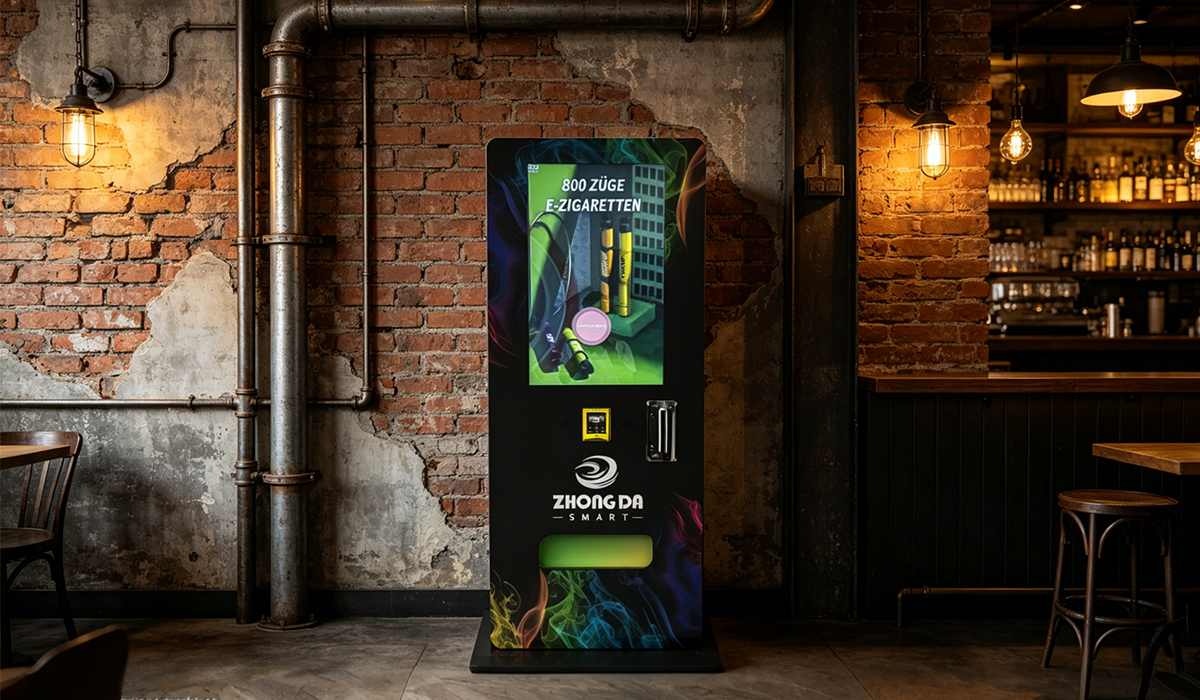
On the revenue side, a well-placed machine in a busy vape shop or bar can generate between $1,500 and $4,000 per month in gross sales. Margins on vape products are generally between 30% and 50%, depending on whether you are selling disposables, pods, or e-liquids. After subtracting the machine cost (amortized over 24 months), location fees, verification subscription, and restocking, a single machine can net between $400 and $1,200 per month. That is a solid return, but it is not automatic. Location is everything.
I have one client in Florida who placed a machine in a high-end cigar lounge and was doing $5,000 a month in sales within six weeks. Another client in a midwest college town put a machine in a convenience store near campus and barely broke $800 a month because the foot traffic was not the right demographic. The difference was not the machine. It was the location and the customer profile.
Where Most Deployments Fail
I have seen hundreds of vape vending machine deployments over the years, and I can tell you the most common failure points have nothing to do with the hardware. They are almost always about location selection, product mix, and maintenance consistency.
The biggest mistake I see is putting a machine in a location that gets high foot traffic but the wrong kind of traffic. A busy gas station might have hundreds of customers a day, but if most of them are not vapers, the machine will sit idle. You need to be in places where your target customer already goes to buy nicotine products. Vape shops, hookah lounges, cigar bars, and adult-only venues are your best bets. Some operators have had success in hotel lobbies and airports, but those require a different approval process and often higher commission rates.
The second biggest mistake is poor product selection. I have seen machines stocked with 15 different flavors of the same disposable brand and nothing else. Vapers are fickle. They want variety. A good machine should carry at least 8 to 12 different SKUs, covering disposables, pod systems, and a few popular e-liquid bottles. You need to rotate stock based on what sells, not based on what you personally like. Track your sales data weekly and adjust accordingly.
Maintenance is the third killer. A machine that is out of order for three days loses customers permanently. Vapers will not come back to check if the machine is fixed. They will go to the counter and buy from a person. If you are running multiple machines, you need a maintenance schedule that ensures every machine is checked at least twice a week. Our age verification vending machine units come with remote monitoring, so we can see real-time inventory levels and error codes. That cuts down on unnecessary site visits and lets us fix problems before the customer even notices.
What Happens When a Machine Fails a Compliance Check
Let me give you a real example. A few years ago, a client of ours in California had a machine in a bar that was technically adult-only after 9 PM. The bar had a restaurant side that was open to minors during the day. The machine was in the bar side, but there was no physical barrier between the two sections. A minor walked in during the afternoon, the machine scanned their ID, and the scan passed because the ID was real but belonged to a 22-year-old friend. The minor used the machine, and a plainclothes officer saw it happen. The operator was fined $8,000 and the machine was confiscated pending investigation.
The problem was not the scanner. The problem was the location and the lack of a physical barrier. The machine did exactly what it was programmed to do. But the operator did not account for the environment. That is why I always tell people: the machine is only as compliant as the space it sits in. You need to audit the location yourself, not rely on the venue owner's word. Walk through the space at different times of day. Check for access points. Make sure the machine is in a spot where it is visible to staff.
Since that incident, we have started offering a site assessment service to our clients. We send a checklist and, if needed, a local contractor to evaluate the location before the machine goes in. It has saved several operators from making the same mistake.
How to Choose the Right Machine for Your Operation
If you are in the market for an ID scanning vape vending machine, there are specific technical features you should look for beyond just the scanner. Here is what I recommend based on our own engineering and field experience.
- Scanner quality: Look for a scanner that reads both 1D and 2D barcodes, plus magnetic stripes. Some newer IDs have chips, so a scanner that can read RFID or NFC is a future-proof investment.
- Database integration: The machine should be able to connect to a third-party age verification service. Ask the manufacturer which services they support and whether the integration is native or requires a separate module.
- Data security: The machine must encrypt all scanned data. If the machine stores images of IDs, that data needs to be protected. Some states have specific data retention laws. Make sure the machine allows you to set automatic deletion schedules.
- Remote management: You need to be able to see sales data, inventory levels, and error codes from your phone or computer. Without remote management, you are flying blind.
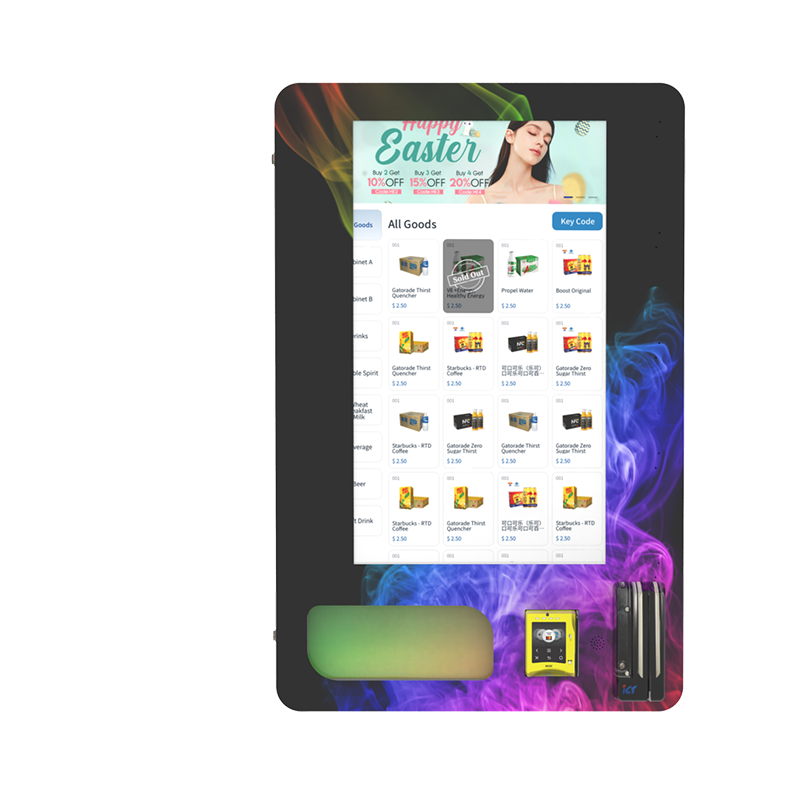
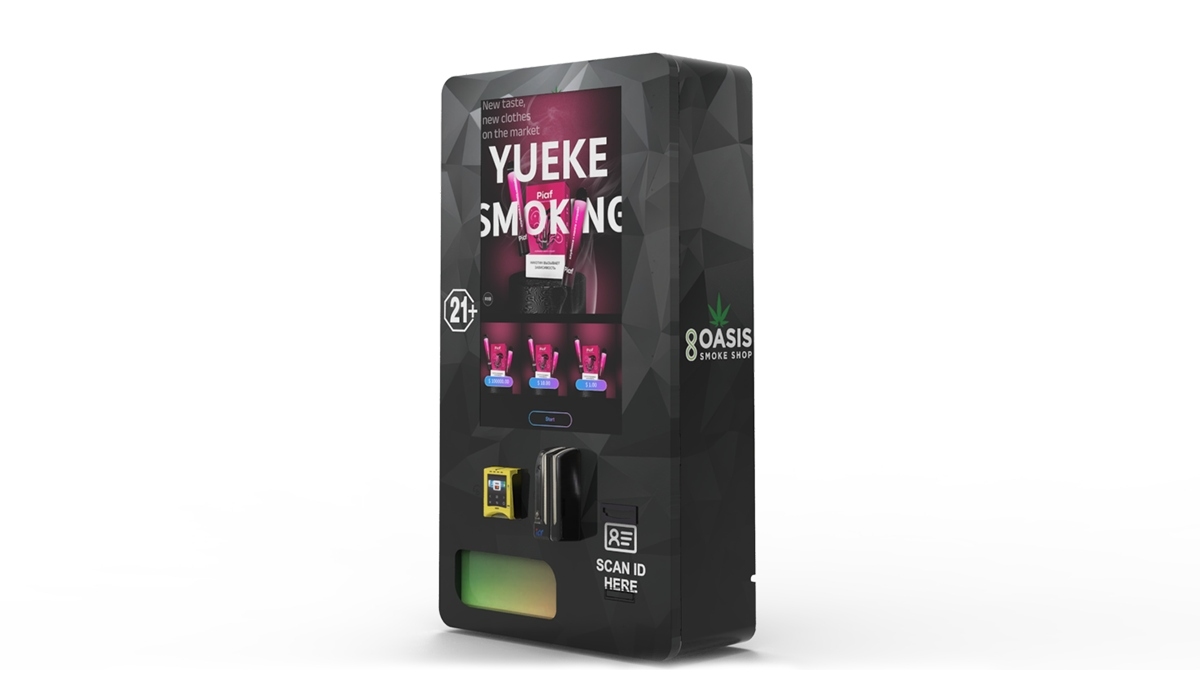
- Build quality: Vape machines take a beating. Look for a steel frame, a vandal-resistant screen, and a reliable cooling system if you are storing e-liquids. Our wall mounted compact e-cigarette vending machine is built for tight spaces but still uses the same scanner and software as our full-size units.
Do not be afraid to ask the manufacturer for a demo unit or a trial period. Any reputable manufacturer will let you test the machine for 30 days. If they push back on that, it is a red flag. We offer trial deployments for new clients because we know the machine performs. We want you to see it work in your environment before you commit.
The Long-Term Play: Scaling Your Vending Business
Once you have one machine running profitably, the temptation is to scale fast. I have seen operators buy ten machines at once and then struggle to manage them. My advice is to run your first machine for at least three months. Learn the quirks of your location, your product mix, and your maintenance routine. Then add a second machine in a different type of location. Compare the data. Adjust your approach. Then scale.
Scaling also means negotiating better terms with your suppliers. If you are buying 50 machines from a manufacturer, you should be getting a volume discount. You should also be able to negotiate better pricing on the verification subscription and on your product inventory. Operators who buy in bulk from us get a dedicated account manager and priority technical support. That makes a difference when you have machines spread across multiple cities.
Another thing to consider is your own brand. Some operators put their own branding on the machine, which builds recognition and trust. Others prefer to keep the machine generic so it blends into the location. Both approaches work, but if you are planning to expand, having a consistent look across your machines helps with customer loyalty.
Frequently Asked Questions
Can an ID scanning vape vending machine accept expired IDs?
Most modern machines can be programmed to reject expired IDs. The scanner reads the expiration date from the barcode, and if it is past the valid date, the transaction is denied. However, not all machines have this feature enabled by default. You need to verify with your manufacturer that the software checks expiration dates. If it does not, it is a compliance gap you need to close.
Do I need a special license to operate a vape vending machine?
Yes, in most jurisdictions you need a tobacco or nicotine retail license, even if the machine is automated. The license is usually tied to the location, not the machine itself. Some states also require a separate vending machine permit. You should check with your local alcohol and tobacco control board before deploying any machine. Operating without the proper license can result in seizure of the machine and significant fines.
What happens if the database verification service goes down?
This is a critical question. Some machines are programmed to deny all transactions if the database connection is lost. Others have a fallback mode that allows the standalone scan to proceed. I recommend the deny-all approach for maximum compliance. If the system cannot verify the age, the transaction should not go through. Make sure your machine has a clear error message for the customer explaining why the sale was blocked, so they do not blame the machine for a network issue.
Can I use a vape vending machine outdoors?
Outdoor deployment is possible but requires a weatherproof enclosure and a heating or cooling system to protect the electronics and the inventory. Most standard machines are designed for indoor use only. If you are considering an outdoor location, talk to the manufacturer about their outdoor-rated models. The cost is higher, but it opens up locations like patio areas at bars or outdoor markets.
Final Thoughts on Compliance and Investment
ID scanning is a necessary component of a compliant vape vending machine, but it is not sufficient on its own. You need a system that integrates database verification, data security, and physical location management. The machines we build at Zhongda Smart are designed with this full-stack approach because we have seen what happens when operators cut corners. If you want to see the specific technical specifications and compliance features of our current lineup, take a look at our vape vending machines page.
At the end of the day, the machine is just the starting point. Your success depends on how well you manage the operation, how carefully you choose your locations, and how seriously you take compliance. The operators who treat this as a real business, with real risks and real rewards, are the ones who build sustainable, profitable vending routes.
Sources:
FDA. "Tobacco Product Compliance and Enforcement." https://www.fda.gov/tobacco-products/compliance-enforcement-training
Statista. "Vending machine market in the United States." https://www.statista.com/topics/1565/vending-machines/
European Commission. "Tobacco Products Directive." https://ec.europa.eu/health/tobacco/products_en