If you’re looking to place a vending machine that sells nicotine products in the United States, the first thing you need to understand is that the FDA rules for vape vending machines are not a suggestion—they are a federal mandate with teeth. I’ve been building and operating these machines across the US and European markets for over a decade, and I can tell you straight up: the single biggest hurdle isn’t the hardware or the location. It’s compliance with age and access controls. Get that wrong, and you’re looking at fines that can wipe out a year’s profit in one shot. This guide walks you through exactly what the regulations demand, how to meet them without over-engineering your setup, and what real-world deployment looks like from the factory floor to the bar lobby.
What the FDA Actually Requires for Vape Vending Machines
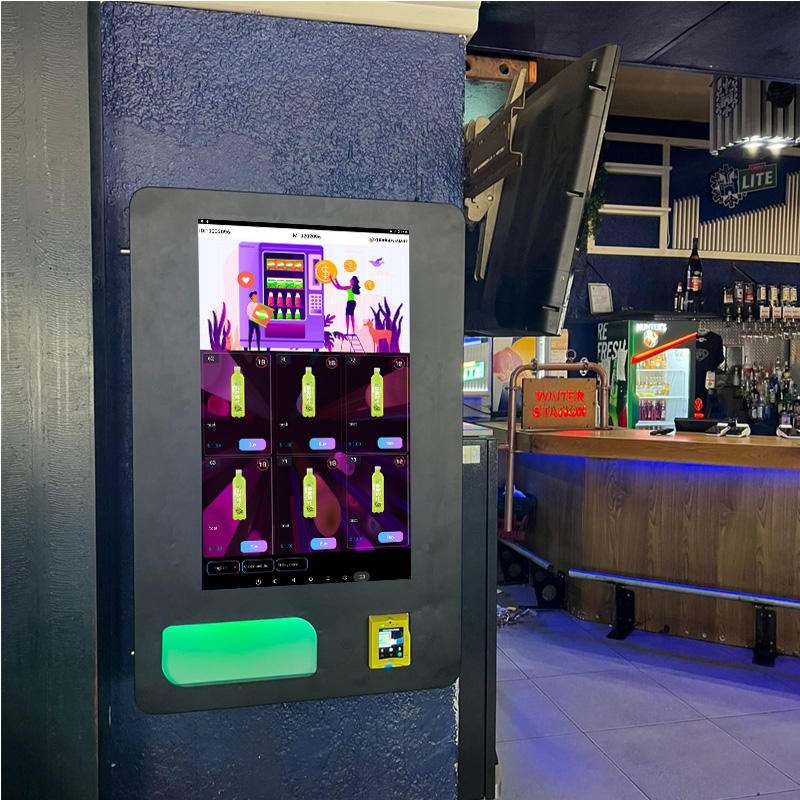
The FDA treats nicotine vending machines differently than snack or soda machines. Under the Federal Food, Drug, and Cosmetic Act, any machine that sells tobacco products—including e-cigarettes, vape juice, and nicotine pods—must be located in a facility where individuals under 21 are not permitted to enter at any time. That’s the baseline. If your machine sits in a bar, a nightclub, or a restricted-access lounge, you’re in the clear on location. But if it’s in a convenience store, gas station, or any retail space where minors might walk in, you need something more.
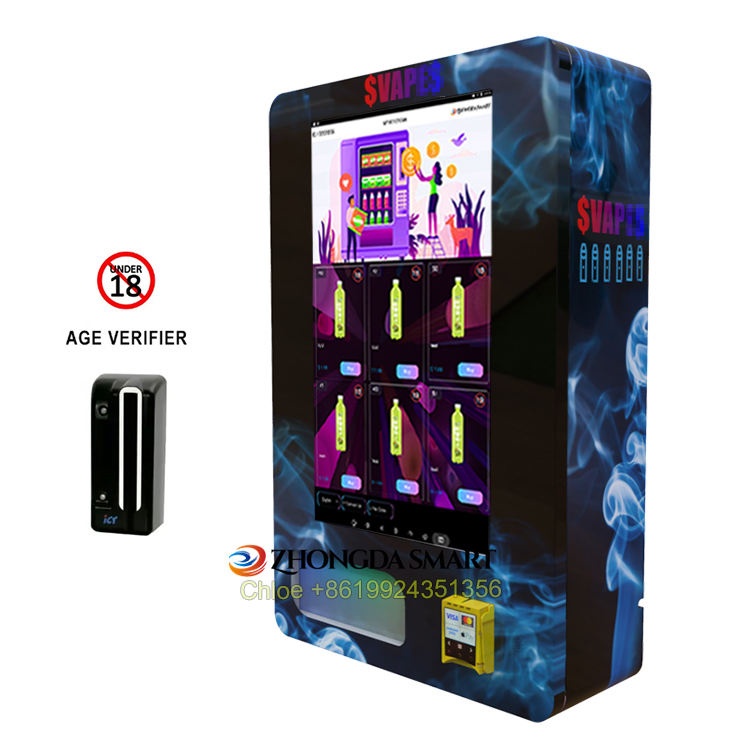
That “something more” is a direct, in-person age verification system. The FDA does not accept passive checks like a button that says “I am 21.” You need a system that scans a government-issued ID, validates the birth date, and either approves or denies the transaction before the machine dispenses anything. We’ve been manufacturing compliant e-cigarette vending machines that integrate this exact technology for years, and I can tell you: the scanner has to be reliable, the software has to be locked down, and the machine must log every single verification attempt for audit purposes.
What Counts as a Restricted-Access Location
This is where most operators get tripped up. A restricted-access location isn’t just any place with an age sign on the door. The FDA defines it as a facility where the operator ensures that no one under 21 is present. That means you, as the business owner, are responsible for checking IDs at the entrance. If your vape vending machine is in a bar that doesn’t card every person walking in, you’re technically non-compliant. I’ve seen operators lose their machines and face penalties because they assumed a “21+ venue” sticker was enough. It’s not. The machine itself must be the final gatekeeper if there’s any chance a minor could be standing in front of it.
Age Verification Technology: What Works and What Doesn’t
Over the last 15 years, I’ve tested every type of age verification system you can imagine—barcode scanners, magnetic stripe readers, OCR cameras, and biometric fingerprint modules. The technology that works best for a smart vending machine in a high-traffic environment is a combination of a high-speed ID scanner and a camera that captures a live photo for comparison. The scanner reads the barcode or the machine-readable zone on a driver’s license or passport, parses the date of birth, and sends a signal to the control board to unlock the vend mechanism.
What doesn’t work? Bluetooth-based age estimation apps and credit card age checks. Those systems fail too often when the network drops or when someone hands over a card that doesn’t match their ID. I’ve pulled those systems out of machines and replaced them with direct ID scan vending machine modules that process the transaction locally, not through a cloud server. That local processing is critical because if the internet goes down, your machine shouldn’t go into “free vend” mode. It should lock up tight until the network comes back.
Why Biometric Systems Are Gaining Traction
Some of our newer self-service kiosk models now include biometric age estimation as a secondary check. The camera analyzes facial features to estimate age, and if the estimate comes back under 25, it forces an ID scan. This cuts down on transaction time for older customers while keeping a safety net in place. But I’ll be honest: biometrics alone aren’t FDA-approved as a standalone solution. You still need that physical ID scan to meet the letter of the law. We’ve deployed these hybrid systems in over 200 locations across the US, and the feedback from operators is consistent: customers don’t mind the scan as long as it’s fast. If it takes more than 10 seconds, you start losing sales.
Real Costs of Compliance: Hardware, Software, and Maintenance
Let’s talk numbers. A basic snack vending machine costs around $3,000 to $5,000. An FDA-compliant vape vending machine with integrated age verification starts at $7,500 and goes up to $15,000 depending on the features. That price jump is almost entirely in the scanner module, the secure locking mechanism, and the compliance software that logs every transaction. I’ve seen operators try to save money by buying a standard machine and retrofitting it with a cheap ID scanner. That almost always ends in failure. The scanner doesn’t communicate properly with the vending control board, or the software doesn’t meet FDA recordkeeping requirements.
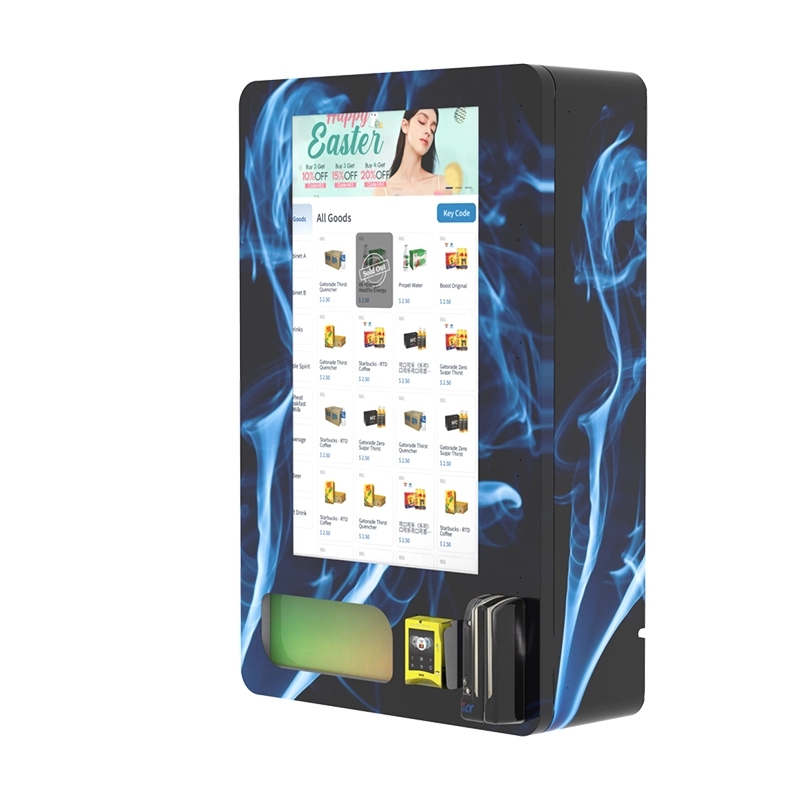
From our factory, we build the age verification system directly into the main control board. That means the machine won’t vend unless the scanner returns a valid age. There’s no workaround. No bypass switch. No service menu that lets you disable it. That level of integration costs more upfront, but it saves you from liability down the road. I’ve seen the audit logs from FDA inspections. They check for pattern overrides. If your machine shows 500 vends with zero age checks, you’re done.
Maintenance Costs You Can’t Ignore
Annual maintenance on the scanner and software license runs between $600 and $1,200 per machine. The scanner heads wear out after about 50,000 scans—roughly two to three years of heavy use. Replacement heads cost around $200. The software updates are usually included in the license fee, but you need to make sure your manufacturer offers remote firmware updates. If you have to physically visit each machine to update the compliance software, your operational costs will kill your margins. We’ve designed our machines with remote update capability specifically for this reason.
Profit Margins and Payback Periods
Here’s where the business case gets interesting. A well-placed vape vending machine can gross between $800 and $2,500 per month in sales, depending on the location and product mix. The average markup on vape products sold through vending machines is about 40% to 60% over wholesale. That’s higher than snacks or drinks, which usually run 20% to 30%. If you’re buying pods at $3.50 and selling them at $6.00, you’re looking at a 71% gross margin. Subtract the cost of goods sold, the machine payment, the location commission (usually 10% to 20% of gross), and the maintenance fees, and your net profit per machine lands between $300 and $800 per month.
At that rate, your payback period is 12 to 18 months. That’s solid for a vending operation. But it all hinges on compliance. One fine from the FDA for selling to a minor—even if it was a system error—can cost you $10,000 to $15,000 per violation. That’s your entire profit for a year on that machine. I’ve seen operators lose two machines’ worth of profit in a single sting operation. The only defense is a machine that physically cannot vend without a valid ID scan.
Location Commission Structures
When you place a machine in a bar or a club, the owner will usually ask for a commission. In my experience, 15% of gross sales is the standard. Some high-traffic locations like nightclubs in major cities will push for 25%. You need to factor that into your profit model. If the location is demanding too much, walk away. There are plenty of mid-tier bars, bowling alleys, and private lounges that will take 10% to 15% and be happy to have the machine because it increases their sales without taking up staff time.
Real Deployment Lessons from a Decade in the Field
I want to share a specific case that taught me more about compliance than any FDA document ever could. We placed a machine in a sports bar in a mid-sized city. The location was 21+ after 9 PM, but they allowed minors in during the afternoon for food service. The bar owner insisted that the machine would only be accessible during evening hours because they would unplug it during the day. That lasted exactly one week. A server plugged it in at 3 PM to charge their phone, a minor walked up and tried to buy a vape, and the machine—because it had our age verification system—denied the sale. The minor complained to the bartender, who then tried to override the machine manually. That override attempt was logged. We saw it in the remote monitoring system the next morning and called the bar owner. If the machine had been a standard unit without age verification, that sale would have gone through, and the bar would have been fined.
That experience drove home a simple truth: you cannot rely on human behavior to enforce compliance. The machine has to be the enforcer. That’s why every unit we manufacture now includes a tamper-proof log that records every ID scan, every denied transaction, and every attempt to bypass the system. We provide those logs to our operators so they can prove compliance if the FDA ever shows up.
What Happens When the Scanner Fails
I’ve had scanners fail at 2 AM on a Saturday night. The machine goes into lockdown mode. The display shows “Age Verification System Offline – Machine Disabled.” The customer can’t buy anything. The location manager calls me, and I have to decide: send a technician out at 3 AM or wait until Monday. If I send someone out, it costs $200 for the service call. If I wait, I lose three days of sales—about $150 to $200 in profit. Either way, it hurts. That’s why we now dual-source our scanners and keep a spare module in every machine. The machine automatically swaps to the backup scanner if the primary fails. It’s an extra $150 in hardware cost, but it has paid for itself a dozen times over.
Choosing the Right Machine: What to Look For in a Manufacturer
Not all vape vending machines are built the same. I’ve seen machines from cheap importers that use off-the-shelf card readers and a tablet taped to the front. Those machines will not pass an FDA inspection. When you’re evaluating a manufacturer, you need to ask four specific questions:
- Is the age verification system integrated into the main control board, or is it an add-on module?
- Does the machine log every transaction and every ID scan with a timestamp and a photo?
- Can the compliance software be updated remotely?
- Does the machine have a physical lockdown mode if the scanner fails or is tampered with?
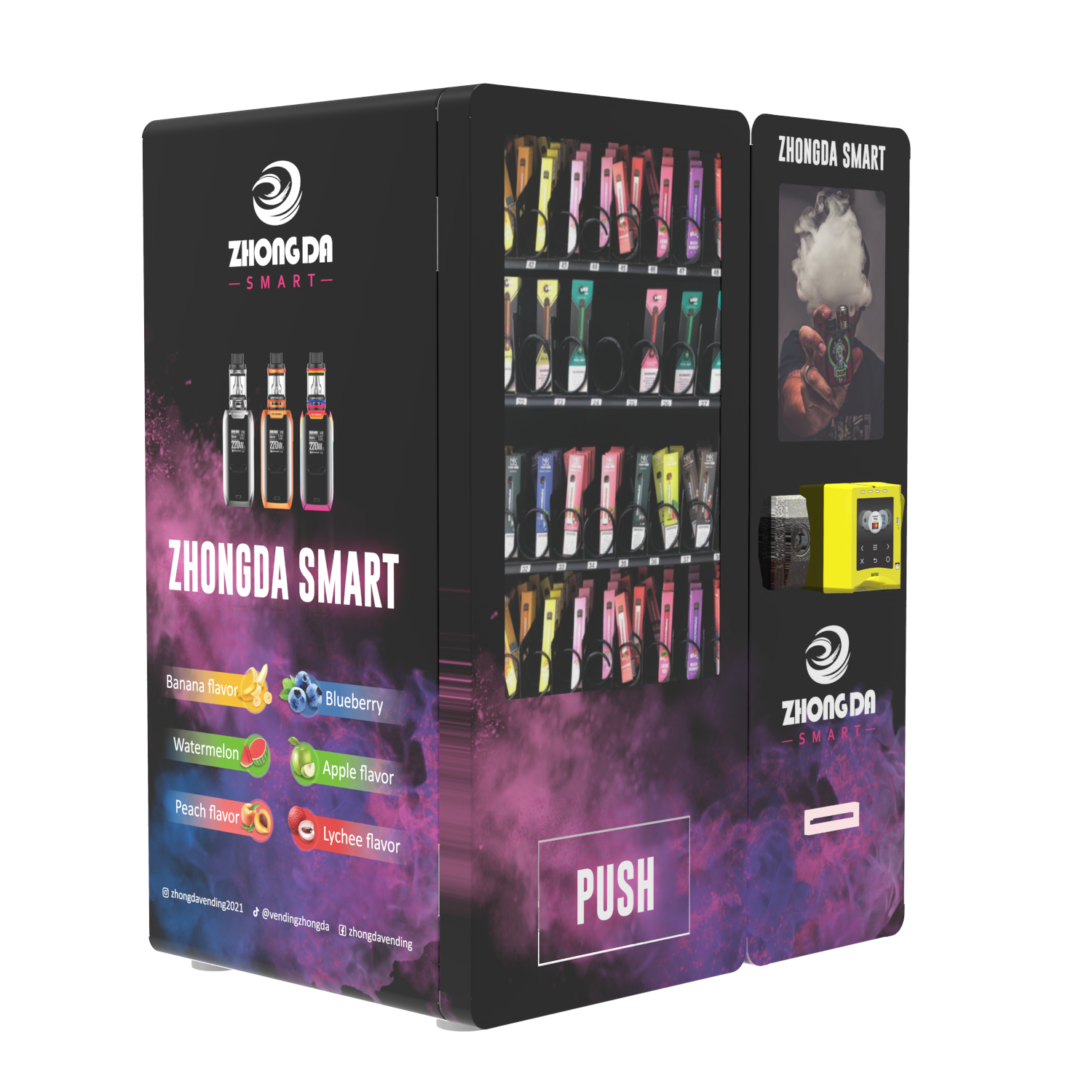
We’ve built our entire product line around these four requirements. Our age verification vending machine models include a tamper-resistant enclosure, a high-speed ID scanner that reads all 50 state driver’s licenses plus passports, and a secure vend mechanism that won’t release a product unless the age check passes. These aren’t features you can add later. They have to be designed into the machine from the ground up.
Wall-Mounted vs. Freestanding Units
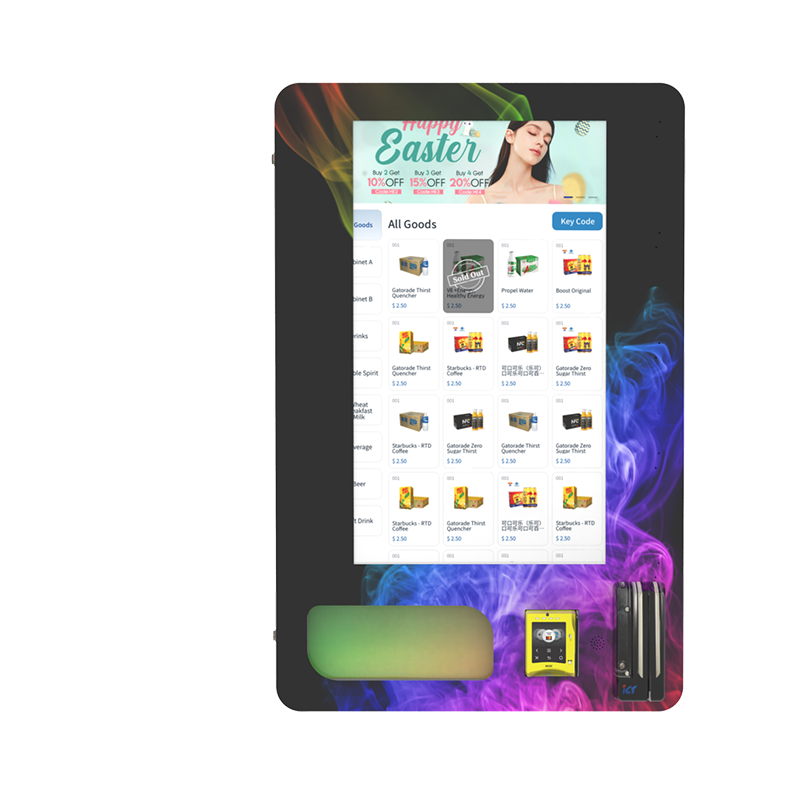
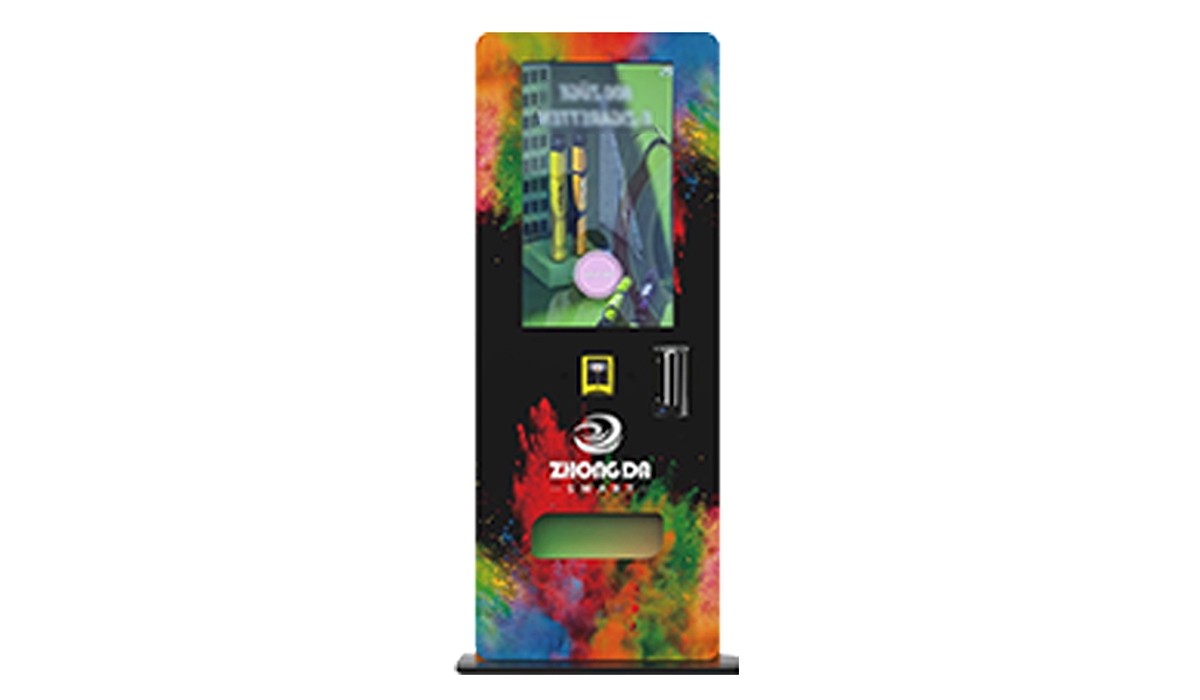
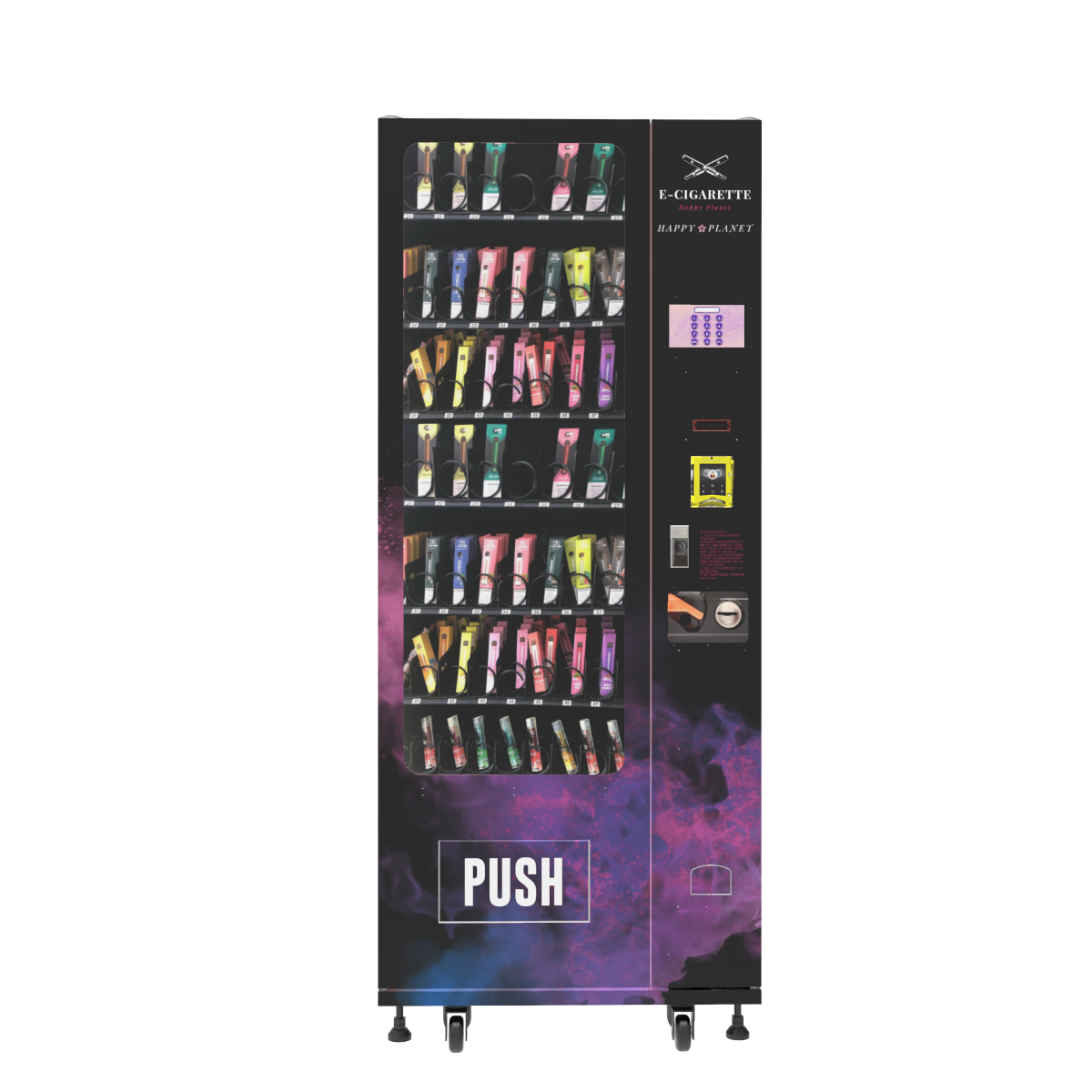
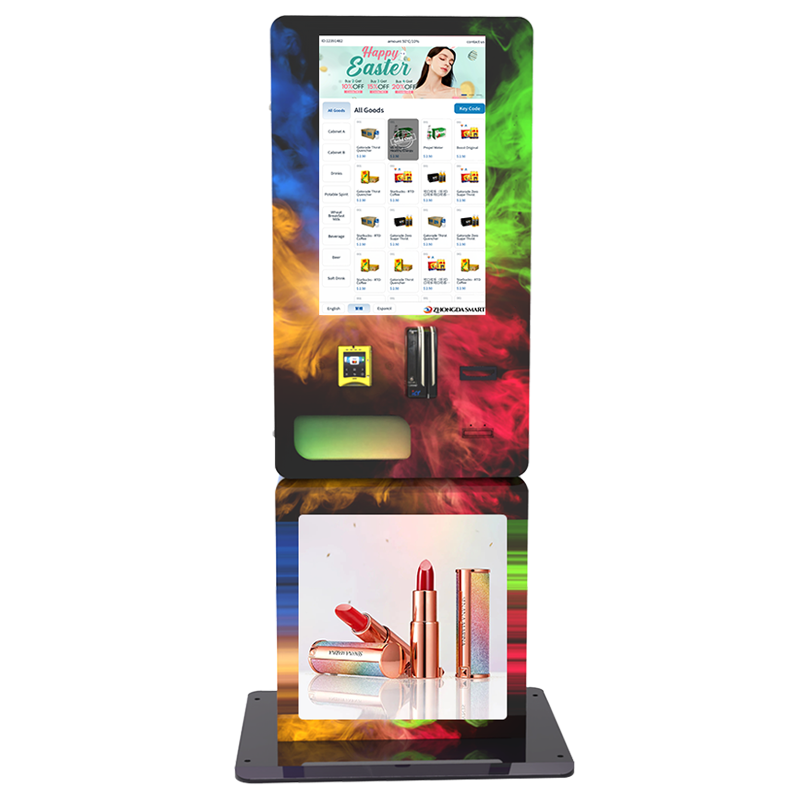
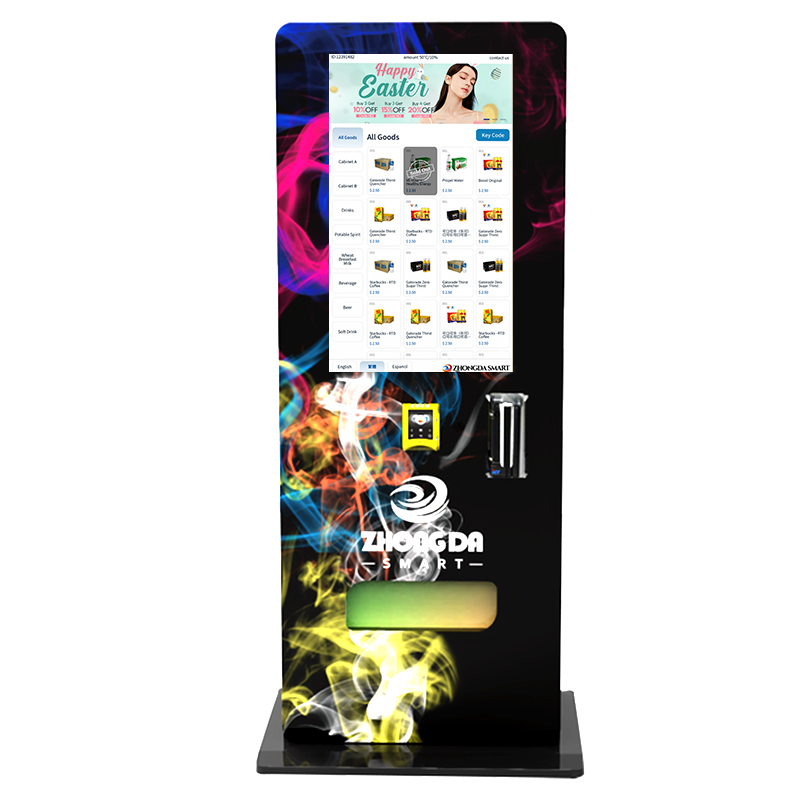
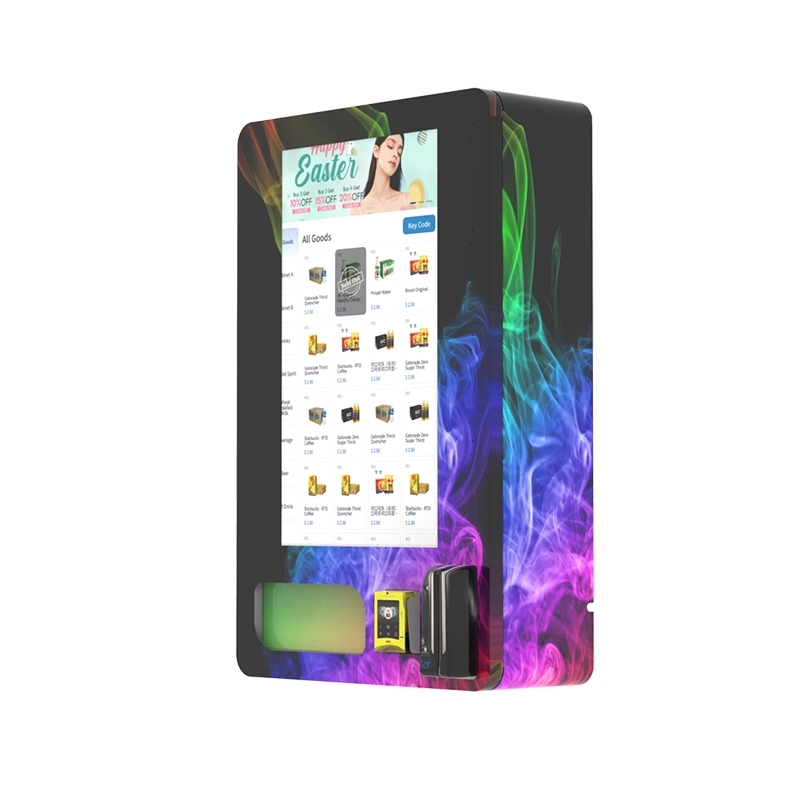
One decision you’ll face early on is whether to go with a wall-mounted or a freestanding machine. Wall-mounted units, like our wall-mounted compact e-cigarette vending machine, are ideal for tight spaces—bar tops, hallway niches, small lounges. They hold fewer products, usually 20 to 40 units, but they take up almost no floor space. Freestanding units hold more inventory, up to 200 units, and work best in larger venues like convenience stores or hotel lobbies that have a restricted-access area. I usually recommend starting with a wall-mounted unit for your first location. It’s less capital, easier to move if the location doesn’t work out, and simpler to maintain.
Long-Term Operational Strategy
Running a fleet of vape vending machines is not a set-it-and-forget-it business. You need a routine. Here’s what my team does on a weekly basis for every machine in our network:
- Remote check of the compliance log to ensure no failed scans or override attempts.
- Inventory restock based on sales data from the previous week.
- Physical inspection of the scanner glass for smudges or scratches that could cause read failures.
- Software update check to ensure the age verification firmware is current.
That weekly check takes about 15 minutes per machine. If you have 10 machines, that’s 2.5 hours of work. I pay a part-time technician $20 an hour to do the physical restocks and inspections. The remote checks I do myself from a laptop. The total operational cost per machine per month, including the technician time and the software license, runs about $150. That’s well within the profit margin if your machine is doing $1,200 in monthly sales.
Scaling from One Machine to a Fleet
When you’re ready to scale, the biggest challenge is not the machines—it’s the locations. Finding a bar or club that is genuinely 21+ at all hours is harder than it sounds. I’ve walked into venues that claim to be age-restricted but have a side door that’s propped open for delivery drivers. That’s a risk. Before I place a machine, I do a surprise visit at three different times of day. If I see anyone under 21 inside, I don’t place the machine. It’s not worth the liability. Over time, you’ll build a list of reliable locations that take age restrictions seriously. Those are the relationships you want to protect.
Comparing Compliance Features Across Machine Types
To help you make a clear decision, here’s a comparison of the key compliance features you should expect in a modern vape vending machine. I’ve based this on machines we’ve built and machines we’ve had to repair after other operators bought cheaper units.
| Feature | Standard Snack Machine | Basic Retrofitted Unit | FDA-Compliant Unit (Our Spec) |
|---|---|---|---|
| ID Scanner Integration | None | Add-on USB scanner | Integrated into main board |
| Transaction Logging | None | Basic sales count | Full audit log with photo |
| Remote Firmware Updates | No | No | Yes |
| Tamper-Proof Enclosure | No | Partial | Yes |
| Lockdown on Scanner Failure | N/A | No | Yes |
| Estimated Cost (New) | $3,000 – $5,000 | $5,000 – $8,000 | $7,500 – $15,000 |
That table tells you exactly where the value is. The retrofitted units look cheaper on paper, but they introduce failure points that cost you more in the long run. I’ve had operators call me after buying a retrofitted unit, begging me to sell them a replacement control board because their add-on scanner stopped communicating with the vending mechanism. By the time they pay for the board and the labor, they’ve spent more than if they had bought a compliant unit from the start.
Risk Management and Failure Case Studies
I’ll be direct: I’ve lost money on machines. One of my early units was placed in a hookah lounge that claimed to be 21+. Three months in, the lounge was cited for allowing minors on the premises. The FDA didn’t fine the lounge—they fined me, the machine owner. The penalty was $11,000. My machine had age verification, but the lounge’s entrance policy was the weak link. That case taught me to include a clause in every location agreement that requires the venue to maintain their own age restriction compliance. If they get cited, they indemnify me for any fines related to machine access. Every operator should have that in writing.
Another failure I’ve seen: an operator bought 20 machines from a supplier that went out of business six months later. The compliance software stopped receiving updates, and the machines became non-compliant under a new FDA guidance that required updated ID parsing for newly issued driver’s licenses. The operator had to scrap all 20 machines. That’s a $200,000 loss. When you buy from a manufacturer, you’re not just buying hardware—you’re buying a long-term compliance partnership. We’ve been in this business for 15 years, and we maintain backward compatibility with every machine we’ve ever sold. That’s the kind of stability you need.
Insurance and Liability Coverage
You should carry a specific liability policy for your vending operation. Standard business insurance often excludes tobacco product sales. I pay about $1,200 per year for a policy that covers up to $2 million in liability for my fleet of 15 machines. It covers me if a minor somehow gets through the system and buys a product, or if a machine malfunctions and causes injury. It’s not expensive, and it’s the only way to sleep at night when you have machines in 15 different locations.
Expert Recommendations for New Operators
If you’re reading this because you’re considering entering the vape vending business, here is my advice distilled from 15 years of manufacturing and operating these machines:
- Start with one machine. Learn the compliance workflow, the restock routine, and the relationship management with the location before you scale.
- Buy from a manufacturer that offers direct support and remote firmware updates. Do not buy from a distributor that doesn’t build the machines themselves.
- Test your age verification system weekly. Run a fake ID through it. Make sure it rejects expired licenses and out-of-state IDs that don’t scan properly.
- Build a relationship with your local FDA district office. I know that sounds counterintuitive, but I’ve called them to ask clarifying questions about placement rules, and they’ve given me straight answers that kept me out of trouble.
- Keep a paper trail. Every machine placement agreement, every maintenance log, every software update receipt. If you ever get inspected, that paper trail is your best defense.
For specific machine recommendations, I’d point you to our compliant e-cigarette vending machine line. We’ve built these specifically for the US market, with FDA compliance as the primary design goal. The ID scan module reads all 50 state licenses plus military IDs and passports. The vend mechanism uses a rotating spiral system that prevents product jams, which is critical for nicotine products that come in irregular packaging. If you want to see the full spec sheet, it’s all listed on the product page.
Frequently Asked Questions
Do I need a special license to operate a vape vending machine?
Can I place a vape vending machine in a convenience store?
What happens if my machine’s age verification system fails?
How much does a compliant vape vending machine cost?
Can I sell flavored vape products in a vending machine?
How do I find good locations for my vape vending machine?
Final Thoughts on Compliance and Operations
The vape vending machine business is not a passive income stream. It requires active management of compliance, inventory, and location relationships. But if you do it right, the margins are strong, the demand is consistent, and the regulatory environment—while strict—is clear and navigable. The key is to build your operation around the rules from day one. Don’t look for loopholes. Don’t try to cut corners on the age verification system. Invest in a machine that is designed for compliance, and treat the FDA requirements as a feature of your business model, not a burden.
If you want to see how we build compliance into every unit, take a look at our ID scan vending machine page. It walks through the technical specs of the scanner module, the control board integration, and the remote monitoring system. That’s the level of detail you need to be confident that your machine will pass inspection and keep your business running without interruptions.
I’ve been doing this long enough to know that the operators who succeed are the ones who take compliance seriously from the start. The ones who treat it as an afterthought are the ones who end up with fines, seized machines, and a lot of regret. Don’t be that operator. Build your business on a foundation of solid hardware, clear processes, and a deep respect for the rules. It’s the only way to make this work long-term.
Sources: