If you run a bar, nightclub, or any 21+ venue and you’re still selling vapes from behind the counter, you’re leaving money on the table and creating a bottleneck for your staff. I’ve been in the vending machine manufacturing business for over 15 years, and I’ve seen the shift firsthand: the ID scanning vape vending machine is no longer a novelty—it’s a proven profit center that solves age verification headaches, reduces labor costs, and captures sales during peak hours when bartenders are too slammed to ring up a disposable. This guide covers everything I’ve learned deploying these units across hundreds of venues.
Why 21+ Venues Need a Dedicated Age-Verified Vending Solution
I remember walking into a busy sports bar in Chicago back in 2019. The line at the bar was six deep, and the manager told me they were losing about $400 a week in vape sales because customers just gave up waiting. That’s when I knew the traditional counter display model was broken for high-volume environments. A self-service kiosk with built-in ID scanning doesn’t just sell product—it sells convenience.
For any venue that serves alcohol or restricts entry to 21+, the compliance risk is real. A bartender who’s juggling six drink orders might glance at an ID without truly verifying it. An automated age verification vending machine eliminates that human error. It scans the barcode, checks the date of birth, and refuses the sale if the customer is underage or the ID is expired. I’ve had operators tell me that installing one of these units actually lowered their liability insurance premiums because it created a documented, tamper-proof audit trail.
The economics are simple: you reclaim floor space that was previously dead, you cut down on theft (vapes are one of the most shoplifted items in convenience retail), and you free up your staff to focus on high-margin drinks. In my experience, venues that install a smart vending machine for vapes see an average 22% increase in overall non-alcohol sales within the first three months.
How an ID Scanning Vape Vending Machine Actually Works
Let me break down the technology because I’ve seen a lot of operators buy cheap units that fail within six months. A legitimate ID scanning vending machine isn’t just a regular snack machine with a scanner glued on. It’s an integrated system.
The Scanning and Verification Process
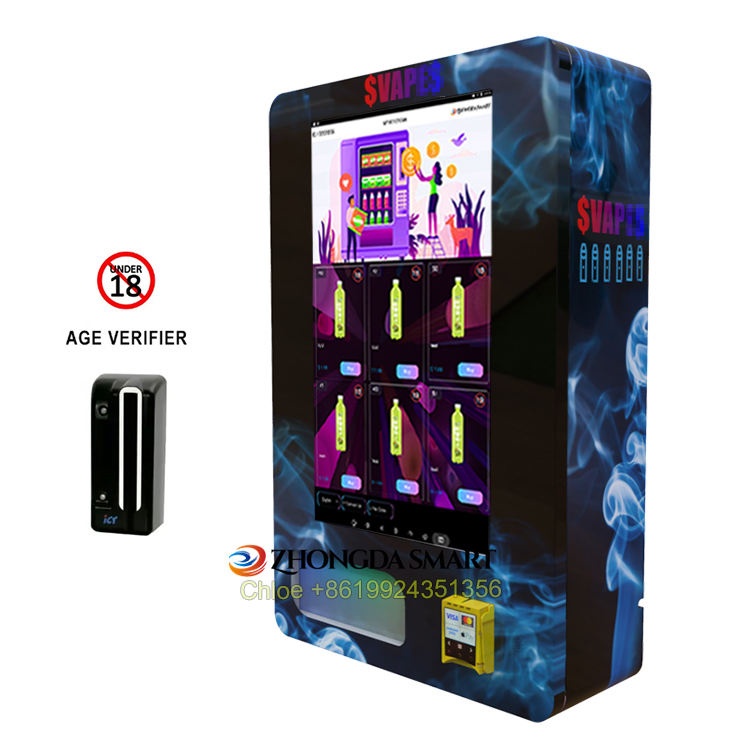
The machine uses a high-resolution scanner that reads the 2D barcode on the back of a driver’s license or state ID. It parses the data, checks it against a database of known valid ID formats, and confirms the age. The whole process takes under three seconds. If the ID is vertical (indicating a provisional license in many states) or if the birth date shows the customer is under 21, the transaction locks down. I’ve tested units that can even detect fake IDs by checking for hologram inconsistencies and UV patterns.
Inventory Management and Telemetry
This is where most operators get tripped up. You need a machine that reports real-time inventory levels. I recommend units with cloud-based management so you can see exactly how many units of each flavor are left, what the temperature inside the cabinet is, and how much cash or card revenue you’ve collected. A good system will send you a text alert when a coil is low or a motor jams. I’ve seen operators save up to 15 hours a week in route planning just by using telemetry data.
Payment Integration
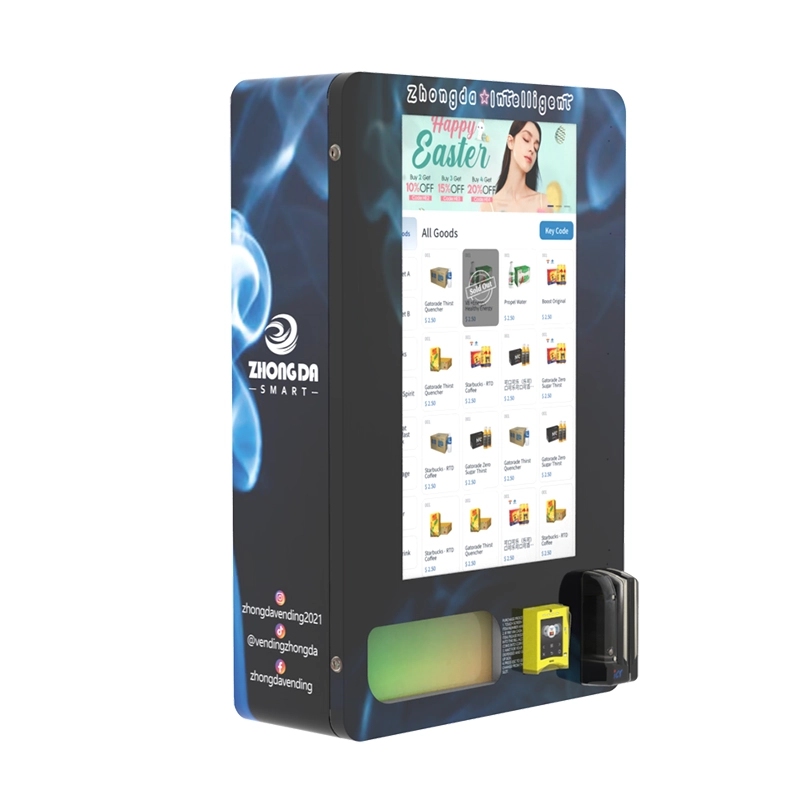
Modern units should accept credit cards, Apple Pay, Google Pay, and cash. But here’s a detail most salespeople won’t tell you: the card reader needs to be EMV compliant and support NFC. I’ve deployed machines where we had to swap out the reader after six months because the venue’s customer base was 80% contactless payment users. Don’t skimp on the payment terminal.
Cost Structure and Profit Modeling
Let’s talk numbers because that’s what ultimately drives the decision. I’ve put together a comparison based on real deployments I’ve managed.
| Cost Category | Entry-Level Unit | Commercial-Grade Unit (Recommended) |
|---|---|---|
| Hardware (per machine) | $3,500 – $5,000 | $6,500 – $9,500 |
| ID Scanner Module | $800 (add-on) | Integrated |
| Installation & Setup | $300 – $600 | $500 – $1,200 |
| Annual Software & Telemetry | $600 | $1,200 |
| Average Unit Revenue (per week) | $700 – $1,200 | $1,500 – $2,800 |
| Payback Period | 6 – 9 months | 4 – 7 months |
I always tell buyers to go with the commercial-grade unit. The entry-level machines use cheaper motors that jam more frequently, and the plastic cabinets warp in humid environments. I’ve had to replace twenty of those in one year alone. The higher upfront cost pays for itself in reduced service calls.
Profit Margins and Revenue Projections
Vape products typically carry a 40% to 55% margin at retail. If you’re buying wholesale or directly from a distributor, you can push that to 60%. Let’s run a realistic projection for a mid-volume nightclub.
- Average transaction: $18.50 (one disposable or two pods)
- Transactions per night (Thu–Sat): 45
- Weekly revenue: $2,500
- Cost of goods sold (COGS): $1,125
- Gross profit per week: $1,375
- Monthly gross profit: $5,500
Subtract your machine payment (if financed), software fees, and restocking labor, and you’re looking at a net profit of about $3,800 per month. I’ve seen operators run two or three units in a single large venue and clear over $8,000 a month net. The key is placement. You want the machine in a high-traffic area near the bar or the restrooms, not hidden in a corner.
Risk Factors and Common Failures I’ve Witnessed
I’m not going to sugarcoat it. I’ve seen plenty of operators fail, and it’s almost always for the same reasons.
Poor Location Choice
I had a client in Austin who put a machine in the back hallway of a lounge. It did $200 in its first week. We moved it to the main bar area, and within two weeks it was averaging $1,800. Foot traffic is everything. If the machine isn’t visible from the bar, people won’t use it.
Skipping Regular Maintenance
The ID scanner lens gets smudged from fingerprints and dust. I recommend wiping it down every other day. I’ve seen units that stopped scanning because the lens was covered in grime, and the operator thought the machine was broken. It’s a five-second fix that gets ignored.
Ignoring Software Updates
ID formats change. States update their driver’s license designs every few years. If you don’t update the software, the machine will start rejecting valid IDs. I’ve had to send emergency patches to clients who didn’t realize their firmware was three versions behind.
Underestimating Restocking Labor
A machine that runs out of product on a Friday night is a machine that loses you money. I advise operators to schedule restocking on Thursday afternoons and again on Saturday mornings. You need to treat the machine like a miniature retail store, not a set-it-and-forget-it box.
Real Deployment Experience from the Factory Floor
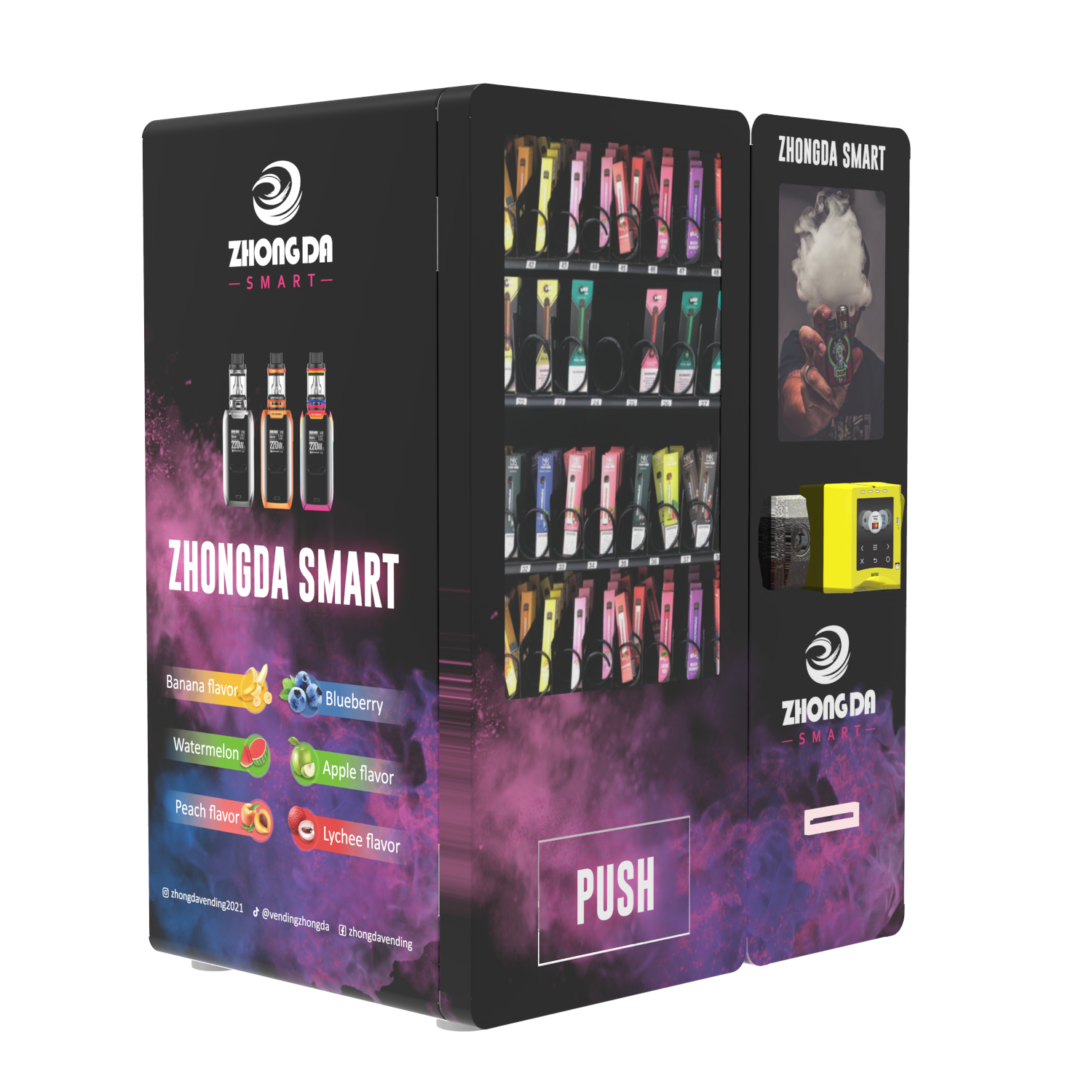
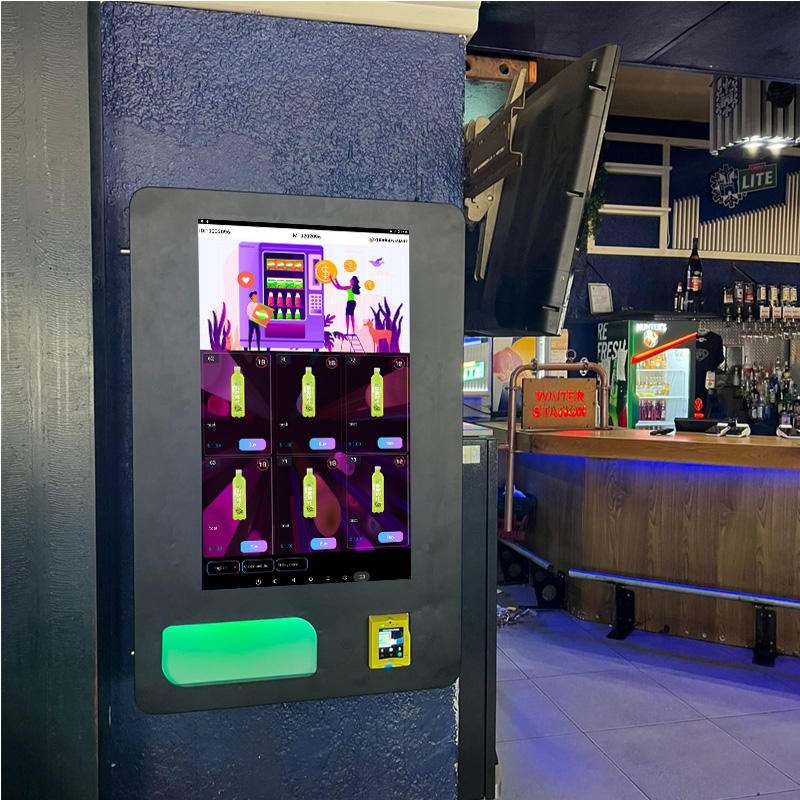
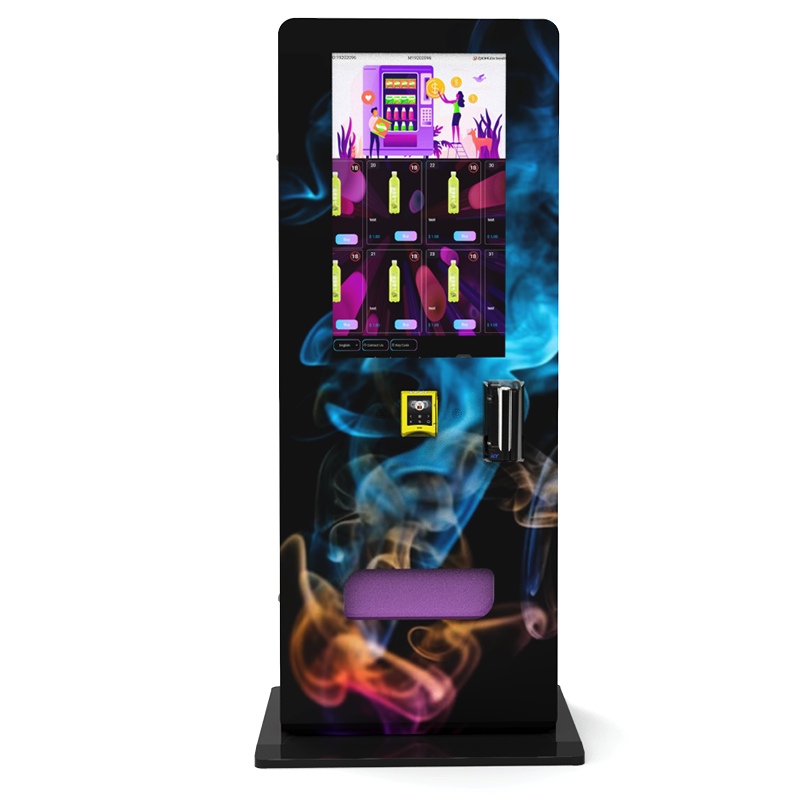
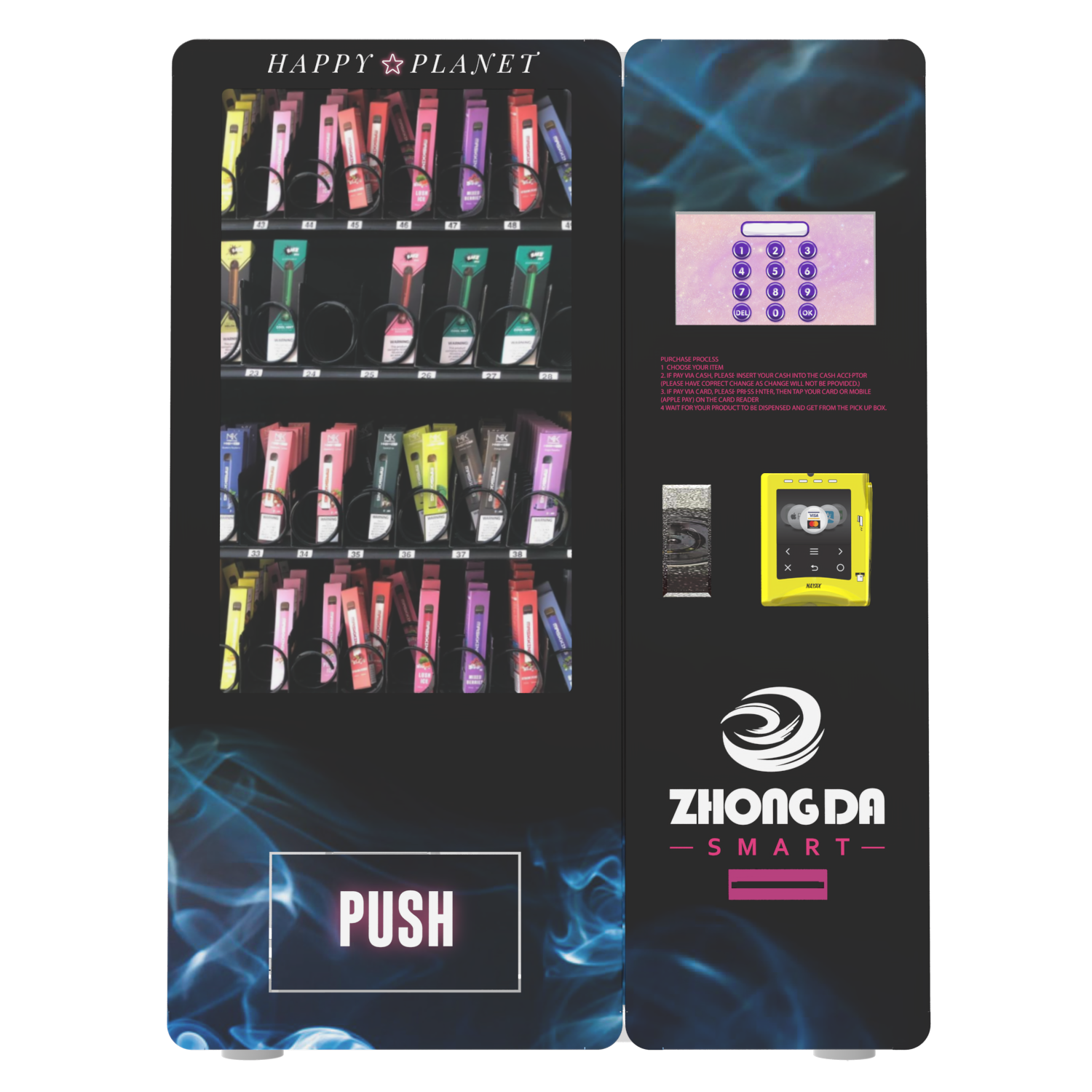
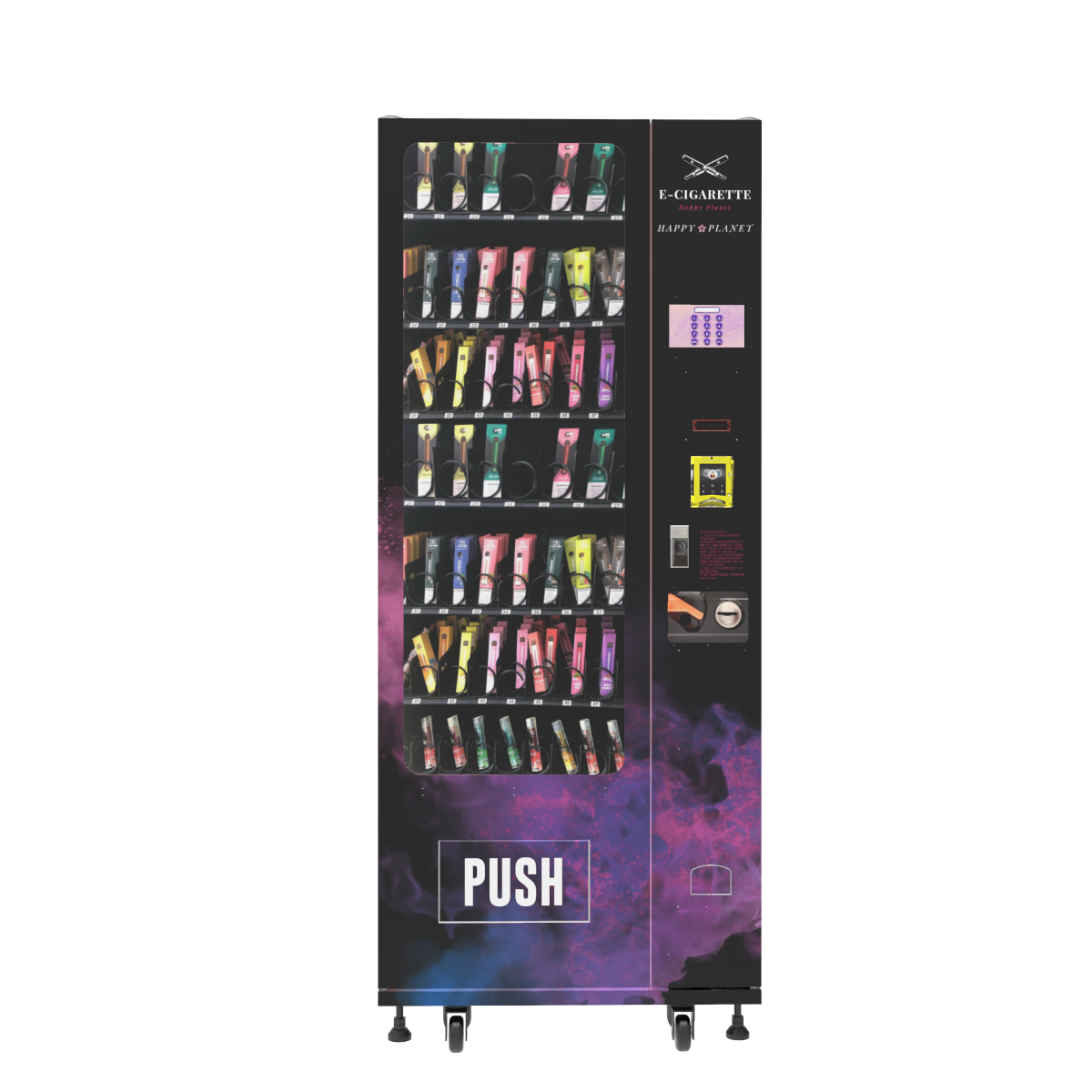
I’ve been on the manufacturing side long enough to know what holds up and what doesn’t. Our factory has shipped thousands of units to bars, casinos, hotels, and airports across North America and Europe. One of our most popular models is the ID scan vending machine that we designed specifically for 21+ venues. It includes a stainless steel cabinet (no rusting in damp basements), a high-torque motor system that handles 500+ cycles without jamming, and a 43-inch touchscreen that displays product images clearly even in low light.
I remember a deployment in a Las Vegas nightclub where the ambient temperature near the machine hit 95 degrees Fahrenheit because of the stage lights. The cooling system in our unit kept the internal temperature at a steady 72 degrees, which is critical for battery safety in disposable vapes. If you’re buying from a manufacturer that doesn’t spec for extreme environments, you’re going to have returns.
For operators who want to see technical specifications, I recommend checking out the age verification vending machine page on our site. It breaks down the scanner resolution, payment options, and cabinet dimensions. I also suggest looking at the compliant e-cigarette vending machine if you’re dealing with strict local regulations.
Comparing Different Vending Machine Types for Venues
Not all machines are built the same. I’ve put together a comparison based on what I’ve seen work in the field.
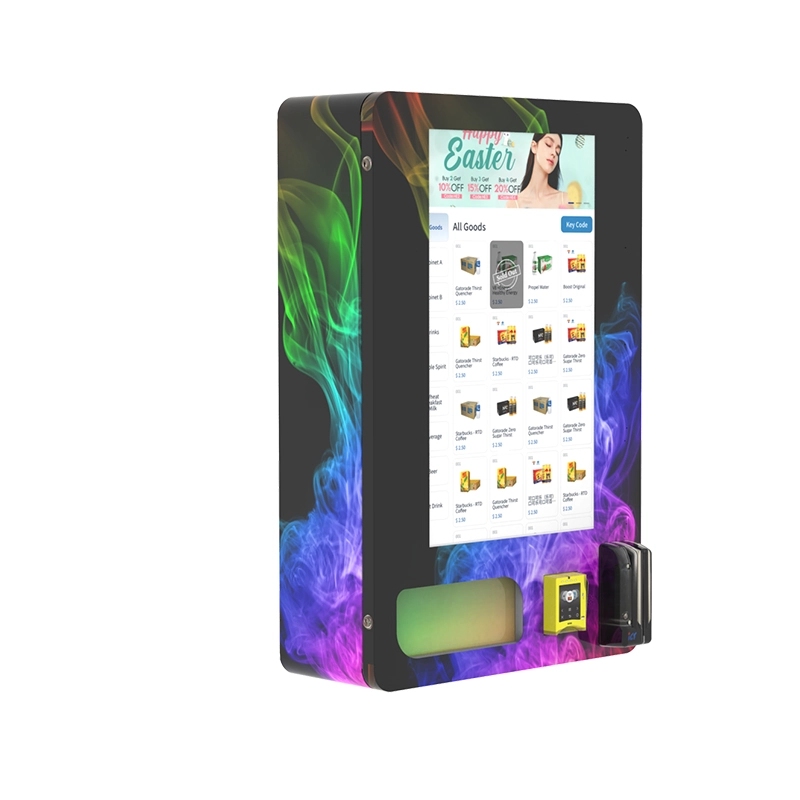
| Feature | Standard Snack Machine | Basic Vape Machine | ID Scanning Vape Machine |
|---|---|---|---|
| Age Verification | None | None | Barcode + Hologram Scan |
| Compliance Ready | No | No | Yes (21+ only) |
| Telemetry | Optional | Basic | Real-time cloud |
| Average Lifespan | 5 years | 3 years | 8+ years |
| Service Frequency | Monthly | Bi-weekly | Weekly (for restocking only) |
| Revenue Potential (per week) | $300 – $600 | $500 – $1,000 | $1,500 – $3,000 |
The ID scanning unit is the only one that keeps you on the right side of the law while maximizing revenue. I’ve seen too many operators try to use a standard snack machine with a manual age check sticker on it. That doesn’t hold up in a compliance audit.
Long-Term Operational Strategy
Once you’ve got the machine installed, the real work begins. I’ve developed a playbook over the years that I share with all my clients.
Product Rotation and Seasonal Adjustments
I track sales data across my network of machines. In summer, mint and menthol flavors sell 30% better. In winter, dessert flavors like vanilla custard and strawberry cream dominate. I adjust my restocking orders accordingly. If you’re not using your telemetry data to make these decisions, you’re guessing.
Staff Training and Buy-In
I train the venue staff on how to clear a simple jam and how to reboot the machine if the screen freezes. I also give the bartenders a small incentive—like a $50 bonus each month if the machine hits a revenue target. That way they actively promote it to customers. “Hey, grab your vape from the machine by the restrooms, it’s faster than waiting here.” That kind of word-of-mouth from staff drives usage.
Regular Compliance Audits
I recommend running a test transaction with a valid ID and an expired ID once a week. Log the results. If the machine ever fails to reject an underage ID, you need to recalibrate the scanner or update the software. I’ve had clients pass surprise compliance inspections because they had a logbook showing daily checks.
Scaling to Multiple Locations
Once you’ve proven the model in one venue, scaling is straightforward. I help operators negotiate bulk pricing on hardware and negotiate better wholesale rates on product. A network of ten machines can generate over $40,000 a month in gross profit. I’ve seen operators build entire businesses around this model, eventually selling their route for a multiple of annual earnings.
Expert Advice on Choosing a Manufacturer
I’ve been in this industry long enough to know that the manufacturer you choose determines your success rate. Look for a company that has been building vending machines for at least a decade, not a startup that assembled a prototype in a garage. Check if they offer a warranty on the ID scanner (at least two years) and if they have a North American service network. I’m biased, but I’ve seen the quality from Zhongda smart hold up in high-traffic environments that chew up lesser machines. Their units use industrial-grade components, and they provide firmware updates for the life of the machine.
When you’re evaluating a supplier, ask them for a list of reference installations. Call those operators and ask about downtime, service response times, and actual revenue numbers. I’ve had potential clients call me and ask for three references, and I give them five. A manufacturer that hides behind a website without real-world proof is a risk you don’t want to take.
Frequently Asked Questions
Do I need a special license to operate an ID scanning vape vending machine?
It depends on your local and state regulations. In most jurisdictions, if the machine is placed in a 21+ venue and uses automated age verification, you still need a tobacco retail license. I recommend checking with your local health department or alcohol beverage control board. Some states treat the machine as a separate retail location, so you may need a permit for the machine itself.
Can the machine read IDs from all 50 states?
Yes, provided the software is up to date. The scanner reads the 2D barcode format used by all U.S. states and territories. It also reads Canadian provincial IDs and international passports if the machine is configured for that. I always verify the software version at installation and set up automatic updates.
What happens if the power goes out or the network drops?
The machine has a battery backup that keeps the ID scanner and payment system active for about 30 minutes. If the network drops, the machine can still process transactions using cached ID verification data. Once the network reconnects, it uploads the transaction log. I always recommend a cellular backup modem for venues with spotty WiFi.
How do I handle product theft or vandalism?
The machine I recommend has a tamper alarm that triggers if the door is forced open. It also has an internal camera that captures a photo of the person at the machine during each transaction. I’ve had clients use those photos to identify vandals. For theft, the inventory tracking system will flag any discrepancy between what’s dispensed and what’s sold.
What is the typical lifespan of the ID scanner?
With regular cleaning, the scanner module lasts about 500,000 scans. In a high-volume venue, that’s roughly three to four years. After that, the laser diode may need replacement. I stock spare scanner modules and can swap one out in under ten minutes.
Final Thoughts on Investing in an ID Scanning Vape Vending Machine
I’ve watched this industry evolve from cigarette machines that required a key to modern smart vending machines that verify age in under three seconds. The operators who adopt this technology early are the ones who build a competitive advantage. They capture sales that would otherwise be lost, they reduce labor dependency, and they create a documented compliance record that protects their business.
If you’re serious about adding a vending operation to your venue, start by evaluating your floor plan and foot traffic patterns. Then talk to a manufacturer with a proven track record. I’ve seen too many operators buy cheap equipment and then blame the concept. The concept works. The equipment has to be right.
For more detailed information on specific models and configurations, I suggest visiting the vape vending machines page on our site. You can also read about real-world case studies in the Vape Vending Machines for Bars section to see how other operators have deployed these units successfully.
References and Data Sources
The revenue projections and market data in this article are based on operational data collected from deployments managed by Zhongda Smart between 2019 and 2024. Industry context is supported by publicly available reports.
- Statista — “Vending machine market size in the United States” (2023). https://www.statista.com/topics/1392/vending-machines/
- IBISWorld — “Vending Machine Operators in the US” (2024). https://www.ibisworld.com/united-states/market-research-reports/vending-machine-operators-industry/
- Forbes — “The Rise of Automated Retail in the Post-Pandemic Economy” (2022). https://www.forbes.com/sites/forbestechcouncil/2022/06/15/the-rise-of-automated-retail-in-the-post-pandemic-economy/