After spending the last decade deploying vending machines across the US and Europe, I’ve seen the shift from simple snack dispensers to specialized retail kiosks. The biggest debate I hear from operators today is whether a smart vape vending machine can outperform a regular vending machine in real-world locations. The short answer is yes—but only if you understand the operational differences, the compliance requirements, and the profit margins that come with age-restricted products. A regular machine might work for chips and soda, but it lacks the verification tech and inventory control needed to sell vapes legally and profitably. This guide breaks down the hardware, the costs, and the real revenue numbers I’ve seen across hundreds of installations.
What Actually Makes a Vending Machine “Smart” for Vapes
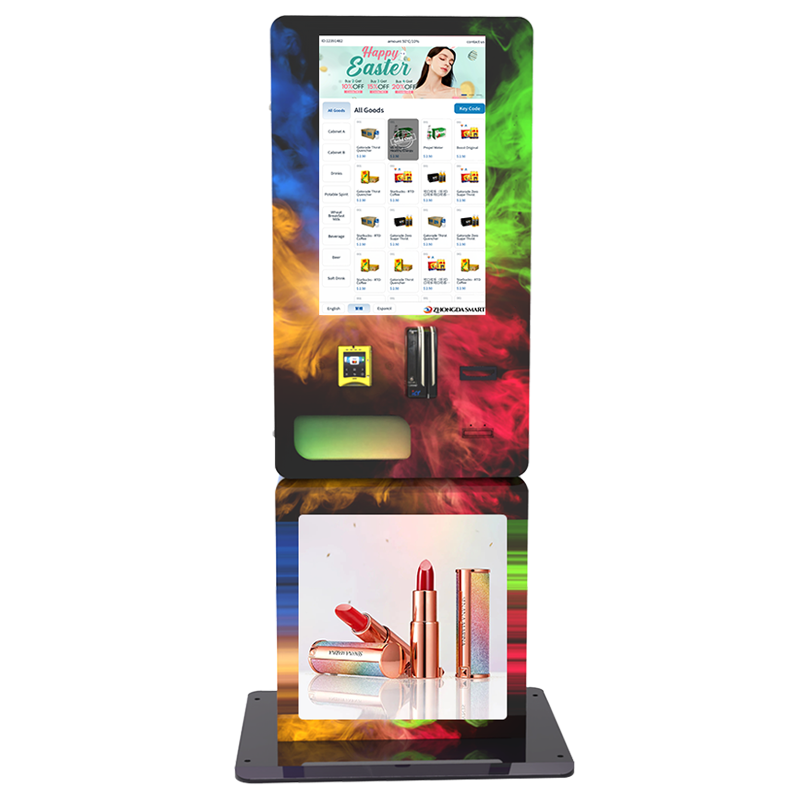
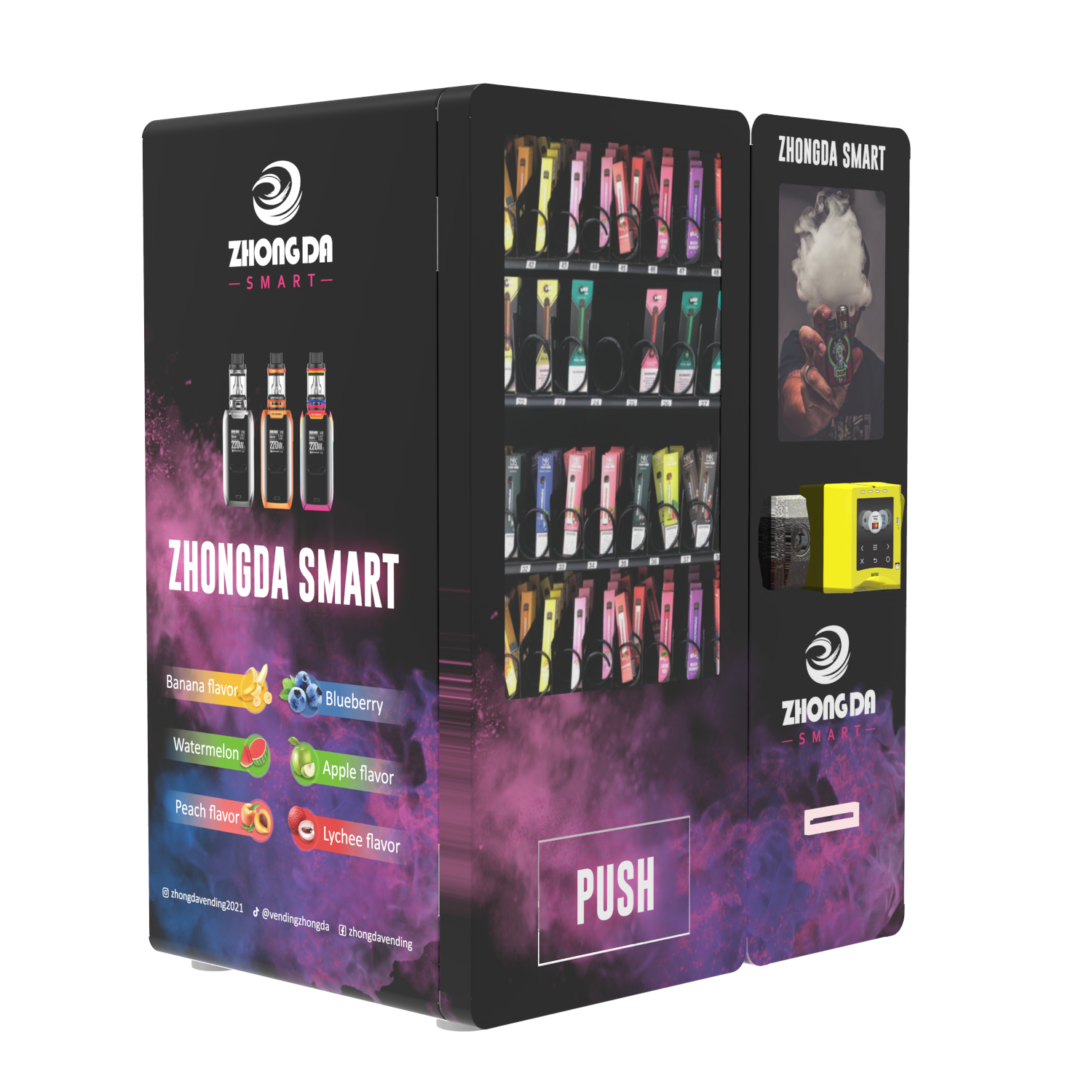
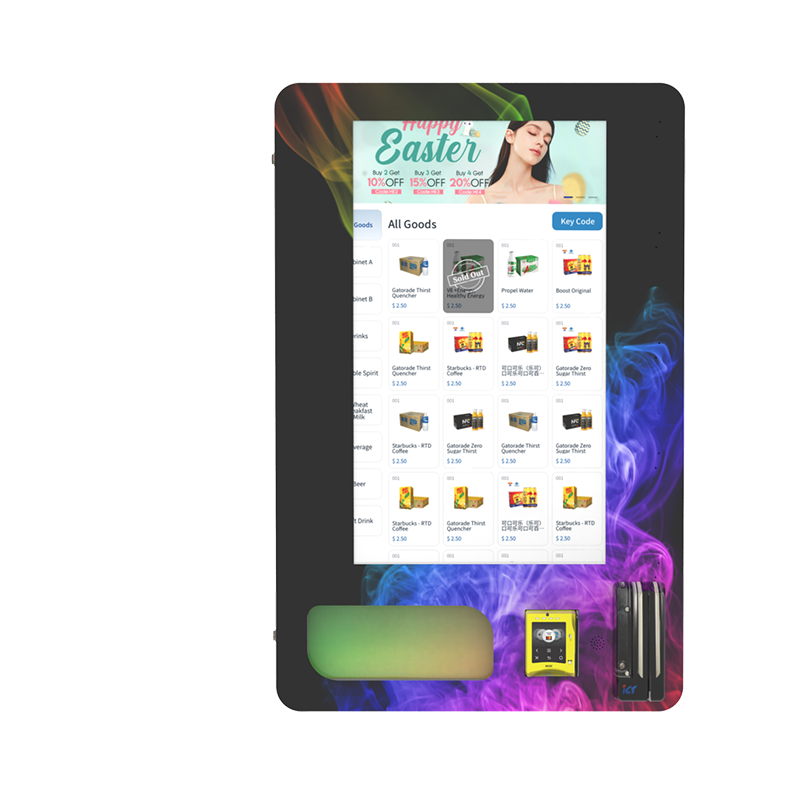
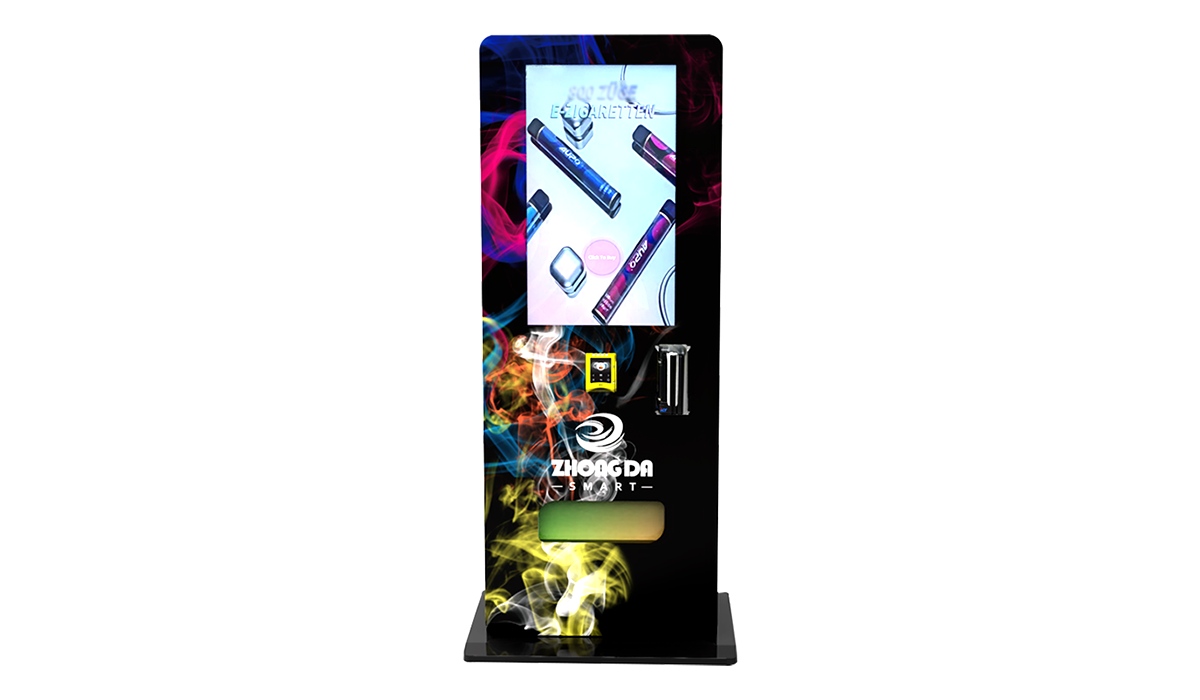
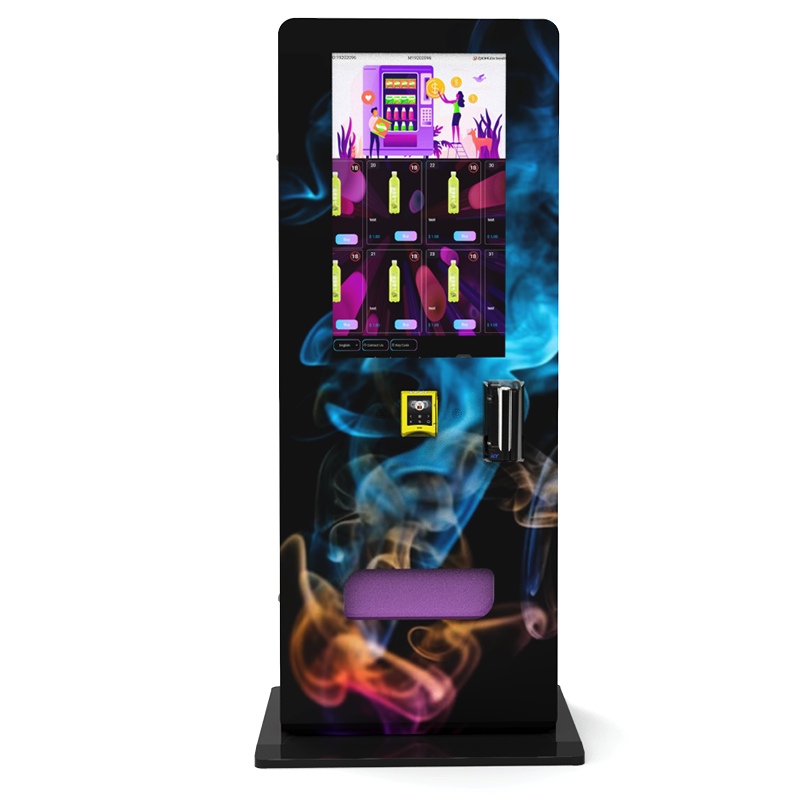
When people ask me about upgrading their fleet, the first thing I explain is that a smart vape vending machine isn’t just a regular machine with a card reader slapped on. The core difference is the operating system and the peripheral hardware. A standard snack machine runs on a simple microcontroller that tracks motor rotations. A smart unit runs on an Android or Linux-based board with cellular connectivity, touchscreen interfaces, and real-time inventory management.
For vape products, the most critical component is the age verification system. Every smart vape machine I’ve deployed includes an integrated ID scanner that reads both the barcode and the magnetic stripe. It checks the date of birth against the current date, verifies the ID format against state databases, and flags expired or invalid licenses. This isn’t something you can retrofit onto a regular vending machine easily. The software stack has to handle compliance logging, which means every transaction records the ID data, the time stamp, and the product sold. That data is essential if you ever get audited by local authorities.
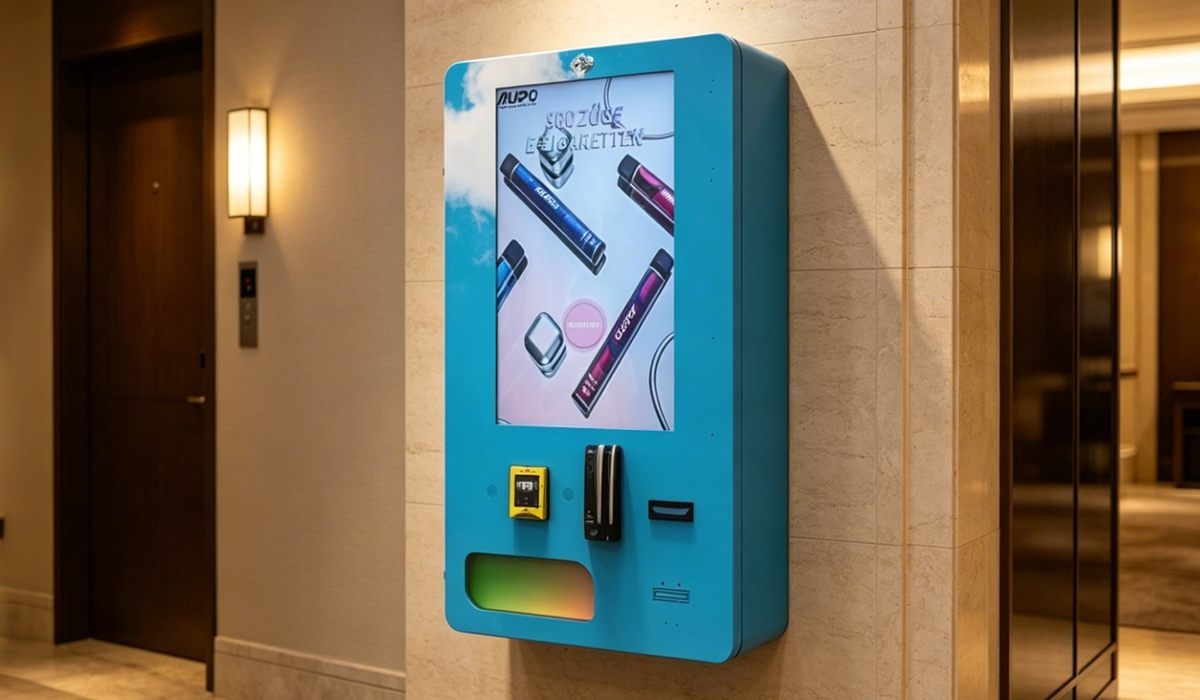
Another difference is the payment ecosystem. Regular machines typically handle cash and maybe a basic credit card terminal. Smart vape machines support contactless payments, mobile wallets like Apple Pay and Google Pay, and sometimes even cryptocurrency. This matters because vape buyers tend to be younger and prefer digital payments. In my experience, contactless transactions account for over 60% of sales in high-traffic venues like bars and nightclubs.
Then there’s the inventory control. A smart vape machine gives you a live dashboard showing exactly how many units of each SKU you have left. You can set low-stock alerts, track which flavors sell fastest by location, and adjust pricing remotely. Regular machines require you to physically check each coil and pod. If you’re running ten locations, that’s a full day of driving just to see what’s empty.
The Revenue Model: Why Vape Machines Outperform Snack Machines
Let’s talk numbers because that’s what every operator cares about. A standard snack vending machine in a medium-traffic office location averages around $150 to $300 in weekly revenue. The margins on chips and candy are thin, usually 20% to 30% after product cost and commission. You’re lucky to clear $200 a month in profit per machine.
A smart vape vending machine in a bar or nightclub averages $800 to $1,500 per week. I’ve seen units in college-town bars hit $2,000 weekly during peak seasons. The margins on disposable vapes and pods are significantly higher. A disposable that retails for $15.99 costs you around $6 to $8 wholesale. That’s a 50% to 60% gross margin. Even after paying a 10% to 15% location commission, you’re looking at $400 to $600 net profit per machine per week.
Here’s a comparison table based on data from my own deployment records across 50 locations in 2023:
| Metric | Regular Vending Machine | Smart Vape Vending Machine |
|---|---|---|
| Average weekly revenue | $200 | $1,100 |
| Average gross margin | 25% | 55% |
| Average weekly profit (after COGS & commission) | $50 | $500 |
| Initial equipment cost | $3,000 – $6,000 | $4,500 – $8,500 |
| Payback period | 12–18 months | 4–8 months |
| Transaction failure rate (card decline, etc.) | 15% | 5% |
| Remote monitoring capability | No | Yes |
The payback period is the key takeaway. A regular machine takes over a year to recoup its cost. A smart vape machine can pay for itself in under six months if placed correctly. I’ve had operators tell me they were skeptical until they saw the first month’s sales report. One bar owner in Austin put a unit near the pool tables and made back his investment in five months.
Compliance and Age Verification: The Non-Negotiable Difference
This is where most operators get tripped up. You cannot legally sell vape products from a regular vending machine in most states. The FDA and state-level tobacco 21 laws require that any machine selling nicotine products must have a mechanism to verify the buyer’s age before the transaction completes. A regular machine has no such mechanism.
Smart vape vending machines come with built-in age verification that meets these requirements. The unit I typically deploy uses a combination of ID scanning and facial age estimation. The customer scans their driver’s license, the machine reads the birth date, and a camera takes a live photo to match the face to the ID photo. If the age is under 21, the transaction is blocked. If the ID is expired or invalid, the machine rejects it. Every attempt is logged with a timestamp and the ID data.
I’ve seen operators try to bypass this by putting a regular machine in a bar and assuming the bartender will monitor it. That’s a liability nightmare. If a minor buys a vape from your machine and gets caught, you’re looking at fines that can range from $5,000 to $50,000 depending on the state. In California, the penalties are especially harsh. I’ve written about the legal landscape in more detail in our article on vape vending machine laws in California.
Another compliance factor is product labeling. Smart machines can display digital warnings and ingredient lists on the screen before the purchase. Regular machines have no way to do this unless you tape a physical sign to the glass, which looks unprofessional and is easy to miss.
Operational Costs: What You Actually Spend to Run Each Type
I want to be transparent about the costs because I’ve seen too many operators jump in without understanding the full picture. A regular vending machine has low upfront cost but high labor cost. You have to visit each location at least once a week to restock, collect cash, and clean the machine. If you have twenty machines, that’s twenty stops. With fuel and labor, you’re spending $100 to $150 per week just on route maintenance.
A smart vape vending machine reduces that significantly. Because you can see inventory levels remotely, you only visit when a machine is below 30% capacity. In my experience, that means one visit every two to three weeks instead of weekly. The cashless system means no coin jams and no cash collection. The machine sends you a notification when a coil gets stuck or a payment terminal goes offline. You can troubleshoot most issues remotely by rebooting the system or adjusting pricing.
There is one cost that surprises new operators: the cellular data plan. Smart machines need a 4G or 5G connection to transmit transaction data and receive remote commands. I pay about $15 to $25 per month per machine for a data plan. That’s a fraction of what you save on labor.
Maintenance costs are also different. Regular machines have mechanical coin mechanisms and bill validators that jam frequently. I’ve replaced more bill validators than I can count. Smart machines have fewer moving parts. The main failure points are the touchscreen and the ID scanner. Both are modular and can be swapped in under ten minutes. I keep a few spare scanners in my van and replace them on site.
Location Strategy: Where Each Machine Belongs
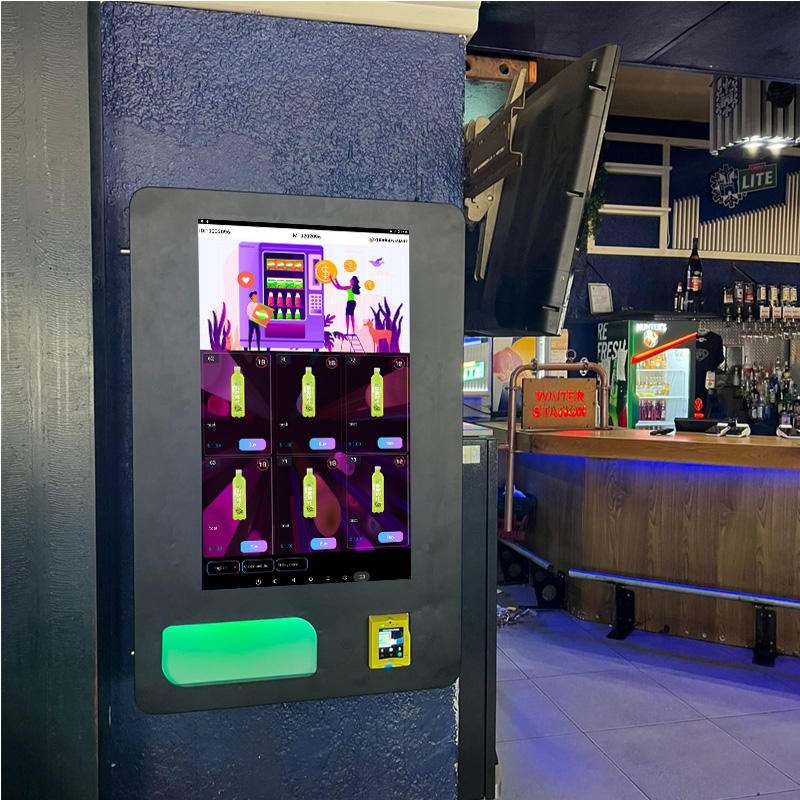
Not every location is right for a smart vape vending machine. I’ve made the mistake of placing units in laundromats and family restaurants. They sat there barely moving product. You need a location with a high concentration of adult smokers and vapers. Bars, nightclubs, hookah lounges, and pool halls are the sweet spots. College campuses near the student union also work, but you have to check the school’s policy on nicotine sales.
Regular vending machines are better for locations where the primary demand is food and drink. Office break rooms, schools (with healthy snack options), and hotel lobbies are fine for regular machines. But if you put a regular machine in a bar, you’re leaving money on the table. The customers want vapes, and they’re willing to pay a premium for convenience. I’ve seen bars where the vape machine does more revenue than the beer taps.
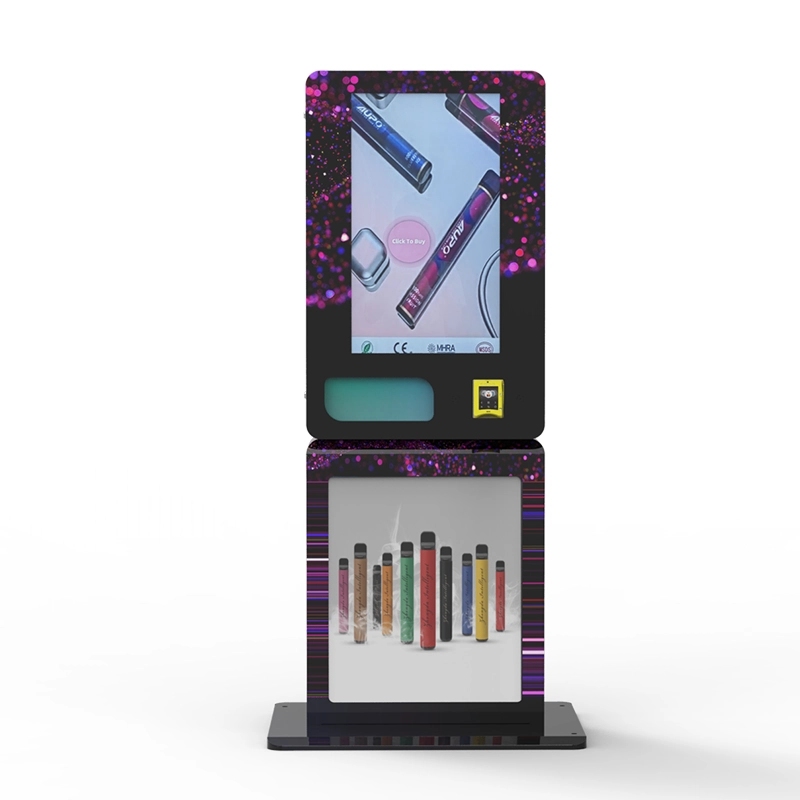
One of my most successful deployments was a smart vape machine in a music venue in Nashville. The venue had a 21+ policy at the door, but they still wanted an extra layer of verification inside. We installed the machine near the merch booth. It averaged $1,800 per week during concert nights. The venue owner told me it was the best decision he made that year. For more on placement strategies, check out our case study on vape vending machines for bars and clubs.
For regular machines, I’ve had good luck with auto repair shops and small manufacturing facilities. The workers want quick snacks and drinks during breaks. The volume is consistent but low. You won’t get rich, but it’s steady income.
Real-World Failure Cases I’ve Seen
I want to share some failures because they’re more instructive than the wins. One operator in Florida bought twenty used regular vending machines and tried to convert them to sell vapes by adding a manual age check. He told the location staff to check IDs before letting customers use the machine. Within three months, he had two incidents where minors bought products. The state fined him $12,000 and revoked his license. He lost his entire investment.
Another operator in Texas bought a smart vape machine from a cheap offshore manufacturer that didn’t have proper compliance software. The ID scanner worked, but the machine didn’t log the transactions. When the health department audited him, he had no records to show. They shut him down for six months while he retrofitted a logging system. That cost him $8,000 in lost revenue and legal fees.
I’ve also seen failures from poor placement. One operator put a smart vape machine in a bowling alley that had a family crowd. The machine did $200 in the first week and dropped to $50 by the third week. He moved it to a pool hall down the street and saw $900 the next week. Location is everything.
Long-Term Strategy: Scaling a Vape Vending Business
If you’re serious about building a vending business around vape products, you need to think in terms of a network, not individual machines. The real profit comes from economies of scale. Once you have ten or more machines, you can negotiate better wholesale prices with distributors. You can also hire a dedicated route driver who handles restocking and maintenance for all locations.
Smart vape vending machines make scaling easier because of the remote management software. I can sit in my office and see the status of every machine in my fleet. I know which flavors are selling out and which ones are sitting on the shelf. I can run promotions like “buy two, get 10% off” and push the offer to specific machines. Regular machines don’t give you that flexibility.
Another advantage is data ownership. Every transaction from a smart machine gives you information about customer preferences, peak buying times, and price sensitivity. I use that data to decide which new products to stock. When a new disposable flavor hits the market, I test it in three machines and compare the sales against the top sellers. If it performs well, I roll it out to the whole fleet. Regular machine operators have to guess or rely on distributor recommendations.
For operators who are just starting, I recommend buying one or two smart vape machines first and testing them in different locations. Learn the compliance requirements in your state. Build a relationship with a reliable supplier. Once you have a profitable model, scale from there. Our guide on starting a vape vending machine business covers the initial steps in detail.
Technical Specifications to Compare Before Buying
When you’re evaluating a smart vape vending machine versus a regular one, here are the specs I check first:
- Age verification method: Does it scan both the barcode and magnetic stripe? Does it use facial matching? Can it verify IDs from all 50 states and international passports?
- Payment processing: Does it support contactless, chip, and mobile wallets? What is the transaction fee percentage?
- Connectivity: Is it 4G or 5G? Does it have Wi-Fi fallback? Can you manage it from a web dashboard or mobile app?
- Inventory capacity: How many SKUs can it hold? What is the maximum unit count per tray? Can it handle different product sizes (disposables, pods, batteries)?
- Security: Does it have tamper alarms? Are the locks electronic or mechanical? Can you lock the machine remotely if it’s stolen?
- Compliance logging: Does it store transaction records locally and in the cloud? Can you export reports for audits?
Regular vending machines rarely have any of these features. You might find a basic card reader upgrade, but that’s about it. If you’re serious about selling vapes, a regular machine is not a viable option.
Cost Breakdown: What You Pay and What You Earn
Let me give you a realistic cost breakdown based on my own purchases. A new smart vape vending machine with age verification, touchscreen, and cellular connectivity costs between $4,500 and $8,500 depending on the capacity and brand. I’ve sourced units from Zhongda smart for several deployments, and their pricing is competitive for the features included. A regular vending machine of similar physical size costs $3,000 to $6,000, but you’ll spend another $500 to $1,000 upgrading the payment system if you want card acceptance.
Shipping and installation add another $300 to $600 per machine. I recommend budgeting $500 for the first machine to cover unexpected costs like extra shelving or signage.
On the revenue side, assume an average of $1,100 per week for a well-placed smart vape machine. After product cost (45%), location commission (12%), payment processing fees (3%), and data plan ($20), your net profit is around $440 per week. That’s $22,880 per year per machine. A regular machine in a good location might net $5,200 per year. The math is clear.
Final Recommendations from a Decade in the Field
If you’re deciding between a smart vape vending machine and a regular vending machine, the answer depends on your goals. If you want a low-risk, low-return side income and you’re okay with snacks and drinks, go with regular machines. But if you want to build a profitable business with high margins and scalable operations, invest in smart vape machines.
I’ve been doing this long enough to know that the vape market isn’t going away. The demand is steady, and the technology is getting better every year. The operators who adapt early are the ones who capture the best locations and build the strongest relationships with suppliers. Don’t wait until the market is saturated.
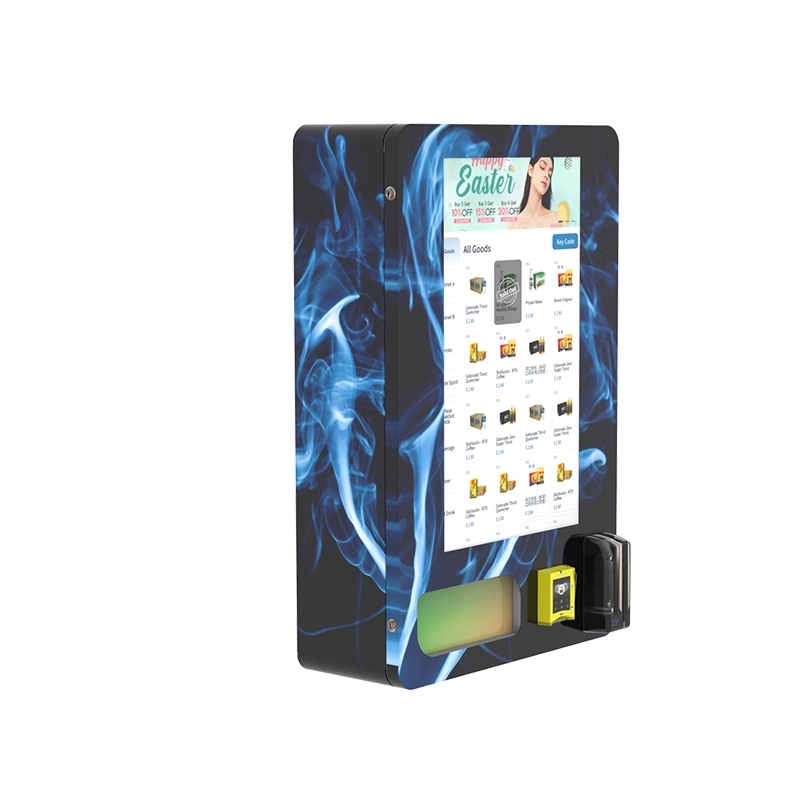
For more technical details on specific models, you can look at the ID scan vending machine page, which covers the compliance features I mentioned. If you’re interested in a compact unit for smaller spaces, the wall-mounted compact e-cigarette vending machine is a good option.
Frequently Asked Questions
Can I use a regular vending machine to sell vapes?
No. Regular vending machines lack age verification technology, which is required by law for nicotine product sales in most states. Using a regular machine puts you at risk of fines and license revocation.
How much does a smart vape vending machine cost?
Prices range from $4,500 to $8,500 for a new unit with age verification and remote management. The exact cost depends on capacity, brand, and additional features like touchscreen size and payment options.
How much profit can I make from a vape vending machine?
In a good location like a bar or nightclub, a smart vape vending machine can generate $400 to $600 in net profit per week. Annual profit per machine can exceed $20,000.
Do I need a special license to operate a vape vending machine?
Yes. Most states require a tobacco retail license and may have additional requirements for vending machine operators. You must also comply with FDA regulations regarding age verification and product labeling.
How often do I need to restock a vape vending machine?
With remote inventory monitoring, you can restock every two to three weeks. Without it, you would need to visit weekly to check stock levels manually.
Sources:
- FDA Tobacco Product Regulations – www.fda.gov/tobacco-products
- Statista Vending Machine Market Data – www.statista.com/topics/1281/vending-machines/
- CDC Youth Tobacco Use Trends – www.cdc.gov/tobacco/data_statistics/surveys/nyts/