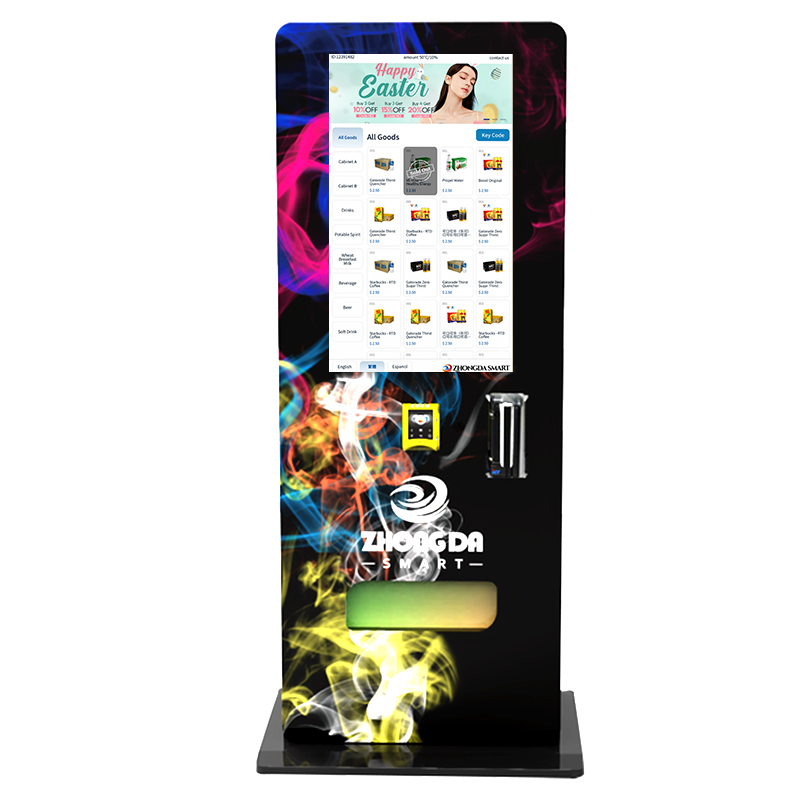
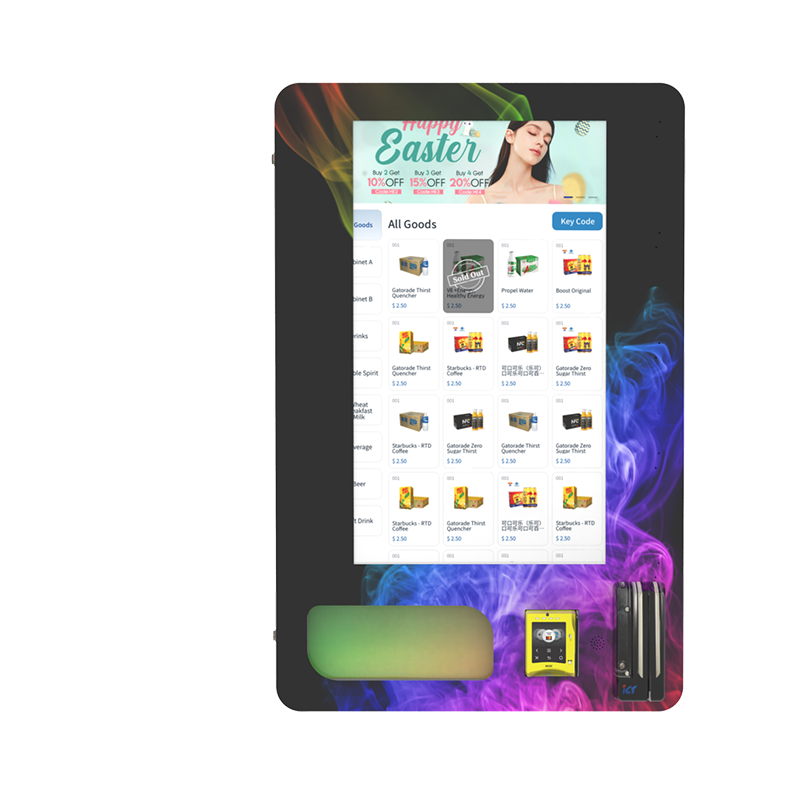
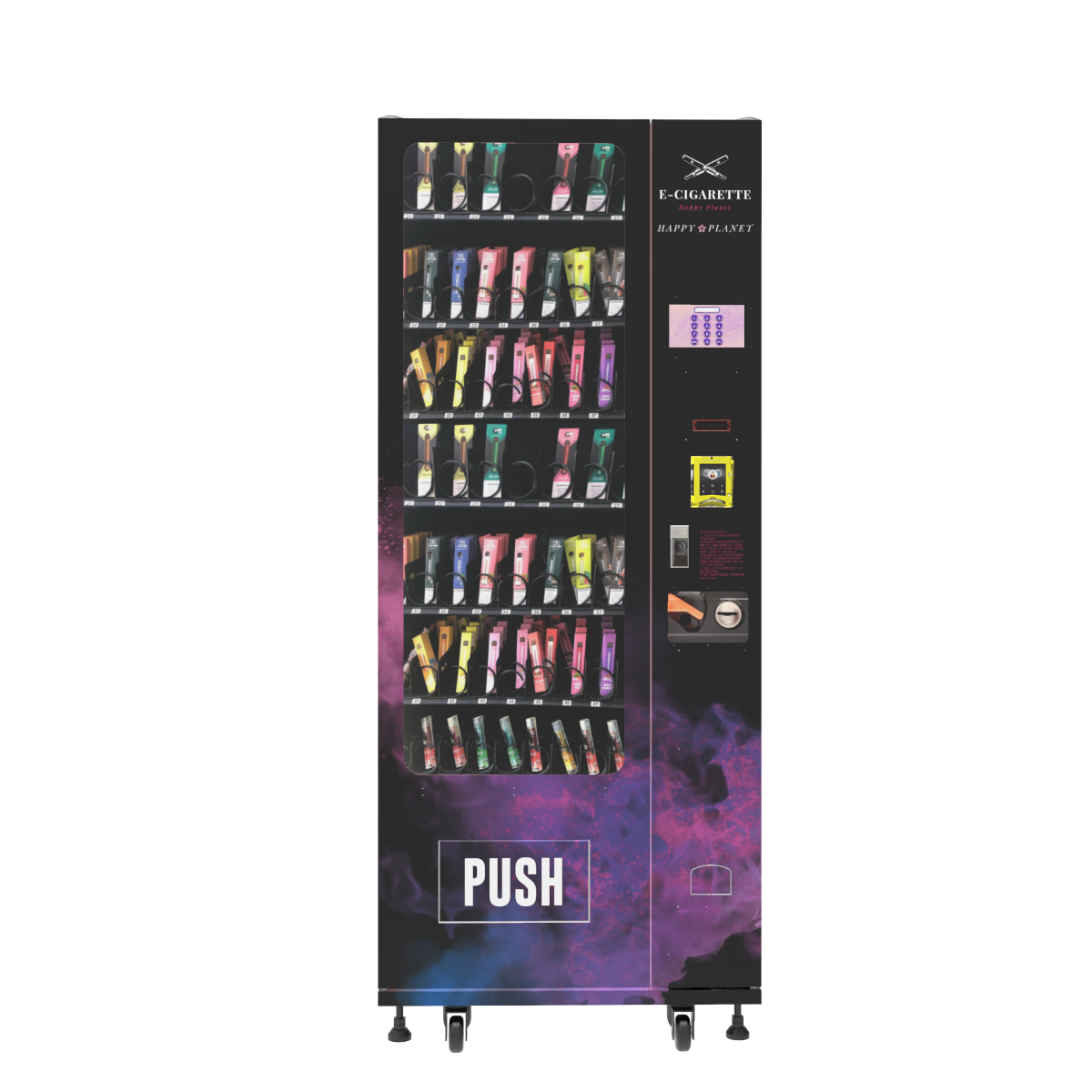
After spending the last decade deploying automated retail solutions across the US and Europe, I can tell you the biggest question I get from operators isn't about technology—it's about survival. The real difference between a vape vending machine and a tobacco vending machine isn't just what they sell; it's that one is a relic of a bygone regulatory era, and the other is a modern, compliance-driven asset. If you are trying to decide which machine to place in a bar, a hotel, or a convenience store, you need to understand that the old cigarette machines are practically extinct in the US due to strict age-gating laws, while the vape vending machine has evolved with smart technology to meet those exact challenges. This guide breaks down the operational, financial, and technical realities of both, based on real deployments and real profit-and-loss statements.
Hardware and Age Verification: The Core Difference
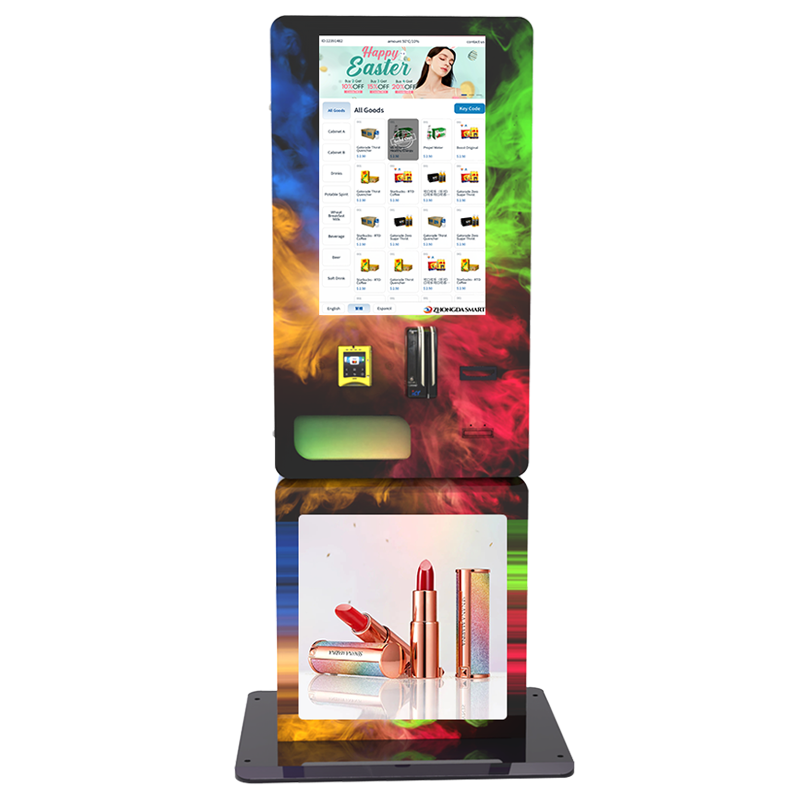
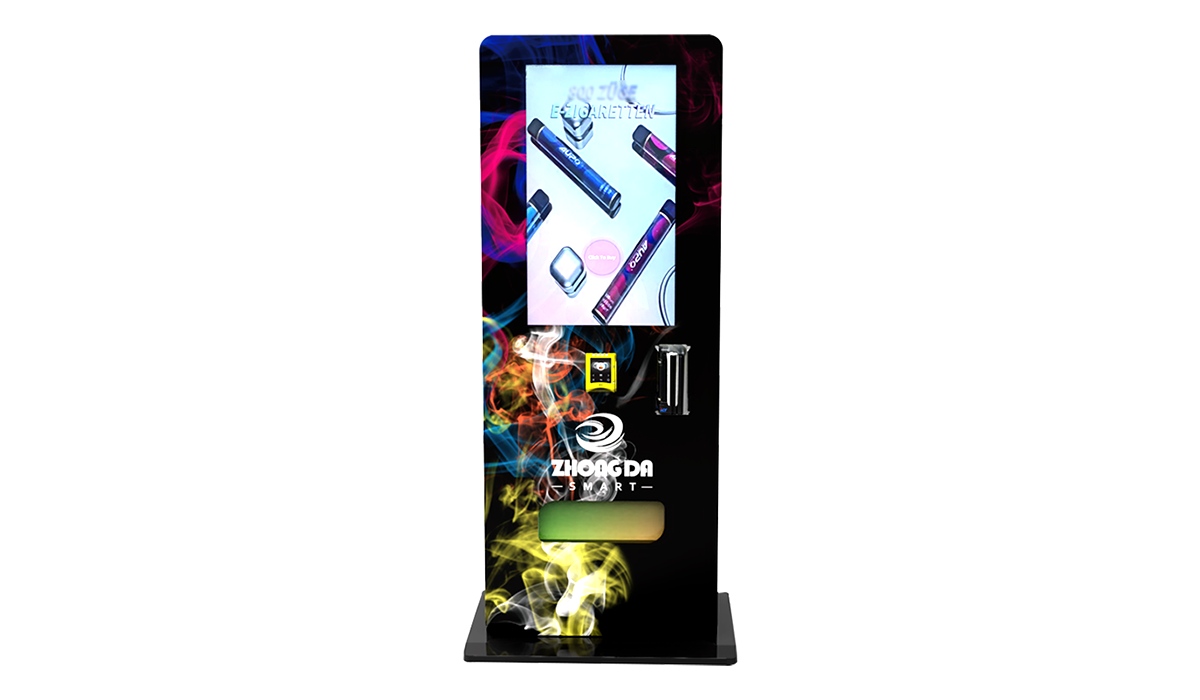
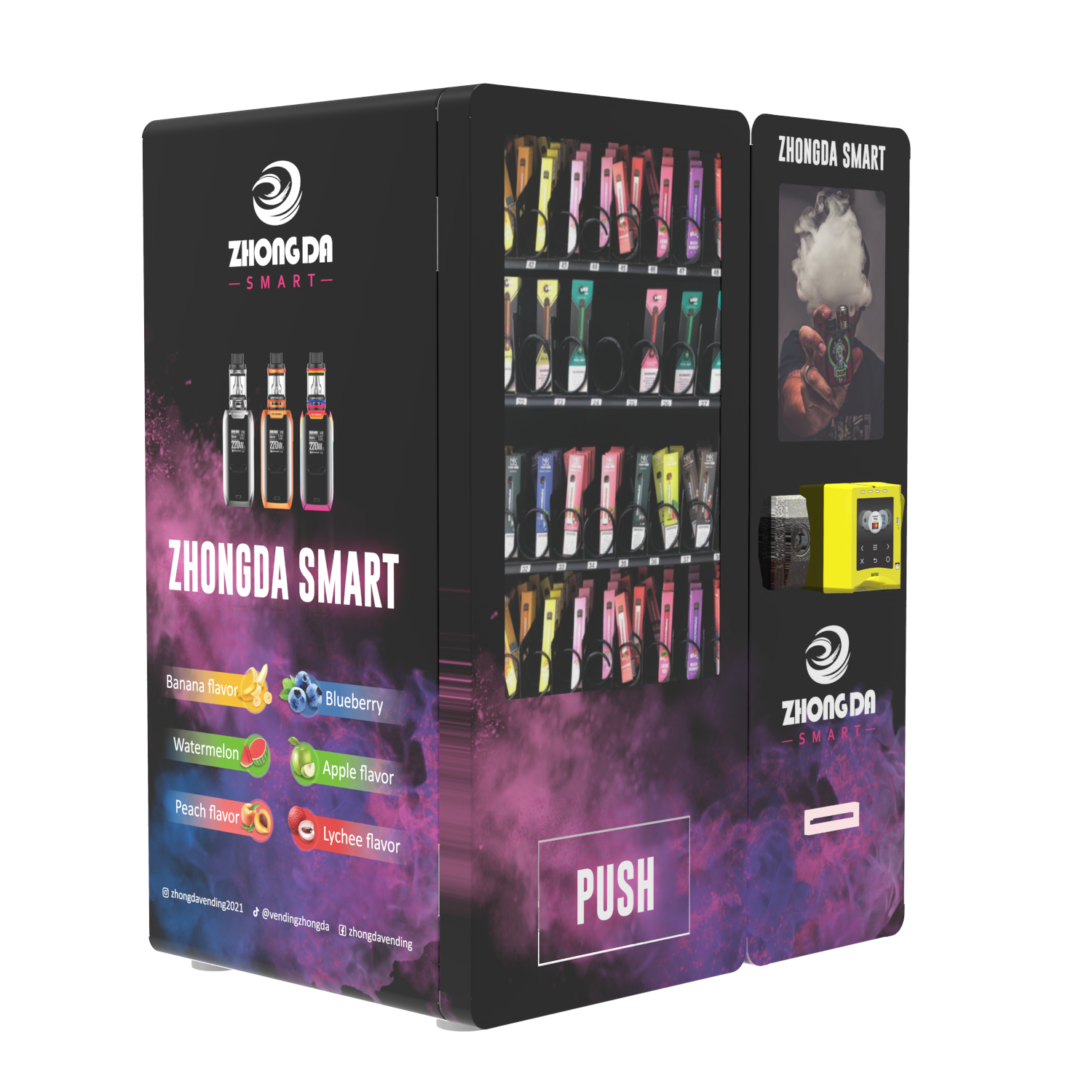
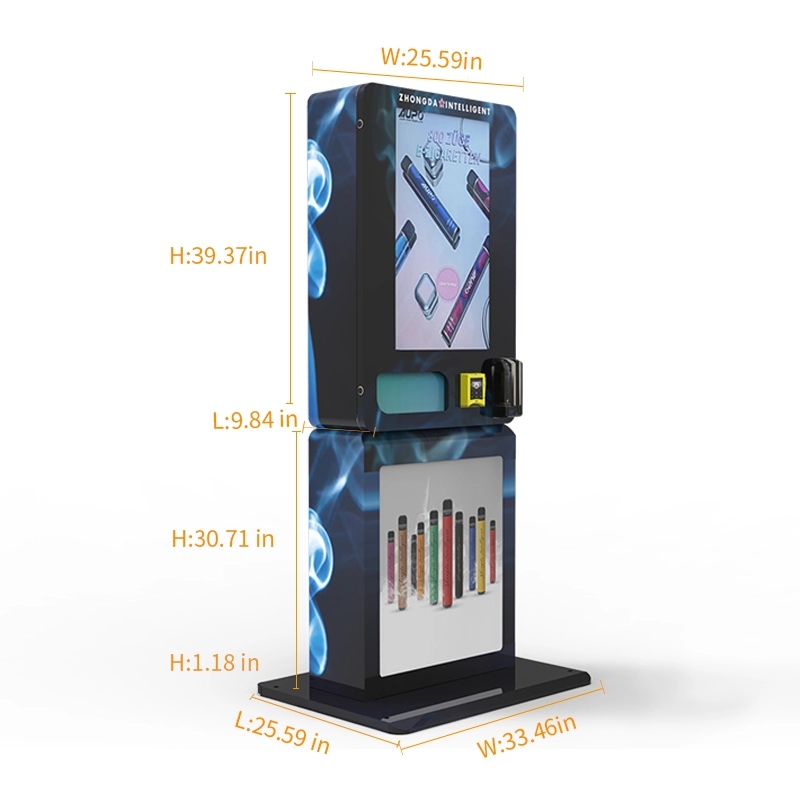
The most significant engineering shift between these two machines is how they handle age verification. A traditional tobacco vending machine from the 90s relies on a simple coin mechanism and a mechanical release. There is no brain. There is no check. In contrast, a modern vape vending machine is essentially a smart kiosk running a Linux-based operating system.
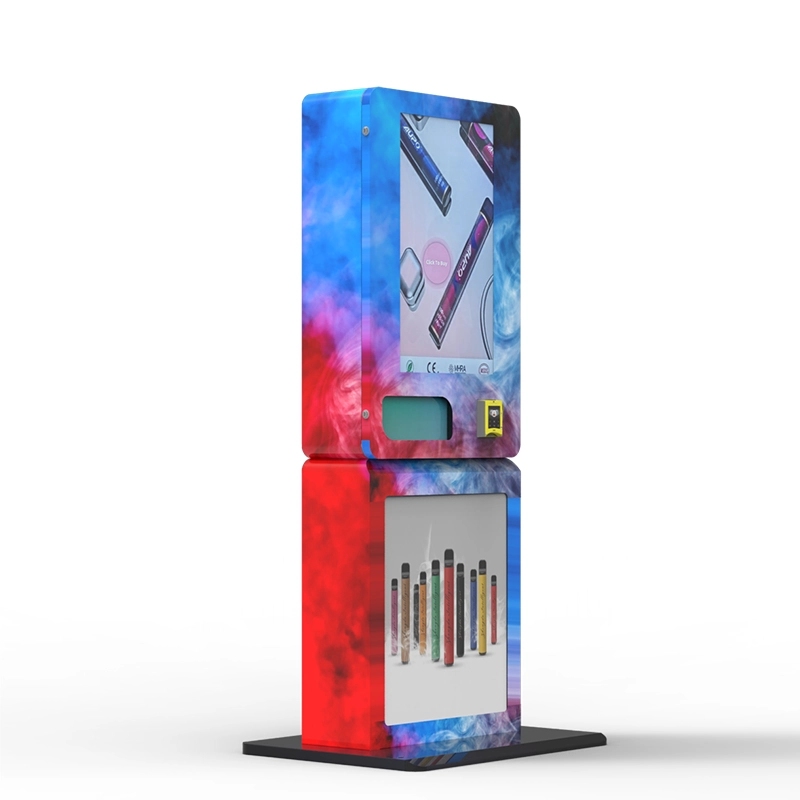
Why the Old Cigarette Machine Fails Today
I have pulled dozens of classic cigarette machines out of bars in Ohio and Texas. They are heavy, rust-prone, and legally dangerous. Without an electronic age verification system, the operator is liable for every single sale. In the US, the FDA’s Tobacco 21 law makes it illegal to sell any tobacco product to anyone under 21. A mechanical machine cannot verify a driver’s license. This is why you rarely see them in operation anymore unless they are in a private club with a dedicated attendant—which defeats the purpose of vending.
Smart Verification in the Vape Kiosk
Every vape vending machine we manufacture at Zhongda Smart includes an integrated ID scanner and facial age estimation software. The machine scans the barcode on the back of a driver’s license, cross-references the date of birth, and uses a camera to ensure the person standing in front of the machine is the same person on the ID. This process takes about 8 seconds. If the ID is expired or the face doesn’t match, the transaction stops. This is non-negotiable technology for anyone looking to stay compliant in 2025.
| Feature | Traditional Tobacco Vending Machine | Modern Vape Vending Machine |
|---|---|---|
| Age Verification | None (mechanical) | ID scan + facial recognition |
| Payment System | Coins only | Credit card, mobile wallet, cash |
| Inventory Tracking | Manual count | Real-time IoT dashboard |
| Remote Management | Not possible | Cloud-based software |
| Compliance Risk | High (operator liability) | Low (audit trail for every sale) |
Cost Structure and Profit Margins
Let me walk you through the actual numbers from a deployment we did in a 24-hour laundromat in Florida last year. The operator was considering a refurbished cigarette machine for $800 versus a new vape machine. He chose the vape machine, and here is why the math works.
Upfront Investment
A refurbished traditional tobacco machine costs between $400 and $1,200 on auction sites. But you will spend another $300 to $500 on repairs within the first six months. The belts dry rot. The coin mechanisms jam. A new vape vending machine from a reliable manufacturer costs between $3,500 and $6,500. That sounds steep until you look at the revenue potential per square foot. A cigarette machine holding 15 packs of Marlboros at $9 per pack generates a maximum of $135 per restock. A vape machine holding 200 pods and disposables at $15 to $25 each generates $3,000 to $5,000 per restock.
Operating Costs
Electricity is negligible for both, roughly $5 to $10 per month. The real cost difference is in restocking labor and shrinkage. With a cigarette machine, you have to physically check inventory. With a vape machine, the cloud dashboard tells you exactly which slots are empty. This cuts restocking time by about 40%. According to a 2023 report by IBISWorld, the average profit margin for a cigarette vending route is around 15%, while margins for vape vending routes can exceed 35% due to higher unit prices and lower theft rates.
Deployment Locations and Failure Rates
I have seen more failed vending routes than successful ones, and the reason is almost always location selection. You cannot put a vape vending machine in a location that doesn't have foot traffic of legal-age adults.
Where the Cigarette Machine Still Works (Barely)
I have one client in Pennsylvania who keeps a vintage cigarette machine in a private cigar lounge. It sells about 12 packs a week. It works because the lounge has a door guy checking IDs. But that is a niche scenario. For 95% of commercial locations, the cigarette machine is a liability. I have seen bars get fined $5,000 because a minor used a cigarette machine while the bartender was busy.
Where the Vape Machine Thrives
Our best-performing locations for the age verification vending machine are hotels, late-night convenience stores, and music venues. One of our case studies involved a hotel in Las Vegas that installed a machine near the elevators. They sold over 400 units in the first month. The key is that the machine operates 24/7 without needing a clerk. The hotel staff just restocks it twice a week.
Common Failure: The Wrong Machine in a Low-Traffic Spot
I consulted for a gas station owner in Missouri who bought a cheap vape machine from a non-specialist manufacturer. The machine had a slow scanner and a poor screen. Customers walked away after 30 seconds. He sold 3 units in two weeks. We replaced it with a model from Zhongda Smart’s ID scan line, and sales jumped to 45 units in the first week. The hardware matters. If the verification process takes longer than 10 seconds, you lose the sale.
Maintenance and Technical Support
One thing I learned the hard way: you need a manufacturer that actually answers the phone when your machine goes down on a Friday night. Traditional cigarette machines are simple to fix—any handyman can replace a spring. But they break often. Vape machines are more complex, but they break less frequently if built properly.
Common Repairs on Cigarette Machines
- Coin jams (weekly occurrence in high-use machines)
- Broken glass (vandalism target)
- Rust on electrical contacts (especially in humid bars)
Common Repairs on Vape Machines
- Screen calibration issues (rare, usually firmware update fixes it)
- Scanner lens cleaning (monthly maintenance)
- Network connectivity drops (solved with a cellular backup)
We offer a remote diagnostic tool on our machines that lets our tech team log in and fix software issues without a site visit. This saves operators about $150 per service call. For hardware issues, we ship replacement parts within 24 hours. That level of support is critical for an operator who doesn't want to lose a weekend of sales.
Risk Management and Legal Compliance
I cannot stress this enough: the legal risk of a traditional cigarette machine is higher than most operators realize. In California, a single violation of selling tobacco to a minor can result in a $1,000 fine for the first offense and up to $5,000 for subsequent offenses. With a mechanical machine, you have no proof that the buyer was of age. With a vape vending machine, you have a digital record of every ID scan. That audit trail is your insurance policy.
Data from the FDA
According to the FDA’s Center for Tobacco Products, compliance checks in 2023 showed that 11.5% of traditional vending machine locations sold to minors, compared to less than 2% for locations using electronic age verification. This data is from their annual compliance report. The difference is stark. If you are placing a machine in a high-traffic area, you need the electronic verification to protect your business license.
Long-Term Strategy: Which Machine to Buy in 2025
If you are reading this because you are considering starting a vending route, do not buy a traditional tobacco vending machine unless you are a collector. The market for them is dead. The future is the smart kiosk that can sell vapes, nicotine pouches, and even CBD products. The vape vending machine is versatile. You can change the product mix based on what sells in that specific location.
Why I Recommend the Vape Machine
I have been in this business since 2009. I have seen the cigarette machine market shrink by 80% in the US. The vape machine market, according to a 2024 Statista report, is growing at 12% annually. The machines are more expensive upfront, but the return on investment is faster because you are selling higher-margin products. If you want a machine that will still be generating revenue in five years, get the one with the scanner, the cloud software, and the remote support.
For operators who want to see the technical specifications of a compliant machine, I suggest looking at the compliant e-cigarette vending machine page. It details the exact hardware we use for age verification and the payment systems that work best in the US market.
Frequently Asked Questions
Can I still buy a traditional tobacco vending machine?
Yes, you can find them used on auction sites, but I strongly advise against it for commercial use. The liability from selling to minors without verification is too high. Most states have effectively banned unattended cigarette sales without an attendant present.
How much money can a vape vending machine make?
It depends on location. In a busy hotel, I have seen machines gross over $4,000 per month. In a lower-traffic vape shop, it might be $800. The average across all our deployments is around $1,800 per month per machine. The profit margin is typically 30% to 40% after product cost and credit card fees.
Do vape vending machines need a special license?
Yes. You need a tobacco retail license for the location, and some states require a specific vending machine permit. The machine itself must have FDA-compliant age verification. We help our clients with the documentation for their local health department.
Are vape vending machines legal in Europe?
Yes, but the regulations vary by country. In the UK and Germany, machines are allowed with strict age verification. In some Nordic countries, they are banned. I recommend checking with a local compliance consultant before importing a machine.
How long does it take to install a vape vending machine?
For a standard model, installation takes about 2 hours. You need a power outlet and a stable Wi-Fi or cellular connection. We pre-configure the machine at the factory, so you just plug it in and load the products. The software setup takes another 30 minutes to connect to your inventory dashboard.
Final Verdict from a Factory Floor
I build these machines every day. The tobacco vending machine is a museum piece. It has no place in a modern retail environment where compliance is enforced. The vape vending machine is the only logical choice for an operator who wants to stay in business. It is a tool that protects you from fines, increases your revenue per square foot, and gives you full control over your inventory from your phone. If you are serious about automated vending, invest in the technology that works with the law, not against it.
Sources:
- FDA Center for Tobacco Products, 2023 Compliance Check Report. fda.gov/tobacco-products
- IBISWorld, Cigarette & Tobacco Vending Machine Operations in the US, 2023. ibisworld.com
- Statista, Vending Machine Market Outlook, 2024. statista.com