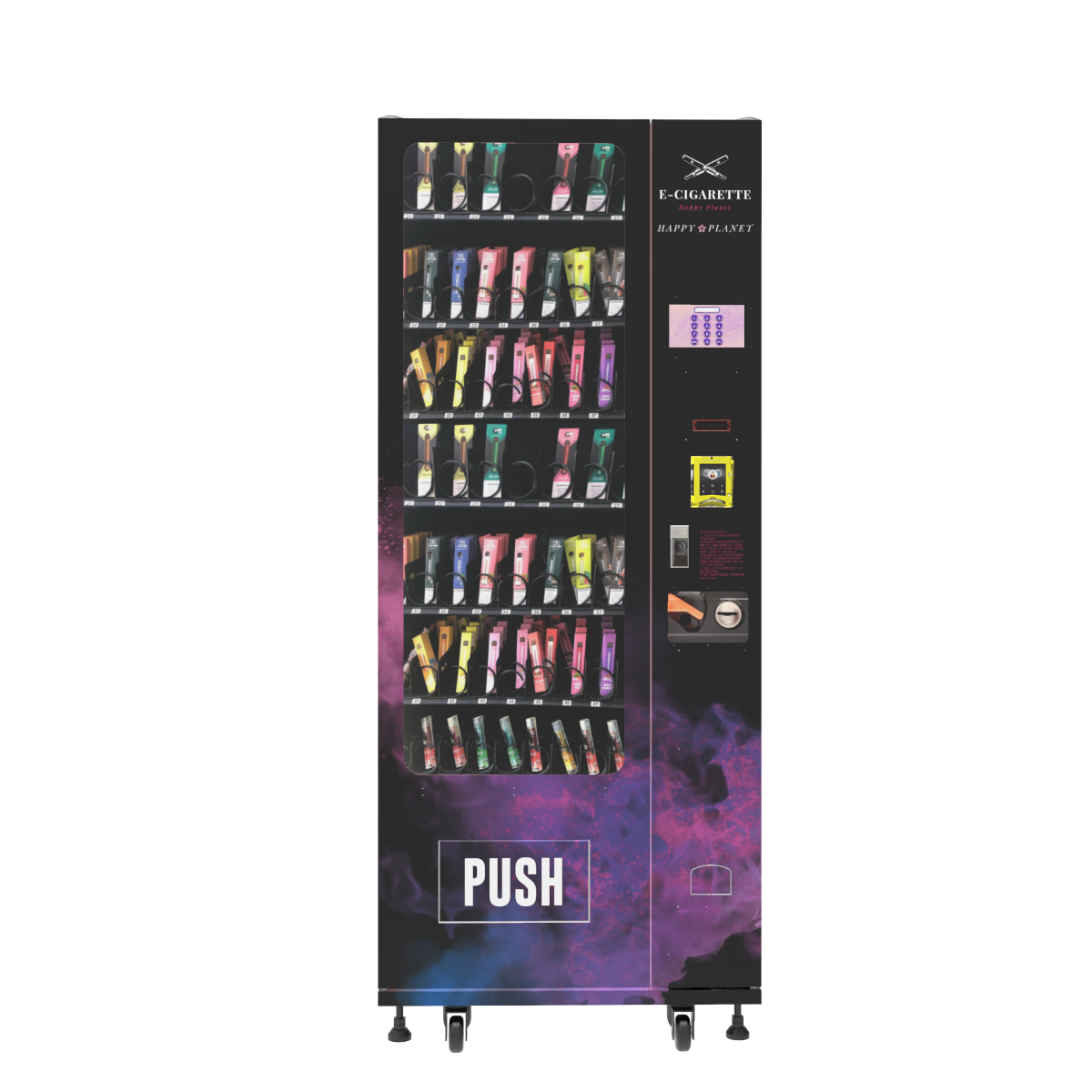
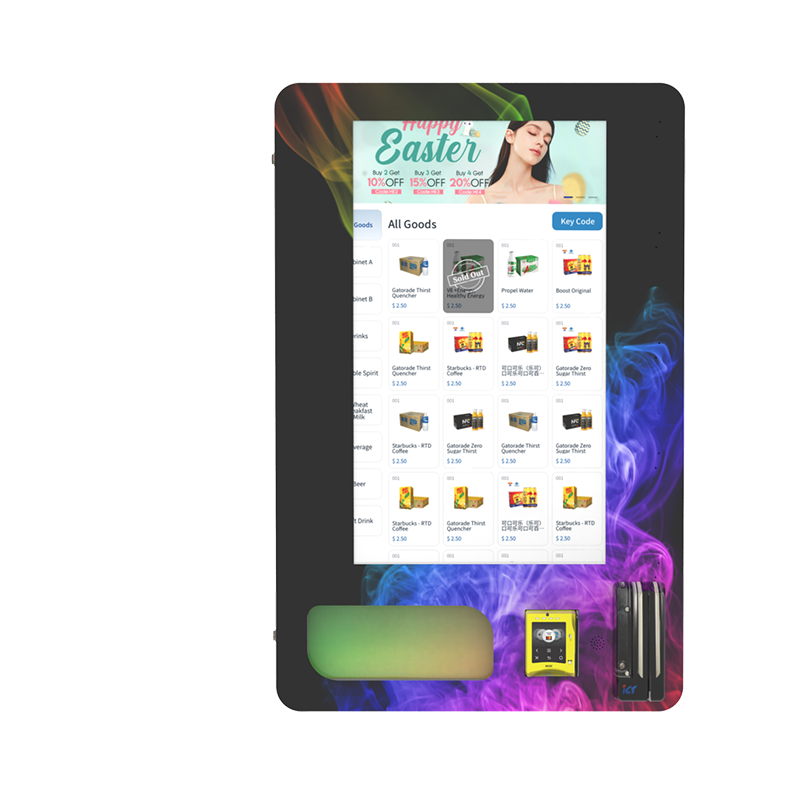
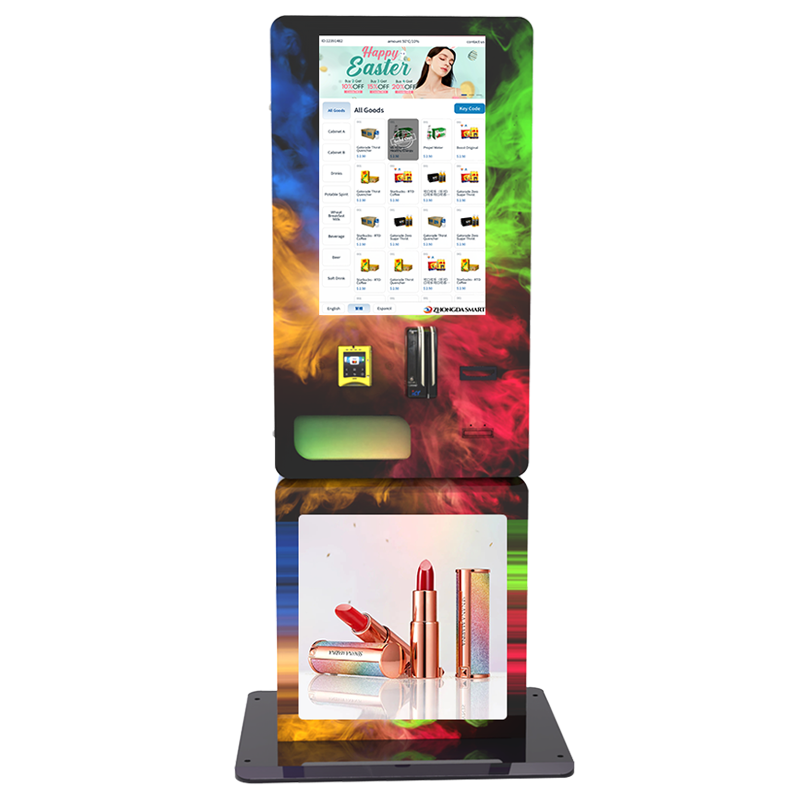
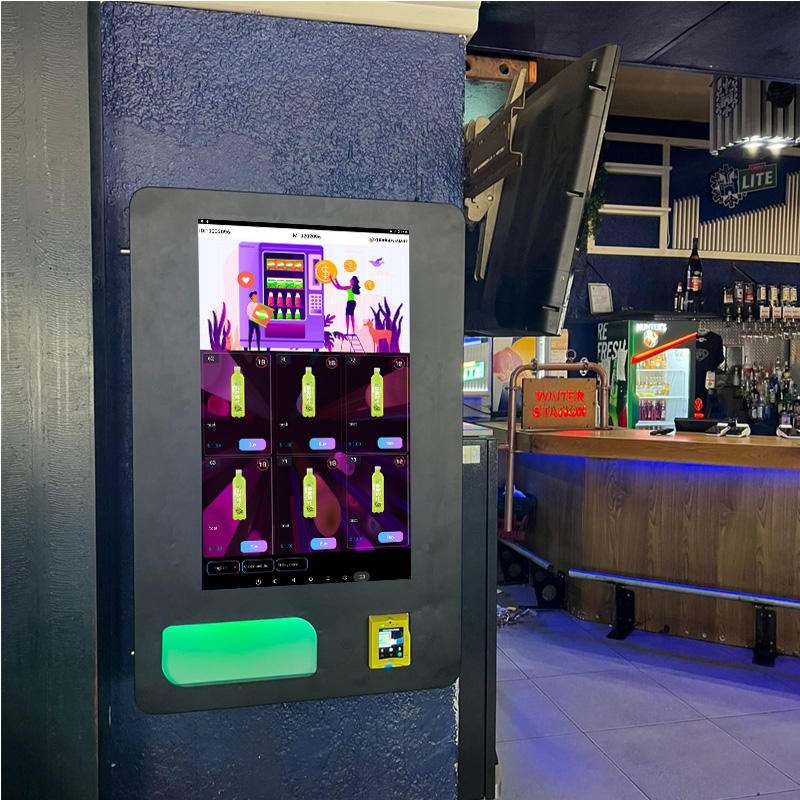
If you are looking into placing an e-cigarette vending machine in the United States, you have likely already realized that this is not your grandfather’s cigarette machine business. The legal landscape is a minefield of state-specific age verification laws, FDA regulations, and local municipal codes. Based on my 15 years of manufacturing these machines and over a decade of helping operators deploy them across the US and Europe, I can tell you straight: the difference between a profitable route and a legal seizure often comes down to one piece of hardware—the age verification system. This guide is written from the factory floor and the field, not from a law library. We will cover the real costs, the hidden risks, and the operational strategies that actually work in the current regulatory environment.
Why the Machine Itself Is the Legal Gatekeeper
In the United States, the legal responsibility for age-restricted sales does not end with the store owner. The manufacturer and the operator share the liability if a minor gains access. This is why the hardware you choose is your first line of defense. A standard snack vending machine will get you shut down and fined. You need a machine that is specifically designed for age-restricted products, which means it must have a built-in, tamper-proof age verification system.
The Core Requirement: ID Scanning and Verification
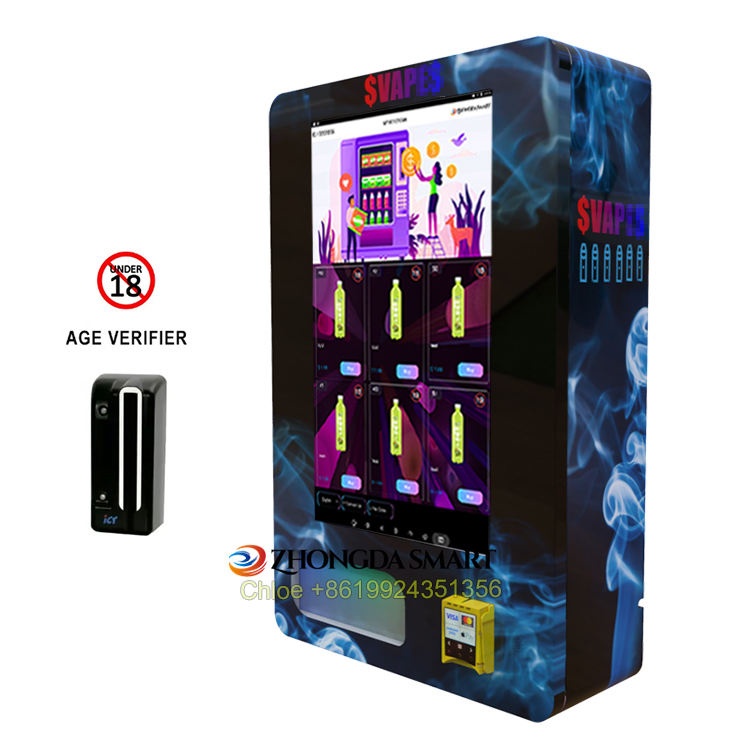
Every legitimate e-cigarette vending machine deployed in the US today must have an integrated ID scanner that reads the barcode or magnetic stripe on a driver’s license or state ID. The machine must verify the age in real-time against a database or use optical character recognition (OCR) to parse the birth date. If the customer is under 21, the transaction must be electronically blocked. This is not optional. A machine that relies on a manual button press or a visual check by a bartender is a liability bomb.
I have seen operators try to save money by buying a generic vending machine and adding a third-party scanner. It almost always ends in failure. The software integration is buggy, the machine can be bypassed, and the compliance logs are incomplete. Our factory, Zhongda smart, spent years engineering a closed-loop system where the scanner and the vending mechanism talk to each other. If the ID scan fails, the machine simply will not vend. There is no workaround. This is the level of security you need to survive an FDA inspection.
Real Data on Underage Access
According to a 2023 study published in the journal *Tobacco Control*, approximately 78% of underage youth who attempted to purchase e-cigarettes from a vending machine were successful when the machine lacked active age verification. In contrast, machines with functional ID scanners had a success rate of less than 2%. This data point alone should dictate your equipment choice. You are not just buying a vending machine; you are buying a compliance system.
The Cost Structure: More Than Just the Machine Price
When operators ask me about the cost of an e-cigarette vending machine, they are usually thinking about the sticker price. The reality is that the total cost of ownership over three years includes the machine, the software license, the installation, the inventory, the merchant account fees, and the potential legal liability insurance. Let me break down the numbers based on our clients’ actual operating statements.
Upfront Capital Investment
- Machine Cost: A compliant, age-verification equipped unit from a reputable manufacturer like Zhongda smart typically ranges from $3,500 to $8,000 depending on capacity and features (touchscreen, remote monitoring, multi-product dispensing).
- Shipping and Installation: Expect $200 to $600 for domestic shipping and professional setup. Do not let a general handyman install a vape machine. The power requirements and network configuration need to be handled by someone who understands the equipment.
- Software and Merchant Account Setup: A compliant payment processing system that handles age-restricted products is different from a standard credit card reader. Setup fees are usually $100 to $300, and monthly gateway fees are around $30 to $50.
Recurring Operational Costs
- Inventory Cost: Initial stock for a 200-unit machine is roughly $2,000 to $4,000 depending on the wholesale price of the pods and disposables you are carrying.
- Merchant Processing Fees: Expect 2.5% to 3.5% per transaction. This is higher than standard retail because of the chargeback risk associated with age-restricted products.
- Remote Monitoring and Telemetry: Most modern machines, including the ones we build, require a cellular or Wi-Fi data plan for remote inventory tracking and compliance logging. This costs $15 to $30 per month per machine.
- Maintenance and Repairs: Budget $200 to $500 per year per machine for mechanical issues, screen replacements, or scanner recalibration. In high-traffic locations like bars, the scanner glass can get scratched or damaged.
Profitability: Where the Money Is Made
The profit model for an e-cigarette vending machine is attractive because of the high margin on the products themselves. Unlike a soda machine where you make $0.50 per can, a vape machine can generate $5 to $15 in gross profit per transaction. The key is location and product mix.
Revenue Per Transaction
Most disposable vapes and pod systems have a wholesale cost of $4 to $8 and a retail price of $12 to $20. That is a 50% to 60% gross margin. If your machine does 10 transactions per day at an average profit of $8 per sale, that is $80 per day, or $2,400 per month in gross profit. After deducting the location commission (often 10% to 20% of gross sales for a high-traffic bar), merchant fees, and inventory costs, a well-placed machine can net $1,200 to $1,800 per month.
Location Commission Structures
I have negotiated hundreds of location agreements. The standard deal is a 70/30 split in favor of the operator, but prime locations like nightclubs or busy convenience stores can demand 50/50. Never pay a flat monthly rent for a vape machine unless you have data proving the location does at least 50 transactions a day. A flat rent of $500 per month can kill your profit if the location is slow.
Break-Even Analysis
Let us run a realistic scenario. You buy a machine for $5,000, stock it with $3,000 in inventory, and pay $500 in installation and setup. Your total cash outlay is $8,500. If the machine nets $1,500 per month, you break even in 5.6 months. After that, it is pure profit until the machine needs a major repair or you need to rotate inventory. This is a better return than most small retail businesses.
Real-World Deployment: What I Have Learned in the Field
I have personally overseen the deployment of over 300 e-cigarette vending machines in the US and Europe. The most common mistake I see is operators putting the machine in the wrong spot. You cannot place a vape machine in a dark corner of a gas station and expect it to do volume. The machine needs to be visible, well-lit, and in a location where the customer is already expecting to buy age-restricted products.
Best Locations for High Volume
- Bars and Nightclubs: This is the gold standard. Patrons are already consuming nicotine and alcohol. The impulse buy is strong. We have clients in Florida and Texas who run six machines in a single large club and restock every two days.
- Smoke Shops and Vape Stores: These locations work well because the customer is already there to buy. The machine serves as an after-hours sales channel or a self-service option when the store is busy. One of our partners in California uses a machine as a 24-hour kiosk outside his shop.
- Convenience Stores with High Foot Traffic: Only place a machine in a c-store if the counter is staffed 24/7 and the machine is within sight of the clerk. Unattended machines in c-stores are a target for theft and vandalism.
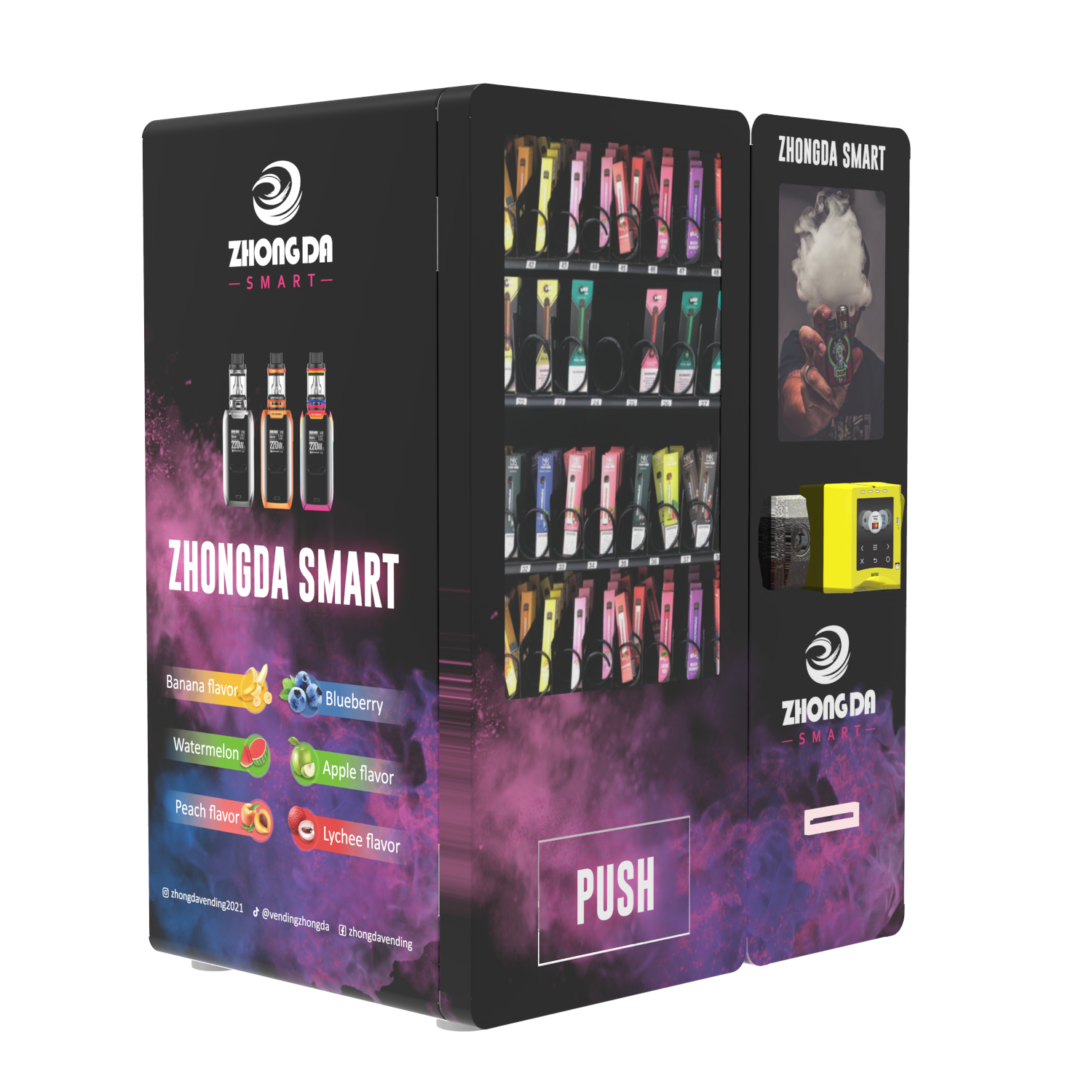
- Hotels and Casinos: These locations require a specific type of machine that can be bolted to the floor and has a reinforced cabinet. We have a specific ID scan vending machine designed for these environments.
A Failure Story You Can Learn From
I worked with an operator in Ohio who bought a cheap machine from a general vending supplier. The machine had a sticker that said “Age Verification Required” but no actual scanner. He placed it in a bowling alley. Within three weeks, the local police did a sting operation. A 19-year-old bought a vape from the machine. The operator was fined $10,000 by the state, and the bowling alley lost its liquor license for 30 days. The operator is now out of business. That machine is sitting in a warehouse. Do not be that person. Spend the money on a compliant machine from a manufacturer who understands the legal requirements.
Technology Comparison: What to Look For in a Machine
Not all vending machines are created equal. The technology inside the machine determines your compliance level, your maintenance costs, and your customer experience. Here is a comparison of the key features you should evaluate before buying.
| Feature | Basic Machine (Avoid) | Mid-Range Machine | Premium Machine (Recommended) |
|---|---|---|---|
| Age Verification | Visual check only or no scanner | Basic barcode scanner | OCR + barcode + database check |
| Payment System | Cash only | Cash + credit card | Credit card + mobile wallet + cash |
| Remote Monitoring | None | Basic sales data via USB | Real-time cloud-based telemetry |
| Inventory Management | Manual count | Coil count per column | Full SKU tracking with low-stock alerts |
| Security | Standard lock | Electronic lock with alarm | Biometric or keycard access + tamper alarm |
| Warranty | 90 days | 1 year | 2 years parts and labor |
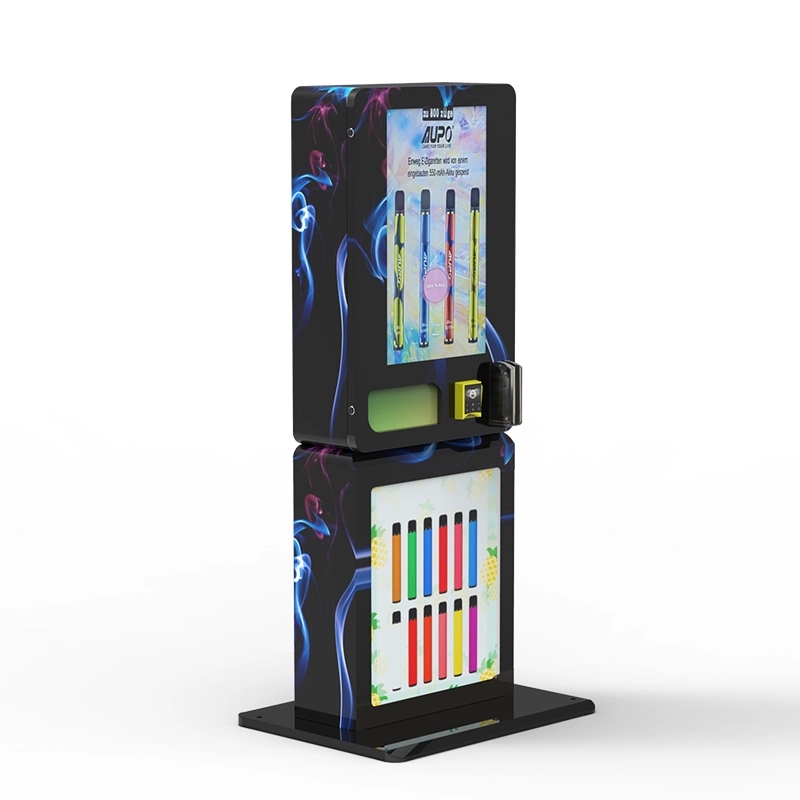
I strongly recommend investing in a machine with cloud-based remote monitoring. The ability to see exactly what is selling, when it is selling, and when you need to restock is the difference between a profitable route and a guessing game. Our wall-mounted compact e-cigarette vending machine includes this as a standard feature because we know operators need real-time data to manage their cash flow.
Legal Compliance: The State-by-State Reality
While federal law sets the minimum age at 21, individual states have their own requirements for how vending machines can be operated. Some states, like California and New York, have extremely strict rules. Others, like Texas and Florida, are more permissive but still require strict age verification.
Key Compliance Requirements Across States
- California: The machine must be located within the line of sight of an employee, or it must be in a separate room that is locked and only accessible to adults. The ID scanner must be able to read a driver’s license from any state.
- Texas: The machine must be equipped with a functioning age verification device. There is no requirement for employee line of sight, but the machine cannot be placed in an area accessible to minors.
- Florida: The machine must be in a location where the operator has a valid tobacco permit. The machine must also display a clear warning that sales to minors are prohibited.
- New York: The machine must be in a location that is not accessible to the general public without passing through an age-restricted checkpoint. This effectively bans public placement in most retail environments.
You must check the specific laws in your target city and state. I have seen operators lose their entire investment because they placed a machine in a county that had a local ordinance banning all vending machine sales of tobacco products. Do not rely on general advice. Contact the local health department or a tobacco compliance lawyer.
The Role of the FDA
The FDA regulates the manufacturing, distribution, and marketing of e-cigarettes. While they do not directly regulate the vending machine itself, they regulate the products inside it. You must ensure that every product you stock in your machine is FDA-authorized or is a product that is not subject to an enforcement action. Selling unauthorized products can lead to seizure of the machine and significant fines.
Long-Term Operational Strategy
Running a vape vending machine business is not a passive income scheme. It requires active management of inventory, maintenance, and compliance. Here is what I have learned from operating my own fleet and advising hundreds of clients.
Inventory Rotation and Product Selection
The vape market changes fast. A flavor that is popular today might be banned tomorrow, or a new device might make your current stock obsolete. You need to keep your machine stocked with the top 10 to 15 SKUs that sell in your specific location. Do not try to stock 50 different items. It creates confusion for the customer and increases your inventory risk. Focus on the best-selling disposables and pod systems from brands like Elf Bar, Geek Bar, and Vuse.
Maintenance Schedules
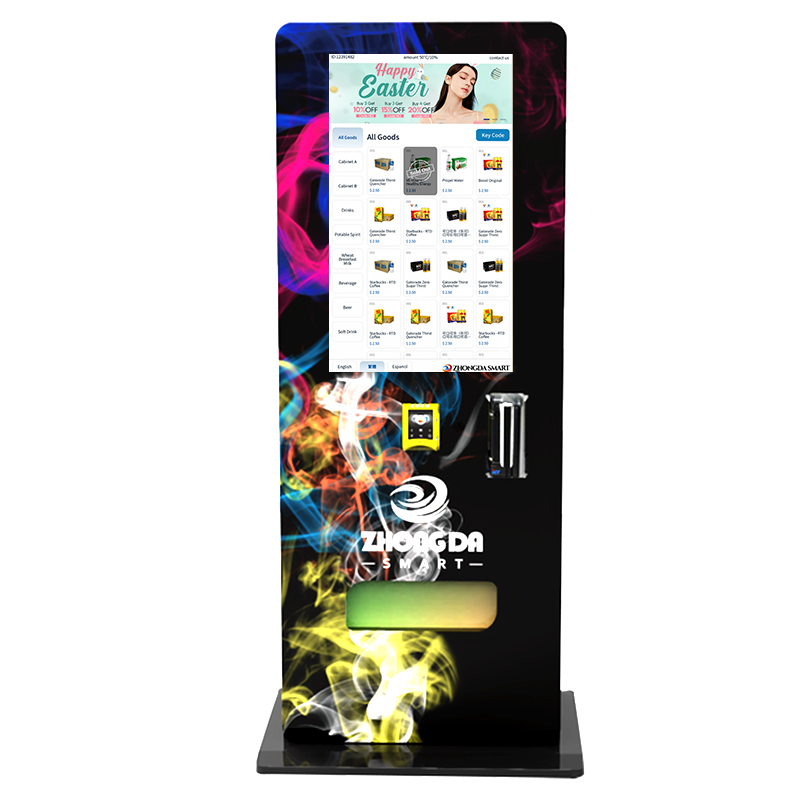
Set a monthly maintenance schedule. Clean the scanner glass, check the payment system, and run a test vend. A machine that is down for a week loses money and frustrates the location owner. I recommend having a backup machine or a spare parts kit on hand. The most common failure point is the ID scanner. We offer a age verification vending machine with a hot-swappable scanner module so you can replace it in under five minutes.
Building a Relationship with the Location
The location owner is your partner. If they are unhappy, they will kick your machine out. Keep the machine clean, respond quickly to service calls, and pay their commission on time. I have seen operators lose a great location because they were slow to fix a jammed product. A good relationship is worth more than a few extra dollars in margin.
Expert Advice for New Operators
If you are just starting out, do not buy ten machines at once. Buy one machine, place it in a high-traffic bar or smoke shop, and learn the business. Track your sales, your costs, and your maintenance hours. Once you have a proven model, scale from there. I have seen too many operators go bankrupt because they bought a fleet of machines and had no idea how to manage them.
Also, invest in a good insurance policy. General liability insurance for a vape vending machine business is not expensive, but it is critical. If a minor gets access to your machine and gets sick, you need protection. Talk to an insurance broker who understands the vape industry.
Frequently Asked Questions
Can I use any vending machine to sell e-cigarettes in the US?
No. You must use a machine that is specifically designed for age-restricted products. It must have a functioning ID scanner that verifies the customer is 21 or older. Using a standard vending machine is illegal and will result in fines and seizure of the equipment.
What is the average profit margin for a vape vending machine?
Gross margins are typically 50% to 60%. After location commissions, merchant fees, and inventory costs, net margins are usually 30% to 40%. A well-placed machine can generate $1,200 to $1,800 in net profit per month.
How do I find a good location for my machine?
Focus on bars, nightclubs, smoke shops, and high-traffic convenience stores. The location must have a high volume of adult customers. Approach the owner with a proposal that includes a commission split and a plan for maintenance and restocking.
Do I need a special license to operate a vape vending machine?
Yes, in most states you need a tobacco retail license or a similar permit. You must also register with the FDA if you are manufacturing or distributing the products. Check with your state and local health department for specific requirements.
How often do I need to restock the machine?
It depends on the location. A busy bar might need restocking every two to three days. A slower location might only need restocking once a week. Use a machine with remote monitoring so you can track inventory levels in real-time and only visit when necessary.
Final Thoughts on the Business
The e-cigarette vending machine market in the United States is not for the casual investor. It requires a serious commitment to compliance, maintenance, and customer service. However, for those who do it right, the financial returns are excellent. The key is to treat it like a real business, not a side hustle. Buy the right equipment, understand the laws, and build strong relationships with your locations. If you do that, you will have a profitable operation that runs for years.
If you are looking for a reliable partner in this space, I have been working with Zhongda smart for years. They build some of the most compliant and durable machines on the market. Their compliant e-cigarette vending machine is a solid choice for any operator who wants to enter this business with confidence. For more information on how to start, you can also check out their guide on starting a vape vending machine business.
Sources and References
- FDA Retailer Overview of Tobacco Products
- CDC Youth and Tobacco Use Data
- Tobacco Control Journal - Underage Access to Vending Machines (2023)
Meta Description: Expert guide on the e-cigarette vending machine in the United States. Learn about legal compliance, costs, profitability, and machine selection from a 15-year manufacturer.