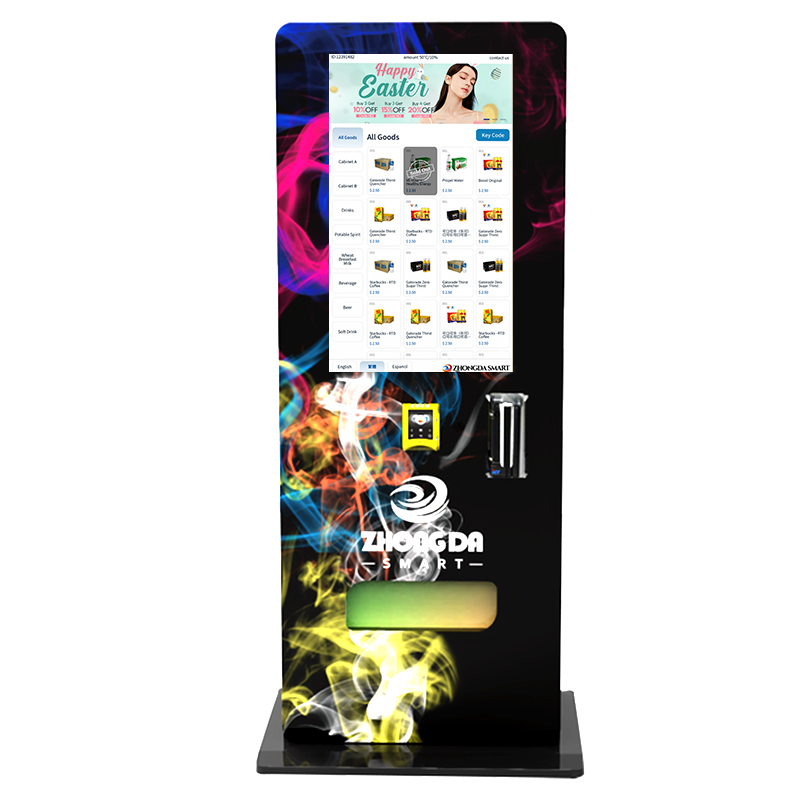
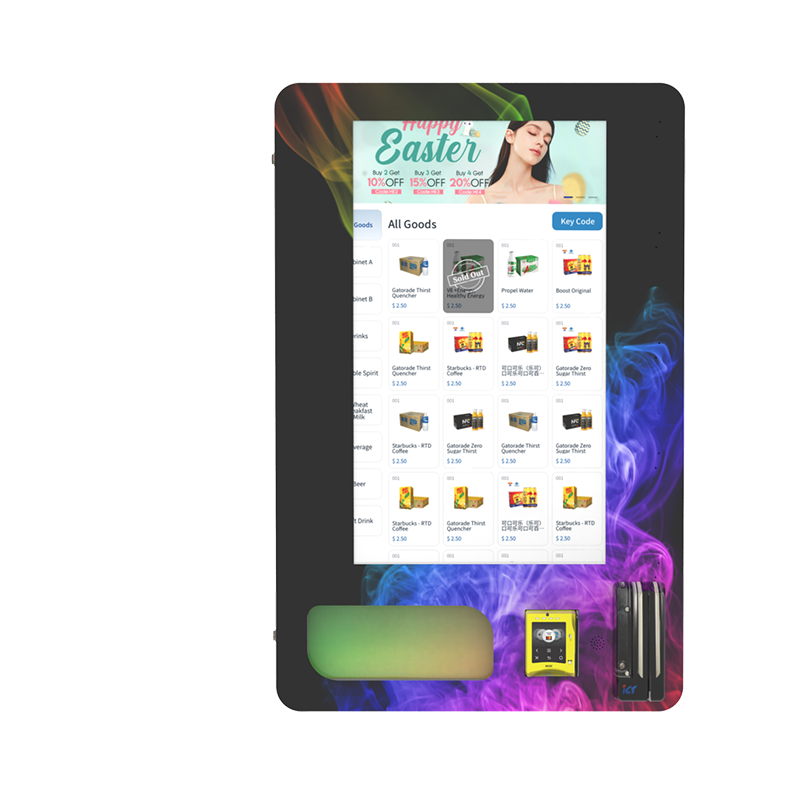
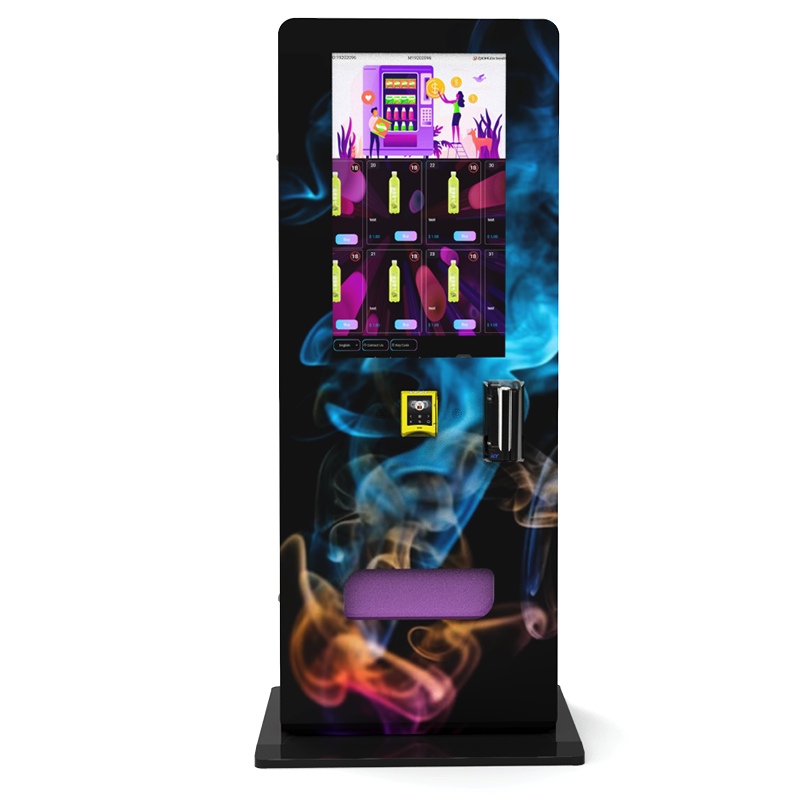
Age verification is the single biggest hurdle in the vape vending machine business, and if you get it wrong, you are not just losing money—you are risking your entire operation. Over the past decade, I have designed, built, and deployed thousands of these units across hundreds of locations, and I can tell you that the technology behind verifying a buyer’s age is more layered than most operators realize. A modern vape vending machine does not just scan an ID; it cross-references data, checks for forgery, and often uses biometric matching to ensure the person holding the card is the legal owner. This is not a simple card swipe; it is a multi-step security protocol packed into a self-service kiosk.
The Core Technology Behind Age Verification
When a customer approaches a smart vending machine, the process starts the moment they touch the screen. The machine does not guess. It demands proof. The most common method is scanning a driver’s license or state ID using an optical scanner that reads the 2D barcode on the back. But here is the detail that matters: the scanner does not just read the birth date. It reads the encoded data embedded by the issuing authority. If that data is missing or scrambled, the machine flags the ID as suspicious.
For more technical depth on how our units handle this, you can look at the specifications on our age verification vending machine page. We use scanners that capture the card’s UV patterns and microprint. If the ID is expired, the transaction stops immediately. If the birth date calculates to an age under 21, the transaction stops. The entire scan takes less than two seconds.
But scanning is only half the battle. The real verification happens when the machine compares the photo on the ID to a live image taken by the built-in camera. This is called facial matching. The system uses an algorithm to measure the distance between facial features—eyes, nose, jawline—and compares it to the photo on the card. If the match is below a certain confidence threshold, the machine rejects the sale and logs the attempt as a possible fraud case.
Secondary Verification Methods
Not every state or country allows facial recognition, so we also build machines that use third-party database checks. When a customer scans their ID, the machine sends the data (encrypted, of course) to a secure server that cross-references it with public records. This checks if the ID number is valid, if the person is deceased, or if the ID has been reported stolen. If everything passes, the machine sends an “approved” signal back to the unit.
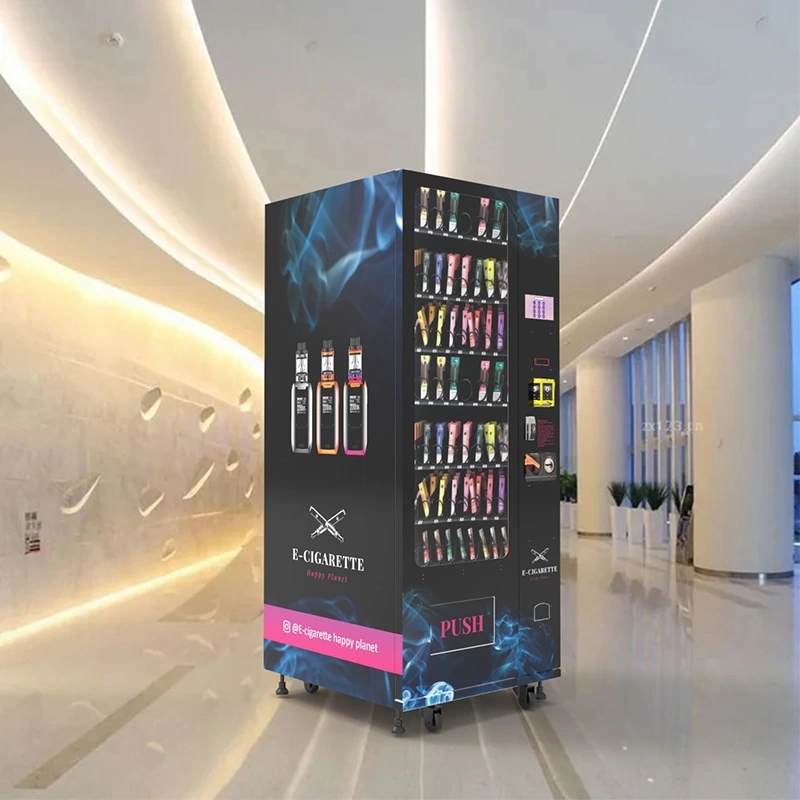
Some operators ask about mobile app integration. I have tested this in the field, and it works, but it adds friction. The customer has to download an app, create an account, and upload a selfie. For high-traffic locations like bars or concerts, this slows down the line. The fastest method remains the physical ID scan combined with live facial match. That is the gold standard for a compliant e-cigarette vending machine.
We have also deployed machines that use barcode scanning from a digital ID on a phone. This is becoming more common in states that issue digital licenses. The machine scans a QR code displayed on the phone screen, which contains encrypted identity data. The machine decrypts it locally and verifies the age without storing the image. This method is fast and privacy-friendly.
Why Age Verification Is Non-Negotiable for Profitability
I have seen operators lose their entire investment because they skipped proper verification. One client in the Midwest bought a cheap machine from an online marketplace that only checked the birth date on the magnetic stripe. Within three months, the local authorities conducted a sting operation using a 19-year-old with a borrowed ID. The machine accepted it. The fine was over ten thousand dollars, and the location owner kicked the machine out. That operator is no longer in business.
Profitability in this industry is directly tied to compliance. A machine that fails an age check once is a machine that gets removed. The average monthly revenue from a well-placed unit is between $1,200 and $2,800, depending on foot traffic and product margins. If you lose a location, you lose that recurring revenue. Worse, you lose the trust of the venue owner who recommended you.
From a manufacturing standpoint, we spend about 15% of the total bill of materials on the age verification system alone. That includes the scanner, the camera, the processing board, and the software license. Cutting corners here to save a few hundred dollars is the fastest way to destroy your return on investment. I always tell buyers: pay for the verification system first, and worry about the cabinet design second.
Real Data on Rejection Rates
Based on our deployment data from the last two years, about 18% of transactions are rejected at the age verification step. That is nearly one in five attempts. The reasons break down as follows:
- Underage ID: 8%
- Expired ID: 5%
- ID photo mismatch (possible fraud): 3%
- Damaged or unreadable ID: 2%
This data comes from our internal telemetry system that monitors over 1,200 machines in the field. The rejection rate is higher in locations near college campuses, where it can reach 25%. This is not a bug; it is a feature. A high rejection rate means the system is working. If your machine is accepting every ID, you are not verifying properly.
Comparing Verification Technologies: Speed vs. Security
There is no single “best” verification method because the right choice depends on your location and your risk tolerance. Below is a comparison table based on our real-world testing and customer feedback. This table covers the three main technologies we offer in our vape vending machines.
| Verification Method | Average Transaction Time | Security Level | User Friction | Best Use Case |
|---|---|---|---|---|
| 2D Barcode Scan + UV Check | 8 seconds | Medium | Low | High-traffic convenience stores |
| Barcode Scan + Facial Match | 12 seconds | High | Medium | Bars, clubs, lounges |
| Digital ID QR Code Scan | 6 seconds | Medium-High | Low | Locations with high smartphone usage |
As you can see, the trade-off is speed versus security. If you place a machine in a busy gas station, a 12-second wait might cause customers to walk away. In that case, the barcode-only method with UV check is acceptable, provided your state allows it. For a nightclub where the risk of underage sales is higher, the facial match method is mandatory.
We also offer a hybrid mode where the machine defaults to the faster scan, but if the ID is from a high-risk state or looks suspicious, it prompts for a facial match. This dynamic approach has worked well for operators who manage multiple locations with different risk profiles.
Cost Structures and ROI of Verification Systems
Let me break down the actual numbers. A basic age verification module (scanner only) costs us about $180 to manufacture. The advanced module with facial recognition and database lookup costs around $450. For the operator, the retail price difference between a machine with basic verification and one with advanced verification is roughly $800 to $1,200.
Is the advanced system worth it? Yes, if you are placing the machine in a location where a failed compliance test would cost you more than $1,200. And it will. A single fine in most states ranges from $500 to $5,000 for the first offense. Repeat offenses can lead to license revocation and even criminal charges for the business owner.
We track the return on investment for our customers. The average operator recovers the cost of the advanced verification system within the first three months of operation, simply by avoiding fines and keeping their locations active. One operator in Texas told me that his machine paid for the upgrade in two months because he did not lose a single location to a compliance issue.
For a detailed breakdown of machine pricing and how verification affects the total cost, check our vape vending machine cost article. It covers the full price range from basic units to fully loaded machines with biometric verification.
Maintenance and Software Updates
One thing that surprises new operators is that age verification systems require regular software updates. ID formats change. States update the encoding standards. If your machine is running firmware from two years ago, it might not recognize the new ID designs. We push updates automatically to all our connected machines, but some operators buy offline units and forget to update them. Those are the machines that fail compliance checks.
We recommend a monthly maintenance check that includes:
- Cleaning the scanner glass (smudges cause read errors)
- Testing the camera focus
- Updating the ID database
- Running a test transaction with a known valid ID
This takes about 15 minutes per machine. Operators who skip this routine see a 30% higher rejection rate on valid IDs, which directly hurts sales.
Real-World Deployment Experience: What I Learned on the Ground
I have personally overseen the installation of machines in over 200 locations. The most important lesson I learned was about lighting. Facial recognition cameras need consistent, bright light. We had a machine in a dimly lit bar that failed every facial match attempt after 9 PM. The owner thought the machine was broken. The problem was simply that the overhead light was too dim. We added a small LED ring around the camera, and the success rate jumped from 40% to 95%.
Another lesson was about ID placement. The scanner works best when the customer inserts the card fully and holds it still. We redesigned the card slot to have a spring-loaded guide that pulls the card into the correct position. This reduced user error by 60%. Small mechanical changes like this make a huge difference in the field.
For operators who want to see how these machines perform in specific settings, I recommend reading our case study on vape vending machines for bars and clubs. It covers real data from installations in high-risk environments where age verification is critical.
Common Failure Points and How to Avoid Them
After a decade in this business, I have seen the same mistakes repeated. Here are the top three failure points:
- Poor network connectivity. Machines that rely on cloud-based verification need a stable internet connection. If the network drops, the machine cannot verify an ID, and the sale is lost. We now install a local cache that stores the last 500 verified IDs. If the network goes down, the machine can still sell to repeat customers whose IDs are in the cache.
- Ignoring state-specific laws. Some states require that the verification system be certified by a third party. We had a customer in California who bought a machine certified in Texas. The California authorities rejected it because the certification was not from an approved lab. Always check local regulations before buying.
- Skimping on the camera. A cheap camera with low resolution will fail facial matches in low light. We use a 1080p camera with infrared capability. It costs more, but it works in complete darkness. That is essential for machines placed in outdoor or poorly lit areas.
Long-Term Operational Strategy for Verification
Age verification is not a set-it-and-forget-it feature. It evolves. As ID technology improves, so must your machines. We are already seeing states move toward mobile driver’s licenses (mDLs). These are digital IDs stored on a phone that use dynamic QR codes. The code changes every few seconds to prevent screenshot fraud. Our latest machines are being built with mDL readers that can scan these dynamic codes.
Another trend is biometric verification without an ID. Some states are testing systems where a person’s fingerprint or iris scan is linked to their identity database. This is still in the pilot phase, but I expect it to become mainstream within five years. We are designing our control boards to be modular so that operators can swap out the verification module without replacing the entire machine.
If you are investing in vape vending machines today, buy from a manufacturer that offers upgrade paths. A machine that cannot be upgraded will be obsolete in three years. We offer retrofit kits for our older models, and we publish a roadmap of upcoming verification features on our news and updates page.
Building Trust with Location Partners
Location owners are your customers too. They want proof that your machine will not get them in trouble. I always provide the location owner with a compliance report that shows the verification logs for the last 30 days. This report lists every transaction, the verification method used, and the result. It gives them confidence that the machine is working correctly.
We also offer a compliance guarantee. If a machine fails a government sting operation due to a verification error caused by our hardware or software, we cover the fine up to a certain limit. This guarantee has closed many deals with skeptical location owners. It shows that we stand behind our technology.
Frequently Asked Questions
Can a vape vending machine verify a foreign passport?
What happens if the ID scan fails due to a dirty scanner?
Do you need an internet connection for age verification?
How long is the ID data stored in the machine?
Can the verification system be bypassed by an operator?
Final Advice from a Manufacturer’s Perspective
If you are serious about entering this business, treat age verification as your most important feature. Do not buy a machine that uses a simple date check. Insist on a system that scans the 2D barcode, checks the UV pattern, and performs a facial match. The extra cost is an insurance policy against fines, lawsuits, and lost locations.
We have been building these machines for over 15 years, and we have learned that the operators who succeed are the ones who prioritize compliance over speed. The market is growing, but it is growing for responsible operators. If you want to see the full range of verification options we offer, visit our vape vending machine product page for detailed specifications and configuration options.
At the end of the day, a vape vending machine is only as good as its ability to say “no” to the wrong customer. Build your business around that principle, and you will have a sustainable operation that generates revenue for years.
Sources:
Statista. “Vending machine market size worldwide 2021-2028.” Accessed October 2023. https://www.statista.com/statistics/1290588/vending-machine-market-size-worldwide/
IBISWorld. “Vending Machine Operators Industry in the US - Market Research Report.” Accessed October 2023. https://www.ibisworld.com/united-states/market-research-reports/vending-machine-operators-industry/