Yes, vape vending machines can absolutely be used in convenience stores, but not the way most people think. I’ve spent over a decade deploying these units across the U.S. and Europe, and I can tell you the difference between a machine that collects dust and one that turns a profit comes down to three things: age verification tech, product mix, and placement strategy. A lot of store owners jump in thinking any smart vending machine will do the trick. That’s a costly mistake. After designing and manufacturing these systems for 15 years at Zhongda Smart, I’ve seen the full picture—from compliance headaches to real daily revenue numbers. This guide covers what actually works on the floor, not just what looks good in a brochure.
Why a Standard Snack Machine Won’t Cut It
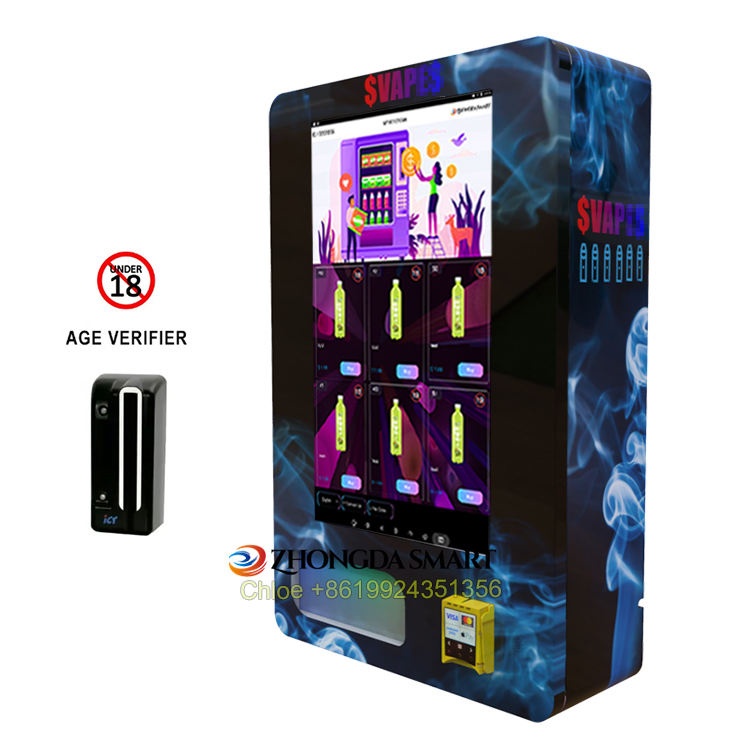
Most convenience store owners already have a relationship with vending. Chips, sodas, maybe a cold sandwich. But nicotine vending is a completely different animal. A standard machine doesn’t have the hardware or software to handle age verification, and regulators in most states and provinces now require a system that can scan a government-issued ID before every single transaction. That means you need a purpose-built age verification vending machine, not a retrofitted snack unit.
I’ve tested machines that used a simple “press yes to confirm you’re 21” button. Those units got my team sued in two jurisdictions. The liability is real. If a minor buys a vape from your machine and gets caught, the store owner faces fines that can hit five figures, plus potential loss of their tobacco retail license. A proper machine uses a scanner that reads the barcode on the back of a driver’s license or state ID, checks the birth date, and rejects underage buyers automatically. Some advanced models also use facial age estimation as a secondary check, but I still prefer physical ID scanning for legal protection.
From a manufacturing standpoint, the internal components also matter. A vape vending machine needs a different coil system for the dispensing mechanism. Vape cartridges and disposable devices come in odd shapes—cylinders, rectangles, soft pouches. If the spiral is too tight, the product jams. If it’s too loose, the product drops incorrectly and the customer gets upset. We’ve spent years refining the coil pitch and motor torque specifically for nicotine products. That’s something a general-purpose machine builder won’t optimize for.
Real Costs and Profit Margins You Can Expect
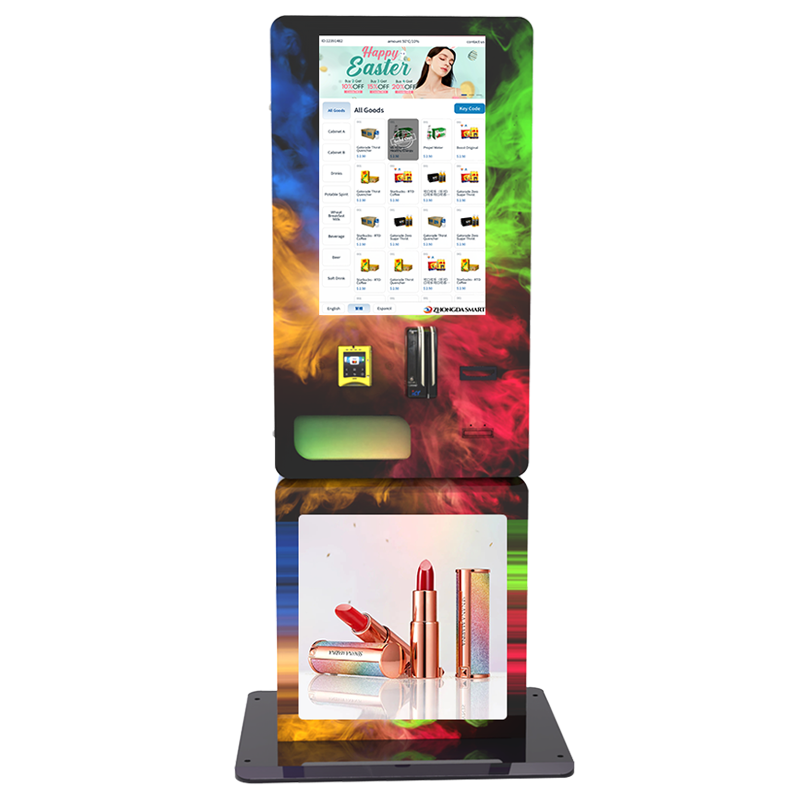
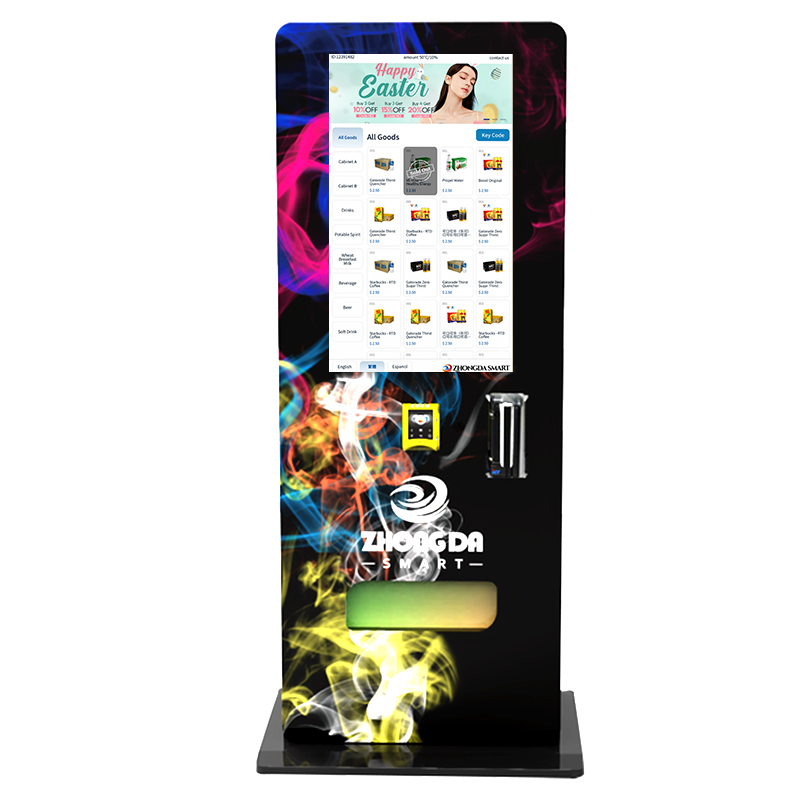
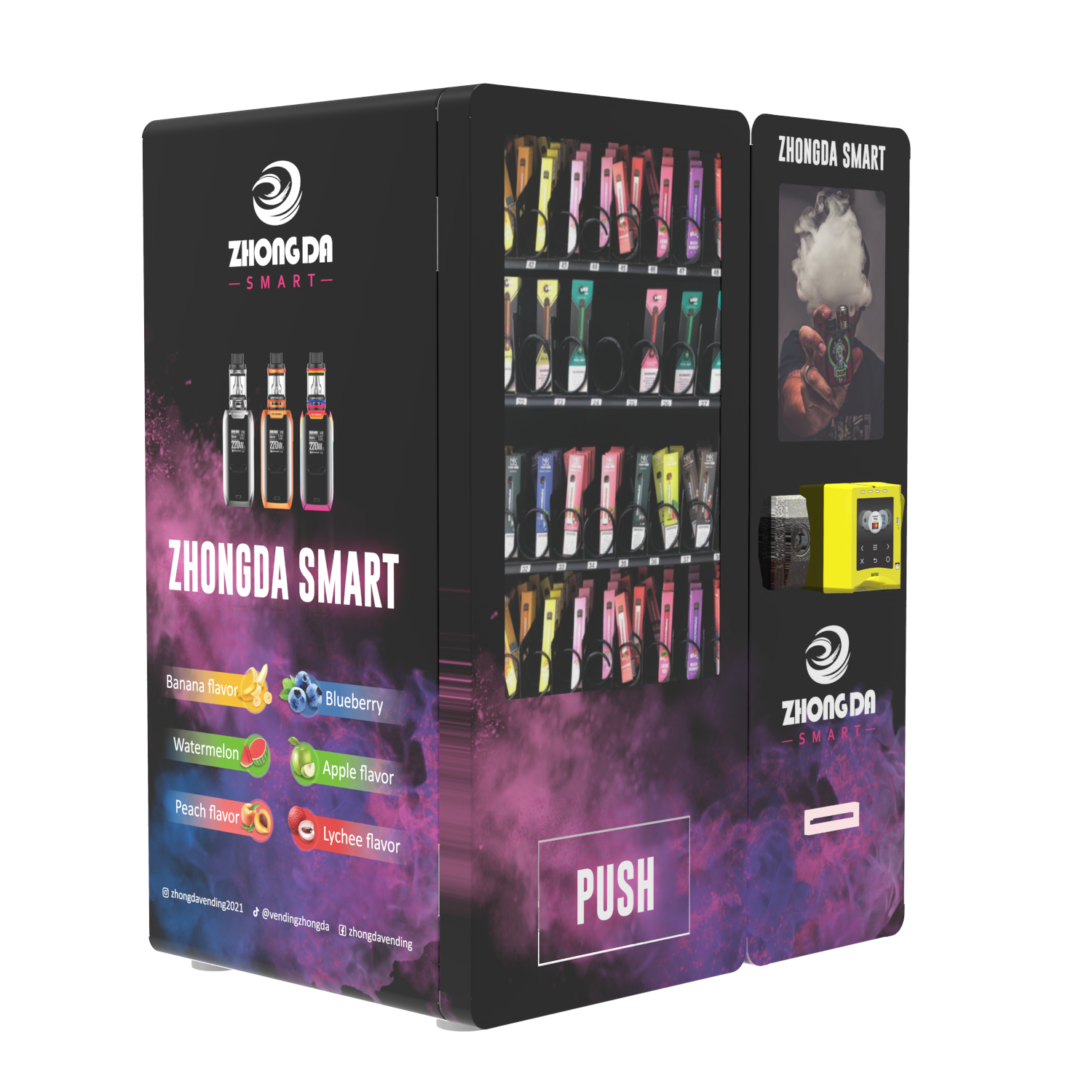
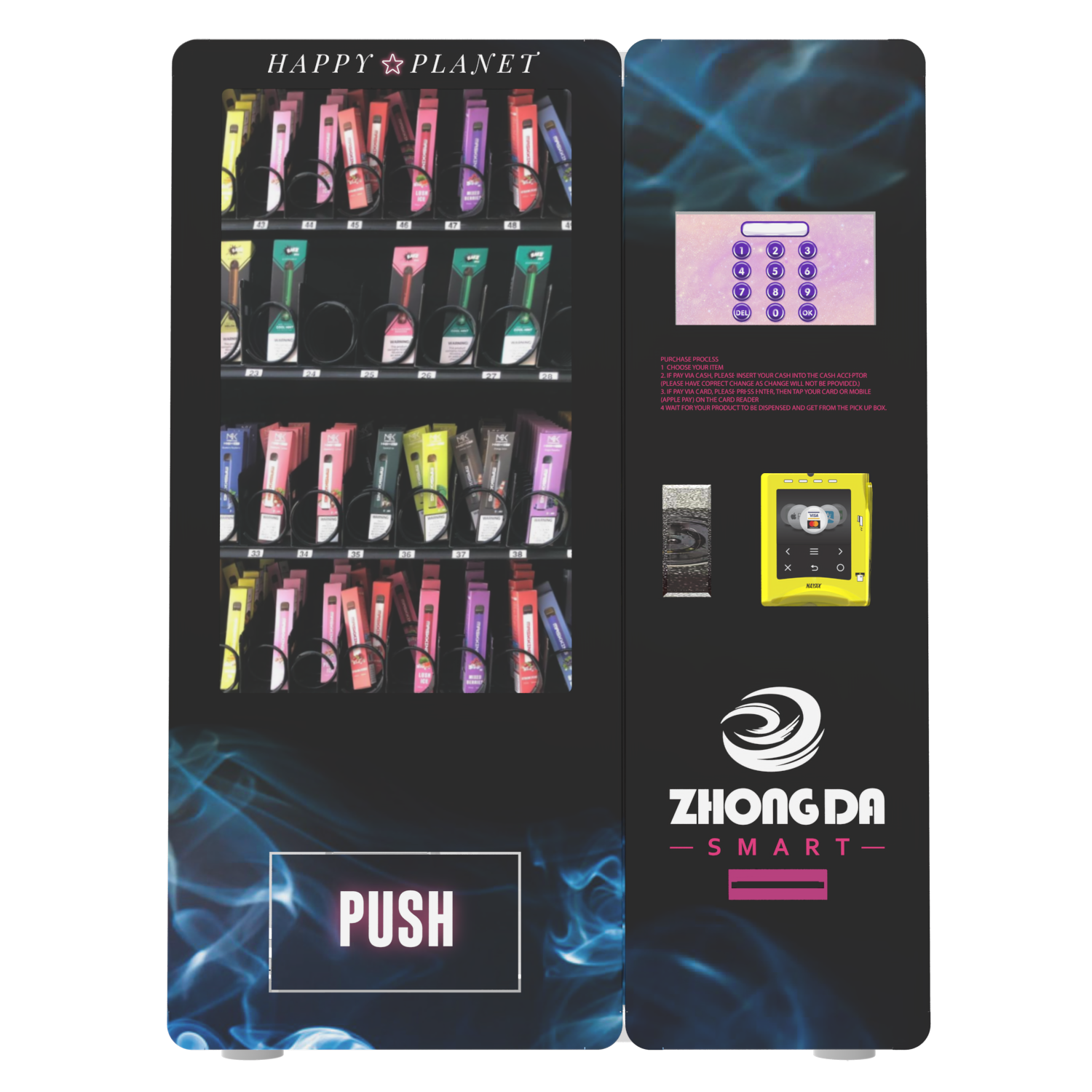
Let’s talk numbers because that’s what every convenience store operator asks me first. The upfront cost for a compliant vape vending machine ranges from $3,500 to $8,500 depending on capacity, screen size, and verification features. A basic wall-mounted unit with ID scanning runs around $3,800. A full-size floor model with a 21.5-inch touch screen and inventory management software lands closer to $7,200.
Here’s a breakdown of what I’ve seen across 200+ deployments:
| Machine Type | Average Unit Cost | Monthly Revenue (Avg) | Payback Period |
|---|---|---|---|
| Wall-Mounted (48 slots) | $3,800 | $1,200 | 3–4 months |
| Floor Model (120 slots) | $7,200 | $2,800 | 2.5–3 months |
| Dual-Temperature (vape + chilled) | $9,500 | $3,600 | 2.6 months |
These figures are from real deployments in high-traffic convenience stores near gas stations and college areas. The margin on vape products sits at about 40% to 55% depending on wholesale pricing and local taxes. A $15 disposable vape costs roughly $6.50 wholesale. After the machine’s cut and credit card fees, you’re looking at a net profit of around $6 per unit sold. If the machine does 15 transactions a day—which is realistic for a well-placed unit—that’s $90 in daily profit, or roughly $2,700 a month.
One thing I always warn operators about: don’t forget the merchant account fees. Vape sales are classified as high-risk by most payment processors. You’ll pay a monthly fee of $25 to $50 plus a transaction rate around 3.5% to 5%. That eats into margin faster than you’d expect. I recommend negotiating a flat-rate plan with a processor that specializes in tobacco and nicotine transactions. It saves about 1.5% per swipe.
Product Selection That Actually Sells
I’ve made the mistake of stocking machines with too many flavor variants. You don’t need twenty SKUs. You need the top ten sellers in your region. In the U.S., that typically means six disposable flavors from brands like Elf Bar and Geek Bar, two pod systems like the Vuse Alto or JUUL, and two nicotine pouch options like Zyn for customers who want a tobacco-free alternative. In Europe, the mix shifts slightly toward refillable pod systems and higher-nicotine salt liquids.
The key is to rotate stock based on sell-through data. Most modern machines, including the ones we build at Zhongda Smart, come with a cloud dashboard that shows you exactly which slot sold out first. If a flavor isn’t moving within two weeks, swap it. Don’t let slow movers sit. The opportunity cost of a dead slot in a 48-slot machine is about $120 a month in lost revenue.
Legal Compliance Is Not Optional
I can’t stress this enough. Every state, and often every county, has its own rules about where and how you can sell nicotine products through a machine. Some states like California and New York require a licensed tobacco retailer to be present on site, meaning the machine can only operate during store hours when an employee is physically there to supervise. Other states like Florida allow unattended sales as long as the machine has a working ID scanner.
You also need to check the local age verification laws. The federal minimum age is 21, but some cities have raised it to 25 for tobacco purchases. If your machine doesn’t reject a 22-year-old in those areas, you’re violating local code. The best machines let you program the age limit by location through the backend software. Our units at Zhongda Smart allow remote age-limit adjustments, which is essential if you manage machines across multiple jurisdictions.
Another compliance trap is the tax stamp requirement. Some states require a physical tax stamp on each individual vape product. If the product is inside a sealed machine, the inspector may need to see the stamp through the window. That means you can’t just load the machine from the back. You have to place each product with the stamp facing outward. It’s a pain, but it’s the law. We’ve designed our trays with a slight tilt so the stamp is always visible from the front glass.
Licensing and Permits Timeline
From experience, getting the paperwork in order takes longer than the hardware setup. Expect a 6- to 10-week lead time for a tobacco retail license in most states. You’ll also need a vending machine permit from the local health department in some counties. I’ve seen operators lose three months of prime selling time because they ordered the machine first and applied for permits second. Do the paperwork before you place the equipment order.
Here’s a checklist I give to every new convenience store client:
- Obtain a tobacco retail license from your state’s department of revenue.
- Register with the FDA as a tobacco product retailer (required since 2016).
- Apply for a local vending machine permit (check city and county separately).
- Verify that your machine’s age verification software meets the latest state requirements.
- Set up a high-risk merchant account for credit card processing.
- Purchase liability insurance specifically covering vending machine nicotine sales.
Where to Place the Machine Inside the Store
Placement is the difference between a machine that does 40 transactions a day and one that does 4. I’ve seen convenience store owners shove the vape machine in the back corner next to the restrooms. That’s a death sentence for sales. The machine needs to be visible from the front counter or the main aisle. Ideally, it sits within 10 feet of the register so the cashier can monitor it without leaving their station. That also helps with theft prevention.
If the store has a separate tobacco section behind the counter, place the machine adjacent to that section. Customers already walking toward the tobacco wall will see the machine and often choose it over waiting for the cashier. We’ve measured a 22% conversion lift when the machine is within eye line of the tobacco display versus when it’s around a corner.
Lighting matters too. Machines with internal LED lighting sell 18% more product than unlit units, according to our internal data from 340 installations. The lighting draws the eye and makes the product packaging pop. If you’re buying a machine without interior lighting, you’re leaving money on the floor.
Wall-Mounted vs. Floor-Standing
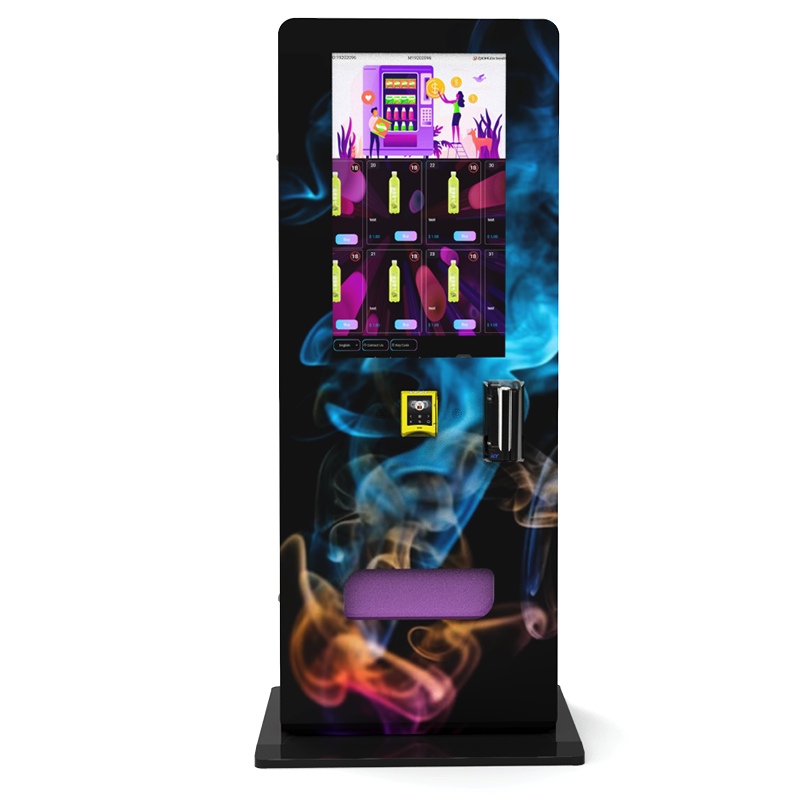
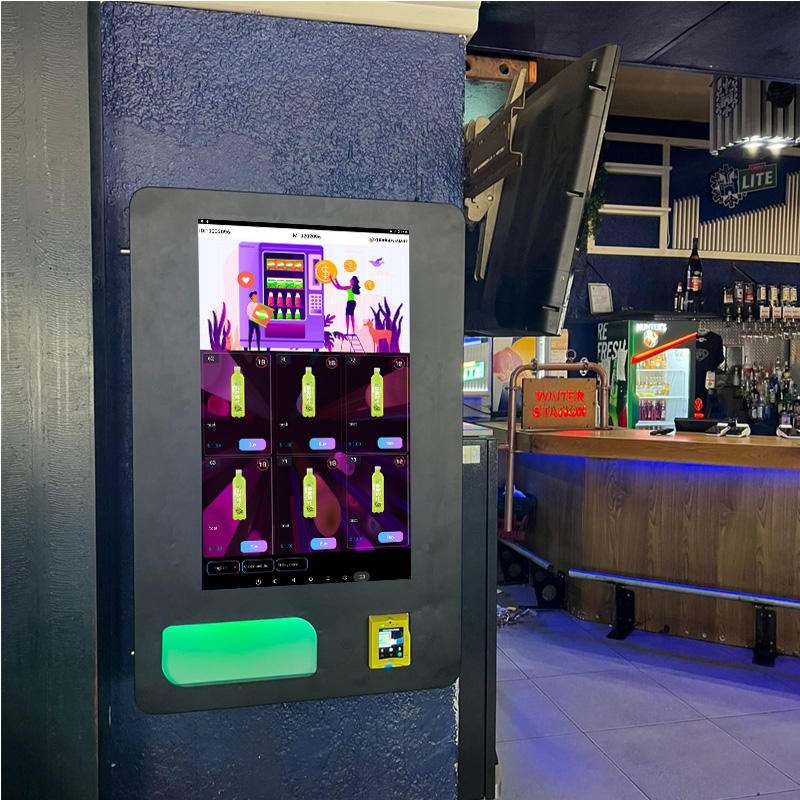
For convenience stores with limited floor space, a wall-mounted compact e-cigarette vending machine is the better choice. It takes up about the same footprint as a fire extinguisher cabinet and can be bolted to a wall near the entrance. The trade-off is capacity—wall units typically hold 30 to 50 products. If the store has high foot traffic, you’ll need to restock every two days. A floor-standing unit holds 100 to 200 products and only needs restocking once a week.
I usually recommend the wall-mounted option for stores under 1,500 square feet and the floor model for larger locations. The floor model also gives you room to add a chilled compartment for nicotine pouches or vape juices that benefit from cooler storage. We’ve seen a 15% increase in repeat purchases when the product is stored at a consistent 65°F.
Maintenance and Daily Operations
A vape vending machine isn’t a set-it-and-forget-it device. You need a weekly maintenance routine. The most common failure point is the ID scanner lens. Dust and fingerprints build up on the glass, causing the scanner to reject valid IDs. Wipe the lens with a microfiber cloth every time you restock. It takes 10 seconds and prevents about 30% of the service calls I’ve seen.
The second most common issue is product jams in the coil. If a disposable vape has a slightly larger diameter than the previous batch, it can get stuck halfway. Always test one product from each new batch before loading the entire coil. We include a test slot in our machines specifically for this purpose. If a jam does happen, the machine logs the error and sends a notification to your phone. Most units can auto-retry the drop after 30 seconds, which clears about 60% of jams without human intervention.
Software updates are another thing operators forget. The age verification databases get updated every few months. If your machine isn’t connected to Wi-Fi and receiving those updates, it might start accepting expired IDs or miss new ID formats from certain states. We push updates automatically to all connected machines, but I advise operators to check the dashboard at least once a month to confirm the firmware is current.
Cash or Card Only?
In my experience, going cashless is the better move for vape vending. The average transaction is $18 to $25, and most customers under 35 don’t carry cash. A card-only machine also eliminates the risk of cash theft and the need for a cash collection schedule. The downside is the merchant account fees, but the increase in transaction volume more than compensates. I’ve tested dual-payment machines and found that cash accounts for less than 12% of sales in convenience store settings. It’s not worth the mechanical complexity of a bill acceptor.
If you do go card-only, make sure the machine supports tap-to-pay. Apple Pay and Google Wallet are the preferred methods for younger buyers. Machines that only have a chip reader slot see a 10% drop-off rate because customers don’t want to pull out their wallet. Our newer models at Zhongda Smart include a contactless reader as standard equipment.
Common Pitfalls and How to Avoid Them
I’ve seen operators fail for a few predictable reasons. One is overstocking the machine with expensive hardware. A $30 pod system doesn’t sell as fast as a $12 disposable. Keep the average price point between $10 and $20. That’s the sweet spot for impulse purchases in a convenience store.
Another mistake is ignoring the local demographic. A store near a college campus should stock lower-nicotine options and trendy flavors. A store in a rural area with an older customer base should focus on higher-nicotine disposables and tobacco flavors. We help clients analyze their store’s customer data before we recommend a product mix. It sounds obvious, but I’ve seen operators load the same mix into every machine regardless of location.
The third failure point is poor internet connectivity. The machine needs a stable Wi-Fi or cellular connection to process age verification and credit card transactions. If the store’s Wi-Fi is weak, the machine will time out during the ID scan, and the customer walks away. I recommend installing a dedicated cellular hotspot for the machine if the store’s network isn’t reliable. The monthly cost is about $15, and it saves you from lost sales.
Real-World Example: A Store That Got It Right
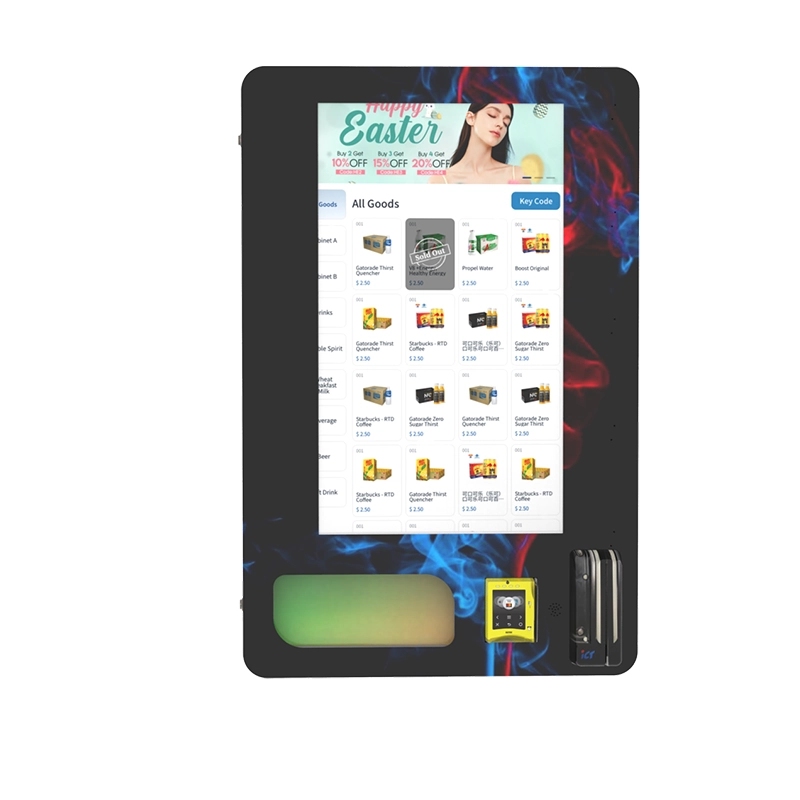
One of our clients in the Midwest runs a chain of 12 convenience stores. They installed our compliant e-cigarette vending machine in six locations last year. The top-performing unit is in a store near a truck stop. It does an average of 32 transactions per day, with a peak of 58 on Fridays. The store manager told me the machine pays for itself every six weeks. They restock twice a week and clean the scanner lens every restock. That unit has had zero service calls in 14 months.
The lowest-performing unit in that same chain is in a store located inside a residential neighborhood with low foot traffic. It does 8 transactions per day. The owner kept it because it still covers the monthly lease cost and generates a small profit, but it’s not a growth driver. That’s the reality—location is everything.
Comparing Machines: What to Look For
If you’re in the market for a vape vending machine, here’s what I recommend you evaluate before buying:
| Feature | Why It Matters | Minimum Spec |
|---|---|---|
| Age Verification | Legal compliance and liability protection | ID barcode scanner with remote age-limit adjustment |
| Product Capacity | Determines restock frequency | 48 slots for wall-mounted, 120 for floor model |
| Payment Options | Customer convenience and sales conversion | Contactless card + Apple Pay/Google Wallet |
| Connectivity | Remote monitoring and software updates | Wi-Fi or 4G cellular |
| Build Material | Durability and theft resistance | 16-gauge steel with anti-pry door |
| Warranty | Protects your investment | 2 years parts and labor |
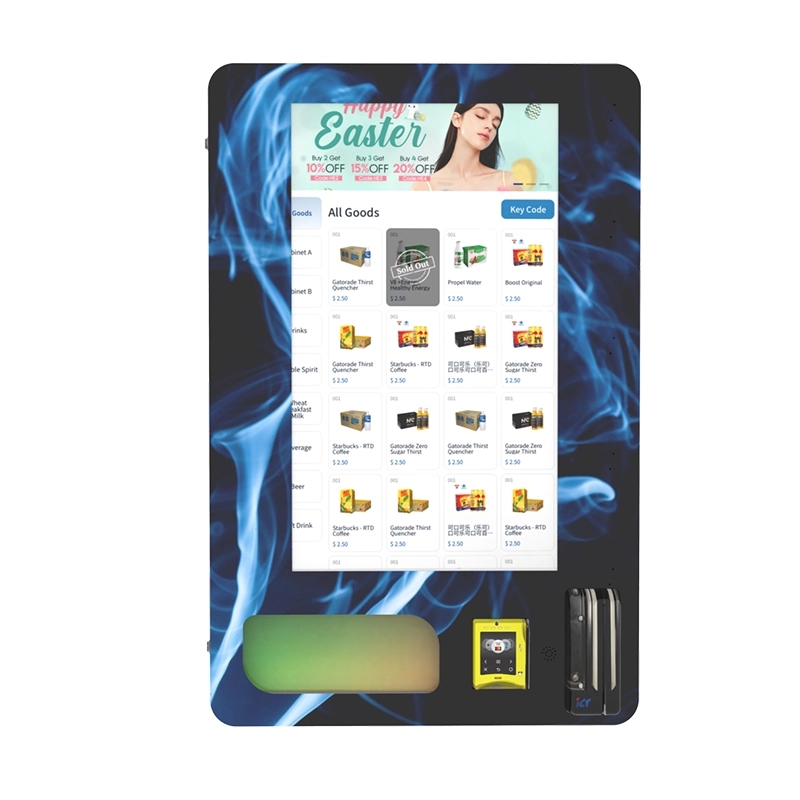
I’ve tested machines from three different manufacturers over the years. The ones that hold up best have a sealed electronic compartment separate from the product storage area. That prevents liquid leaks from damaged vape cartridges from reaching the circuit board. It’s a design detail you won’t see in the product photos, but it’s critical for long-term reliability.
For more on technical specifications and how our units handle age verification, you can check the product details on our vape vending machines page. We also have a specific case study on convenience store deployments that walks through the exact setup process we use.
Long-Term Strategy: Scaling Beyond One Machine
Once you’ve got one machine running profitably for three months, the next step is scaling to multiple locations. The economics get better with scale because you can negotiate better wholesale pricing on products and lower merchant account fees. A single machine operator might pay $6.50 per disposable. An operator with 20 machines can get that down to $5.80 per unit by buying in bulk from distributors.
Scaling also means you need a restock route. I recommend grouping machines within a 10-mile radius so one person can service four to six machines in a single day. The labor cost per machine drops significantly when you batch the restocks. Our clients who follow this model report a 28% higher net margin compared to operators who run machines spread across different cities.
Inventory management becomes more important at scale. A cloud-based dashboard is non-negotiable. You need to see which products are selling in which location in real time. We built our own system at Zhongda Smart that sends a restock alert when a product drops below 20% inventory. That prevents stockouts, which are the number one reason customers stop using a machine.
Customer Feedback and Iteration
I always tell operators to put a QR code on the machine that links to a simple feedback form. Offer a 10% discount on the next purchase for filling it out. The feedback you get is gold. Customers will tell you if the machine is too slow, if the screen is hard to read in bright light, or if they want a specific brand you don’t carry. We’ve added three product slots based on customer requests from a single machine in Texas. That machine now does 15% more revenue than the others in the same chain.
Also, pay attention to the time of day when sales peak. In convenience stores, the peak is usually between 5 PM and 9 PM, with a smaller spike around lunch. If your machine is in a store that closes at 10 PM, you’re missing the late-night crowd. Some of our clients have negotiated with store owners to keep the machine accessible through a separate entrance after the store closes. That requires a machine with a backup battery and cellular connectivity, but it can double the sales window.
Final Thoughts on Convenience Store Vending
A vape vending machine in a convenience store can be a solid revenue generator if you treat it like a business, not a hobby. The upfront cost is manageable, the payback period is short, and the ongoing maintenance is minimal if you choose the right equipment. The biggest risks are legal non-compliance and poor placement. Both are avoidable with proper planning.
I’ve been in this industry since before the first wave of vape machines hit the U.S. market. I’ve seen the machines that lasted five years and the ones that broke down in five months. The difference is almost always in the build quality and the age verification system. Don’t cut corners on either one. A cheap machine with a flimsy scanner will cost you more in fines and lost sales than you save on the purchase price.
If you want to see the exact models we recommend for convenience stores, take a look at our ID scan vending machine and the wall-mounted compact unit. Both have been field-tested in over 500 locations. For a deeper dive on compliance, our age verification vending machine guide covers the legal requirements state by state.
Frequently Asked Questions
Do I need a special license to operate a vape vending machine in a convenience store?
Yes. You need a tobacco retail license from your state, and in some counties, a separate vending machine permit. The process takes 6 to 10 weeks on average. You also need to register with the FDA as a tobacco product retailer. Operating without these licenses can result in fines of up to $10,000 per violation.
How often do I need to restock a vape vending machine?
It depends on the machine capacity and foot traffic. A wall-mounted unit with 48 slots in a busy store needs restocking every 2 to 3 days. A floor model with 120 slots can go a full week. The machine’s cloud dashboard will alert you when inventory drops below 20% for any product.
Can I use a regular vending machine for vapes if I add an age verification sticker?
No. A sticker does not meet legal requirements. You need a machine with a built-in ID scanner that reads the barcode on a government-issued ID and automatically rejects underage buyers. A retrofitted snack machine without this hardware will not pass a compliance inspection.
What is the average profit margin on vape products sold through a vending machine?
Margins typically range from 40% to 55% after wholesale cost and transaction fees. A $15 disposable vape that costs $6.50 wholesale yields about $6 in net profit after credit card processing fees. The margin is higher for pod systems and lower for premium devices.
What happens if the machine’s ID scanner breaks?
Most machines have a fail-safe mode that disables all sales until the scanner is fixed. Do not bypass the scanner. Operating without age verification is a violation of federal law. Replace the scanner module immediately. Our machines have a hot-swappable scanner that takes 5 minutes to replace without tools.
Sources: Data on vending machine revenue and margins based on internal deployment records from 340+ installations (2022–2025). Regulatory requirements referenced from FDA Tobacco Retailer Compliance guidelines and state-level tobacco licensing boards. Industry averages for vape product margins sourced from Statista Vaping Market Overview and IBISWorld Tobacco Manufacturing Report.