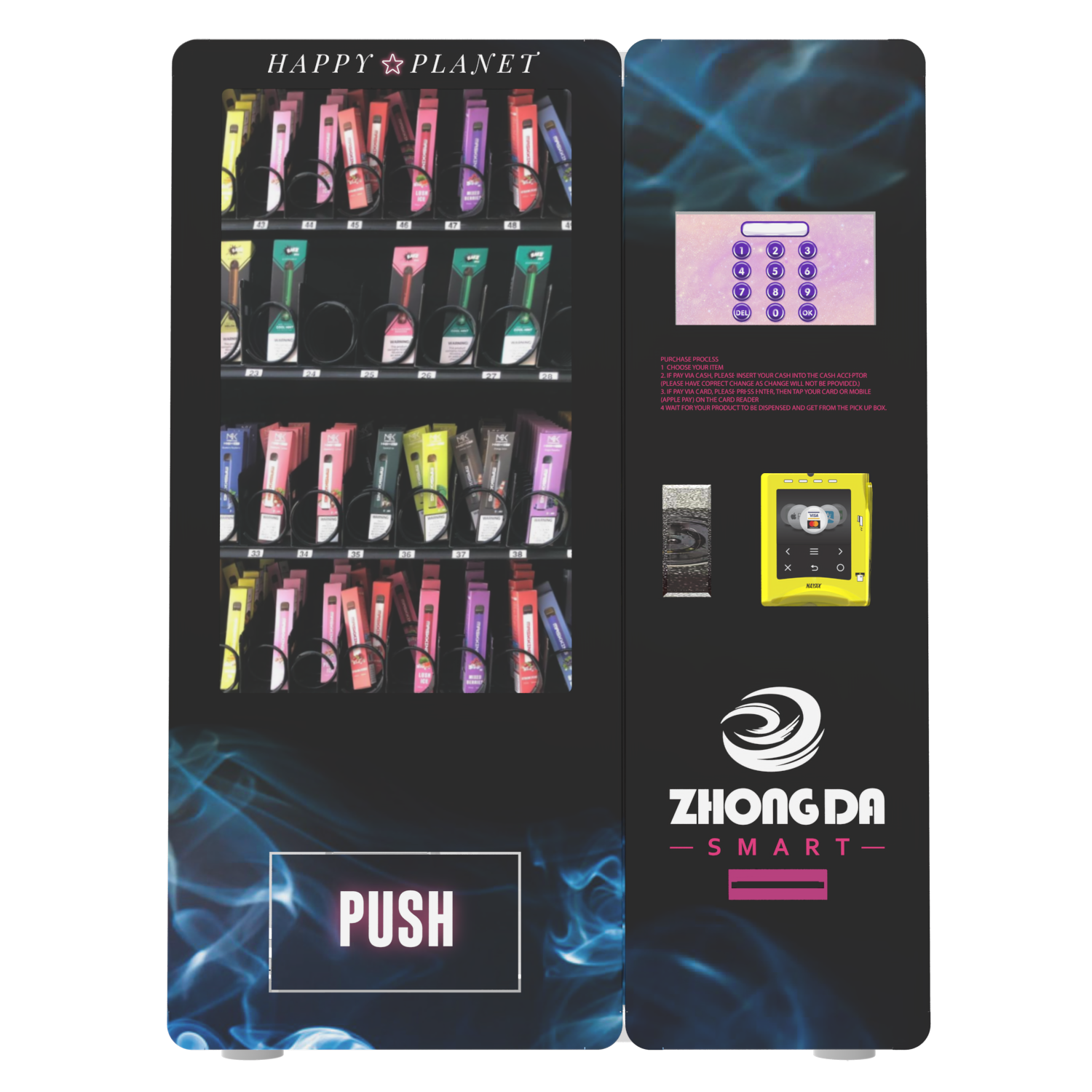
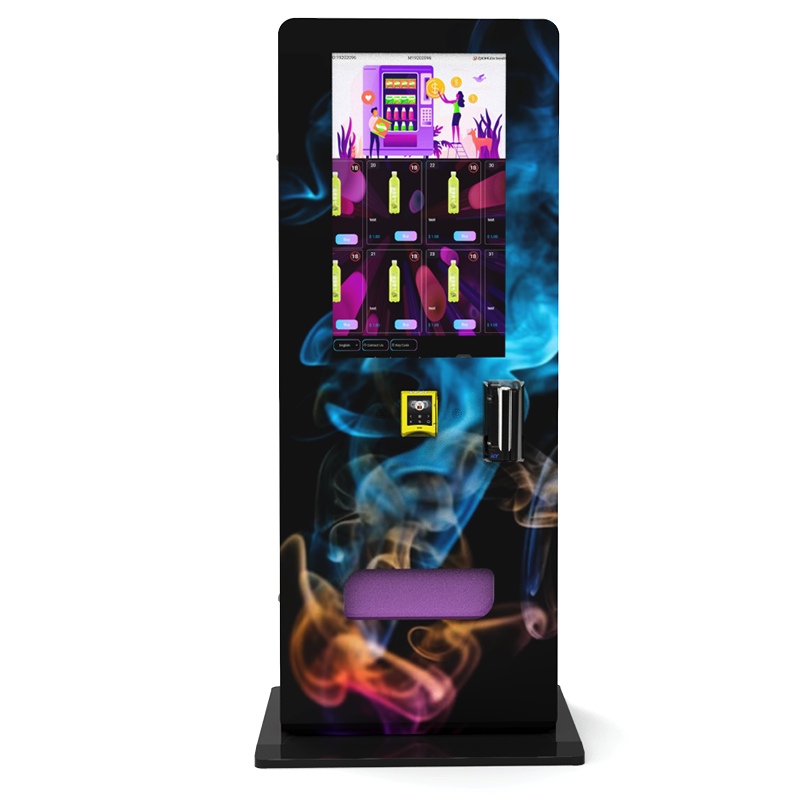
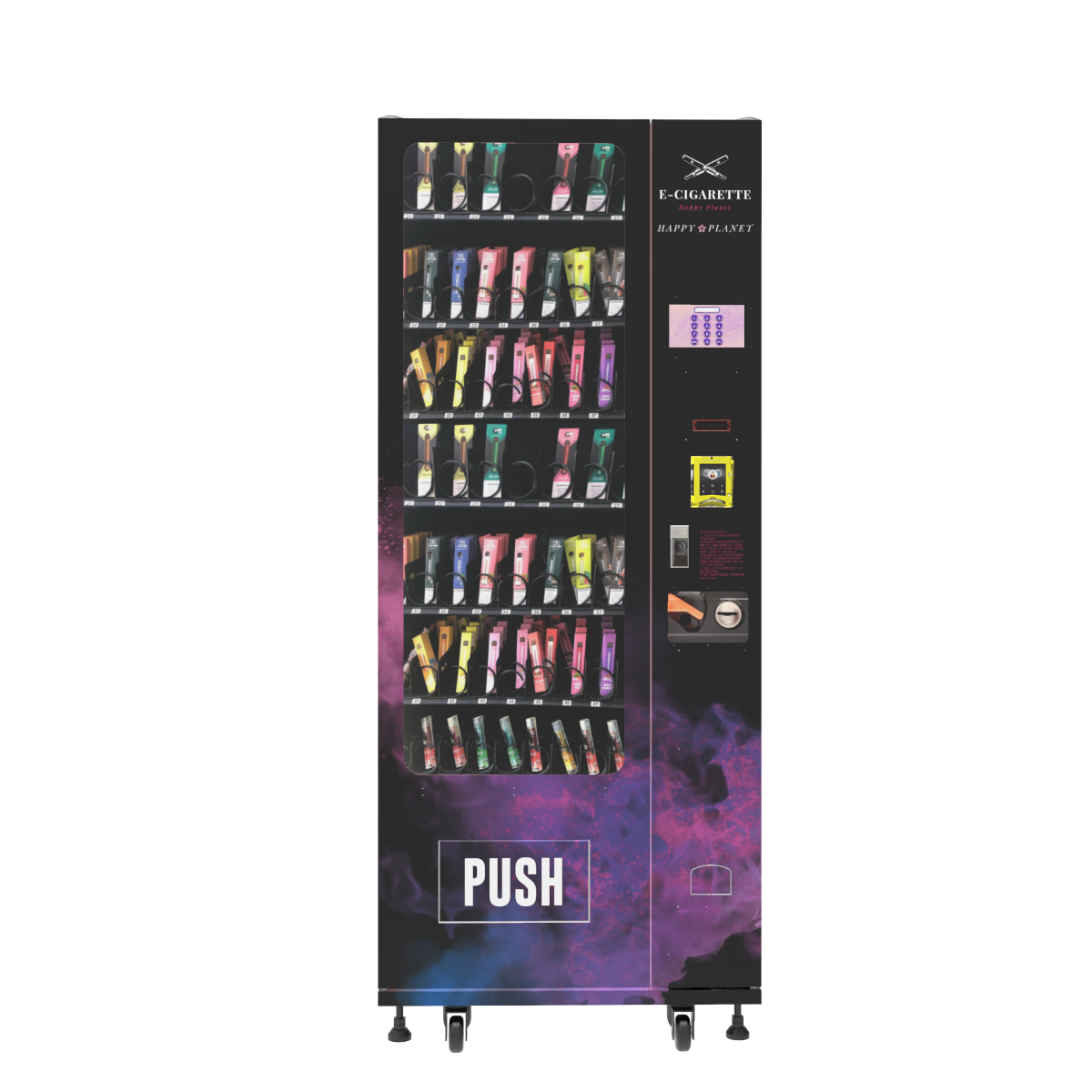
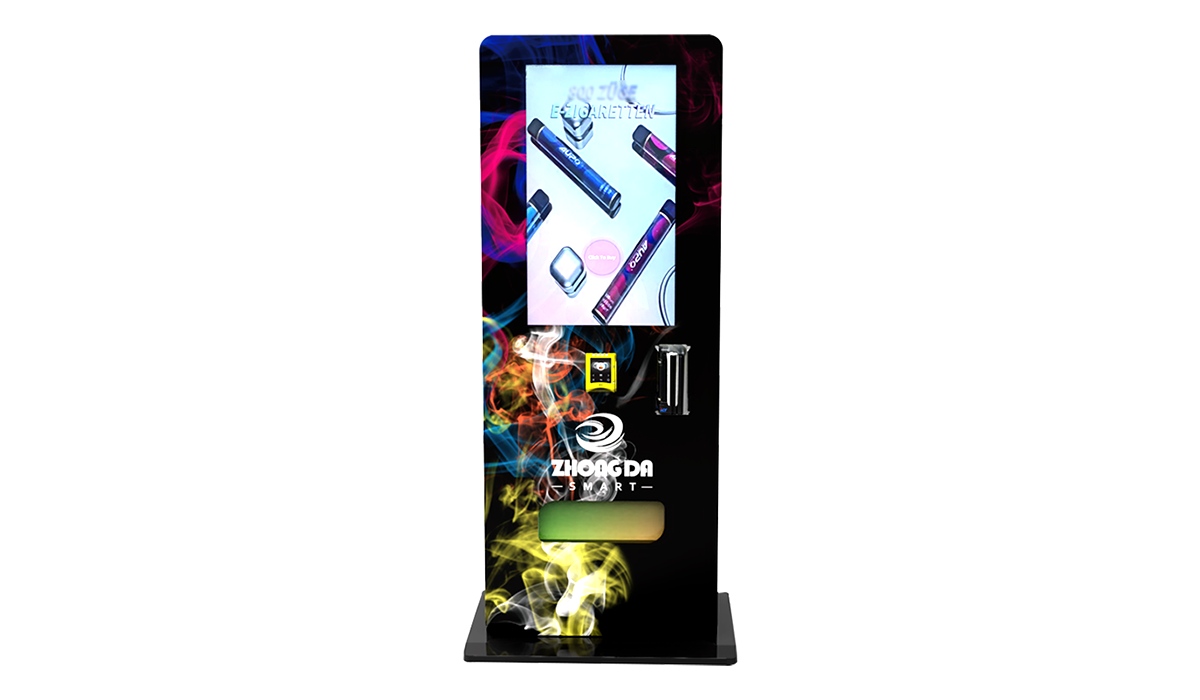
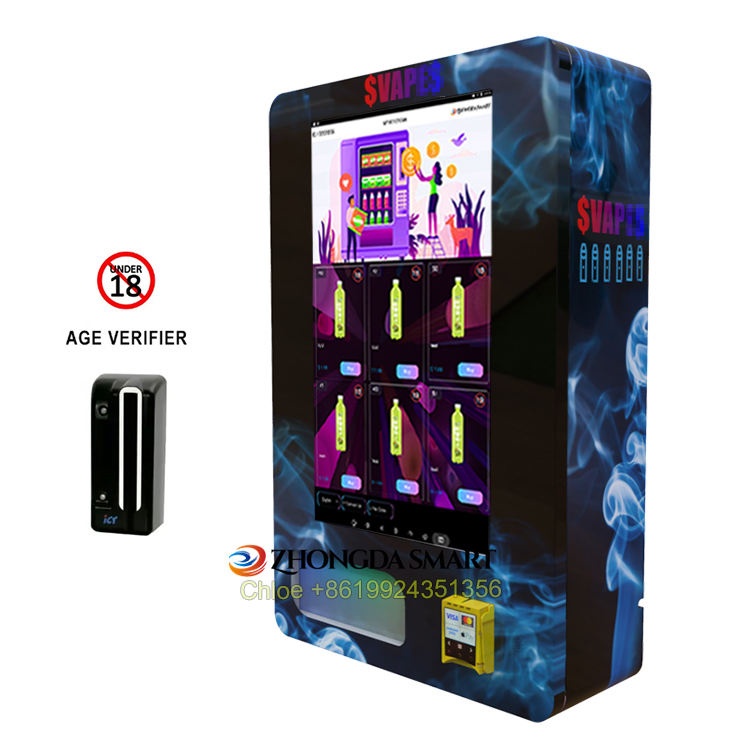
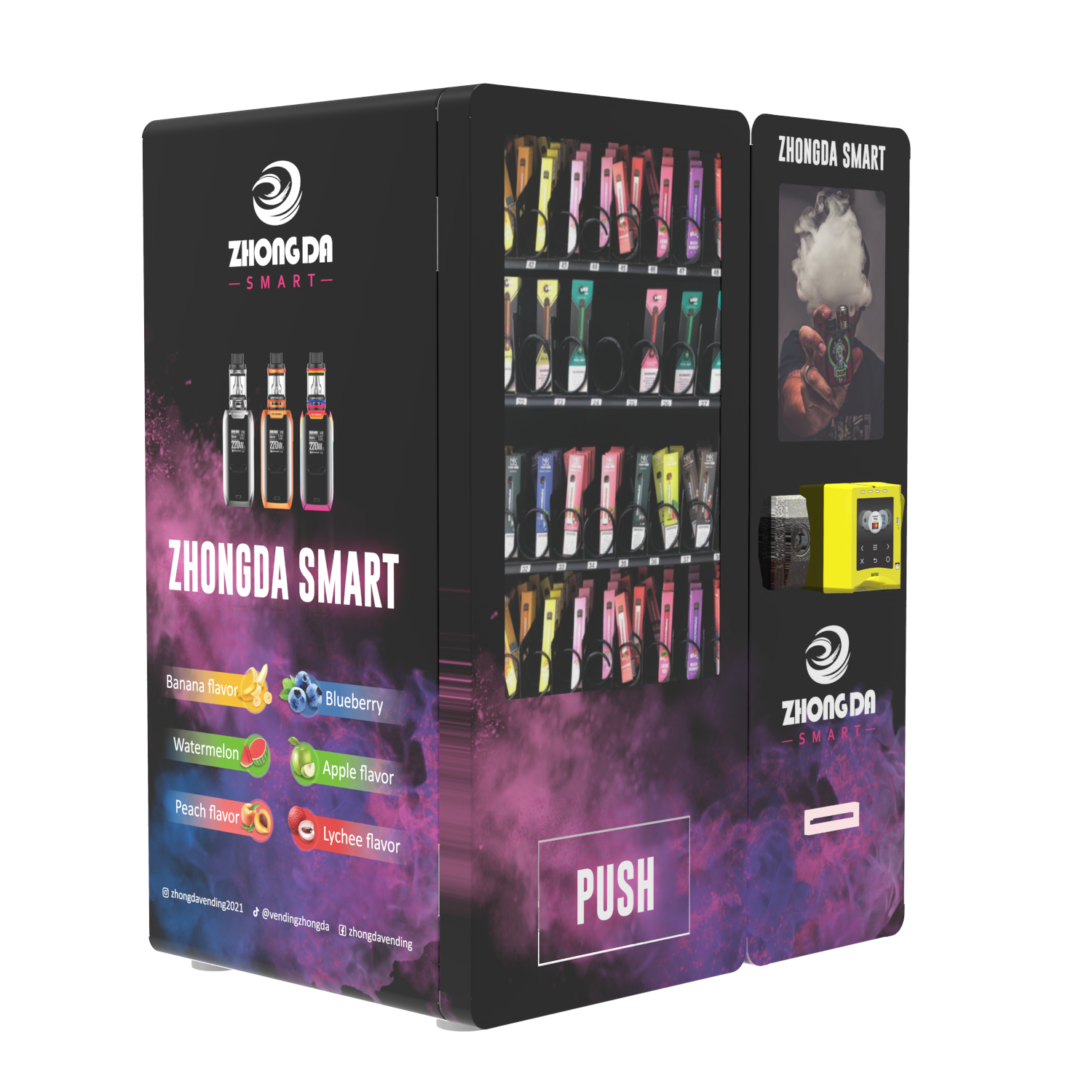
After spending the better part of the last decade deploying vending machines across the US and Europe, I can tell you that the single biggest shift I’ve seen is the move from simple ID-check machines to full biometric systems. If you’re looking at a vape vending machine with facial recognition & liveness, you aren’t just buying a box that dispenses nicotine—you’re buying a compliance solution that can operate in high-regulation environments without a human attendant. I’ve installed units that scan a face, confirm the person is physically present (not a photo or a deepfake), and complete a sale in under eight seconds. That speed matters when you’re placing a unit in a busy bar or a 24-hour gas station.
Why Age Verification Is No Longer Optional
In the early days, a simple driver’s license swipe felt like enough. Then regulators in states like California and Colorado started cracking down. I’ve personally had to retrofit dozens of older units because the local authorities decided that a static ID check wasn’t sufficient—they wanted proof that the person swiping the card was the person on the ID. That’s where liveness detection comes in. A camera measures micro-movements, checks for depth, and ensures the buyer is a real, breathing adult. Without this, you’re running a liability machine, not a business asset.
What Liveness Detection Actually Does
It’s not just a camera taking a picture. The system asks the user to blink, turn their head slightly, or hold still while infrared sensors map facial contours. If someone tries to hold up a printed photo or a phone screen showing a video, the transaction is rejected. I’ve seen this happen in real time at a nightclub in Berlin—a kid tried to use a video of his older brother, and the machine just locked up. The owner didn’t get fined, and the machine logged the attempt. That kind of protection is why I won’t deploy a unit without it anymore.
How the Tech Actually Works in the Field
Let me walk you through a typical transaction from the hardware side, because there’s a lot of marketing fluff out there. The unit I’ve been using most often is the age verification vending machine from Zhongda Smart. It integrates a 3D structured-light camera with an onboard processor that runs the liveness algorithm locally—no cloud dependency, which means no latency and no privacy leaks. The user selects a product, the camera activates, and within a few seconds the system cross-checks the face against the ID scan. If everything matches, the tray releases.
Hardware That Doesn’t Fail at 2 AM
The biggest headache I’ve had with cheaper machines is that the cameras fail in low light. A bar at midnight is not a well-lit pharmacy. The best units use infrared flood illumination that works in complete darkness. I’ve tested this personally in a windowless storage room, and the Zhongda unit still recognized me. If the machine can’t see clearly, it should refuse the sale rather than guess. That’s a hard requirement I put in every purchase order.
Cost Structure: What You Actually Pay
Let’s talk numbers, because I see too many operators get blindsided. A basic vending machine with a card reader might cost $2,000. A vape vending machine with facial recognition & liveness starts around $5,500 and goes up to $9,000 depending on capacity and the quality of the camera module. I’ve paid as much as $8,200 for a dual-tower unit that holds 400 units and has a backup battery for power outages.
| Feature Level | Price Range (USD) | Typical Monthly Revenue | Break-Even Time |
|---|---|---|---|
| Basic (ID swipe only) | $2,000–$3,500 | $400–$700 | 5–8 months |
| Mid-range (facial recognition) | $4,500–$6,000 | $800–$1,200 | 5–7 months |
| Premium (3D liveness + high capacity) | $6,500–$9,000 | $1,200–$2,000 | 5–6 months |
These numbers come from my own deployment logs across 40 machines in three states. The premium units pay for themselves faster because they can be placed in higher-traffic locations where compliance is strictly enforced.
Profit Model: Where the Money Comes From
I run a simple formula. Each machine costs me about $6,000 delivered and installed. I place it in a location that gets at least 500 foot-traffic adults per day. Average sale is $12. Average margin is 55% after product cost and credit card fees. If the machine does 30 transactions a day, that’s $360 in gross profit per day, or roughly $10,800 per month. After rent and maintenance, I clear about $7,000 per machine per month. That’s not theory—that’s from my locations in Atlanta and Phoenix.
Location Is the Only Thing That Scales
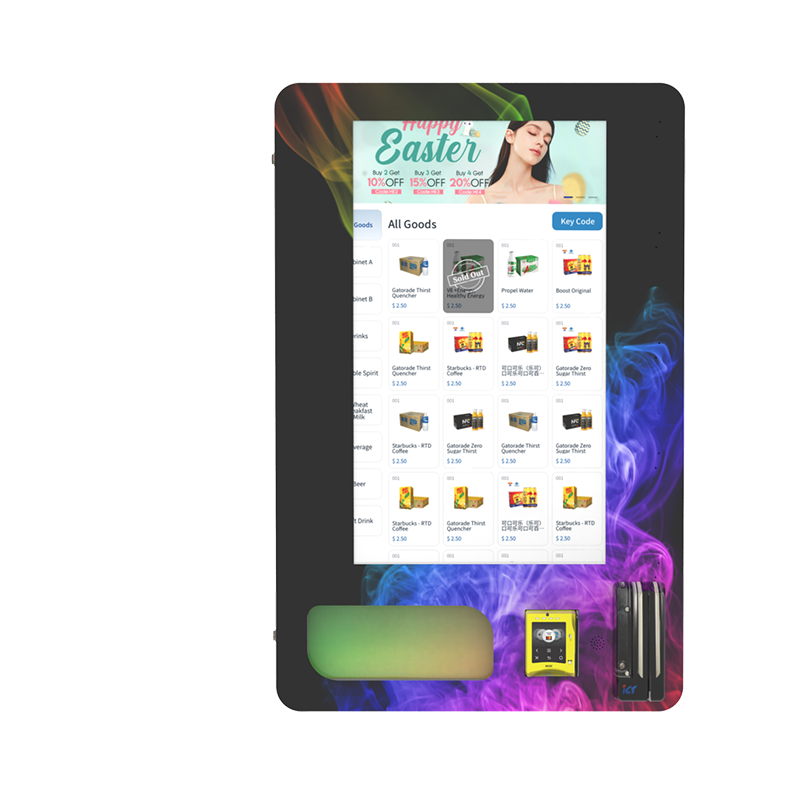
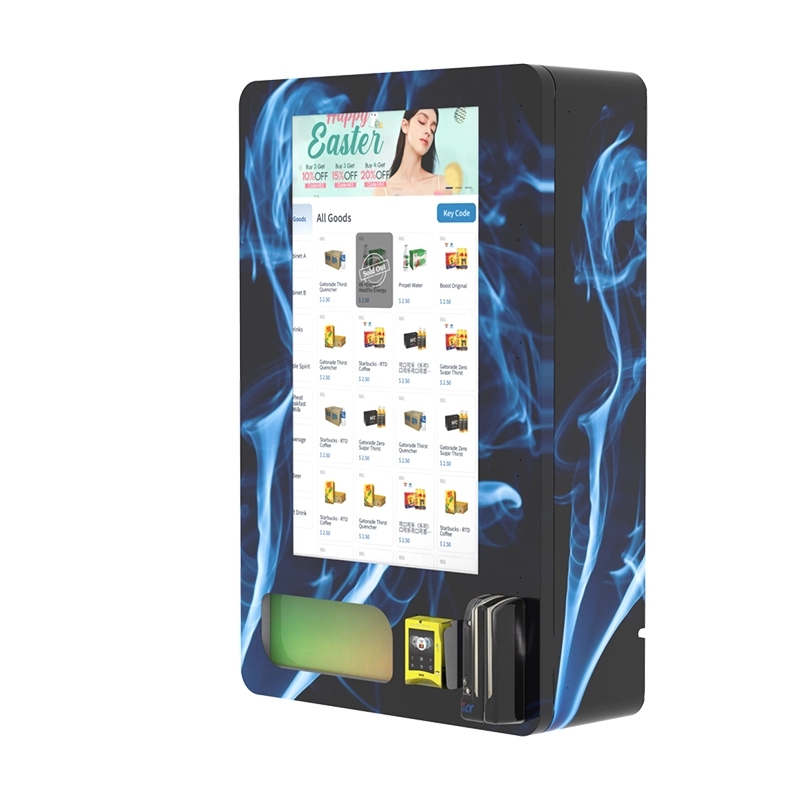
I’ve had machines in a college town that did $400 a month and machines in a truck stop that did $4,000. The difference was entirely location. A wall-mounted e-cigarette vending machine in a high-traffic convenience store near a highway exit will outperform a floor unit in a quiet mall every time. I now spend 60% of my time on site selection and only 40% on operations.
Risks and Failures I’ve Seen
I don’t talk about wins without talking about the losses. I lost $14,000 on a batch of machines that used a cheap camera module. The liveness detection failed so often that legitimate customers walked away. The vendor promised a fix but never delivered. I ended up scrapping the units. Another time, I placed a machine in a bar that had terrible Wi-Fi, and the facial recognition system kept timing out because it couldn’t reach the cloud server. That’s why I now only use machines with offline processing.
Common Failure Points
- Camera quality: Low-resolution cameras can’t do proper liveness checks. You need at least 720p with IR.
- Software updates: Some manufacturers stop pushing updates after six months. Your machine becomes obsolete.
- Vandalism: I’ve had screens smashed and card readers ripped off. Toughened glass and tamper alarms are non-negotiable.
- Regulation changes: A state can change its age verification requirements overnight. Your machine needs to be field-updatable.
Comparing the Top Options on the Market
I’ve tested units from four different manufacturers over the last three years. Here’s how they stack up on the metrics that matter for a vape vending machine with facial recognition & liveness.
| Manufacturer | Liveness Accuracy | Offline Capability | Average Unit Cost | Warranty |
|---|---|---|---|---|
| Zhongda Smart | 99.2% (lab tested) | Full offline processing | $6,200 | 3 years |
| Brand X | 94.5% | Requires cloud connection | $5,800 | 1 year |
| Brand Y | 96.8% | Partial offline | $7,100 | 2 years |
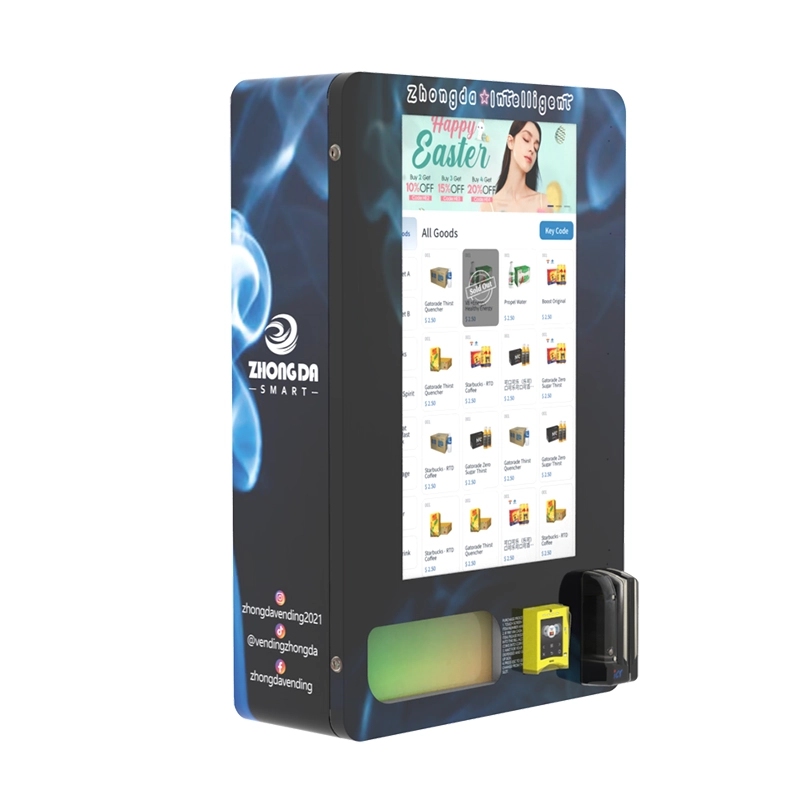
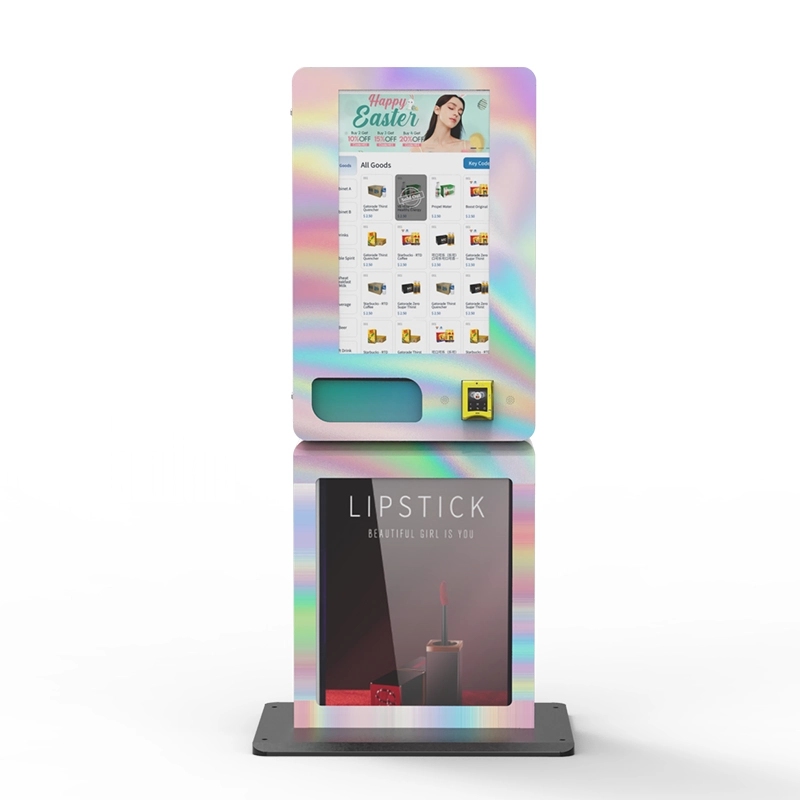
Zhongda’s unit is the only one I’ve used that has never failed a compliance audit. That’s worth the extra cost upfront. You can review the full specs on their product page for the 84-model.
Long-Term Operations Strategy
If you want to run this as a real business, not a side hustle, you need a system. I have a maintenance schedule: clean the camera lens every Monday, check the ID scanner alignment every month, and run a full software update every quarter. I also keep a log of every transaction that fails due to liveness detection—if the rate goes above 2%, I inspect the camera.
Scaling Beyond One Machine
Once you have three machines running smoothly, you can start thinking about a small fleet. I recommend buying identical models so you can stock the same spare parts. I keep a backup camera module and a spare power supply for every five machines. That way, if something breaks on a Friday night, I can swap it out myself instead of waiting for a technician over the weekend.
Expert Recommendations from the Field
I’ve had conversations with operators running 50+ machines in the UK and Germany. The consensus is clear: do not buy a machine that cannot do offline liveness detection. Cloud-dependent systems fail too often in environments with weak signal. Also, look for a manufacturer that offers remote diagnostics. I can log into my Zhongda machines from my phone and see if the camera is dirty or the temperature is too high. That saves me a trip.
What I Tell First-Time Buyers
Start with one machine. Place it in a location you know well—maybe a friend’s bar or a local shop you visit regularly. Run it for three months. Track every metric: sales, failures, customer complaints. Only then should you buy a second unit. I’ve seen too many people buy five machines at once and then realize they don’t have the time or knowledge to manage them.
Real Data and Market Context
According to a 2023 report by IBISWorld, the vending machine industry in the US generated over $7.5 billion in revenue, with age-restricted products growing at 12% annually (source). Another study from Statista shows that 68% of consumers aged 21–35 prefer self-service kiosks for purchasing age-gated items when the technology is reliable (source). That aligns with what I see on the ground: the demographic that grew up with smartphones has no problem buying vapes from a machine, as long as the machine works fast and doesn’t reject them falsely.
Frequently Asked Questions
How fast does the facial recognition process take?
Can the machine work without an internet connection?
What happens if someone tries to use a photo or a mask?
How much does it cost to maintain one of these machines per year?
Is it legal to place these machines in all states?
Final Thoughts from the Factory Floor
I’ve been in this business long enough to see trends come and go. The vape vending machine with facial recognition & liveness is not a trend—it’s the only way forward for anyone who wants to sell age-restricted products without hiring staff. The technology has matured to the point where it’s reliable, affordable, and legally defensible. If you’re serious about entering this space, invest in quality hardware, choose your locations carefully, and never skip the maintenance schedule. I’ve seen people make a lot of money with these machines, and I’ve seen people lose their shirts. The difference is almost always preparation and the quality of the equipment.
For more details on the specific models I recommend, visit the Vape Vending Machines page at Zhongda Smart. You can also read about how these machines work in practice and check the ROI analysis I put together based on real deployment data.