If you're looking to place a vape vending machine in a retail space, a bar, or a hotel lobby, you already know the biggest challenge isn't the hardware—it's the compliance. After spending over a decade deploying these machines across different markets and running a factory that builds them, I’ve seen operators lose entire locations because they skipped one step in the regulatory checklist. This guide walks through the exact compliance framework you need to operate legally and profitably, covering everything from age verification hardware to tax stamp requirements and location agreements.
The Real Cost of Non-Compliance
Most operators I talk to focus on the profit per transaction, which is healthy at around 60–70% margins on disposables. But a single compliance failure—like a minor bypassing age verification—can trigger fines that wipe out six months of revenue. In one case I consulted on, a bar owner in a mid-sized city lost his liquor license because the vending machine’s ID scanner wasn’t calibrated to detect vertical IDs. The fine was $15,000, and the machine was impounded for 90 days. That’s the kind of risk you don’t see on a spreadsheet.
Compliance isn’t just about checking boxes. It’s about protecting your capital investment. A well-maintained, compliant machine can generate $800–$1,200 per month in gross profit in a high-traffic location. A non-compliant one generates nothing but legal bills.
Age Verification: The Non-Negotiable First Step
Every vape vending machine deployed in the US and EU must have a verified age-gating mechanism. This isn’t a suggestion—it’s federal and state law. The FDA’s Tobacco 21 rule sets the minimum age at 21, and individual states like California and New York have additional requirements for ID scanning and record retention.
What the Hardware Must Do
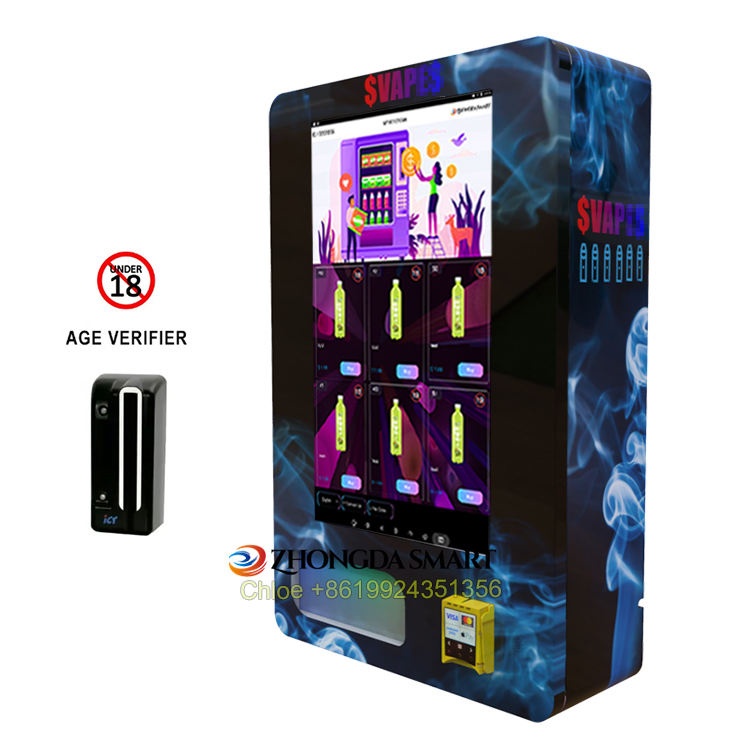
Your machine needs to scan a government-issued ID, extract the birthdate, and compare it against the current date. But here’s the detail most operators miss: the scanner must also validate the ID’s authenticity. That means checking for holograms, UV patterns, and barcode integrity. A basic scanner that only reads a magnetic stripe won’t cut it. I’ve tested units that pass a driver’s license but fail on a passport card—that’s a liability.
At Zhongda Smart, we integrate ID scanners that cross-reference the barcode data with the visual data on the card. If the name on the barcode doesn’t match the printed name, the transaction is blocked. This level of verification is what regulators look for during audits.
Biometric and Secondary Verification
Some operators add a second layer, like facial recognition or a live selfie comparison. This is becoming more common in high-risk locations like college towns. The machine takes a photo of the buyer and compares it to the ID photo using an algorithm. If the match score is below 90%, the sale is denied. This isn’t mandatory everywhere yet, but it reduces chargeback risk and helps with insurance premiums.
Tax Stamp Compliance: Where Most Operators Get Tripped Up
Vape products are subject to excise taxes in most states. The tax is usually paid via a stamp that must be affixed to the product packaging before it goes into the machine. This sounds simple, but the logistics are brutal. You have to purchase stamps from the state, apply them to each individual unit, and then track every sale for reporting.
I’ve seen operators buy a pallet of disposable vapes, apply stamps manually over a weekend, and then realize the state requires a unique serial number on each stamp that must be logged in a digital ledger. If you miss that step, the entire inventory is considered unstamped, and you’re looking at a tax evasion charge.
How to Handle Multi-State Inventory
If you operate machines in two states with different tax rates, you cannot mix inventory. Each machine must be stocked with products that have the correct stamp for that state. A common mistake is loading a machine in Nevada with products stamped for California. The tax rates differ by about 15%, and the state auditors check this during random inspections.
Use a dedicated inventory management system that tracks each product’s tax stamp by serial number. Some modern machines, like the models from Zhongda Smart, include software that logs the stamp ID at the point of loading and automatically generates the tax report at the end of the month.
Location Agreements and Zoning Laws
You can have the most compliant machine in the world, but if the location isn’t zoned for tobacco retail, you’re dead in the water. Before you sign a location agreement, pull the zoning code for that specific address. Some cities ban vending machines for tobacco products entirely. Others allow them only in adult-only venues like bars and casinos.
Key Clauses in a Location Agreement
When I negotiate placement deals, I include three specific clauses:
- Indemnification: The location owner agrees to indemnify you if a regulatory issue arises from their negligence (e.g., they let minors into the area unsupervised).
- Exclusive category rights: You get the exclusive right to sell vape products in that location. You don’t want the bar owner to also install a competitor’s machine.
- Maintenance access: You need 24/7 access to the machine for restocking and repairs. Without this clause, you could lose a week of sales waiting for the manager to let you in.
One operator I know lost $4,000 in potential revenue over three months because the location agreement didn’t specify restocking hours. The bar only allowed access during weekday mornings, which conflicted with his day job. He eventually had to buy out the contract.
Machine Placement and Physical Security
Where you put the machine inside the location matters for both compliance and sales. The machine must be in a line of sight of staff. If it’s in a dark corner or a hallway, minors can attempt to use it without being observed. Most state regulations require the machine to be within 10 feet of a staffed counter or monitored by CCTV.
Wall-Mounted vs. Free-Standing Units
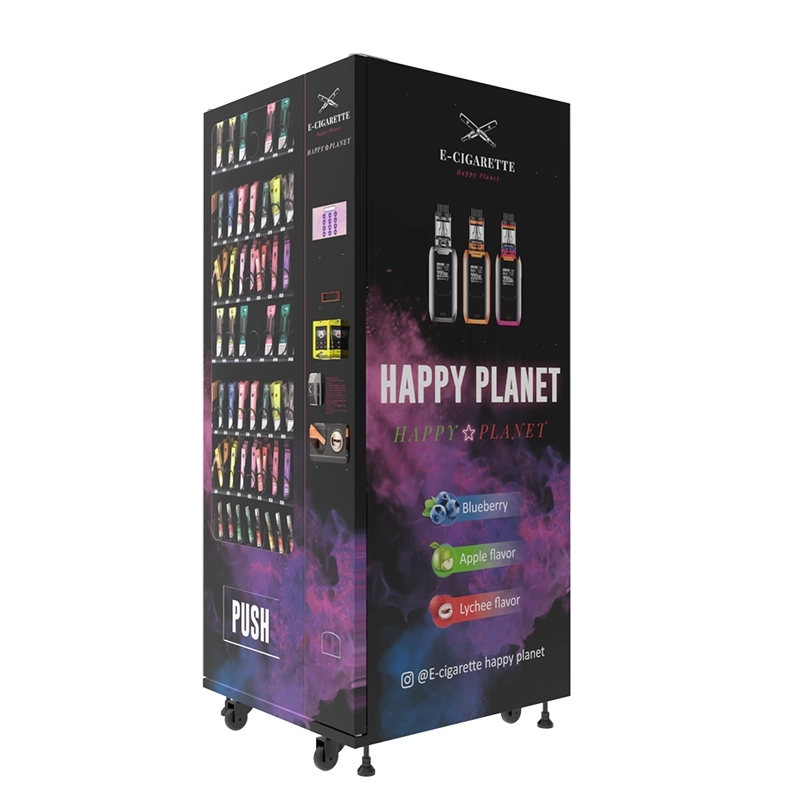
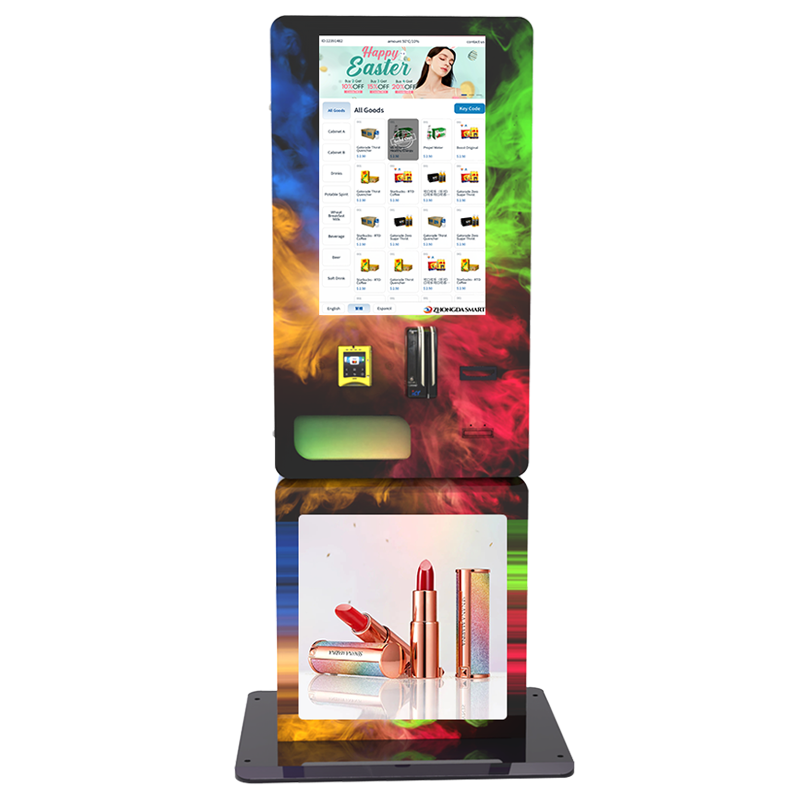
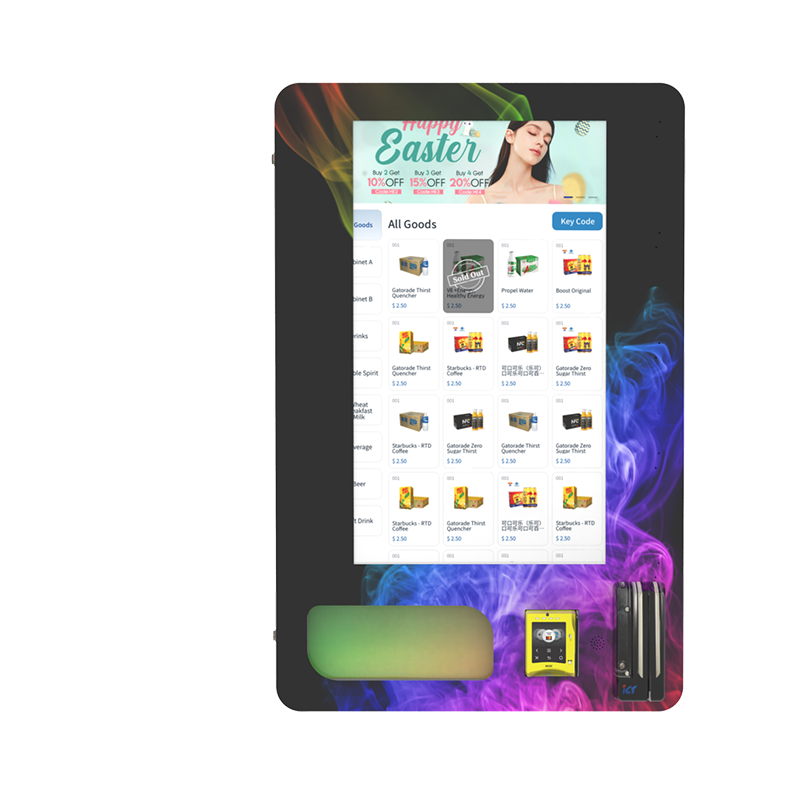
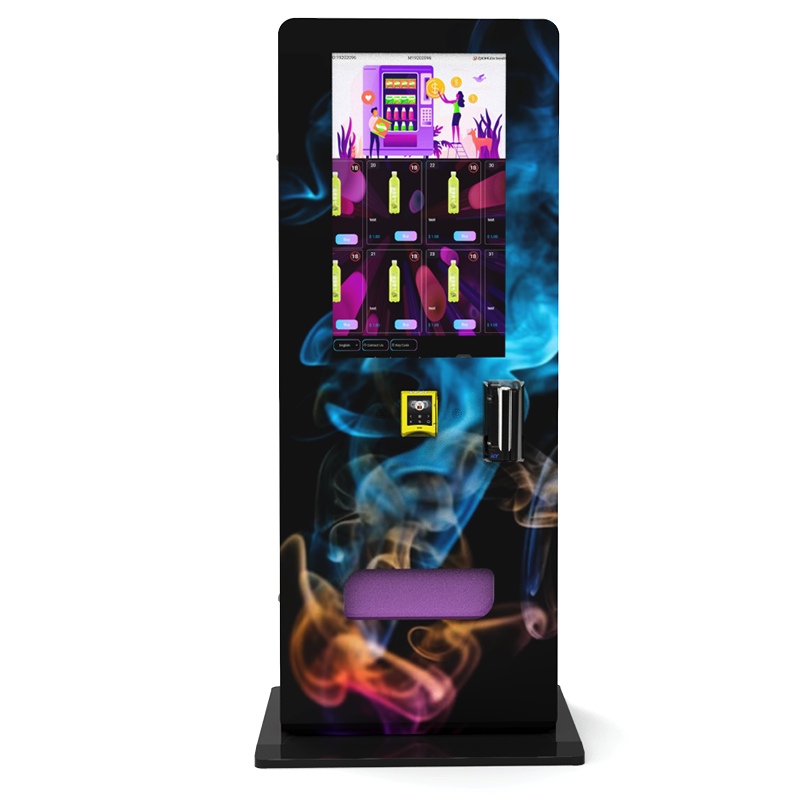
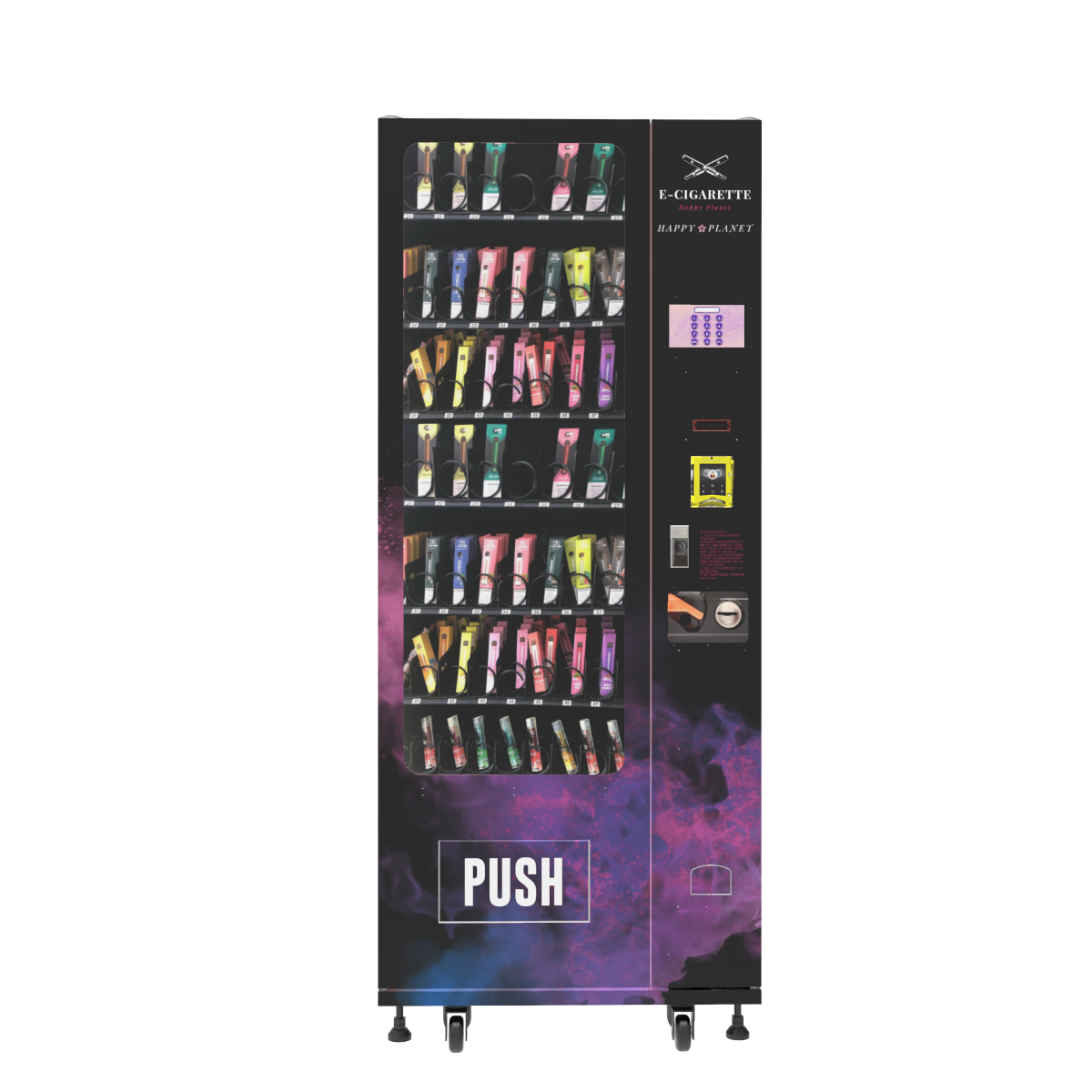
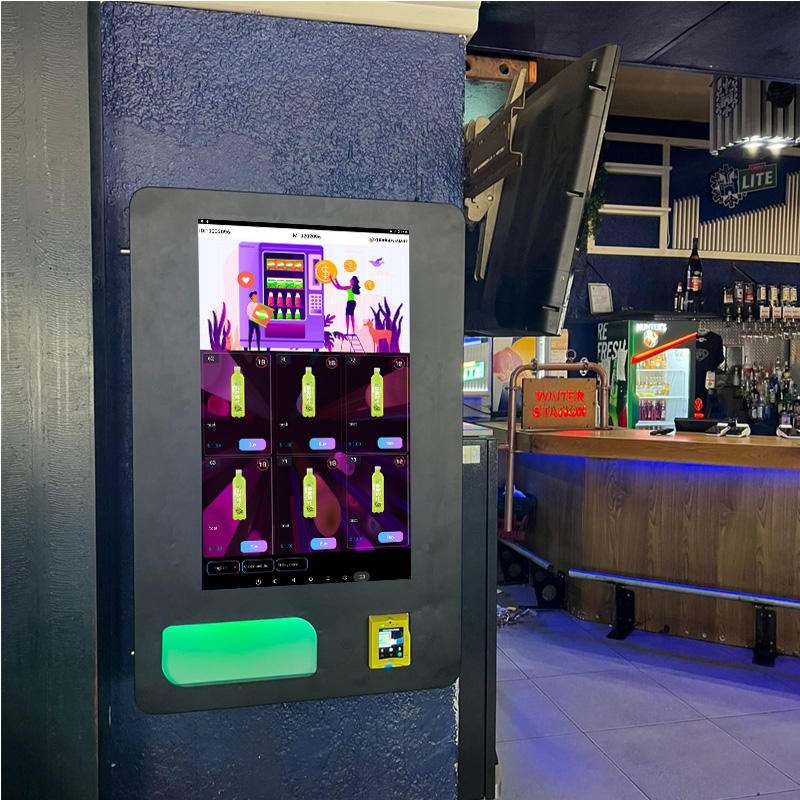
Wall-mounted machines, like the wall-mounted e-cigarette vending machine, save floor space and are harder to tip over. They’re ideal for tight spaces like convenience store counters or hotel lobbies. Free-standing units hold more inventory—typically 200–400 units—but require a dedicated footprint and a power outlet that’s not shared with other equipment.
I recommend wall-mounted units for locations under 1,000 square feet. For larger venues like casinos or airports, go with a free-standing model that has a higher capacity.
Data Privacy and Record Retention
Every time a customer scans their ID, you’re collecting personally identifiable information. This data must be stored securely and deleted after a certain period. The exact retention period varies by state. In California, you must delete the data within 30 days. In Texas, it’s 60 days. If you hold onto it longer, you’re violating privacy laws.
Encryption and Storage
The machine’s software should encrypt the ID data at rest and in transit. I’ve seen operators use off-the-shelf tablets to run their vending software, and those tablets often store unencrypted images of driver’s licenses. That’s a data breach waiting to happen. Use a machine with embedded software that automatically purges data after the required period.
Our factory builds machines with a tamper-proof data module that logs every transaction but stores only the transaction ID and a hash of the ID data. The actual ID image is never stored locally—it’s sent to a secure cloud server and deleted after 30 days. This setup has passed audits in three different states.
Profitability: What the Numbers Actually Look Like
Let’s talk about the financial side. A typical vape vending machine costs between $3,500 and $8,000, depending on features like touchscreen size, ID scanner quality, and inventory capacity. The average gross profit per unit sold is around $6–$10 for disposables and $4–$6 for pod systems.
If you place a machine in a bar that sees 200 customers per night, and 5% of them buy a vape, that’s 10 sales per night. At $8 profit per sale, that’s $80 per night, or $2,400 per month. Subtract the location commission (usually 10–20%), restocking labor, and payment processing fees, and you’re left with about $1,500–$1,800 net profit per month. The machine pays for itself in 3–5 months.
According to a 2023 report by the Statista research platform, the US vaping market was valued at approximately $8.2 billion in 2022, with vending machines capturing a growing share of the convenience channel. Another study from IBISWorld noted that automated retail for age-restricted products grew by 12% annually between 2020 and 2023.
Common Failure Points and How to Avoid Them
I’ve seen machines fail for reasons that have nothing to do with the hardware. Here are the top three:
- Payment system incompatibility: Some machines only accept credit cards, but many vape buyers prefer cash. If your location is in a cash-heavy area like a dive bar, you’re losing 30% of potential sales.
- Product theft from the machine: If the dispensing mechanism is weak, customers can pull the product out without paying. This happened with a machine in a nightclub—the owner lost $200 in inventory in one weekend before we installed a reinforced coil system.
- Software update failures: Age verification software needs regular updates to recognize new ID formats. If the machine isn’t connected to Wi-Fi, it can’t update, and you’re stuck with a machine that rejects valid IDs.
To avoid these, choose a machine with dual payment acceptance (cash and card), a jam-proof dispensing mechanism, and automatic over-the-air software updates. The ID scan vending machine from Zhongda Smart includes all three features as standard.
Maintenance Schedule That Keeps You Compliant
Compliance isn’t a one-time setup. It’s an ongoing process. Here’s the maintenance schedule I follow for my own fleet:
- Weekly: Check the ID scanner for dust or smudges. Clean the lens with a microfiber cloth. Verify that the software is up to date.
- Monthly: Run a test transaction with a valid ID and an expired ID to ensure the verification logic works. Review the transaction log for any flagged attempts.
- Quarterly: Inspect the physical lock and tamper seals. Replace the battery backup for the data module. Update the tax stamp inventory log.
- Annually: Have the machine inspected by a third-party compliance auditor. Most states require this for tobacco vending machines.
Skipping the weekly scanner check is the most common mistake. I’ve seen a machine that looked clean but had a fingerprint smudge over the camera lens, causing it to reject every ID. That machine lost $1,200 in sales in one week before the operator figured out the problem.
Choosing the Right Manufacturer
Not all vending machine manufacturers understand the compliance landscape. Some build machines for snacks or soda and then add an ID scanner as an afterthought. That doesn’t work for vape products because the regulatory burden is higher. You need a manufacturer that designs the machine from the ground up for age-restricted sales.
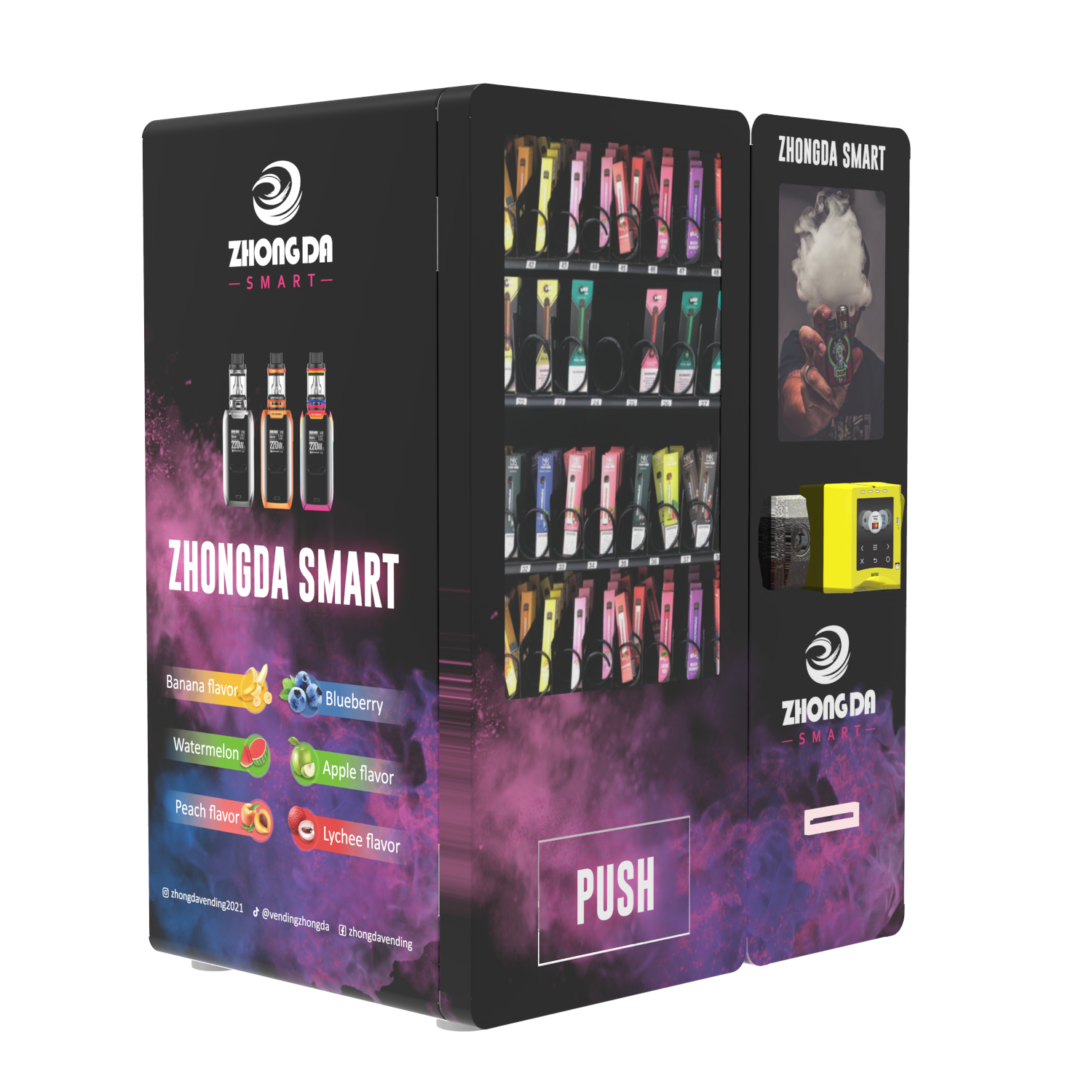
At Zhongda Smart, we’ve been building vending machines for over 15 years. Our vape-specific models include:
- Integrated ID scanners with UV and barcode validation
- Tamper-proof data storage with automatic purging
- Dual payment systems (cash and card)
- Remote monitoring software for inventory and compliance reporting
We also offer custom configurations for specific state requirements. If you’re operating in a state that requires a specific type of tax stamp reader, we can integrate it into the machine before shipping.
Comparison Table: Popular Vape Vending Machine Models
Here’s a side-by-side comparison of three common configurations to help you decide which fits your operation.
| Feature | Wall-Mounted Compact | ID Scan Unit | High-Capacity Free-Standing |
|---|---|---|---|
| Capacity (units) | 80–120 | 120–200 | 200–400 |
| ID Scanner | Basic barcode | Full UV + barcode | Full UV + biometric option |
| Payment Options | Card only | Card + cash | Card + cash + mobile wallet |
| Footprint (sq ft) | 2.5 | 4.0 | 6.5 |
| Average Price | $3,500 | $5,200 | $7,800 |
| Best For | Small retail, hotel rooms | Bars, lounges | Casinos, airports, large venues |
For most operators starting out, the ID scan unit offers the best balance of cost and compliance features. You can see the full specifications on our vape vending machines page.
Long-Term Strategy: Scaling Without Breaking Compliance
Once you have one machine running profitably, the temptation is to scale fast. But scaling too quickly without a compliance system in place leads to problems. I recommend a phased approach:
- Phase 1 (Months 1–3): Operate one machine in a high-traffic location. Document every compliance step. Build your inventory management system.
- Phase 2 (Months 4–6): Add a second machine in a different type of location. Test your processes across two environments.
- Phase 3 (Months 7–12): Scale to 5–10 machines. Hire a part-time restocker. Use remote monitoring software to track compliance across all units.
I’ve seen operators who tried to deploy 20 machines in the first six months. They ended up with machines in locations that weren’t zoned correctly, tax stamps that didn’t match, and ID scanners that weren’t calibrated. The cost of fixing those mistakes was higher than the revenue the machines generated.
Final Checklist for Operators
Here’s a quick reference list to run through before you install any machine:
- Age verification hardware tested with state-specific ID formats
- Tax stamps applied and logged in a digital ledger
- Location agreement signed with indemnification and exclusive rights
- Zoning verification completed for the specific address
- Data privacy policy in place with automatic purging schedule
- Maintenance schedule documented and assigned to a responsible person
- Payment system tested for both cash and card transactions
- Insurance policy that covers vending machine liability
If you can check all eight items, you’re ready to deploy. If any one is missing, don’t install the machine until it’s resolved. The cost of waiting a week is nothing compared to the cost of a compliance failure.
Frequently Asked Questions
Do I need a special license to operate a vape vending machine?
Can I use a regular vending machine and add an ID scanner?
What happens if a minor uses a fake ID to buy from my machine?
How often do I need to update the age verification software?
Can I place a vape vending machine outdoors?
Sources:
Statista – E-Cigarettes Market Data
IBISWorld – Vape Vending Machine Market Size