If you are serious about entering the self-service retail space for nicotine products, the first thing you need to know is that buying a vape vending machine in the USA is not just about hardware. It is about compliance, location strategy, and long-term profitability. Over the past decade, my factory has shipped thousands of units globally, and I have seen operators succeed and fail—often for the same reasons. This guide is built from that experience, not theory. Whether you are a bar owner, a convenience store chain operator, or an investor looking for a new revenue stream, I will walk you through the real costs, the legal must-haves, and the operational tactics that actually work. No fluff, just what I have learned on the ground.
Why the Market for Self-Service Nicotine Retail Is Growing
The shift toward unattended retail has been accelerating, and the nicotine category is no exception. Consumers, especially younger adults, prefer the speed and privacy of a self-service kiosk over a counter interaction. According to a 2023 report by IBISWorld, the vending machine industry in the US has grown by 3.2% annually over the last five years, with specialized machines (like those for electronics and nicotine) outperforming traditional snack machines. This is not a trend that will reverse. The convenience factor, combined with tighter labor markets, makes automated sales an attractive alternative for business owners.
However, this growth comes with a catch. Regulations around age-restricted products are stricter than ever. A standard snack vending machine will not cut it. You need a machine that integrates age verification, ID scanning, and often remote monitoring to ensure compliance. This is where the market has segmented. The operators who understand that the vending machine is a piece of compliance equipment first, and a sales device second, are the ones who stay in business.
What Makes a Vape Vending Machine Different from a Standard One
Let me be blunt: if you try to use a standard candy or soda machine for vape products, you will run into problems within the first month. The engineering requirements are fundamentally different.
Age Verification Is Non-Negotiable
Every machine we manufacture includes a built-in ID scanner and age verification software. This is not an add-on; it is a core component. The system must read a driver’s license barcode, parse the date of birth, and cross-reference it with the current date. If the customer is under 21, the transaction stops. Some states also require a secondary verification, like a facial recognition match against the ID photo. Our age verification vending machine models are designed specifically for these requirements. Without this, you are not just risking a fine; you are risking your business license.
Product Storage and Temperature Control
Vape devices, e-liquids, and disposable units are sensitive to heat and sunlight. A machine sitting in a direct sunlight location without proper insulation will degrade product quality. We have seen operators lose entire inventories because they placed a machine near a window in a Florida store. Our machines use insulated panels and, for certain models, a cooling system to keep internal temperatures below 85°F. This is a detail most first-time buyers overlook.
Payment Systems and Cashless Integration
Cash is almost dead in this vertical. Over 95% of transactions on our machines are via credit card or mobile wallet. The machine must support NFC (Apple Pay, Google Pay) and EMV chip readers. A machine that only takes cash will fail in a high-traffic bar or lounge. We also integrate remote cashless payment systems that allow operators to adjust prices in real-time from a smartphone app.
Cost Structure: What You Are Really Paying For
When someone asks me, "How much is a vape vending machine?" the answer is rarely a single number. The cost depends on the features, the build quality, and the compliance package. I have broken down the typical cost structure based on what we see in the market.
| Component | Cost Range (USD) | Notes |
|---|---|---|
| Base machine (wall-mounted) | $2,500 – $4,000 | Compact, holds 50-80 units, ideal for small bars |
| Base machine (floor-standing) | $4,500 – $7,500 | Larger capacity, 150-300 units, for stores |
| ID scanner & age verification module | $800 – $1,500 | Integrated, not a bolt-on |
| Cooling system | $500 – $1,200 | Required for warm climates |
| Remote management software (annual) | $300 – $600 | Inventory tracking, sales data, alerts |
| Shipping & installation | $200 – $800 | Depends on location and setup |
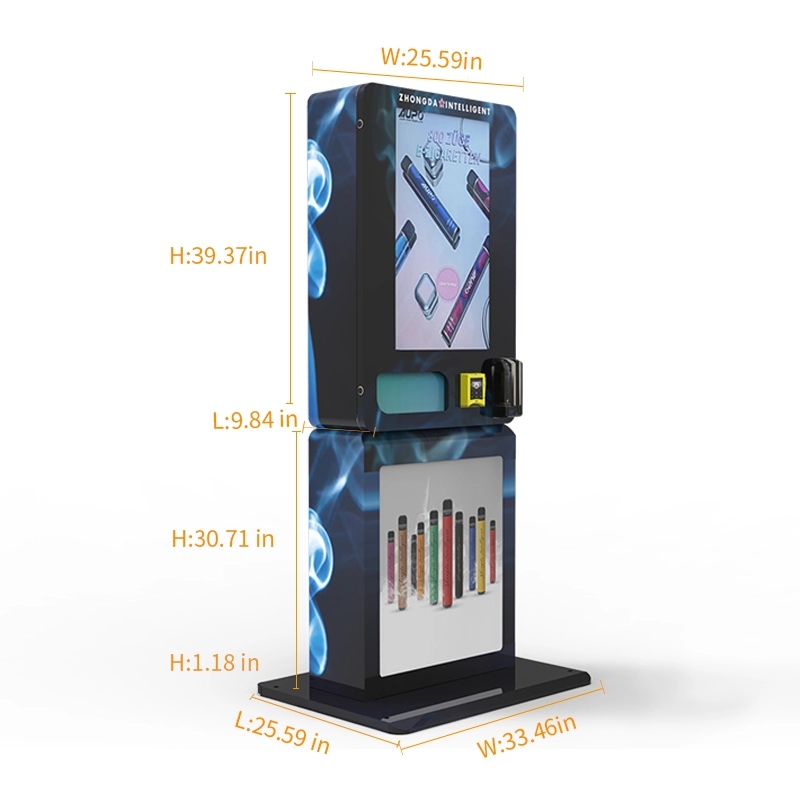
So, a fully compliant, ready-to-deploy machine ranges from about $4,000 to $11,000. The lower end is for a basic wall-mounted unit without cooling. The higher end is for a full-size unit with all the bells and whistles. A common mistake is buying a cheap machine without age verification, thinking you can add it later. You cannot. The software and hardware are usually proprietary.
Profitability: The Numbers That Matter
I have seen operators make their money back in six months, and I have seen others lose money for a year. The difference is not the machine; it is the location and the product mix.
Revenue Per Location
Based on data from our deployed machines in over 200 locations across the US, the average daily transaction volume is between 15 and 40 sales, depending on foot traffic. The average ticket price is around $12 to $18. That puts the daily gross revenue between $180 and $720. Let us use a conservative number: $300 per day.
That is $9,000 per month in gross revenue. The cost of goods sold (COGS) for vape products is typically 50% to 60%. So, your gross profit is around $3,600 to $4,500 per month. Subtract the location commission (usually 10% to 20% of gross revenue), payment processing fees (2.5% to 3.5%), and restocking labor. Your net profit per machine is often between $1,500 and $2,800 per month.
At that rate, a $7,000 machine pays for itself in 3 to 5 months. But that is only if you have the right location. A machine in a low-traffic laundromat might do $50 a day. That same machine in a busy sports bar might do $600 a day. The location is everything.
Real Example: A Bar in Texas
One of our clients, a bar owner in Austin, placed a wall-mounted compact e-cigarette vending machine near the pool tables. He saw an average of 25 sales per night on weekends. His monthly net profit after all costs was $2,100. He told me it was the best investment he made that year because it required no additional staff. The machine paid for itself in four months.
How to Choose the Right Machine for Your Business
There is no one-size-fits-all. I have seen operators buy a massive floor-standing machine for a tiny cigar shop, and they regretted it. Here is how I guide my own clients.
Match the Machine to the Space
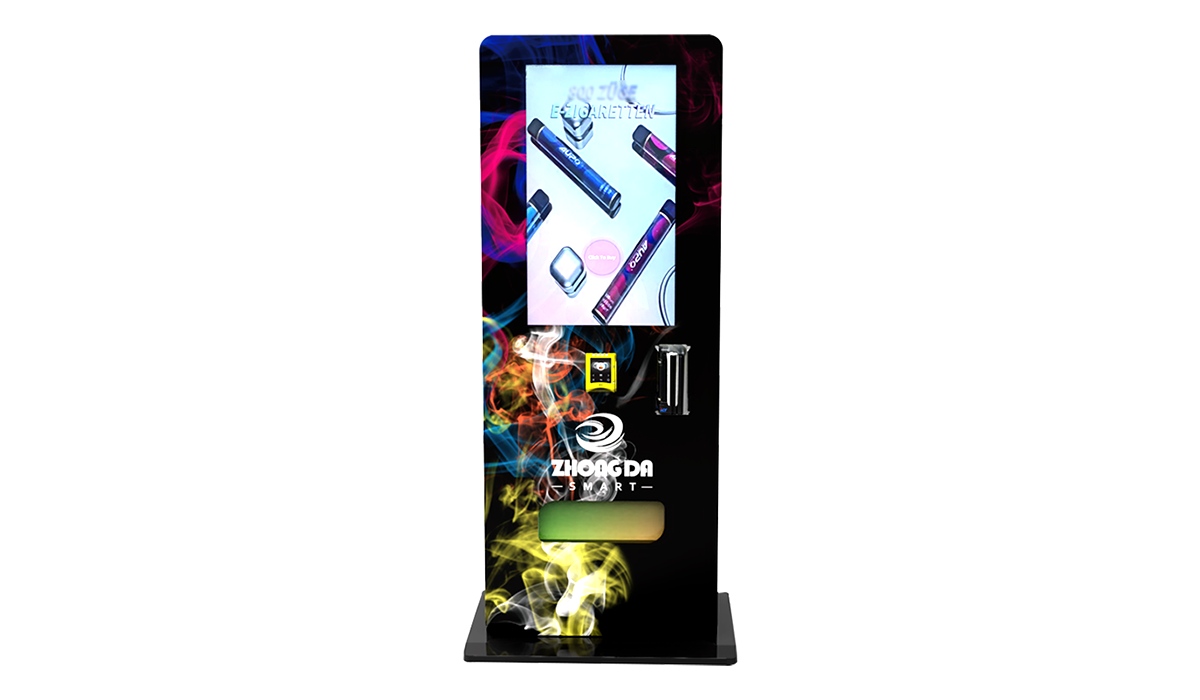
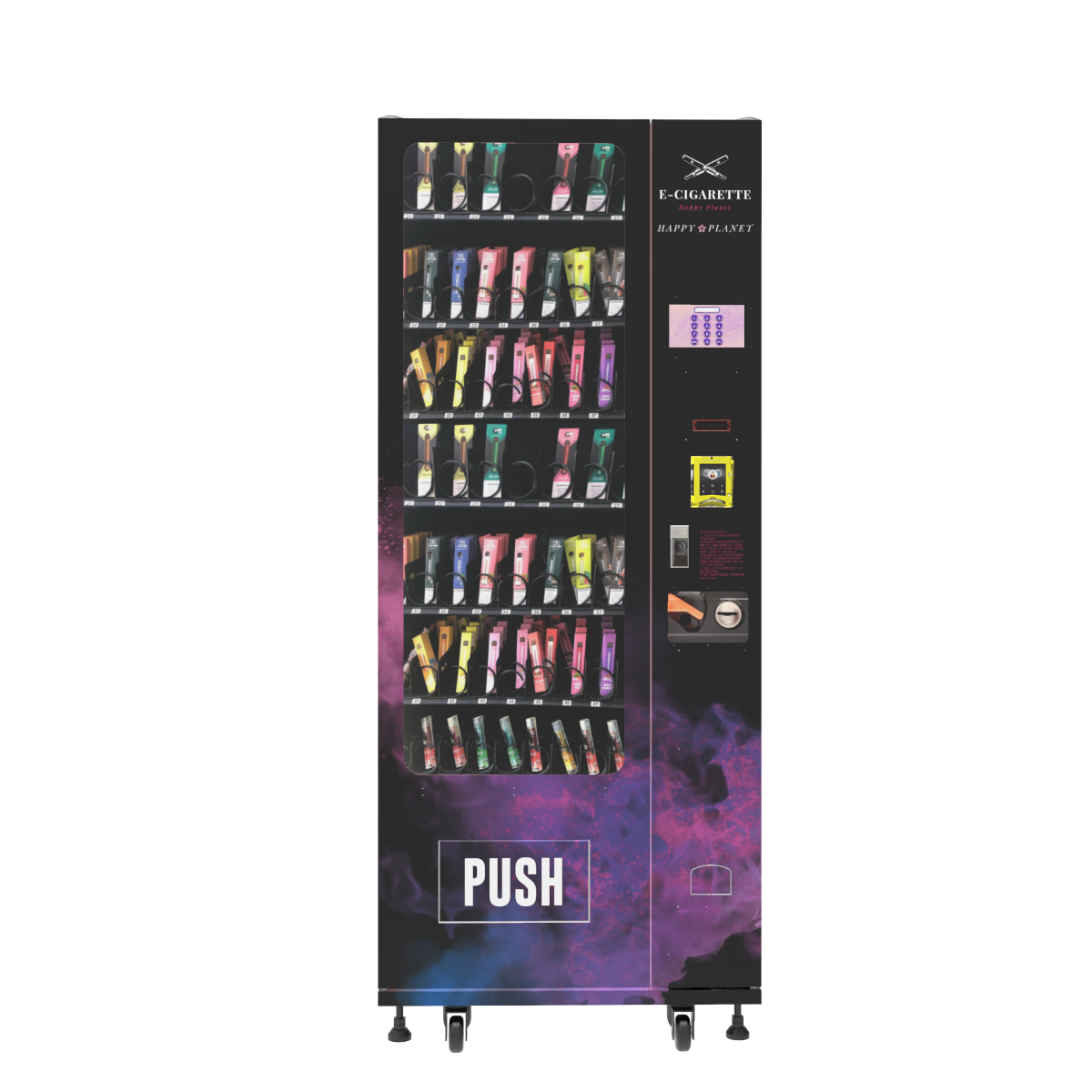
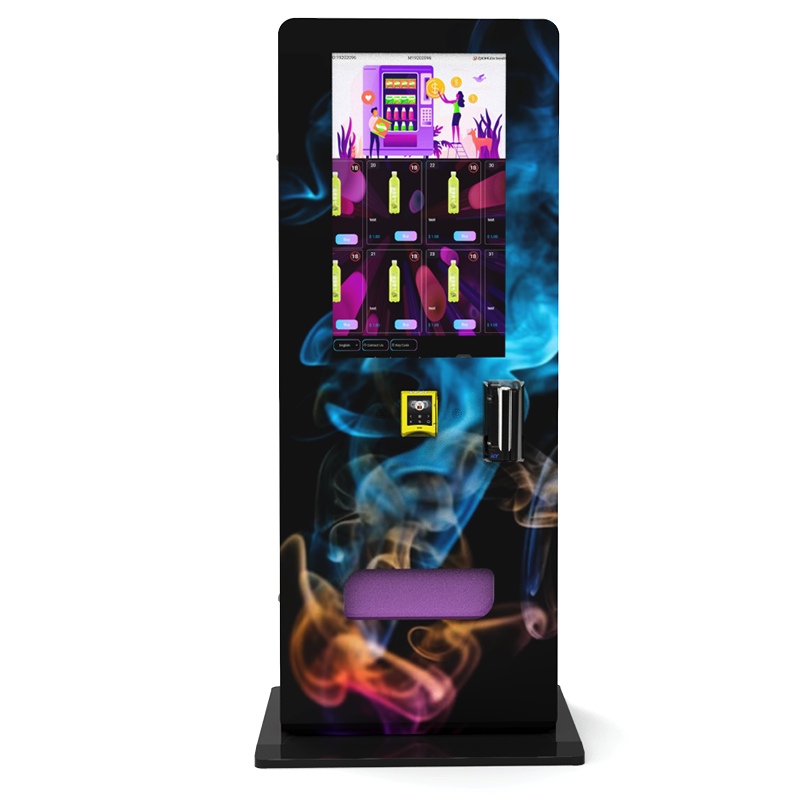
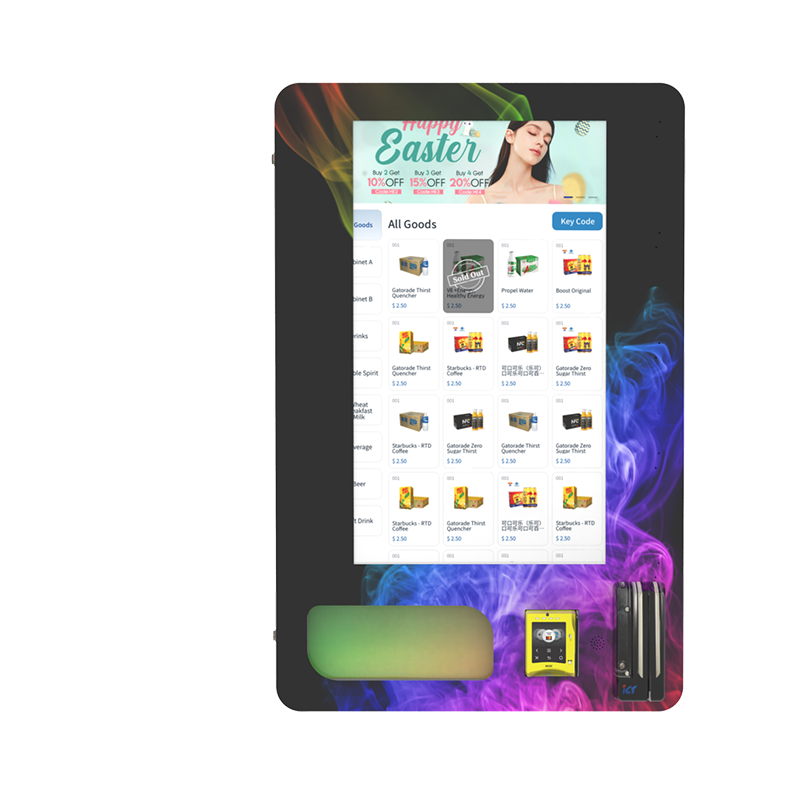
If you are placing the machine in a bar or a small retail store, a wall-mounted unit is almost always the better choice. It takes up no floor space and is less intrusive. Our wall-mounted e-cigarette vending machine is a popular choice for these settings. It holds about 60 units and has a small footprint. If you are placing it in a convenience store or a larger lounge, a floor-standing model with higher capacity is better. You do not want to restock every two days.
Check the Compliance Software
Not all age verification systems are created equal. Some only scan the barcode, which can be fooled by a fake ID with a valid barcode. Our machines use a three-step verification: barcode scan, date parsing, and a facial comparison check. This is the kind of detail that matters when a regulator walks in. You can read more about how this works on our how vape vending machines work page.
Consider Remote Management
If you plan to operate multiple machines, you need a central management system. You should be able to see inventory levels, sales data, and error alerts from your phone. Without this, you are driving to each location to check if a product is sold out. That is a waste of time and money. Every machine we sell comes with a free basic remote management package for the first year.
Risks and Failures: What I Have Seen Go Wrong
I have been in this business long enough to have a graveyard of stories about failed deployments. Here are the most common ones, so you can avoid them.
Failure 1: Ignoring Local Laws
A client in California bought a machine without checking the local county regulations. He placed it in a store in Los Angeles County, which has stricter rules than the state. The machine was seized within a week. He lost the machine and the inventory. Always check with your local health department or city clerk before deploying. We have a guide on California vape vending machine laws that covers the basics, but local ordinances can vary.
Failure 2: Poor Location Selection
Another operator bought two machines and placed them in a laundromat and a small convenience store. The laundromat had low foot traffic, and the store owner did not promote the machine. After six months, the operator had lost money on both. He moved one to a busy hookah lounge, and it started doing $400 a day. The lesson: test the location before you commit. Some operators use a temporary placement agreement for the first 90 days.
Failure 3: Underestimating Restocking Costs
Restocking sounds simple, but if your machine is 30 miles away, the cost of gas and time adds up. I recommend that a machine should generate at least $200 in daily sales to justify a restocking trip every three days. If it is doing less, you are losing money on logistics. Plan your routes carefully, or use a remote monitoring system to only go when the machine is actually low.
Long-Term Operational Strategy
This is not a set-it-and-forget-it business. The operators who succeed treat it like a mini-retail store. Here is what the best ones do.
Rotate Products Based on Sales Data
Use the data from your remote management system. If a certain flavor or brand is not selling for two weeks, swap it out. The top 20% of products usually generate 80% of the revenue. Focus on those. I have seen operators increase their revenue by 30% just by optimizing their product mix.
Build Relationships with Local Distributors
You need a reliable supply chain. Vape products have a short lifecycle, and new products come out every month. Establish a relationship with a local distributor who can deliver within 24 hours. If you are buying from a national chain, you might wait a week. That is a week of lost sales.
Maintain the Machine Regularly
A vending machine is a mechanical device. The card reader can fail, the door sensor can break, or the cooling system can clog. Schedule a maintenance check every three months. We provide a service manual with every machine, and we also offer remote diagnostics. If you are not handy, find a local technician who can do basic repairs. A machine that is down for a week can cost you over $1,000 in lost revenue.
Comparing Different Machine Types
To help you decide, here is a comparison of the two most common form factors I recommend to clients.
| Feature | Wall-Mounted Compact Unit | Floor-Standing High-Capacity Unit |
|---|---|---|
| Capacity | 50 – 80 units | 150 – 300 units |
| Footprint | Minimal (mounts on wall) | Requires floor space (2-3 sq ft) |
| Best Location | Bars, small shops, lounges | Convenience stores, large clubs |
| Price Range | $3,000 – $5,000 | $6,000 – $11,000 |
| Cooling Option | Optional (add-on) | Often integrated |
| Restocking Frequency | Every 2-3 days (high traffic) | Every 5-7 days |
| Age Verification | Built-in ID scanner | Built-in ID scanner + facial check |
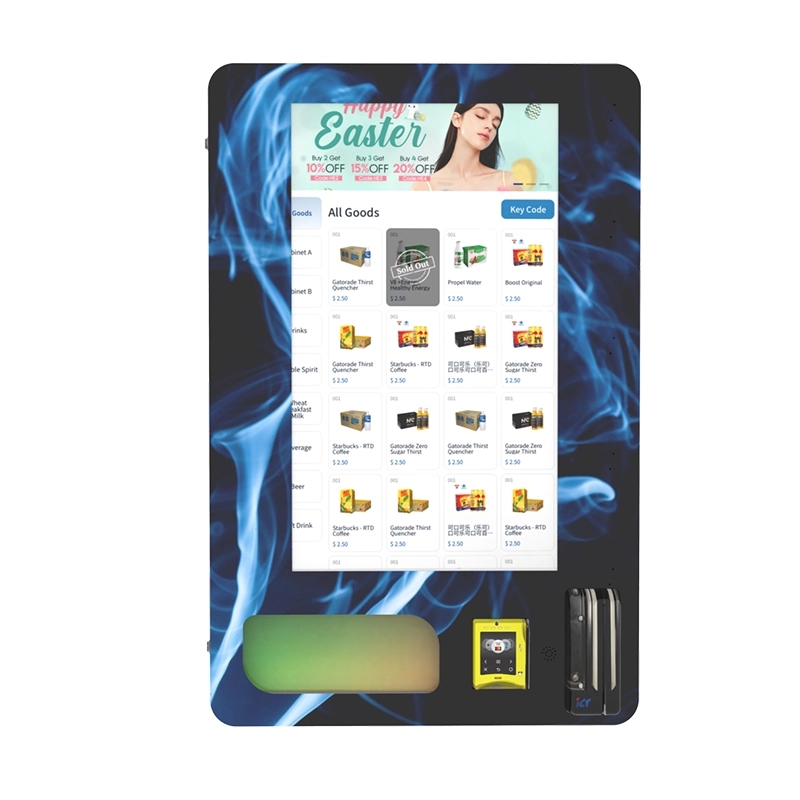
For most first-time buyers, I recommend starting with a wall-mounted unit. It is a lower risk investment, and you can test multiple locations with the same budget. Once you find a high-performing spot, you can upgrade to a larger unit.
Why Working with a Manufacturer Matters
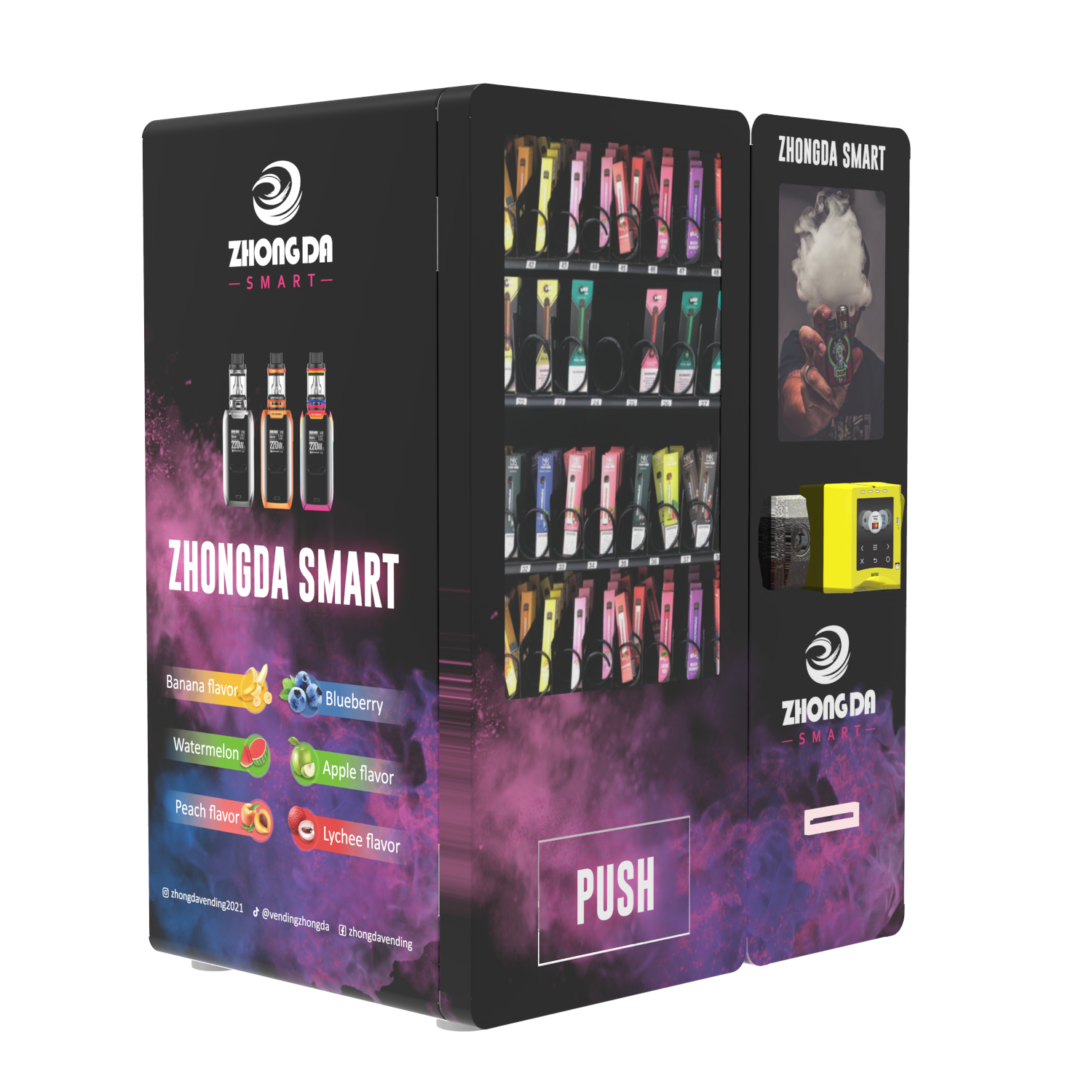
There are many resellers and distributors out there, but they do not have the same level of control over quality and compliance. When you buy directly from a manufacturer like Zhongda Smart, you get a machine that is built to your specific requirements. We have been manufacturing vending machines for over 15 years, and we understand the nuances of the US market. Our machines are UL-certified, and we provide firmware updates for compliance changes. You can explore our full range of vape vending machines to see the options. We also offer custom branding and software integration for larger chains.
Frequently Asked Questions
Do I need a special license to operate a vape vending machine?
Can I use a regular vending machine for vapes?
How long does it take to install and set up the machine?
What happens if the age verification system fails?
Can I sell products other than vapes in the machine?
Sources:
- IBISWorld – Vending Machine Industry Report (2023). View Report
- Statista – Vending Machine Market in the US (2024). View Data
- FDA – Compliance and Enforcement for Tobacco Products. Read More
- National Automatic Merchandising Association (NAMA) – Industry Standards. Visit NAMA