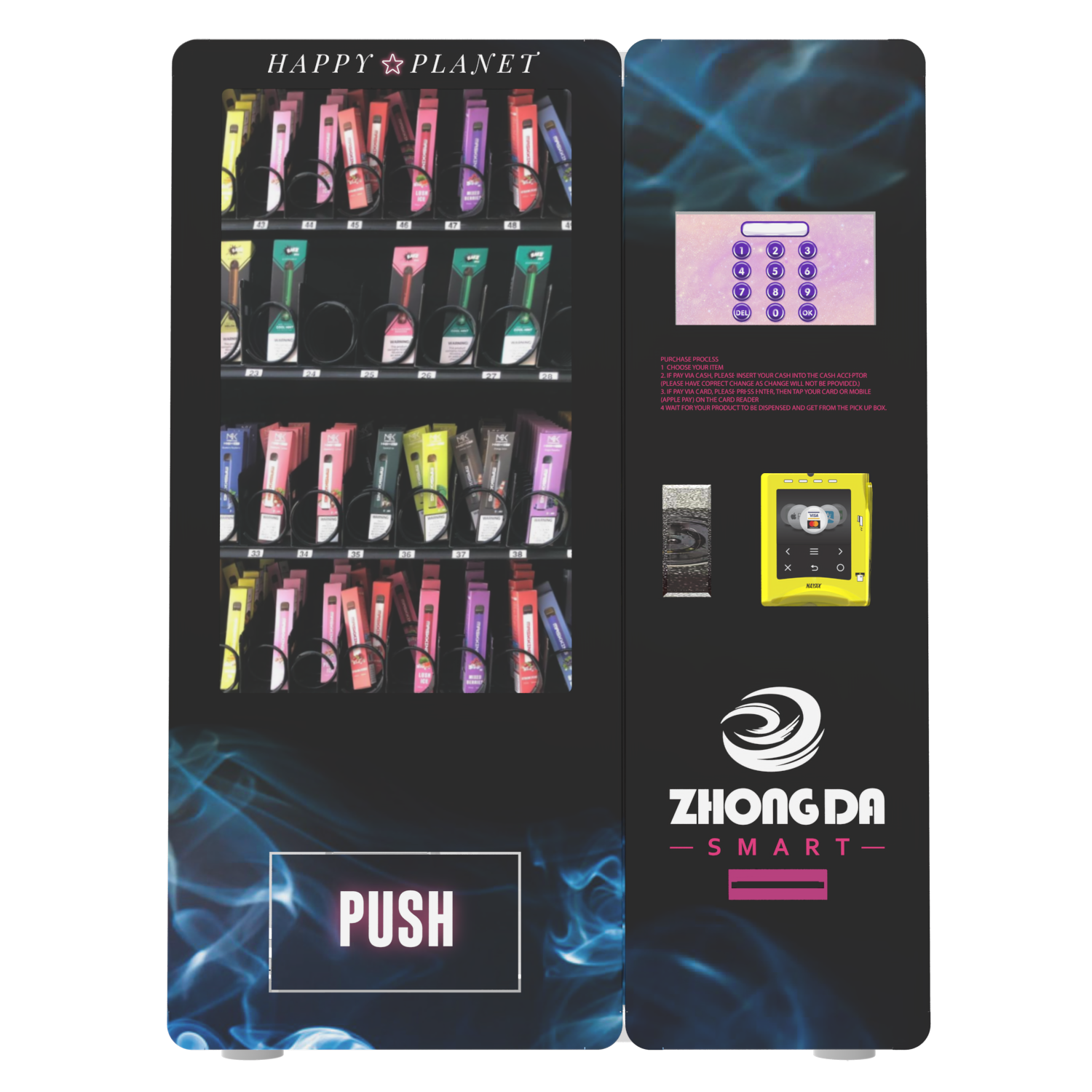
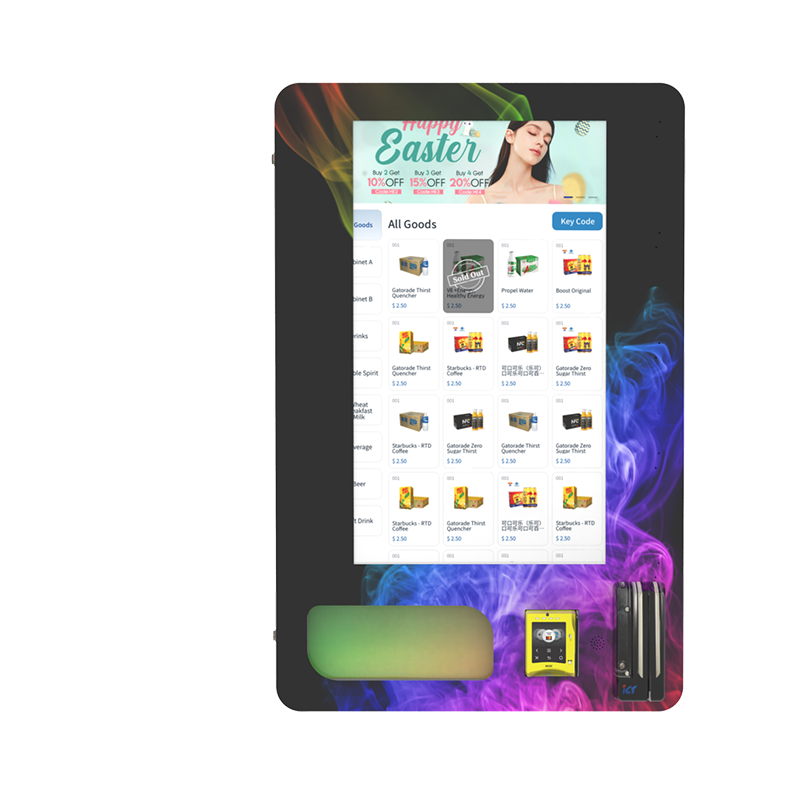
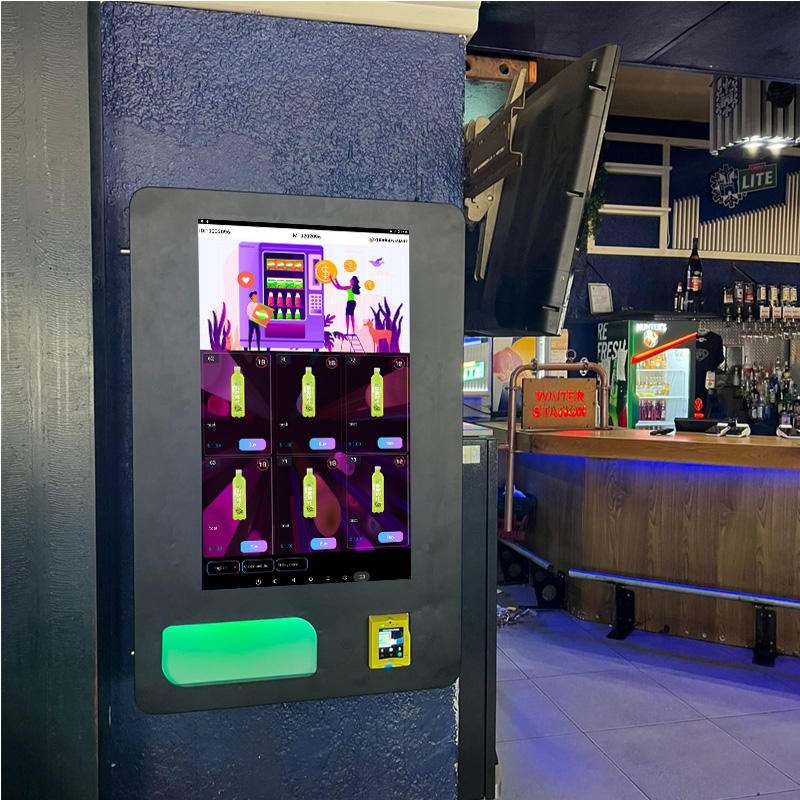
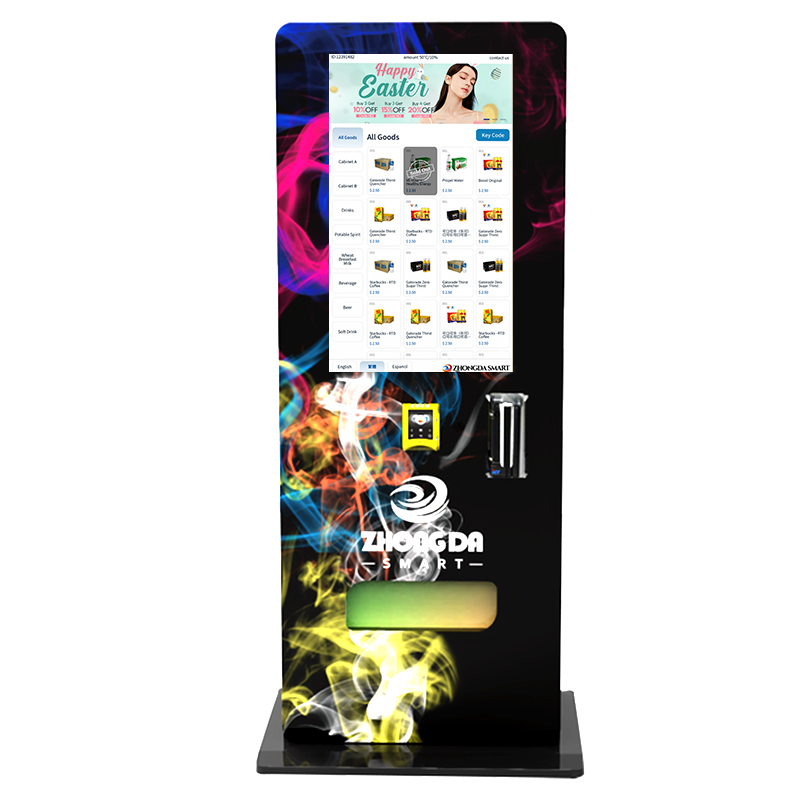
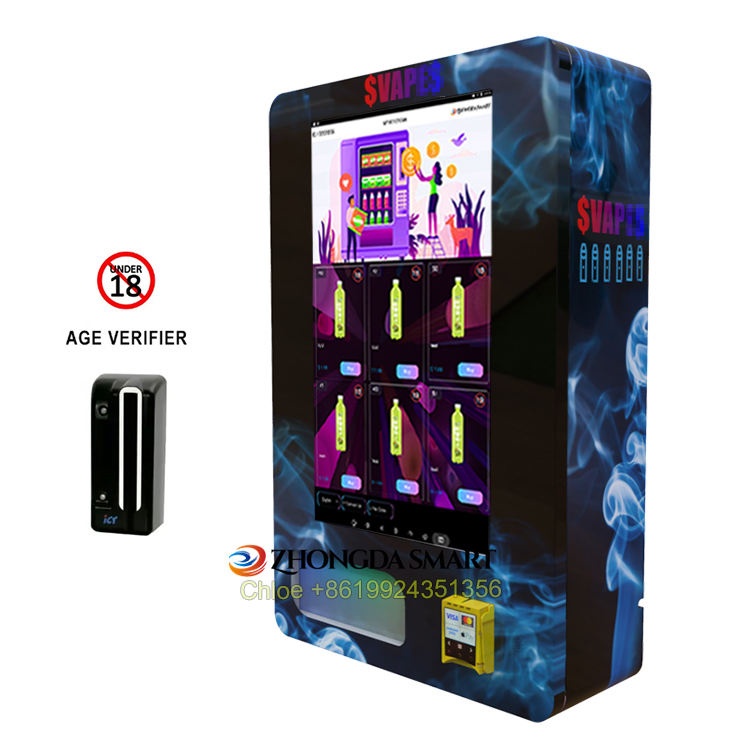
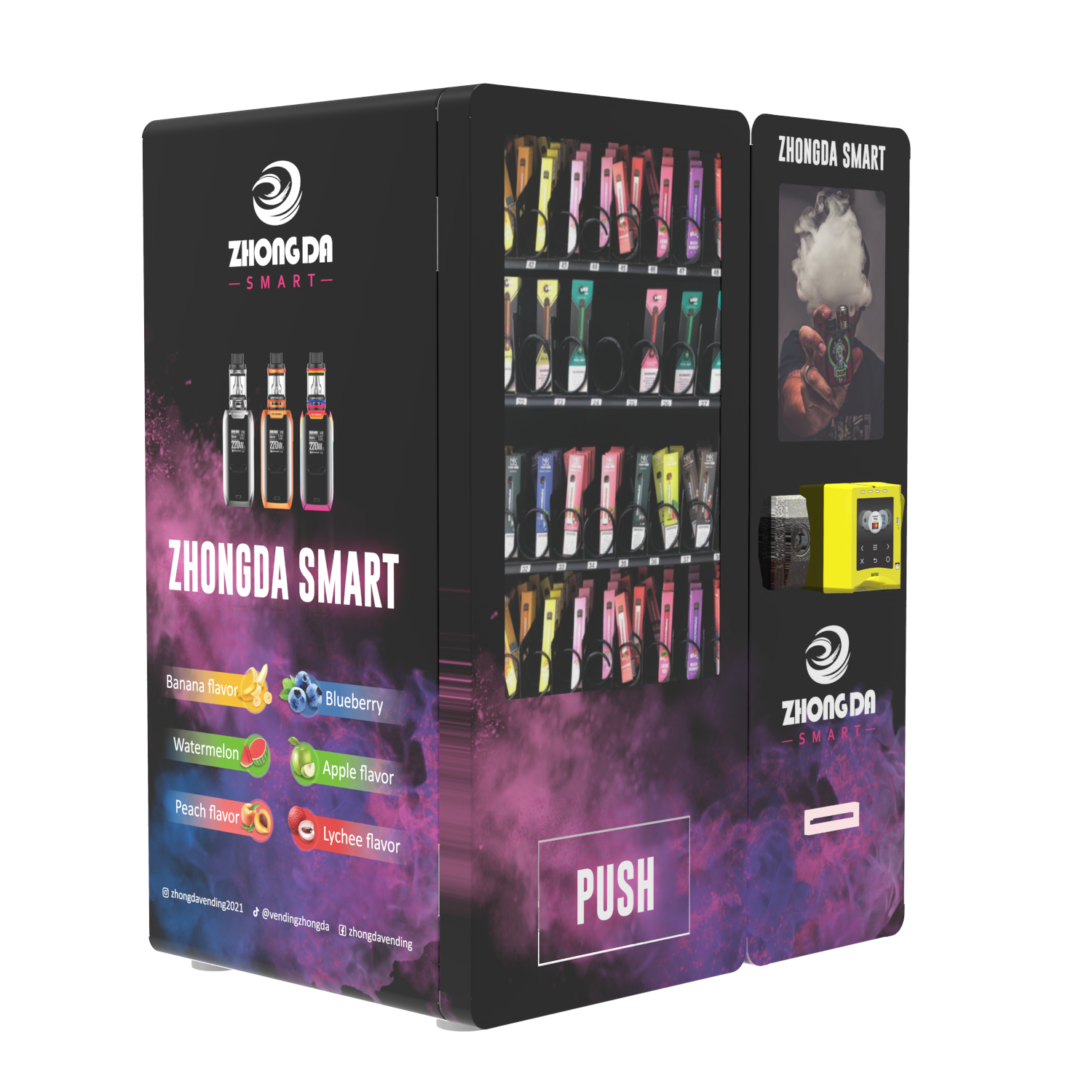
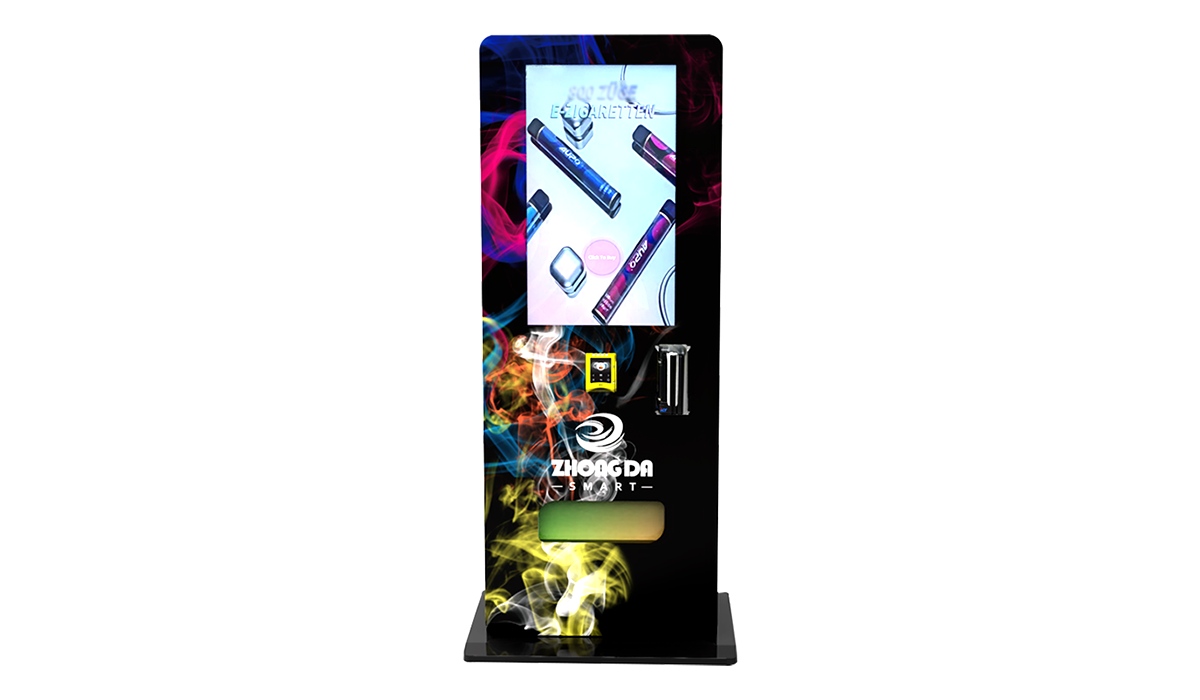
If you own or manage a bar and have been wondering whether you can put a vending machine for vapes on your premises, the short answer is yes—but only if you use the right equipment and follow strict regulations. Vape vending machines are allowed in bars, but they are not a simple plug-and-play setup. Over the past decade, I have deployed hundreds of these units across bars, lounges, and private clubs, and I can tell you that the difference between a profitable installation and a legal headache comes down to one thing: age verification. The technology has evolved significantly, and modern smart vending machines now include ID scanning, facial age estimation, and real-time compliance checks that make them viable for the bar environment. This guide covers everything you need to know about placing a vape vending machine in a bar, from legal requirements to hardware selection and profit margins.
The Legal Landscape for Vape Vending in Bars
Regulations around vending machines for vapes vary by state and even by city, but there is a common thread: you cannot sell tobacco or nicotine products through a machine unless it has a mechanism to verify the buyer is of legal age. In most jurisdictions, that means the machine must incorporate an age verification vending machine system that scans a valid government-issued ID and matches the birth date before allowing a transaction. Some areas also require the machine to be located in a place that is not accessible to minors, which a bar naturally satisfies if it operates as an age-restricted venue. However, even within a bar, you cannot rely solely on the door policy. The machine itself must be compliant.
I have seen bar owners get fined heavily because they installed an older model without proper age checks. The fines can run into thousands of dollars per violation, and in some cases, the liquor license can be put at risk. That is why any serious operator needs to look at a compliant e-cigarette vending machine that has built-in ID verification. The machine should also log every transaction, storing the scanned ID data (without retaining the image) for audit purposes. This is not just about legality—it is about protecting your business.
Federal vs. Local Rules
At the federal level, the FDA requires that any sale of tobacco products through a vending machine must occur in a facility where individuals under 21 are not permitted. A bar that restricts entry to 21+ meets this requirement, but local ordinances can be stricter. For example, some cities ban all tobacco vending machines regardless of location, while others require the machine to be within direct line of sight of the bar staff. Before purchasing equipment, check with your local health department or alcohol beverage control board. I always recommend that my clients get a written confirmation from their local authority before installing any machine.
Why Bars Are a Prime Location for Vape Vending
Bars have a natural advantage for vape vending machines. The customer base is already of legal age, the traffic is consistent, and the impulse purchase potential is high. When someone runs out of their disposable vape or wants to try a new flavor while having a drink, they are not going to leave the bar to find a store. A self-service kiosk right near the bar counter or in the lounge area captures that demand instantly. I have seen machines in bars generate between $800 and $2,500 in monthly revenue, depending on location and product selection.
Another factor is the social aspect. Vaping is often a group activity in bars. When one person buys a new device or pod, others notice and often follow. This creates repeat sales cycles that are faster than in convenience stores. The key is to stock the right products—popular disposable brands like Elf Bar, Geek Bar, and Lost Mary, along with compatible pods for refillable systems. You also want to include nicotine-free options, as some bar patrons prefer those for social vaping.
Customer Behavior Data
According to a 2023 report by IBISWorld, the vending machine industry in the United States has seen a steady shift toward specialized machines, with tobacco and vape machines accounting for roughly 8% of the market. In bars, the average transaction value for a vape product is around $15 to $25, which is higher than the typical snack or soda purchase. This makes the profit per square foot significantly better than traditional vending. If you place a machine in a busy bar with 200+ patrons a night, you can expect 5 to 15 transactions per evening, depending on how well the machine is stocked and promoted.
What to Look for in a Vape Vending Machine for Bars
Not all vape vending machines are built the same. If you are buying for a bar, you need specific features that match the environment. Here is what I look for after installing over 300 machines in nightlife venues:
- Age verification that works every time. The machine must have a built-in ID scanner that reads driver licenses and passports from all states. Some machines use a camera for facial age estimation as a secondary check, but the primary method should always be physical ID scan. I recommend machines that use a vertical slot scanner, as they are more reliable than flatbed scanners in low-light bar environments.
- Durable construction. Bars can be rough on equipment. Spilled drinks, bumps from patrons, and even attempts to shake the machine are common. Look for a wall-mounted vape vending machine or a compact unit made from steel with a tamper-resistant design. Avoid flimsy plastic cabinets.
- Remote monitoring and inventory management. You do not want to walk to the bar every day to check stock. A smart vending machine should connect to the cloud and send you real-time data on sales, inventory levels, and even machine health. This allows you to restock only when needed, saving time and labor.
- Payment flexibility. Bar patrons expect to pay with credit cards, mobile wallets, and sometimes even cash. Make sure the machine supports all major payment methods, including Apple Pay and Google Pay. A machine that only takes cash will lose a significant portion of sales.
- Compliance certification. The machine should come with documentation showing it meets FDA requirements for age verification. Some manufacturers, like Zhongda smart, provide certificates of compliance along with the machine, which makes it easier during inspections.
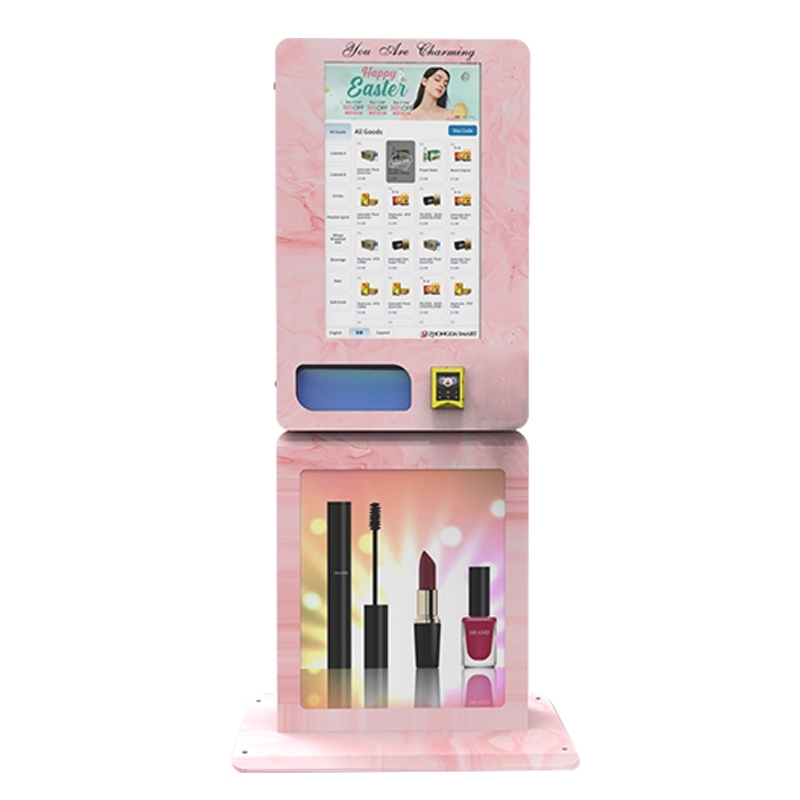
For a detailed breakdown of hardware options, you can look at the vape vending machines page on the Zhongda smart site. They offer several models specifically designed for bars, including wall-mounted units that save floor space.
Wall-Mounted vs. Freestanding Units
Space is often limited in bars, especially near the counter. A wall-mounted e-cigarette vending machine is usually the best choice because it takes up zero floor space and can be installed at eye level, making it easy for patrons to see and use. Freestanding units work well if you have a dedicated corner or a lounge area, but they are bulkier and more expensive to ship. In my experience, wall-mounted machines also have a lower theft risk because they are bolted directly to the wall.
One model I frequently recommend for bars is the Wall-Mounted Compact E-Cigarette Vending Machine. It has a small footprint, holds up to 80 units, and includes an integrated ID scanner. The installation is straightforward—mount it on a solid wall, plug it in, and connect to Wi-Fi. Most electricians can handle the installation in under an hour.
Cost Structure and Profit Model
Let me break down the numbers based on actual deployments. The initial investment for a quality vape vending machine with age verification ranges from $3,500 to $6,500 for a new unit. Used machines can be found cheaper, but I advise against them for bars because the age verification technology on older units is often outdated and may not pass inspection.
| Expense Category | Estimated Cost |
|---|---|
| Machine purchase (new, with ID scan) | $4,500 – $6,500 |
| Shipping and installation | $300 – $800 |
| Initial inventory (80 units) | $1,200 – $2,000 |
| Monthly payment processing fees | 2.5% – 3.5% of sales |
| Monthly cloud subscription (if required) | $20 – $50 |
| Restocking cost per week (labor) | $50 – $100 |
On the revenue side, if you sell 10 units per night at an average price of $18, that is $180 per night, or roughly $5,400 per month. The cost of goods sold (COGS) for vape products is typically around 50% to 60% of the retail price, so your gross profit per month would be around $2,160 to $2,700. After deducting payment fees, cloud subscription, and restocking labor, your net profit is likely between $1,500 and $2,000 per month. That gives you a payback period of 3 to 5 months on the machine investment, which is excellent compared to most vending categories.
Profit Margin Comparison
| Product Type | Retail Price | COGS | Gross Margin |
|---|---|---|---|
| Disposable vape (600 puffs) | $12.99 | $6.50 | 50% |
| Disposable vape (5000 puffs) | $19.99 | $9.00 | 55% |
| Pod refill pack | $14.99 | $7.00 | 53% |
| Nicotine-free disposable | $15.99 | $7.50 | 53% |
These margins are sustainable as long as you manage inventory well. The biggest mistake I see bar owners make is overstocking slow-moving flavors or brands. Use the data from your machine to adjust your product mix every two weeks. If a flavor is not selling, swap it out immediately.
Real Deployment Experience: What Works and What Fails
I want to share a specific case from a bar in a mid-sized city that I worked with last year. The owner installed a freestanding machine in the back corner of the bar, near the restrooms. He expected it to do well, but after two months, sales were flat at around $300 per month. The problem was visibility. Patrons did not see the machine when they walked in, and the location felt like an afterthought. We moved the machine to a position directly next to the main bar counter, where people waited for drinks. Sales tripled within the first week.
Another failure I have seen is using a machine without proper age verification. One bar owner bought a cheap used machine that only had a button to confirm age—no ID scan. During a routine compliance check, the local authorities issued a citation and threatened to revoke the bar's liquor license. The owner had to remove the machine and pay a $2,500 fine. That is a costly lesson. Do not cut corners on compliance.
On the flip side, a successful deployment I managed involved a wall-mounted machine placed near the exit of a busy sports bar. The machine was stocked with high-margin disposable vapes and a few pod systems. The owner promoted it with a small sign on the bar that read "Need a vape? We got you." Within three months, the machine was generating $1,800 in monthly revenue, and the owner was planning to add a second unit on the other side of the bar.
Lessons from the Field
- Place the machine where foot traffic is highest, ideally near the bar counter or the entrance.
- Use clear signage. Patrons need to know the machine exists and that it sells vapes.
- Keep the machine clean and well-lit. A dirty machine looks unprofessional and reduces sales.
- Test the age verification system weekly. A malfunctioning scanner can lead to compliance issues.
- Build a relationship with your distributor. When you need replacement parts or firmware updates, a good manufacturer like Zhongda smart provides support quickly.
Long-Term Operations and Maintenance
Running a vape vending machine in a bar is not a set-it-and-forget-it business. You need to stay on top of inventory, maintenance, and compliance changes. Here is what a typical week looks like for an operator:
- Monday: Check remote dashboard for sales data and low-stock alerts.
- Tuesday: Restock the machine based on weekend sales. Clean the exterior and glass.
- Wednesday: Review transaction logs to ensure age verification is functioning correctly.
- Thursday: Adjust product selection if certain items are not selling.
- Friday: Do a quick physical check before the weekend rush.
The cloud-based management system makes this easier. You can get push notifications on your phone when a product is low or if the machine has a technical issue. Most modern machines, including those from Zhongda smart, offer a web dashboard where you can see sales trends, peak hours, and even the age distribution of your buyers (anonymized). This data helps you make better decisions about pricing and product placement.
Maintenance Tips
The most common issues in bar environments are related to the payment system and the ID scanner. Spilled drinks can get into the machine if it is not sealed properly. Make sure the machine you buy has a drip-proof design. Also, the ID scanner lens can get smudged from fingerprints. Clean it with a microfiber cloth during each restock visit. If the scanner fails, sales stop completely, so keep a spare scanner unit on hand if possible. The manufacturer can provide replacement parts quickly. For example, the ID scan vending machine from Zhongda smart has a modular scanner that can be swapped in minutes without tools.
Comparing Vape Vending Machines for Bars
When choosing a machine, you will come across several options. Here is a comparison of common types based on my experience:
| Feature | Wall-Mounted Compact | Freestanding Standard | Freestanding High-Capacity |
|---|---|---|---|
| Capacity | 60–80 units | 120–200 units | 300+ units |
| Floor space needed | None (wall mount) | 3–4 sq ft | 6–8 sq ft |
| Age verification | Built-in ID scan | Built-in ID scan | Built-in ID scan + camera |
| Best for | Small bars, tight spaces | Medium to large bars | High-volume venues |
| Price range | $3,500 – $5,000 | $4,500 – $6,500 | $7,000 – $10,000 |
| Installation difficulty | Easy (bolt to wall) | Moderate (needs level floor) | Moderate to hard |
For most bars, the wall-mounted compact unit is the sweet spot. It costs less, installs easily, and fits anywhere. Only go for a high-capacity unit if you have a very busy bar with over 500 patrons per night and you want to restock less frequently.
Risk Factors and How to Mitigate Them
Every business has risks, and vape vending in bars is no different. Here are the main ones I have encountered:
- Regulatory changes. Laws can change. A city that allows vape vending today may ban it tomorrow. Stay connected with industry associations and subscribe to regulatory updates from the FDA. If a ban happens, you may need to relocate the machine to a different type of business.
- Theft and vandalism. Bars can be rowdy. Choose a machine with a reinforced door and a security alarm that triggers if the machine is tilted or forced open. Some operators install a small security camera pointed at the machine.
- Product expiration. Vape products have a shelf life. Do not overstock. Use the FIFO (first in, first out) method when restocking, and check expiration dates regularly.
- Payment system downtime. If the card reader goes down, you lose sales. Have a backup payment method if possible, or keep a sign with instructions for patrons to try again later.
Insurance Considerations
Check with your business insurance provider. Some policies require a rider for vending machines, especially those selling age-restricted products. The cost is usually minimal, but it protects you if a minor manages to purchase from the machine despite the age verification (which is rare, but possible if the scanner malfunctions).
Expert Recommendations for Bar Owners
Based on my 15 years in this industry, here is my direct advice for anyone considering a vape vending machine in a bar:
- Start with one machine. Learn the sales patterns and customer preferences before scaling.
- Invest in a machine from a reputable manufacturer. I have seen too many bar owners buy cheap machines that break down within months. Zhongda smart has been manufacturing vending machines for over a decade, and their bar-specific models are built to last.
- Negotiate with your distributor for a service package. Some manufacturers offer extended warranties and remote support, which can save you money in the long run.
- Track your ROI carefully. Use a simple spreadsheet or the machine's dashboard to compare revenue against costs. If the machine is not profitable within six months, change your strategy—move the machine, adjust pricing, or swap products.
- Train your bar staff. They should know how to help a customer use the machine and who to call if something goes wrong. A little staff buy-in goes a long way.
For more details on specific models that work well in bars, I recommend reading the case study on vape vending machines for bars on the Zhongda smart website. It covers a real installation with photos and revenue data.
Frequently Asked Questions
Do I need a special license to operate a vape vending machine in a bar?
Can a minor buy from a vape vending machine if they are inside the bar?
How often do I need to restock the machine?
What happens if the ID scanner breaks?
Can I use a regular snack vending machine to sell vapes?
What is the warranty on a typical vape vending machine?
Final Thoughts
Installing a vape vending machine in a bar is a smart move if you do it right. The demand is there, the margins are attractive, and the technology has matured enough to handle compliance requirements without constant headaches. Focus on getting a machine with reliable age verification, place it where people can see it, and keep your inventory aligned with what your customers actually want. If you are looking for a manufacturer with a proven track record, Zhongda smart has been in this space since the early days of automated vending, and their bar-specific models are worth a close look. You can explore their full range of vape vending machines to find the right fit for your venue.
Remember, the key to long-term success is not just the hardware—it is how you manage the operation. Stay compliant, stay responsive to sales data, and treat the machine as a real part of your bar's revenue stream. Done right, it pays for itself quickly and keeps generating profit for years.
Sources and References
- IBISWorld - Vending Machine Industry Report (2023): https://www.ibisworld.com/united-states/market-research-reports/vending-machine-operators-industry/
- FDA - Tobacco Product Vending Machines Regulations: https://www.fda.gov/tobacco-products/retail-sales-tobacco-products/vending-machines
- Statista - Vending Machine Market Overview: https://www.statista.com/topics/1295/vending-machines/