After a decade of placing vape vending machines in smoke shops across the US market, I can tell you the real story isn’t just about selling hardware. It’s about navigating a minefield of state-level compliance while trying to keep a 40% margin intact. If you own a smoke shop and are looking at a vending machine as a way to cut labor costs or drive late-night sales, the equipment you choose—and how you set up your age verification—will make or break your business. I’ve seen owners double their disposable vape revenue in the first quarter, and I’ve seen others get slapped with fines that wiped out six months of profit. This guide covers what actually works on the ground, from machine mechanics to the specific compliance traps that catch most operators off guard.
Why Smoke Shops Are Turning to Self-Service Kiosks
The labor market has been brutal. Finding a clerk who knows the difference between a salt nic pod and a freebase tank, and who won’t sell to a minor, is getting harder every year. A smart vending machine doesn’t call in sick, doesn’t argue about shifts, and handles the age check automatically. For a smoke shop, the math is simple: you replace a part-time shift or extend your sales window without adding payroll.
But the real driver isn’t just labor savings. It’s the impulse buy. When a customer walks in for rolling papers and sees a lit display of the latest Elf Bar or Geek Bar flavors behind glass, the transaction happens faster. There’s no waiting for a clerk to finish ringing up the customer ahead of them. The self-service kiosk becomes a second point of sale that runs parallel to your counter.
From my experience installing units in independent shops across the country, the average ticket size on a vending machine is actually higher than at the counter. People tend to buy two or three devices at once from a machine because the selection is right in front of them. At the counter, they might just grab one and leave.
How a Vape Vending Machine Actually Works in a Shop
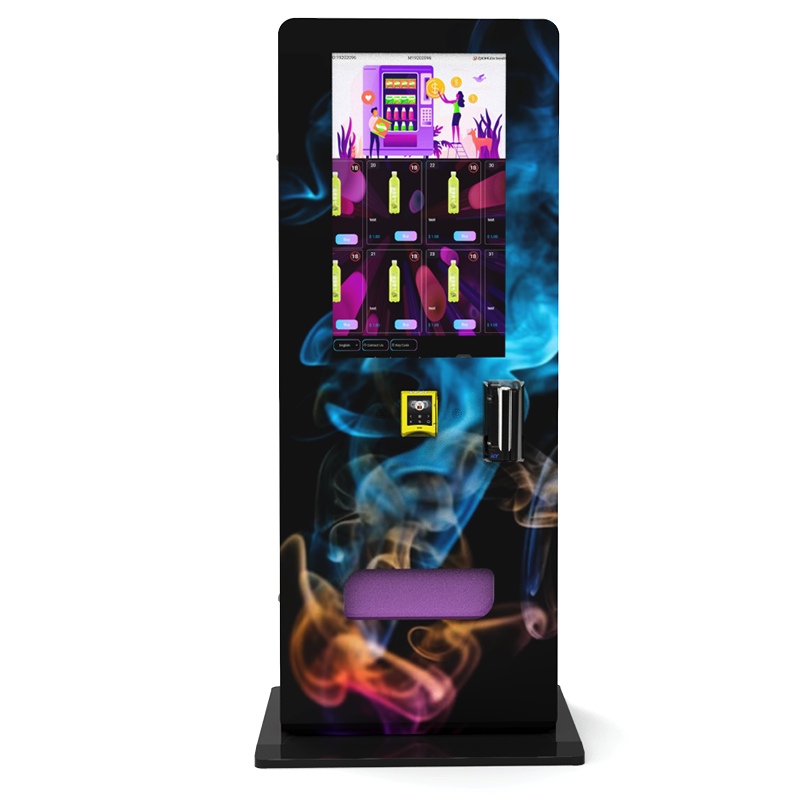
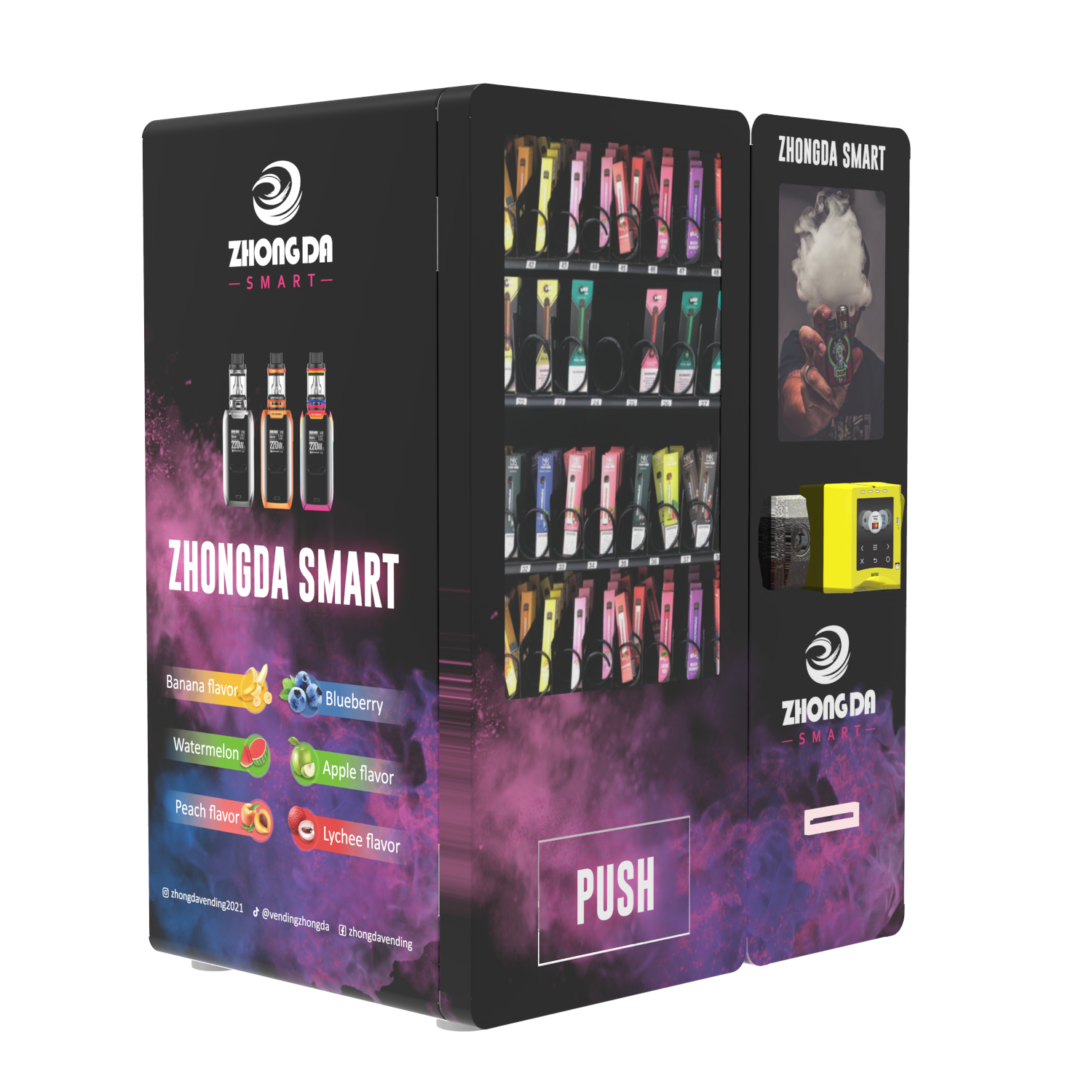
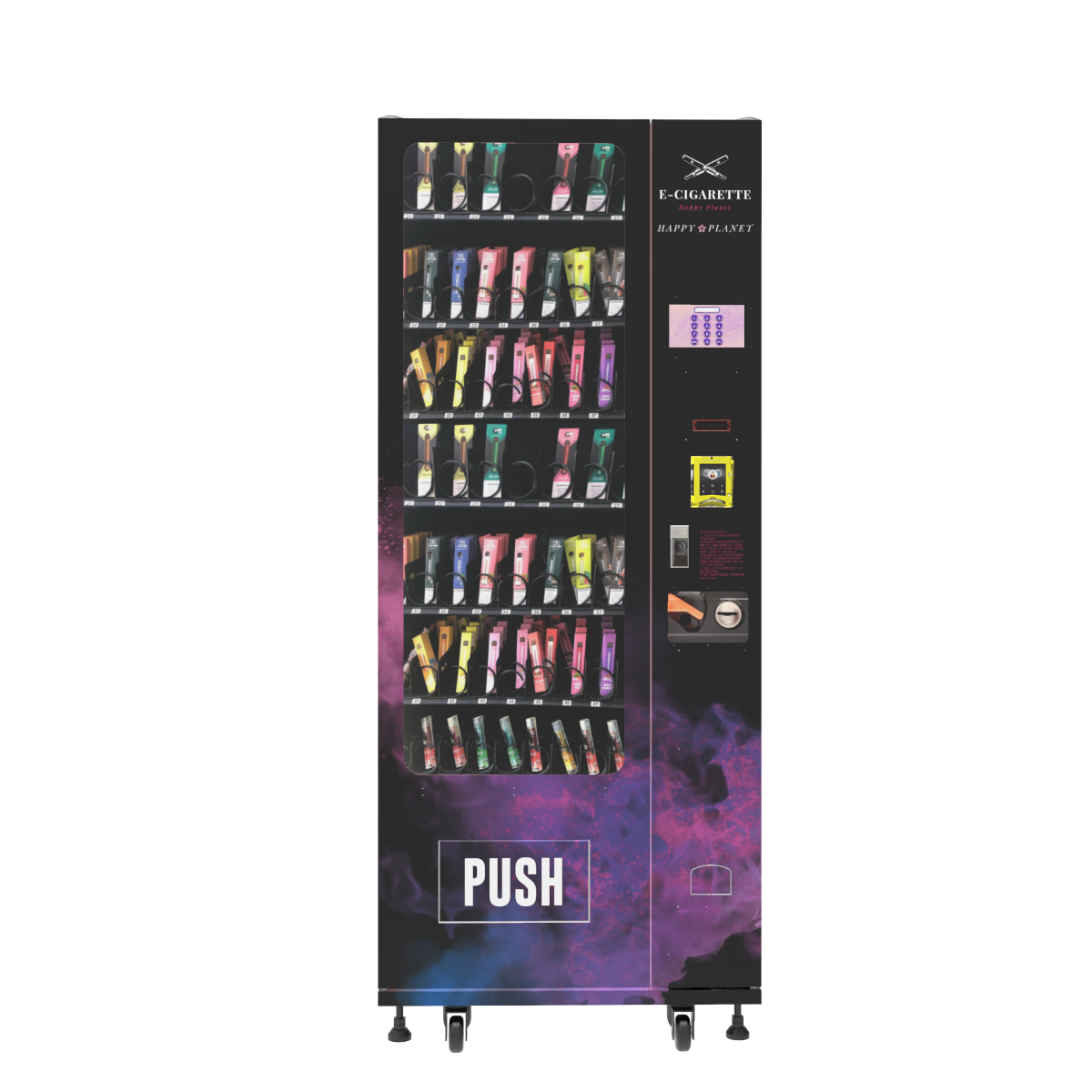
Let’s get the technical part out of the way without getting lost in jargon. A modern e-cigarette vending machine is essentially a refrigerated or temperature-controlled cabinet with motorized coils that push products forward. The critical component is the age verification system. If your machine doesn’t have a built-in ID scanner that checks against state databases or at least validates the barcode and birth date, you are running a liability, not a business.
The Core Mechanics of Age-Gated Dispensing
The machines we manufacture at Zhongda Smart use a three-step process. First, the customer scans their driver’s license or state ID. The machine reads the barcode, parses the birth date, and checks for expiration. Second, a built-in camera takes a live photo of the customer’s face. The software compares the face to the photo on the ID. If the age is over 21 and the face matches, the machine unlocks the payment system. Third, the customer pays via credit card or mobile wallet, and the machine dispenses the product.
This isn’t just a nice feature. It’s the difference between staying open and getting shut down. I’ve seen shops try to use older cigarette machines with a simple “press a button” interface and no verification. Those units are a magnet for underage buyers and regulatory attention. You need a compliant e-cigarette vending machine that creates a digital record of every single transaction—including the ID scan and the photo—so if an inspector shows up, you have proof of compliance.
Breaking Down the Real Costs and Margins
I get asked about the price of a vape vending machine almost every day. The answer depends on what you need, but let me give you a realistic range based on what we ship out of our factory.
| Machine Type | Typical Cost (USD) | Capacity (Units) | Best Use Case |
|---|---|---|---|
| Wall-Mounted Compact | $2,800 – $4,500 | 50 – 80 | Small shops, countertops |
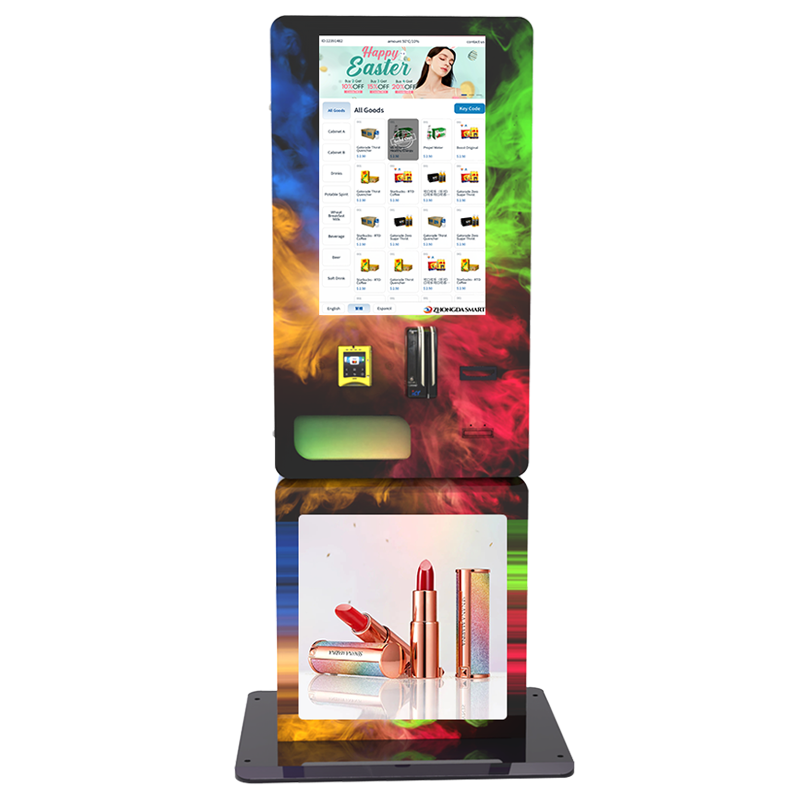
| Floor-Standing Mid-Size | $5,500 – $8,000 | 150 – 250 | Standard smoke shops |
| High-Capacity Kiosk | $9,000 – $14,000 | 300 – 500 | High-traffic locations |
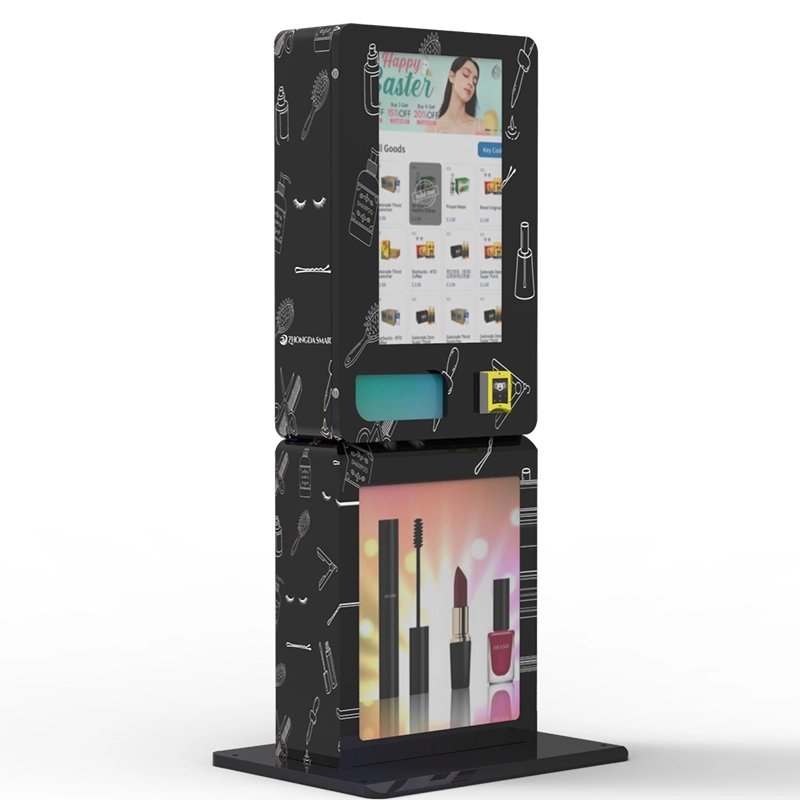
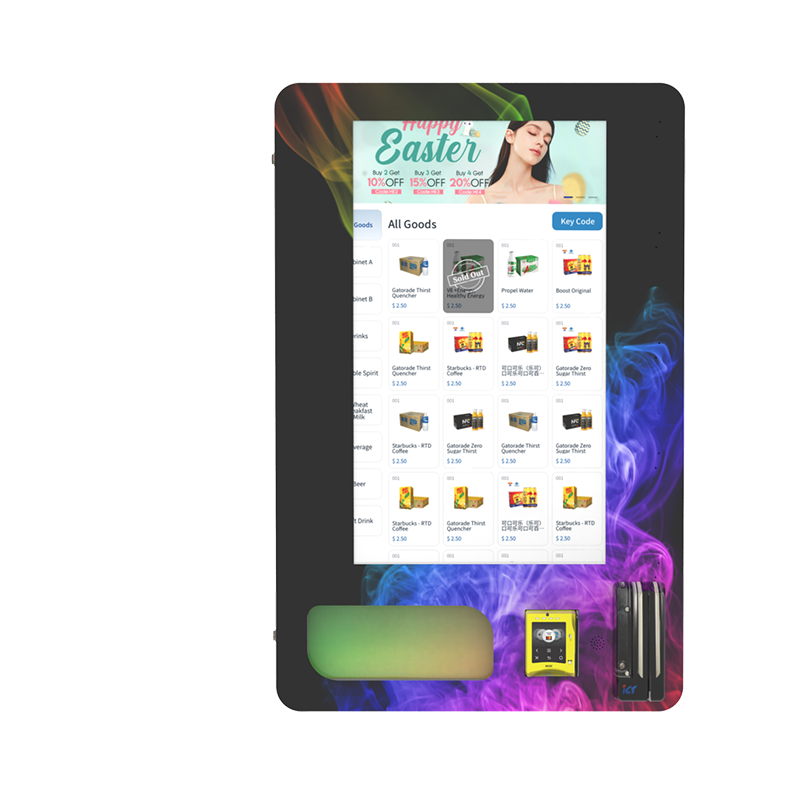
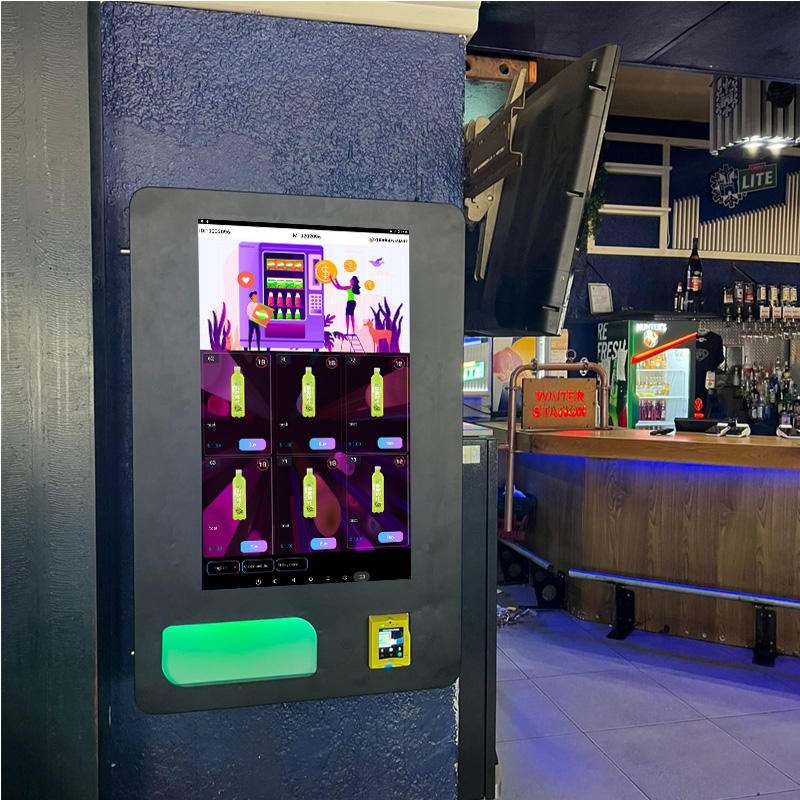
These are rough figures. A wall-mounted compact e-cigarette vending machine is perfect for a shop that doesn’t have floor space. We’ve placed dozens of those in convenience stores that only have a spare corner near the register. The floor-standing models are what most smoke shops end up buying because they offer enough variety to keep customers coming back.
Profit Modeling: What You Can Expect to Earn
Let’s run a realistic scenario. You buy a mid-size machine for $6,500. You stock it with disposable vapes that cost you $6.50 wholesale. You sell them for $14.99. That’s a gross margin of roughly 56%. If the machine sells 15 units per day, that’s about $225 in daily revenue, or $6,750 per month. Subtract the cost of goods sold ($2,925) and the payment processing fees (around 3%, or $202), and you’re left with roughly $3,623 in gross profit per month.
At that rate, the machine pays for itself in under two months. But here’s the catch: that volume assumes you’re in a decent location. If you’re in a shop with low foot traffic, you might only sell five units a day. That still gives you about $1,200 in monthly gross profit, which means a payback period of five to six months. That’s still a solid return compared to most retail investments.
According to a report from IBISWorld, the vending machine industry in the US has seen steady growth, with specialized machines like those for tobacco and vaping outperforming traditional snack machines. The data backs up what we see on the ground: the demand for nicotine products through automated channels is not slowing down.
The Compliance Risks That Keep Operators Up at Night
This is where most articles get vague, but I’m going to be direct. The biggest risk isn’t the machine breaking down. It’s the regulatory environment. The rules for vape vending machines vary wildly from state to state, and even from city to city. Some states allow them only in adult-only facilities. Others require a dedicated attendant to monitor the machine. A few still have outright bans.
I’ve personally dealt with a shop owner in a state that allowed vending machines but required the machine to be within direct line of sight of the counter. That sounds simple, but his local fire marshal had a different interpretation of the placement rules. We had to move the machine three times before it passed inspection. That cost him two weeks of lost sales.
Common Compliance Failures I See Repeatedly
- Using a machine without an ID scanner: This is the number one mistake. A manual button press is not age verification. You need a machine that scans and stores the ID data.
- Ignoring local zoning laws: Even if your state allows vape vending machines, your city might have a moratorium on new tobacco retail licenses. You need to check with your local health department.
- Failing to maintain transaction logs: If a regulator asks for your sales records and you can’t produce them, you’re looking at a fine. Our machines at Zhongda Smart automatically log every sale with a timestamp and ID scan.
- Stocking products that violate state flavor bans: Many states have restricted flavored vaping products. If your machine dispenses a flavor that’s banned, the machine itself can be seized.
One shop owner I worked with in a state with strict enforcement had his machine confiscated because he was selling a menthol variant that the state had reclassified as a flavored product. He lost the machine and the inventory. That’s a $10,000 mistake that could have been avoided with a simple compliance check.
Real Deployment Experience: What I Learned from 200 Installations
I’ve personally overseen the installation of over 200 vape vending machines in smoke shops, bars, and convenience stores. The most successful deployments share a few common traits. First, the machine is always placed in a high-visibility area. If you hide it in a back corner, it won’t sell. Second, the owner commits to restocking it at least twice a week. An empty machine looks bad and kills trust. Third, they set the pricing slightly below counter price to incentivize machine use. That might sound counterintuitive, but it shifts traffic away from the register and reduces wait times.
One of my favorite case studies involves a smoke shop in a busy downtown area. They had a long counter and a single cashier. The line was always ten minutes long during lunch. We installed an age verification vending machine near the door. Within a week, the shop was selling an additional 30 units per day through the machine. The cashier could focus on glass and accessories while the machine handled the disposables. The owner told me his overall revenue increased by 18% in the first month.
Another lesson: don’t underestimate the importance of the machine’s software. A good machine lets you adjust prices remotely, check inventory levels from your phone, and run sales reports. If you’re buying a machine that doesn’t have a cloud-based management system, you’re buying a headache. We’ve built our entire product line around remote management because I know from experience that driving to a machine just to change a price is a waste of time.
Choosing the Right Manufacturer: What to Look For
Not all vending machine manufacturers are the same. I’ve seen shops buy cheap units from overseas resellers that break down within three months. The coils jam, the payment system fails, or the age verification software doesn’t update. When that happens, you’re stuck with a large paperweight and no customer support.
You want a manufacturer that has been in the business long enough to understand the regulatory landscape. Zhongda Smart has been building vending machines for over 15 years. We don’t just assemble parts; we engineer the software and the hardware together. Our compliant e-cigarette vending machine is designed specifically for the US market, with age verification that meets the strictest state requirements.
When you evaluate a manufacturer, ask these questions:
- Does the machine have a UL or ETL certification?
- Is the age verification software updated regularly to match state database changes?
- Can you get replacement parts within 48 hours?
- Is there a remote management platform included?
If the answer to any of these is no, keep looking. The cost of a machine is not just the purchase price. It’s the total cost of ownership over three years. A reliable machine from a reputable manufacturer will save you thousands in downtime and fines.
Long-Term Strategy: Keeping the Machine Profitable
Once you have the machine installed, the work doesn’t stop. You need a maintenance schedule. Clean the glass every day. Check the coils weekly. Update the product selection based on what’s selling. If a flavor sits on the shelf for two weeks, replace it with something else. The best operators treat the machine like a living part of their store.
I also recommend rotating in seasonal or limited-edition products. When a new disposable hits the market, get it into your machine before your competitors do. The first-mover advantage in the vape world is real. Customers will come to your shop specifically because they know you have the new flavor in the machine.
Another strategy: use the machine for cross-promotion. If a customer buys a device from the machine, have the machine print a coupon for 10% off a bottle of juice at the counter. This drives foot traffic to your register and increases the average basket size. We’ve seen shops use this tactic to boost counter sales by 12%.
For more details on specific models and configurations, you can check out our vape vending machines page. We have options ranging from compact wall units to high-capacity floor models, all with integrated age verification.
Case Study: A Shop That Got It Right
I want to share one more story. A smoke shop owner in a mid-sized city called me after he bought a used machine off Craigslist. It was a mess. The ID scanner didn’t work, the credit card reader was outdated, and the machine kept jamming. He was losing money. He asked me what he should do. I told him to scrap it and buy a proper machine.
He took my advice and ordered an ID scan vending machine from us. We set it up with a cloud management system and helped him configure the age verification settings. He placed it right next to his front door. In the first week, he sold 80 units. By the end of the first month, he had sold over 350 units through the machine. He told me the machine paid for itself in six weeks. That’s the difference between buying the right tool and buying a problem.
Frequently Asked Questions
Can I use a regular snack vending machine for vapes?
No. Regular vending machines lack age verification, temperature control, and compliance features required for nicotine products. You need a specialized vape vending machine with an ID scanner.
What happens if my machine sells to a minor?
You face fines, potential license revocation, and possible criminal charges. That’s why age verification that scans and validates IDs is non-negotiable. Always keep transaction logs.
How much maintenance does a vape vending machine require?
Basic cleaning and restocking weekly. Software updates happen automatically on modern machines. Mechanical issues are rare with quality units but plan for an annual service check.
Do I need a special license to operate a vape vending machine?
Yes. In most states, you need a tobacco retail license or a vending machine permit. Check with your state’s department of revenue or health department for specific requirements.
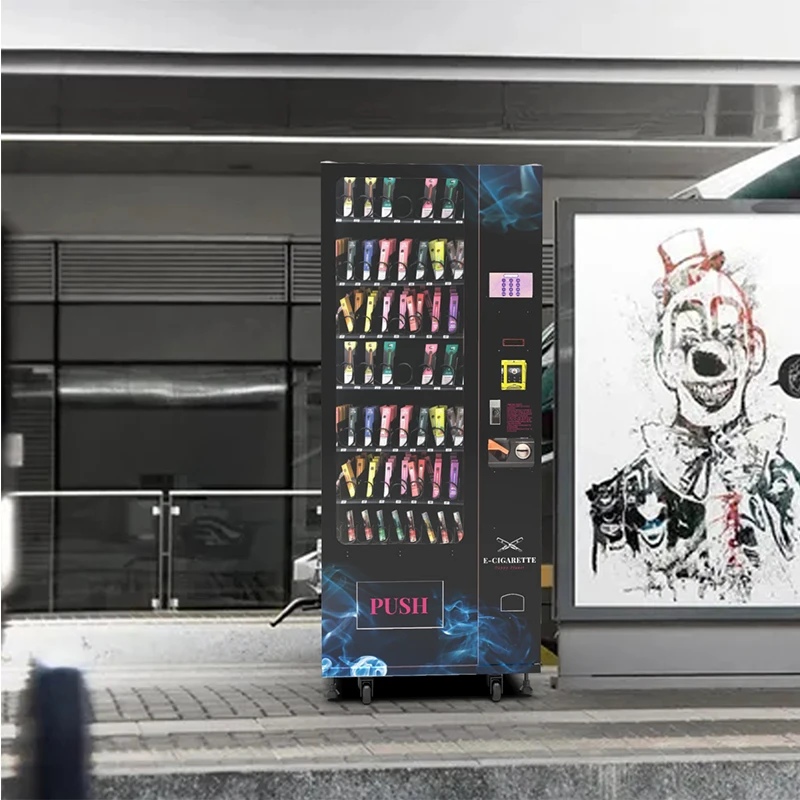
Can I place a vape vending machine outside my shop?
Outdoor placement is risky due to weather, theft, and additional regulatory scrutiny. Most operators keep machines indoors within line of sight of staff.
Meta Description: Learn the real benefits and compliance risks of vape vending machines for smoke shops. Expert guide on costs, profits, and age verification from a 15-year manufacturer.
Sources:
- IBISWorld – Vending Machine Industry in the US Report. https://www.ibisworld.com/united-states/market-research-reports/vending-machine-operators-industry/
- Statista – Vending Machine Market Data. https://www.statista.com/topics/1283/vending-machines/
- FDA – Compliance & Enforcement for Tobacco Products. https://www.fda.gov/tobacco-products/compliance-enforcement-training