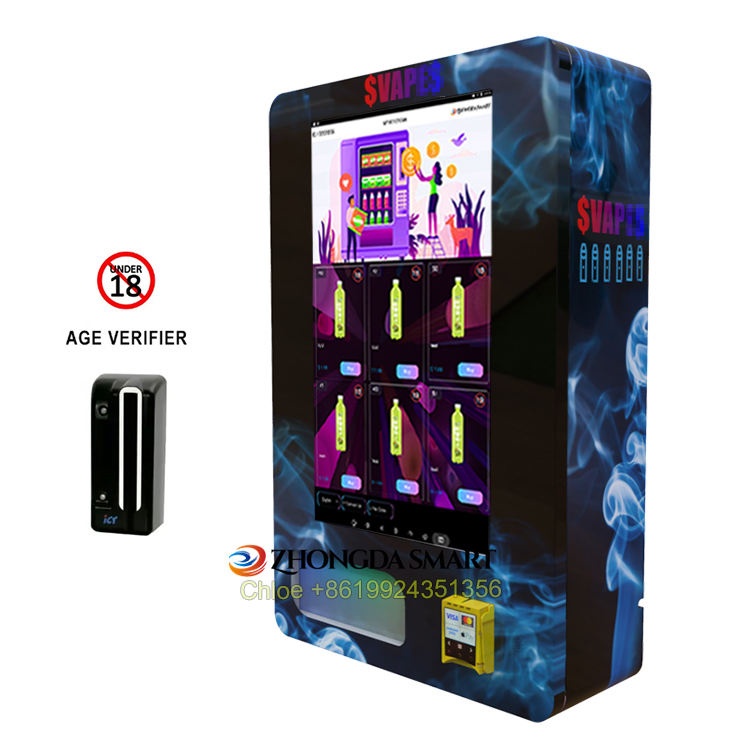
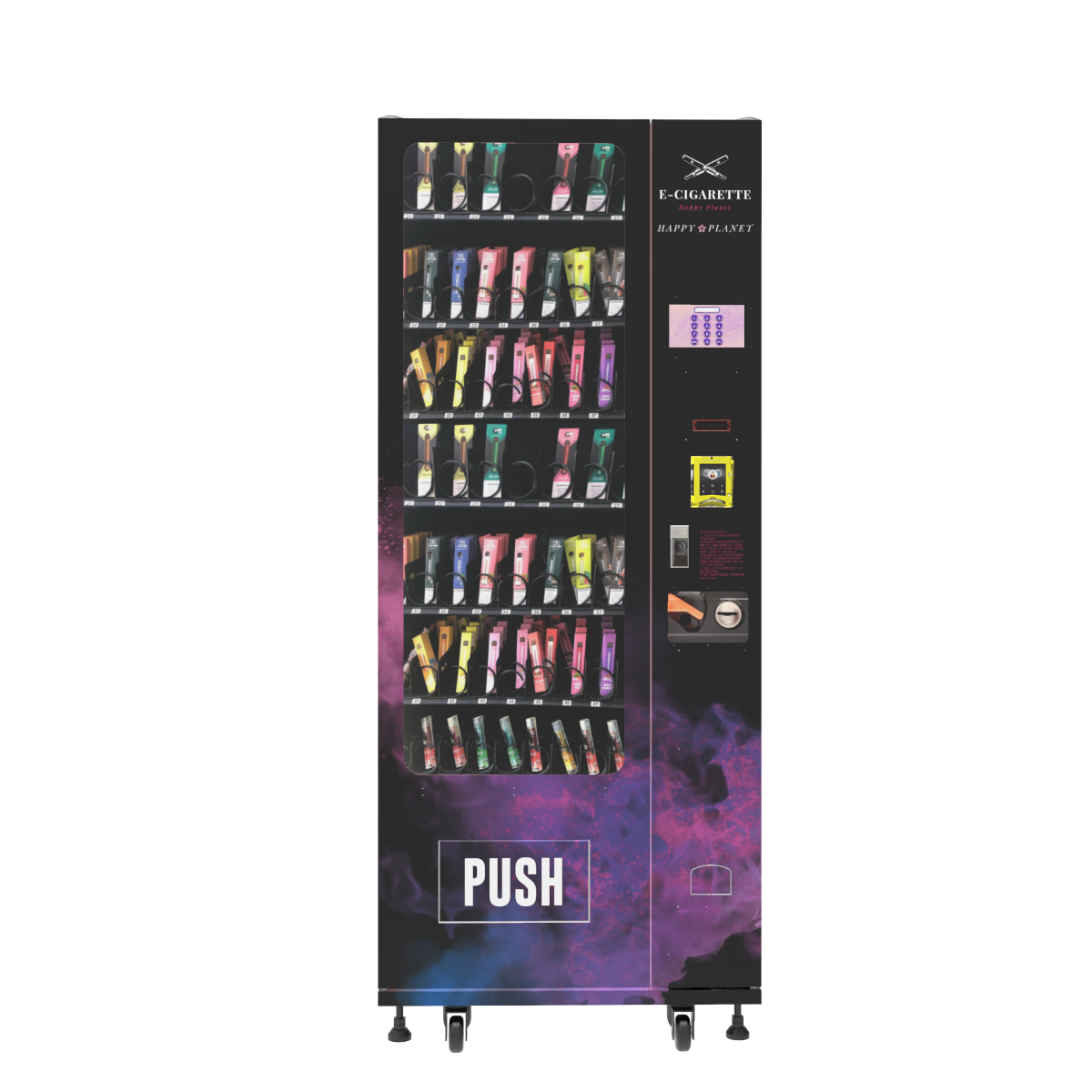
If you are looking at placing vape vending machines across the United States, the first thing you need to understand is that there is no single rulebook. After running a manufacturing facility for over fifteen years and deploying thousands of units from Miami to Seattle, I can tell you that the biggest mistake operators make is assuming a machine that works in Texas will work in California. The patchwork of state laws, local county ordinances, and city-specific licensing requirements is brutal. This guide breaks down the state-by-state landscape for vape vending machine operations, giving you the hard data and real deployment experience you need to stay compliant and profitable.
Why State Laws Matter More Than Federal Guidelines
The federal government sets the baseline through the FDA, but the real control sits at the state level. When the Tobacco 21 law raised the minimum age to 21 nationwide, every state had to adapt, but they did it differently. Some states outright banned any form of self-service tobacco or nicotine sales. Others allow it but require specific age verification technology that goes beyond a simple ID scan. I have seen operators lose entire shipments because they assumed a compliant machine in one state would pass inspection in a neighboring county.
The Core Legal Framework You Must Understand
Every state that permits vape vending machines mandates some form of age verification. The old coin-drop machines from the 1980s are gone. Modern smart vending machines must integrate with a third-party age verification system. In my experience, the safest approach is using a machine that scans a government-issued ID, verifies the date of birth against a database, and stores the transaction log. Many states also require that the machine be located in an area where minors cannot access it without an employee present, essentially a restricted access area.
State-by-State Compliance Matrix
The following table is based on current regulations as of early 2025, compiled from state legislative databases and direct feedback from our partners on the ground. Laws change frequently, so always verify with a local attorney before deploying.
| State | Vape Vending Machine Allowed? | Age Verification Required | Location Restriction | Licensing Specifics |
|---|---|---|---|---|
| Alabama | Yes | ID scan required | Adult-only facilities only | State tobacco license needed |
| Alaska | Yes | ID scan required | Employee-supervised area | Municipal license required |
| Arizona | Yes | ID scan required | 21+ area only | State tax permit required |
| Arkansas | No | N/A | N/A | Complete ban on self-service |
| California | Restricted | ID scan + biometric | Adult-only bars, tobacco shops | Local city permit, state license |
| Colorado | Yes | ID scan required | 21+ area | State nicotine license |
| Connecticut | No | N/A | N/A | Ban on all tobacco vending |
| Delaware | No | N/A | N/A | Ban on self-service sales |
| Florida | Yes | ID scan required | Employee-monitored area | State tobacco dealer permit |
| Georgia | Yes | ID scan required | 21+ area | State tobacco license |
| Hawaii | No | N/A | N/A | Complete ban |
| Idaho | Yes | ID scan required | Adult-only facility | State tobacco permit |
| Illinois | Restricted | ID scan + database check | Licensed tobacco shops only | Local and state license |
| Indiana | Yes | ID scan required | 21+ area | State tobacco certificate |
| Iowa | Yes | ID scan required | Employee-supervised area | State tobacco license |
| Kansas | Yes | ID scan required | Adult-only facility | State tobacco permit |
| Kentucky | Yes | ID scan required | 21+ area | State tobacco license |
| Louisiana | Yes | ID scan required | Employee-monitored area | State tobacco permit |
| Maine | No | N/A | N/A | Ban on self-service |
| Maryland | No | N/A | N/A | Ban on tobacco vending |
| Massachusetts | No | N/A | N/A | Complete ban |
| Michigan | Yes | ID scan required | 21+ area | State tobacco license |
| Minnesota | Restricted | ID scan + biometric | Licensed tobacco shops | State and local license |
| Mississippi | Yes | ID scan required | Adult-only facility | State tobacco permit |
| Missouri | Yes | ID scan required | Employee-supervised area | State tobacco license |
| Montana | No | N/A | N/A | Ban on self-service |
| Nebraska | Yes | ID scan required | 21+ area | State tobacco permit |
| Nevada | Yes | ID scan required | Employee-monitored area | State tobacco license |
| New Hampshire | Yes | ID scan required | Adult-only facility | State tobacco permit |
| New Jersey | No | N/A | N/A | Complete ban |
| New Mexico | Yes | ID scan required | 21+ area | State tobacco license |
| New York | No | N/A | N/A | Ban on all tobacco vending |
| North Carolina | Yes | ID scan required | Employee-supervised area | State tobacco license |
| North Dakota | Yes | ID scan required | Adult-only facility | State tobacco permit |
| Ohio | Yes | ID scan required | 21+ area | State tobacco license |
| Oklahoma | Yes | ID scan required | Employee-monitored area | State tobacco permit |
| Oregon | No | N/A | N/A | Ban on self-service |
| Pennsylvania | Yes | ID scan required | Licensed tobacco shops | State tobacco license |
| Rhode Island | No | N/A | N/A | Complete ban |
| South Carolina | Yes | ID scan required | 21+ area | State tobacco permit |
| South Dakota | Yes | ID scan required | Adult-only facility | State tobacco license |
| Tennessee | Yes | ID scan required | Employee-supervised area | State tobacco permit |
| Texas | Yes | ID scan required | 21+ area | State tobacco license |
| Utah | Restricted | ID scan + database | Licensed tobacco shops | State nicotine license |
| Vermont | No | N/A | N/A | Ban on self-service |
| Virginia | Yes | ID scan required | Employee-monitored area | State tobacco license |
| Washington | No | N/A | N/A | Ban on tobacco vending |
| West Virginia | Yes | ID scan required | 21+ area | State tobacco permit |
| Wisconsin | Yes | ID scan required | Adult-only facility | State tobacco license |
| Wyoming | Yes | ID scan required | Employee-supervised area | State tobacco permit |
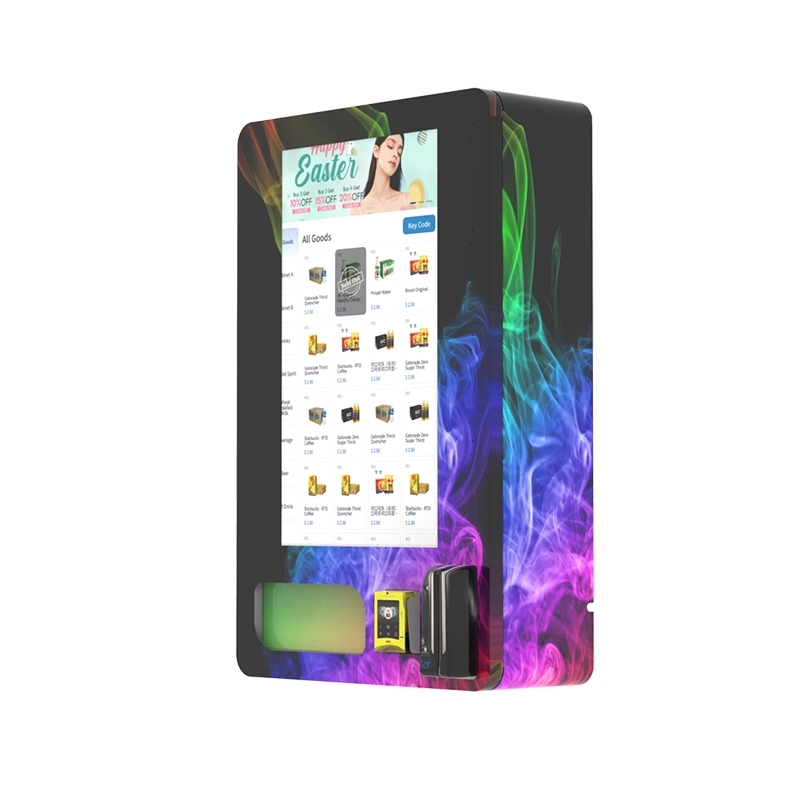
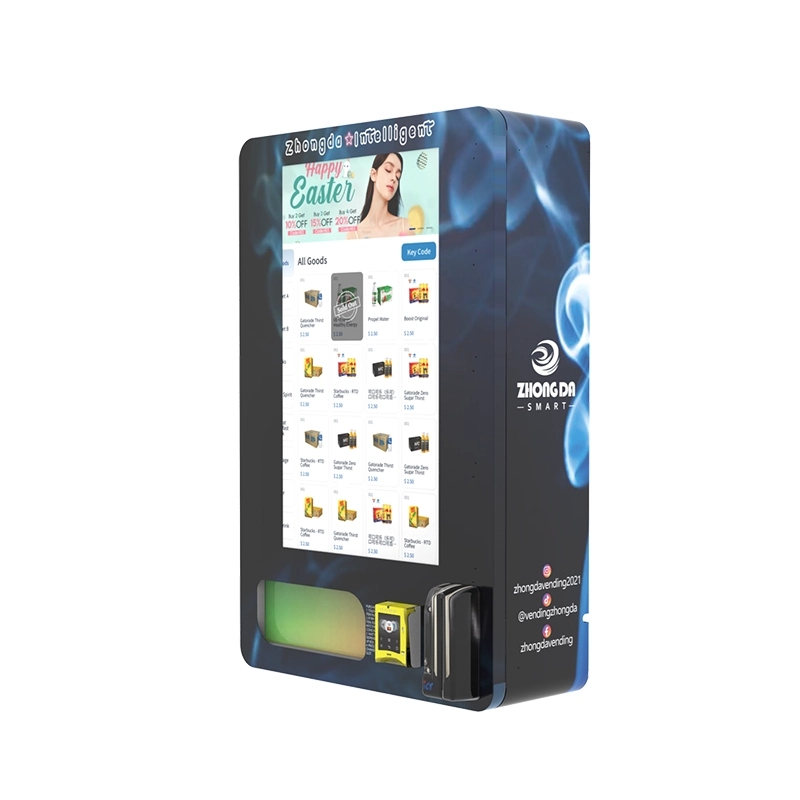
Note: "Restricted" means the state allows machines but only in specific licensed retail locations, often with additional local approval.
How to Choose Hardware That Meets State Requirements
Not all vending machines are built to handle the legal load. I have seen operators buy cheap units from overseas that lack proper age verification integration, and they end up with seized equipment and fines. The hardware you choose must be more than a box that dispenses products. It needs to be a compliant retail kiosk that can prove every single transaction was legal.
Age Verification Technology Is Non-Negotiable
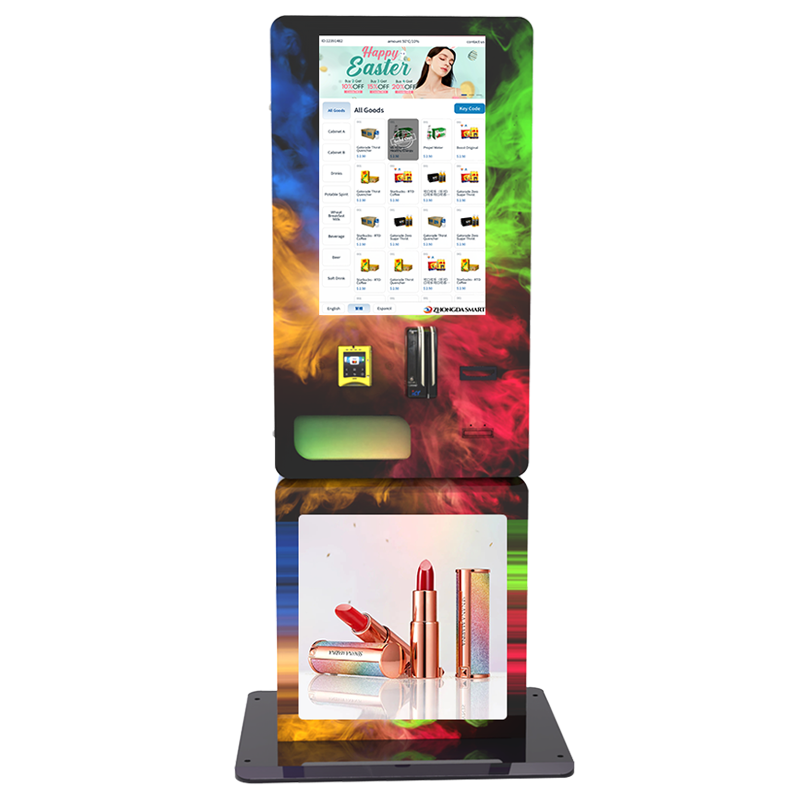
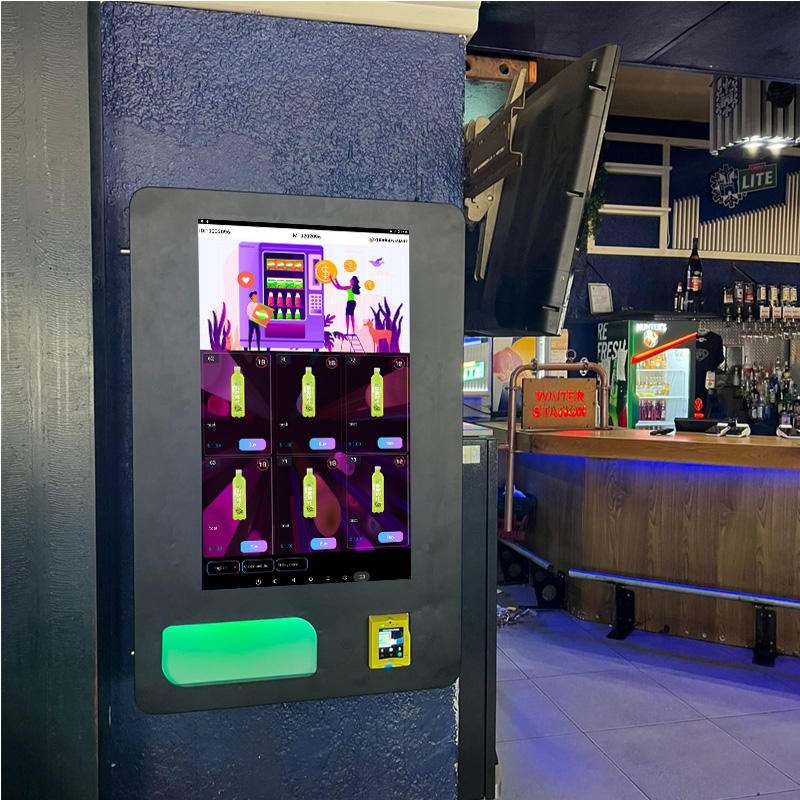
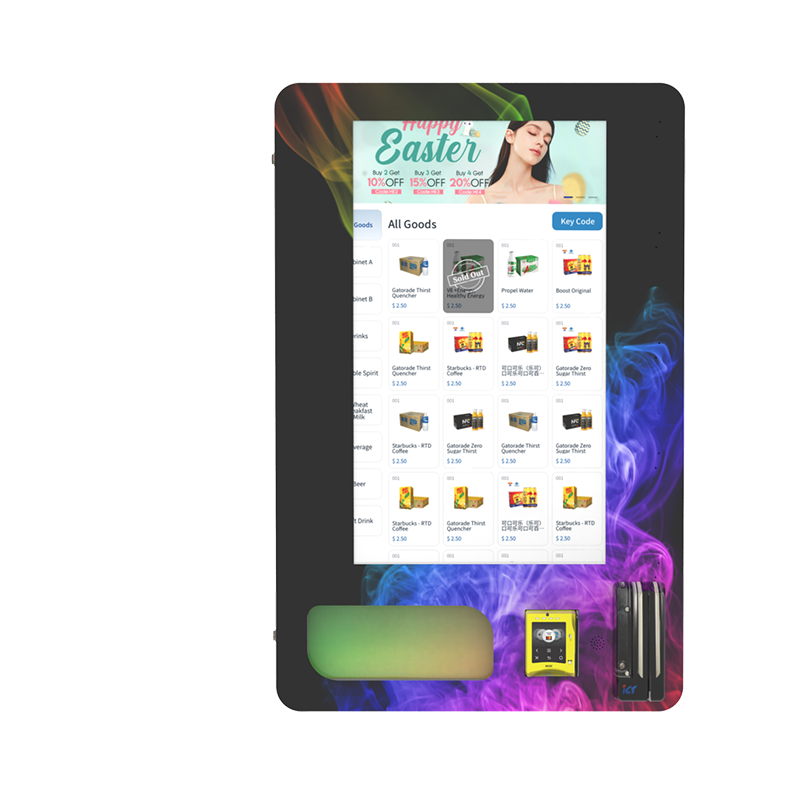
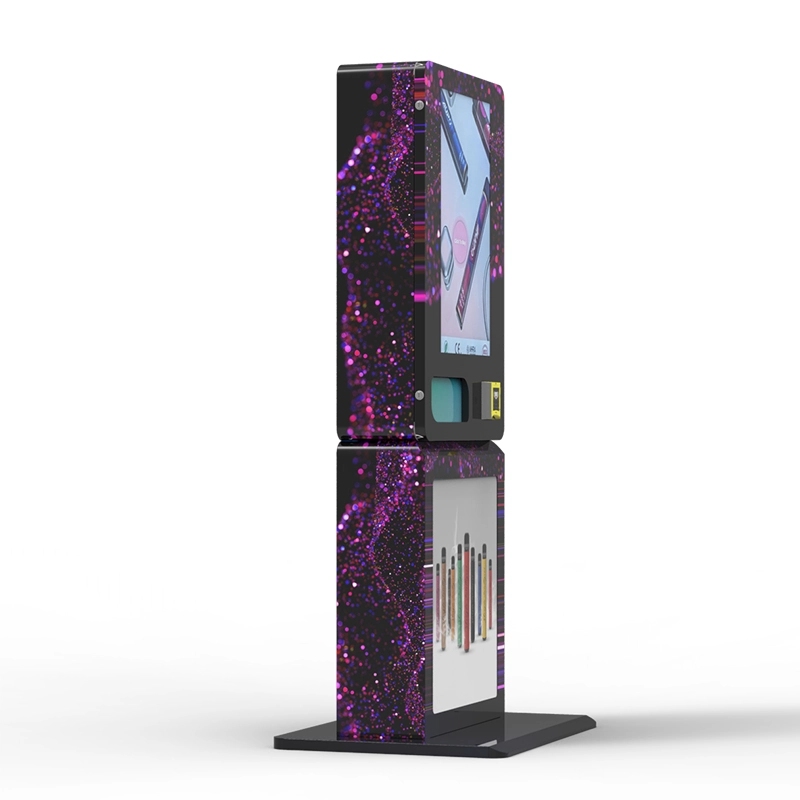
In every state that allows vape vending machines, you need a machine that can scan a driver's license, passport, or military ID. Some states like California and Minnesota are pushing for biometric verification, which means a fingerprint or facial recognition scan tied to the ID. Our wall-mounted compact e-cigarette vending machine includes an integrated ID scanner that checks the birth date and validates the ID against a national database. This is the baseline requirement for any serious operator.
Real-Time Compliance Logging
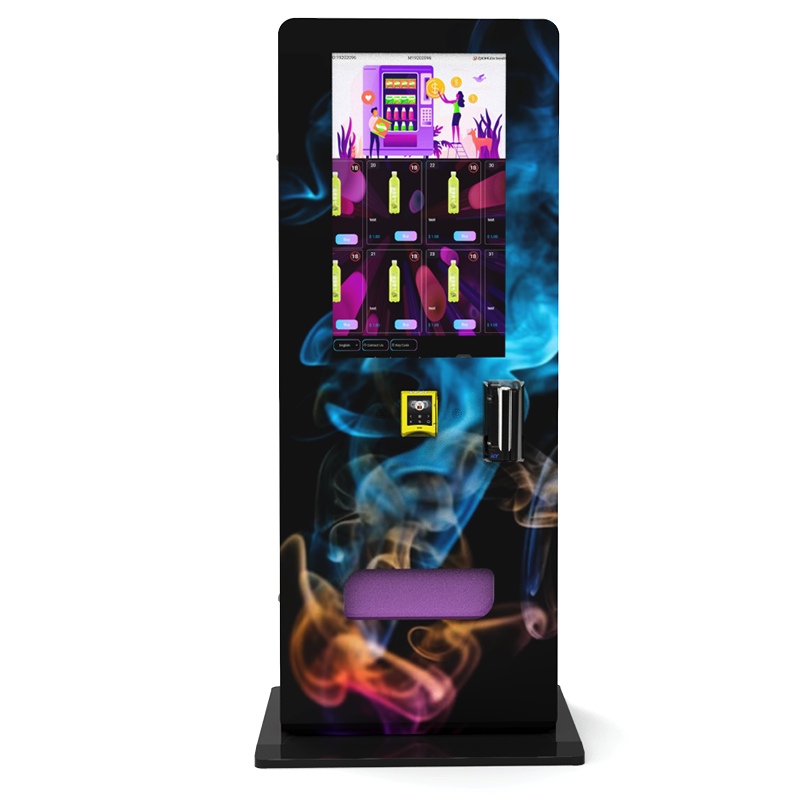
You need a machine that records every sale. If a state inspector walks in, you should be able to pull up a report showing the ID scanned, the time of sale, and the product dispensed. Our age verification vending machine stores up to 10,000 transaction logs locally and backs them up to the cloud. This saved one of our clients in Florida from a $5,000 fine because they could prove a disputed sale was made to a 45-year-old customer.
Cost Structure and Profit Model for Operators
Let me be direct about the numbers. A compliant vape vending machine costs between $3,500 and $8,000, depending on the features. The ID scan unit and the secure cabinet are the expensive parts. You will also need to budget for software licensing, which runs about $50 to $100 per month per machine for the age verification service.
Revenue Potential and Break-Even Timeline
Based on data from our deployed machines in high-traffic bars and tobacco shops, a well-placed machine can generate $1,200 to $2,500 in monthly revenue. The margins on vape products are solid, typically 40% to 60% on disposables and pods. At that rate, you can recover your hardware investment in four to six months. I have a partner in Texas who runs three machines in Houston, and he clears $4,000 a month after restocking costs. You can read more about the return on investment for vape vending machines in our case study.
Hidden Costs You Need to Plan For
There are costs that first-time operators miss. State licensing fees range from $50 in Mississippi to over $500 in Illinois. Local city permits can add another $200 to $1,000 per year. You also need insurance. A general liability policy for a vending operation runs about $600 annually per machine. And do not forget about restocking labor. If you are not doing it yourself, a route driver will cost you $15 to $25 per hour.
Real Deployment Experience: What Works and What Fails
I have been on the ground for installations in over 30 states. The difference between a machine that makes money and one that collects dust often comes down to location compliance and product selection.
Best Locations for Vape Vending Machines
From experience, the top-performing locations are:
- Adult-only bars and nightclubs (21+ entry required)
- Licensed tobacco and vape shops (high foot traffic, existing customers)
- Hotel lobbies with a 21+ policy (guests need convenience)
- Gaming lounges and casinos (restricted access areas)
- Airport smoking lounges (high dwell time, captive audience)
One of our most successful deployments was in a hotel chain in Nevada. We placed our ID scan vending machine in the lobby, and it averaged 15 transactions per day during the first month. The hotel manager reported zero compliance issues because the machine only activated after a valid ID scan.
Common Failure Points I Have Witnessed
I have seen operators fail for three main reasons. First, they ignored local zoning laws. A city in Ohio banned vending machines within 500 feet of a school, and one operator placed his machine 400 feet away. He lost the machine and paid a fine. Second, they used outdated hardware that could not scan the new enhanced driver's licenses. Third, they stocked the wrong products. In one case, a client filled a machine with high-nicotine salts in a location where the customers preferred CBD blends. The machine sat untouched for two months.
Long-Term Strategy for Scaling Your Operation
Once you have one machine running profitably, the temptation is to scale fast. I recommend a slower approach. Run the first machine for at least three months to validate the location, the product mix, and the compliance workflow. Then replicate the model.
Building a Maintenance and Restocking Schedule
A vape vending machine needs attention every 7 to 10 days, depending on traffic. You need to restock popular items, clean the touchscreen, and verify that the ID scanner is working. I advise operators to set up a digital inventory system. Our machines send a restock alert when inventory drops below 20%. This prevents lost sales from empty slots.
Partnering with a Reliable Manufacturer
Your choice of manufacturer determines your long-term success. You want a company that provides firmware updates for changing state laws, offers replacement parts quickly, and has a support team that understands the compliance landscape. Our factory at Zhongda Smart has been building these machines for over a decade, and we support operators with everything from initial setup to ongoing software updates. For more technical details, visit our compliant e-cigarette vending machine page.
Risk Management and Legal Safeguards
Every operator should have a compliance checklist. This is not optional. If a minor buys a product from your machine, you are liable, not the location owner. I have seen fines as high as $10,000 per violation in states like California.
Best Practices for Avoiding Fines
- Run a daily self-check on the age verification system
- Post clear signage that the machine is for 21+ customers only
- Keep a log of all software updates for the verification system
- Review transaction logs weekly to spot any irregular patterns
- Renew all state and local licenses 60 days before expiration
What to Do If You Get a Compliance Notice
If a regulatory agency contacts you, do not ignore it. Immediately pull the transaction logs from the machine. If your machine has a cloud backup, download the records for the disputed period. In most cases, if you can prove that the machine verified the ID, the fine is reduced or dropped. I have helped several clients navigate this process by providing them with the technical documentation from our end.
Future Trends in Vape Vending
The market is moving toward more advanced verification. Biometric scanning is becoming the standard in high-regulation states. We are also seeing demand for machines that can accept credit cards and mobile payments seamlessly. The days of cash-only vending are over. According to a report from IBISWorld, the vending machine industry in the US is projected to grow by 3.2% annually through 2029, with the nicotine segment outpacing snacks and beverages (IBISWorld).
Another shift is the integration of telemetry data. Operators now want real-time sales data, inventory levels, and machine health alerts on their phones. Our latest models, like the wall-mounted compact e-cigarette vending machine, include built-in 4G connectivity for remote monitoring.
Frequently Asked Questions
Can I place a vape vending machine in any retail store?
No. Even in states that allow vape vending machines, they must be in a restricted access area where minors cannot enter. A general convenience store with open public access usually does not qualify unless you build a separate 21+ room.
What happens if my machine sells to a minor?
You face heavy fines and potential loss of your license. The machine must have a working age verification system that scans an ID. If the system fails and a sale goes through, you are legally responsible. Always run a daily test transaction.
How much does a compliant vape vending machine cost?
A new machine with ID scanning, cloud logging, and secure cabinet ranges from $3,500 to $8,000. Used machines are cheaper but often lack the latest verification software required by states like California and Illinois.
Do I need a separate license for each machine?
It depends on the state. Some states issue a master license that covers multiple machines. Others, like Texas, require a separate permit for each physical location. Check with your state's department of revenue or alcohol and tobacco control board.
How do I handle product expiration in the machine?
Vape products have a shelf life. You need to rotate stock every 30 to 45 days. Our inventory management system flags items approaching their expiration date so you can swap them out before they sit too long.
Can I operate a vape vending machine without an employee on site?
In most states, no. The machine must be in a location that is either employee-monitored or restricted to adults only. Unattended machines in public areas are almost always illegal.
Final Thoughts from the Factory Floor
After fifteen years of building and deploying these machines, I can tell you that the operators who succeed are the ones who treat compliance as their top priority. The hardware is important, but understanding the legal landscape of each state is what keeps you in business. I have seen too many people buy a machine, drop it in a bar, and then get shut down because they did not check the local city code. Do your homework, buy a machine that is built for the job, and run it like a professional retail operation. If you want to explore specific models that meet the strictest state requirements, take a look at our age verification vending machine lineup.
Sources: