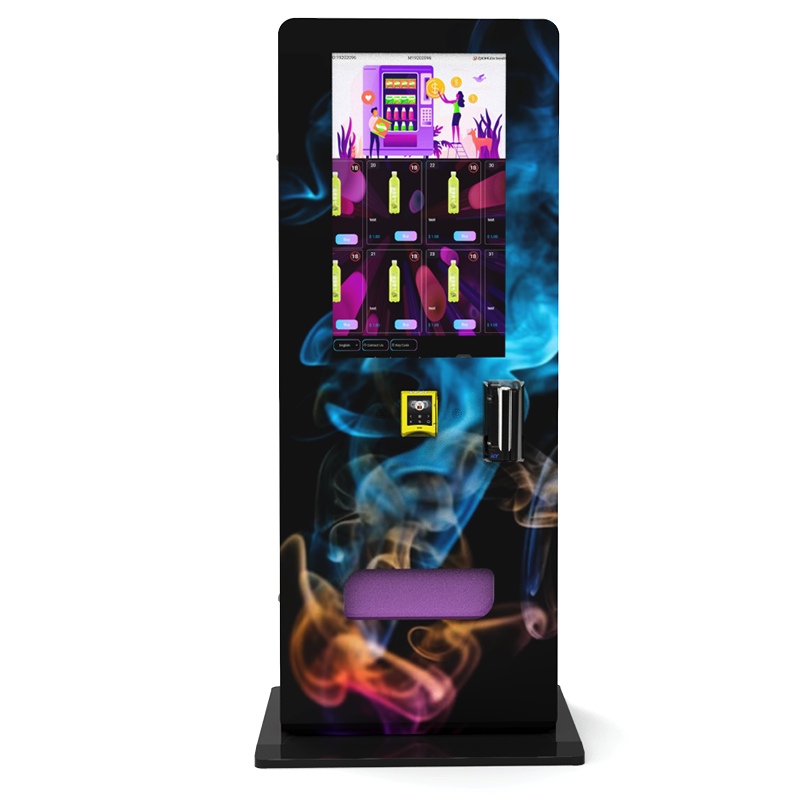
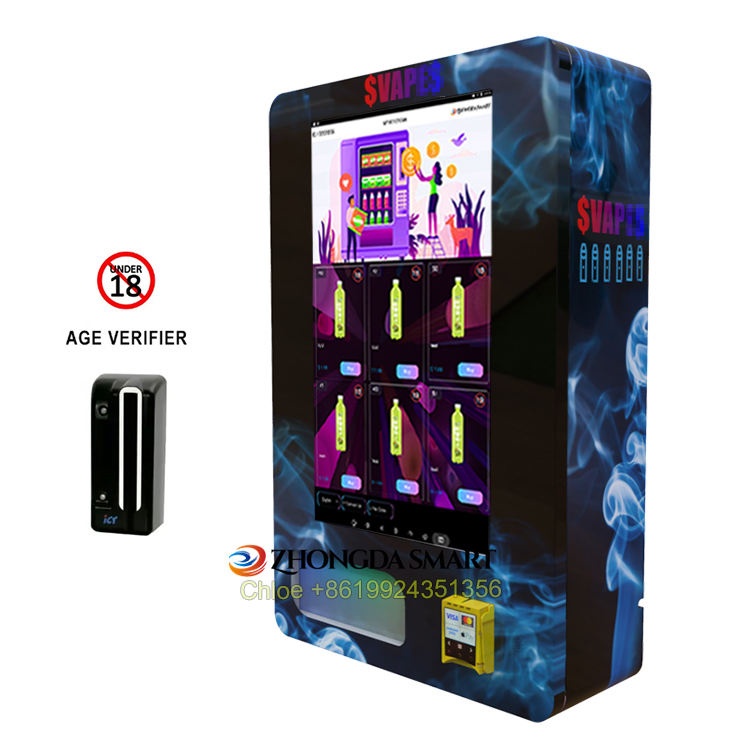
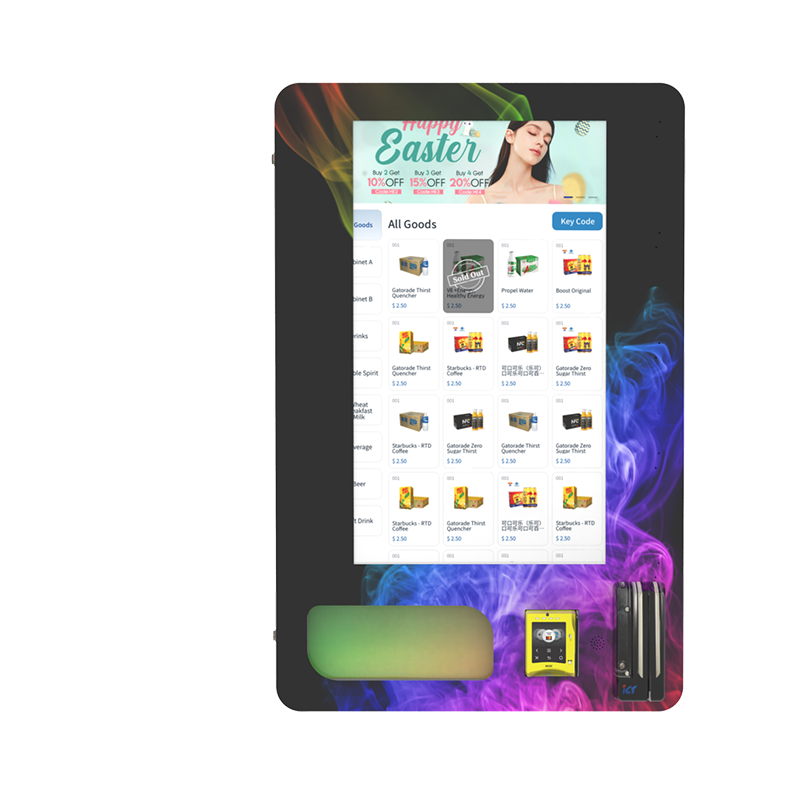
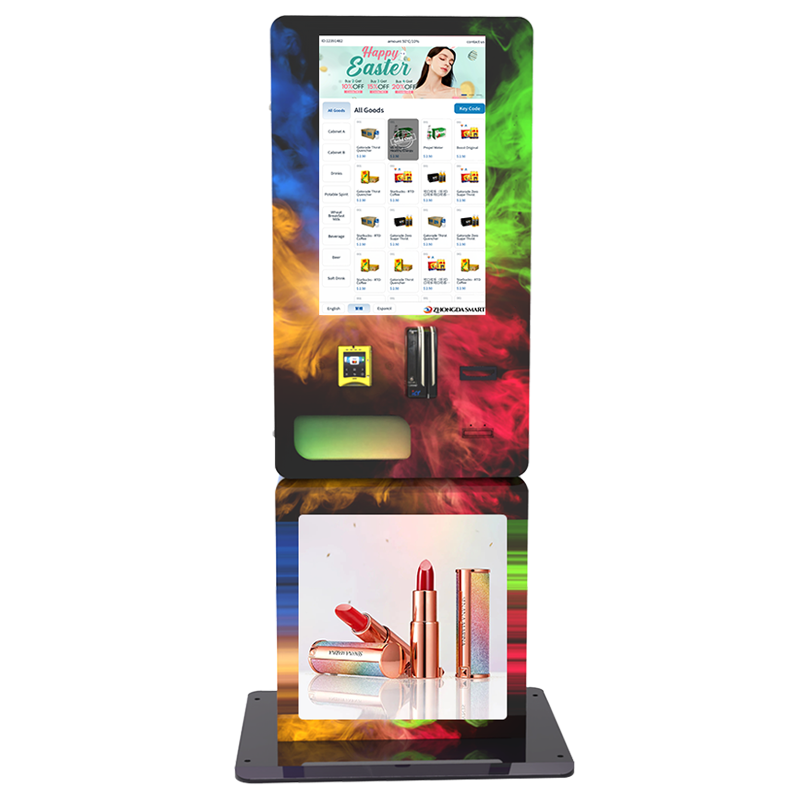
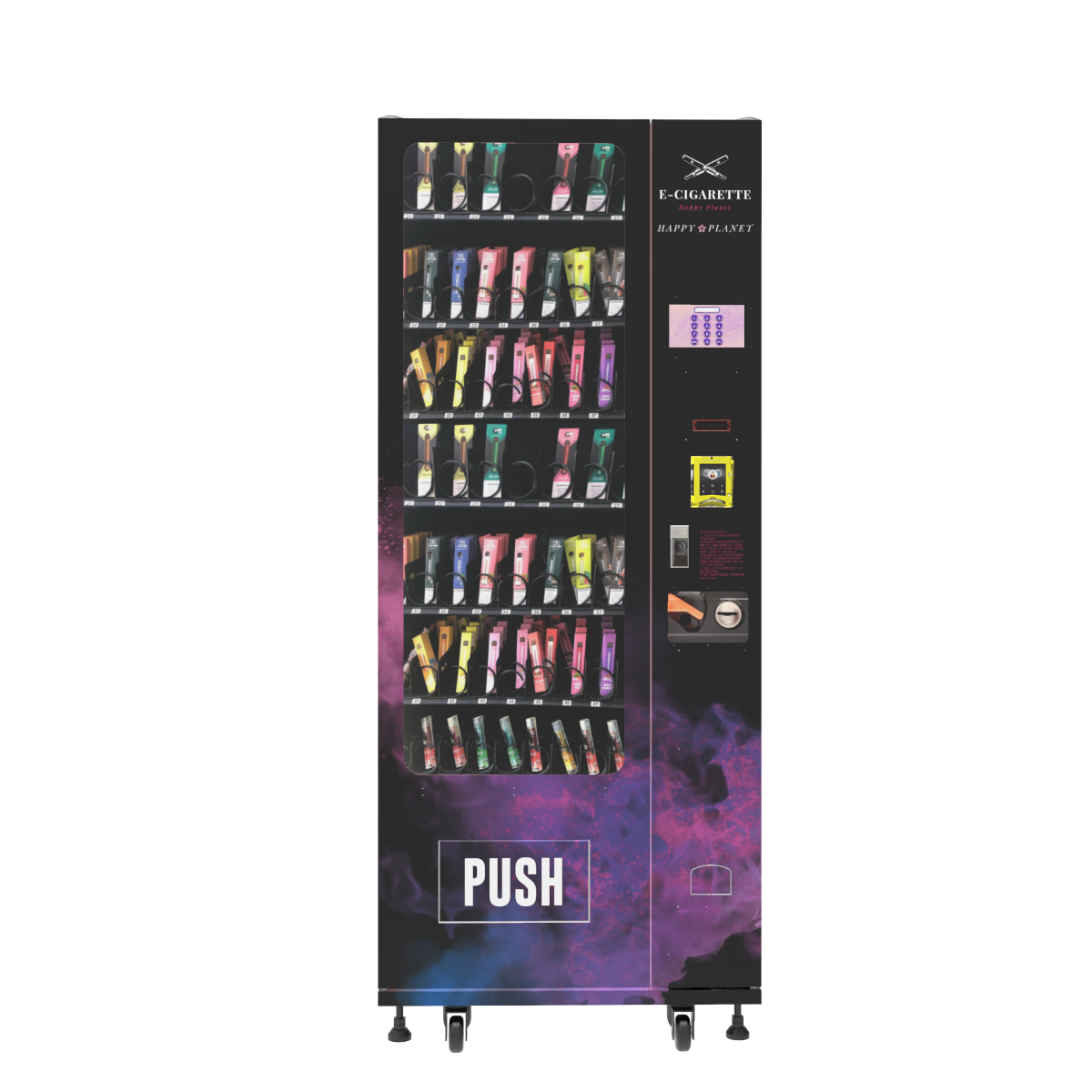
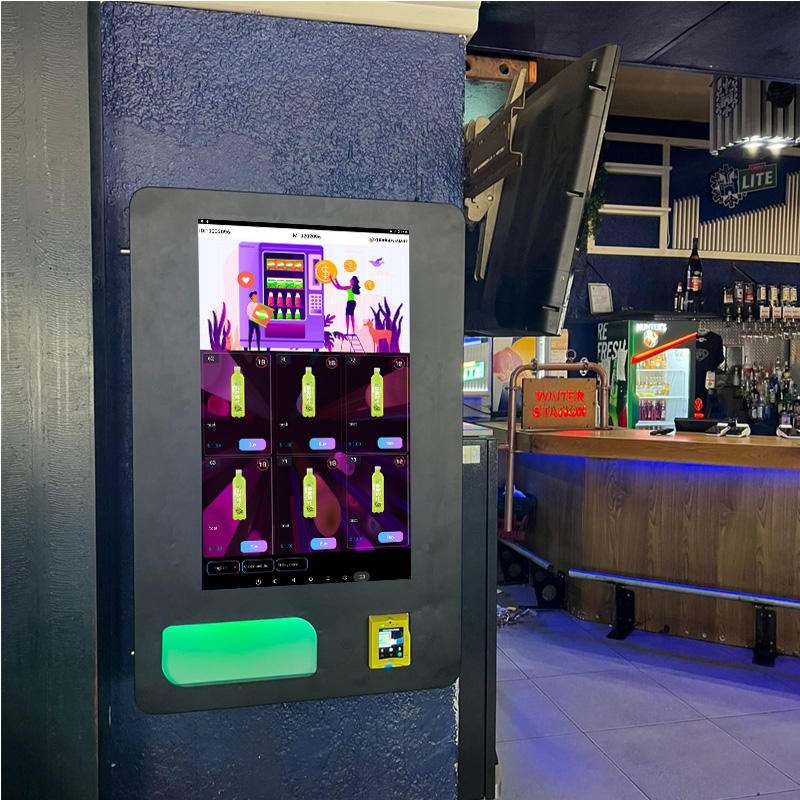
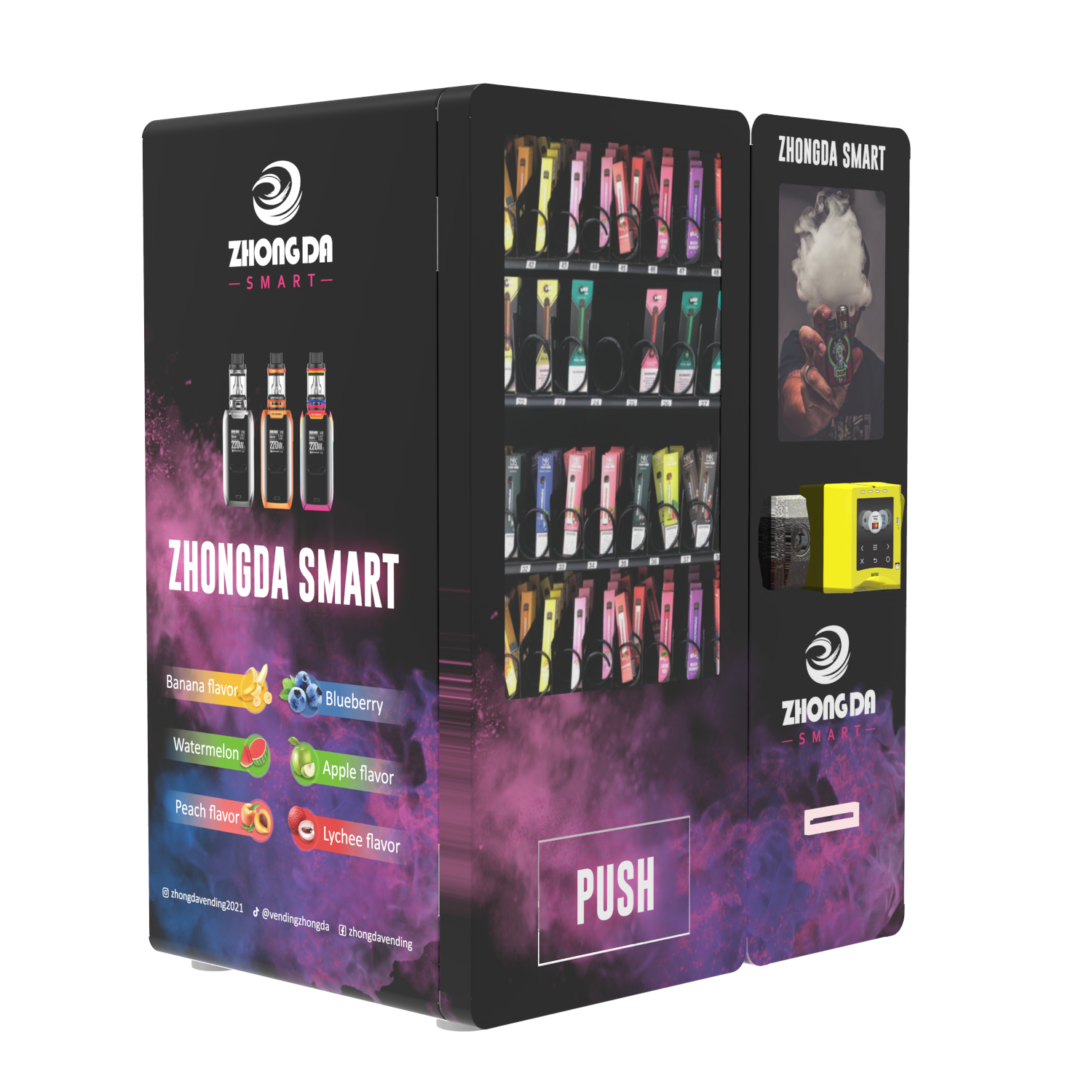
If you’re looking for a straight answer on how much a vape vending machine costs in 2025, here it is: you’re looking at anywhere from $3,500 to over $12,000 per unit, depending on the features, capacity, and compliance hardware. That’s not including software fees, installation, or inventory. I’ve been building and deploying these machines across the US and Europe for over a decade, and I can tell you the price tag is only the beginning. The real question isn’t just the sticker price—it’s whether the machine can handle age verification, hold enough product to turn a profit, and survive the bar or lounge environment you’re putting it in. Let me break down exactly what you’re paying for, where the hidden costs live, and how to make sure your investment actually pays off.
The Real Price Range for a Vape Vending Machine in 2025
I’ve seen operators get burned by buying the cheapest unit they could find, only to have the card reader fail after three months or the age verification system not pass a compliance check. When we talk about cost, we have to split it into three tiers: entry-level, mid-range, and commercial-grade.
Entry-Level Machines ($3,500 – $5,500)
These are usually compact, wall-mounted units with 6 to 12 product selections. They’re designed for low-traffic spots like a small vape shop or a private lounge. Most of these come with basic ID scanning but lack the advanced biometric or database-backed verification that regulators are starting to demand. If you’re testing the waters, this is where you start—but expect to upgrade within a year if the location performs well.
Mid-Range Machines ($6,000 – $9,000)
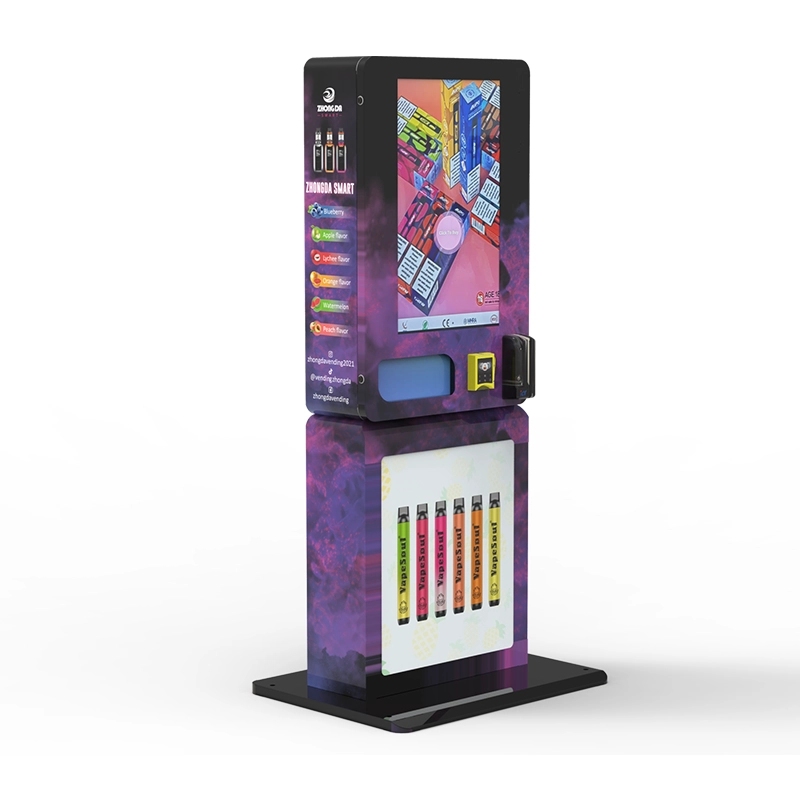
This is the sweet spot for most operators. You get 20 to 40 product slots, a reliable age verification system (scanning a driver’s license or passport), and a touchscreen interface. These units also usually include telemetry software so you can see sales data and inventory levels remotely. I’ve deployed hundreds of these in bars, hotels, and convenience stores. They pay for themselves in 6 to 10 months if placed correctly.
Commercial-Grade Machines ($10,000 – $12,000+)
These are the heavy hitters. They hold 50+ products, feature dual spirals for high-volume items, and integrate with state-level age verification databases. They’re built with industrial-grade refrigeration (if you’re selling disposable vapes that need cooling) and tamper-proof cabinets. If you’re putting a machine in a high-traffic venue like a casino, airport lounge, or a major music venue, this is what you need. I’ve seen these generate over $3,000 a month in revenue at busy locations.
| Machine Tier | Price Range | Product Capacity | Best For |
|---|---|---|---|
| Entry-Level | $3,500 – $5,500 | 6 – 12 selections | Low-traffic, testing a location |
| Mid-Range | $6,000 – $9,000 | 20 – 40 selections | Bars, hotels, convenience stores |
| Commercial-Grade | $10,000 – $12,000+ | 50+ selections | Casinos, airports, high-volume venues |
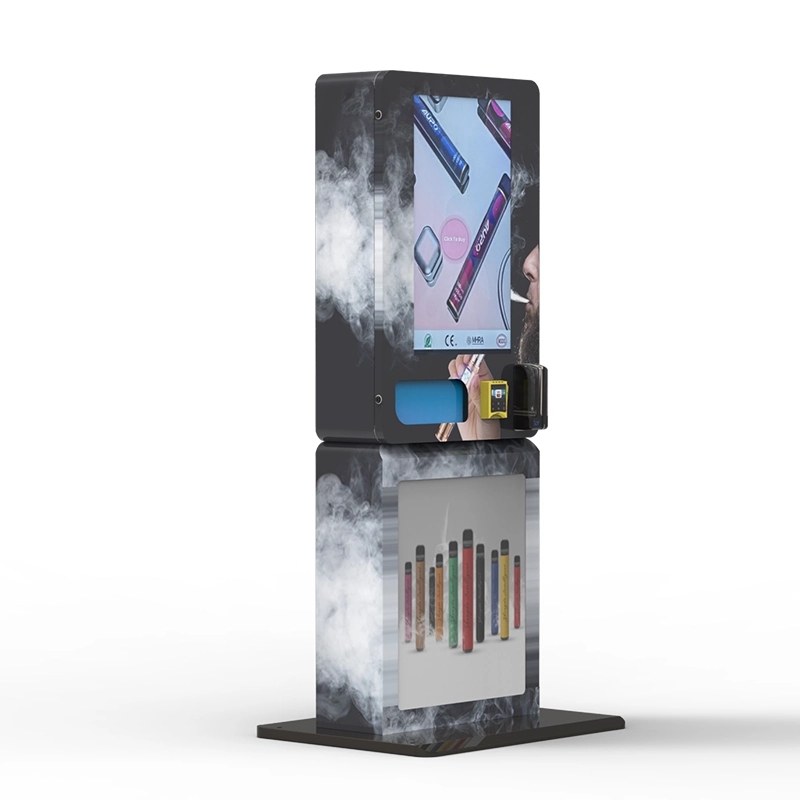
For a closer look at the specifications of a mid-range unit that I personally recommend for most new operators, check out the details on the ID scan vending machine page.
What Drives the Cost Up? (The Parts That Matter)
Most people look at the price tag and think they’re paying for a metal box with a coil. But the real cost is in three areas: the age verification system, the payment stack, and the software ecosystem.
Age Verification Hardware
This is non-negotiable. If your machine doesn’t reliably verify age, you’re not just losing money—you’re risking fines and losing your business license. A basic scanner that just reads the barcode on a driver’s license costs about $300 to $500 to integrate. But a system that cross-references the ID with a government database or uses facial recognition to match the photo? That adds $1,500 to $2,500 to the build cost. I’ve seen operators cheap out here and get shut down within six months. Don’t be that person.
Payment Systems
A vape vending machine needs to take credit cards, Apple Pay, Google Pay, and sometimes cash. A standard credit card reader from a company like Nayax or USA Technologies adds about $400 to $700. But if you want contactless payments and a cellular connection (so you don’t have to run Ethernet), you’re looking at an extra $200 to $400. The machine I’ve been deploying for the last two years uses a age verification vending machine system that bundles the payment and ID scan into one seamless transaction. It’s a bit more upfront but saves a ton on maintenance.
Software and Telemetry
This is where the hidden costs live. The machine itself is just hardware. The software that lets you check inventory, adjust prices remotely, and see sales reports? That’s usually a monthly fee. Expect to pay $30 to $100 per month per machine for a good telemetry platform. Some manufacturers include the first year free, but after that, it’s an ongoing cost. If you have ten machines, that’s $300 to $1,000 a month. Budget for it.
Profit Margins: Can You Actually Make Money?
I’ve been in this business long enough to see both huge wins and complete failures. The difference usually comes down to location and product selection. A well-placed vape vending machine in a busy bar can sell 20 to 40 units a night. At a $12 to $18 average retail price per disposable vape, with a wholesale cost of $6 to $9, you’re looking at a 50% to 60% gross margin. That’s solid.
Let me give you a real example. One of my clients put a mid-range machine in a hotel lobby in a city where the legal age is 21. The hotel has a bar and a lot of foot traffic. That machine does about $2,800 in sales per month. After product cost (about $1,200), credit card fees (about $100), and the software subscription ($60), the net profit is around $1,440 per month. The machine cost $7,200. So the payback period was exactly five months. That’s a 240% annual return on the machine investment alone.
But I’ve also seen machines placed in a low-traffic strip mall that did $200 a month. That machine never paid itself off. Location is everything. If you’re serious about this, read up on where to put a vape vending machine before you buy anything.
Hidden Costs Nobody Talks About
I’ve been on the manufacturing side for 15 years, and I’ve seen operators lose their shirts on these hidden costs. Here’s what you need to budget for beyond the machine itself.
Shipping and Installation
A commercial-grade machine weighs between 300 and 600 pounds. Shipping a pallet from the manufacturer to your location can cost $200 to $600, depending on distance. Installation isn’t just plugging it in. You might need to bolt it to the floor (especially in a bar), run a dedicated power line, or set up a cellular data connection. If you’re not handy, budget $300 to $800 for a local technician.
Compliance and Legal Costs
Laws around vending machines for vapes vary wildly. Some states require a special license. Some require the machine to be in direct line of sight of an employee. Some ban them entirely. I’ve seen operators buy a machine and then find out they can’t place it anywhere in their city. Spend the $200 to $500 on a lawyer who knows tobacco and vape law before you buy. It’s cheaper than losing a $7,000 machine.
Inventory Management
You’re not just buying the machine. You’re buying the inventory to fill it. A fully stocked mid-range machine with 30 slots can cost $1,500 to $3,000 in wholesale product. And you need to rotate stock. Disposables have a shelf life. If you buy too much of a flavor that doesn’t sell, you’re eating that cost. Start with a smaller inventory and test the market.
Comparing Manufacturers: What to Look For
There are a lot of manufacturers out there, but not all of them understand the specific challenges of selling vapes through a vending machine. The biggest issue I see is machines that aren’t built for the humidity and temperature swings of a bar or outdoor environment. I’ve seen card readers fail because of condensation. I’ve seen screens go dark because the manufacturer used a cheap controller board.
When you’re evaluating a supplier, ask about the age verification system’s update policy. Some manufacturers lock you into a proprietary system that costs extra to update. Others, like the solutions found at compliant e-cigarette vending machine pages, offer modular systems that can be upgraded as regulations change. That’s a huge long-term savings.
Also, ask about the warranty. A good machine should have a one-year parts and labor warranty. Anything less, and you’re taking a risk. I’ve seen machines break down in month 13, and the operator had to pay $1,200 for a new control board. That kills your profit for the year.
Real Deployment Experience: What I’ve Learned
I’ve personally overseen the deployment of over 1,200 vape vending machines in the last five years. Here are the three biggest lessons I’ve learned that you won’t find in a spec sheet.
First, the machine needs to be loud. Not audibly loud, but visually loud. If you put a black box in a dark corner of a bar, nobody sees it. The most successful placements are where the machine has a bright, backlit screen showing the product. I’ve seen sales double just by moving a machine six feet closer to the bar.
Second, overstocking is a mistake. When you first put a machine in, don’t fill every slot. Put in 15 to 20 of your best-selling flavors and see what moves. You’ll learn more in the first two weeks than you will from any market research. Then adjust.
Third, maintenance is a relationship, not a transaction. The machine will jam. The card reader will error out. The screen will freeze. If you don’t have a local technician who can be there within 24 hours, you’re losing money. I’ve trained my clients to do basic troubleshooting themselves—clearing a jam, rebooting the system, cleaning the scanner. It saves thousands in service calls.
For a deeper look at how to set up a profitable operation, I wrote a detailed guide on how to start a vape vending machine business that covers everything from location scouting to inventory management.
Failure Cases: What I’ve Seen Go Wrong
I’ve been around long enough to have a graveyard of stories. One operator I know bought five cheap machines from an overseas manufacturer that didn’t have UL certification. The local fire marshal shut him down on day one. He lost $15,000 plus the cost of the inventory.
Another operator placed a machine in a bar that had a lot of foot traffic but also had a lot of drunk patrons. The machine got kicked, spilled on, and generally abused. The touchscreen lasted three months. That was a $900 repair. He should have bought a machine with a reinforced front panel.
The most common failure I see is operators who don’t understand the age verification laws. They buy a machine with a simple barcode scanner, but the state requires a database check. They get fined, and the machine gets confiscated. Always check the legal requirements first. I’ve compiled some of the state-specific rules on the are vape vending machines legal in Colorado page, but you should verify with a local attorney.
Long-Term Strategy: How to Scale
If you’re thinking about this as a business, not just a side hustle, you need to think about scaling from day one. That means choosing a machine that’s easy to service and has a standard parts supply. If you buy a machine from a manufacturer that uses custom parts, you’re stuck waiting weeks for a replacement. Stick with machines that use off-the-shelf components.
Also, think about the software. If you have one machine, you can check it manually. If you have twenty, you need a dashboard. Make sure the machine you buy has a telemetry system that scales. I’ve seen operators switch manufacturers after ten machines because the software couldn’t handle the volume. That’s a painful and expensive migration.
Finally, build relationships with local vape distributors. They can give you better wholesale prices and sometimes even consignment terms. If you can get product on consignment, your upfront inventory cost drops to zero. That changes the math on your ROI significantly.
Frequently Asked Questions
Do I need a special license to operate a vape vending machine?
Yes, in most jurisdictions. You typically need a tobacco or vape retail license, and sometimes a specific vending machine license. The requirements vary by state and city. Always check with your local business licensing office or a lawyer before purchasing a machine.
Can I use a regular vending machine for vapes?
No. A regular vending machine lacks the age verification hardware required by law. Using one for vapes can result in heavy fines and seizure of the machine. You need a machine specifically designed for age-restricted products.
How much can I expect to make per month from one machine?
It depends entirely on location. A well-placed machine in a busy bar or hotel can generate $1,500 to $3,000 in monthly sales, with net profit around $700 to $1,500 after product costs and fees. A poor location might only do $200 to $400 in sales.
What is the warranty on a vape vending machine?
Most reputable manufacturers offer a one-year parts and labor warranty. Some offer extended warranties for an additional cost. Always read the warranty terms carefully to understand what is covered, especially the age verification system and the touchscreen.
How do I handle a machine that breaks down?
First, check if the issue is something simple like a jam or a power issue. Many manufacturers provide a troubleshooting guide. If it’s a hardware failure, contact the manufacturer or a local vending machine technician. Having a service contract in place before a breakdown saves you money and downtime.
Final Take: Is It Worth the Investment?
I’ve been in this industry since before the current wave of disposable vapes hit the market. I’ve seen the technology evolve from simple cigarette machines to smart, connected kiosks that can verify age in seconds. The cost of a vape vending machine in 2025 is not cheap, but the potential return is real if you do your homework.
Don’t buy the cheapest machine you can find. Don’t skip the legal research. Don’t put a machine in a bad location hoping it will work. Treat it like a business, not a lottery ticket. If you do, you’ll find that the machine pays for itself faster than almost any other vending investment I’ve seen in the last decade.
If you want to see the specific models I’ve been deploying for my clients, take a look at the vape vending machines page. It’s the same hardware I trust for my own operations.
Sources: