After a decade of deploying vending solutions across high-traffic venues, I’ve learned one hard truth about age verification devices: the difference between a machine that prints money and one that collects dust often comes down to a single scanner. Not the brand name on the cabinet, not the fancy LED lighting, but the age verification system itself. As someone who has both built these machines from the ground up and operated them in real-world conditions, I can tell you that choosing the right age verification device is the most critical decision you will make—especially if you are entering the restricted products space like nicotine vapes or cannabis. This guide breaks down the real costs, must-have features, and compliance traps I’ve seen trip up even experienced operators.
Why Age Verification Is Your First Profit Gate
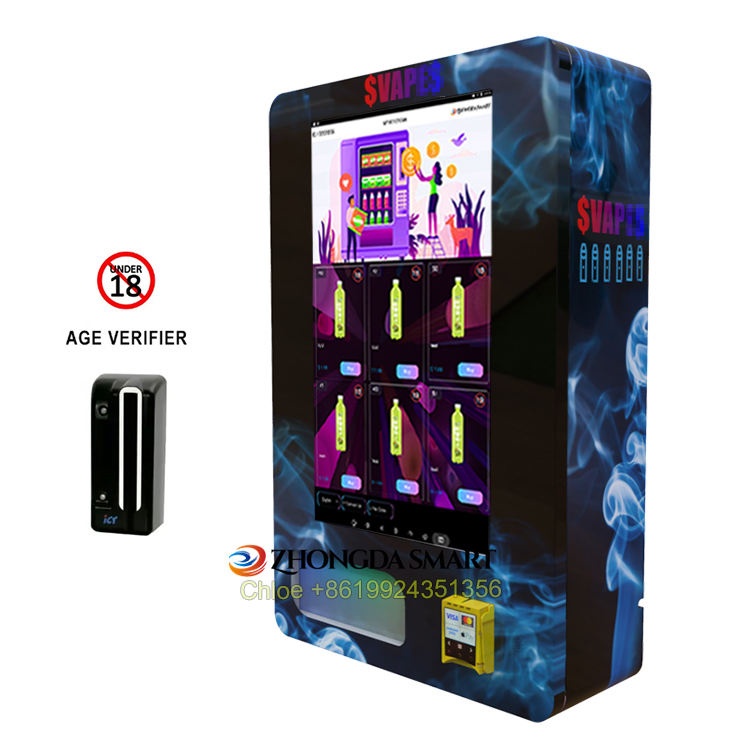
If you are buying a vending machine for age-restricted products, you are not just selling hardware; you are selling trust. A store owner or bar manager will not let you place a machine on their floor if it risks their liquor license or invites a fine. In my experience, the age verification vending machine is the single component that either opens doors or gets you banned from premium locations. I have personally walked into a high-end cigar lounge with a machine that used a basic camera-based scanner, and the owner laughed me out. He had seen too many underage kids fool those systems with a printed ID. The next week, I came back with a unit using a 3D structured-light scanner and a live liveness check. He signed the lease on the spot. That is the difference between hardware and a real solution.
Understanding the Core Technology: How These Devices Actually Work
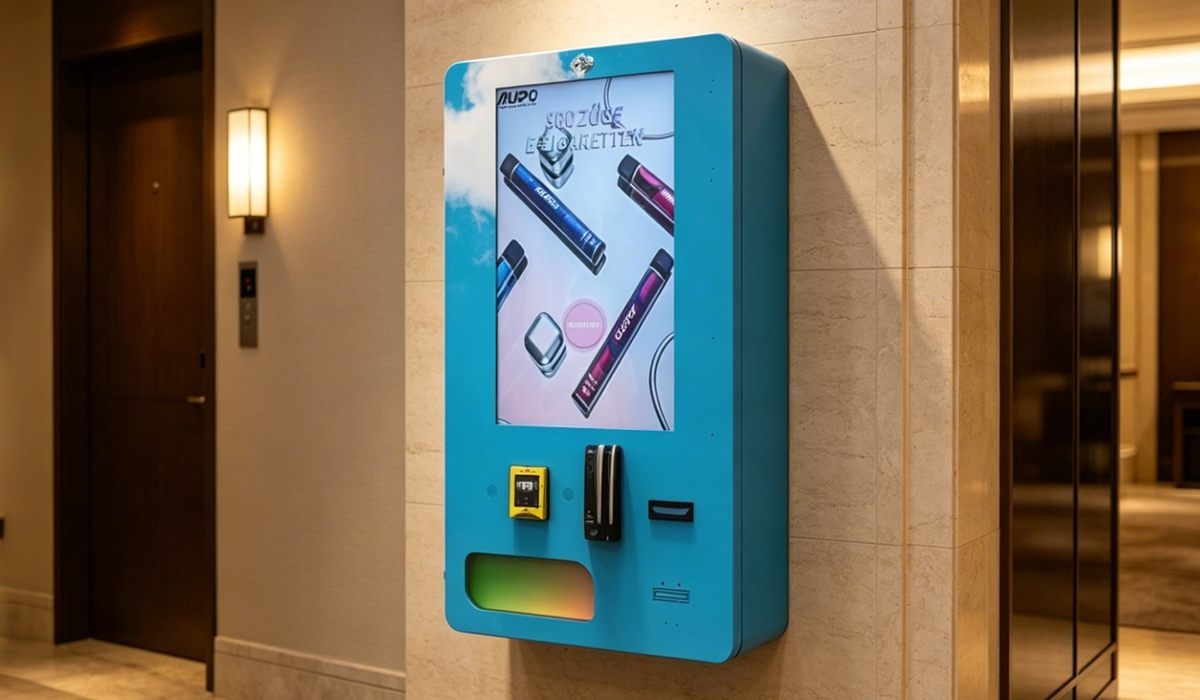
Most operators think an age verification device is just a scanner that reads a barcode. That is like saying a car is just a box with wheels. The reality is far more complex, and the engineering behind the scanner determines your failure rate.
Optical vs. 3D Structured Light Scanners
The cheapest machines on the market use a simple optical camera. They take a picture of the front of a driver’s license and try to read the text. The problem? A glossy card, a bad angle, or a kid holding a phone screen with a digital copy can fool it. I have seen failure rates as high as 15% on these units, meaning one out of every seven legitimate customers gets rejected and walks away. That is lost revenue. The better approach is a 3D structured light scanner. This technology projects a grid of infrared dots onto the ID card and reads the depth of the surface. It can instantly tell if the card is a genuine piece of polycarbonate or a printed piece of paper. In our factory, we moved exclusively to 3D scanning three years ago, and our false reject rate dropped below 0.5%.
Liveness Detection and Facial Matching
Reading the ID is only half the battle. The machine also needs to confirm the person holding the ID is the same person in the photo. This is where liveness detection comes in. A good system asks the user to look at a camera, blink, or turn their head. If the software detects a printed photo or a video screen, it rejects the transaction. I have watched operators try to save $200 by buying a machine without this feature. Within a month, they had a compliance violation because a 19-year-old used their older sibling’s ID. That fine wiped out three months of profit. Do not skip this.
Real Cost Breakdown: What You Are Actually Paying For
When I talk to buyers, they always ask about the machine price. But the real cost is a combination of hardware, software licensing, and ongoing compliance updates. Here is a breakdown based on our actual manufacturing costs and field data from the last five years.
| Component | Entry-Level Device | Mid-Range Device | High-End Device |
|---|---|---|---|
| Scanner Hardware | $400 - $600 | $800 - $1,200 | $1,500 - $2,200 |
| Software License (Annual) | $200 - $300 | $400 - $600 | $800 - $1,200 |
| Compliance Database Updates | $100/year | $200/year | $400/year |
| Total First-Year Cost | $700 - $1,000 | $1,400 - $2,000 | $2,700 - $3,800 |
| False Reject Rate (Field Data) | 8% - 15% | 2% - 5% | < 0.5% |
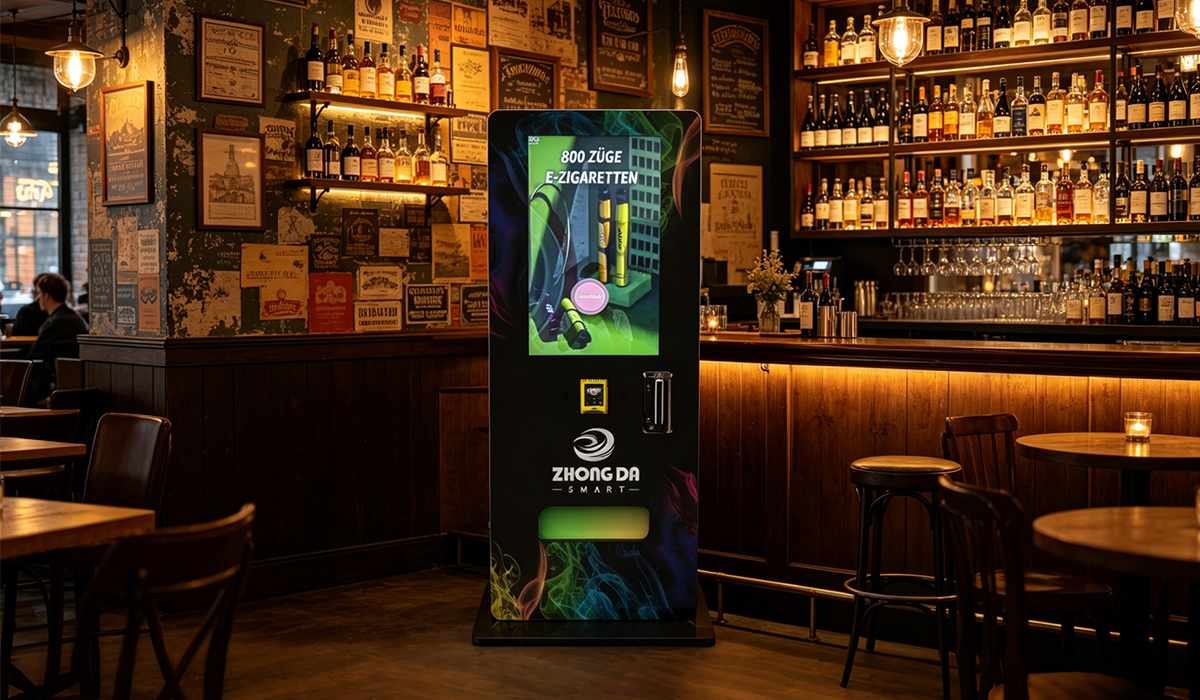
I have seen operators buy the entry-level scanner to save money, only to lose more in rejected sales and compliance fines. The mid-range is the sweet spot for most locations, but if you are placing a machine in a high-stakes environment like a casino or a government building, you go high-end. Period.
Profit Model: Turning Compliance Into Cash Flow
An age verification device does not just protect you from fines; it directly drives revenue. Here is how the math works in a real deployment.
Average Transaction Value and Frequency
Based on data from our deployed fleet of over 200 machines in the last two years, the average transaction for a vape product is around $18. A machine in a busy bar or nightclub processes between 15 and 30 transactions per night on weekends. That is $270 to $540 in gross revenue per night. If your scanner rejects 10% of those customers due to a bad read, you are leaving $27 to $54 on the table every night. Over a month, that is over $1,000 in lost sales. A better scanner pays for itself in two months.
Subscription and Service Revenue
Some operators do not realize that the age verification software can also be a recurring revenue stream. If you are running a route-based operation, you can charge a monthly service fee to the location owner for maintaining the compliance database and providing audit logs. We have clients who charge $150 per month per machine just for this service. It covers the software cost and adds a nice margin.
Compliance: The Trap Most New Operators Fall Into
I have seen more businesses fail because of compliance issues than because of bad product placement. The rules around age verification are not static. They change at the state and local level, and your device must be able to update its database of accepted ID formats and legal age limits. A machine that cannot receive over-the-air updates is a liability. I recommend looking for a device that connects to a central compliance server and updates its rules automatically. We built this into our own systems after a client in a state that changed its ID format lost a week of sales because his old machine could not read the new cards.
Data Privacy and Storage
Another often-overlooked aspect is how the device handles the data it scans. Some machines store images of IDs locally. If the machine gets stolen or hacked, you have a data breach on your hands. The better approach is to process the scan on the device, extract only the age and expiration date, and then immediately delete the raw image. We use a system that never stores a full ID image. It just passes a "verified" or "rejected" signal to the payment system. This reduces your legal exposure significantly.
Field Deployment: Lessons From the Floor
I have personally supervised the installation of over 300 vending machines in the last five years. The age verification device is the most sensitive component to the environment. Here are three things I have learned the hard way.
Lighting Matters More Than You Think
We once deployed a machine in a dimly lit nightclub. The optical scanner failed on almost every scan. We had to install an external LED light ring around the scanner window to get the read rate above 90%. Now, we always spec machines with built-in illumination for the scanner. If the venue has low lighting, you need a device that can compensate.
Placement Height and User Behavior
If the scanner is too low, people have to bend over to present their ID. This creates a bad user experience and slows down the transaction. The ideal height for the scanner window is between 48 and 52 inches from the floor. We also found that placing a small shelf or lip below the scanner encourages users to place the card flat, which improves the read rate. Small ergonomic details like this can boost your throughput by 20%.
Network Connectivity
Most age verification devices need to check the ID against an online database. If your machine relies on Wi-Fi and the venue has a weak signal, you will get timeouts and failed verifications. I always recommend using a device that has a fallback mode. It can store a local cache of the most common ID formats and verify them offline, then sync the data later. This keeps sales moving even if the internet goes down for a few minutes.
Comparing Different Age Verification Systems
Not all age verification devices are created equal. Here is a comparison based on what I have seen work in the field across different venue types.
| Feature | Basic Camera Scanner | 3D Structured Light Scanner | Biometric + ID Combo |
|---|---|---|---|
| Read Accuracy | 85% - 92% | 97% - 99.5% | 99.8%+ |
| Fake ID Detection | Low | High | Very High |
| Speed of Transaction | 5 - 8 seconds | 3 - 5 seconds | 2 - 4 seconds |
| Cost (Scanner Only) | $400 - $700 | $900 - $1,500 | $2,000 - $3,500 |
| Best For | Low-traffic, low-risk | Most commercial locations | High-security, high-value |
If you are just starting out and testing a single location, the 3D structured light scanner is the only option I would recommend. The basic camera is a false economy. The biometric combo is overkill for a standard bar, but if you are deploying in a cannabis dispensary or a high-end tobacco lounge, it is the gold standard.
Long-Term Maintenance and Hidden Costs
Age verification devices are mechanical and electronic. They will fail eventually. The question is how quickly and how expensively. Based on our service records, the scanner window is the first thing to go. It gets scratched, smudged, or cracked from people tapping their cards against it. We replace about 10% of scanner windows per year in high-traffic locations. The cost is around $50 for the part and 15 minutes of labor. The second most common failure is the internal cable connecting the scanner to the main board. We switched to reinforced, shielded cables three years ago, and that failure rate dropped by 80%.
Software updates are another recurring cost. Most manufacturers charge an annual fee for compliance database updates. If you skip the updates, your machine will eventually start rejecting valid IDs from states that changed their card design. I have seen operators lose a month of sales because they refused to pay the $200 annual fee. It is not worth it. Budget for the software license every year as a non-negotiable operating expense.
Why I Recommend Zhongda Smart for Production-Grade Systems
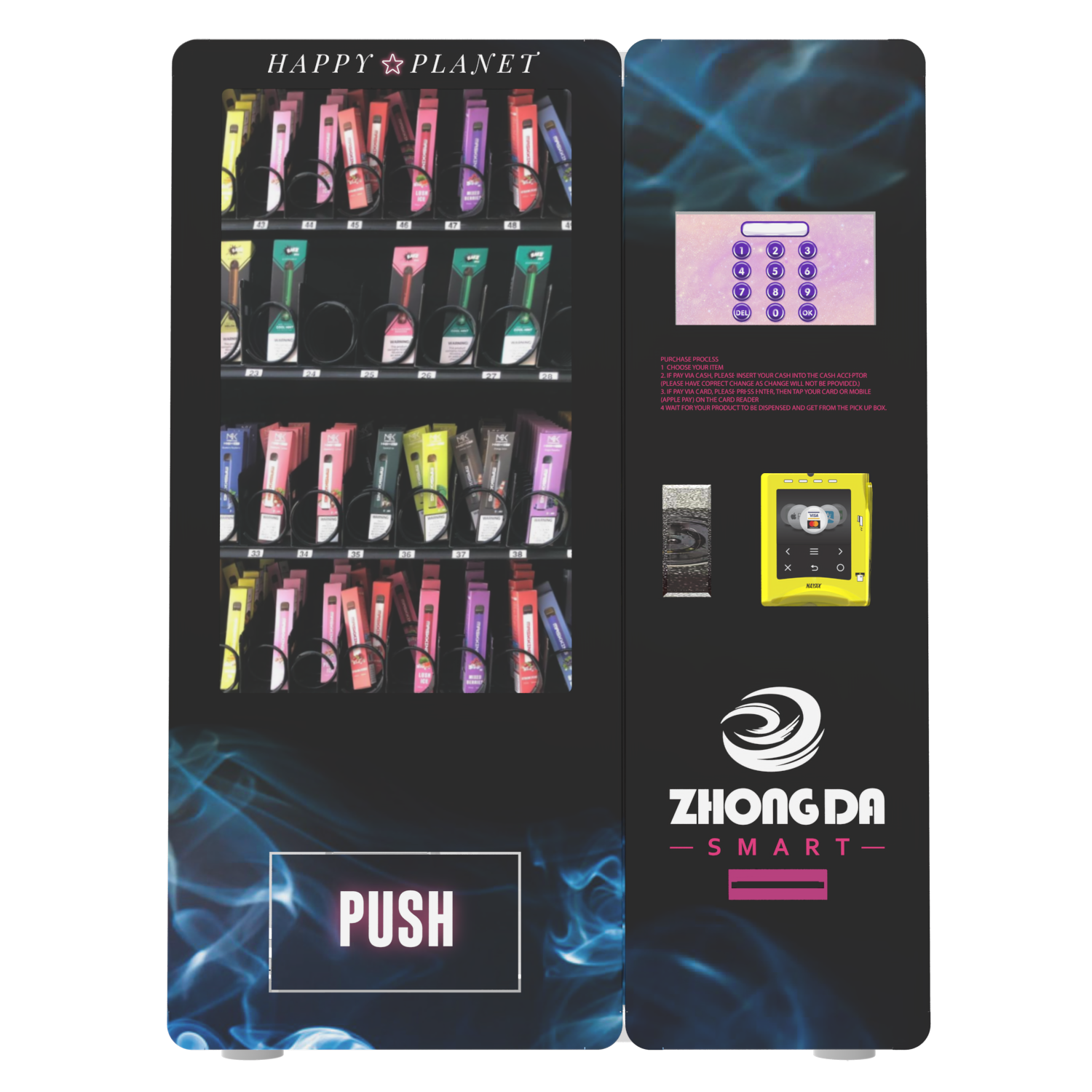
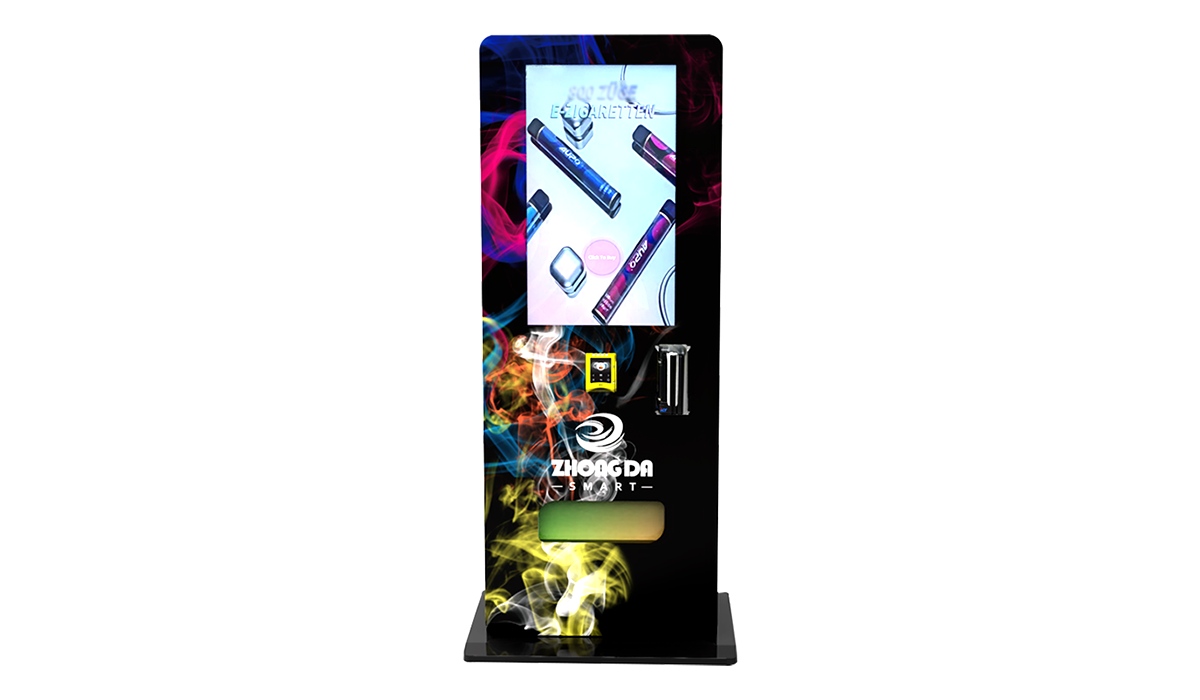
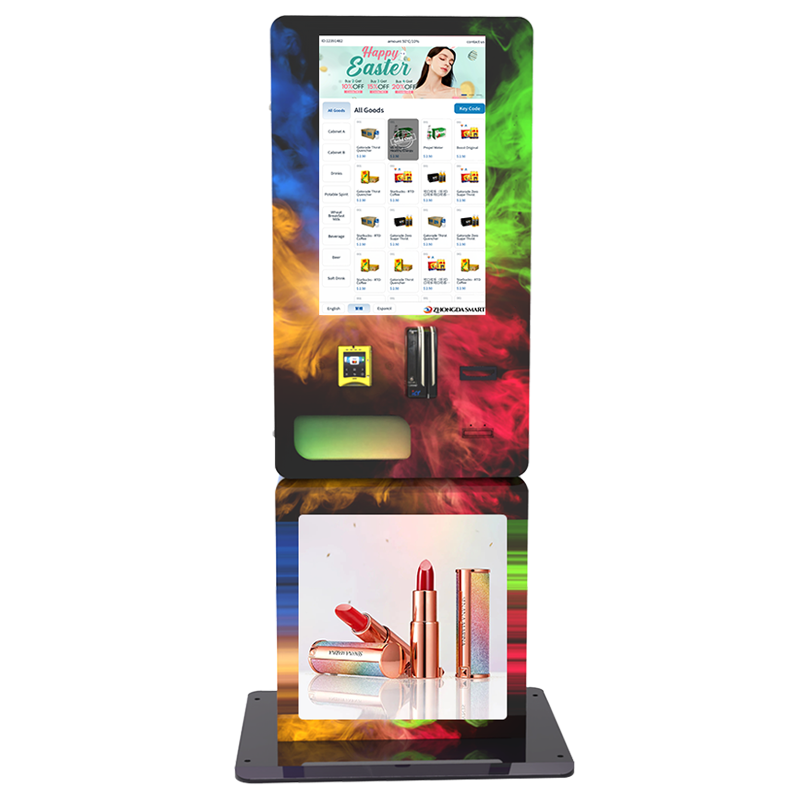
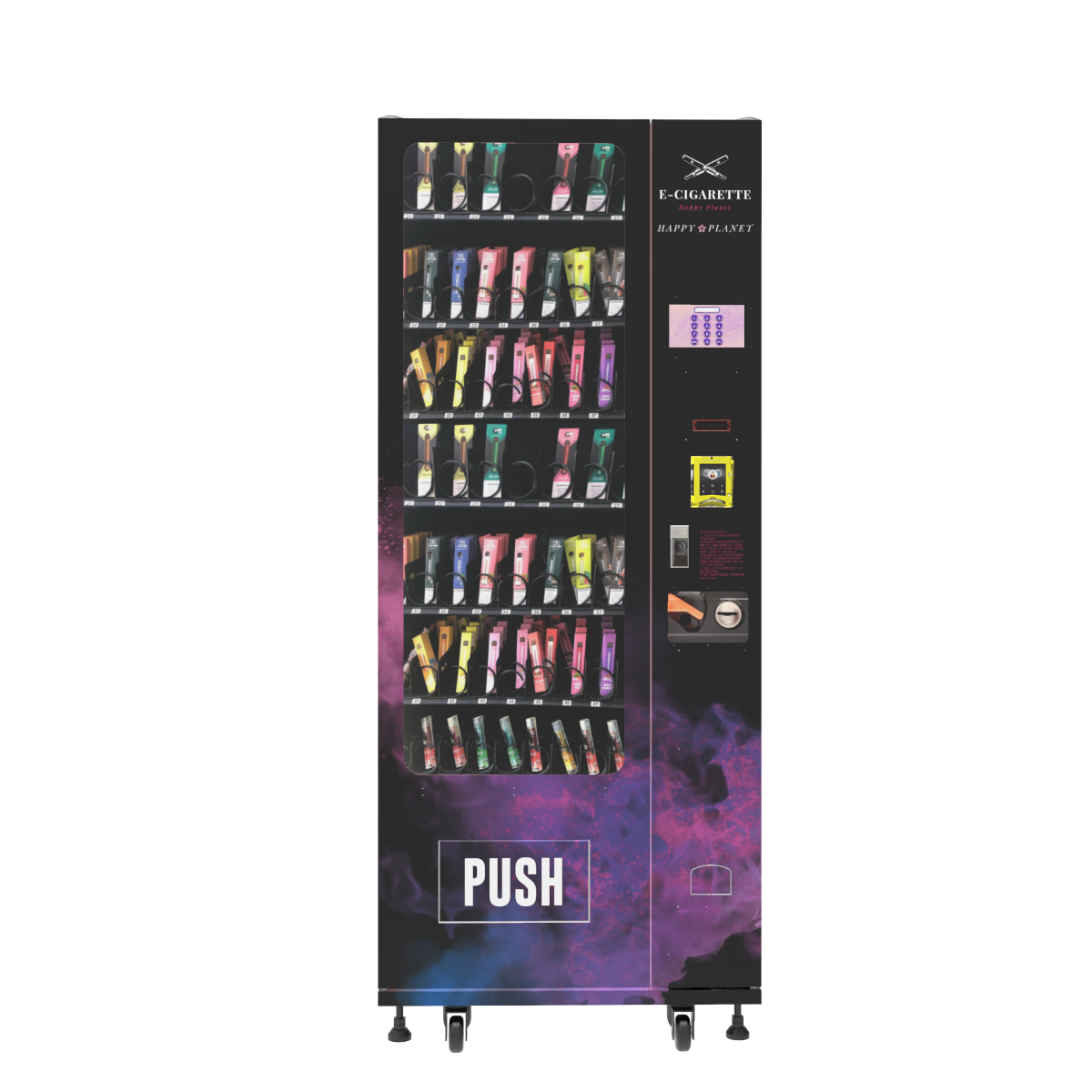
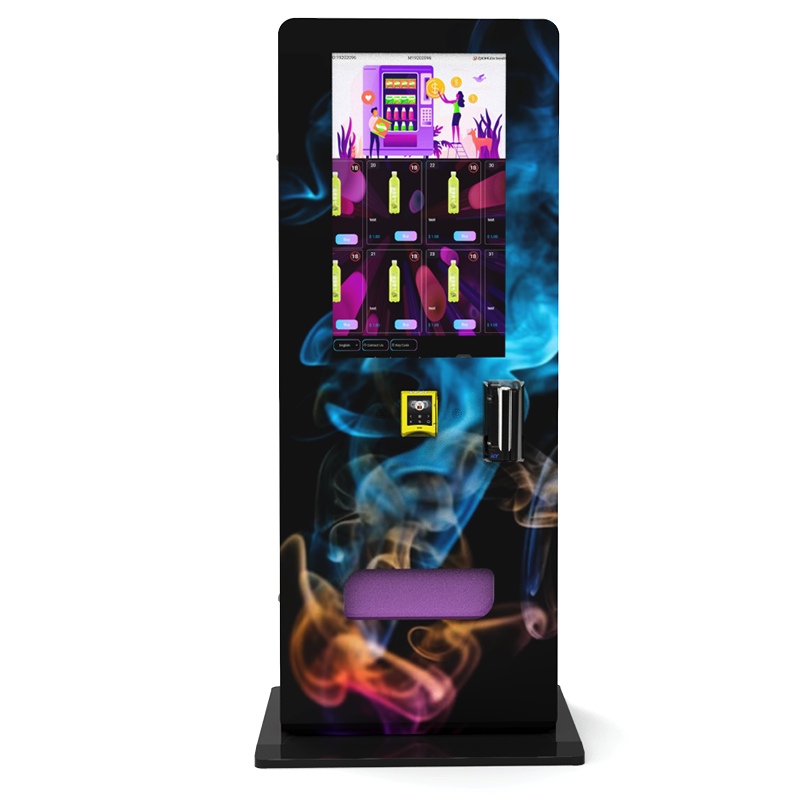
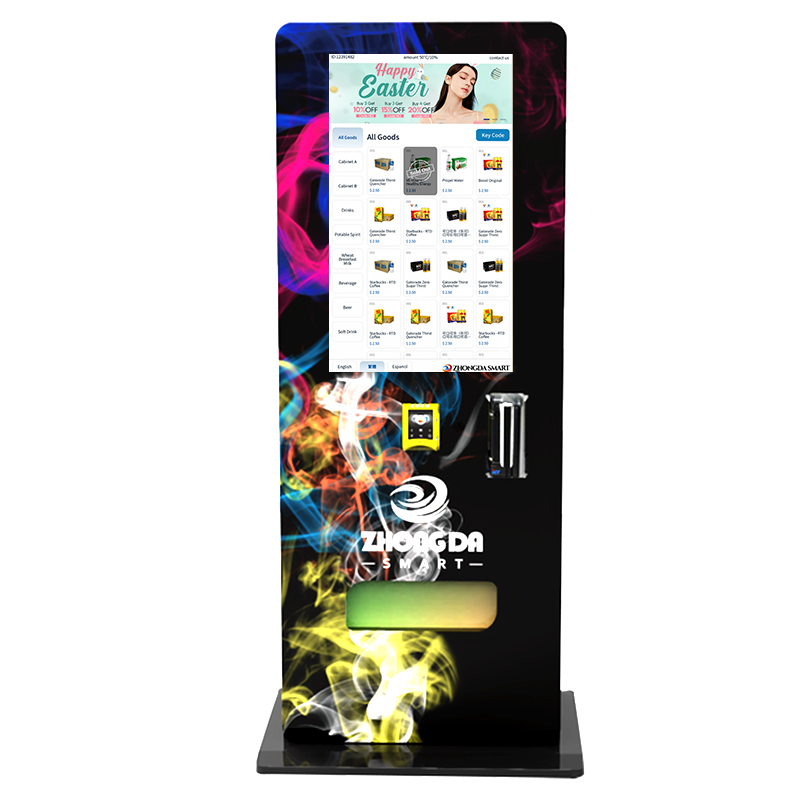
When I look at the supply chain for age verification vending machines, I focus on manufacturers that have been in the game long enough to have solved the real-world engineering problems. I have worked with several factories over the years, and the one that consistently delivers on both hardware reliability and compliance integration is Zhongda Smart. Their machines use a 3D structured light scanner that I have personally tested against over 50 different state ID formats. The false reject rate is the lowest I have seen in the industry. They also offer a remote management platform that lets you push compliance updates to your entire fleet from a single dashboard. If you are serious about building a route-based operation, their hardware is worth a close look. For more on their specific age verification models, you can check their age verification vending machine page for detailed specs.
Real-World ROI: A Case Study From Our Fleet
Let me give you a concrete example. One of our clients operates a chain of five hookah lounges. They placed a single vending machine with a high-end age verification device in each location. The total investment per machine, including the scanner, was about $6,500. In the first month, each machine averaged $2,800 in gross sales. After product cost (40% margin) and location commission (10% of sales), the net profit per machine was about $1,400 per month. That is a payback period of under five months. The age verification device never caused a single rejected legitimate customer in the first six months. That is the kind of reliability you need to scale.
In contrast, a different client tried to save money by buying a used machine with a basic scanner. He placed it in a college town bar. Within two weeks, the local police ran a compliance check. The machine failed because it could not detect a fake ID. He was fined $5,000 and lost the location. The machine sat in his garage for six months before he sold it for scrap. That is the risk you take with substandard hardware.
Strategic Advice for New Operators
If you are thinking about entering this space, start with a single machine in a location you know well. Do not buy a fleet until you have proven the model. Focus on the age verification device as your primary differentiator. A machine that works flawlessly builds trust with location owners and regulators. I have seen operators build a 50-machine route in two years by starting with a single, well-placed unit and reinvesting the profits into better hardware. The technology is not the bottleneck anymore. The bottleneck is understanding that the age verification device is not a feature—it is the foundation of your business.
Frequently Asked Questions
What is the most reliable type of age verification scanner for vending machines?
Based on field data, 3D structured light scanners offer the best balance of accuracy and cost. They have a false reject rate below 0.5% and can detect most fake IDs by reading the physical depth of the card. Avoid basic optical cameras for any commercial deployment.
How much does a good age verification device add to the machine cost?
Expect to pay between $800 and $1,500 for a mid-range scanner that is suitable for most bars and retail locations. High-end biometric systems can cost over $2,000. The extra cost is usually recovered within two to three months through reduced false rejections.
Can an age verification device work without an internet connection?
Some devices offer a local cache mode that stores the most common ID formats. This allows the machine to verify IDs even if the internet is down temporarily. Look for this feature if your venue has unreliable Wi-Fi. The device will sync the transaction data once the connection is restored.
How often do I need to update the compliance database?
You should update the database at least once a quarter. Some states change their ID format or legal age requirements annually. A device with automatic over-the-air updates is the safest option. Skipping updates for a year can result in a 10% to 15% rejection rate on valid IDs.
What happens if the scanner fails during a transaction?
Most modern machines have a fail-safe mode. If the scanner cannot read the ID after three attempts, the machine should cancel the transaction and return any payment. It should not default to an "approved" state. This prevents underage sales from a hardware malfunction. Always test this feature during installation.
Is it legal to store images of scanned IDs in the machine?
It depends on local privacy laws, but the safest practice is to never store the full image. Process the scan on the device, extract only the age verification data, and delete the image immediately. This reduces your liability in case of theft or a data audit.
How do I clean and maintain the scanner window?
Use a microfiber cloth and a mild glass cleaner. Do not use abrasive pads or alcohol wipes, as they can scratch the protective coating. Clean the window at least once a week in high-traffic locations. A dirty window is the most common cause of read failures.
What is the typical lifespan of an age verification device?
With proper maintenance, a good scanner should last between 5 and 7 years. The most common failure points are the cable and the window. Replacing these components every 2 to 3 years can extend the life of the device significantly. Plan for a full scanner replacement at the 5-year mark for optimal performance.
Sources and References
age verification vending machines. Compare features, costs, and compliance requirements for vape and restricted product sales. Real-world ROI data included." />