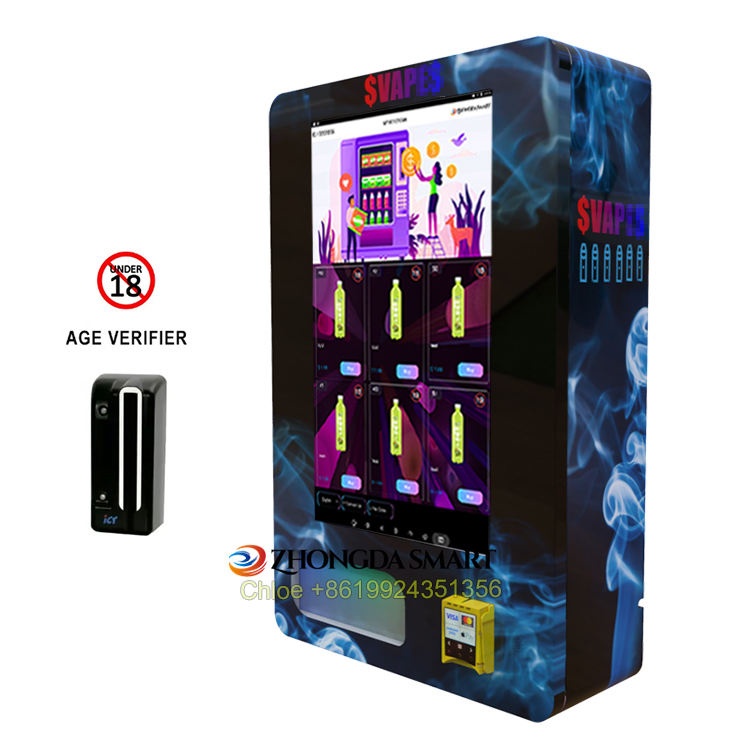
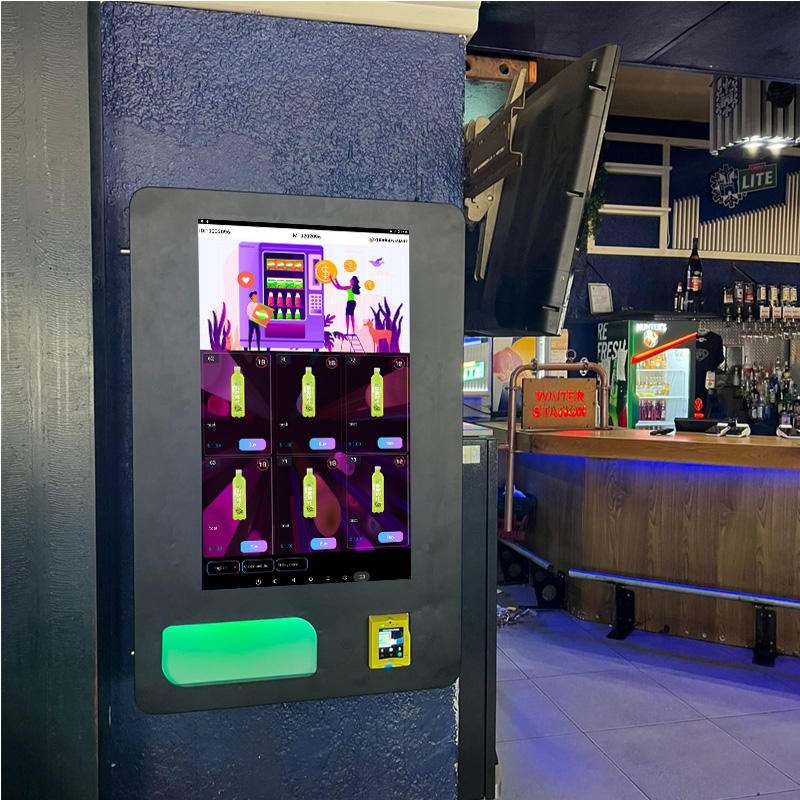
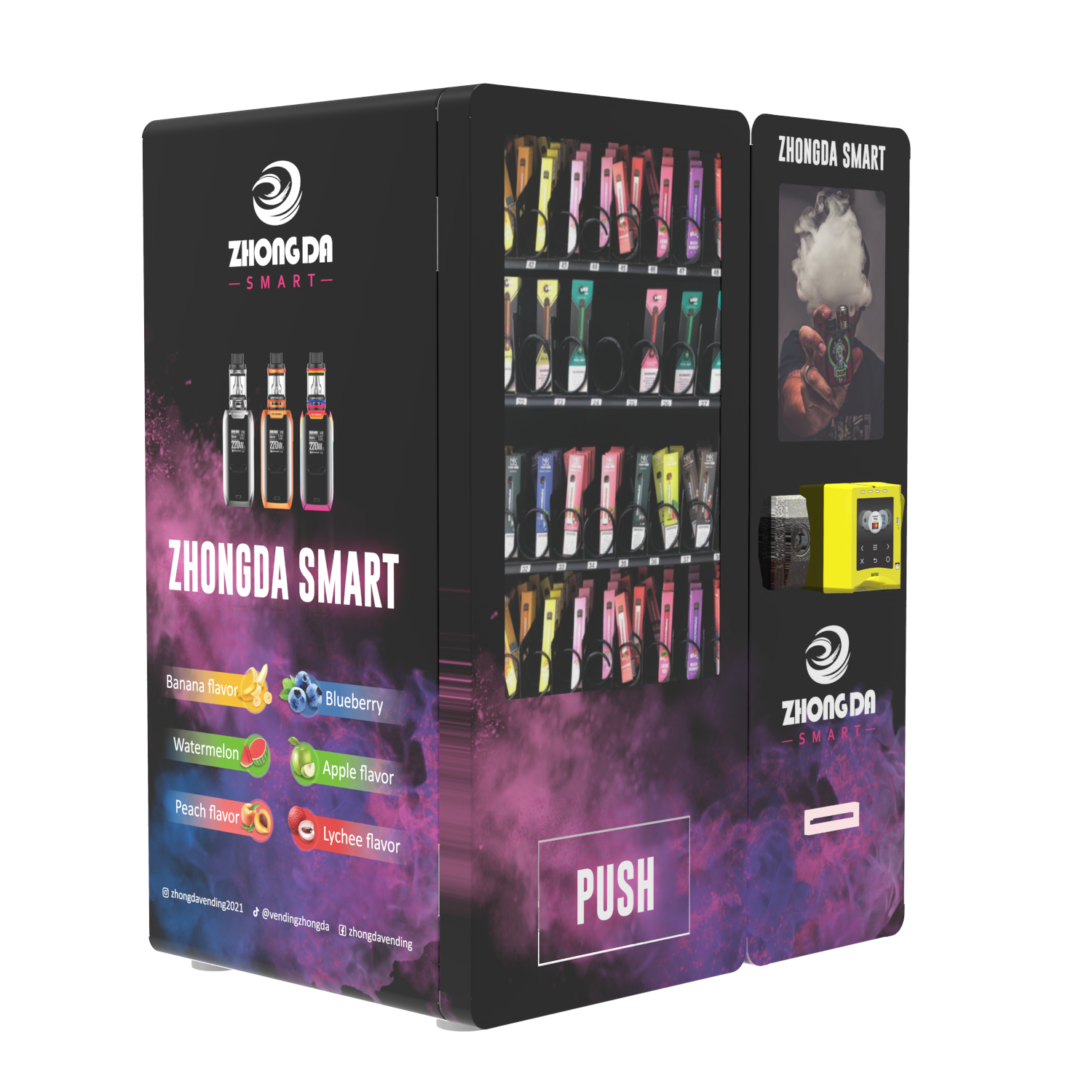
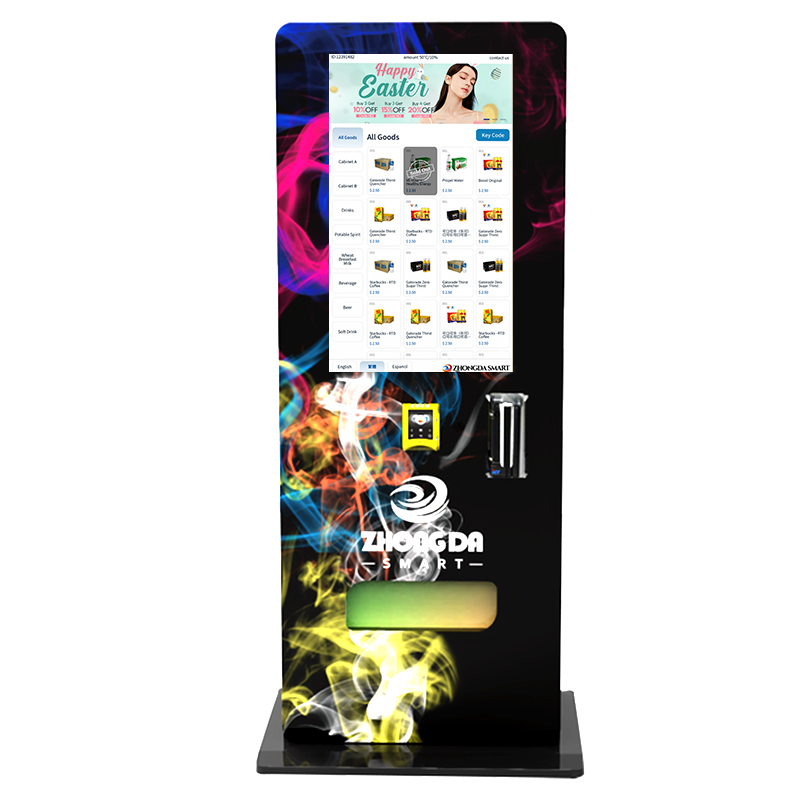
After spending the better part of the last decade deploying and maintaining automated retail systems across the US and Europe, I can tell you that the single biggest hurdle isn't the hardware or the location—it's trust. Specifically, the trust that the machine won't sell a nicotine product to a minor. The market has shifted dramatically from simple coin-operated cigarette dispensers to sophisticated, networked kiosks. Today, a tobacco vending machine age verification system isn't just a legal checkbox; it's the core of the business model. If your system fails a compliance check, you don't just lose a location—you lose your license. This guide is built on the real-world engineering and operational decisions our factory has made over fifteen years, focusing on what actually works when you put a machine on a bar floor or in a hotel lobby.
Why Age Verification Defines the Modern Tobacco Vending Business
Back in 2010, we shipped machines that relied on a simple key switch. The bartender would flip a switch, and the customer could buy. That model is dead in almost every regulated market. The shift to self-service kiosks required a fundamental redesign of the control board and the software stack. We learned quickly that adding a camera and a scanner wasn't enough. The verification logic—the decision-making process of whether to release a product—had to be bulletproof.
The current landscape demands a system that can read a driver's license barcode, parse the date of birth, cross-reference it with the current date, and make a sale decision in under three seconds. But the real challenge isn't the speed; it's the edge cases. What happens when a customer presents a foreign passport? What if the license is expired? What if the barcode is damaged? A good system has a fallback, usually a manual entry combined with a live attendant override via a remote camera link. This is where the engineering gets complex, and it's why we stopped selling machines without integrated, cloud-connected verification modules.
The Shift from Passive to Active Compliance
Passive compliance meant having a sign on the machine that said "Must be 21." Active compliance means the machine itself enforces the law. We started integrating ID scanners from manufacturers like IDScan.net and Jumio into our control systems. The key insight here was that the scanner is just a sensor. The real intelligence is in the firmware that decides what to do with the data. We wrote custom logic that not only checks the age but also logs the transaction in a way that satisfies local regulatory audits. This log includes a timestamp, the scanned ID data (masked for privacy), and a photo of the person making the purchase. This audit trail has saved several of our clients from fines during surprise inspections.
One of our clients in a major European city had a machine flagged by a local regulator. Because our system stored the full transaction log with the image, they were able to prove that every single sale was made to a verified adult. The case was closed in ten minutes. That’s the difference between a system that checks a box and a system that actually works.
Deconstructing the Verification Hardware: What You Actually Need
There is a lot of marketing noise about "AI-powered" verification. Let's be clear: the core of a reliable system is still the optical scanner and the barcode parsing algorithm. AI is used for facial matching, but in our experience, it's a secondary check. The primary check is always the government-issued ID. We have tested machines with facial recognition only, and the failure rate on people wearing masks, hats, or with poor lighting was over 15%. That's a deal-breaker for a vending operator who needs a 99%+ transaction success rate.
Here is the breakdown of the hardware stack we use in our age verification vending machines:
- Scanner Module: A 2D imager capable of reading PDF417, Aztec, and QR codes from licenses. It must handle reflective and damaged cards.
- Control Board: The logic unit that runs the verification algorithm. We use a custom ARM-based board that processes the scan locally before sending a confirmation to the cloud.
- Camera: A 1080p low-light camera for the audit photo. It is not used for primary verification but for secondary human review if a transaction is flagged.
- Network Module: 4G LTE and Wi-Fi. The machine must be online to update age verification databases and sync logs. Offline mode is a risk we don't recommend.
Software Logic: The Part Most Manufacturers Get Wrong
The hardware is standard. The software is where the value lies. We spent two years rewriting the verification logic for our compliant e-cigarette vending machine. The biggest issue we fixed was the "date math" error. Many systems just subtract the birth year from the current year. That doesn't account for the month and day. A person born on December 31, 2002, is 21 on January 1, 2024? No, they are not. Our system calculates the exact difference in days. It sounds simple, but we have seen competing machines fail on this exact edge case.
We also built a "blacklist" function. If a location has a problem customer who tries to use a fake ID, the operator can flag that ID number in the cloud. The next time that ID is presented at any of our machines in the network, the transaction is automatically denied. This is a powerful tool for bars and clubs that have a high rate of attempted underage purchases.
The Real Cost of Verification: Hardware, Software, and Compliance
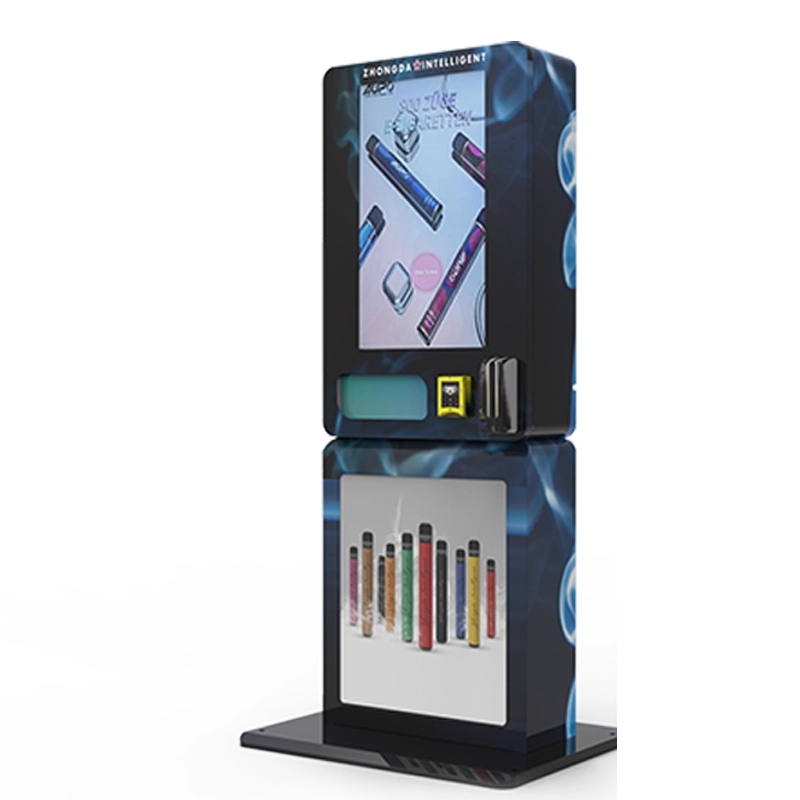
Let's talk numbers. I see a lot of articles that quote a generic "cost per machine." That is misleading. The cost of the verification system is separate from the cost of the vending machine itself. You can buy a basic machine for $3,000, but if you add a compliance-grade verification system, you are looking at an additional $1,500 to $2,500 for the scanner, camera, and software license. Our factory integrates everything into a single unit, which brings the total cost down, but the market average for a fully compliant machine is between $5,000 and $8,000.
Here is a breakdown of a typical deployment cost for a single unit:
| Component | Cost (USD) | Notes |
|---|---|---|
| Machine Base Unit | $3,500 | Includes cabinet, cooling, and payment terminal. |
| ID Scanner & Camera Module | $1,800 | Integrated into the bezel. Factory installed. |
| Software License (Annual) | $600 | Covers cloud sync, updates, and audit log storage. |
| Installation & Shipping | $500 | Varies by location. This is an average. |
| First Year Total | $6,400 | Excludes inventory and location commission. |
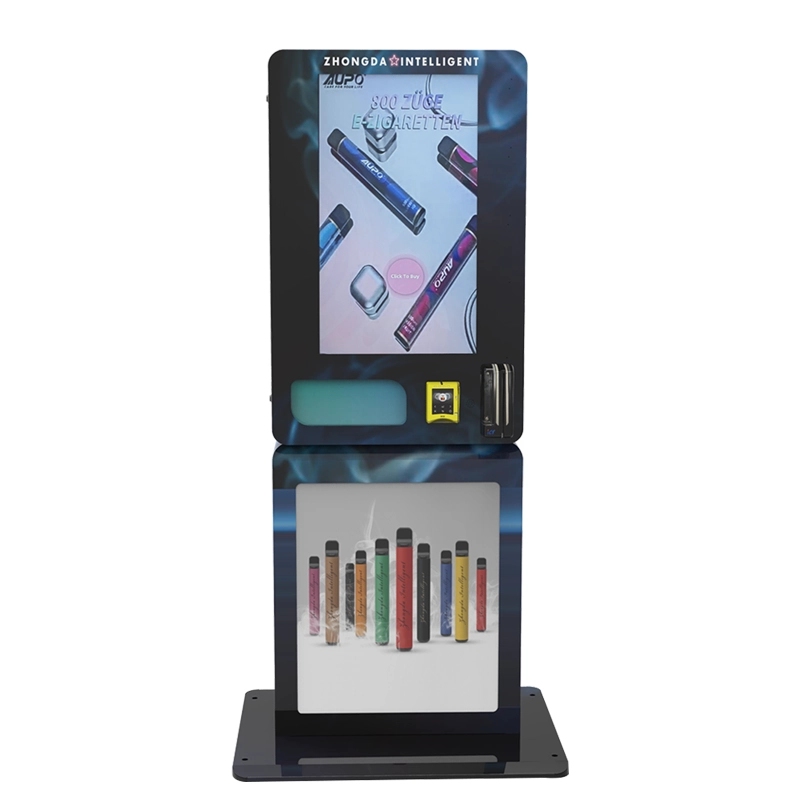
This is a capital investment. The ROI depends entirely on location foot traffic and product margin. We have seen machines in high-traffic convenience stores pay back in 8 months. Machines in lower-traffic hotel lobbies take 18 months. The verification system does not slow down the transaction enough to affect throughput. A typical transaction takes 12 seconds from scan to product delivery.
Profit Models and Revenue Sharing in Regulated Markets
The most successful operators we work with do not just buy a machine and throw it in a corner. They structure a revenue share with the location owner. A standard split is 70/30 in favor of the operator, with the location providing power and floor space. The operator handles restocking, maintenance, and compliance. This model works because the location gets a cut of sales without any upfront cost, and the operator controls the inventory and the cash flow.
We have one client who operates a fleet of 20 machines across a chain of bowling alleys. His average weekly revenue per machine is $450. After the location's cut, product cost, and his restocking labor, his net profit per machine is about $120 per week. That is a gross margin of about 26%. The key to his success is the verification system. Because the machines are compliant, the bowling alley management trusts him completely. They don't worry about fines, so they are happy to let him expand to their other locations.
Why Compliance is a Revenue Driver, Not a Cost Center
I hear operators complain about the cost of age verification. They see it as a tax on their business. I see it as the barrier to entry. If you have a machine that is not compliant, you are operating in the gray market. One sting operation and you are out of business. The operators who invest in proper verification systems are the ones who get the prime locations. The bar owner who is worried about losing his liquor license will only let a machine with a proven verification record onto his floor. Our ID scan vending machine line was designed specifically for this high-stakes environment.
We also see a trend where insurance companies are starting to ask about vending machine verification. One of our clients in Ohio had his general liability premium reduced by 12% because he could prove his machines were age-gated. The insurance underwriter viewed it as a risk mitigation tool. That is a direct financial benefit that most operators never consider.
Real Deployment Failures and What We Learned
I want to be honest about the failures. We have deployed machines that failed. The most common failure is not the verification system itself, but the user interface. We designed a machine with a touch screen that required the user to swipe their ID. The problem was that people put their phone in the scanner slot. They thought it was a contactless payment reader. We had to redesign the bezel to physically prevent anything larger than a credit card from entering the slot. We also added a bright LED ring around the scanner that flashes green when it is ready to read. This simple hardware change reduced scan failures by 40%.
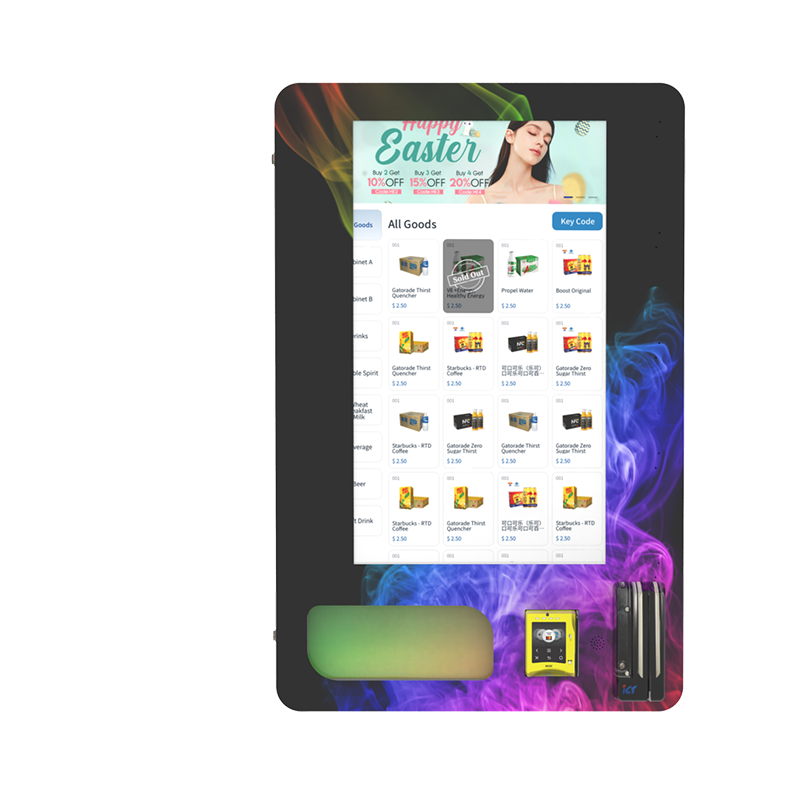
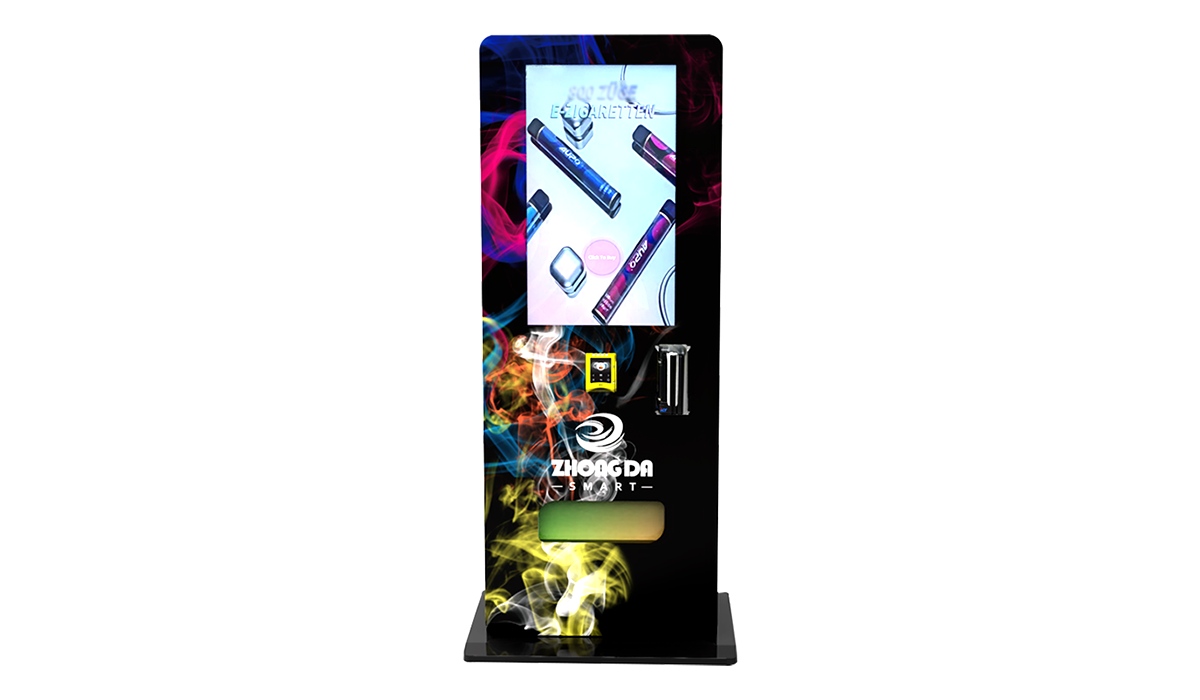
Another failure was the network dependency. We sold a machine to a client in a rural location with poor cellular coverage. The machine would go offline, and the verification system would default to a "deny" mode. The machine was essentially useless for hours at a time. We had to retrofit the machine with a stronger antenna and a local cache that allowed it to store up to 500 transactions in memory. When the network came back, it would sync the logs. This is now standard on all our wall mounted compact e-cigarette vending units.
The Human Factor: Training the Staff
You can have the best verification system in the world, but if the bar staff doesn't know how to handle a failed transaction, you have a problem. We learned this the hard way. A bartender saw a customer struggling with the scanner and manually opened the machine to give them the product. That is a direct violation of the compliance protocol. We now include a mandatory training guide with every machine. We also have a remote monitoring system that alerts us if a door is opened without a valid transaction. This has stopped several "friendly" sales by staff members.
Comparing Verification Technologies: Scanner vs. Biometric vs. Attendant
There are three main paths for age verification in this industry. I have tested all of them in the field. Here is a direct comparison based on our deployment data:
| Method | Accuracy | Speed | User Friction | Cost |
|---|---|---|---|---|
| ID Barcode Scan | 99.5% | 2 seconds | Low (swipe card) | High (hardware) |
| Facial Recognition (AI) | 85-90% | 3 seconds | Very Low (look at camera) | Very High (software license) |
| Attendant Override (Remote) | 100% (human check) | 15-30 seconds | High (wait for call) | Medium (labor cost) |
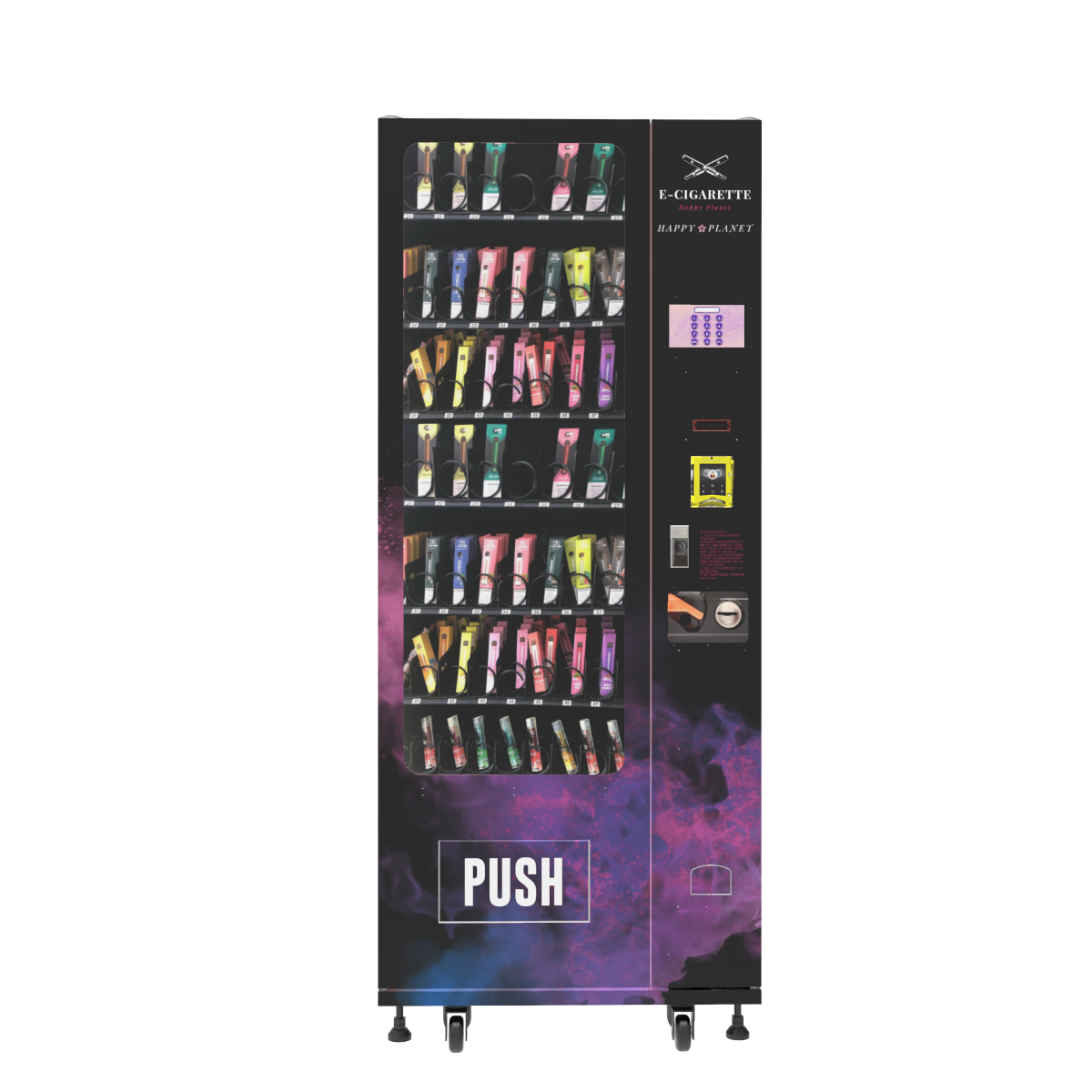
Our recommendation for the last three years has been a hybrid system. Use the ID scanner as the primary method. It is the fastest and most reliable. Use the facial recognition as a secondary check to match the face to the ID photo. Use the remote attendant as a fallback for edge cases like foreign IDs or damaged cards. This three-tier system is what we build into our high-capacity vape vending machines. It is over-engineered for today's regulations, but it future-proofs the operator against stricter laws that are coming.
Long-Term Maintenance and Software Updates
Age verification is not a "set it and forget it" feature. Laws change. ID formats change. The software that parses the barcode must be updated regularly. We provide a software update service that pushes new parsing algorithms to the machine over the air. This is critical. A few years ago, several states in the US updated their driver's license design. Machines that did not get the software update started rejecting valid IDs. The operators had to pull the machines from service. That is a costly mistake.
We also recommend a quarterly physical inspection of the scanner glass. It gets dirty. A smudged lens can cause a 10% increase in scan failures. Our machines have a diagnostic mode that reports the scan success rate. If it drops below 95%, the system sends an alert to the operator. This proactive maintenance keeps the machine running at peak efficiency.
Frequently Asked Questions
What happens if the ID scanner fails?
Most modern machines have a fallback. The machine will prompt the user to place a live video call to a remote attendant who can visually verify the ID. This is slower but ensures the sale can still happen. Do not rely on a manual override by the location staff. That creates a compliance risk.
Can I use a machine offline?
Technically yes, but it is not recommended. Offline machines cannot update their age verification databases. If a new law passes or an ID format changes, the machine will be non-compliant. Use a machine with a local cache that can store transactions and sync them later, but keep it connected as much as possible.
How do I handle a customer with a foreign ID?
Most standard scanners are programmed for US and EU formats. For foreign IDs, the best solution is a remote attendant verification. The machine should have a button that calls a central monitoring station where a trained operator can visually check the ID and authorize the sale.
What is the typical ROI for a compliant machine?
Based on our client data, the average ROI is between 10 and 18 months. This depends on the product margin and location traffic. Machines in high-traffic areas with premium products can see an ROI in under 8 months. Factor in the annual software license fee when calculating your payback period.
Do I need a special license to operate an age-verification machine?
Yes. You need the same tobacco retail license as a brick-and-mortar store. Some jurisdictions have a specific "vending machine" endorsement on the license. Check with your local alcohol and tobacco commission. The machine itself does not replace the need for a business license.
How do I prevent theft or vandalism of the scanner?
Use a machine with a reinforced bezel around the scanner. We use a stainless steel housing that is bolted to the machine frame. Also, install a security camera pointing at the machine. The audit photo from the transaction itself is also a deterrent. Most vandals do not want their face on a compliance log.
Can the verification system be bypassed?
Not if it is properly integrated. A good system has the verification logic on the control board itself. If the scanner does not send a "valid age" signal, the vend motor will not engage. There is no physical switch to bypass it. This is a key feature to look for when purchasing a machine.
What data does the machine store?
The machine stores the transaction time, a masked ID number (usually the last four digits), and the audit photo. It does not store the full name or address. This is done to comply with data privacy laws like GDPR and CCPA. Always check the data storage policy of your machine manufacturer.
Industry data references: According to a 2023 report by IBISWorld, the vending machine industry in the US has grown at an annualized rate of 2.4%, with age-restricted product vending being a key growth segment. A Statista survey from 2022 indicated that 68% of consumers prefer self-service kiosks for age-restricted purchases when a reliable verification system is present.
Sources: IBISWorld Vending Machine Operators Report, Statista Consumer Preference Survey.