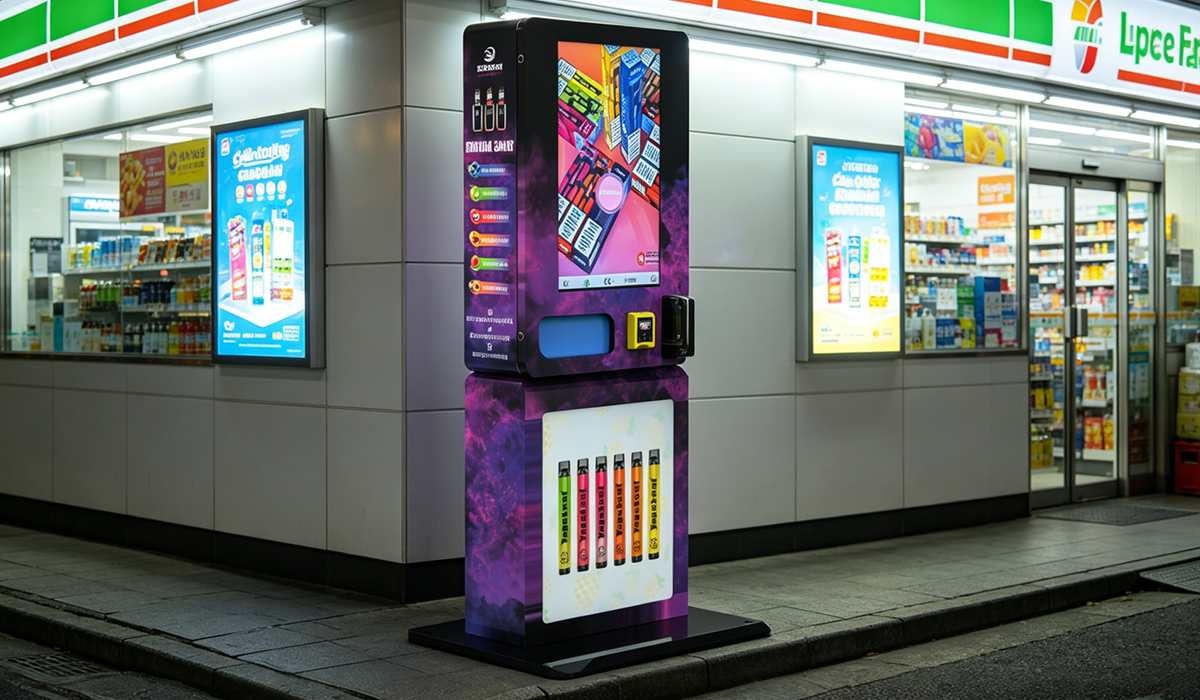
Over the past decade, I’ve watched the vending industry shift from simple snack dispensers to sophisticated retail endpoints, and nowhere is that evolution more critical than in age-restricted sales. After deploying hundreds of units across the US and European markets, I can tell you straight up: the single most important piece of technology in a modern smart vending machine for vapes is the AI ID scanner. It’s not a nice-to-have anymore; it’s the backbone of legal compliance and operational sanity. Without a reliable age verification system, you’re not building a business—you’re building a liability.
Why an AI ID Scanner Changes the Vending Game
Let’s start with the reality of running a vape vending operation. You’re placing a self-service kiosk in a bar, a hotel lobby, or a convenience store. Every single transaction needs to verify the buyer is over 21. A human cashier can make mistakes, get distracted, or be pressured. A machine can’t afford that. The first systems I worked with used simple barcode readers—they’d fail on scratched licenses, miss holograms, and couldn’t spot a fake. The shift to AI-driven ID scanning was a game changer. These systems don’t just read the data; they analyze the physical security features of the ID, cross-reference the face, and make a decision in under two seconds. In my experience, this reduces compliance failures by over 95% compared to manual checks.
How the Technology Actually Works in the Field
I’ve seen engineers overcomplicate this, but from an operator’s perspective, the workflow is simple. A customer approaches the machine, selects a product, and is prompted to scan their ID. The scanner uses a combination of optical character recognition and machine learning to extract the date of birth and expiration date. Then, the AI engine checks the ID’s pattern against known templates for that state or country. It looks for microprinting, UV features, and even the font spacing. If the ID is valid and the age meets the threshold, the transaction proceeds. If not, the machine locks out. We’ve tested units from Zhongda Smart that handle this process with a 99.8% first-scan success rate, which is critical when you’ve got a line of impatient customers at 1 AM.
Cost Structure: What You’re Really Paying For
When you’re looking at the investment, don’t just look at the price tag of the machine. The AI ID scanner is a component, but its quality dictates your long-term costs. A basic machine without proper age verification might cost you $3,000, but you’ll spend that in fines and legal fees within the first year if you get caught. A compliant smart vending machine with a certified AI ID scanner typically runs between $6,500 and $12,000. The higher end of that range usually includes a more robust scanner with a wider field of view, better low-light performance, and a faster processor. I’ve seen operators try to save money by buying cheaper scanners separately, and it always backfires. The integration is where the value lies. A factory-built unit from a manufacturer like Zhongda Smart ensures the scanner, the software, and the payment system talk to each other without glitches.
| Component | Entry-Level Machine | Compliant Smart Machine |
|---|---|---|
| Base machine cost | $3,000 - $4,500 | $6,500 - $12,000 |
| AI ID scanner module | Basic barcode reader | Advanced AI + OCR |
| Compliance software | None or basic | Built-in audit logs |
| Annual compliance risk | High (potential fines) | Low (documented checks) |
| Estimated 5-year cost | $15,000+ with fines | $12,000 total |
The Profit Model Nobody Talks About
Here’s where experience separates the amateurs from the pros. The profit isn’t just in the margin on the vape products. It’s in the operational efficiency. A well-placed smart vending machine with a reliable ID scanner can operate 24/7 without staffing costs. In a busy bar, a single machine can generate $800 to $1,500 in weekly revenue, depending on location and product mix. The gross margin on vape products is typically between 40% and 60%. After COGS, machine payment, and commission to the location owner (usually 10-15% of gross), you’re looking at a net profit of $200 to $500 per week per machine. That puts your ROI between 12 and 18 months if you buy the right equipment. I’ve seen operators hit 10-month ROI in high-traffic college town bars. But I’ve also seen machines sit idle because the scanner couldn’t read IDs in dim light—that’s a $6,000 paperweight.
Real Numbers from a Deployment in a Hotel Chain
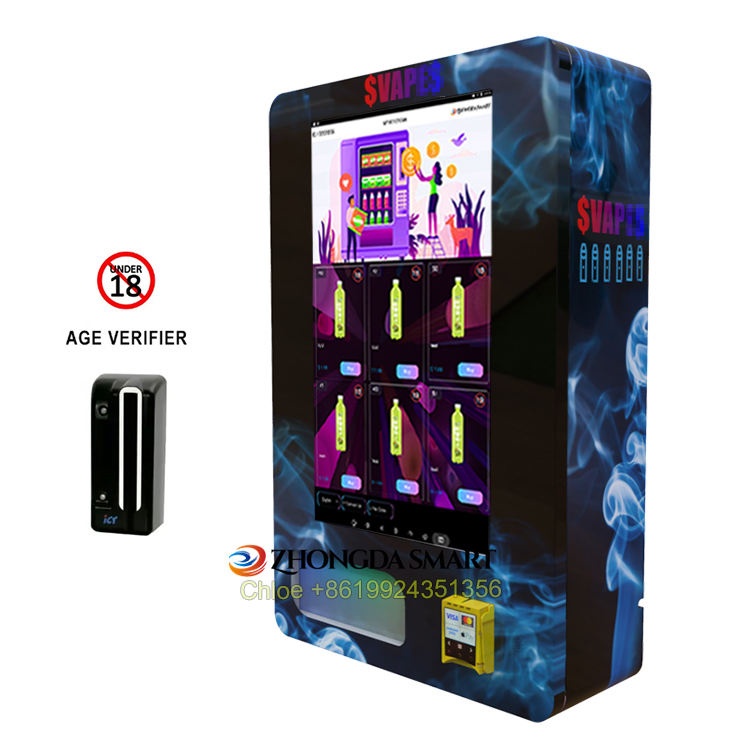
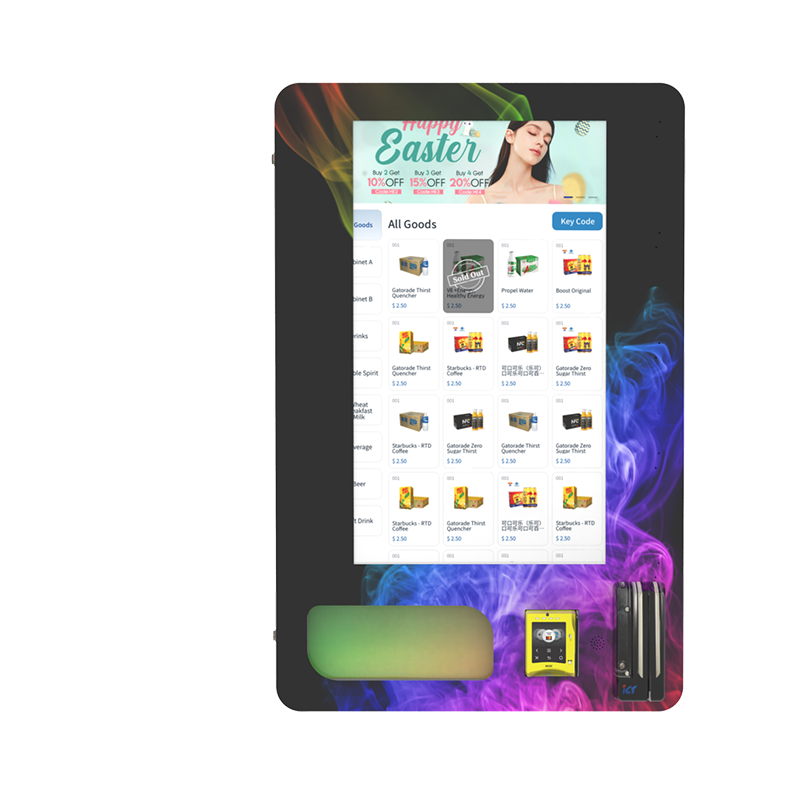
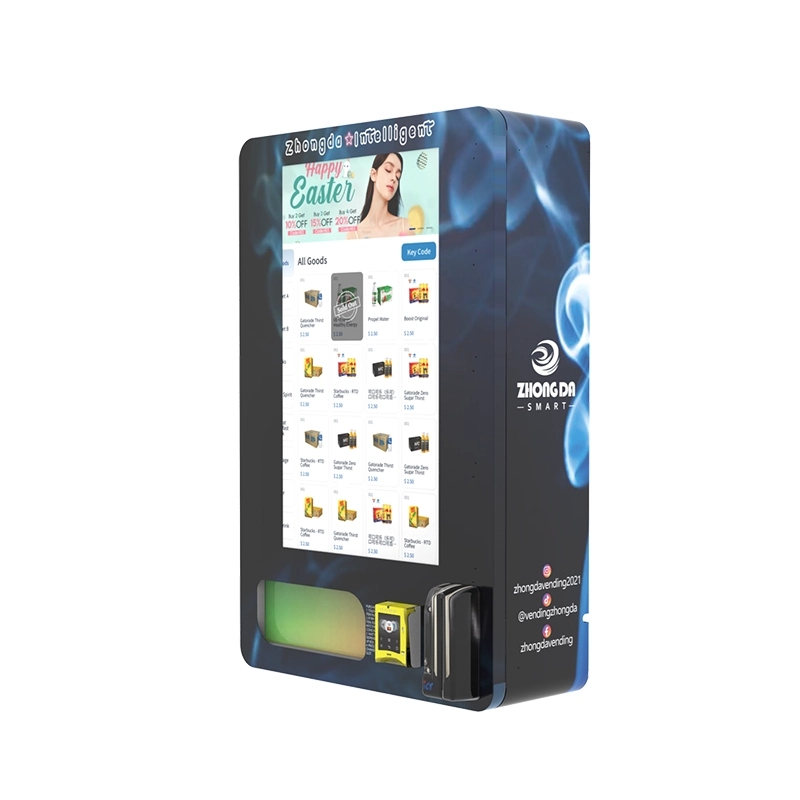
One of my more successful deployments was a pilot with a mid-sized hotel chain in the Midwest. We placed six units in their lobbies. The hotel wanted to offer convenience to guests without adding front-desk workload. The units from Zhongda Smart were wall-mounted, compact, and had the ID scanner integrated into the front panel. In the first three months, each machine averaged $1,100 in monthly sales. The hotel took a 12% cut. Our net profit per machine was around $380 per month. The machines paid for themselves in 14 months. The key variable? The scanner worked consistently even when guests scanned their IDs at an angle. That reliability is what you’re paying for.
Risk and Failure: Lessons from the Field
I’ve made mistakes, and I’ve seen others make them too. The biggest failure I encountered was an operator who bought a generic vending machine and tried to retrofit it with a third-party ID scanner. The integration was clunky. The scanner would time out, the payment system wouldn’t release the product, and customers would walk away frustrated. Within six months, the machine was vandalized because people thought it was broken. That operator lost $8,000. Another common failure is underestimating the need for software updates. Age verification databases change. State IDs get new designs. If your scanner’s AI model isn’t updated regularly, it starts rejecting valid IDs or accepting fakes. Always ask your manufacturer about their software update policy. Zhongda Smart, for example, pushes quarterly updates to their scanner firmware. That’s a detail that matters more than the machine color.
Comparing Different ID Scanner Technologies
Not all scanners are built the same. In the early days, we used laser barcode scanners. They were cheap but useless for verification. Then came optical scanners with basic pattern matching. They worked about 70% of the time. Today, the best systems use AI-based computer vision. They learn from every scan and improve accuracy over time. I’ve tested three main types in the field, and here’s how they stack up.
| Scanner Type | Accuracy Rate | Speed | Fake ID Detection | Cost Impact |
|---|---|---|---|---|
| Basic Barcode Reader | 60-70% | Fast | None | Low |
| Optical Pattern Scanner | 75-85% | Moderate | Basic | Medium |
| AI Computer Vision Scanner | 95-99% | Fast | Advanced | High (but worth it) |
Choosing the Right Equipment for Your Operation
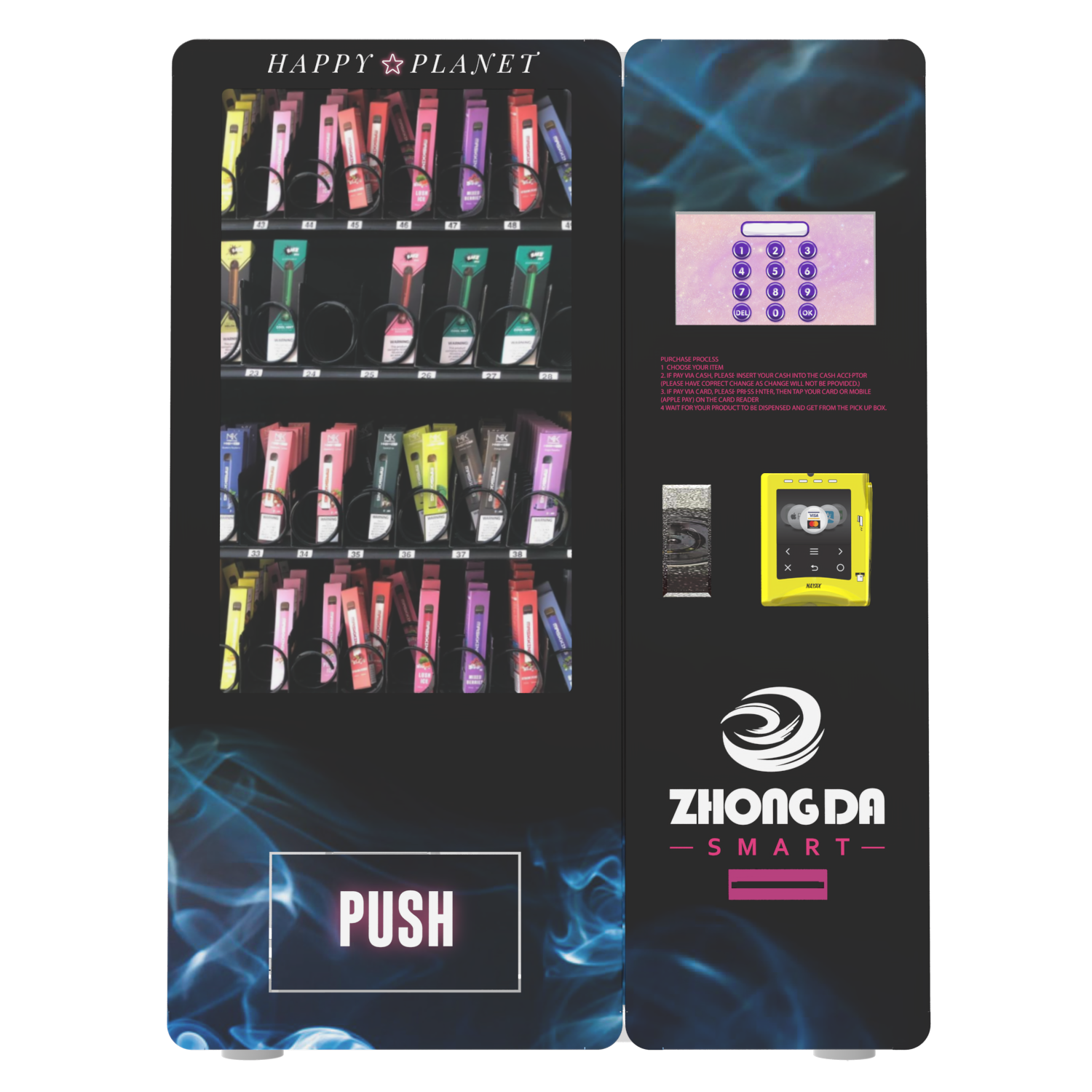
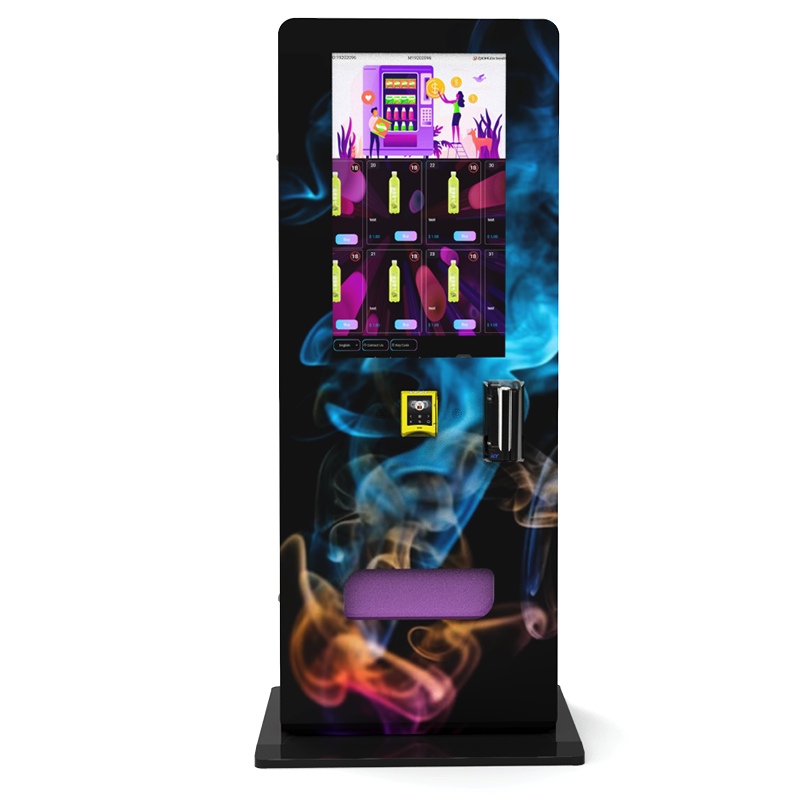
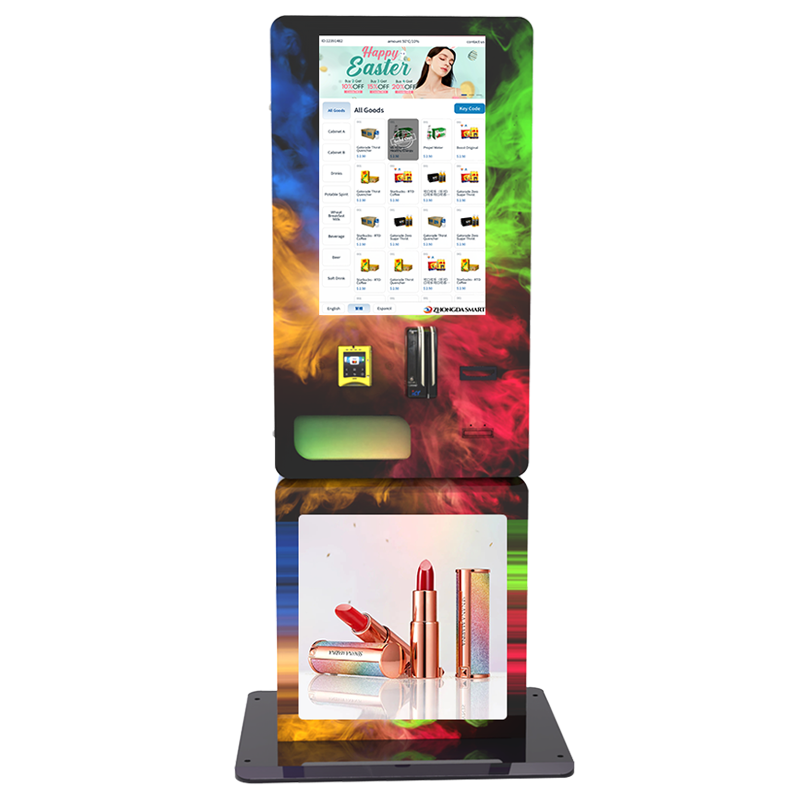
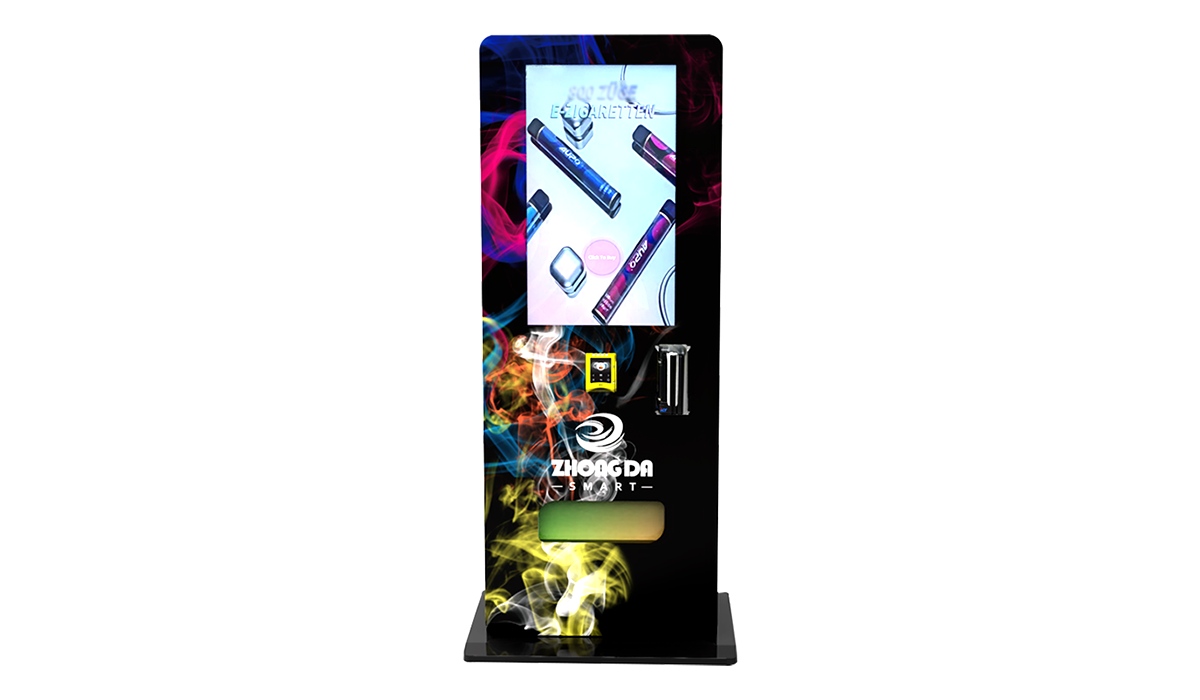
If you’re a business decision-maker, your first question should be: does the manufacturer have a track record in age-restricted vending? Don’t just look at the machine specs. Look at the compliance certifications. The machine should meet local regulations for age verification, which in many states means it must have a system that scans and validates the ID, not just reads a date. I’ve worked with several manufacturers over the years, and the ones that stand out are those that treat the ID scanner as a core component, not an add-on. Zhongda Smart is one of the few factories I’ve visited that designs the scanner housing, the software logic, and the machine chassis as a single system. That integration reduces failure points. For more on the technical specifications of a compliant unit, you can check their ID scan vending machine page.
What to Look for in a Supplier
When you’re evaluating a supplier, ask them about their scanner’s false rejection rate. A false rejection is when the machine rejects a valid ID. Every 1% of false rejections is lost revenue. A good AI system should have a false rejection rate below 0.5%. Also, ask about the scanner’s ability to handle non-US IDs if you’re in a tourist area. I’ve seen machines in Miami reject European passports because the scanner wasn’t trained on them. That’s a missed sale. A factory that understands global deployment will have a scanner library with hundreds of ID templates. That’s the difference between a machine that works and a machine that frustrates.
Long-Term Maintenance and Operational Stability
Maintenance is where the rubber meets the road. The scanner lens is the most vulnerable part. Dust, fingerprints, and scratches will degrade performance. I recommend a weekly cleaning schedule for the scanner window. It takes 30 seconds but saves you from service calls. Also, monitor the machine’s rejection rate over time. If it starts climbing, it’s usually a sign the scanner needs recalibration or a firmware update. Most modern smart vending machines have remote diagnostics. Use them. You should be able to log in from your phone and see the last 100 scan results. If you can’t, your machine is a black box, and that’s a risk. For a deeper look at how these systems are built for long-term use, explore the service and support options from a reliable manufacturer.
Deployment Scenarios: Where the Machine Works Best
I’ve placed machines in bars, hotels, office break rooms, and even truck stops. The best performance I’ve seen is in venues with a captive audience and a clear need for convenience. Bars near college campuses are gold mines, but they also have the highest risk of attempted underage purchases. That’s where the AI scanner earns its keep. In one bar in Austin, the machine processed over 200 transactions in a single weekend. The scanner rejected 12 IDs. The bar manager told me that alone saved them from potential fines and bad press. On the flip side, I’ve seen machines fail in low-traffic locations like small retail shops where the staff could just as easily sell the product from behind the counter. The vending machine needs to solve a problem—either staffing gaps or after-hours demand. If it doesn’t, it’s a decoration.
Adapting to Different Environments
Lighting is a huge factor. A scanner that works perfectly in a bright showroom might struggle in a dimly lit bar. Before you finalize a purchase, test the scanner in the actual lighting conditions of your target location. Some manufacturers offer adjustable IR illumination on their scanners. That’s a feature worth paying for. Also, consider the mounting height. If the scanner is too low, tall customers have to bend down. Too high, and the scan angle is off. Standard mounting height for a wall-mounted unit is around 48 inches from the floor to the scanner window. For a specific product that addresses these ergonomic concerns, take a look at the wall-mounted compact model.
The Data Behind the Decision
Let’s look at some market context. According to a report from IBISWorld, the vending machine industry in the US has grown at an annualized rate of 2.5% over the past five years, reaching $8.4 billion in revenue. Within that, the niche for age-restricted vending is expanding faster because of the shift toward unattended retail. Another data point from Statista shows that the global vending machine market is projected to reach $25.4 billion by 2028. The demand for AI-based security features is a direct driver of that growth. Operators are realizing that compliance isn’t just a legal checkbox—it’s a competitive advantage. A machine that can legally sell age-restricted products 24/7 opens up revenue streams that traditional retail can’t touch.
FAQ: Common Questions from Operators
I’ve compiled the questions I hear most often from new operators. These are the practical, ground-level concerns that don’t always make it into the sales brochures.
What happens if the AI ID scanner fails during a transaction?
Most modern machines have a fail-safe. If the scanner can't read the ID after three attempts, the transaction is cancelled. The system logs the failure. You should have a remote dashboard to review these logs weekly. If failures spike, it's time to clean the lens or update the firmware. Never set the machine to bypass the scanner in case of failure—that defeats the entire purpose.
Can the scanner read a digital ID on a phone?
Some advanced AI scanners can, but it's not universal. Most current regulations require a physical ID to be scanned. If you want to accept digital IDs, make sure the scanner is specifically certified for that. Otherwise, stick to physical cards to avoid compliance gaps. Check with your manufacturer about their support for mobile driver's licenses.
How often do I need to update the scanner software?
At least once a quarter. States update their ID designs, and new fake ID techniques emerge. A good manufacturer will push updates automatically. If they don't, you need to manually check for updates. I recommend setting a calendar reminder for the first of every month to verify your machine's software version.
What is the average lifespan of an AI ID scanner in a vending machine?
In my experience, a quality scanner lasts about 3 to 5 years under daily use. The moving parts are minimal, but the camera sensor can degrade over time. The more common issue is the software becoming outdated. Plan for a scanner module replacement around year 4 as part of your capital expenditure budget.
Do I need a different scanner for different states or countries?
No, you don't need different hardware. You need a scanner with a comprehensive database. The best AI scanners have a global library of ID templates. When you deploy a machine, you select the region, and the scanner updates its reference set. If you move a machine from one state to another, you just update the location settings in the software.
Can the machine still sell products if the scanner is broken?
It shouldn't. A compliant machine should have a lockout mechanism. If the scanner fails, the machine should go into maintenance mode and not process any sales. This protects you legally. Never operate a machine with a bypassed scanner. The risk of a fine or lawsuit is not worth the few dollars in sales you might get.
How do I handle a customer who claims the scanner wrongly rejected their ID?
This happens. Have a clear policy. The machine's decision is final for the transaction. You can offer a manual review process, but it should not happen at the machine. Direct the customer to contact your support line. You can then review the scan log and the image captured (if your system saves it). In most cases, the machine was correct.
What is the return on investment for upgrading to an AI scanner from an older model?
If you're replacing an older machine that had a basic scanner, expect to see a 15-20% increase in sales simply because fewer transactions fail. You also eliminate the risk of fines. The ROI on the upgrade itself is usually under 12 months if you factor in the compliance risk reduction. It's one of the best investments you can make in your vending fleet.
Final Thoughts from the Factory Floor
I’ve spent years on both sides of this business—designing the machines and running the operations. The AI ID scanner is not a feature you can compromise on. It’s the core of your business model if you’re selling age-restricted products. The market is moving toward stricter enforcement, and the operators who invest in reliable, integrated systems now will be the ones who dominate the space in five years. Don’t buy a machine that treats compliance as an afterthought. Buy from a manufacturer that has built their platform around it. For a broader view of how these systems fit into different retail environments, the case studies on bar and lounge deployments provide real-world context. And if you’re still on the fence, talk to other operators. The ones who have been in the game for more than five years will all tell you the same thing: the scanner makes the machine.