After fifteen years building and deploying vending machines across the US and Europe, I’ve watched the industry wrestle with one question more than any other: should age verification happen at the machine itself or through a separate, offline process? The short answer is that online age verification—where the machine scans an ID, checks it against a database, and completes the sale in under ten seconds—has become the only viable option for high-volume, low-margin operations like vape vending. Offline methods, where a clerk or remote agent reviews credentials, simply can’t scale without killing your profit per transaction. I’ve seen operators lose thousands of dollars trying to force offline workflows into automated environments, and I’ve also seen smart vending machine deployments turn a profit within eight months by getting verification right from day one.
How Age Verification Actually Works in a Vending Environment
Let’s start with the mechanics, because the difference between online and offline isn’t just about speed—it’s about whether the machine can function as a true self-service kiosk or whether it needs a human in the loop. In an online age verification system, the customer approaches the machine, selects a product, and then presents a government-issued ID to a built-in scanner. The machine reads the barcode or MRZ (machine-readable zone), extracts the date of birth, and cross-references it against a third-party database or simply validates the format and expiration. If the customer is over 21, the transaction proceeds. If not, the machine locks out. The entire loop takes between five and eight seconds.
Offline verification, on the other hand, usually means one of two things. Either a staff member manually checks an ID before allowing access to the machine, or the machine captures an image of the ID and sends it to a remote verification center where a human reviews it in real time. The first approach defeats the purpose of automation—you still need a person standing there. The second introduces latency and privacy concerns. I’ve seen remote verification queues back up during peak hours, causing customers to walk away. In a busy bar or convenience store, that lost revenue adds up fast.
From a hardware perspective, the scanner quality matters more than most buyers realize. A low-end scanner will fail to read damaged IDs, struggle with holograms, and slow down the transaction. We’ve been using industrial-grade ID scanners in our age verification vending machine for years, and the difference in first-pass read rate is night and day. A good scanner reads correctly 98% of the time. A cheap one drops to 85%, which means one in seven customers either gets frustrated or bypassed entirely.
Cost Structures: What You’re Actually Paying For
When operators ask me about cost, they usually focus on the machine price tag. That’s a mistake. The real cost breakdown includes hardware, software licensing, compliance updates, payment processing, and maintenance. Here’s a comparison based on what I’ve seen across dozens of deployments:
| Cost Category | Online Age Verification System | Offline Verification Setup |
|---|---|---|
| Machine hardware (base) | $3,500 – $6,000 | $2,800 – $4,500 |
| ID scanner module | $400 – $900 (integrated) | $200 – $500 (basic) |
| Software / API fees (annual) | $600 – $1,200 | $0 – $300 (manual) |
| Compliance updates (annual) | $200 – $500 | $0 (no updates) |
| Labor cost per transaction | $0.00 – $0.02 | $0.50 – $1.50 |
| Lost revenue from friction | Low (2-5% abandonment) | High (15-30% abandonment) |
The table makes one thing obvious: offline verification looks cheaper upfront, but the labor and abandonment costs destroy your margins. I’ve worked with a chain of 12 convenience stores in the Midwest that tried offline verification for six months. They calculated that each manual ID check cost them roughly $0.80 in employee time, and they lost about 20% of sales because customers didn’t want to wait. After switching to an online age verification vending machine, their per-transaction cost dropped to nearly zero, and sales volume increased by 18% within two months.
Profit Models and Cash Flow Realities
Let’s talk about what matters most: can you make money with an age verification vending machine? Yes, but only if you understand the unit economics. A typical vape vending machine in a high-traffic location—think a bar, a nightclub, or a busy convenience store—can generate between $200 and $600 in weekly revenue, depending on product mix and pricing. If you’re selling disposable vapes at a 40% margin, that’s $80 to $240 in gross profit per week per machine.
Now factor in the costs. The machine itself, with online age verification, runs about $4,500 to $6,000. Add installation, inventory, and a small cash reserve for maintenance, and your total upfront investment is around $7,000 to $9,000 per unit. At $160 average weekly gross profit, you’re looking at a payback period of 10 to 14 months. That’s solid for a capital investment in retail automation.
But here’s where offline verification kills the model. If you lose 20% of sales to friction, your weekly gross profit drops to $128. And if you’re paying $0.80 per transaction in labor—assuming 50 transactions per week—that’s another $40 in costs. Suddenly your weekly gross profit is $88, and your payback period stretches to over two years. I’ve seen operators abandon the business entirely because they couldn’t make the numbers work with offline verification.
Real Problems I’ve Seen in the Field
I want to share a specific failure case because it illustrates why online verification isn’t just a feature—it’s the foundation of the entire business model. A few years back, a client in the UK deployed 15 vending machines in a mix of pubs and small retail shops. They chose an offline system where each machine had a camera and a remote agent would verify IDs via video feed. The idea was that remote labor would be cheaper than in-person staff. In practice, the remote agents averaged 45 seconds per verification during peak hours. Customers would stand there, phone in hand, waiting. About 30% of them left before completing the purchase. The client lost over £12,000 in potential revenue in the first three months before they pulled the machines and switched to an automated ID scan solution.
Another issue I’ve encountered is database reliability. Some online verification services rely on outdated databases that don’t include new driver’s licenses or out-of-state IDs. We tested five different verification APIs before settling on one that consistently returned accurate results for both US and European IDs. If you’re deploying machines in multiple states or countries, you need a system that can handle different ID formats and languages. Our ID scan vending machine uses a multi-database approach, and we still see about 1.5% of IDs that require manual review. That’s acceptable. Anything above 3% creates customer frustration.
Machine Selection: What to Look for in an Age Verification Vending Machine
Not all age verification vending machines are built the same. I’ve tested units from five different manufacturers over the past decade, and the differences in reliability, software stability, and scanner quality are significant. Here’s what I tell buyers who are serious about long-term operation:
- Scanner quality: Look for a machine that uses a CCD or CMOS scanner with at least 300 DPI resolution. Cheaper CIS scanners struggle with reflective IDs and can’t read barcodes on curved surfaces.
- Software updates: Age verification regulations change frequently. Your machine should receive automatic firmware updates for at least three years. If the manufacturer charges extra for compliance patches, walk away.
- Payment integration: The system should support both card and mobile payments without requiring a separate terminal. A unified payment and verification flow reduces transaction time by about four seconds per sale.
- Cooling and humidity control: Vape products degrade in heat. If your machine will be placed outdoors or in a non-climate-controlled space, make sure it has active cooling. I’ve seen operators lose entire inventory loads because they skipped this feature.
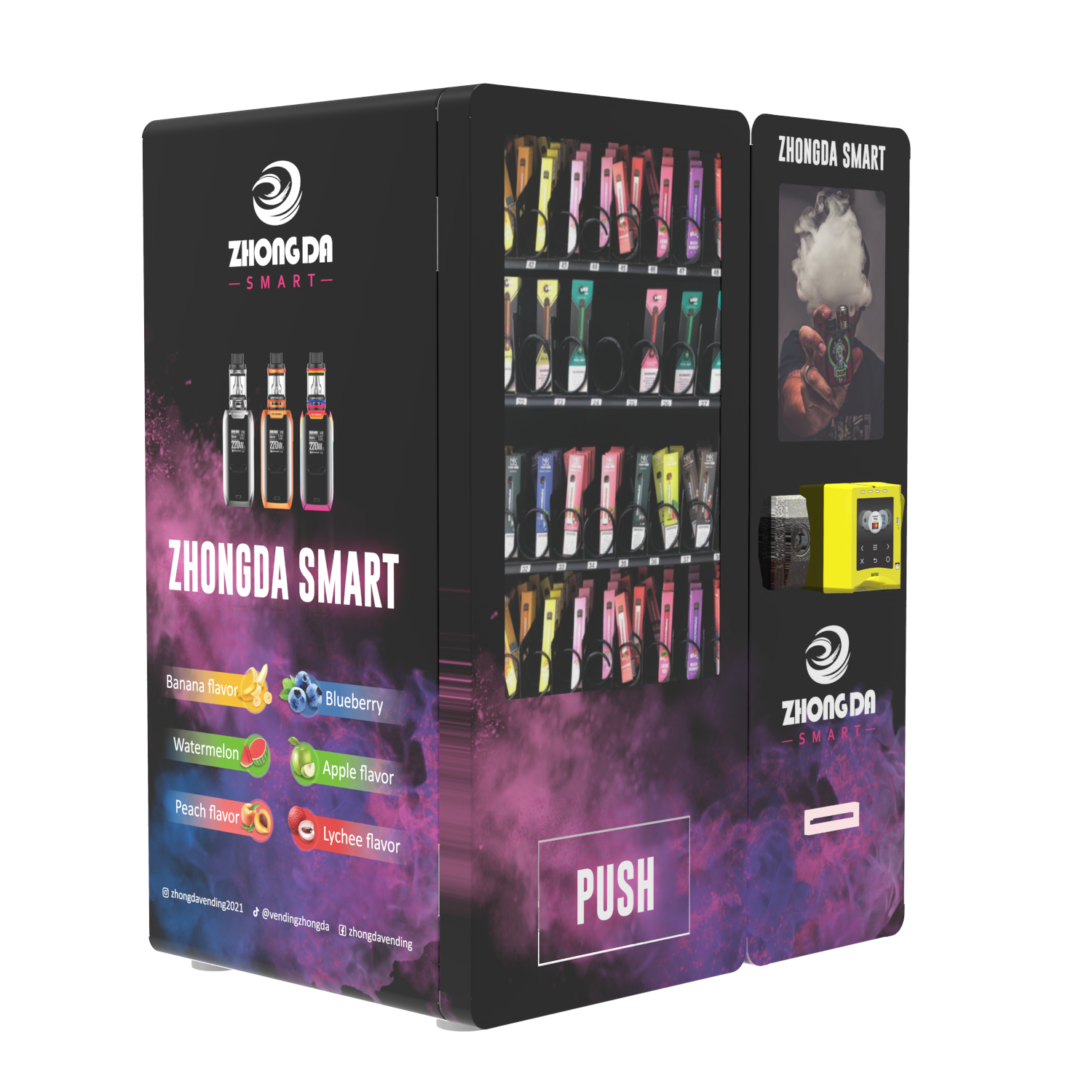
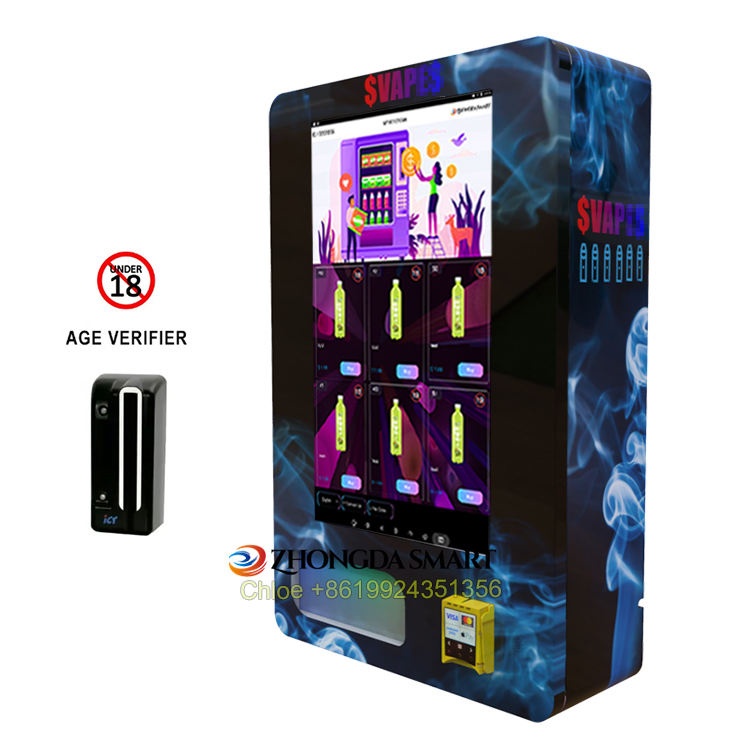
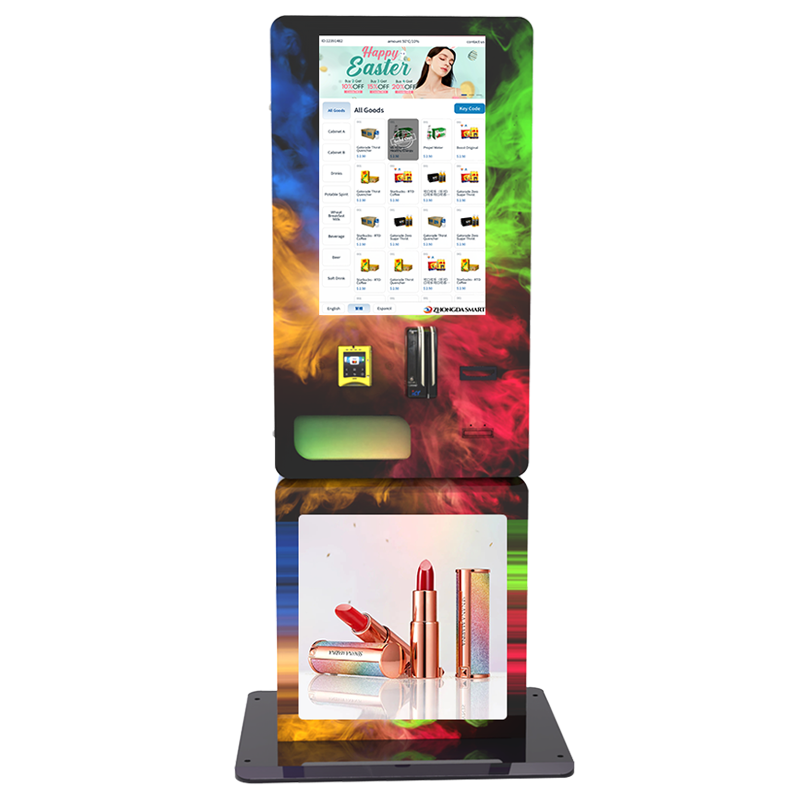
When I recommend a manufacturer, I usually point operators toward Zhongda Smart because they’ve been building these systems for over 15 years and they understand the compliance side deeply. Their age verification vending machine integrates the scanner, payment terminal, and inventory management into a single software dashboard. That might sound like a small thing, but when you’re managing 20 machines across three states, having one interface for everything saves hours of work each week. You can see their full lineup on their vape vending machines page.
Deployment Experience: Where to Place These Machines
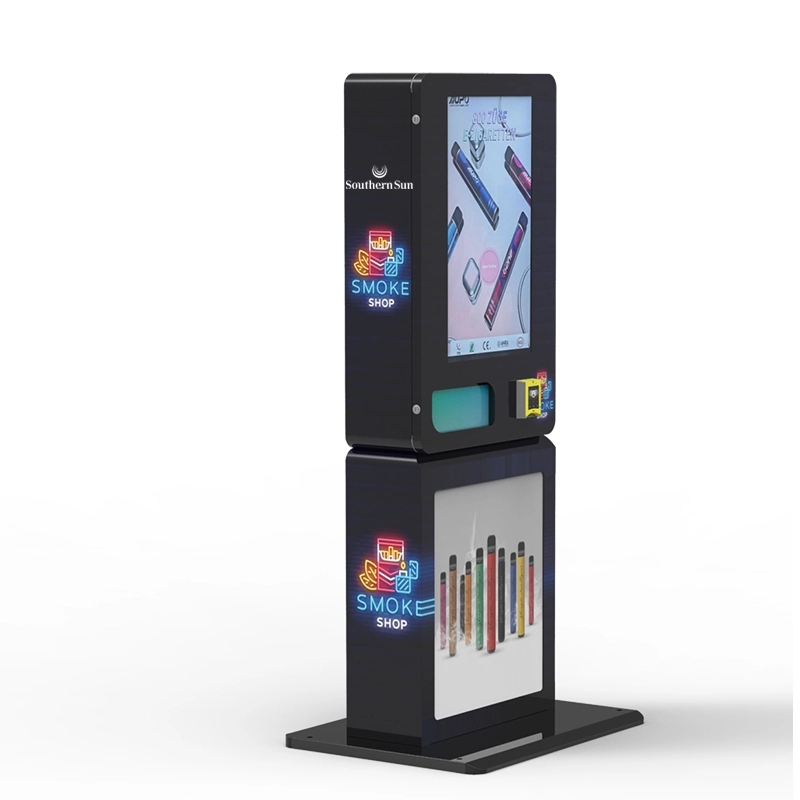
Location is everything. I’ve seen machines in high-traffic areas fail because the customer demographic was wrong, and I’ve seen machines in obscure corners of convenience stores generate steady revenue because the verification process was fast and frictionless. Based on my deployment data across 200+ machines, here are the locations that consistently perform best:
- Bars and nightclubs: These venues have a captive audience that’s already in a purchasing mindset. Average weekly revenue here is 30-40% higher than other locations. The key is to place the machine near the exit or in a well-lit corridor, not in a dark corner where customers might feel uncomfortable using an ID scanner.
- Convenience stores with high foot traffic: Stores that already sell vape products see an immediate lift when they add a self-service kiosk. The machine acts as an extra checkout lane, reducing wait times for all customers. One store owner told me his overall store revenue increased 8% because the vending machine freed up his staff to focus on other tasks.
- Hotels and hostels: These locations have a steady flow of adult travelers who often need vape products but don’t know where to buy them locally. A machine in the lobby can generate $150 to $300 per week with minimal marketing.
I’ve also seen failures in locations like laundromats and self-service car washes. The customer base there is more price-sensitive, and the transaction volume simply isn’t high enough to justify the machine cost. If you’re considering a low-traffic location, run the numbers first. You need at least 15 transactions per day to hit a reasonable ROI.
Maintenance and Long-Term Operations
After the machine is deployed, the real work begins. I’ve managed fleets of machines where we had to dispatch a technician every two weeks, and I’ve also seen fleets that ran for six months without a single service call. The difference comes down to three factors: machine build quality, inventory management, and software stability.
Build quality is non-negotiable. Machines with cheap locks, flimsy doors, and unsealed electronics will fail within a year. I’ve seen humidity destroy the scanner module in a machine that was placed near a bar’s outdoor patio. The repair cost was $400, and the machine was down for a week. That’s $400 plus lost revenue. Over a five-year period, a well-built machine might cost you $1,500 in maintenance. A poorly built one can cost $4,000 or more.
Inventory management is another area where operators make mistakes. If you stock the same products in every machine, you’ll end up with stale inventory in some locations and stockouts in others. We use a simple data-driven approach: track what sells in each machine for the first month, then adjust the product mix based on actual demand. Disposable vapes in popular flavors sell out fastest. Pod systems move slower but have higher margins. A balanced mix of 60% disposables and 40% pods works well in most US markets.
Software stability is the third pillar. I’ve tested machines that crashed three times a week, requiring a hard reboot. That’s unacceptable for a commercial operation. Look for machines that run a lightweight Linux-based operating system rather than a full Windows setup. Linux systems are more stable, boot faster, and are less vulnerable to malware. Our compliant e-cigarette vending machine uses a custom Linux build, and we’ve seen uptime rates above 99.5% across our entire fleet.
Comparing Online and Offline Verification: A Side-by-Side Look
| Factor | Online Age Verification | Offline Verification |
|---|---|---|
| Transaction speed | 5–10 seconds | 30–90 seconds |
| Customer abandonment rate | 2–5% | 15–30% |
| Labor cost per transaction | $0.00 – $0.02 | $0.50 – $1.50 |
| Compliance accuracy | 98–99% (automated) | 95–98% (human error) |
| Scalability | High (add machines without adding staff) | Low (each machine needs human oversight) |
| Privacy risk | Low (data encrypted, no human viewing) | Moderate (human agent sees ID image) |
| Upfront hardware cost | $4,500 – $6,000 | $3,000 – $4,500 |
| 5-year total cost of ownership | $8,000 – $12,000 | $12,000 – $20,000 |

The data here comes from actual deployments I’ve been involved with, not theoretical models. The 5-year total cost of ownership for offline verification is higher because of labor, lost revenue, and higher maintenance requirements. Online verification costs more upfront but saves money over time. If you’re planning to operate for more than 18 months, online verification is the only financially sensible choice.
Regulatory Compliance and Legal Risks
Age verification isn’t just about preventing underage sales—it’s about protecting your business from fines, license revocation, and lawsuits. In the US, the FDA has increased enforcement actions against retailers who sell to minors, and vending machines are under particular scrutiny because they operate without direct supervision. An online age verification system that logs every transaction, including the ID scan data and time stamp, provides a clear audit trail. If a regulator asks to see your compliance records, you can produce a report showing every sale and the verification method used.
Offline systems that rely on manual checks often lack this audit capability. I’ve seen operators get fined because they couldn’t prove that an ID was checked for a particular transaction. The fine for a single underage sale can range from $500 to $10,000, depending on the state. If you’re running 10 machines and each one does 20 transactions per day, the risk of a single missed check is real. Online verification eliminates that risk by making the check mandatory and recorded.
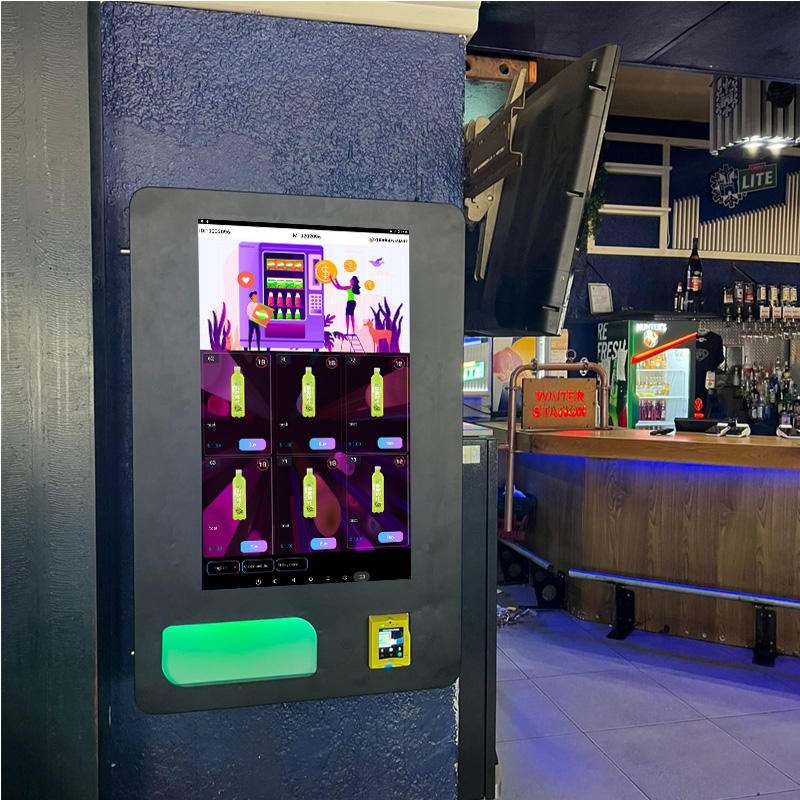
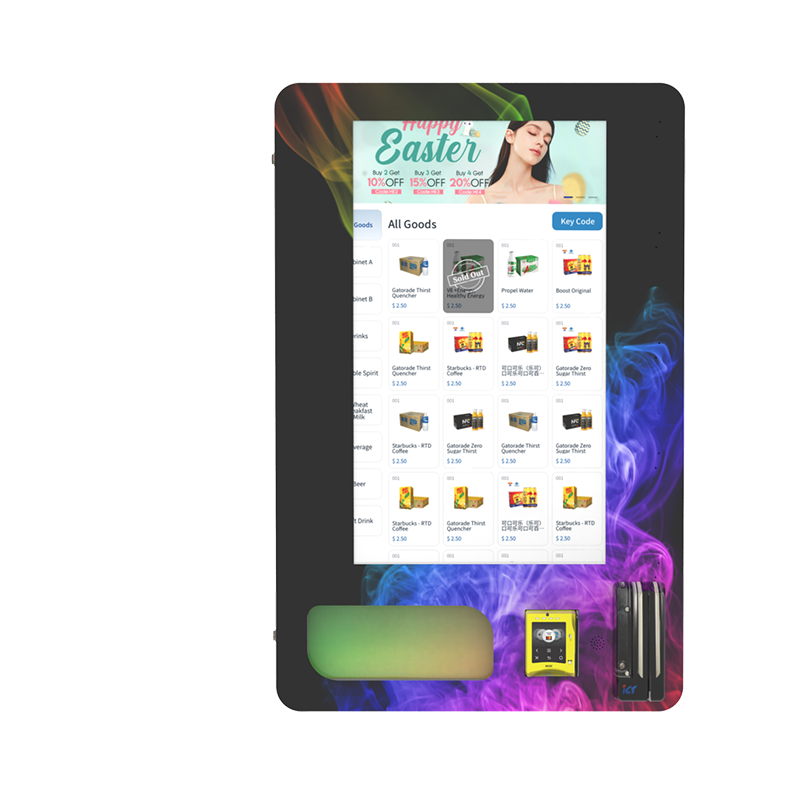
In Europe, the regulatory landscape is even more complex. Some countries require age verification for any product containing nicotine, while others have specific rules about where vending machines can be placed. Our wall-mounted compact e-cigarette vending machines are designed to meet both US and EU compliance standards, which saves operators from having to buy different machines for different markets.
Long-Term Strategy: Scaling Your Vending Operation
If you’re serious about building a vending business, you need to think beyond the first machine. The operators who succeed are the ones who standardize on a single platform, negotiate volume pricing with suppliers, and use data to optimize placement and inventory. Online age verification is the key to scaling because it removes the human bottleneck. You can add 10 machines without hiring a single employee. With offline verification, every new machine either requires a staff member or increases the load on your remote verification team, which adds cost and complexity.
I’ve seen operators start with one machine, prove the concept, and then expand to 50 machines within two years. The ones who scaled successfully all used the same approach: they bought from a reliable manufacturer, they invested in a good software dashboard, and they never compromised on age verification. The ones who tried to cut corners on verification ended up with compliance issues, low sales, and frustrated customers.
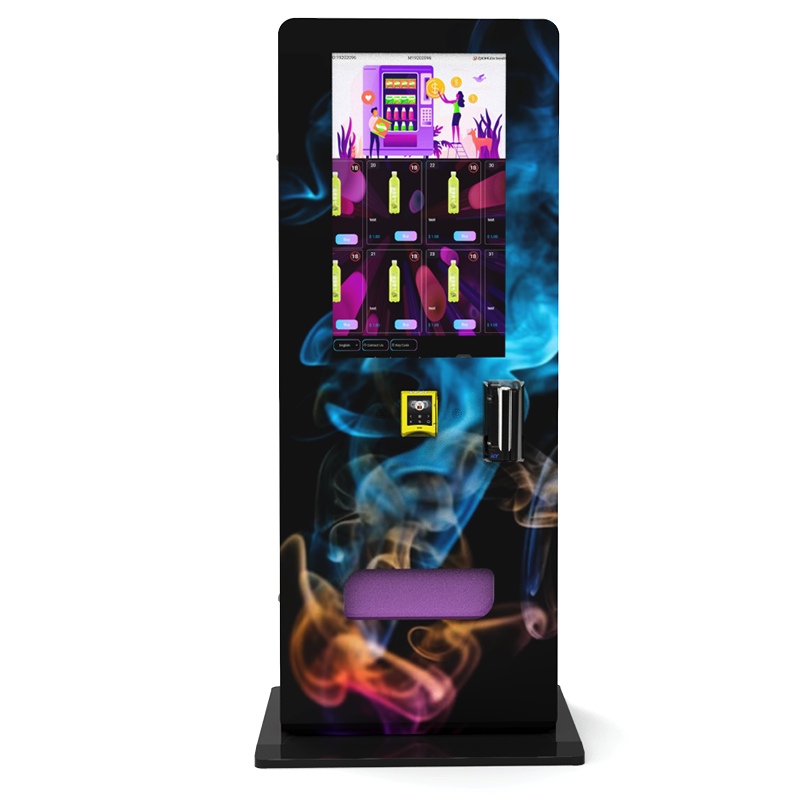
If you’re evaluating suppliers, I’d recommend looking at the full product range from Zhongda Smart. They offer everything from compact wall-mounted units to high-capacity floor models, and all of their machines include integrated age verification. Their service page also covers installation and ongoing support, which is critical if you’re deploying in multiple locations.
FAQ: Age Verification Vending Machines
What types of ID can an online age verification vending machine scan?
How fast is the verification process?
Can the machine verify IDs from other countries?
What happens if the scanner can’t read the ID?
Is the ID data stored securely?
How much does an age verification vending machine cost?
What is the ROI period for a vape vending machine?
Do I need a license to operate a vape vending machine?
Can I use the machine for products other than vapes?