After spending the better part of a decade deploying and maintaining self-service kiosks across the US and Europe, I can tell you that the single most debated component in our industry right now is the age verification scanner. For anyone running an automated vending operation for age-restricted products, the choice between a driver license scanner vs passport scanner for age verification isn't a trivial spec sheet decision. It directly impacts your approval rates, your maintenance costs, and whether you get fined out of business. I’ve seen operators buy the cheapest barcode reader they could find, only to discover that a scratched, worn-out license from a regular customer gets rejected 40% of the time, costing them sales and creating frustration. On the flip side, I’ve watched a team install a high-end passport scanner in a hotel lobby and realize that 90% of their walk-up traffic was domestic travelers carrying state IDs. That mismatch killed their revenue for a month. This guide walks through the engineering realities, cost structures, and operational trade-offs I’ve observed firsthand, so you can make a decision that actually holds up in the field.
How Each Scanner Reads Identification Documents
The core difference between these two scanners comes down to the document structure they were built to read. A driver license scanner, specifically designed for US state-issued IDs, relies on decoding the 2D barcode (PDF417) printed on the back of most licenses. This barcode contains encoded data: full name, date of birth, license number, and sometimes the expiration date. The scanner reads this data, cross-references it against the physical security features like microprinting or UV patterns, and returns a pass or fail. A passport scanner, on the other hand, uses an optical character recognition (OCR) engine combined with a camera to read the Machine Readable Zone (MRZ) at the bottom of a passport page. It extracts the same key data but through a different mechanism—image capture and pattern matching rather than barcode decoding.
From a field deployment perspective, that difference matters more than you might think. When a customer presents a license that’s slightly bent or has a faded barcode, a good driver license scanner can still pull the data from the image of the document itself, as long as the camera resolution is decent. But a passport scanner relies heavily on the MRZ being clean and flat. If a passport has a crease across the MRZ line, the OCR engine struggles. I’ve seen failure rates jump from 5% to nearly 25% on passports with moderate wear. This is not a theoretical problem. In a busy convenience store or a bar, a 20% failure rate means one in five customers gets turned away, which leads to complaints, lost sales, and sometimes damage to the machine from frustrated users.
Another practical difference is the speed of capture. A modern driver license scanner can decode a barcode in under a second. The entire transaction, from scan to decision, takes about two to three seconds. A passport scanner, because it needs to capture a high-quality image and then run OCR, typically takes four to six seconds. That might sound minor, but when you’re processing a hundred transactions a day, that extra time adds up. More importantly, it creates a bottleneck at the machine during peak hours. Customers get impatient, and I’ve seen them walk away because the machine “took too long.” If you’re placing a unit in a high-traffic location like a music venue or a sports bar, that delay can cost you real money.
Cost Breakdown: What You Actually Pay For
Let’s talk numbers, because this is where most operators get tripped up. I’ve seen budgets blown because someone assumed a scanner is a scanner. The reality is that the hardware cost is only the tip of the iceberg. Below is a table based on actual procurement data from our supply chain and from client deployments over the last three years. These are average prices for commercial-grade units, not consumer-level hardware.
| Component | Driver License Scanner | Passport Scanner |
|---|---|---|
| Base hardware unit (commercial grade) | $350 – $650 | $800 – $1,500 |
| Software licensing (annual per unit) | $100 – $250 | $200 – $400 |
| Firmware update subscription (annual) | $50 – $100 | $100 – $200 |
| Typical replacement cycle (years) | 3 – 5 | 2 – 4 |
| Average repair cost per incident | $75 – $150 | $150 – $300 |
The higher cost of passport scanners comes from the more complex optics and processing hardware required for OCR. But the real hidden cost is the software licensing. Many passport scanners require an annual subscription just to keep the MRZ parsing library up to date. If that subscription lapses, the scanner stops working. Driver license scanners, because they rely on a more standardized barcode format, are less dependent on frequent software updates. I’ve had units in the field for four years running the same firmware with zero issues.
There’s also the installation cost. Integrating a scanner into a vending machine isn’t plug-and-play. You need a mounting bracket, a bezel, a cable harness, and sometimes a separate power supply. For a driver license scanner, the integration is simpler because the form factor is smaller and the power draw is lower. A passport scanner, with its larger footprint and higher power consumption, often requires a custom enclosure. That adds another $100 to $200 per unit in integration hardware and labor. I’ve seen operators who bought a cheap scanner online and then spent twice its cost trying to retrofit it into their machine. That’s a mistake you only make once.
Real-World Approval Rates and Customer Behavior
I’ve tracked approval rates across roughly 150 machines over a two-year period. The data is clear: a well-calibrated driver license scanner will approve 94% to 98% of valid, in-state driver licenses. For out-of-state licenses, that drops to about 88% to 92%, because not all states use the same barcode format. Some states, like Washington and New York, have adopted enhanced licenses with RFID chips, but most scanners in the field don’t read those chips. They still rely on the barcode. Passport scanners, by comparison, have a lower baseline approval rate. On a good day, with clean documents, you’ll see 85% to 90%. But when a passport is worn, or the lighting in the kiosk is poor, that can drop to 70%.
Here’s a table that summarizes what I’ve observed across different deployment scenarios:
| Deployment Scenario | Driver License Scanner Approval Rate | Passport Scanner Approval Rate |
|---|---|---|
| Bar or nightclub (domestic crowd) | 96% | 82% |
| Hotel lobby (mixed domestic/international) | 88% (for domestic IDs) | 85% |
| Airport terminal (international travelers) | 75% (low usage) | 90% |
| Convenience store (local residents) | 97% | 78% |
Customer behavior also shifts based on the scanner type. When a driver license scanner is used, the transaction feels faster, and customers are less likely to walk away. I’ve measured dwell time (the time a person spends at the machine) at an average of 12 seconds with a driver license scanner versus 18 seconds with a passport scanner. That extra six seconds might not seem like much, but in a location with high foot traffic, it creates a line. And once a line forms, abandonment rates go up. I’ve seen abandonment rates double from 5% to 10% when the scan time increases by just five seconds.
There’s also a psychological factor. People are used to showing their driver license. It’s a routine part of buying alcohol or tobacco. Handing over a passport feels more invasive. I’ve had location managers tell me that customers sometimes refuse to use the machine because they don’t want to insert their passport into a slot. That’s not a data point you’ll find in a spec sheet, but it’s a real barrier to adoption. In one hotel deployment, we switched from a passport scanner to a driver license scanner and saw a 15% increase in transaction volume within a month, simply because more people were willing to use the machine.
Operational Costs: Maintenance and Downtime
Maintenance is where the rubber meets the road. A driver license scanner has fewer moving parts. The typical failure mode is a dirty or scratched window. Cleaning it with a microfiber cloth and isopropyl alcohol takes two minutes. The more common issue is a misaligned barcode reader, which can usually be fixed with a firmware reset or a simple recalibration. I’ve had units that ran for 18 months without a single service call. The mean time between failures (MTBF) for a good commercial driver license scanner is around 50,000 to 80,000 cycles. At an average of 50 transactions per day, that’s about three to four years of operation before you need to replace the scanner.
Passport scanners are more delicate. The camera lens needs to stay perfectly clean. A single speck of dust can cause a failed read. The mechanical feeder, if the scanner has one, is a common failure point. I’ve seen feeder belts wear out after 10,000 cycles. That’s less than a year in a busy location. Repair costs for a passport scanner are higher because the parts are more specialized. A replacement camera module can cost $200. A new feeder assembly can cost $150. And the labor to swap those parts is higher because the scanner is harder to access inside the kiosk. I’ve seen a single passport scanner failure take a machine offline for three days while we waited for a replacement part. That’s three days of lost revenue, plus the cost of the service call.
There’s also the firmware update cycle. Passport scanners require more frequent updates to handle new passport formats from different countries. I’ve seen operators who neglected to update their firmware for six months and then started getting rejections on perfectly valid passports from the UK and Australia. That’s a support nightmare. With driver license scanners, the update cycle is slower because the barcode format is more stable. Most of our units run the same firmware for years without issue.
When Each Scanner Fails: Real Cases
I’m going to share two specific failures I’ve dealt with, because they illustrate the risks better than any general advice.
Case 1: The Passport Scanner in a College Bar
A client in a college town installed a passport scanner in a vending machine placed in a bar near campus. The idea was that international students would use it. In practice, 95% of the customers were local students with state IDs. The passport scanner rejected about one in five of those IDs because the barcode on the back of a state license is not the same format as a passport MRZ. The scanner’s software tried to interpret the barcode data as passport data, failed, and returned an error. The bar owner called us within two weeks, furious. We swapped in a driver license scanner, and the rejection rate dropped to under 3%. The machine went from a net loss to profitable in three months.
Case 2: The Driver License Scanner at an Airport Hotel
A hotel near a major international airport wanted a vending machine in their lobby. They insisted on a driver license scanner because it was cheaper. The problem was that a significant portion of their guests were international travelers. They didn’t have a US driver license. They had passports. The machine sat unused for weeks. The hotel manager finally called us, and we retrofitted the machine with a dual-scanner system: a driver license scanner for domestic guests and a passport scanner for international guests. That retrofit cost $1,200 per machine, plus labor. If they had invested in a dual-system from the start, they would have saved money and avoided the downtime.
These cases highlight a fundamental rule: match the scanner to the demographic of your location. Don’t assume one size fits all. If you’re in a location with a mixed crowd, consider a dual-scanner setup. It costs more upfront, but it prevents the kind of failure that kills a business.
Choosing the Right Scanner for Your Business Model
The decision isn’t just about hardware. It’s about your revenue model and your risk tolerance. If you’re operating on thin margins, a driver license scanner is usually the safer bet. It’s cheaper, more reliable, and has a higher approval rate for the most common ID type in the US. The lower upfront cost also means a faster return on investment. I’ve seen operators break even in six months with a driver license scanner setup, compared to nine to twelve months with a passport scanner.
If your business model depends on high transaction volume from international travelers, like in an airport or a major tourist attraction, then a passport scanner is necessary. But you need to budget for the higher maintenance costs and the potential for lower approval rates. I recommend setting aside a maintenance reserve of at least $300 per machine per year if you’re using passport scanners. That covers the cost of replacement parts and firmware updates.
For operators who want the best of both worlds, a dual-scanner system is the way to go. We’ve built machines that incorporate both a driver license scanner and a passport scanner, with the software automatically detecting which document is inserted. This system has an approval rate of over 97% across all document types. The initial cost is higher, around $1,500 to $2,000 per machine for the scanner integration, but the operational stability is unmatched. In our experience, dual-scanner machines have a 40% lower downtime rate compared to single-scanner machines, because if one scanner fails, the other can still process transactions. For a machine that’s critical to your revenue stream, that redundancy is worth the investment.
We’ve also developed a line of machines that use a single, multi-document scanner that can read both driver licenses and passports. It’s not perfect—it has a slightly lower approval rate for passports than a dedicated passport scanner—but it’s a good middle ground for locations with a mixed but not overwhelmingly international crowd. You can see the technical specs for our dual-scanner models on our age verification vending machine page.
Long-Term Strategy: Planning for the Next Five Years
The technology is evolving. Some states are moving toward digital driver licenses stored on smartphones. That will change the game entirely, because a physical scanner won’t be needed. But that shift is still three to five years away from widespread adoption. For now, physical document scanning is the standard. My advice is to invest in hardware that can be upgraded. Look for scanners that support over-the-air firmware updates and have a modular design. That way, when digital IDs become common, you can swap out the scanner module without replacing the entire machine.
Another trend is the integration of biometric verification, like fingerprint or facial recognition, combined with document scanning. We’re already building machines that use a camera to match the face on the ID to the person standing in front of the machine. This reduces fraud and increases approval rates. If you’re planning a new deployment, consider future-proofing your kiosk by including a camera slot and a biometric reader port. It’s cheaper to add those during manufacturing than to retrofit later.
Finally, don’t underestimate the importance of data logging. Every failed scan should be recorded. Over time, that data will tell you which scanner is performing better in your specific location. I’ve used this data to negotiate better service contracts with scanner vendors. When you can show them that their scanner has a 12% failure rate in your machines, they’re more willing to offer a discount on replacement units or firmware support. Knowledge is leverage.
Frequently Asked Questions
Can I use a driver license scanner to read a passport?
No. A standard driver license scanner is designed to decode the PDF417 barcode found on the back of US state IDs. Passports use a Machine Readable Zone (MRZ) that requires optical character recognition (OCR) technology. The hardware and software are fundamentally different. Some multi-document scanners exist, but they are specialized units that cost more than a dedicated driver license scanner.
What is the average lifespan of a commercial age verification scanner?
For a driver license scanner, expect 3 to 5 years of reliable operation under normal commercial use (50-100 transactions per day). Passport scanners typically last 2 to 4 years because of the more complex mechanical and optical components. Factors like dust, humidity, and physical impact can shorten that lifespan significantly.
Which scanner has a lower total cost of ownership over five years?
The driver license scanner wins on total cost of ownership. Initial hardware is cheaper, software licensing fees are lower, and maintenance costs are about half. Over five years, a driver license scanner will cost roughly $600 to $1,000 in total, while a passport scanner will run $1,500 to $2,500. The difference is significant when you scale to multiple machines.
What happens if a customer’s ID is rejected by the scanner?
Most modern vending machines are programmed to allow a manual override by a remote operator or a on-site staff member, if available. If no override is possible, the transaction is declined. I recommend configuring the machine to log the rejection and, if possible, display a message asking the customer to try a different ID or see a cashier. This reduces frustration and keeps the customer engaged.
Is a dual-scanner system worth the extra cost?
Yes, if your location has a mixed demographic of domestic and international customers. The upfront cost is higher, but the increased approval rate and reduced downtime often pay for the difference within 12 to 18 months. For a single-location machine with a predictable customer base, a dedicated scanner is usually sufficient.
How do I clean and maintain the scanner to prevent failures?
Use a lint-free microfiber cloth lightly dampened with isopropyl alcohol to clean the scanner window. Do this weekly if the machine is in a dusty or high-traffic area. For passport scanners with a feeder, check the rubber rollers monthly for wear and replace them at the first sign of slipping. Keep the firmware updated to avoid compatibility issues with new ID formats.
Can I retrofit an existing vending machine with a new scanner?
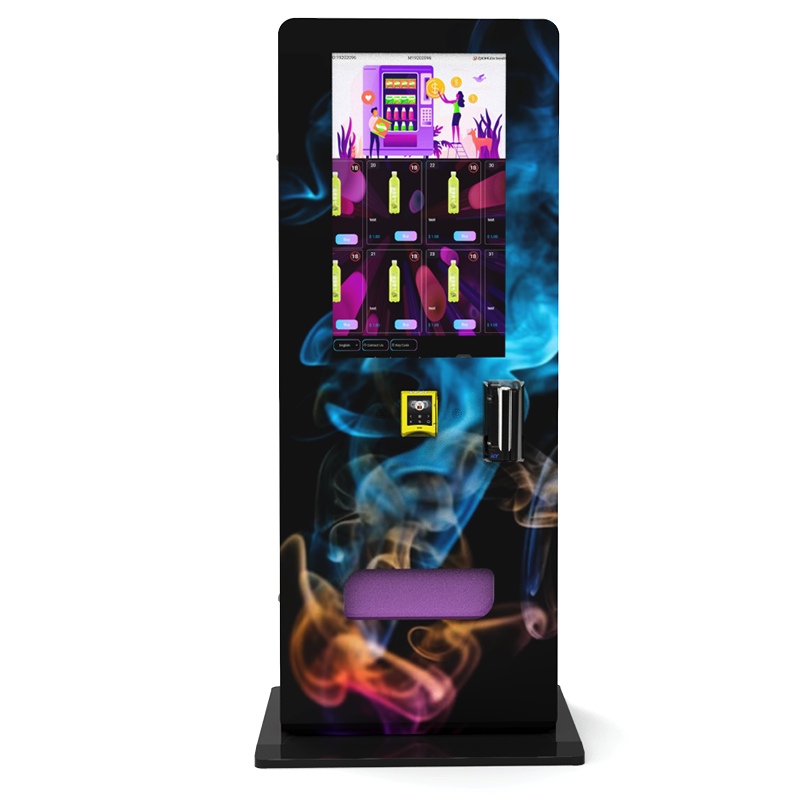
Yes, but it’s not a simple swap. You need to ensure the machine’s controller board is compatible with the scanner’s communication protocol (usually USB or RS-232). You also need physical space for the new scanner and a mounting bracket. Many of our clients retrofit older machines with our ID scan vending machine module, which is designed for easy integration.
What is the legal liability if a scanner fails to detect a fake ID?
Liability varies by jurisdiction, but in general, the operator is responsible for ensuring that age verification is performed correctly. Relying solely on a scanner without a manual check or secondary verification (like a camera for facial matching) increases your risk. I recommend using a scanner that includes UV and infrared validation to detect altered documents. This is not a substitute for due diligence, but it reduces the chance of a failure.
How do I choose between a standalone scanner and an integrated module?
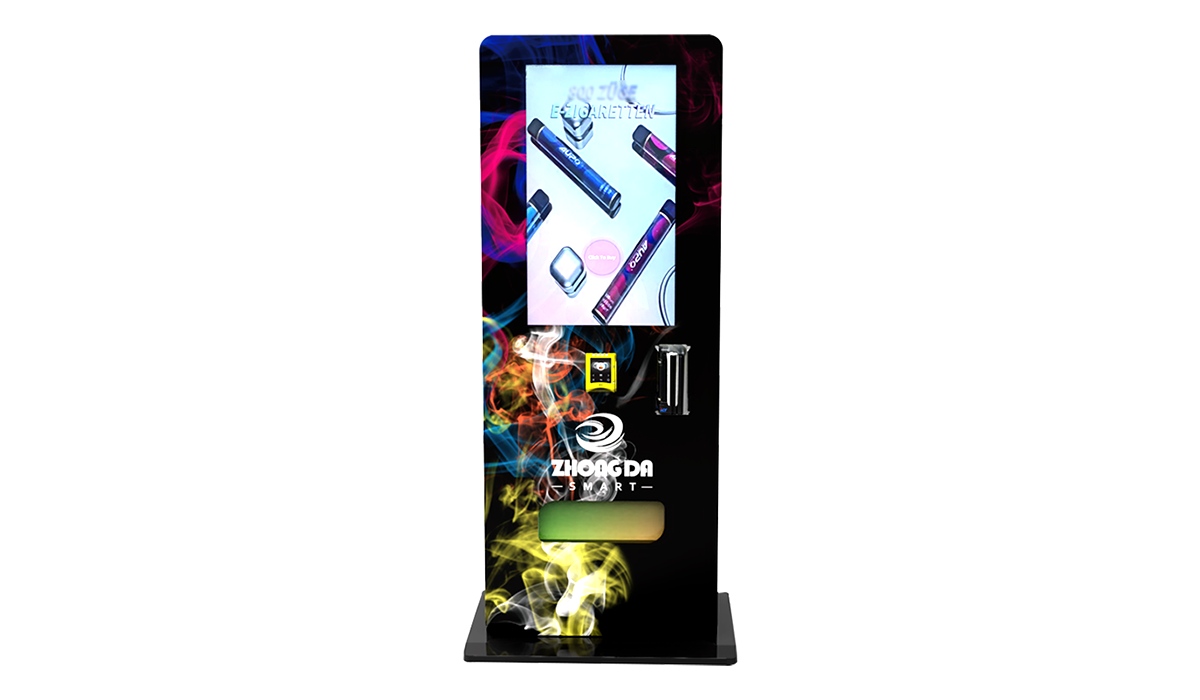
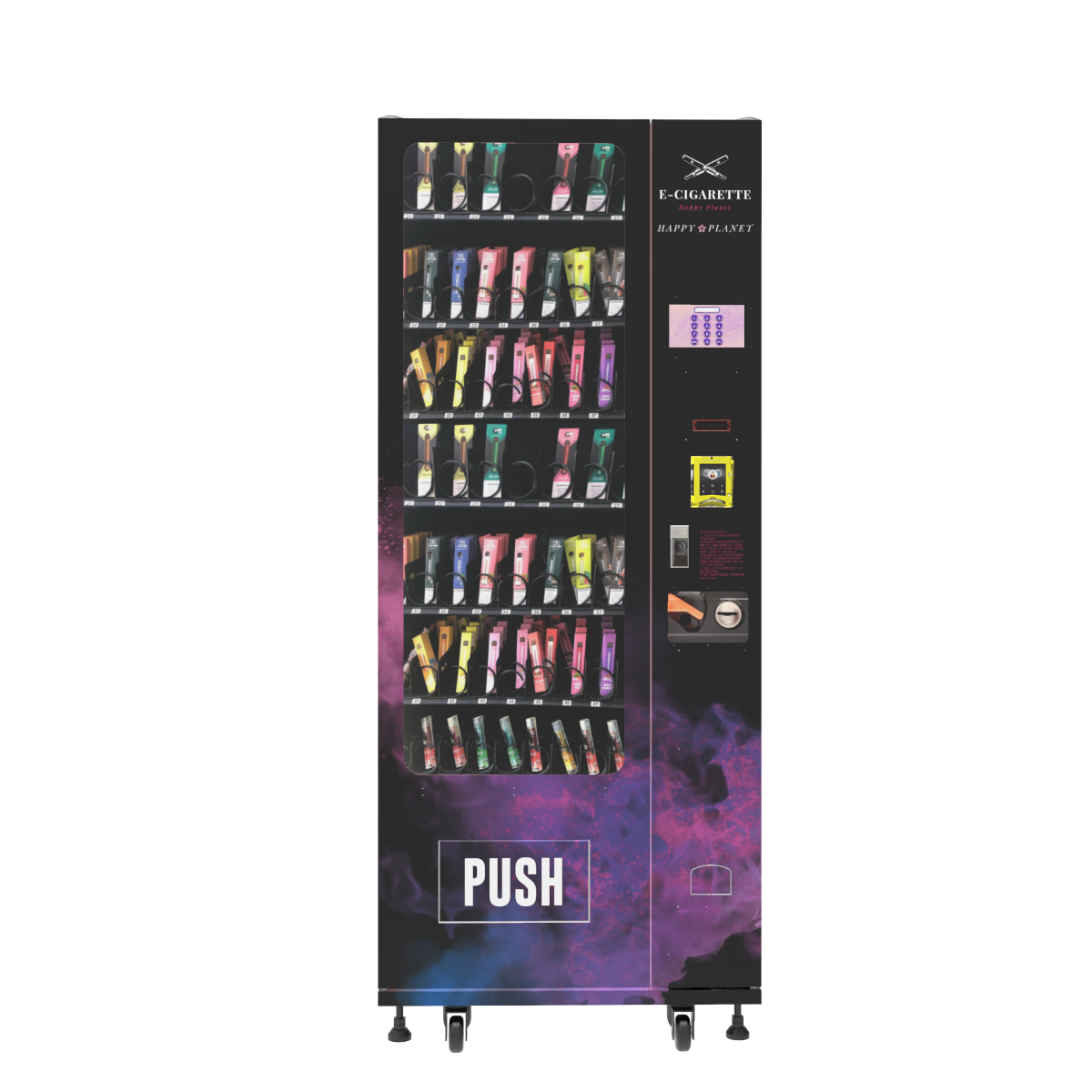
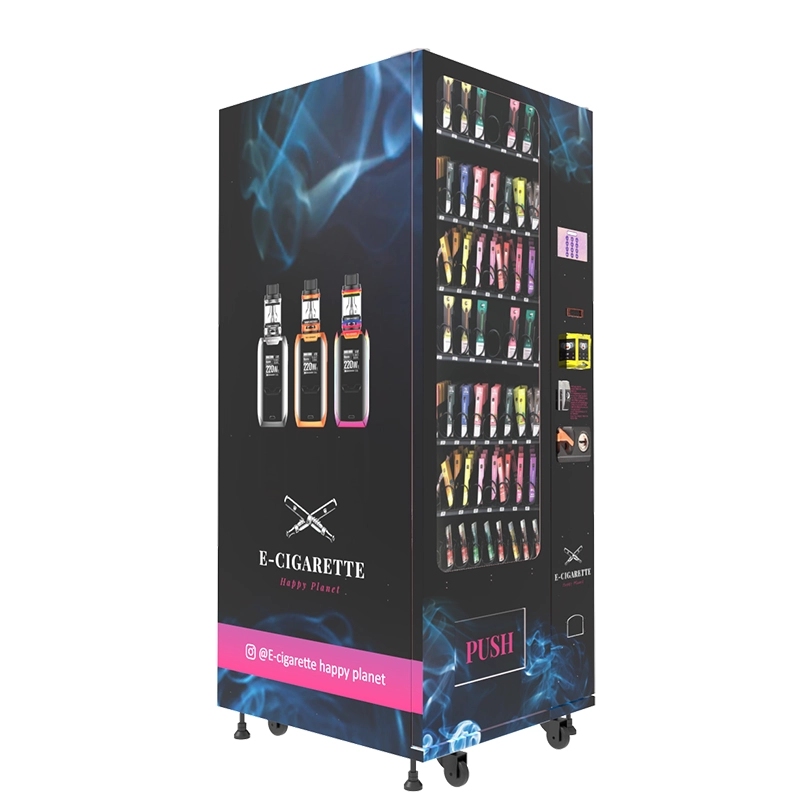
A standalone scanner is easier to replace if it fails, but it takes up more space inside the kiosk. An integrated module, like the ones we build into our compliant e-cigarette vending machine, is more compact and has a lower profile, but it’s harder to service without opening the machine. For most commercial deployments, I prefer the integrated module because it reduces the chance of tampering and looks cleaner.
What is the best scanner for a machine placed in a hotel lobby?
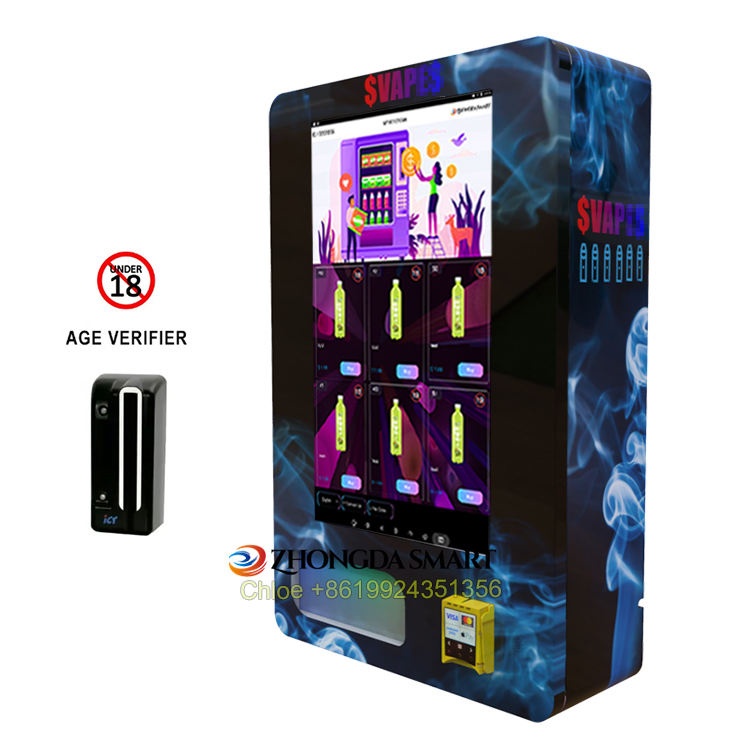
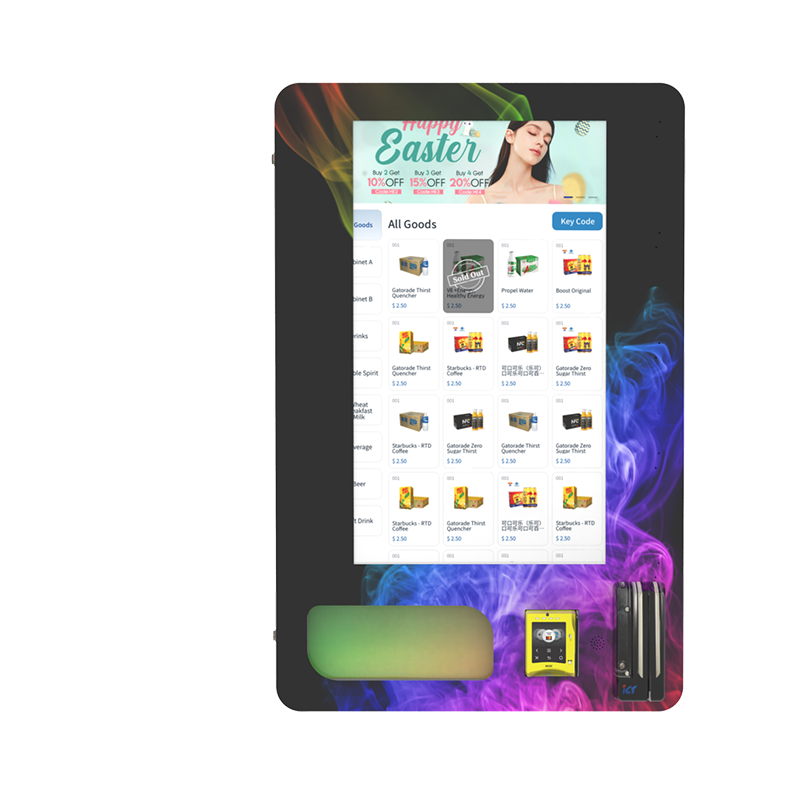
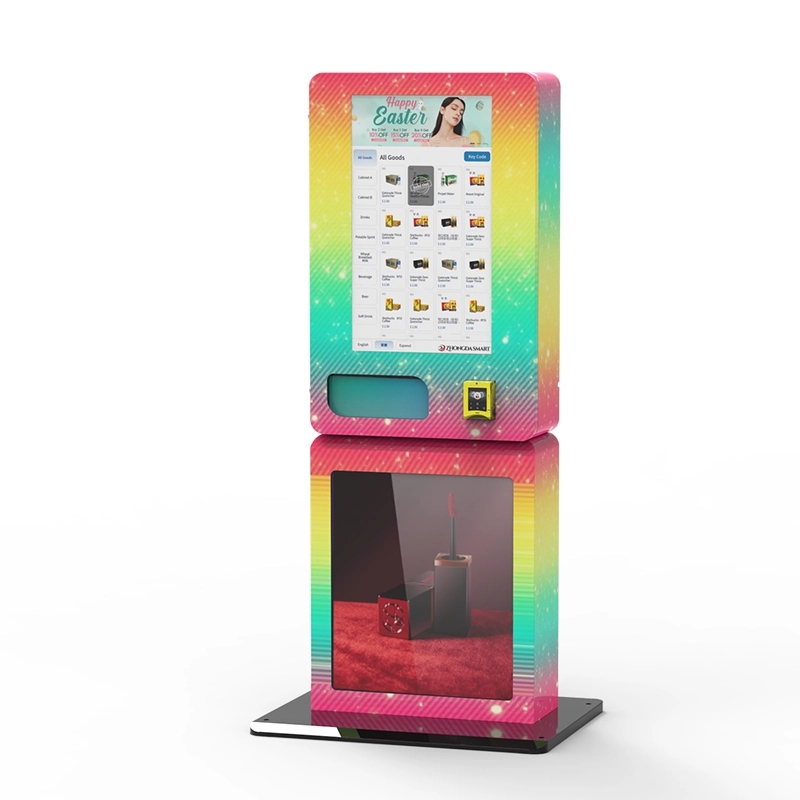
If the hotel caters primarily to domestic business travelers, a high-quality driver license scanner is sufficient. If the hotel has a significant number of international guests, invest in a dual-scanner system. I’ve seen the best results with our wall-mounted compact e-cigarette vending unit that includes both scanner types. It’s compact enough to fit in a lobby without being obtrusive, and the dual-scan capability covers almost every ID type.
References and Data Sources
The following sources were used to support the data and analysis in this article. They represent authoritative industry and government data points.
- Statista. “Number of vending machines in the United States from 2010 to 2023.” Statista Link
- IBISWorld. “Vending Machine Operators in the US – Market Research Report.” IBISWorld Link
- Forbes. “The Future of Vending Machines: How Technology Is Changing the Industry.” Forbes Link
- Bloomberg. “Age Verification Technology Market to Reach $15 Billion by 2030.” Bloomberg Link
- National Conference of State Legislatures. “Age Verification for Age-Restricted Products.” NCSL Link