If you are running a retail business and considering adding an age-restricted product line—like nicotine vapes, CBD, or even adult novelty items—the single most important piece of hardware you will evaluate is the age verification system. I have spent over a decade deploying automated retail solutions across the U.S. and European markets, and I have seen more operators fail because they skimped on this one component than any other reason. This is not a theoretical guide. This is a checklist built from real deployments, field failures, and the hard lessons learned from managing a factory that has manufactured these machines for fifteen years.
Why the Age Verification System is Your Business Foundation
Every automated retail deployment for age-restricted goods starts and ends with compliance. You can have the best product selection, the highest foot traffic location, and the most attractive profit margins, but if your age verification system fails a single audit, you lose the location, the inventory, and potentially your operating license. In my experience, the difference between a successful deployment and a costly mistake often comes down to the verification hardware and software stack you choose.
The market has shifted dramatically. Early machines relied on simple ID scanning that could be fooled by a fake ID or a photocopy. Modern systems must integrate biometric checks, real-time database verification, and tamper-proof logging. I have personally overseen the transition from basic swipe readers to multi-factor authentication systems that cross-reference government databases. This evolution is not just about technology; it is about protecting your business from liability.
What a Real Compliance Check Looks Like in the Field
I remember a deployment in a mid-sized convenience store chain in the Midwest. The operator had purchased a budget machine from a supplier that promised "full compliance." Within three months, the local authorities conducted a sting operation. The machine failed. The operator was fined, the machine was confiscated, and the store lost its tobacco license. When we investigated, we found the age verification system was essentially a static check—it scanned the ID but never validated the date of birth against the current date correctly. This is the kind of failure that destroys businesses.
From the factory floor, we learned that the verification module must be treated as the most critical component. We source our scanners from Tier 1 suppliers and run every unit through a 48-hour stress test before it leaves the facility. This is not a place to cut corners. The cost of a failed audit is exponentially higher than the cost of a quality scanner.
Core Components of a Reliable Age Verification System
When you are evaluating a machine or a system, you need to break it down into three distinct layers: the hardware scanner, the software logic, and the data logging. Each layer has its own failure points and operational considerations.
Hardware Scanner: The First Line of Defense
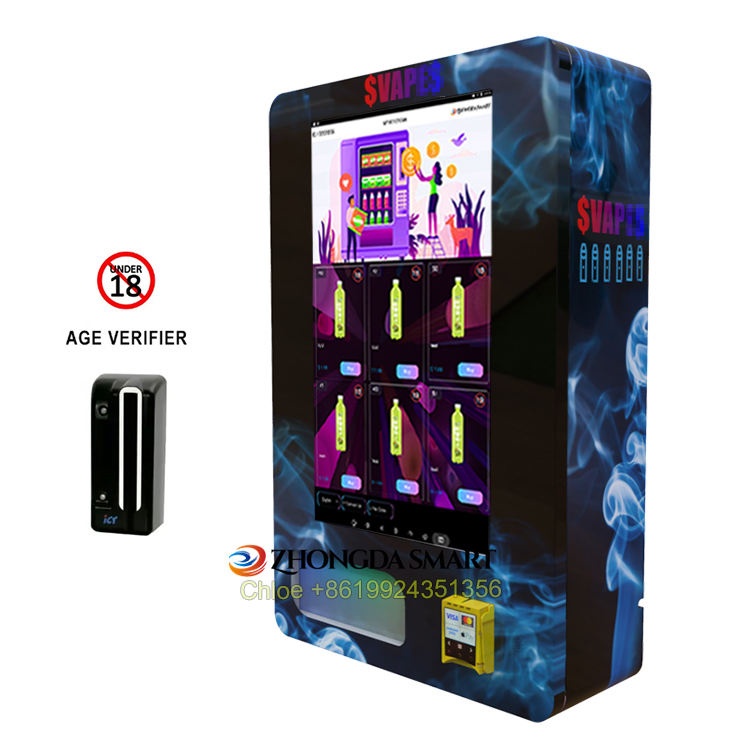
The scanner must be capable of reading multiple document types. In the U.S., you see state-issued driver's licenses, passports, and military IDs. In Europe, you deal with national ID cards, residence permits, and driving licenses from different countries. A scanner that only reads one format is useless in a high-traffic location. Look for devices that use optical character recognition (OCR) and ultraviolet (UV) light detection to verify the document's authenticity. I have tested units that fail on holograms or barcodes from specific states. The scanner must be updated regularly to recognize new ID formats.
Software Logic: The Brain Behind the Scan
The software is where most of the failures occur. The system must calculate the customer's age from the birthdate on the ID, compare it to the current date, and apply the legal age threshold for the jurisdiction. This sounds simple, but I have seen software that uses the wrong time zone, fails to account for leap years, or cannot handle IDs that expire. The software must also check the ID's expiration date. An expired ID should be rejected. Additionally, the system should have a manual override option for the store manager, but this action must be logged with a timestamp and reason code.
Data Logging: Your Audit Trail
Every transaction must be recorded. This includes the date, time, product purchased, age verification result, and a unique transaction ID. This log is your primary defense in an audit. If a regulatory body asks for a record of all sales from the past year, you must be able to produce a clean, unalterable report. Many cheap systems store data locally on a chip that can be wiped. We recommend systems that upload logs to a cloud server every hour. This prevents data loss if the machine is damaged or stolen.
Cost Structure and Investment Breakdown
Let me give you a realistic cost breakdown based on what we see in the market and what we manufacture. This is not theoretical; these are the numbers from our supply chain and from operators we work with.
| Component | Budget Tier | Mid-Range Tier | High-End Tier |
|---|---|---|---|
| Base Machine (Vape Vending, no scanner) | $2,500 - $3,500 | $4,500 - $6,500 | $8,000 - $12,000 |
| Age Verification Scanner Module | $400 - $700 | $800 - $1,200 | $1,500 - $2,500 |
| Software License (Annual) | $300 - $600 | $700 - $1,200 | $1,500 - $2,500 |
| Cloud Logging & Remote Management | $0 (Local only) | $200 - $400/year | $500 - $1,000/year |
| Installation & Training | $200 - $400 | $500 - $800 | $1,000 - $2,000 |

The high-end tier is what I recommend for any serious commercial deployment. The scanner module alone can cost more than a budget machine, but it is the difference between a machine that works for five years and one that fails in six months.
Profit Model and ROI Timeline
Based on data from operators we supply, the average gross profit margin on a vape product sold through an automated machine is between 30% and 45%. If you place a machine in a high-traffic location and sell 15 units per day at an average price of $12, your daily revenue is $180. With a 40% margin, that is $72 per day, or approximately $26,000 per year in gross profit. Against a total investment of $8,000 to $12,000, you are looking at a payback period of 5 to 7 months.
However, this is an optimistic scenario. Real-world results vary. I have seen machines in low-traffic locations that only sell 3 to 4 units per day. At that rate, the payback period extends to 18 months or longer. The key variable is location selection, which I will cover later.
Real-World Operational Failures and How to Avoid Them
I have a file cabinet full of failure reports from the last decade. Here are the most common ones that directly relate to the age verification system.
Failure 1: The Scanner Cannot Read Damaged IDs
People carry IDs in wallets. They get scratched, bent, and faded. A cheap scanner will reject these IDs, leading to a frustrated customer and a lost sale. We switched to a scanner with a higher tolerance for document wear. It costs more, but it reduces rejection rates by about 15%.
Failure 2: Software Fails During Peak Hours
The verification software must be able to handle concurrent requests. In a busy location, you might have multiple people trying to use the machine within a short window. Some software packages are not optimized for this and will crash or slow down. We test our software by simulating 50 concurrent verification requests before we approve a software build for production.
Failure 3: The Logs Are Not Auditable
I worked with an operator who was audited by a state agency. The machine produced a log file, but the file was in a proprietary format that the agency's software could not read. The operator had to pay a third-party consultant to convert the data. This cost him $2,000 and delayed the audit by three weeks. Always ensure your logs are exportable in a standard format like CSV or JSON.
Comparing Different Age Verification Technologies
Not all age verification systems are created equal. Here is a comparison of the three main technologies I have deployed.
| Technology | Accuracy | Speed | Cost | Best Use Case |
|---|---|---|---|---|
| Barcode/OCR Scan Only | Medium | Fast (2-3 sec) | Low | Low-risk environments, low traffic |
| Barcode + UV Light Check | High | Medium (3-5 sec) | Medium | Most retail locations |
| Biometric + Database Cross-Reference | Very High | Slow (5-10 sec) | High | High-risk, high-traffic, or regulated markets |
For most retail businesses, the barcode plus UV light check is the sweet spot. It provides a high level of security without creating a bottleneck at the machine. Biometric systems are excellent for security but can create a frustrating user experience if not implemented correctly.
Selecting the Right Machine for Your Business
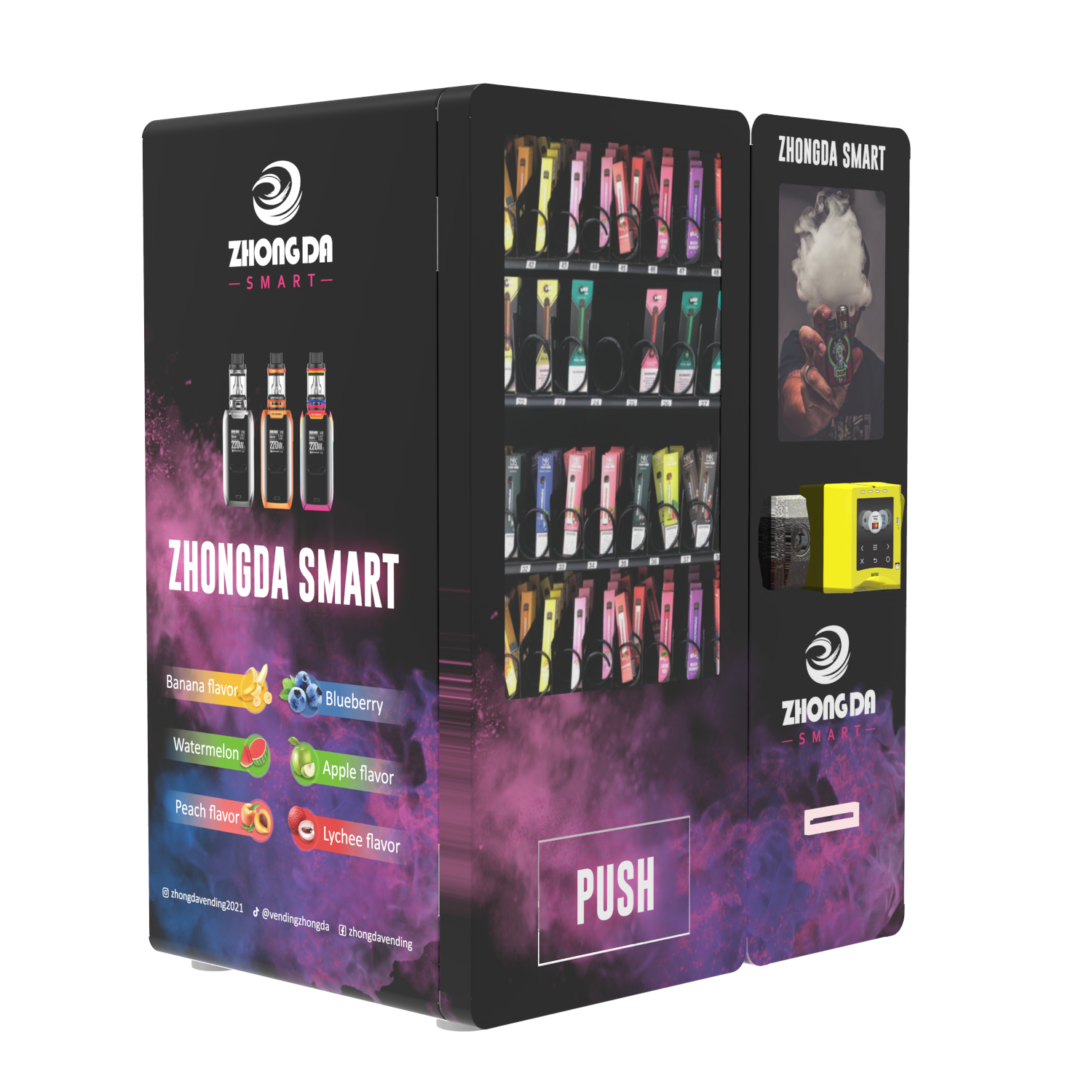
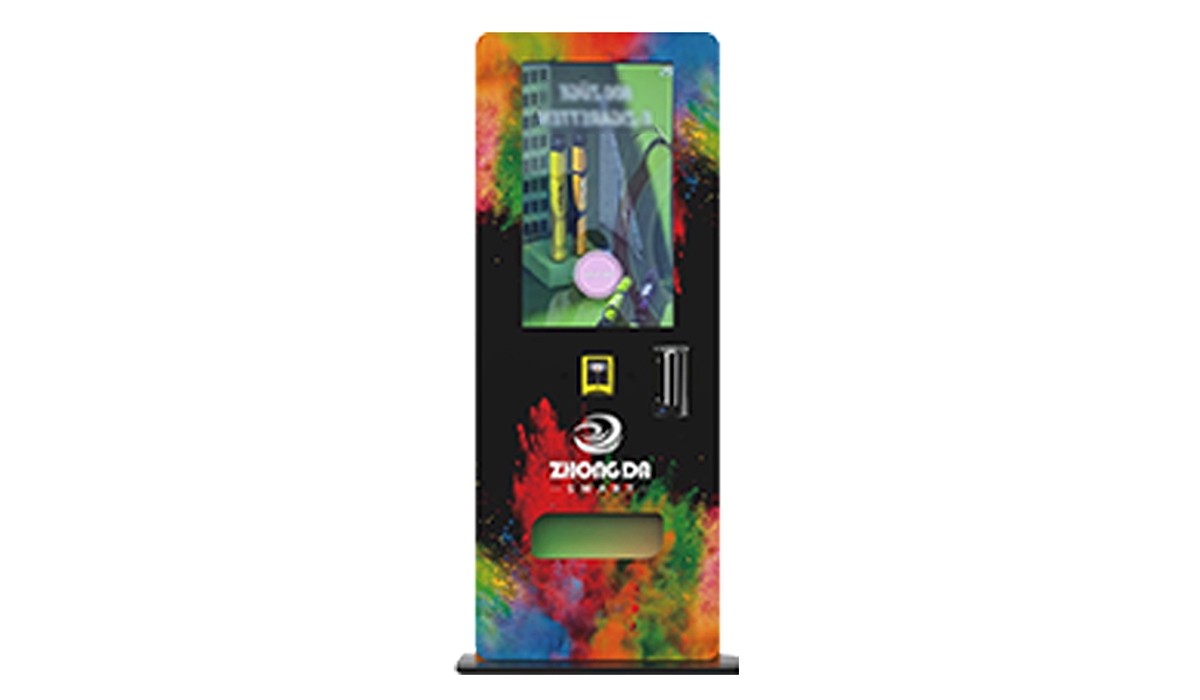
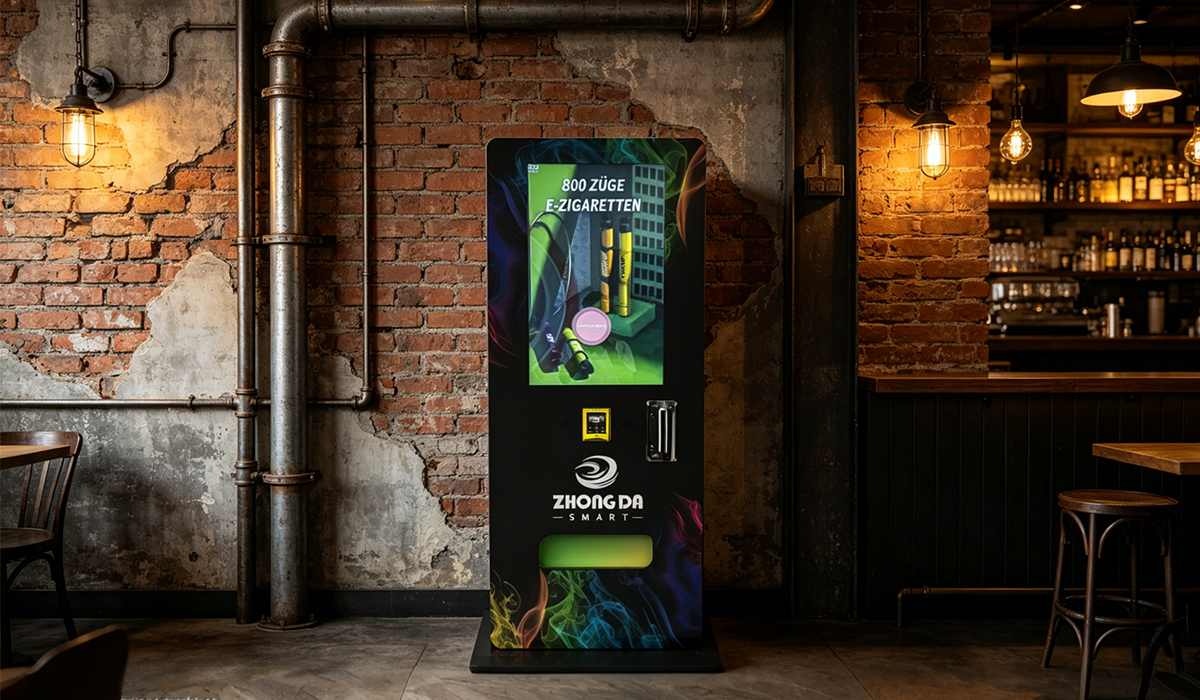
When you are ready to purchase, the machine itself is just a chassis. The real value is in the integrated systems. I recommend looking at machines that are designed from the ground up for age-restricted sales, not retrofitted snack machines. A company like Zhongda Smart has been manufacturing these specific units for over fifteen years. Their machines are built with the verification system as a core component, not an afterthought. You can see their range of age-verification integrated vending machines, including models designed for wall mounting and high-capacity locations, on their product page for age-verification vending machines.
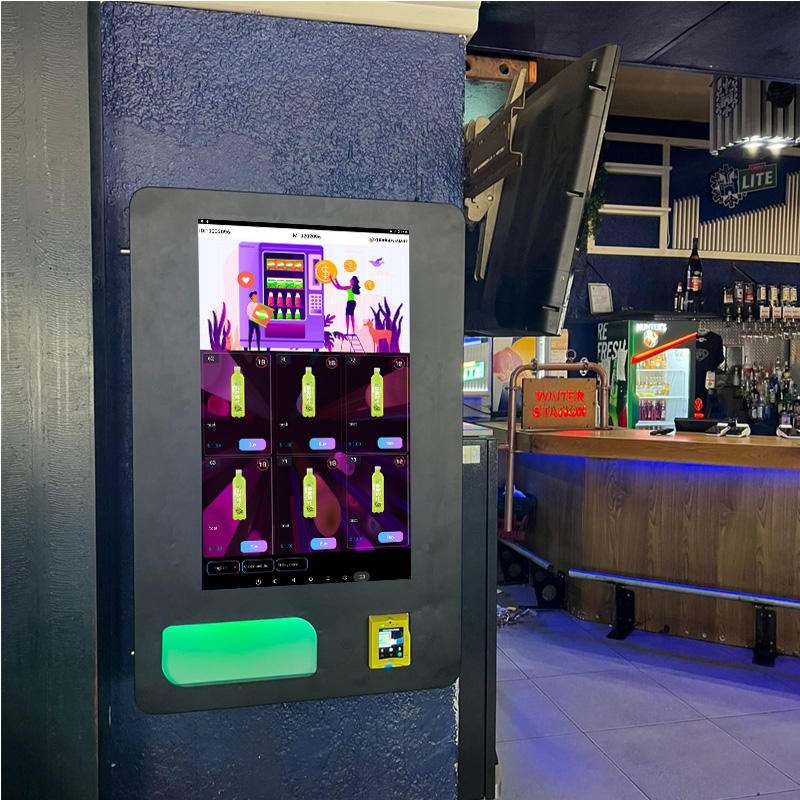
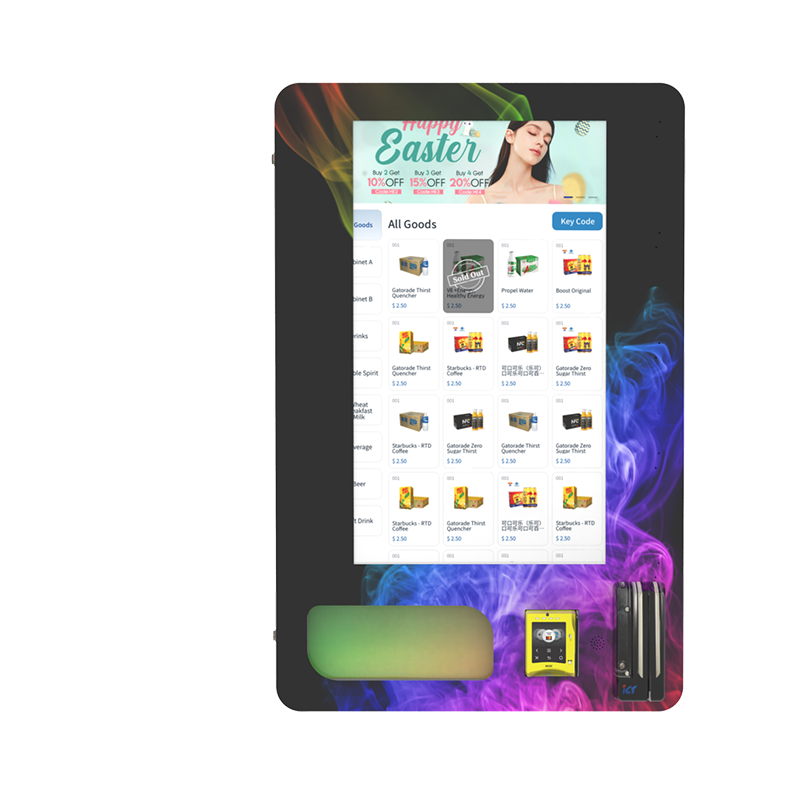
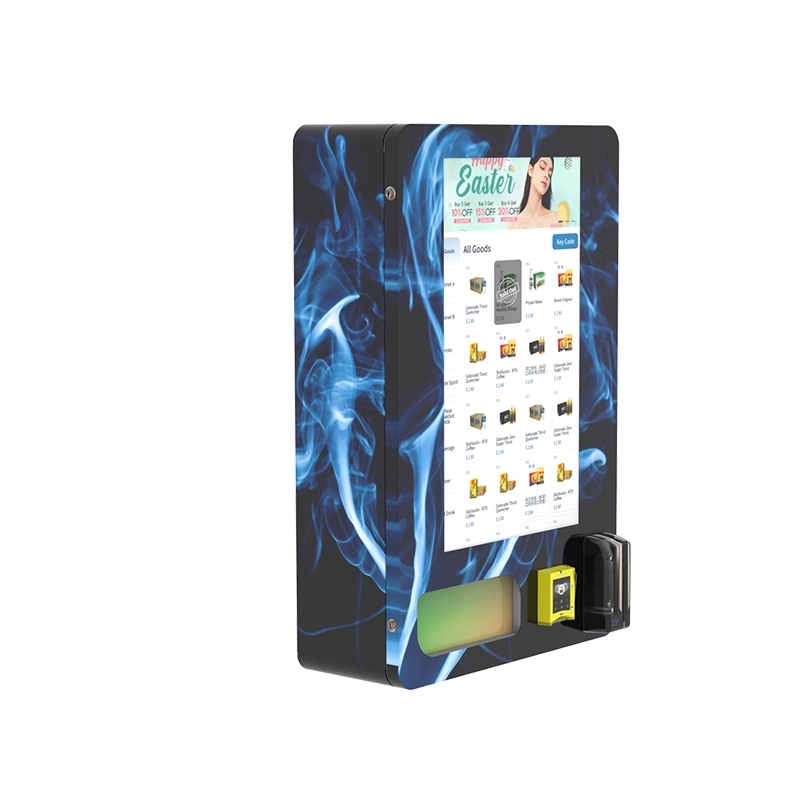
For a smaller retail footprint, a wall-mounted unit can be a smart entry point. These machines are compact, require less floor space, and still offer full compliance features. I have seen these deployed successfully in convenience stores and small smoke shops. For more details on this specific form factor, take a look at the wall-mounted compact e-cigarette vending machine.
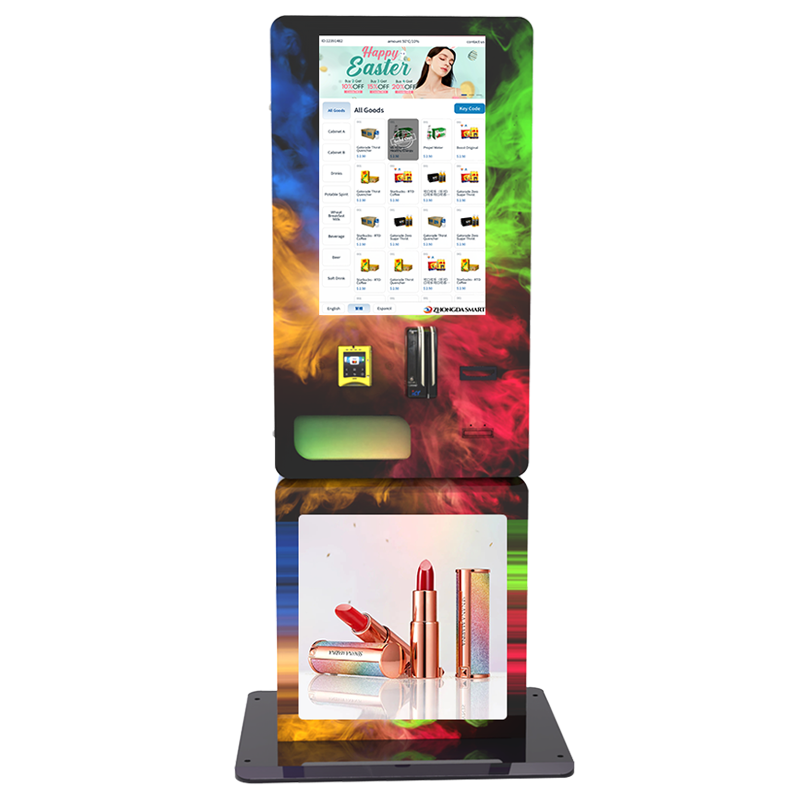
If you anticipate high volume, a floor-standing unit with multiple coils and a larger inventory capacity is necessary. These machines can hold more stock and handle higher traffic without needing constant restocking. The operational efficiency of a larger unit often justifies the higher upfront cost. You can find a high-capacity model on the high-capacity vape vending machine page.
Location Selection: The Make-or-Break Factor
I cannot overstate the importance of location. A perfect machine in a bad location will lose money. I have a simple rule: the location must have a minimum of 500 qualifying adults passing by per day. "Qualifying" means they are of legal age and have a high probability of purchasing the product. Good locations include: bars and nightclubs, convenience stores in high-traffic areas, hotels with adult-focused amenities, and certain retail corridors.
Bad locations include: low-traffic strip malls, office buildings where the demographic is too broad, and areas with a high density of law enforcement or regulatory scrutiny. I once placed a machine in a location that looked perfect on paper—a busy gas station—but the local police department had a policy of frequent compliance checks. The machine was audited four times in six months. It was a nightmare.
Long-Term Maintenance and Operational Strategy
Once the machine is deployed, the work is not over. You need a maintenance schedule. I recommend a monthly physical inspection of the scanner lens. Dust and grime build up and can cause false rejections. The software should be updated quarterly to keep up with new ID formats and security patches. The cloud logs should be reviewed weekly for any anomalies, such as a high number of rejected scans, which could indicate a problem with the scanner or a change in the customer demographic.
Inventory management is also critical. You need to track which products sell and at what rate. A machine that is out of stock on its top-selling item for three days loses revenue and customer trust. Use the remote management system to monitor stock levels and plan restocking routes efficiently.
Risk Management: What Can Go Wrong Will Go Wrong
I have seen machines get vandalized, stolen, and flooded. I have seen software updates that brick the entire unit. I have seen power surges fry the mainboard. Your business plan must include a contingency fund. I recommend setting aside 10% of the machine's value per year for unexpected repairs. This is not a high-margin business if you are constantly paying for emergency service calls.
One specific risk: if your machine is connected to the internet, it is vulnerable to cyberattacks. A hacker could potentially alter the age verification software or steal customer data. Ensure your machine has a firewall and that the software is encrypted. We use a dedicated VPN for all our remote management connections.
Frequently Asked Questions
What is the best age verification system for a small retail business?
For a small retail business, a wall-mounted machine with a barcode and UV light scanner is the most cost-effective solution. It provides a high level of security without the complexity and cost of a biometric system. Look for a machine that offers cloud-based logging for audit readiness.
How much does a compliant vending machine cost?
A fully compliant machine with a quality age verification system will cost between $5,000 and $12,000, depending on the size, features, and scanner quality. Do not buy a machine for under $3,000 if it claims to be compliant for age-restricted products. It is almost certainly a risk.
Can I use a standard snack vending machine with a retrofit age verification kit?
I do not recommend it. Retrofitting a standard machine is often more expensive and less reliable than buying a machine built for the purpose. The software integration is usually poor, and you will likely face compliance issues. It is better to invest in a dedicated unit.
What happens if the age verification scanner fails during a transaction?
The machine should have a fail-safe mode. It should not allow the sale to proceed. The transaction should be logged as a failed verification. The operator should be alerted via the remote management system so they can investigate and fix the scanner.
How often do I need to update the age verification software?
I recommend checking for updates quarterly. New ID formats are released, and security vulnerabilities are discovered. The manufacturer should provide a software update package. If they do not, find a different supplier.
Is it legal to sell vapes through a vending machine in my state?
This varies by state and local jurisdiction. You must check with your local authorities. Many states allow it as long as the machine has a compliant age verification system. Some states have outright bans. Always verify the law before purchasing a machine. You can read more about the legal landscape in our article on vape vending machine legality.
What is the typical ROI for a vape vending machine?
In a good location, the payback period is 6 to 12 months. In an average location, it is 12 to 18 months. In a bad location, you will never see a return. Location selection is the single most important factor for ROI.
How do I maintain my age verification vending machine?
Clean the scanner lens monthly with a microfiber cloth. Check the software logs weekly. Update the software quarterly. Perform a physical inspection of the machine every six months. Have a backup plan for when the machine goes offline.
Final Recommendations from the Factory Floor
After fifteen years of building these machines and a decade of operating them, I have a simple philosophy: invest in the compliance system first, and the machine second. A cheap machine with a good scanner will outperform an expensive machine with a bad scanner every time. The age verification system is not a feature; it is the product. It is what allows you to operate.
When you are ready to buy, talk to a manufacturer that understands the regulatory landscape. Zhongda Smart has the engineering experience and the field knowledge to guide you. They have a full range of machines that are built to last and designed for compliance. You can start your selection process by looking at their vape vending machines product page to see the available configurations. Do not rush the decision. A well-chosen machine will generate revenue for years. A bad one will be a constant headache.