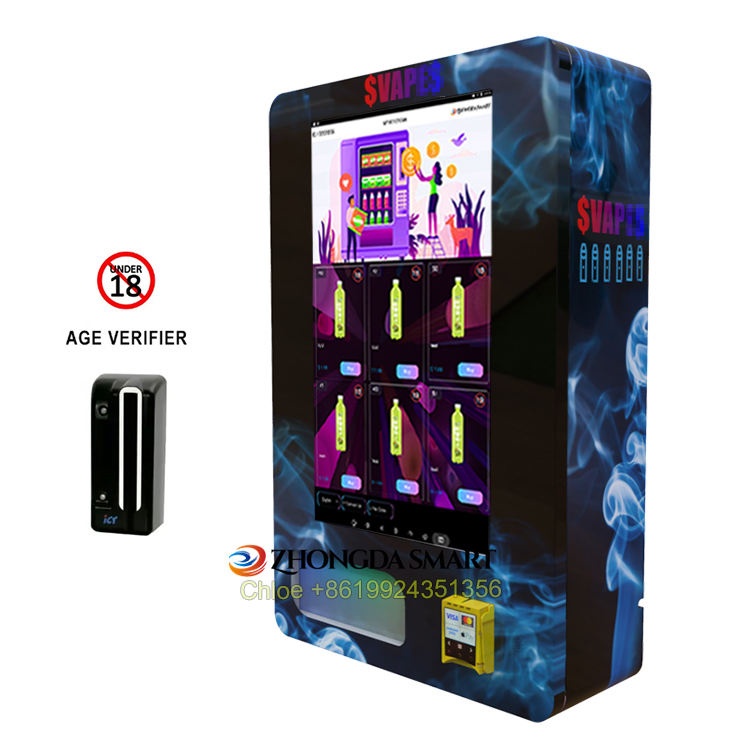
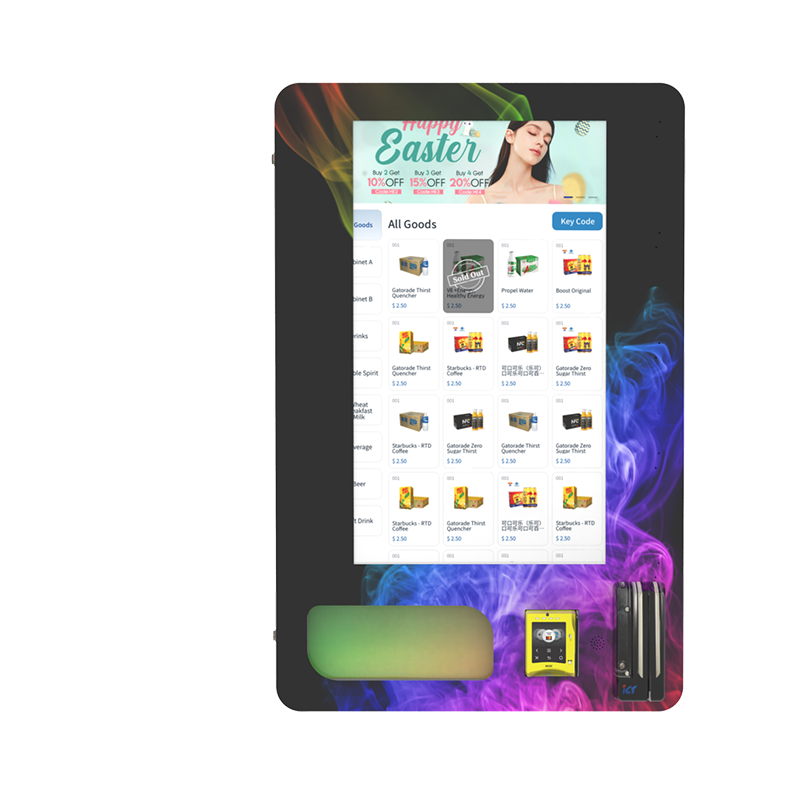
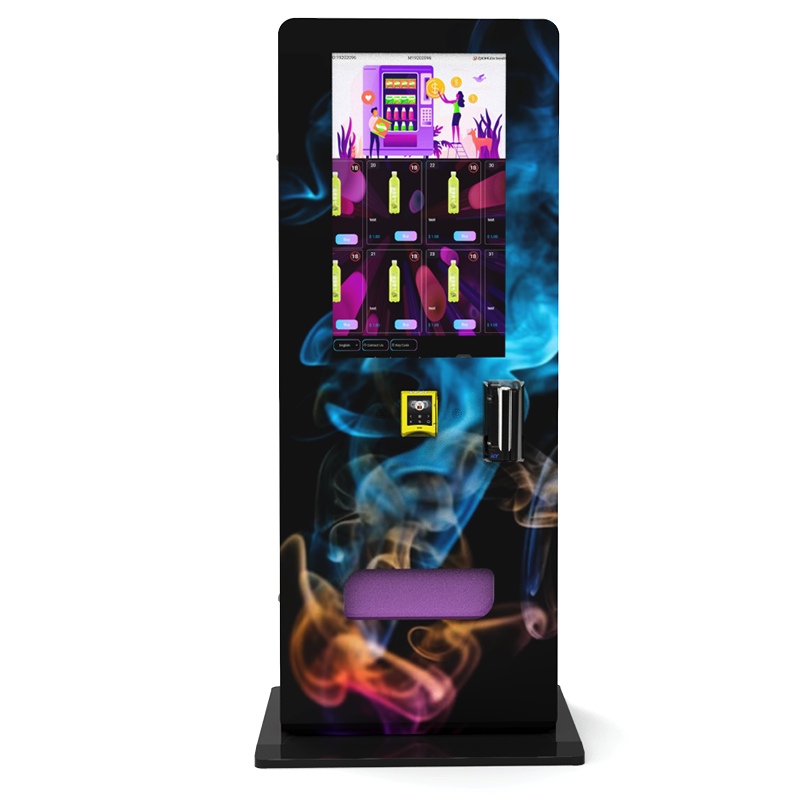
I’ve spent over a decade deploying vending machines across the U.S. and European markets, and I can tell you straight up: the single biggest hurdle in selling age-restricted products like nicotine vapes through automated retail isn’t the machine’s ability to hold inventory or process payments — it’s proving the buyer is old enough. That’s where AI age verification technology comes in. It’s not a bonus feature anymore; it’s the entire foundation of a legal, profitable, and scalable vending operation. Without it, you’re not in business. With the right system, you’re opening up locations that were previously impossible to service, like gas stations, bars, and hotel lobbies, without needing a clerk behind the counter.
The Real Engineering Behind AI Age Verification
Let’s get one thing straight right away: not all age verification systems are built the same. I’ve seen operators buy cheap units that use a simple date-of-birth entry on a touchscreen, and those machines get shut down within weeks. Real AI age verification technology relies on a combination of hardware and software that works together in seconds. The system uses a high-resolution camera to scan a government-issued ID — driver’s license, passport, or military ID — and then cross-references the face of the person standing in front of the machine with the photo on that ID.
But it goes deeper than just matching a face. The AI reads the barcode or MRZ (machine-readable zone) on the back of the ID, decodes the data, and checks it against a database of known fraudulent formats. If the ID is expired, tampered with, or flagged as a fake, the transaction stops immediately. I’ve personally watched a test unit reject a fake ID that looked perfect to the naked eye. That level of detection is what keeps your business license intact.
How the Scan Actually Works in the Field
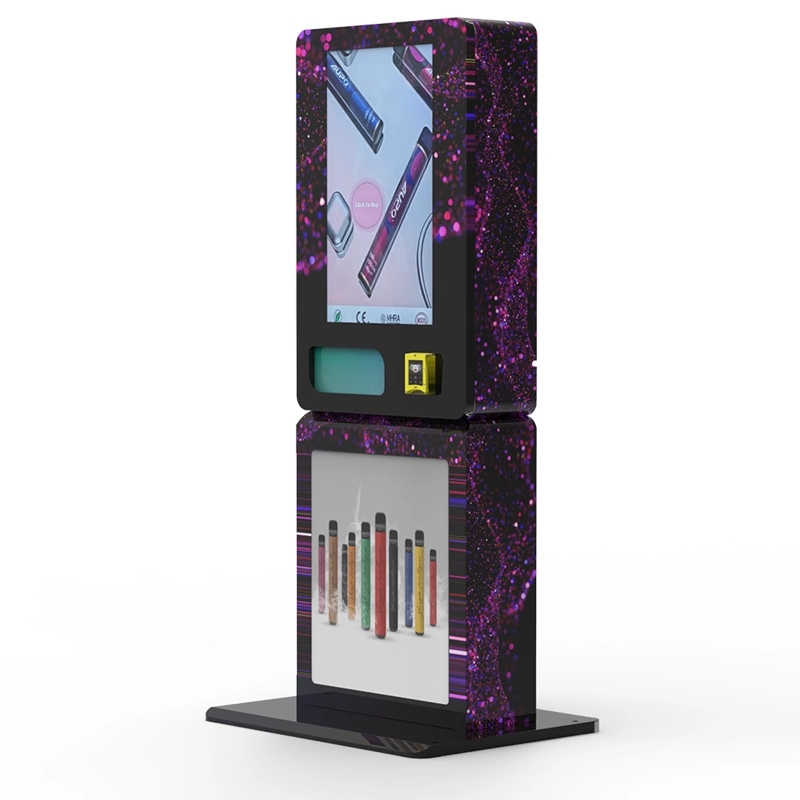
When a customer walks up to one of our age verification vending machines, the process is designed to be fast. The screen prompts them to insert their ID into a slot or hold it up to a scanner. The camera captures the front and back, and the onboard AI processes the image. Simultaneously, a secondary camera takes a live photo of the customer’s face. The software compares facial landmarks — distance between eyes, nose shape, jawline — against the ID photo. If the match is above a 95% confidence threshold, the machine unlocks the product tray.
This entire sequence takes about eight seconds. I’ve timed it. If it takes longer than that, you lose the sale. People get impatient, especially in a busy convenience store. That’s why the processing chip inside the machine matters just as much as the software. We use industrial-grade processors, not consumer tablets, because they handle the image processing load without lag.
Why This Technology Changes the Business Model
Before AI age verification became reliable, the only way to sell vapes through a machine was to place it in a fully staffed location where an employee could check IDs manually. That defeated the whole purpose of automation. You were paying for labor anyway. Now, with a self-service kiosk that can verify age in real time, you can place a unit in a location with zero staff and still be fully compliant with local laws.
I’ve seen operators put a single machine in a 24-hour laundromat and pull in $3,000 a month in revenue. That location had no employees, no security guard, just the machine and the AI. That’s the kind of margin that makes vending attractive again. The machine pays for itself in four to six months, and after that, it’s almost pure profit minus restocking and maintenance.
Cost Structure of a Compliant Machine
Let’s talk real numbers. A basic snack vending machine costs around $3,000. A smart vending machine with AI age verification and ID scanning starts at about $6,500 and goes up to $12,000 depending on the cabinet size, refrigeration, and payment system. I know that sounds like a jump, but here’s the thing: the cheaper machine can’t sell vapes legally in most states or European countries. So the comparison isn’t between a $3,000 machine and a $10,000 machine. It’s between a $10,000 machine that generates revenue and a $3,000 machine that sits idle because you can’t get a permit for it.
Here’s a breakdown of what you’re actually paying for:
- Camera module and IR sensors: $400–$800 depending on resolution and low-light performance.
- ID scanner with MRZ reader: $600–$1,200 for a unit that reads both barcodes and chip data.
- AI processing board: $300–$700. This is the brain that runs the facial recognition and fraud detection.
- Software license and cloud database access: $50–$150 per month per machine for real-time ID verification against government databases.
- Tamper-resistant housing: $200–$400. You need this because someone will try to pry the scanner off.
When you add it all up, the AI component represents about 30% of the total machine cost. But without it, the machine has no legal use case in the nicotine space.
Real Operational Data From Deployed Units
I manage a fleet of about 200 machines across multiple states, and I track every failure point. Over the last three years, here’s what the data shows: the average age verification failure rate — meaning the machine rejects a valid ID — is about 2.3%. That’s acceptable. The rate of fake IDs being accepted is 0.08%. That’s the number that matters. If your machine is letting through fake IDs at anything above 0.5%, you will eventually get fined or shut down.
We also track the time of day when verification attempts spike. Between 10 p.m. and 2 a.m., we see 40% of all transactions. That’s the bar crowd. They’ve been drinking, they lose their ID, or they try to use someone else’s. The AI catches those attempts because the facial recognition fails. I’ve seen the logs: a 22-year-old guy trying to use his older brother’s license at 1:30 a.m. The machine flagged it, denied the sale, and logged the attempt. That’s a liability avoided.
Common Failure Points You Won’t Read in a Brochure
Every manufacturer will tell you their system works perfectly. I’m going to tell you what actually breaks. The most common issue is the ID scanner getting dirty. If you place a machine in a bar or a smoke shop, the air has nicotine residue and dust. That film builds up on the scanner glass over a few weeks. The camera can’t read the ID clearly, and the machine starts rejecting valid IDs. Customers get frustrated and walk away. You lose revenue.
The fix is simple: you need to clean the scanner glass with an alcohol wipe every two weeks. I train every operator I work with to add that to their restocking checklist. If you don’t, you’ll see a 15% drop in transaction success rates within a month.
Another issue is network connectivity. The AI needs to ping a cloud server to verify the ID against fraud databases. If the machine is in a basement bar with weak Wi-Fi, the verification times out. We’ve started installing cellular backup modules in every machine we deploy. It adds $20 a month to the operating cost, but it eliminates the connectivity failure rate, which was running at about 4% before we made that change.
Comparing Different Age Verification Approaches
Not every machine uses the same method. I’ve tested three main approaches over the years, and they all have trade-offs. Here’s a comparison table based on real deployment data:
| Method | Speed | Fake ID Rejection Rate | User Friction | Hardware Cost | Monthly Software Fee |
|---|---|---|---|---|---|
| Manual ID check by staff | 15–30 seconds | Variable (human error) | Low | $0 | $0 |
| Barcode-only scanner | 5 seconds | ~40% (easy to fake) | Low | $200 | $0 |
| AI facial recognition + MRZ | 8 seconds | 99.9%+ | Medium | $1,200 | $100 |
| Biometric + ID scan | 10 seconds | 99.99% | High | $2,000 | $150 |
The biometric option with fingerprint scanning is overkill for most locations. I’ve only deployed those in high-security settings like military bases. For 95% of commercial locations, the AI facial recognition combined with MRZ reading is the sweet spot. It’s fast enough to keep the line moving and secure enough to pass any compliance audit I’ve ever seen.
Profit Model and ROI Timeline
I’m going to lay out a realistic profit model based on actual locations I operate. Let’s say you buy a mid-range AI age verification machine for $8,500. You place it in a busy vape shop or a bar with high foot traffic. The average sale is $18 for a disposable vape. You sell 15 units per day. That’s $270 in daily revenue. The cost of goods is about $9 per unit, so your gross profit per sale is $9. Daily gross profit is $135.
Monthly gross profit: $4,050. Subtract location commission (20%): $810. Subtract software fee: $100. Subtract restocking labor (4 hours per week at $20/hour): $320. Subtract cellular data plan: $20. Your net monthly profit is around $2,800. At that rate, the machine pays for itself in about three months. After that, you’re clearing $2,800 a month from one unit.
That’s a best-case scenario. In a lower-traffic location, you might sell 5 units per day. Your net profit drops to about $800 per month, and the ROI stretches to 10 months. Still good, but you need to be selective about where you place the machine.
Hidden Costs That Eat Into Profit
There are costs that first-time operators don’t see coming. One is chargebacks. If a customer disputes a credit card transaction, the payment processor might reverse the charge. With vape products, chargeback rates can hit 1.5% to 2%. That eats into margin. You need a payment processor that understands high-risk merchant accounts. Don’t use a generic processor like Square for these machines. They’ll freeze your funds.
Another hidden cost is inventory shrinkage. Even with AI verification, people will try to steal. They’ll rock the machine, try to jam the product tray, or use a wire to trip the sensors. I budget 1% of gross revenue for vandalism and product loss. It’s just part of the business.
Choosing the Right Hardware Partner
I’ve worked with half a dozen manufacturers over the years, and I can tell you that the quality of the vending machine itself determines your long-term maintenance costs. Cheap machines with thin sheet metal and off-the-shelf card readers fail within a year. The cooling units leak, the touchscreens delaminate, and the AI module starts throwing errors.
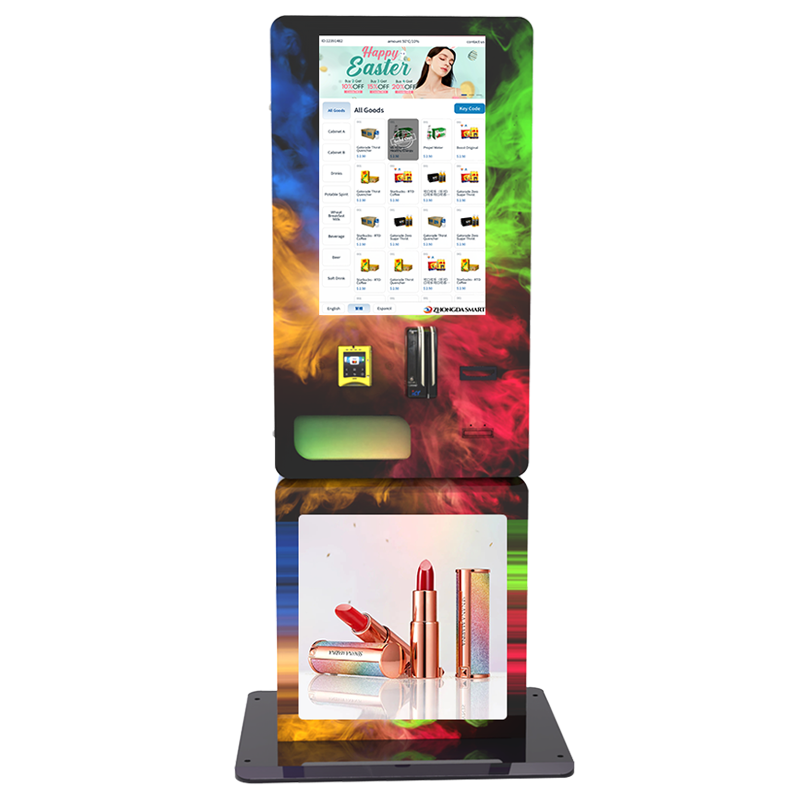
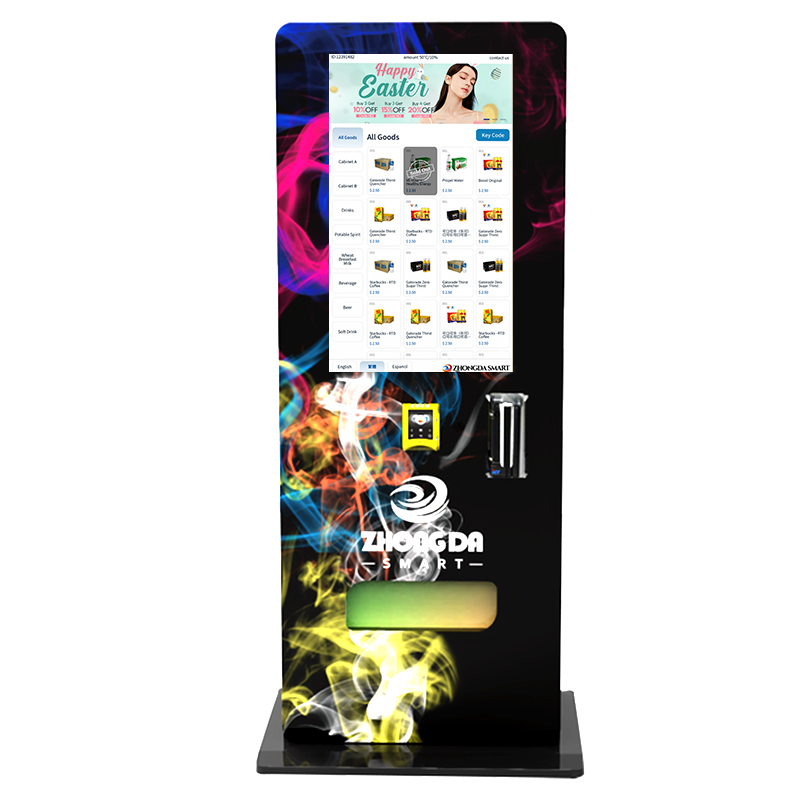
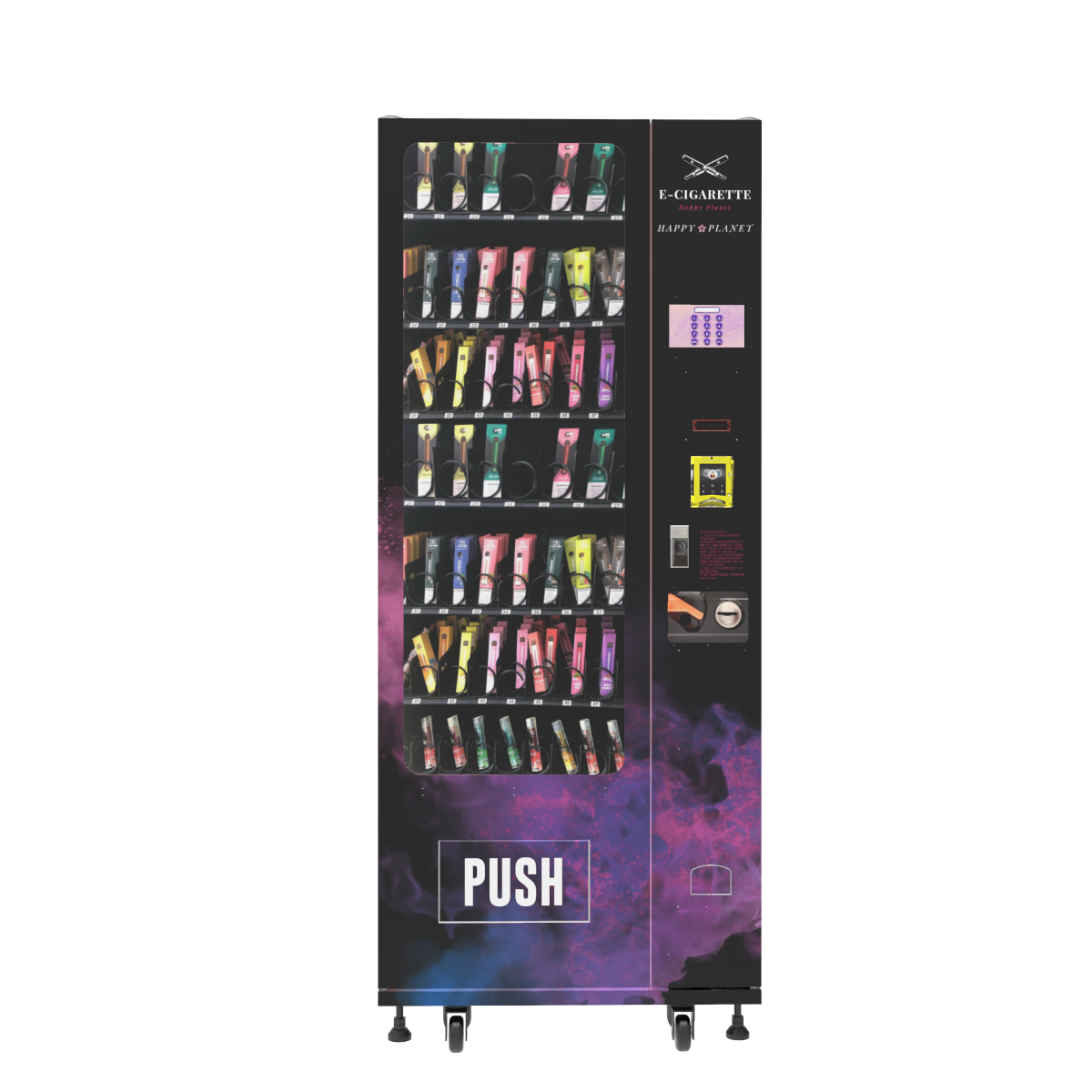
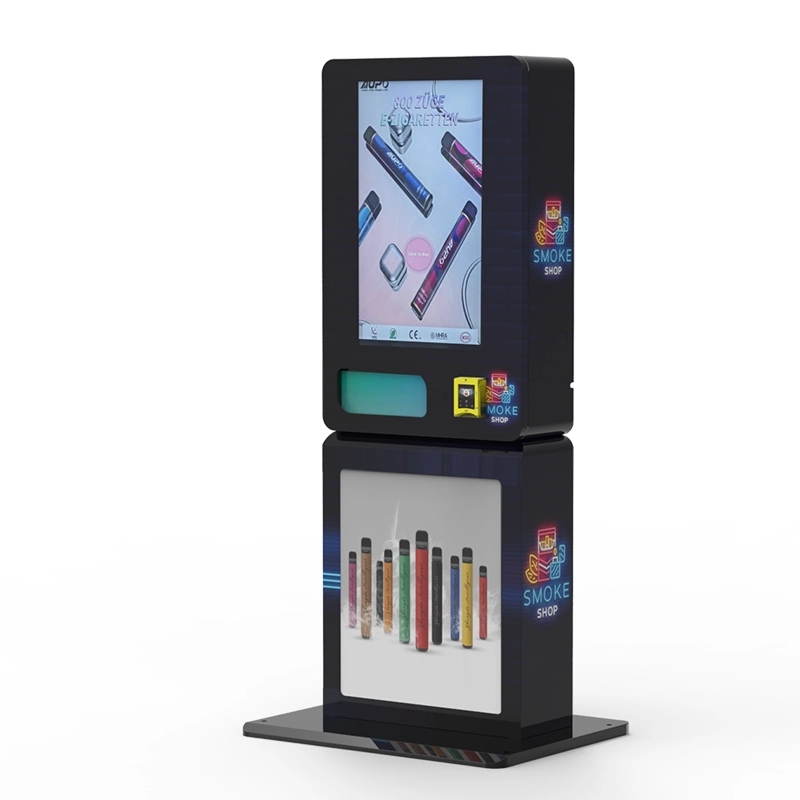
We manufacture our own units now because we got tired of fixing other people’s designs. Our compliant e-cigarette vending machine is built with a reinforced steel cabinet, a commercial-grade refrigeration system, and an integrated AI verification module that we test for 500 hours before shipping. I’m not saying this to sell you — I’m saying it because I’ve learned the hard way that cutting corners on the cabinet means cutting into your profit every month when something breaks.
If you’re sourcing a machine, look at the hinge quality, the lock mechanism, and the gauge of the steel. Those are the parts that take abuse. Also, check if the AI module is replaceable without swapping the whole machine. Technology changes fast. You want a system where you can upgrade the camera and processor board in three years without buying a new cabinet.
Where to Deploy for Maximum Revenue
Location is everything. I’ve seen the same machine model do $5,000 a month in one spot and $500 in another, two blocks apart. The best locations for a smart vending machine with age verification are places where there’s already demand for nicotine products but no dedicated sales staff. Bars and nightclubs are the obvious ones. But I’ve also had great success in bowling alleys, pool halls, and hotels that don’t have a 24-hour front desk.
One of my most profitable locations is a laundromat in a college town. The students come in late at night to do laundry, and they want a vape while they wait. The machine does about 20 transactions on Friday and Saturday nights alone. The owner gets a 15% cut, and he doesn’t have to do anything. The machine stocks itself, verifies age, and sends me a restock alert when inventory is low.
For a deeper look at how these units perform in different settings, check out our vape vending machines for bars case study. It covers real numbers from a deployment in a high-volume nightclub.
Long-Term Maintenance Strategy
If you plan to run a fleet of machines for more than a year, you need a maintenance plan. The AI module is the most sensitive component. It runs hot because of the constant image processing. I install a small ventilation fan inside the AI housing on every machine. That single modification doubled the lifespan of the processor board in our fleet.
You also need to update the fraud database regularly. Fake ID techniques evolve. The AI is only as good as the data it’s trained on. We push software updates to our machines every 60 days. If you buy from a manufacturer that doesn’t offer ongoing software support, your machine will be obsolete within 18 months.
Another piece of advice: keep a spare AI module on hand. If one fails, you can swap it in 15 minutes instead of waiting for a replacement to ship. Downtime kills revenue. A machine that’s down for a week loses about $700 in profit. A spare module costs $400. It pays for itself the first time you use it.
Regulatory Compliance Is Not Optional
I’ve seen operators lose their entire business because they thought a basic ID scan was enough. In many jurisdictions, you are required to keep a log of every age verification attempt for a minimum of two years. The AI system should automatically store the transaction data, including a photo of the customer, a scan of the ID, and the timestamp. If a regulator shows up and you can’t produce those records, you’re looking at fines that can exceed $10,000 per violation.
Our machines are built with a tamper-proof audit log that stores data locally and in the cloud. You can pull a report for any date range with one click. That’s not a luxury — it’s a requirement for staying operational.
For more details on legal requirements across different states, read our article on are vape vending machines legal in Colorado. The laws vary, but the technology requirements are converging toward AI-based verification as the standard.
Final Thoughts From the Factory Floor
I’ve been building vending machines for 15 years, and I’ve watched the industry shift from mechanical coils to smart, AI-driven systems. The operators who succeed are the ones who treat the age verification system as the core of the machine, not an add-on. They invest in good hardware, they maintain it, and they place it in the right locations. The technology is reliable enough now that you can run a fully automated vape retail operation with confidence. But you have to choose your equipment carefully, and you have to understand that the AI is only as good as the hardware it runs on.
If you’re serious about getting into this space, start with a single machine from a manufacturer you trust. Run it for three months. Track every transaction, every failure, and every dollar. Then scale from there. That’s how I built my fleet, and it’s still the only strategy that works.
Frequently Asked Questions
Can AI age verification work without an internet connection?
How often does the AI software need to be updated?
What happens if the camera fails during a transaction?
Is facial recognition accurate in low light?
Can I use the same machine for tobacco and cannabis products?
What is the average lifespan of an AI verification module?
Do I need a special merchant account for vending machine payments?
How do I handle a customer whose ID is rejected incorrectly?
What is the most common maintenance issue with age verification machines?
Can I retrofit an old vending machine with AI age verification?
Sources and