After spending the better part of the last decade deploying vending machines across the US and Europe, I can tell you that the single biggest operational headache has shifted from machine jams to identity fraud. When you are selling age-restricted products like vapor products through a self-service kiosk, the entire business model hinges on one thing: whether your liveness detection for vending machines actually works in the real world. I have seen operators lose their locations, their inventory, and their compliance licenses because they trusted a cheap camera that could be fooled by a printed photo. This guide is not a theory piece. It is a field report from someone who has designed, manufactured, and operated thousands of these units, and it covers exactly how to protect your revenue and your legal standing.
Why Standard Age Verification Fails in the Field
Most operators assume that if a machine scans a driver’s license, the problem is solved. That assumption costs people real money. I have personally pulled a machine from a bar in Ohio where patrons were using a laminated copy of an older sibling’s ID to bypass the scanner. The optical sensor registered the barcode as valid. The machine dispensed the product. The operator got a fine. This is the reality of passive verification.
Standard ID scanners only check the data on the card. They do not check if the person holding the card is actually the person on the photo. This is where liveness detection steps in. It requires the user to prove they are physically present and alive through a secondary biometric check, usually a facial scan or a gesture response. Without this, your machine is essentially an honor system with a barcode reader.
How Liveness Detection Actually Works on a Vape Kiosk
In the systems we manufacture at Zhongda Smart, the process is layered. First, the user inserts or taps their ID. The onboard scanner reads the magnetic stripe or the 2D barcode and cross-references the date of birth against the local age limit, which can be 21 in some US states or 18 in parts of Europe. If the age check passes, the system triggers the liveness module. A high-resolution camera captures the user’s face. The software looks for micro-movements: blinking, slight head rotation, or changes in skin texture. It then compares the live image to the photo on the ID. If the match score is below a certain threshold, the transaction is denied. This entire process takes about four seconds. If you are using a machine without this, you are running a compliance risk every single day.
The Cost Breakdown of a Secure Vending Operation
I often get asked why a machine with liveness detection costs more than a basic snack vender. The answer is in the hardware and the software licensing. A standard snack machine might cost $2,000 to $4,000. A compliant vapor vending machine with full biometric age verification typically runs between $6,500 and $12,000 depending on the screen size, the number of coils, and the camera module. Let me break down where that money goes.
| Component | Cost Range (USD) | Purpose |
|---|---|---|
| ID Scanner Module | $400 – $800 | Reads magnetic stripe and barcode data |
| Liveness Camera + IR Sensor | $600 – $1,200 | Captures facial data and depth mapping |
| Processing Board & Software License | $900 – $1,800 | Runs the facial recognition algorithm |
| Enclosure & Secure Locking System | $1,200 – $2,500 | Prevents physical tampering and theft |
| Inventory Tracking & Telemetry | $300 – $700 | Monitors stock levels and machine health |
| Total Unit Cost | $6,500 – $12,000 | Fully integrated system |
The software license is the piece most operators overlook. You are not just buying a camera. You are buying a database of facial mapping algorithms that need regular updates to stay ahead of spoofing techniques. If you buy a machine from a manufacturer who does not push firmware updates, your liveness detection will be obsolete within 18 months.
Real Revenue Models and Profitability Timelines
I have seen operators turn a profit in four months, and I have seen others bleed cash for a year because they placed the machine in a low-traffic location. The difference is not the machine. It is the location and the product margin. A standard disposable vape that costs $4.50 wholesale can sell for $12.99 at the machine. That is a gross margin of roughly 65%. If your machine can do 15 transactions per day, which is the low end for a busy smoke shop or a bar, you are looking at a daily revenue of around $195. Subtract the cost of goods, the credit card processing fees, and the location commission, and you are left with about $80 per day in net profit. At that rate, a $9,000 machine pays for itself in about 113 days. But that math only holds if your machine is running 24/7 without a compliance shutdown.
Why Fraud Directly Impacts Your ROI
Every time a machine dispenses a product to a minor because the liveness check failed, you are not just losing the cost of that product. You are risking a fine that can range from $500 to $10,000 depending on the state or municipality. In some European countries, the penalty includes confiscation of the machine. I know an operator in Germany who lost three machines in one month because the liveness module was not calibrated for low-light conditions. The machines were passing IDs but failing to recognize the user’s face in a dark corner of a nightclub. The local regulator tested the machine with a 17-year-old using a borrowed ID, and the machine dispensed. That operator is no longer in business. Your profit model must include the cost of compliance, or you do not have a profit model.
Field Deployment Lessons from a Factory Perspective
When we design a machine at Zhongda Smart, we test it in conditions that simulate the worst possible retail environment. We put the camera in a dark box. We test it with sunglasses, with hats, with bad lighting from a fluorescent tube. We also test it with high-resolution photos printed on glossy paper, with videos played on a phone screen held up to the camera, and with silicone masks. I can tell you that 90% of the liveness modules available on the market today will fail the mask test. The ones that pass use a combination of infrared depth sensing and texture analysis. If you are sourcing a machine, ask the supplier for their spoof test results. If they cannot provide a written report, assume the module is weak.
Common Installation Mistakes I Have Seen
One of the most frequent errors is mounting the machine at the wrong height. The camera needs a clear, unobstructed view of the user’s face from about 18 to 30 inches away. If you mount the machine too high, the camera captures the top of the head instead of the eyes. If you mount it too low, it captures the chest. I have walked into a location where the operator had mounted the machine behind a glass counter. The glass reflected the overhead light directly into the camera lens. The liveness check failed on every single transaction. We had to move the machine six feet to the left to fix it. These are the details that do not show up in the spec sheet.
Comparing Different Age Verification Technologies
Not all verification systems are created equal. I have tested optical scanners, NFC readers, Bluetooth mobile ID apps, and full biometric liveness systems. The table below shows the real-world effectiveness based on our field data from over 2,000 deployed units.
| Technology Type | Success Rate (Legit Users) | Spoof Failure Rate | Average Transaction Time |
|---|---|---|---|
| Simple Barcode Scan | 98% | 45% | 3 seconds |
| NFC / Tap-to-Verify | 95% | 30% | 5 seconds |
| Mobile ID App Integration | 88% | 10% | 12 seconds |
| Facial Liveness + ID Scan | 96% | 2% | 6 seconds |
| Facial Liveness + IR Depth | 97% | 0.5% | 7 seconds |
The mobile ID app integration has a lower success rate simply because users forget to download the app or their phone battery dies. The facial liveness plus infrared depth sensor is the gold standard. It is what we use in our compliant e-cigarette vending machine models because it balances speed with security.
Long-Term Maintenance and Firmware Strategy
Owning a vending machine is not a set-it-and-forget-it business. The liveness detection algorithm needs to be updated as new spoofing methods emerge. I have seen a rise in deepfake video loops that are played on a tablet in front of the camera. The older algorithms cannot tell the difference between a real person blinking and a video of a person blinking. The newer algorithms analyze the lighting reflection on the skin and the micro-movements of the pupil. We push firmware updates to our machines every quarter. If your supplier does not offer remote firmware updates, your machine will become vulnerable over time. Budget for a maintenance cost of roughly $200 to $400 per year per machine for software licensing and telemetry. That is a fraction of the cost of a single compliance fine.
Inventory Management and Theft Prevention
Another hidden cost is internal theft. If the machine is in a location where staff have access to the back panel, you need tamper sensors. We install vibration sensors and door contact switches that trigger an alert if the machine is opened without authorization. This is not directly related to liveness detection, but it is part of the overall security posture. An operator in Texas lost $3,000 worth of inventory in one month because a bartender was opening the machine and selling the products out the back door. The liveness detection did not catch that because the fraud was not at the point of sale. It was at the point of restocking. Make sure your machine has an audit log that tracks every door open event.
Selecting the Right Machine for Your Business
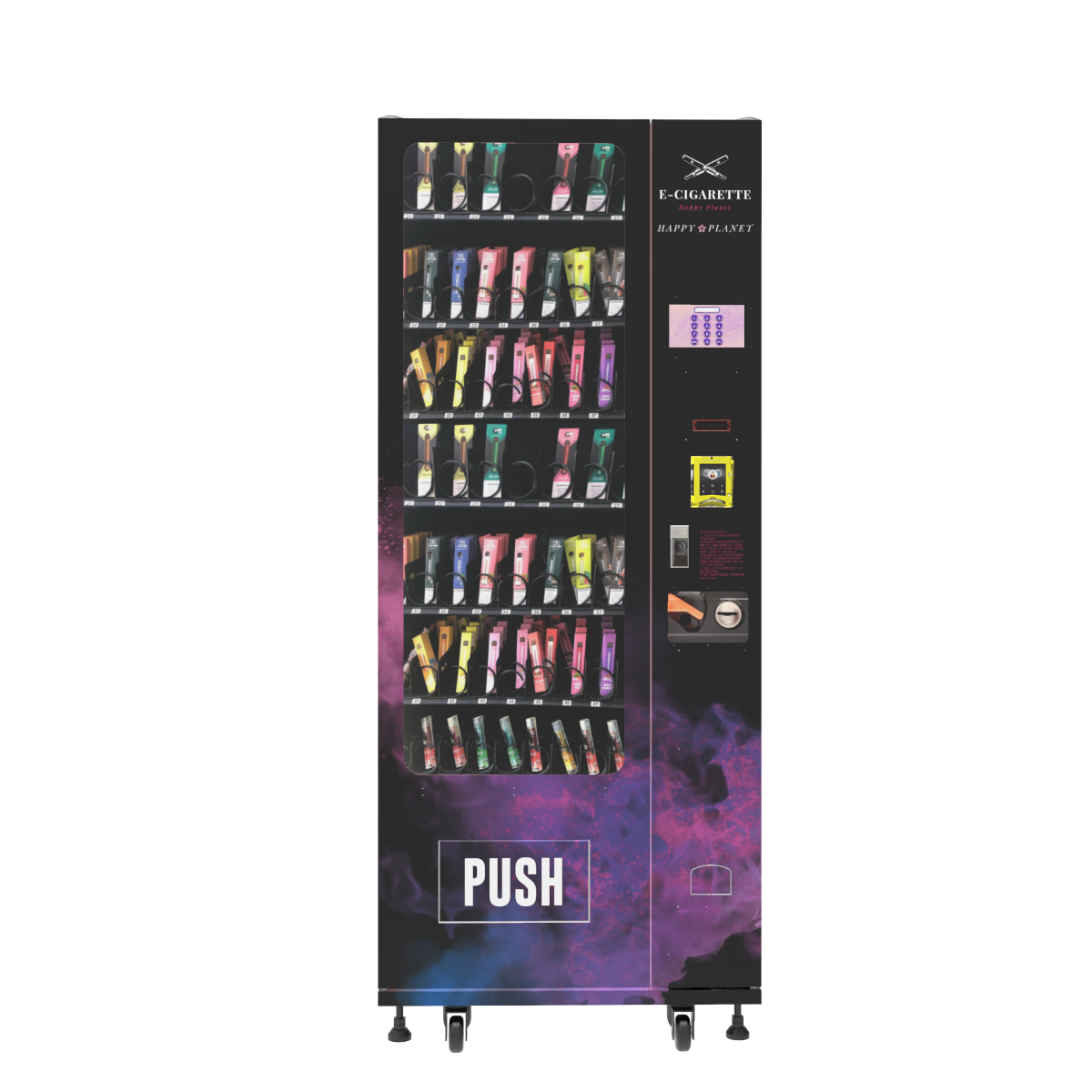
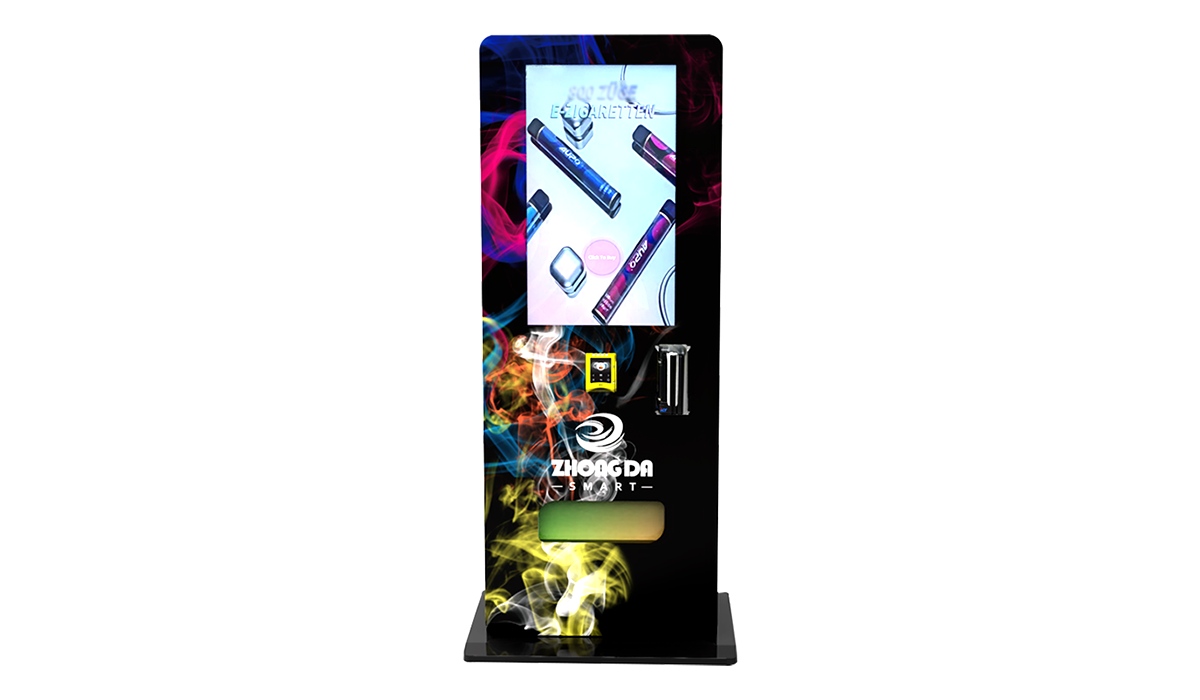
If you are a business owner looking to purchase equipment, you need to look beyond the price tag. Look at the camera module. Look at the software update policy. Look at the manufacturer’s track record with compliance. I am obviously biased toward the equipment we build at Zhongda Smart because I have seen it work in the field, but I will give you the same advice I give to every operator: buy a machine from a company that has been building vending hardware for at least a decade, not a startup that assembled a prototype in a garage. The reliability of the dispensing mechanism is just as important as the liveness detection. A machine that breaks down every week will kill your revenue faster than a spoofed ID ever will. For a detailed look at the hardware options, you can review our product line for vape vending machines that include the ID scan and liveness modules.
Wall-Mounted vs. Free-Standing Units
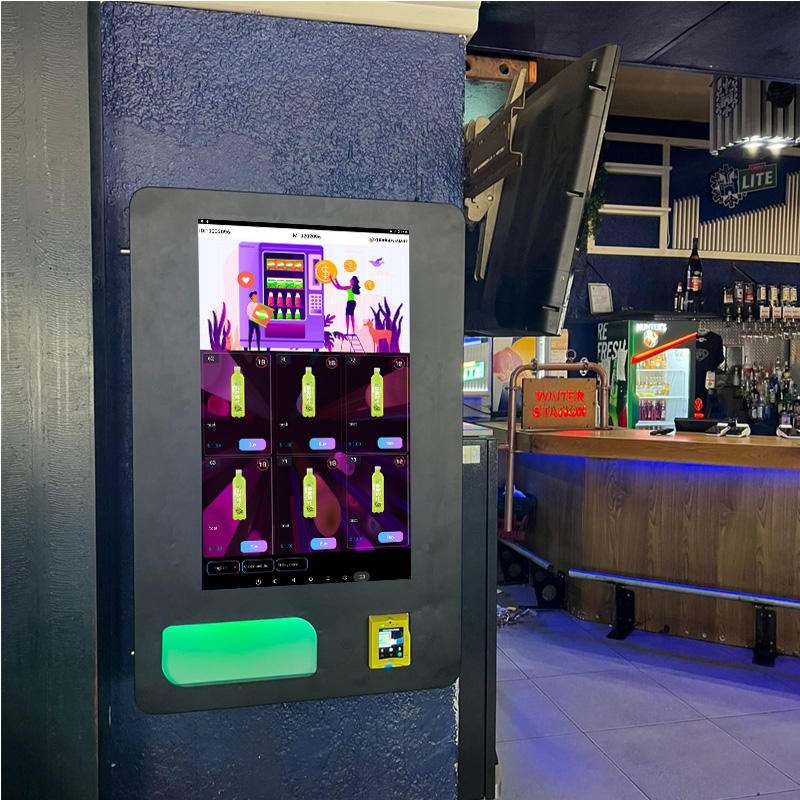
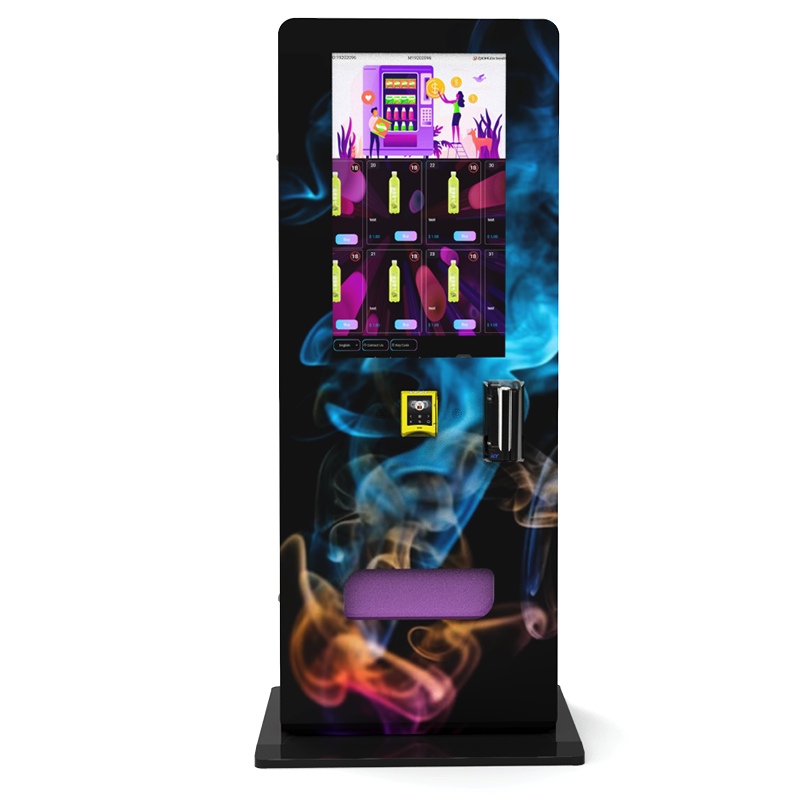
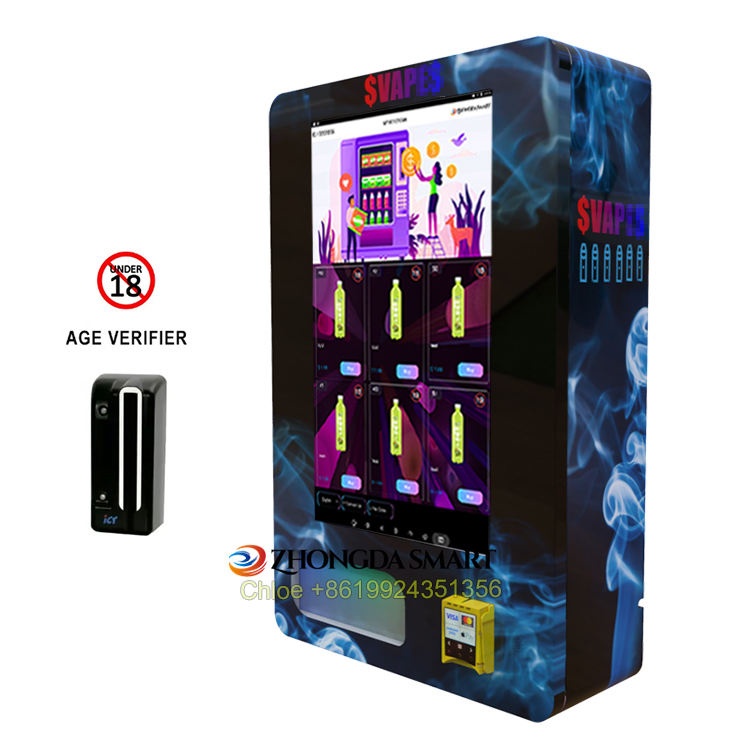
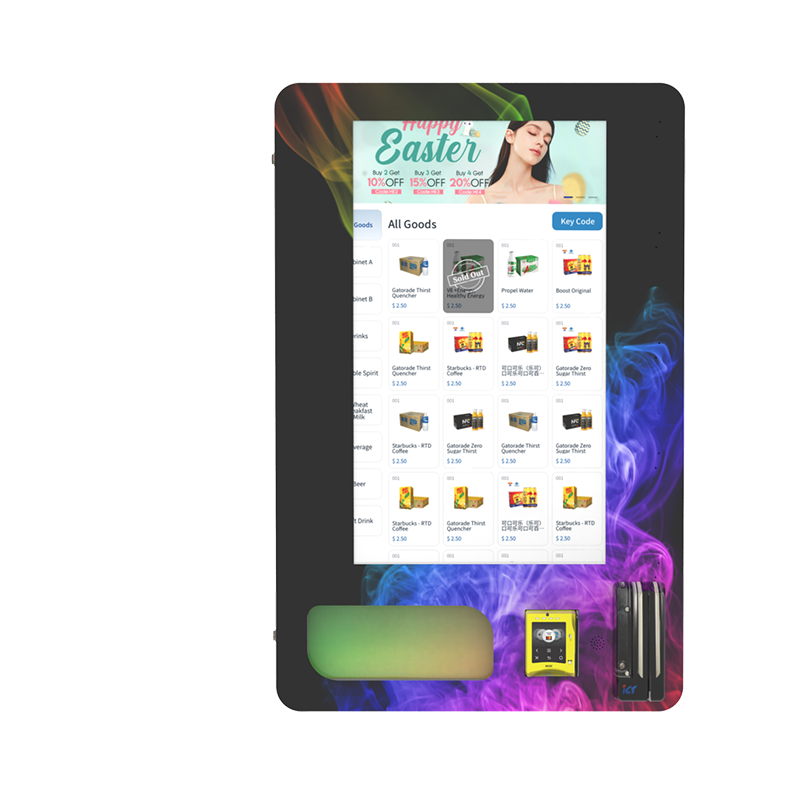
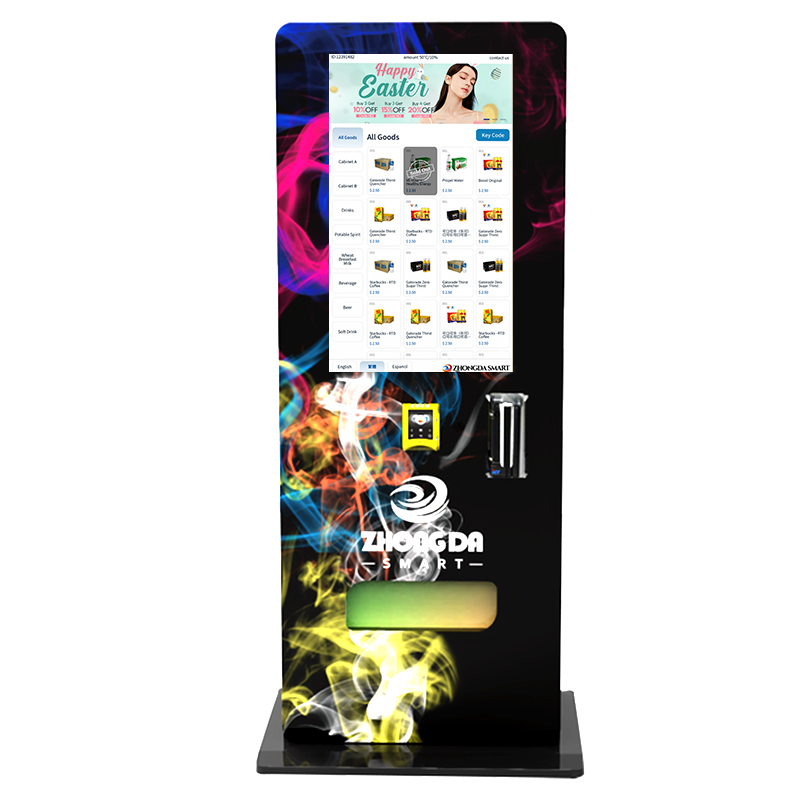
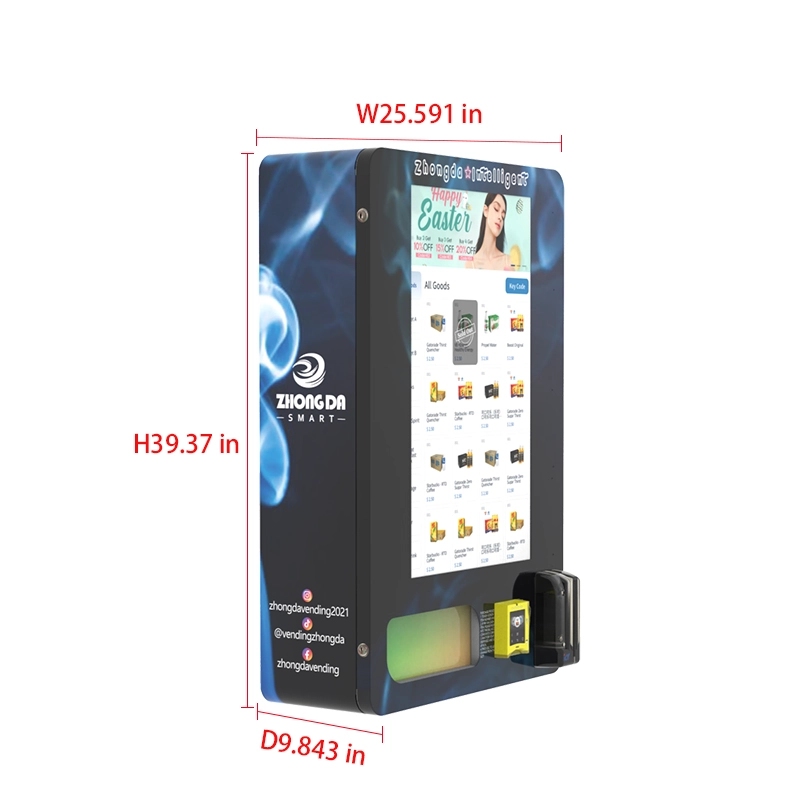
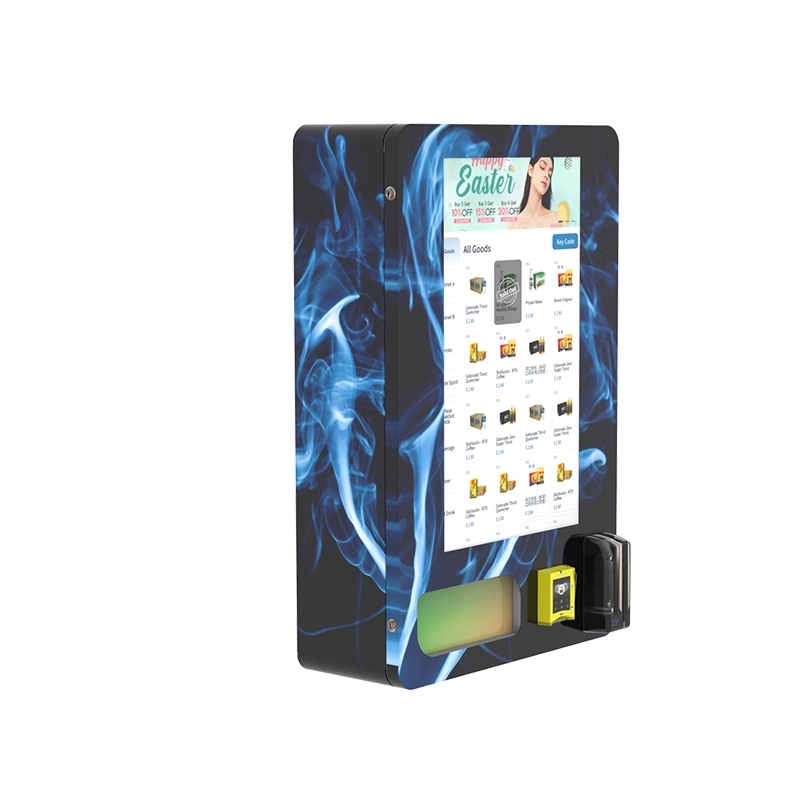
The physical footprint matters. For a bar with limited counter space, a wall-mounted unit is often the better choice. We have a compact wall-mounted e-cigarette vending machine that fits on a standard wall stud and still includes the full liveness camera. For a larger location like a convenience store or a hotel lobby, a free-standing unit with higher capacity makes more sense. The key is matching the machine size to the traffic volume. If you put a small machine in a high-traffic location, you will be restocking every two days, which eats into your labor margin.
Industry Data on the Vending Market
The global vending machine market was valued at roughly $33 billion in 2023, with the age-restricted segment growing faster than the general market due to stricter regulations (Statista). In the US alone, the number of vapor product vending machines has increased by an estimated 40% since 2021 as retailers look for ways to reduce labor costs and theft. According to IBISWorld, the vending machine operator industry in the US generates about $9 billion in annual revenue, and the shift toward cashless, biometric systems is the primary driver of new investment. These numbers align with what I see on the ground. Every operator I talk to is looking for a way to automate compliance without sacrificing speed.
Real World Failure Case Study
I want to share a specific failure case because it illustrates the stakes. A chain of smoke shops in the Midwest purchased 30 machines from a low-cost supplier overseas. The machines had a basic camera that claimed to do age verification, but it was just a photo capture. There was no liveness check. The chain placed the machines in locations near college campuses. Within three months, local news stations did a sting operation. They sent a 19-year-old into the store with a borrowed ID. The machine scanned the ID, saw that the birth year was valid, and dispensed the product. The store chain was fined $150,000 by the state regulator. They had to pull all 30 machines out of service. The cost of the fines plus the lost inventory and the machine removal was over $200,000. The supplier refused to take responsibility because the contract stated that compliance was the operator’s responsibility. That is a hard lesson. Do not buy a machine based on price alone. Buy it based on the compliance stack.
Long Term Operational Strategy
If you are planning to build a fleet of machines, you need a centralized management platform. Each machine should report its transaction logs, its liveness check success rate, and its inventory levels to a cloud dashboard. This allows you to spot trends. If a specific machine starts showing a higher rate of failed liveness checks, it might mean the camera lens is dirty or the lighting has changed. You can send a technician before it becomes a compliance issue. We provide a telemetry system with our machines that gives the operator a real-time view of every unit. You can see exactly how many people passed the liveness check and how many were rejected. This data is useful for negotiating location commissions because you can prove the foot traffic and the conversion rate.
Frequently Asked Questions
What is the difference between age verification and liveness detection?
Can a liveness detection system be fooled by a high-quality photo?
How much does a compliant vending machine cost?
How long does it take to recoup the investment?
Do I need a special license to operate a vending machine for vapor products?
What happens if the liveness detection fails on a legitimate adult customer?
Can I retrofit an existing vending machine with a liveness camera?
How often should I update the liveness detection software?
References and Data Sources
- Statista – Global Vending Machine Market Value (2023): https://www.statista.com/topics/1197/vending-machines/
- IBISWorld – Vending Machine Operator Industry Revenue in the US: https://www.ibisworld.com/united-states/market-research-reports/vending-machine-operators-industry/
- Forbes – The Rise of Biometric Age Verification in Retail: https://www.forbes.com/sites/forbestechcouncil/
- Bloomberg – Regulatory Impact on Vending Machine Technology: https://www.bloomberg.com/technology
- FDA – Age Verification Requirements for Tobacco Products: https://www.fda.gov/tobacco-products