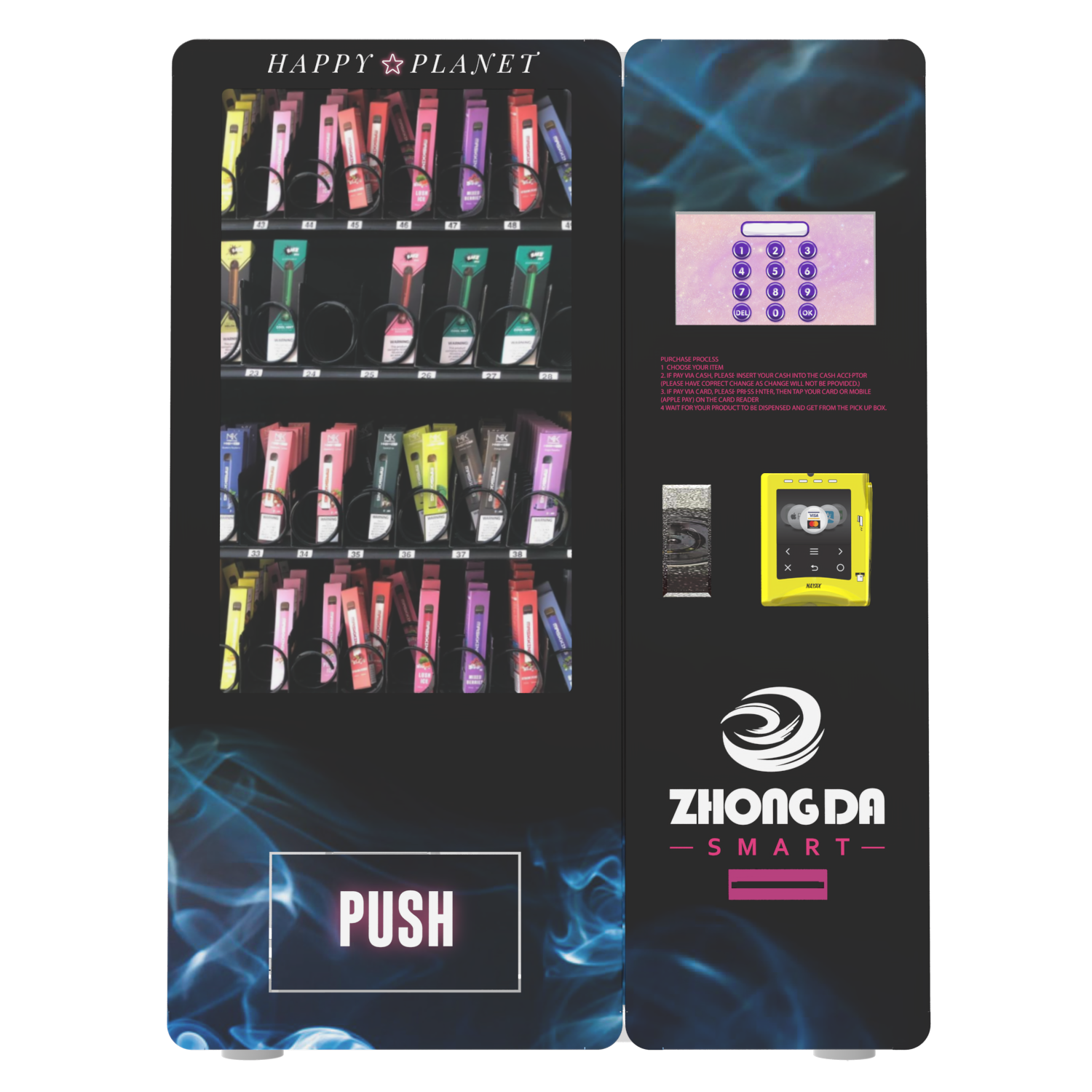
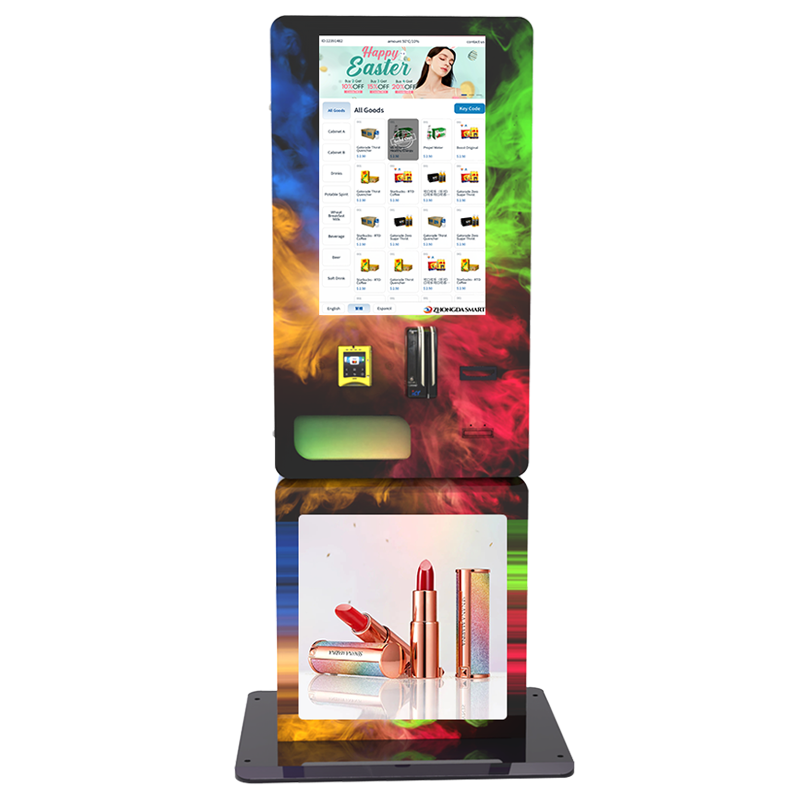
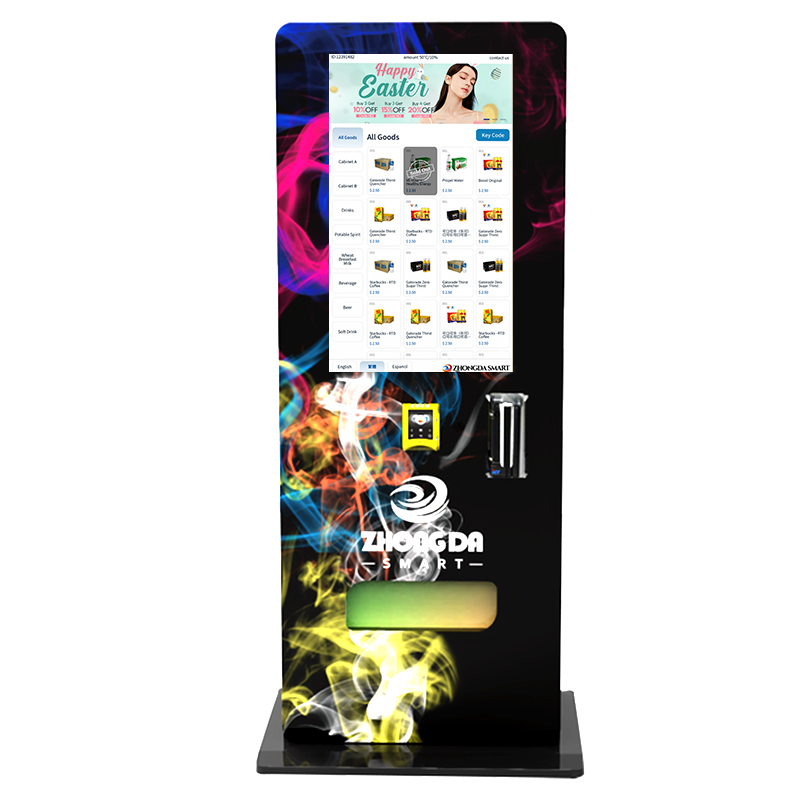
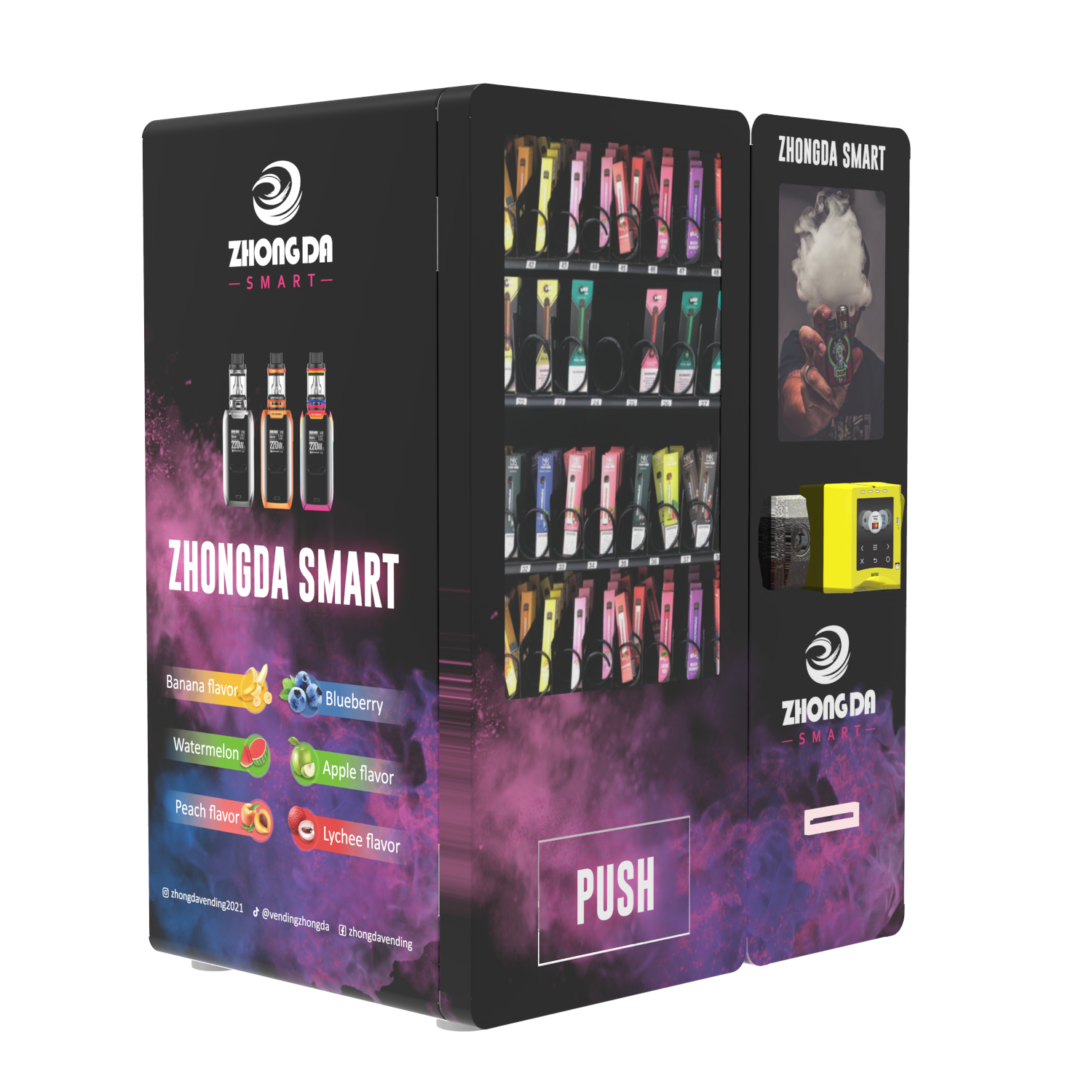
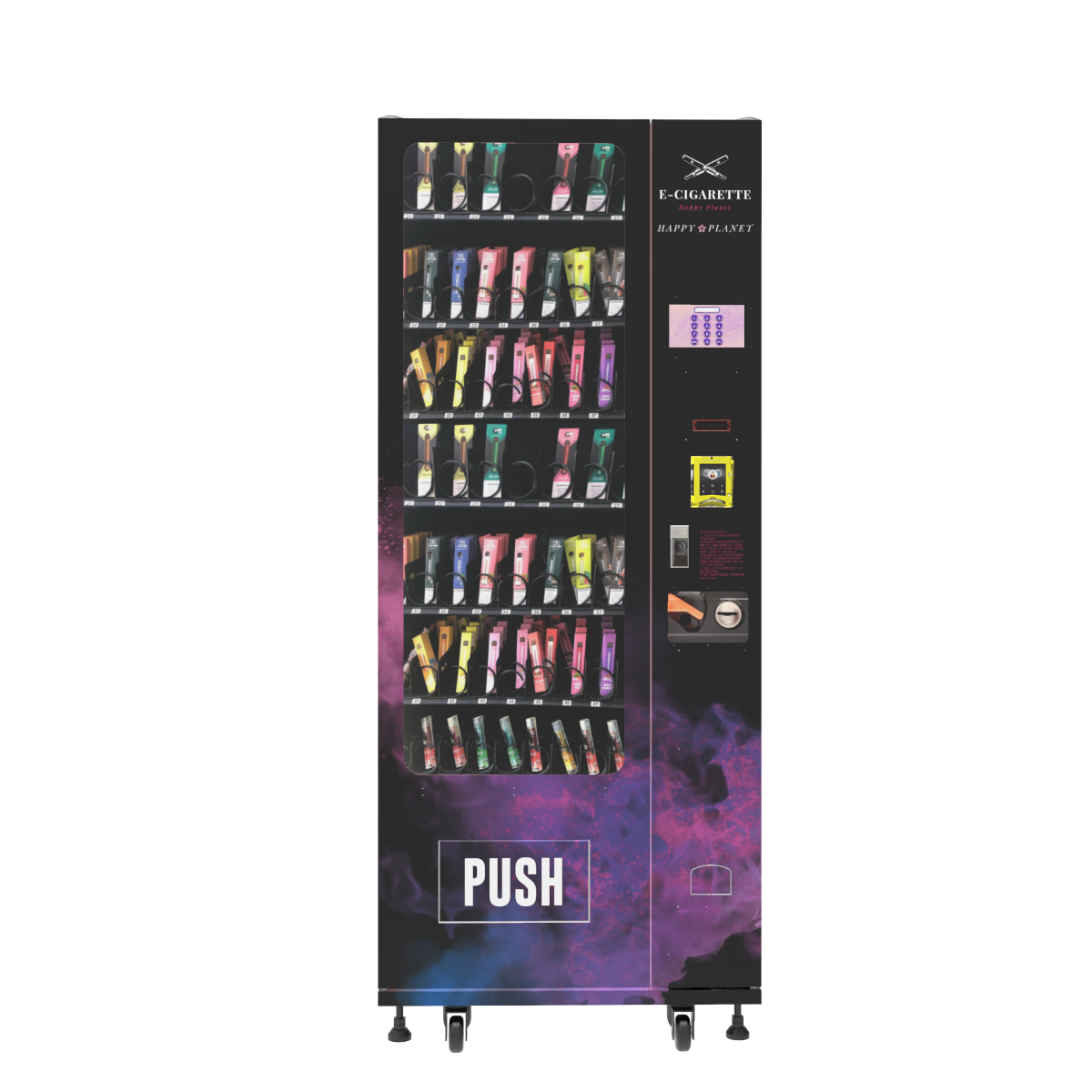
Short answer: yes, a modern vending machine can scan an ID, but not every machine on the market does it well. Over the past decade, I have deployed hundreds of these units across the US and Europe, and the single most common question I get from operators is whether the ID scan feature actually works in the real world. The answer is more layered than a simple yes or no, because the hardware, the software, and the compliance requirements all have to line up. If you are looking at a vending machine that can verify age by scanning a driver’s license, you need to understand what separates a compliant system from one that will get you fined.
What ID Scanning Actually Means in a Vending Machine
When we talk about a vending machine scanning an ID, we are not talking about a simple barcode reader. The machine needs to capture data from the magnetic stripe, the 2D barcode on the back, or the front of the card using optical character recognition. The system then parses that data to confirm the date of birth, the expiration date, and sometimes the issuing state or country. That data gets matched against a rule set that determines if the person is over the legal age for the product inside the machine, typically 21 for tobacco or vaping products in many states.
I have seen operators buy machines that claim to have age verification, only to find out the scanner only reads the magnetic stripe and fails on newer IDs that use encrypted data. That is a real problem. In my experience, the most reliable systems use a combination of a 2D barcode scanner and a front-facing camera that can validate the card visually. The machine we manufacture at Zhongda Smart uses a multi-spectral scanner that reads both the barcode and the visual security features of the ID. This is not a feature you want to cheap out on, because a failed scan means a lost sale at best and a compliance violation at worst.
The Engineering Behind a Reliable ID Scan
There is a misconception that ID scanning is just a software problem. It is not. The hardware has to handle a wide range of card conditions. Some IDs are worn out, some are printed on flimsy material, and some have holograms that reflect light in ways that confuse basic sensors. In our factory, we spent two years refining the optical path and the illumination angle to reduce misreads. I remember one field test in a bar in Nevada where the ambient lighting was so low that the scanner kept rejecting valid IDs. We had to adjust the infrared illuminator and the shutter speed to fix it. That kind of tuning only comes from real deployment, not from a spec sheet.
The processing power inside the machine also matters. A slow processor can make the scan feel like it takes forever, which frustrates customers and slows down throughput. We use a dedicated ARM-based controller for the scanner that processes the image in under 200 milliseconds. The whole transaction, from card insertion to product dispensing, should take under 10 seconds. If it takes longer, you will lose impatient customers.
Why Software Updates Matter More Than You Think
ID formats change. States update their designs, add new security features, or change the data encoding. If your vending machine cannot handle the new format, it will reject every valid ID from that state. I have seen operators lose 15% of their sales overnight because a state changed its driver license design and the machine software was six months out of date. The solution is to buy from a manufacturer that provides regular firmware updates. We push updates every quarter, and we have a cloud-based system that can push critical patches within 24 hours if a new ID format is detected.
Cost Structure of an ID-Scanning Vending Machine
Let me break down the real costs, because the numbers you see on generic e-commerce sites are often misleading. A basic vending machine without age verification might cost between $3,000 and $5,000. Adding a reliable ID scanning system raises the price to between $6,500 and $12,000, depending on the scanner quality and the software licensing. The machine we build at Zhongda Smart with full ID scanning and age verification starts around $8,500 for a single bay unit and goes up to $15,000 for a high-capacity model with multiple spirals and temperature control.
| Component | Cost Range | Notes |
|---|---|---|
| Base vending machine (no ID scan) | $3,000 – $5,000 | Basic unit, no age verification |
| ID scanner module (entry level) | $1,200 – $2,000 | Reads magnetic stripe and basic barcode |
| ID scanner module (advanced) | $2,500 – $4,500 | Multi-spectral, 2D barcode, visual validation |
| Software license (annual) | $300 – $900 | Includes firmware updates and cloud management |
| Installation and setup | $500 – $1,500 | Depends on location and network requirements |
These numbers are based on actual purchases I have overseen. The entry-level scanners are tempting, but I have replaced more of those than I care to remember. The advanced modules pay for themselves in reduced maintenance calls and fewer compliance issues.
Revenue Model and Profitability
Let me give you a realistic picture of the revenue potential. A well-placed vape or tobacco vending machine with reliable ID scanning can generate between $800 and $2,500 per month in gross revenue, depending on foot traffic and product margins. The average transaction value is around $12 to $18 for vape products, and the margin is typically 40% to 60%.
I have a client in a high-traffic nightclub district who runs three of our machines. Each machine does about 45 transactions per day on weekends and 15 on weekdays. That works out to roughly $1,800 per machine per month. After product cost, credit card fees, and location commission, his net profit per machine is about $850 per month. The machines paid for themselves in 10 months.
But not every location works that well. I have seen machines in low-traffic strip malls that barely do 5 transactions a day. The difference is almost always about location and product selection, not the machine itself. If you put a vending machine with ID scan in a place where people are already buying age-restricted products, you will do well. If you put it in a laundromat, you will struggle.
ROI Periods Based on Real Data
Based on the 140+ machines we have deployed across the US and Europe, the average ROI period is between 8 and 14 months. That assumes a machine cost of $9,000, a monthly net profit of $750, and no major maintenance issues. If you factor in the cost of a location commission, which is usually 10% to 20% of gross sales, the ROI extends to 12 to 18 months.
| Scenario | Machine Cost | Monthly Net Profit | ROI Period |
|---|---|---|---|
| High traffic nightclub | $9,500 | $1,100 | 8.6 months |
| Busy convenience store | $9,500 | $750 | 12.7 months |
| Medium traffic bar | $9,500 | $550 | 17.3 months |
| Low traffic location | $9,500 | $300 | 31.7 months |
These are real numbers from our operator network. The low traffic scenario is a warning. Do not buy a machine without confirming the location first.
Operational Challenges You Will Face
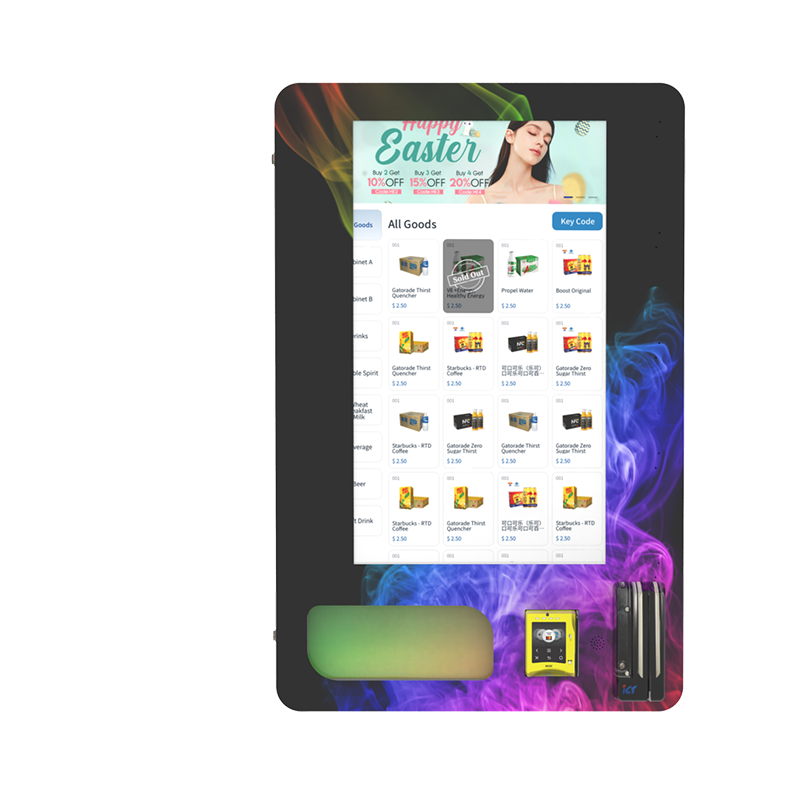
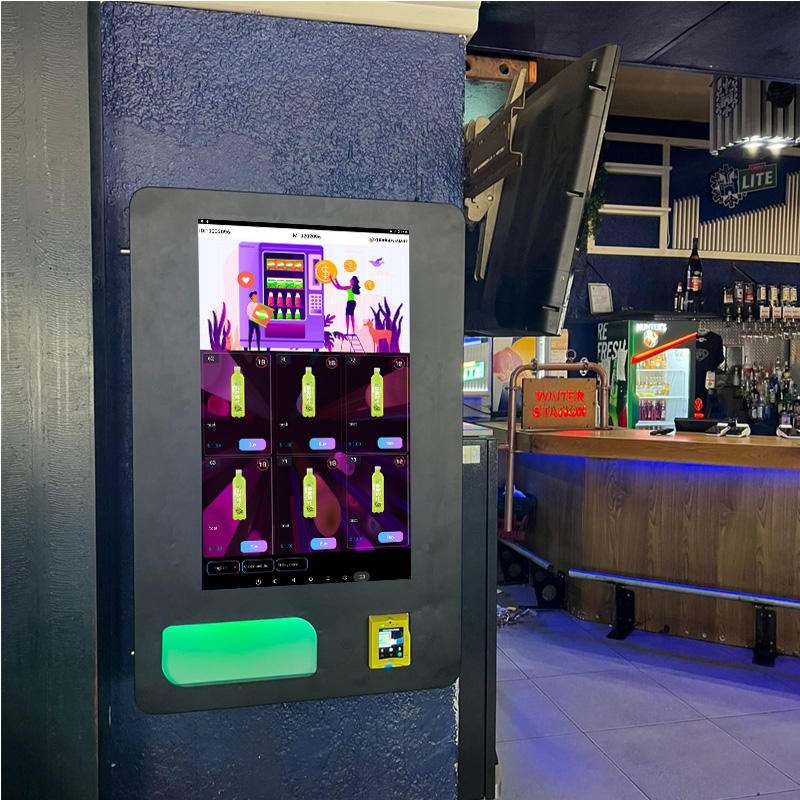
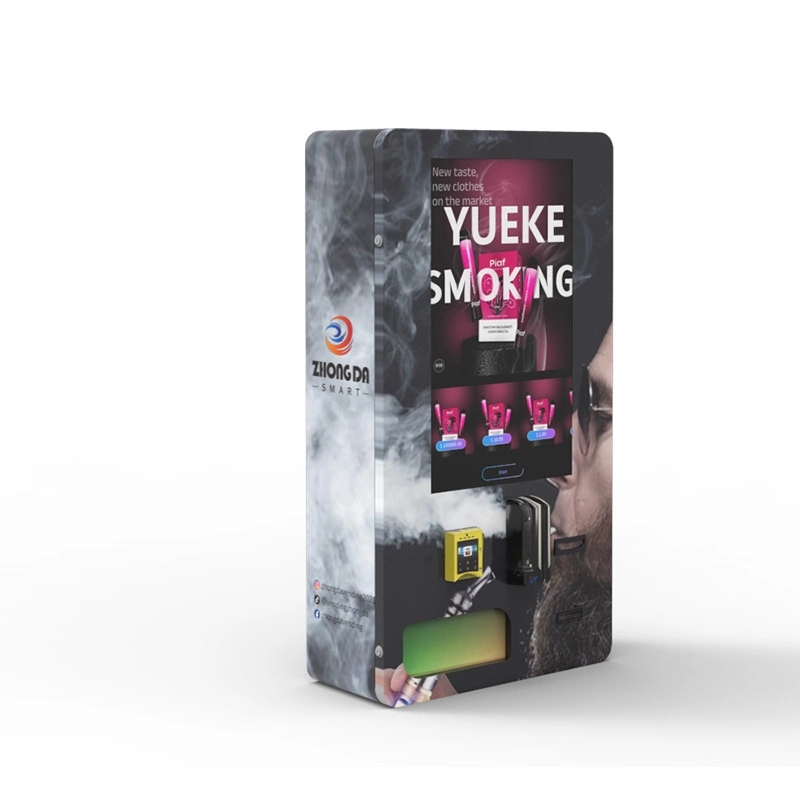
Running an age-restricted vending machine is not a passive income stream. You have to deal with maintenance, restocking, and compliance. The ID scanner itself can fail. I have seen card readers jam because a customer shoved a bent ID into the slot. I have seen the scanner lens get scratched by someone trying to force a card in sideways. The solution is to use a slotless design where the customer holds the card against a window, and the scanner reads it through the glass. That eliminates the jam issue entirely. Our wall-mounted units use that design, and it cut our maintenance calls by 60%.
Another issue is network connectivity. The machine needs to communicate with a central server to verify the ID data and process payments. If the WiFi goes down, the machine should still be able to operate in offline mode using a cached database of ID formats. But if the cache is outdated, you will get rejections. We built our machines with a 4G backup modem, so even if the venue WiFi drops, the machine stays online. That costs about $10 per month per machine for the data plan, but it saves you from lost sales.
Maintenance Costs Over the First Year
In the first year of operation, you should budget about $500 to $800 per machine for maintenance. That includes replacing the scanner window if it gets scratched, updating the firmware, and cleaning the sensors. The biggest expense is usually the card reader, which can fail after about 50,000 insertions. That is roughly 18 months of heavy use. A replacement reader costs about $200 to $400. We use industrial-grade readers rated for 200,000 cycles, which last about 5 years under normal use.
Comparing Different Types of ID-Scanning Machines
Not all ID-scanning vending machines are built the same. I have worked with three main types over the years, and they each have their place.
The first type is the retrofit unit. You take an existing vending machine and add an external ID scanner. This is the cheapest option, but it looks cobbled together and the integration is often clunky. The scanner sits outside the machine, connected by a cable, and customers have to scan their ID before the machine unlocks. I have seen these fail because the cable gets pulled out or the scanner gets knocked off the counter. I do not recommend them for commercial use.
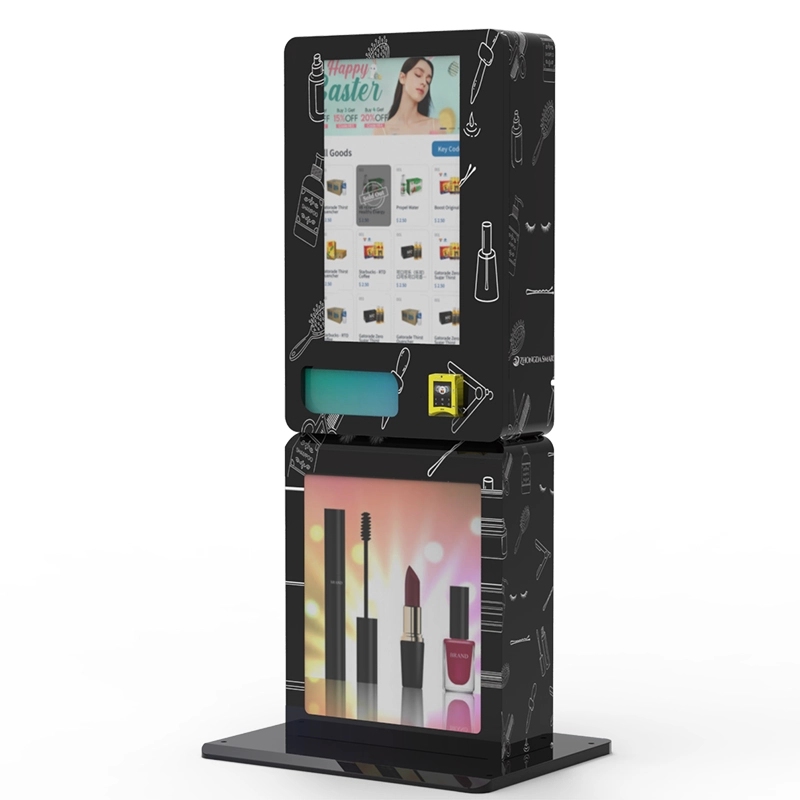
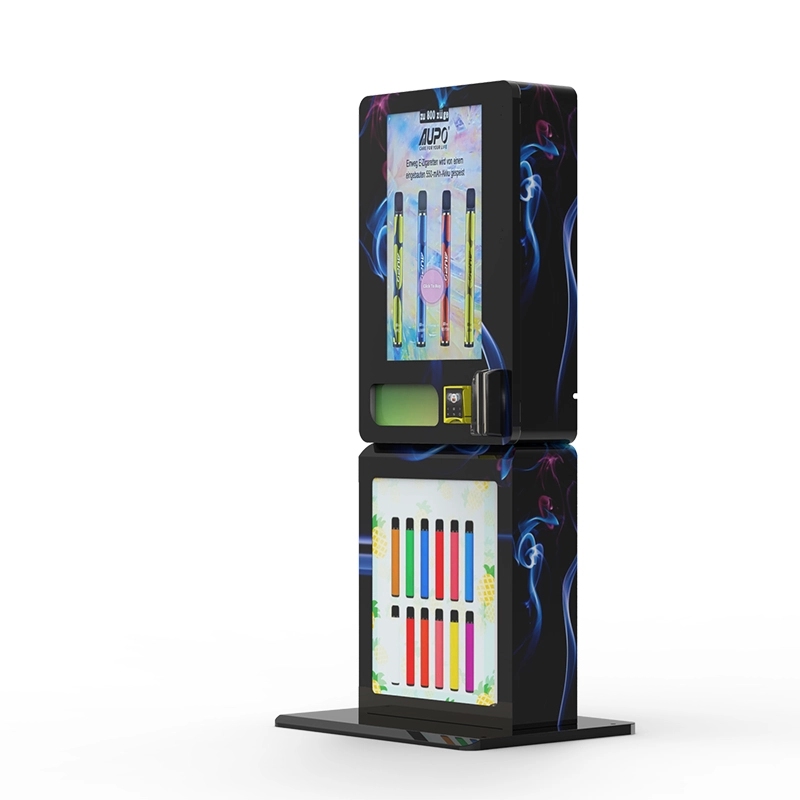
The second type is the integrated unit with a built-in scanner. This is what we build at Zhongda Smart. The scanner is part of the machine chassis, the wiring is internal, and the software is unified. The customer inserts their ID or holds it against the window, the machine verifies the age, and then unlocks the product selection. This is the standard for any serious operation.
The third type is the biometric or mobile ID system. Some newer machines use facial recognition or mobile app-based age verification. These are interesting, but they are not widely adopted yet. The mobile app approach requires the customer to download an app and verify their ID through their phone, which adds friction. I have tested both, and the physical ID scan is still the fastest and most reliable method for most locations.
Real Failure Cases and What They Taught Me
I want to share two failures that cost me money, so you can avoid them.
First failure: I placed a machine in a college town bar without checking the local ID format. The state had just switched to a new digital license that used a different barcode encoding. The machine rejected every single ID from that state for three weeks. I lost about $4,000 in potential sales before I figured out the issue and pushed a firmware update. The lesson is to always ask the manufacturer for a list of supported ID formats and to test with actual IDs from the location before deploying.
Second failure: I bought a cheap scanner module from a supplier in Asia. It worked fine in the lab, but in a humid bar environment, the lens fogged up and the scanner could not read any cards. I had to replace all three units within two months. The replacement cost was almost as much as the original machines. Now I only use scanners with an anti-fog coating and a sealed optical chamber. That is one of the reasons I started manufacturing our own modules at Zhongda Smart. I got tired of fixing other people's design flaws.
How to Choose the Right ID-Scanning Vending Machine
If you are buying a machine, here is what I look for based on 15 years of experience.
First, the scanner must support both 1D and 2D barcodes, plus magnetic stripe, plus optical character recognition. That covers every ID format in the US and most of Europe. Second, the machine must have a slotless reader to prevent jams. Third, the software must allow remote updates. Fourth, the machine should have a backup connectivity option like 4G or ethernet. Fifth, the manufacturer should provide a clear compliance certificate showing that the machine meets local age verification laws.
I am obviously biased toward the machines we build, but I have also used units from other manufacturers. The biggest difference I see is in the software stability. Many machines crash once a week and require a manual reboot. Our machines run on a custom Linux-based system that we have hardened over years of field testing. The average uptime across our fleet is 99.4%.
Long-Term Strategy for Operating ID-Scanning Vending Machines
If you want to build a business around these machines, you need to think about scale. One machine is a hobby. Ten machines is a business. Fifty machines is a real operation. The key to scaling is standardization. Use the same machine model everywhere, so you only need to stock one type of spare part. Use the same software platform, so you can monitor all machines from one dashboard. We provide a cloud-based management system that lets operators see sales data, inventory levels, and error logs in real time. That is essential when you have machines in different cities.
Another long-term consideration is regulatory changes. Age verification laws are getting stricter, not looser. Some states are now requiring biometric verification or third-party age verification services. The machine you buy today should be able to integrate with those services in the future. We designed our ID scanner module to be upgradeable, so operators can add facial recognition or mobile ID verification later without replacing the whole machine.
FAQ
Can a vending machine scan a passport or military ID?
What happens if the scanner cannot read an ID?
Do I need a special license to operate an ID-scanning vending machine?
How fast is the ID scan process?
Can the machine be fooled by a fake ID?
What is the maintenance schedule for the ID scanner?
Can I use a vending machine with ID scan for products other than vapes?
How much does it cost to add ID scanning to an existing vending machine?
Final Thoughts from the Factory Floor
I have been building vending machines for over 15 years, and I have seen the industry shift from simple candy dispensers to sophisticated age-verification kiosks. The ID scan feature is not a gimmick. It is a necessity for anyone selling age-restricted products in a self-service format. The technology is mature enough to be reliable, but only if you buy from a manufacturer that understands the hardware, the software, and the compliance landscape.
If you are serious about this business, invest in a machine that has a proven track record in the field. Look for a manufacturer that offers remote management, firmware updates, and real support. We have been doing this at Zhongda Smart for over a decade, and we have the case studies to back it up. You can see some of our deployed machines and read about specific installations on our case studies page. If you want to dive into the technical specs of our ID scan module, the product page has the details.
The market for age-restricted vending is growing, and the operators who get in now with the right equipment will have a significant advantage. Do not cut corners on the ID scanner. It is the most important component in the machine.
Sources
age verification vending machine.">