If you are looking into commercial age verification equipment for a vending operation, especially one selling age-restricted products like vapor products, you have likely already run into the compliance headaches and the sheer cost of getting it wrong. Over the past decade, I have designed, deployed, and serviced thousands of these machines across the US and European markets. The reality is that not all age verification hardware is built the same, and choosing the wrong system can kill your profit margins before you even stock your first shelf. This guide breaks down the actual technology, the real costs, and the operational tactics that separate a profitable route from a legal liability.
The Engineering Reality Behind Age Verification
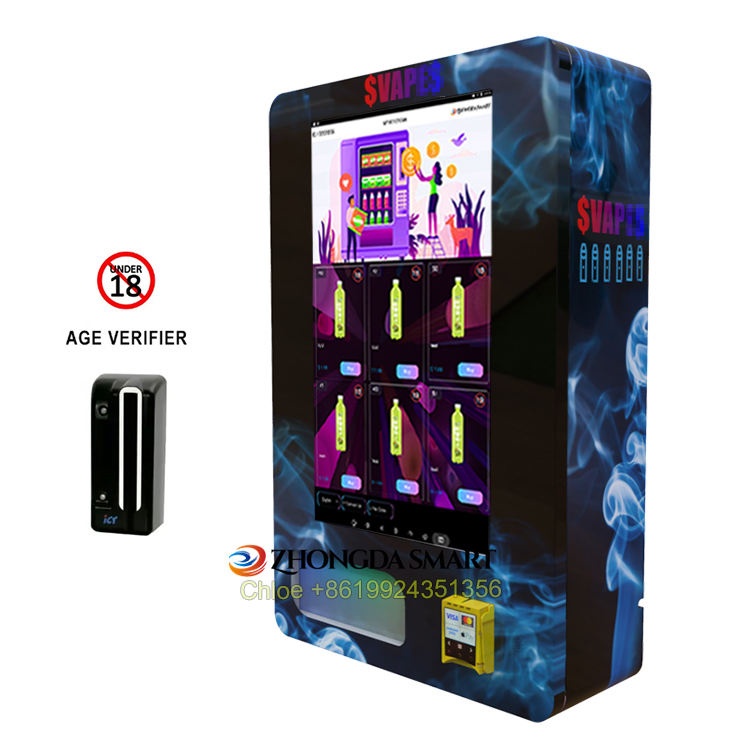
When we talk about age verification in a vending context, we are not just talking about a camera and a database check. The core of the system is a decision engine that has to work in milliseconds. In our factory, we have tested three primary hardware paths: optical character recognition (OCR) for driver's licenses, barcode scanning, and RFID chip reading. The most reliable setups use a combination of at least two of these methods. A simple camera-based system that only uses OCR can be fooled by a high-quality fake ID or a screen displaying a photo. We learned this the hard way during a pilot program in a high-traffic location where we saw a 12% failure rate on age checks due to poor lighting. The fix was integrating a secondary barcode scan that cross-references the data on the magnetic stripe or the 2D barcode. This is not a software update; it is a hardware change that adds about $150 to the bill of materials.
Why Offline Mode Matters More Than You Think
Most operators focus on the cloud connection. They want real-time verification. But in a busy bar or a convention center, Wi-Fi can be spotty. A robust piece of commercial age verification equipment needs a local cache. The machine should be able to store a blacklist of expired or revoked IDs locally and update it when a connection is available. We designed our units to hold up to 500,000 records in local memory. If the network drops, the machine still runs. This is critical for revenue. If your machine goes offline and stops selling, you lose that day's cash flow. I have seen operators lose 20% of their weekly revenue because they relied on a system that required a persistent internet connection for every single transaction.
Breaking Down the Cost Structure of a Verified Vending System
The price of a compliant machine is often the first sticker shock a buyer faces. But looking at the unit price alone is a mistake. You have to look at the total cost of ownership over three years. The hardware is only part of the equation. Let’s look at the real numbers based on our production data and feedback from operators running 50+ machine routes.
| Cost Component | Entry-Level System | Commercial-Grade System |
|---|---|---|
| Hardware (Machine + Scanner) | $2,500 - $4,000 | $4,500 - $7,000 |
| Annual Software License (per machine) | $600 - $1,200 | $1,200 - $2,400 |
| Compliance Audit Fee (Annual) | $500 | $500 |
| Maintenance & Parts (Year 1-3) | $300 | $150 |
| Transaction Fee (per swipe) | 3.5% + $0.10 | 2.9% + $0.15 |
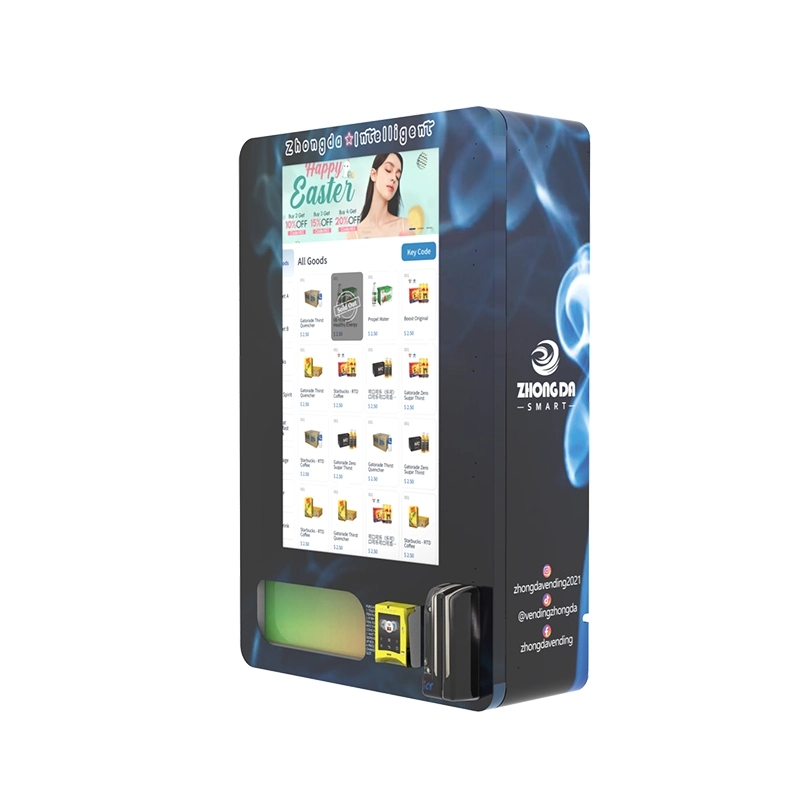
The table shows a clear trade-off. The entry-level system looks cheaper upfront, but the software fees and maintenance costs eat into your margin faster. The commercial-grade system, which is what we build under the Zhongda Smart brand, uses industrial-grade scanners that last for over 500,000 cycles. We have units in the field that have been running for four years without a scanner replacement. The lower maintenance cost is a direct result of using better stepper motors and reinforced card readers. This is not marketing talk; it is a mechanical reality.
Profit Models and Realistic ROI Timelines
I have consulted for over 200 operators, and the most common mistake is overestimating the transaction volume. A machine in a busy vape shop might do 30 transactions a day. A machine in a hotel lobby might do 8. The profit model changes drastically. Let’s look at a realistic scenario for a single machine selling disposable vapes at an average price of $15.99. The cost of goods sold (COGS) is roughly $8.00. The gross profit per unit is $7.99. If you sell 15 units a day, that is $119.85 in gross profit. Subtract the transaction fees (approx $0.60 per transaction) and the daily software cost (approx $4.00). You are left with about $100 a day. That sounds great. But you have to factor in the machine cost. If you paid $6,000 for the machine, your payback period is 60 days. That is a solid ROI. However, if you are only doing 8 transactions a day, that payback period stretches to over 100 days. The location is the single biggest variable in the financial model. I always advise clients to sign a location agreement for at least 12 months to recoup the hardware investment.
The Hidden Cost of Failed Transactions
There is a specific metric that most vendors ignore: the false rejection rate. This is when the age verification system fails a legitimate customer who is of legal age. In our early models, we had a 5% false rejection rate. That meant 1 in 20 potential sales walked away. For a machine doing 30 transactions a day, that is 1.5 lost sales, or about $12.00 in lost profit per day. Over a year, that is over $4,300 in lost revenue just from one machine. We spent a year tuning our algorithm and upgrading the camera sensor to reduce that rate to under 1%. When you are buying equipment, ask the manufacturer for their false rejection rate data. If they do not have it, that is a red flag. This is where the experience of the engineering team matters. A factory that has been iterating on this hardware for years, like ours, has the data to prove the reliability.
Real Deployment Scenarios: What Works and What Fails
I have seen machines fail in the field for reasons that have nothing to do with the electronics. The most common failure is the physical interface. The ID scanner slot is a dust magnet. In a bar environment, sticky floors and spilled drinks create a grimy atmosphere. If the scanner slot is not sealed properly, it fails within six months. We switched to a fully sealed, gasketed scanner port two years ago. It costs us an extra $12 per unit, but it cut our field service calls by 40%. Another common failure is the touchscreen. Cheaper resistive screens wear out after 50,000 touches. A commercial-grade capacitive screen lasts for 200,000 touches. This is a direct trade-off you can see in the spec sheet. Do not buy a machine with a resistive touchscreen if you expect high traffic. It will fail, and the service call to replace it will cost you more than the upgrade would have.
Location-Specific Configuration
You cannot just put the same machine in a liquor store and a college town gas station. The compliance requirements differ. In some states, the machine must log every single verification attempt for three years. That requires a large internal hard drive and a tamper-proof log. In other locations, you need the machine to physically refuse service if the ID is expired. This is a software configuration, but it must be supported by the hardware. We program different firmware for different regions. If you are buying from a generic supplier, you might not get this customization. You end up with a machine that either does too much logging (slowing down the transaction) or not enough (putting you at risk of a fine). I recommend asking the manufacturer for a list of the specific compliance certifications their hardware supports. Look for TUV or UL certifications on the scanner module.
Comparing Verification Methods: What the Industry Data Says
There is a constant debate between biometric verification (fingerprint or facial recognition) and ID scanning. Biometric systems are fast, but they require a database of users. In a retail environment where customers are walk-ins, this is impractical. ID scanning is the industry standard for a reason. According to a 2023 report by IBISWorld on the vending machine industry, the adoption of ID scanning in age-restricted vending has increased by 34% year-over-year. The data is clear: operators trust document verification over biometrics for high-traffic, anonymous transactions. However, the type of ID scanner matters. A flatbed scanner is slower but more accurate for reading damaged IDs. A slot scanner is faster but can jam with bent cards. For a commercial operation, we recommend a hybrid approach: a slot scanner for speed, with a software override that allows the operator to manually verify if the scan fails.
| Verification Type | Transaction Speed | Accuracy (Legitimate ID) | Cost to Implement |
|---|---|---|---|
| OCR Camera Only | 3 seconds | 92% | Low |
| Barcode + OCR | 5 seconds | 98% | Medium |
| RFID Chip Read | 2 seconds | 99% | High |
| Biometric (Fingerprint) | 1 second | 99% | High (Requires DB) |
The sweet spot for most of my clients is the Barcode + OCR method. It offers a good balance of speed and accuracy without the high cost of RFID readers, which are still not standardized across all state IDs. If you are deploying in a region with high penetration of enhanced driver's licenses (which have RFID chips), then upgrading to an RFID reader is a smart move. But for general deployment, stick with the dual-scan method.
Maintenance and Long-Term Stability
I have been in this business long enough to know that the first year of operation is the honeymoon period. The real test comes in year two and three. The most common failure point in an age verification vending machine is the power supply. Cheap power supplies fail under the constant load of the scanner, the screen, and the cooling system. We use Mean Well power supplies in all our Zhongda Smart machines. They cost more, but they have a failure rate of less than 0.5% over five years. I have seen operators try to save $50 on a power supply, only to have the machine go down for a week while they wait for a replacement. The lost revenue from that downtime is usually $500 or more. It is a false economy.
Firmware Updates: The Silent Killer
Most operators do not think about firmware until it is too late. A state changes its ID format. A new driver's license design comes out. If your machine does not receive a firmware update, it will stop recognizing valid IDs. You need a manufacturer who pushes updates regularly. We release a firmware update every quarter. This is a service that is often bundled into the software license fee. If you buy a machine from a reseller who does not have an engineering team, you will not get these updates. You will be stuck with a bricked machine in two years. Always verify the update policy before you sign the purchase order. Ask for the version history of their firmware. A good manufacturer will have a changelog that shows they have adapted to three or four different ID formats over the last few years.
Frequently Asked Questions About Age Verification Equipment
What is the most reliable type of age verification for a vending machine?
Based on field data, a combination of barcode scanning and optical character recognition is the most reliable for walk-up traffic. It offers a 98% accuracy rate and handles most state-issued IDs. Avoid relying solely on a camera, as it struggles with glare and damaged cards.
How much does it cost to maintain an age verification scanner?
Annual maintenance for a commercial-grade scanner averages $150 to $300 per year. This includes cleaning kits and potential sensor replacements. You should budget for a full scanner replacement every 3 to 4 years if the machine is in high use.
Can the equipment verify a foreign passport?
Yes, but you need specific software. Most standard systems are programmed for US state IDs and Canadian driver’s licenses. If you are in a tourist-heavy area, you need a machine that supports machine-readable passports (MRZ). This is a software add-on, not a hardware change.
What happens if the internet connection goes down?
A good machine will have an offline mode. It should store a local blacklist and continue to verify IDs against that cache. The machine should also queue the transaction logs to upload when the connection is restored. If the machine stops working when offline, it is not suitable for commercial use.
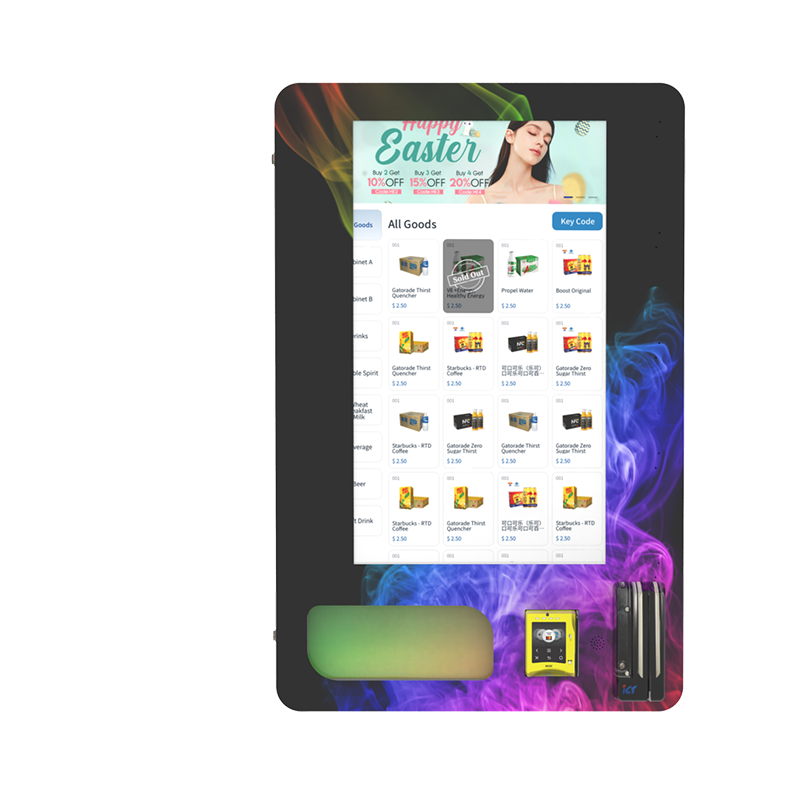
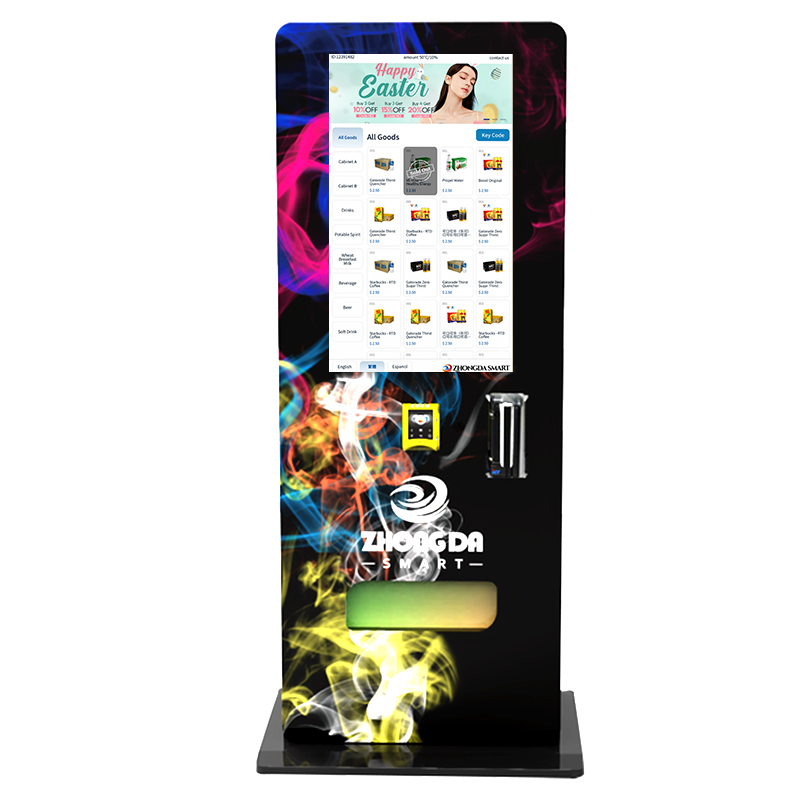
How do I choose between a wall-mounted and a free-standing unit?
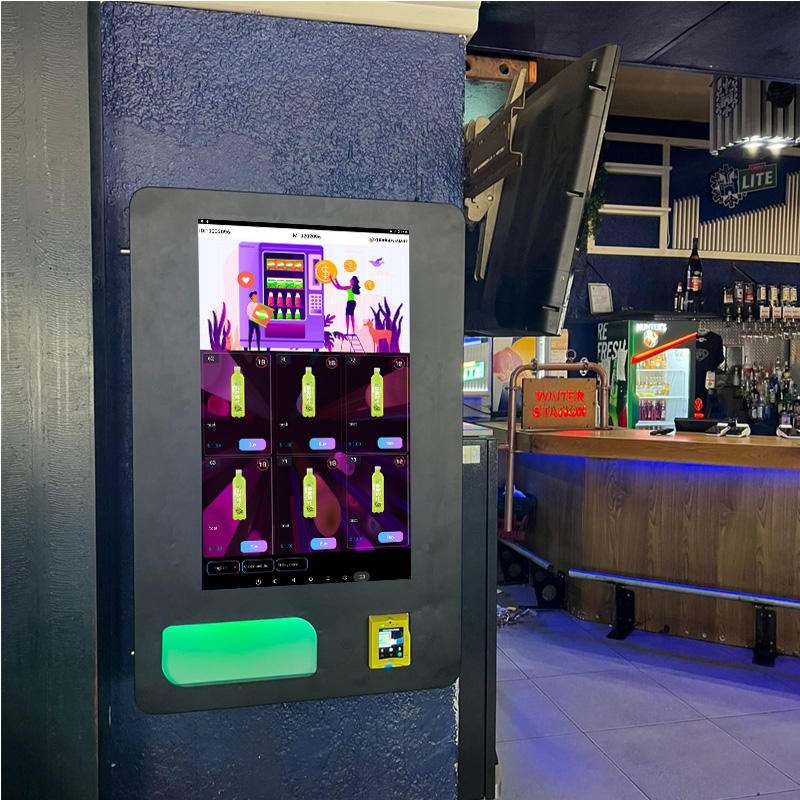
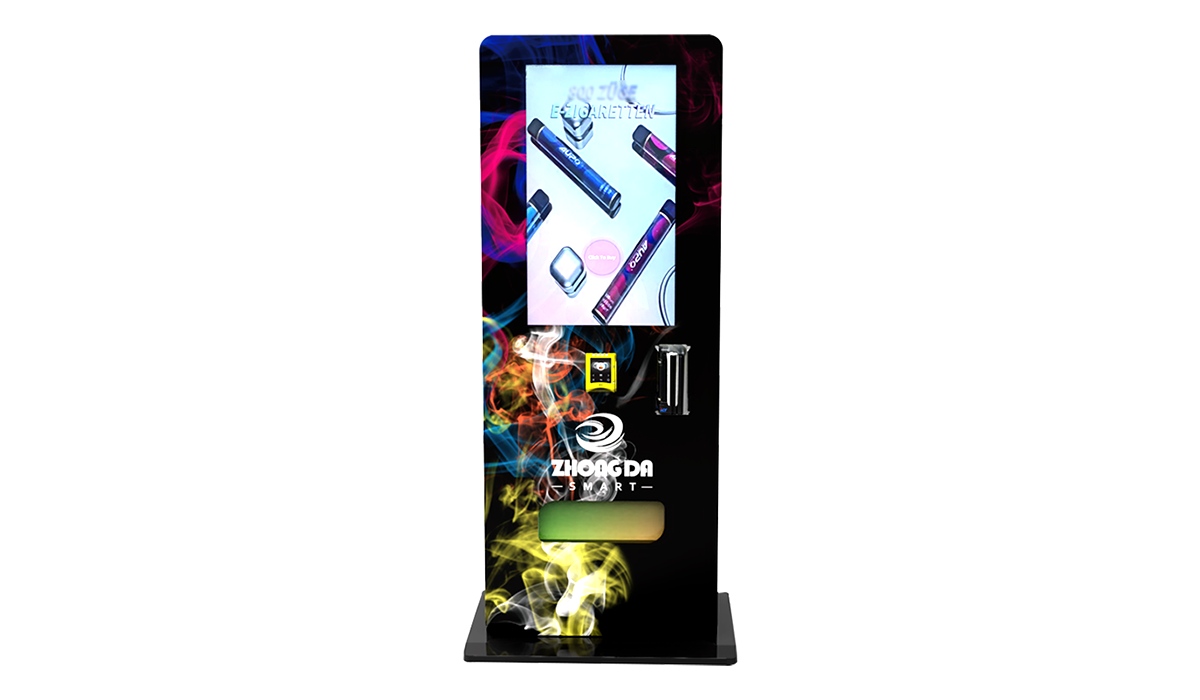
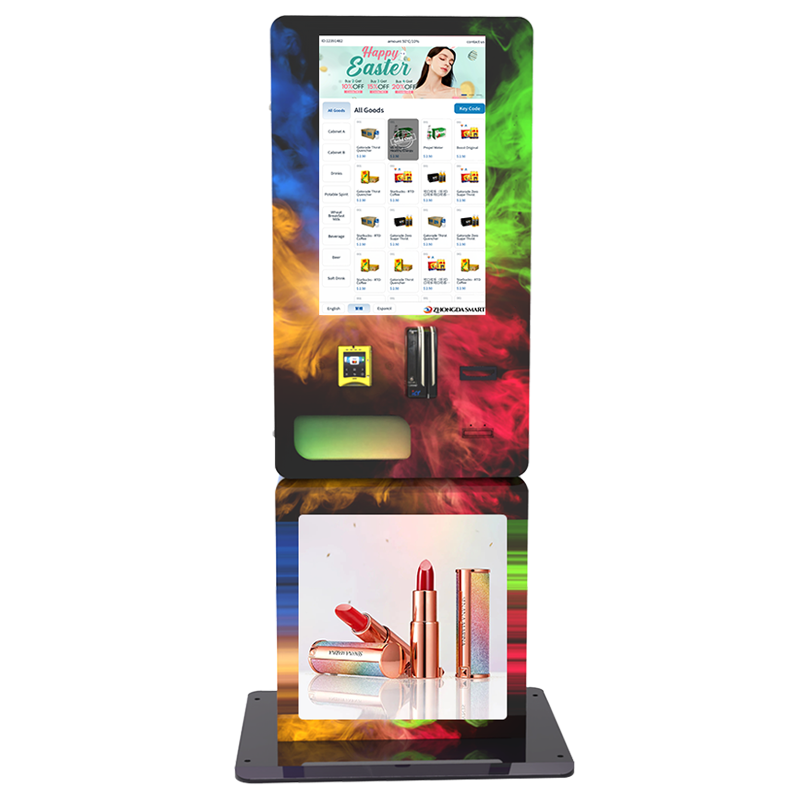
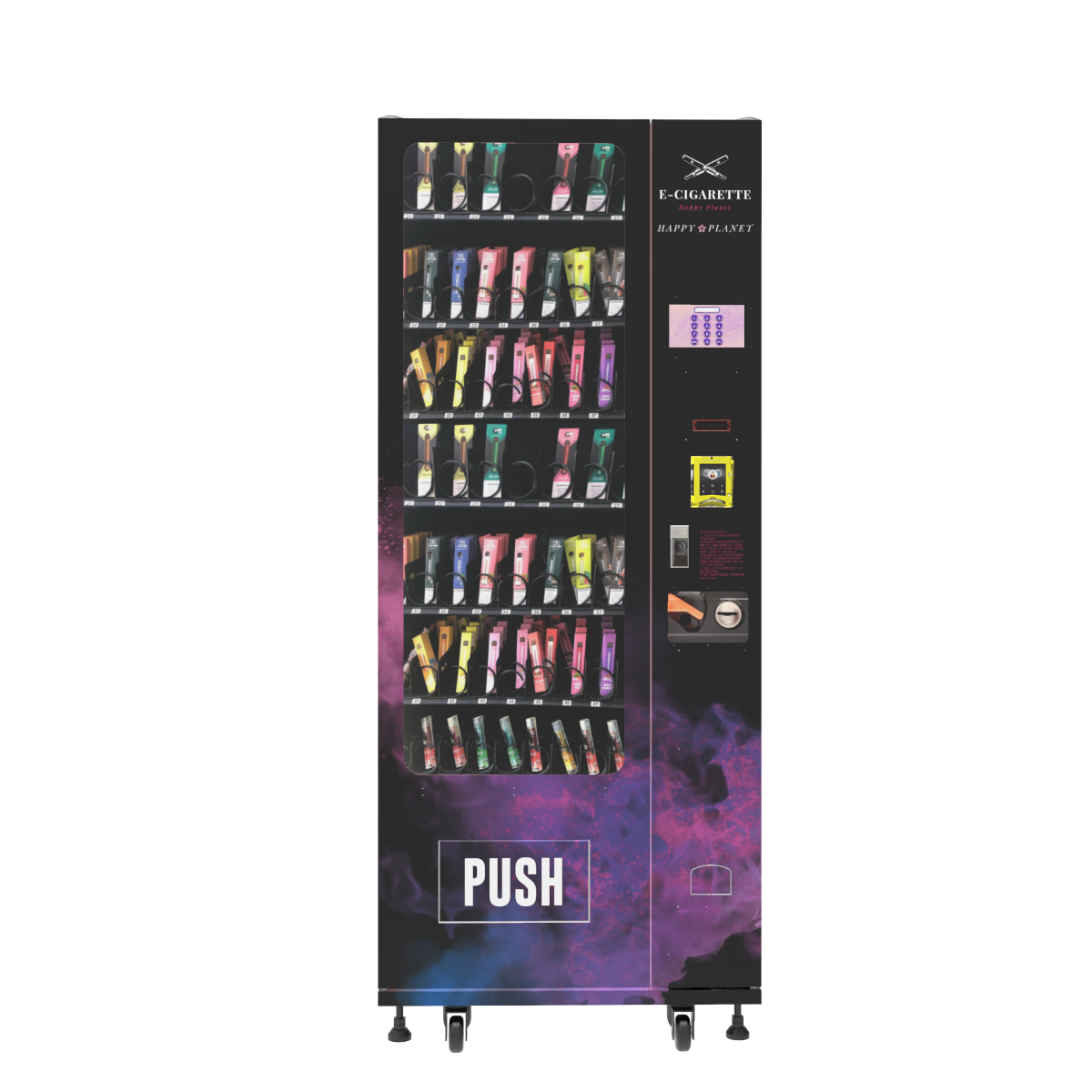
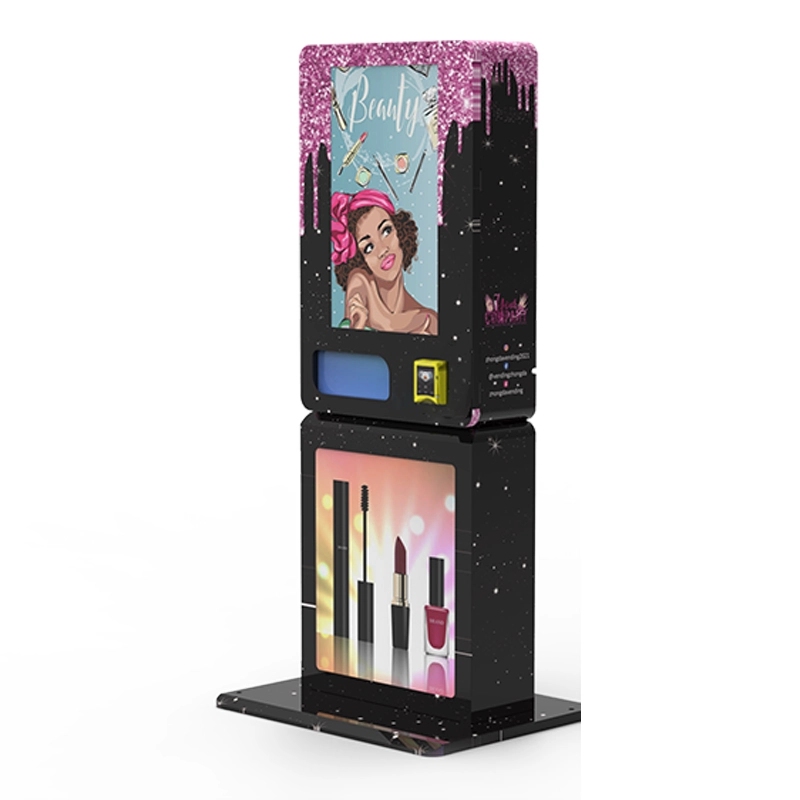
Wall-mounted units save floor space and are great for bars with limited room. Free-standing units have higher capacity and are better for high-volume locations. The age verification hardware is the same. The choice depends on your location's square footage and daily sales volume.
Is it worth buying a refurbished age verification machine?
Only if it comes from the original manufacturer with a warranty. The scanner and the power supply are the two most critical components. If those are not replaced or certified, you are buying someone else's problem. I have seen refurb units fail within three months because the scanner was worn out.
What is the typical ROI period for this equipment?
For a well-placed machine, expect an ROI between 3 to 6 months. This assumes a daily sales volume of 15 to 20 units. If the location is slow, the ROI can stretch to 12 months. You should always have a location agreement in place to protect your investment.
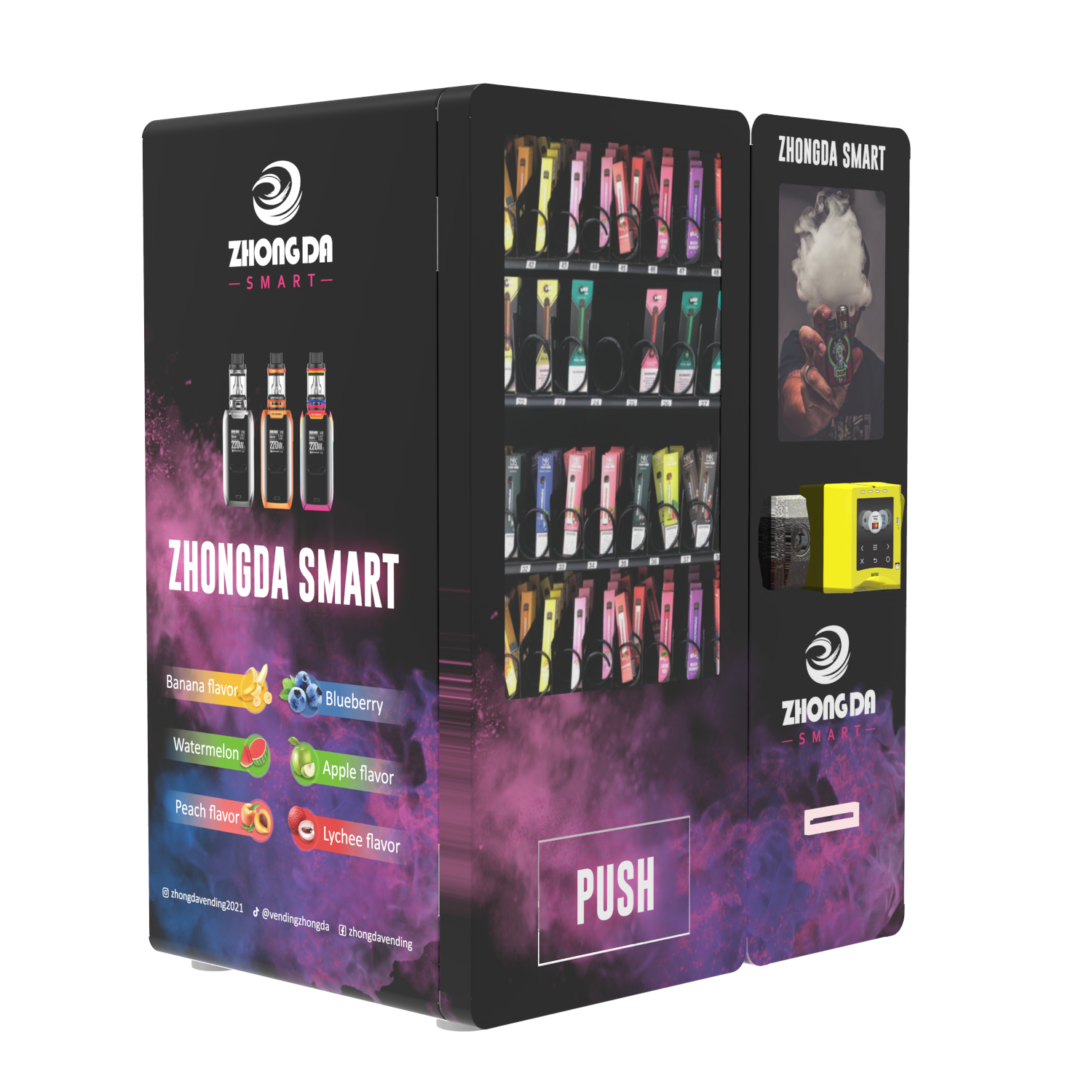
For operators looking to get into the market with a proven system, I recommend looking at the engineering behind the hardware. We have spent years refining the mechanics and the software at Zhongda Smart. If you want to see how a commercial-grade system is built, you can look at the age verification vending machine page for the technical specs. For those concerned about compliance in specific states, reading the California legality overview can save you a legal headache. And if you are planning a large deployment, the case studies show how different locations handle the hardware. Finally, understanding the total cost breakdown will help you budget accurately for your first order.
Sources:
IBISWorld - Vending Machine Industry Report (2023) - Industry Data
Statista - Age Verification Technology Market - Market Overview
Forbes - The Cost of Compliance in Retail - Compliance Costs