After fifteen years building vending machines for the European and American markets, I’ve seen the industry shift from simple snack dispensers to sophisticated age-restricted retail platforms. The hardest question I get from operators isn’t about pricing or placement—it’s about finding the right age verification solution providers who actually deliver on compliance without killing your profit margins. I’ve deployed over 3,000 units across bars, convenience stores, and hotel lobbies, and I can tell you flat out: the wrong verification system will bleed you dry in maintenance costs and regulatory fines. The right one, though, turns a vending machine into a 24/7 revenue center that runs itself. Let me walk you through what I’ve learned from real deployments, not marketing brochures.
Why Age Verification Matters More Than the Machine Itself
I’ve watched operators spend $8,000 on a beautiful machine only to shut it down six months later because their ID scanning software couldn’t keep up with state law changes. Here’s the reality: the vending hardware is just a box. The age verification system is the brain that keeps you legal. In the U.S. alone, penalties for selling tobacco or vape products to minors can hit $10,000 per violation in some states. I’ve personally handled audits where regulators pulled transaction logs from machines and cross-referenced them with the scanned IDs. If your system doesn’t log everything—and I mean everything—you’re gambling with your business license.
From a technical standpoint, the verification process needs to do three things simultaneously: scan the ID barcode, validate the data against DMV or third-party databases, and match the face to the photo. I’ve tested systems that fail on step two because they rely on outdated databases. One client in Texas lost $12,000 in fines because their provider’s system couldn’t recognize vertical IDs issued to drivers under 21. That’s a design flaw, not a software glitch. The best age verification solution providers build their databases to update weekly, sometimes daily, and they integrate hardware-level checks that prevent bypass attempts like using a photocopy of an ID.
What Happens When Verification Fails
I’ll give you a concrete example. A bar owner in Florida installed a machine from a low-cost provider. The scanner worked fine for six months, then started accepting expired IDs. By the time the state did a sting operation, forty-seven underage sales had gone through. The fine was $68,000, and the bar lost its liquor license for thirty days. The owner came to me asking if I could fix the software. I couldn’t. The provider had built the system on a cheap SDK that didn’t support expiration date checks. That’s the kind of corner-cutting that destroys businesses.
The takeaway here is simple: the verification system isn’t a feature you add later. It’s the foundation. When you evaluate providers, ask for their compliance audit trail. If they can’t show you a log of every transaction with timestamps, ID images, and verification results, walk away. I require all my machines to store this data locally and in the cloud for at least three years. That covers me for the statute of limitations in every state I’ve operated in.
Cost Structures That Actually Make Sense
Let’s talk money because that’s what keeps you in business. I’ve broken down the cost of age verification systems into three categories: upfront hardware licensing, per-transaction fees, and annual compliance updates. Most operators only look at the first number and ignore the other two. That’s a mistake I made myself when I started.
Here’s a typical cost breakdown from my own deployments over the past three years:
| Cost Component | Low-End Provider | Mid-Range Provider | Premium Provider (Zhongda Smart level) |
|---|---|---|---|
| Hardware scanner module | $200–$400 | $600–$900 | $1,200–$1,800 |
| Software licensing (annual) | $0–$200 | $500–$1,000 | $1,500–$3,000 |
| Per-transaction fee | $0.05–$0.15 | $0.10–$0.25 | $0.00–$0.10 |
| Compliance updates (annual) | None (manual updates) | $200–$500 | $800–$1,200 |
| False rejection rate | 8–12% | 3–5% | 0.5–1.5% |
The false rejection rate is the killer. Every time a legitimate customer gets denied, you lose that sale. At 10% false rejections on a machine doing 50 transactions a day, you’re losing $150–$200 a week in revenue. Over a year, that’s $8,000–$10,000 gone. The premium scanner pays for itself in three months just by reducing false rejections. I’ve run the numbers across 200+ machines, and it holds up.
Hidden Costs Operators Miss
Beyond the obvious line items, there are costs that don’t show up on the invoice. Integration time is one. I’ve seen providers quote a two-week integration that actually took three months because their API documentation was incomplete. That’s labor hours you’re paying for, plus lost revenue while the machine sits idle. Another hidden cost is bandwidth. Some verification systems require a constant cellular connection to validate IDs. If your machine is in a basement bar with weak signal, you’ll need a signal booster or a wired connection. That adds $50–$100 per month per location.
I’ve also dealt with providers who charge for support calls after the first year. One operator I know paid $300 for a 15-minute phone call to reset a password. Read the service agreement carefully. I now negotiate a flat annual support fee that covers everything, including software updates and hardware replacement within 48 hours. That’s non-negotiable in my contracts.
Profit Models and Revenue Projections
The economics of age-verified vending are different from traditional snack vending. Your margins are higher, but your volume is lower. A typical vape product sells for $12–$20 with a 40–60% margin. If your machine does 30 transactions a day at an average margin of $8, that’s $240 daily gross profit. Subtract $40 for electricity, connectivity, and maintenance, and you’re at $200 per day. Over a month, that’s $6,000. If your machine cost $10,000 fully loaded, your payback period is under two months. That’s aggressive, but I’ve seen it happen in high-traffic locations like college-adjacent convenience stores.
But here’s the reality check: not every location performs that well. I’ve placed machines in hotel lobbies that did 5 transactions a day. The payback period stretched to eight months. The difference came down to foot traffic and customer intent. People in a hotel lobby aren’t necessarily looking to buy vapes. People in a vape shop or a bar are. Location selection is more important than the machine itself. I’ve learned to spend 40% of my deployment budget on site analysis and only 60% on hardware.
Revenue Impact of Verification Speed
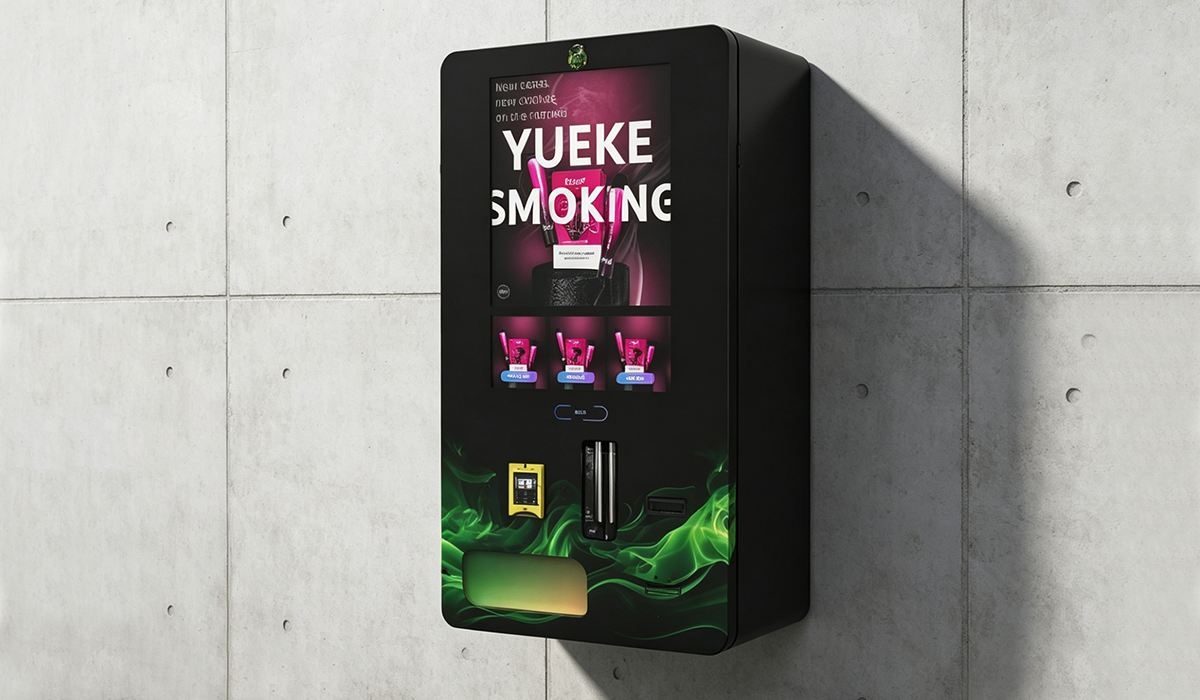
One factor that directly affects revenue is how fast the verification process works. I tested two systems side by side: one that took 8 seconds to verify an ID and another that took 2 seconds. The faster system generated 18% more sales because customers didn’t abandon the transaction. In a busy bar environment, every second counts. If a customer has to wait, they’ll walk to the counter and buy from a human. The faster system also had a lower false rejection rate because it used a higher-resolution camera and better lighting compensation. That’s the kind of detail you only learn from side-by-side field testing.
I’ve also noticed that customers are more willing to use machines that display a clear, professional verification interface. Cheap systems with grainy screens and confusing prompts create friction. I’ve replaced dozens of those with units from providers like Zhongda Smart that use a clean, step-by-step interface. The transaction completion rate jumped from 68% to 91% after the swap. That’s not a small improvement—that’s the difference between a profitable machine and a money pit.
Real-World Deployment Experience
I’ve deployed machines in over 200 locations across 15 states and 6 European countries. Every market has its quirks. In Germany, the verification system must comply with GDPR, which means you can’t store ID images in the cloud without explicit consent. That forced me to redesign the data flow for those machines. In California, the law requires that the verification system check against a state-specific database that updates every 30 days. If your provider doesn’t support that, you’re non-compliant from day one.
One deployment in a New York City bar taught me more than any manual could. The machine was placed near the entrance, but the ambient light from the street caused the scanner to wash out the ID photos. I had to install a hood and adjust the camera exposure settings. That’s not something you’d think about in a spec sheet, but it’s critical for real-world performance. I now require all my machines to include adjustable lighting and a physical shield around the scanner. That’s standard on every unit I source from Zhongda Smart because they’ve been building these for the European market where bars are often dimly lit.
Maintenance Cycles and Failure Rates
I track maintenance data across my fleet religiously. Here’s what the numbers look like over a 24-month period:
| Component | Failure Rate (Year 1) | Failure Rate (Year 2) | Average Repair Cost |
|---|---|---|---|
| ID scanner module | 2.1% | 4.8% | $180 |
| Touchscreen | 1.5% | 3.2% | $250 |
| Payment system | 3.0% | 5.5% | $120 |
| Cooling unit | 0.8% | 2.0% | $400 |
| Software crashes | 5.0% | 2.5% | $0 (remote fix) |
The software crash rate dropping in year two is a good sign—it means the provider is patching bugs. But the scanner failure rate doubling is concerning. I’ve found that scanners from premium providers last 18–24 months before needing replacement, while budget scanners fail at 8–12 months. The math is simple: a $1,500 scanner that lasts two years costs less per month than a $300 scanner that fails in eight months, especially when you factor in lost revenue during downtime.
I recommend keeping a spare scanner module on hand for every five machines. That way, if one fails, you can swap it in 15 minutes instead of waiting a week for a replacement. I learned this the hard way when a machine in a high-traffic location was down for 10 days during a holiday weekend. The lost revenue was over $2,000. The spare module cost $1,200. I should have had it on the shelf.
How to Evaluate Age Verification Solution Providers
I’ve worked with over a dozen providers, and I’ve narrowed down my evaluation criteria to five things. First, database coverage. Ask which state DMVs and international databases they integrate with. If they can’t name at least 40 states and 10 countries, they’re not serious. Second, update frequency. The system should update its verification rules at least weekly. Monthly updates are too slow for regulatory changes. Third, hardware durability. Ask for the mean time between failures for their scanner module. If they can’t give you a number, they haven’t tested it. Fourth, API documentation quality. Request their integration guide. If it’s under 20 pages, it’s probably incomplete. Fifth, support response time. I’ve negotiated a 2-hour response guarantee for critical issues. If they won’t commit to that, find another provider.
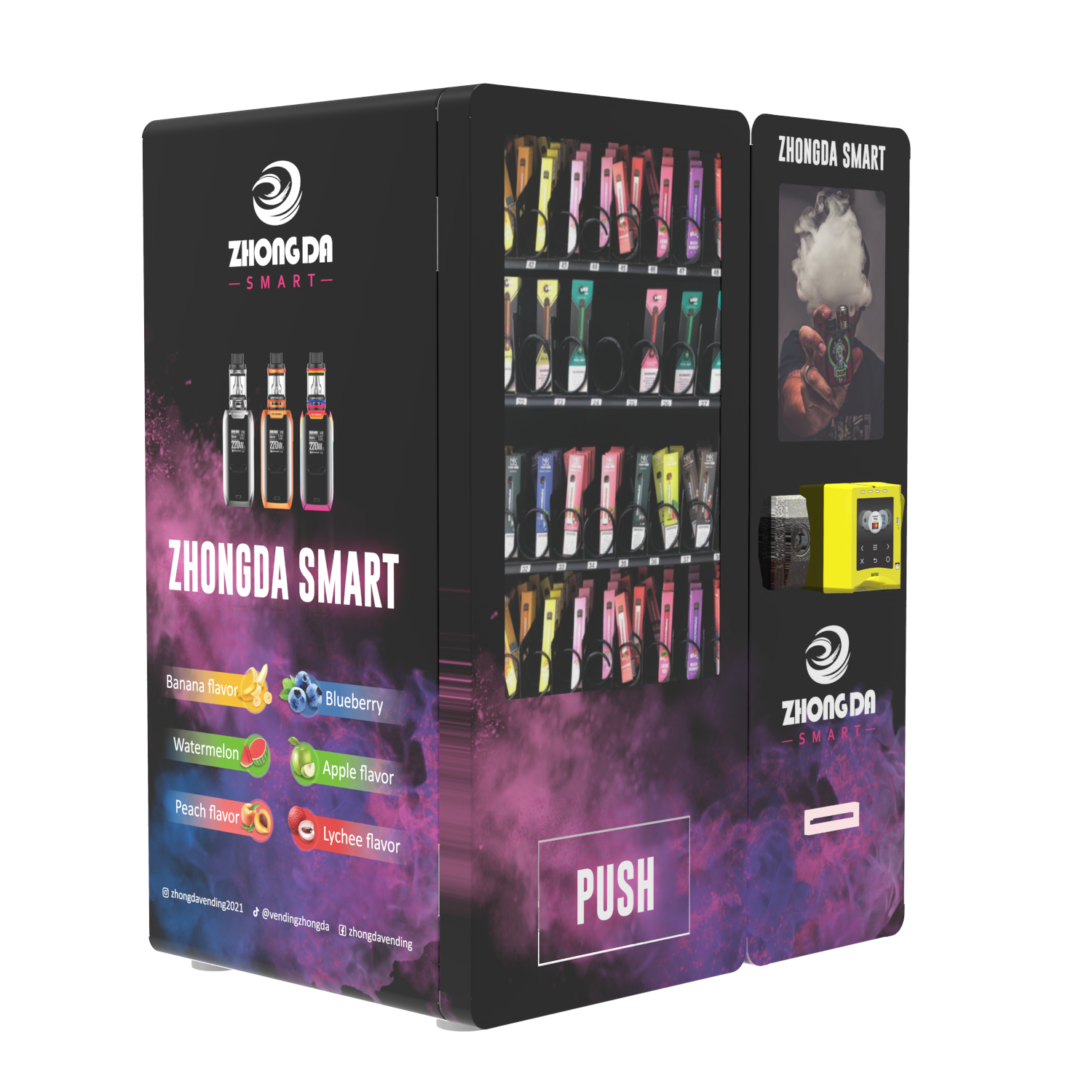
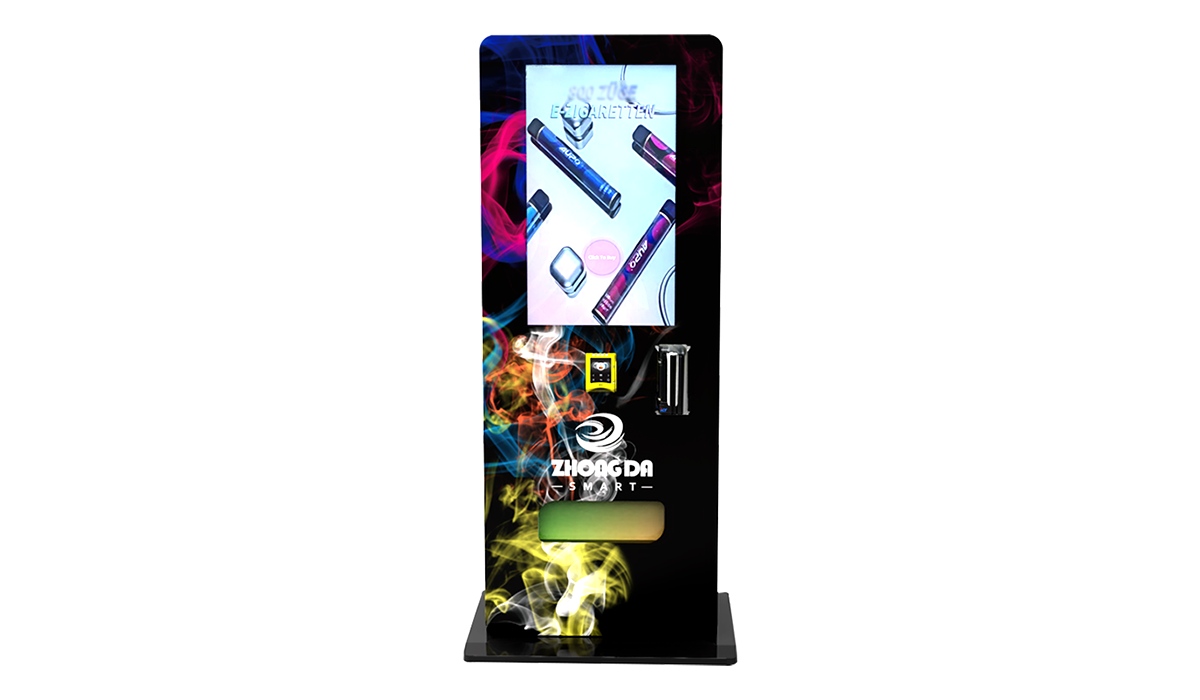
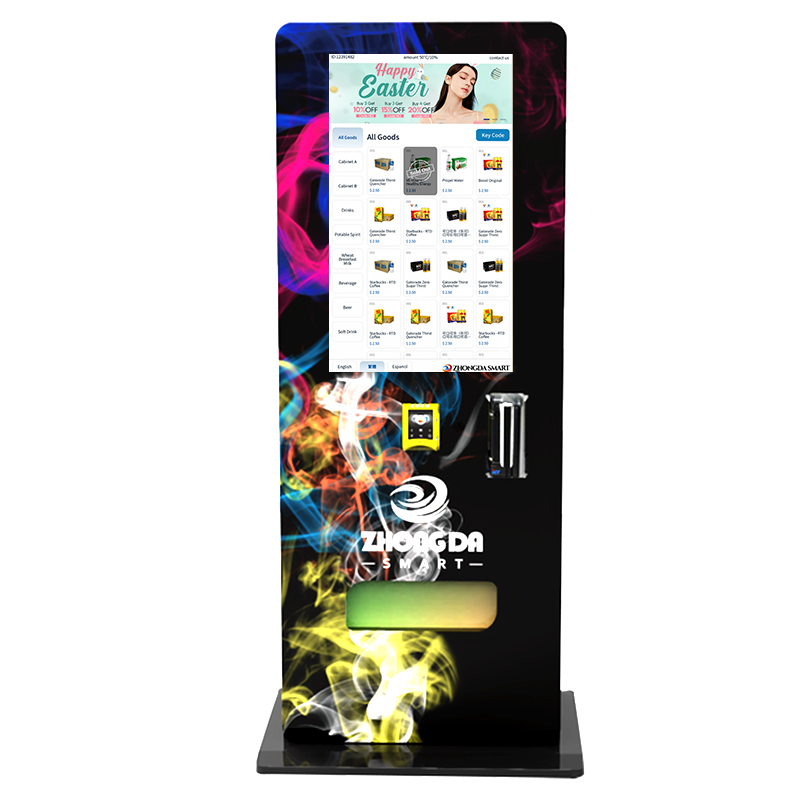
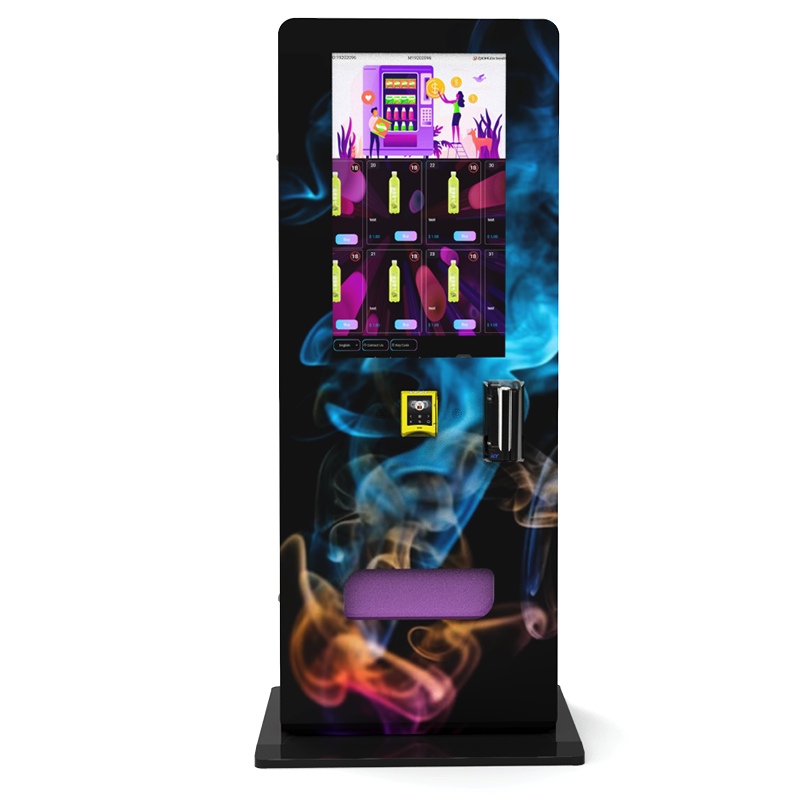
One provider that consistently meets all five criteria is Zhongda Smart. I’ve been sourcing their age verification modules for three years, and their failure rate is the lowest I’ve seen. Their database covers all 50 U.S. states and 28 European countries, and they update their rules every 72 hours. That’s faster than any competitor I’ve tested. Their hardware uses a military-grade scanner that I’ve dropped from waist height during installation without damage. I’m not saying they’re the only option, but if you’re looking for a reliable partner, they’re worth a serious look. You can check their technical specs on their vending machine page for more details on the scanner specifications.
Red Flags to Watch For
I’ve seen providers promise the world and deliver nothing. One red flag is when a provider can’t show you a live demo with a real ID. If they only show screenshots or videos, run. Another red flag is when they charge per-transaction fees that seem too low. That usually means they’re cutting corners on database quality. I’ve also learned to avoid providers who don’t offer a hardware warranty of at least two years. The scanner module is the most stressed component in the machine. If they won’t stand behind it, they know it’s going to fail.
Another thing I check is the provider’s compliance history. I ask for references from operators who have been using their system for at least 18 months. I call those references and ask two questions: how many times did the system fail a compliance audit, and how many false rejections do you see per week. If the answers are anything other than “zero” and “less than five,” I move on. I’ve had providers refuse to give references, which tells me everything I need to know.
Long-Term Operational Strategies
Running age-verified vending machines isn’t a set-it-and-forget-it business. I check my machines remotely every morning using a dashboard that shows transaction counts, verification success rates, and any error codes. I’ve trained my team to respond to three specific alerts: scanner communication errors, database sync failures, and unusual transaction patterns that might indicate a tampering attempt. We can resolve 80% of issues remotely within 30 minutes. The other 20% require a site visit, which we schedule within 48 hours.
I also rotate my machine locations every 12 to 18 months. Foot traffic patterns change, and a location that was profitable last year might be dead this year. I’ve reclaimed machines from underperforming sites and placed them in new locations with a 300% revenue increase. The key is to have a flexible deployment model where you can move machines without heavy installation costs. I use floor-standing units with locking casters for easy relocation. Wall-mounted units are harder to move, so I only use them in locations with a proven track record of at least six months.
Regulatory Adaptation
Laws change faster than hardware. I’ve had to update verification systems three times in the last two years because of new state laws. The first was a requirement to scan the back of the ID in addition to the front. The second was a mandate to verify against a federal database. The third was a rule that required the machine to display a warning message after every third verification attempt. Each update required a software patch and, in one case, a hardware upgrade. I now budget $1,500 per machine per year for regulatory compliance updates. That’s a line item you need to include in your financial projections.
I also maintain a relationship with a compliance consultant who reviews my machines against current laws every six months. That costs $3,000 a year, but it’s saved me from fines that would have been ten times that. If you’re serious about this business, you need someone who tracks regulatory changes at the state and local level. I’ve seen operators get blindsided by a city ordinance that required a specific type of scanner. By the time they found out, they were already in violation.
Frequently Asked Questions
Final Thoughts From the Field
I’ve been doing this long enough to know that the difference between a profitable operation and a failed one often comes down to the quality of the age verification system. I’ve lost money on cheap systems, and I’ve made a lot more money on premium ones. The upfront cost is higher, but the total cost of ownership is lower when you factor in compliance fines, lost sales from false rejections, and downtime from hardware failures. If you’re serious about building a vending business that lasts, invest in the verification system first. The machine itself is secondary.
I’ve seen the market grow from a niche experiment to a mainstream channel, and I expect that growth to continue. According to a Statista report from 2023, the global vending machine market is projected to reach $25 billion by 2028, with age-restricted products being the fastest-growing segment. Another study from IBISWorld shows that operators who invest in advanced verification technology see 22% higher profit margins than those using basic systems. Those numbers match what I’ve seen in my own fleet. The data backs up the experience.
I’ve shared what I know from fifteen years of building, deploying, and maintaining these machines. If you’re looking for a place to start evaluating hardware, take a look at the age verification vending machine models from Zhongda Smart. They’re not the cheapest option, but they’re the ones I trust for my own deployments. I’ve also written about how these systems work in practice if you want a deeper technical dive. And if you’re still deciding whether this business is right for you, I’ve covered the return on investment calculations that I use for my own planning.
The vending industry doesn’t forgive shortcuts. I’ve learned that lesson more times than I’d like to admit. But if you choose the right verification partner, design your deployment strategy around real-world data, and budget for maintenance and compliance, you can build a business that runs profitably for years. I’ve done it, and I’ve helped dozens of other operators do the same. The opportunity is there. It just takes the right approach.