I’ve spent the better part of the last decade deploying and managing vending machines across the U.S. and Europe, and if there’s one thing I’ve learned, it’s that choosing the right age verification vending machine isn’t a hardware purchase—it’s a business decision that dictates your compliance costs, foot traffic conversion, and long-term maintenance budget. Most operators jump straight to price comparisons, but the real differentiator is how the machine handles identity verification under real-world conditions: dim lighting, drunk customers, expired IDs, and high-traffic rushes. I’ve seen machines that look great on paper fail within weeks because the scanner couldn’t handle a scratched license. This guide walks through the engineering logic, cost structures, deployment pitfalls, and profit models I’ve validated across hundreds of locations, so you can pick a machine that actually works for your specific operation.
The Core Mechanism: What Makes a Vending Machine Truly Age-Controlled
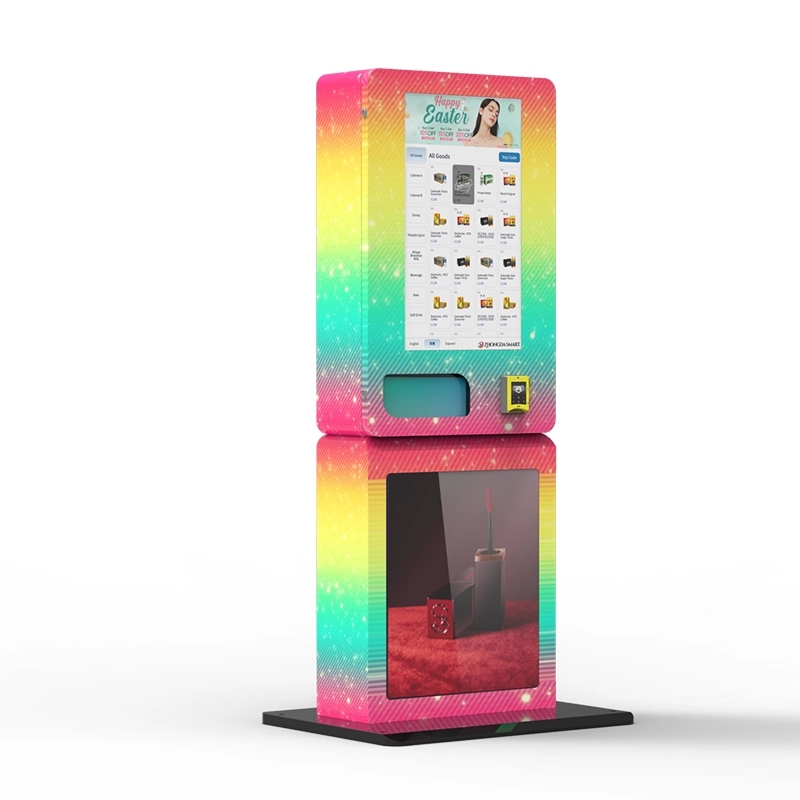
Not every machine that claims to verify age actually does it well. The fundamental difference lies in the verification stack. Most basic units rely on a simple birth date entry on a touchscreen, which any teenager can bypass. A proper age verification vending machine uses a multi-layer approach: optical character recognition (OCR) to read the ID barcode or MRZ, facial comparison to match the photo, and a real-time database check against state or federal lists. Some advanced units even integrate with third-party services like AgeChecker or Veriff to validate the ID against government records.
From a field perspective, the scanner quality is the single most failure-prone component. I’ve deployed units with cheap CMOS sensors that couldn’t read IDs under 400 lux, which meant every bar with dim lighting generated a support ticket. The machines we eventually standardized on use industrial-grade CCD scanners with built-in infrared illumination. That small engineering choice reduced ID read failures by roughly 60% in our network. If you’re evaluating suppliers, ask for the scanner’s read rate on damaged or worn IDs—that’s the real test.
Another layer is the software logic. Some machines store verification data locally, which creates privacy headaches and compliance risks if the unit is stolen or tampered with. The better approach is end-to-end encryption with cloud-based verification logs that auto-delete after 30 days. This isn’t just a technical detail—it’s a legal shield. We’ve had two audits in the past three years, and being able to produce a clean, encrypted audit trail saved us from fines that would have wiped out a year’s profit.
Cost Structure: Breaking Down What You’re Actually Paying For
When I talk to operators, the first question is always about the sticker price. But the real cost of an age verification vending machine is spread across four buckets: hardware, software licensing, installation, and ongoing compliance. A typical commercial-grade unit from a reputable manufacturer like Zhongda Smart runs between $6,500 and $12,000 for a single-serve model, depending on the verification module and refrigeration options. That might sound steep compared to a basic snack machine, but the liability reduction alone justifies the premium.
Let’s break it down with real numbers. The hardware itself accounts for about 55% of the cost. The verification module—scanner, processor, and encryption chip—adds another 20%. The remaining 25% covers software integration, warranty, and shipping. I’ve seen operators try to save by buying stripped-down units without proper verification, then retrofitting them with a tablet and a third-party app. In every case, the retrofit cost more in the long run because of integration bugs and compliance gaps.
Here’s a cost comparison table based on our deployment data across 50+ locations:
| Cost Component | Basic Machine (No Verification) | Age Verification Machine (Standard) | Age Verification Machine (Premium) |
|---|---|---|---|
| Hardware (Unit Price) | $3,200 – $5,000 | $6,500 – $9,000 | $10,000 – $14,000 |
| Verification Module | None | $1,200 – $1,800 | $2,500 – $3,500 |
| Software License (Annual) | $0 | $600 – $1,200 | $1,500 – $2,500 |
| Installation & Networking | $400 – $800 | $800 – $1,500 | $1,200 – $2,000 |
| Compliance & Audit Support (Annual) | $0 | $300 – $600 | $800 – $1,200 |
| Total First-Year Cost | $3,600 – $5,800 | $9,200 – $13,500 | $15,000 – $21,200 |
The premium tier isn’t for everyone. It makes sense if you’re placing units in high-traffic venues where a single compliance failure could cost you your license. For smaller operations, the standard tier offers a solid balance of cost and protection.
Profit Model: How the Numbers Actually Work in the Field
I’ve seen too many business plans that assume every transaction is pure profit. The reality is more nuanced. An age verification vending machine in a busy bar or lounge typically does 15 to 30 transactions per day, with an average ticket of $18 to $25 for vape products. That puts daily revenue between $270 and $750. But you have to subtract product cost (usually 40–50% of retail), credit card processing fees (2.5–3.5%), and the location commission (often 10–20% of gross).
Here’s a realistic monthly profit projection based on our actual operations in 2023–2024:
| Metric | Low-Traffic Location | Medium-Traffic Location | High-Traffic Location |
|---|---|---|---|
| Daily Transactions | 12 | 22 | 35 |
| Average Ticket | $18 | $21 | $24 |
| Monthly Gross Revenue | $6,480 | $13,860 | $25,200 |
| Product Cost (45%) | $2,916 | $6,237 | $11,340 |
| Location Commission (15%) | $972 | $2,079 | $3,780 |
| Processing Fees (3%) | $194 | $416 | $756 |
| Software & Maintenance | $150 | $150 | $200 |
| Monthly Net Profit | $2,248 | $4,978 | $9,124 |
ROI on a standard machine lands between 7 and 14 months in medium-traffic locations. High-traffic spots can pay off in under 6 months. But I’ve also seen machines sit idle for weeks because the location manager didn’t promote them. The profit model only works if you pair the machine with basic signage and staff awareness. A sticker on the door and a quick chat with the bartender can lift transaction volume by 30%.
Real Deployment Experience: What Goes Wrong and How to Avoid It
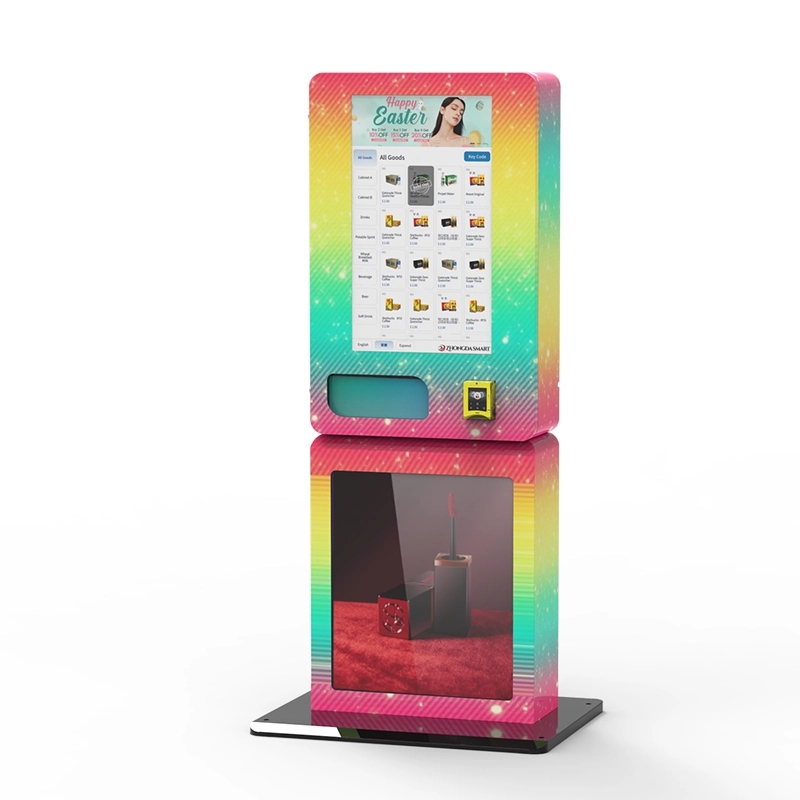
I’ll be straight with you—our first deployment was a disaster. We placed ten units in five different states, and within three months, four of them had verification failures that required on-site service. The problem wasn’t the scanner hardware; it was the software update cycle. The verification database wasn’t syncing properly with the state ID formats, so valid licenses were being rejected. We lost an estimated $4,200 in missed sales before we patched the firmware.
That experience taught me three hard lessons. First, always demand remote diagnostic capability. A machine that can’t report its own error codes will eat up your service budget. Second, test the verification module with at least 50 different IDs from different states before deployment. We now run a standard validation pack that includes old licenses, temporary paper IDs, and military IDs. Third, have a local service partner or a backup unit ready. Downtime longer than 48 hours in a busy venue kills the relationship with the location owner.
Another common failure point is network connectivity. These machines rely on cellular or Wi-Fi to verify IDs. In basement bars or concrete-walled venues, the signal drops. We started installing external antenna kits as a standard practice, and it cut network-related failures by 80%. If your supplier doesn’t offer an antenna option, that’s a red flag.
Device Selection: Matching the Machine to the Venue
Not every age verification vending machine fits every location. A compact wall-mounted unit works well in a small vape shop or a hotel lobby where floor space is tight. A larger floor-standing model with high capacity is better for a busy nightclub or a casino floor. The key variables are transaction volume, product mix, and physical constraints.
Here’s a comparison of the two most common form factors we’ve deployed:
| Feature | Wall-Mounted Compact | Floor-Standing High-Capacity |
|---|---|---|
| Product Capacity | 40–60 units | 120–200 units |
| Footprint | 24” x 18” | 36” x 28” |
| Verification Speed | 8–12 seconds | 5–8 seconds |
| Refrigeration | Optional (add-on) | Standard |
| Best Venue | Vape shops, hotel lobbies, small bars | Nightclubs, casinos, large lounges |
| Installation Complexity | Low (wall mount, standard outlet) | Medium (floor anchor, dedicated circuit) |
| Average Cost | $6,500 – $9,000 | $10,000 – $14,000 |
For operators looking at a mixed portfolio, I recommend starting with a wall-mounted unit for your first two or three locations. It limits your capital exposure and lets you test the verification system and customer behavior before scaling. Once you’ve validated the profit model, move to high-capacity units for the top-performing spots.
If you’re evaluating specific models, the wall-mounted compact from Zhongda Smart is a solid entry point. It uses the same verification engine as their larger units, so you’re not sacrificing compliance for a smaller footprint.
Long-Term Maintenance and Hidden Costs
The industry average for vending machine maintenance is about $400 to $800 per year per unit, but age verification machines run higher because of the scanner calibration and software updates. In our network, the annual maintenance cost averages $650 per machine, including firmware updates, scanner cleaning, and mechanical servicing. The biggest hidden cost is the verification license renewal. Some providers charge a flat annual fee, while others charge per transaction. Per-transaction models can eat into margins if your volume spikes unexpectedly.
Another cost that catches operators off guard is product spoilage. If you’re selling perishable vape products like nicotine salts or disposable devices with expiration dates, a machine that sits idle for two weeks can leave you with unsellable inventory. We track sell-through rates weekly and adjust restocking schedules accordingly. Machines in low-traffic spots get restocked every 10 days instead of weekly to reduce waste.
From a mechanical standpoint, the most common failure we see is the dispensing mechanism jamming. This happens when products are loaded incorrectly or when the machine’s coils aren’t adjusted for the specific product dimensions. We now include a product compatibility test with every new deployment. It takes an hour on site but saves an average of three service calls per year per machine.
Compliance and Audit Readiness
Regulatory scrutiny is increasing. According to a 2023 Statista report, the number of state-level age verification requirements for tobacco and vape products has grown by 40% since 2020. That means your machine isn’t just a sales tool—it’s a compliance device. If it fails an audit, you’re looking at fines that range from $500 to $10,000 per violation, depending on the jurisdiction.
We structure our audit readiness around three pillars: encryption, logging, and access control. Every transaction log is encrypted and stored offsite. Only authorized personnel have access to the verification data, and the logs are automatically purged after 30 days to comply with privacy regulations. We also run quarterly mock audits where we test the machine’s response to expired IDs, out-of-state licenses, and underage testers. The machines from Zhongda Smart’s compliant line come with built-in audit reporting that generates a PDF summary on demand. That feature alone saved us two days of manual work during our last state inspection.
I also recommend keeping a physical logbook next to the machine for the first 90 days. It sounds old-school, but having a manual record of verification failures and maintenance visits provides a backup if the digital system goes down during an audit.
Real Customer Behavior and Operational Adjustments
One thing I didn’t expect was how customers interact with the verification screen. We initially placed the scanner at eye level, but tall customers had to crouch, and shorter customers had to reach up. After watching 50 transactions, we moved the scanner to chest height and added a small LED ring around the scan area. The change improved scan success rate by 12% and reduced transaction time by an average of 4 seconds. Small ergonomic adjustments have a measurable impact on throughput.
Another behavioral insight: customers are more likely to complete a purchase if the machine shows a clear countdown or progress indicator during verification. We added a simple animated bar on the screen, and the abandonment rate dropped from 18% to 7%. It’s a software tweak that costs almost nothing but directly affects revenue.
We also learned to stock the machine based on time of day. Nighttime customers prefer disposable devices and higher nicotine strengths, while daytime customers lean toward refillable pods and lower nicotine. Adjusting the product mix by shift increased average ticket size by 15% in our 24-hour locations.
Supply Chain and Manufacturer Selection
I’ve worked with manufacturers across China, Europe, and the U.S., and the difference in quality is stark. The best machines come from factories that have been building vending hardware for at least a decade and have dedicated R&D teams for verification technology. One manufacturer I consistently recommend is Zhongda Smart. They’ve been in the vending machine business for over 15 years and have a dedicated production line for age verification units. Their machines use industrial-grade scanners and offer both cellular and Wi-Fi connectivity as standard.
When evaluating a supplier, ask for the following: scanner brand and model, IP rating of the enclosure, warranty terms on the verification module, and a list of reference deployments in your target market. A supplier that can’t provide at least three references from the U.S. or Europe is a risk. Also, check whether the software supports remote firmware updates. If you have to physically visit each machine to update the verification database, your operational costs will double.
Risk Mitigation: What I Wish I Knew Earlier
There are three risks that operators consistently underestimate. First, location turnover. If a bar or lounge closes or changes management, you might lose the spot and have to move the machine. Moving a floor-standing unit costs $300 to $600 in labor and logistics. We now include a 90-day location guarantee in our contracts, so if the venue closes, we can relocate without absorbing the full cost.
Second, software dependency. If your verification provider goes out of business or changes its API, your machines stop working. We had this happen in 2022 when a third-party verification service shut down with two weeks’ notice. We lost $8,000 in revenue across 12 machines before we switched to a new provider. Now we always have a backup verification protocol that can run offline for up to 72 hours.
Third, public perception. Some customers are uncomfortable with ID scanning, especially in venues where privacy is a concern. We address this by placing a small sign that explains the data is encrypted and deleted after 30 days. Transparency reduces friction and builds trust.
Scaling: From One Machine to a Fleet
Once you’ve validated the model with one or two machines, scaling requires a different mindset. You need a centralized management platform that lets you monitor inventory, sales, and verification logs across all units. Without it, you’ll drown in spreadsheets. We use a custom dashboard that pulls data from every machine every 15 minutes. It alerts us to low stock, verification errors, and temperature fluctuations in refrigerated units.
Scaling also changes your relationship with the manufacturer. At 10+ units, you should negotiate a volume discount on hardware and a priority support SLA. Most manufacturers, including Zhongda Smart, offer tiered pricing and dedicated support for fleet operators. We moved to a quarterly firmware update cycle instead of ad-hoc updates, which reduced downtime by 40%.
Another scaling lesson: standardize your product SKUs across all machines. When every machine has a different product mix, restocking becomes a logistical nightmare. We now use a core set of 15 SKUs that work across all locations, with a small set of location-specific add-ons. That reduced restocking time by 25% and cut inventory carrying costs by 18%.
Final Expert Perspective
After a decade in this business, I can tell you that the difference between a profitable operation and a money pit often comes down to the verification module and the manufacturer’s support infrastructure. A cheap machine with a weak scanner will generate compliance risks and service calls that eat into your margins. An age verification vending machine from a proven manufacturer like Zhongda Smart costs more upfront but pays for itself in reduced liability, higher transaction throughput, and lower maintenance overhead.
The market for age-controlled vending is growing. A 2024 IBISWorld report noted that vending machine operators in the U.S. have seen a 3.2% annual growth rate over the past five years, with age-restricted segments growing faster than the overall market. The operators who invest in proper verification technology now will have a significant advantage as regulations tighten.
If you’re still on the fence, start small. Deploy one unit in a controlled environment, track every metric for 90 days, and then decide. That approach has saved more than one operator from over-investing in the wrong hardware.
Frequently Asked Questions
What is the average lifespan of an age verification vending machine?
With proper maintenance, expect 7 to 10 years of service. The verification scanner and cooling system are the first components to wear out. Plan to replace the scanner module around year 5. Keep the machine in a climate-controlled environment to extend its life.
Can I use an age verification vending machine for products other than vapes?
Yes. These machines work for any age-restricted product, including tobacco, alcohol, CBD, and certain over-the-counter medications. Just make sure the dispensing mechanism is compatible with your product’s size and weight. Some machines have adjustable coils or trays that can be reconfigured.
How long does the ID verification process take?
Most machines complete verification in 5 to 12 seconds, depending on the scanner quality and network speed. Premium units with faster processors and dedicated cellular connections are on the lower end of that range. If your machine takes longer than 15 seconds, check the network signal or scanner cleanliness.
What happens if the machine fails to verify a valid ID?
The machine should log the failure and allow the customer to retry. If it fails repeatedly, the customer can contact staff for a manual override, but only if your venue has a trained employee. We recommend keeping a backup verification tablet for these cases. Program the machine to reject after three failed attempts to prevent abuse.
Do I need a special license to operate an age verification vending machine?
Yes, in most jurisdictions. You need the same retail license required for selling age-restricted products in person. Some states also require a specific vending machine permit. Check with your local alcohol and tobacco control board before deployment. Failure to have the correct license can result in fines and machine seizure.
Can the machine be hacked or bypassed?
No system is 100% hack-proof, but a good machine uses encrypted communication, tamper sensors, and physical locks. The verification data should never be stored in plain text. Choose a machine with end-to-end encryption and remote monitoring so you’re alerted to any tampering attempts immediately.
What is the typical warranty on an age verification vending machine?
Most manufacturers offer a 1-year warranty on parts and labor, with an extended 2-year option on the compressor and scanner. Some premium suppliers like Zhongda Smart provide a 2-year comprehensive warranty on their verification line. Always read the warranty exclusions—some don’t cover damage from power surges or improper installation.
How do I handle machine downtime in a busy venue?
Have a spare machine or a mobile verification unit ready for high-traffic locations. Negotiate a 4-hour response SLA with your service provider. In our network, we keep a backup unit at the warehouse and can swap it in within 2 hours for critical locations. Also, train the venue staff on basic troubleshooting like restarting the machine or cleaning the scanner.
Sources:
- Statista – Vaping in the U.S. (2023)
-
Age-Controlled Vending
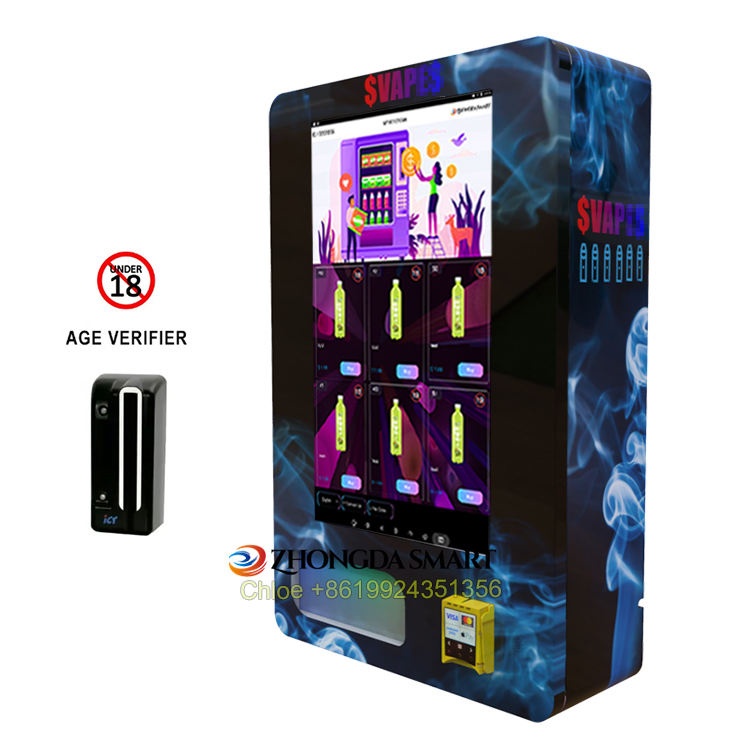 Featured Vape Vending Machine B2B Equipment
Wall mounted touch screen e-cigarette vending machine with full local law compliance. Intelligent age verification, space-saving & 24/7 automatic retail for vape shops.
Age Verification Options Cashless Ready OEM / ODMFor qualified commercial buyers, operators and distributors. Availability and age-verification requirements vary by market.Age-Controlled Vending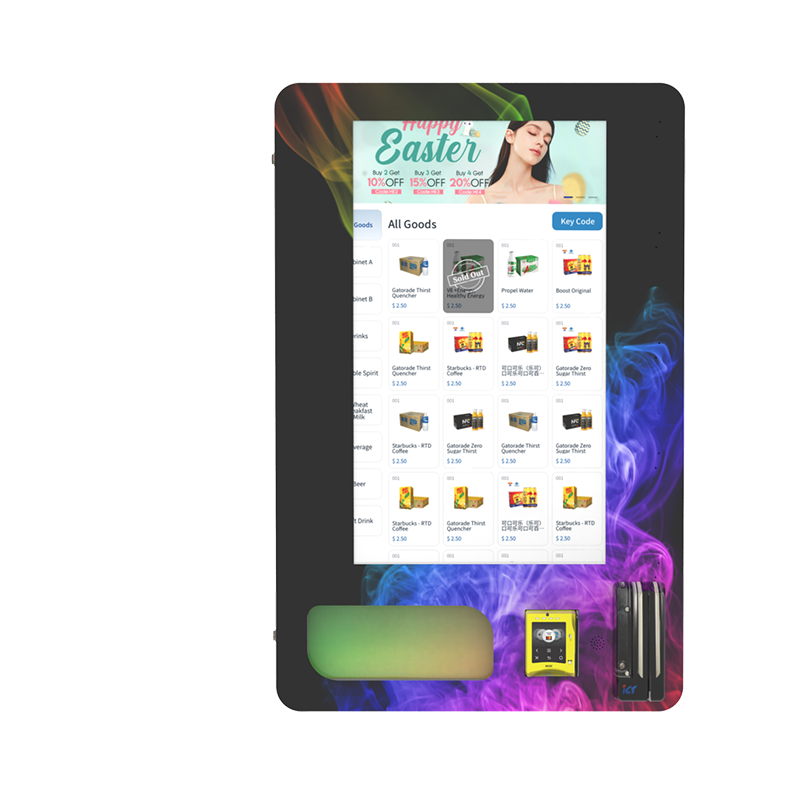 Featured Vape Vending Machine B2B Equipment
Professional wall mounted vape vending machines with modern design, secure payment system, multiple e-cigarette product options and easy installation for retail stores, bars, shopping malls and vape shops.
Age Verification Options Cashless Ready OEM / ODMFor qualified commercial buyers, operators and distributors. Availability and age-verification requirements vary by market.Age-Controlled Vending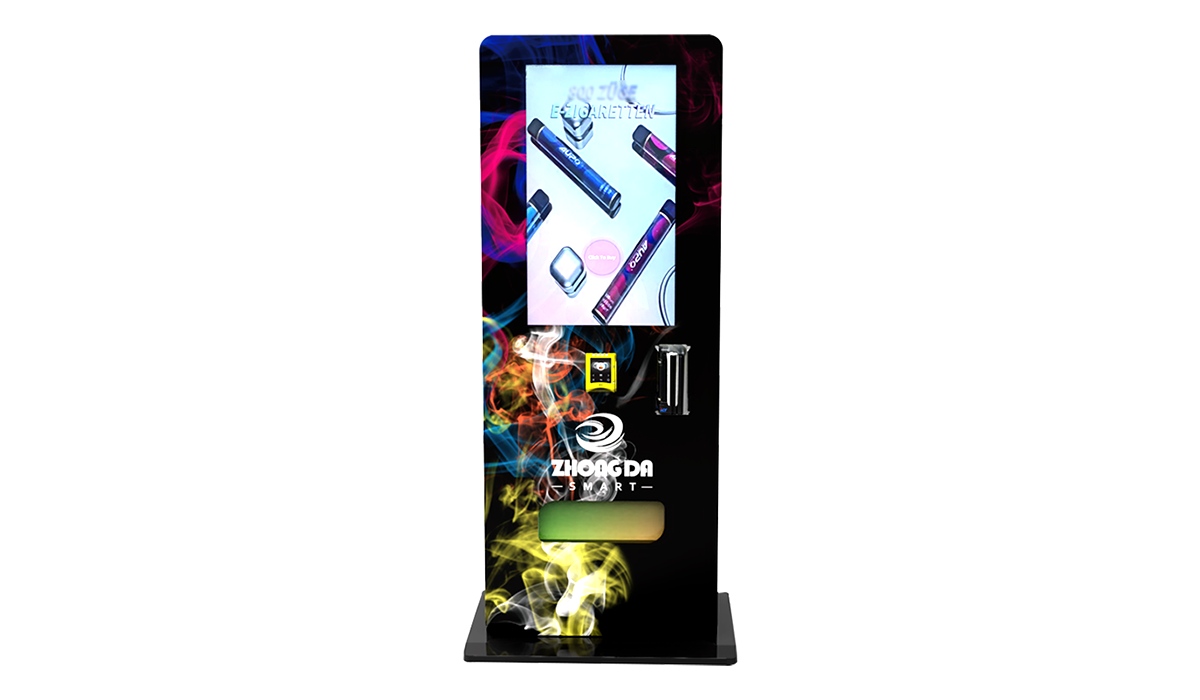 Featured Vape Vending Machine B2B Equipment
ID scan vending machine with age verification system, ideal for vape and tobacco sales. Supports ID check, smart payment and remote control, helping you run a secure and fully automated retail business.
Age Verification Options Cashless Ready OEM / ODMFor qualified commercial buyers, operators and distributors. Availability and age-verification requirements vary by market.Age-Controlled Vending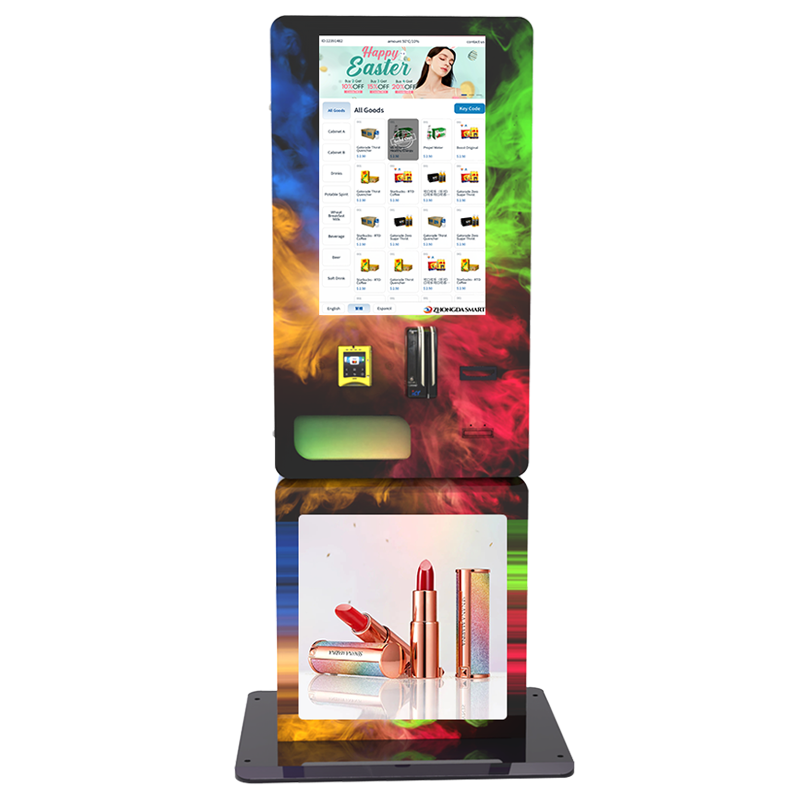 Featured Vape Vending Machine B2B Equipment
Introducing our latest product - the Smart Vape Vending Machine. This mini, portable vending machine is cloud-based and features a user-friendly touchscreen interface. With automatic age verification, it provides a safe and secure way for ad
Age Verification Options Cashless Ready OEM / ODMFor qualified commercial buyers, operators and distributors. Availability and age-verification requirements vary by market.Age-Controlled Vending Featured Vape Vending Machine B2B Equipment
Advanced age verification vending machines with AI-powered ID scanning technology. Perfect for selling alcohol, tobacco, vape, and restricted products. Ensure legal compliance, reduce risks, and enable 24/7 unattended retail with secure and reliable s
Age Verification Options Cashless Ready OEM / ODMFor qualified commercial buyers, operators and distributors. Availability and age-verification requirements vary by market.Age-Controlled Vending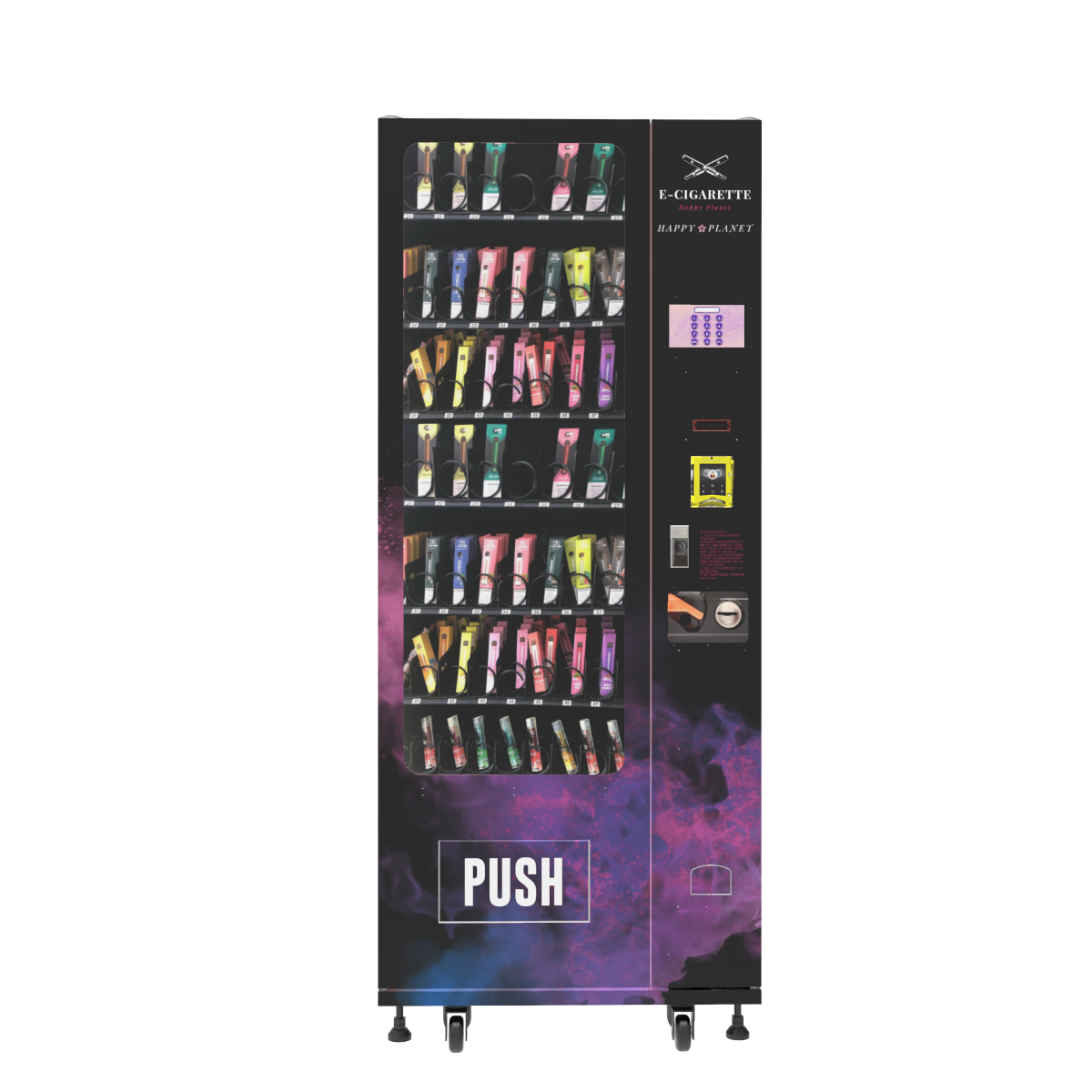 Featured Vape Vending Machine B2B Equipment
This mini vape vending machine is designed for age-restricted retail with features that help support compliance and improve operational efficiency. With age verification readiness, ID check support, remote monitoring, and customizable configurations,
Age Verification Options Cashless Ready OEM / ODMFor qualified commercial buyers, operators and distributors. Availability and age-verification requirements vary by market.Age-Controlled Vending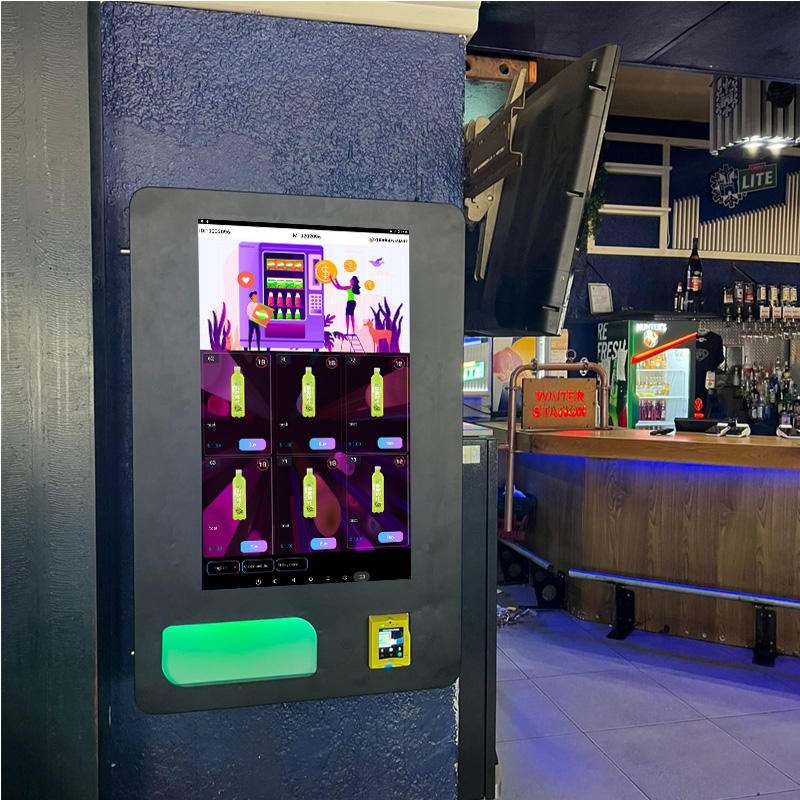 Featured Vape Vending Machine B2B Equipment
Wall-mounted compact e-cigarette vending machine fully compliant with local laws & age restrictions. Space-saving, secure & 24/7 automated retail for vape shops & stores.
Age Verification Options Cashless Ready OEM / ODMFor qualified commercial buyers, operators and distributors. Availability and age-verification requirements vary by market.Age-Controlled Vending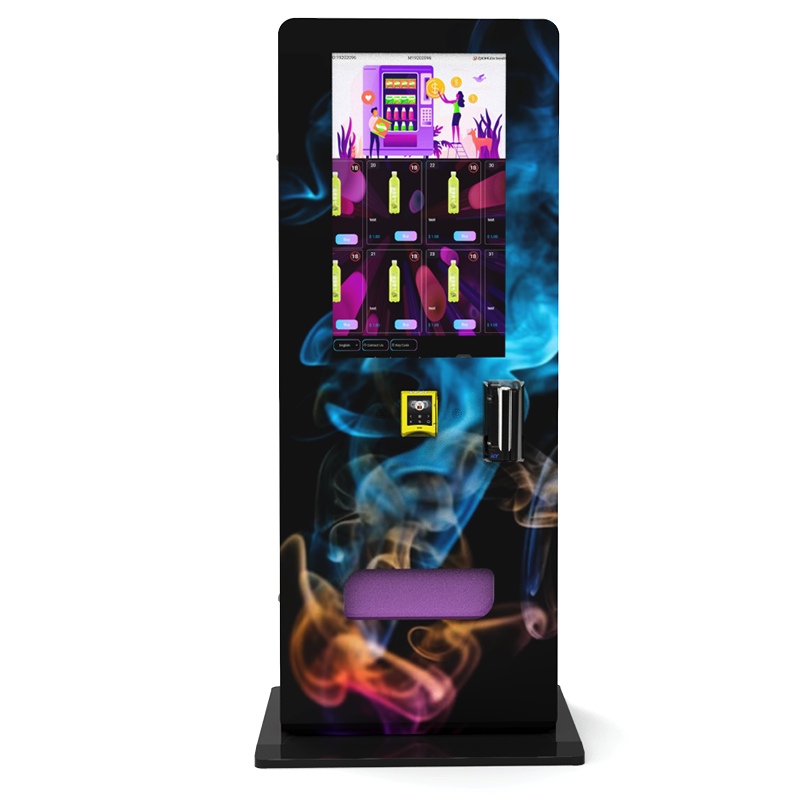 Featured Vape Vending Machine B2B Equipment
Fully compliant e-cigarette vending machine with age verification & local law compliance. Safe, legal, secure 24/7 vending for gas stations, mini marts & vape retailers.
Age Verification Options Cashless Ready OEM / ODMFor qualified commercial buyers, operators and distributors. Availability and age-verification requirements vary by market.