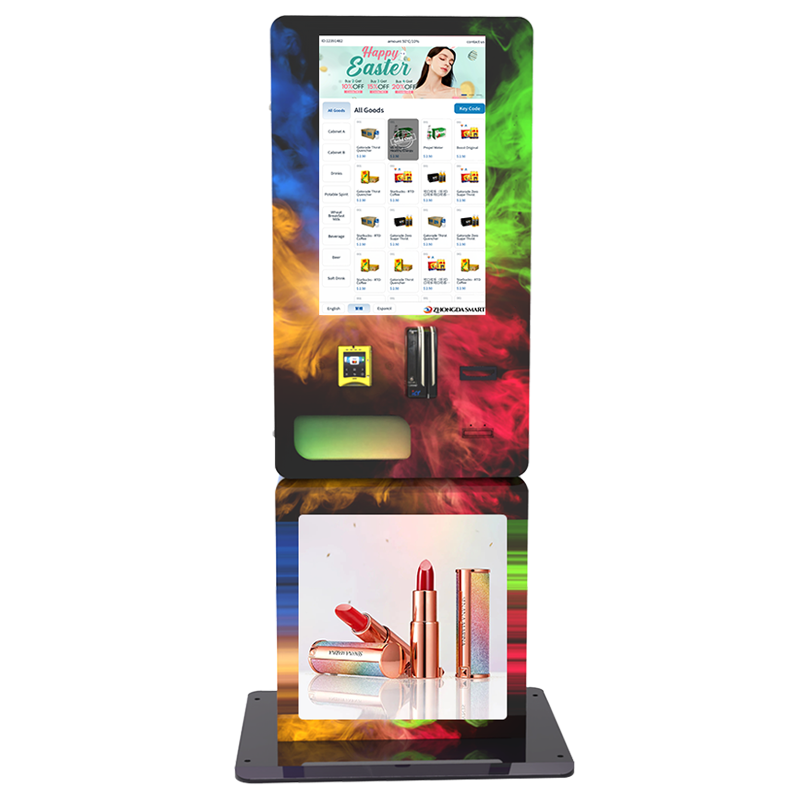
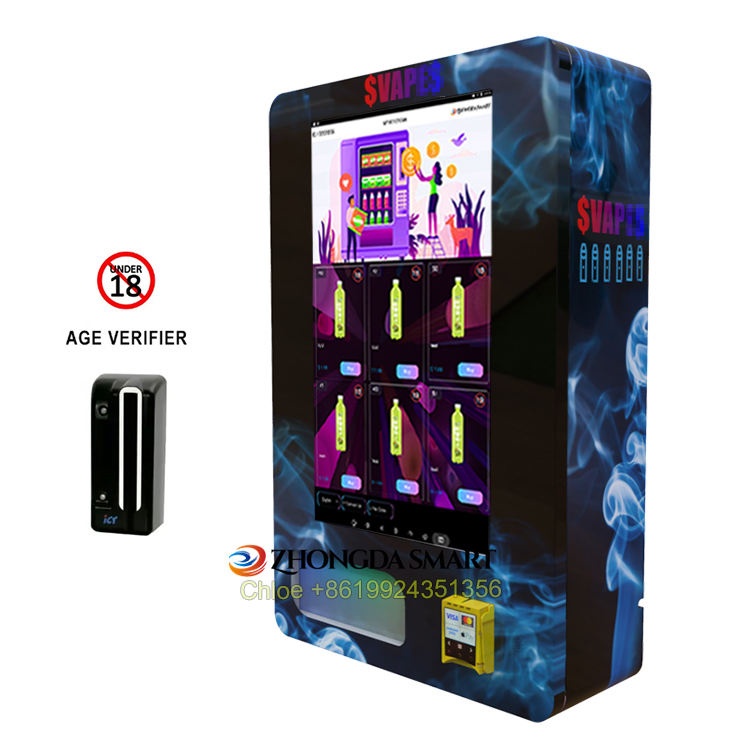
After spending over a decade deploying and managing automated retail solutions across the US and European markets, I have seen a lot of hardware come and go. The single biggest operational headache—and the one thing that makes or breaks a self-service deployment for age-restricted products—is the age verification system. You can have the best inventory, the slickest cabinet design, and the most profitable margins, but if your age verification solution fails at 2 AM on a Saturday night, your entire revenue stream stops. I am writing this from the perspective of someone who has both built these machines on the factory floor and run the daily operations for hundreds of locations. This guide breaks down the top age verification solutions for retail and self-service stores based on real-world failures, field data, and the hard lessons we learned at Zhongda Smart over the last 15 years.
The Real Cost of Getting Age Verification Wrong
Most operators focus on the upfront price of the scanner or the software license. That is a mistake. The real cost is in lost sales and compliance fines. In my experience, a slow or unreliable verification system cuts transaction completion rates by 18% to 25%. Customers walk away. More critically, a failed compliance audit can cost a store operator their license. We saw this happen with a chain of 12 convenience stores in the Midwest that used a basic barcode scanner for ID parsing. The system failed to detect a vertical ID format common in that state, leading to a $15,000 fine per location. The age verification solution is not a peripheral; it is the core of your business model.
How Age Verification Actually Works in a Vending Machine
Before we compare hardware, you need to understand the workflow. A customer approaches the machine, selects a product, and is prompted to verify their age. The machine then uses one of three primary methods: scanning a government-issued ID, biometric facial age estimation, or a remote human agent review. Each has a specific use case, and each has a specific failure mode.
ID Scanning and Parsing
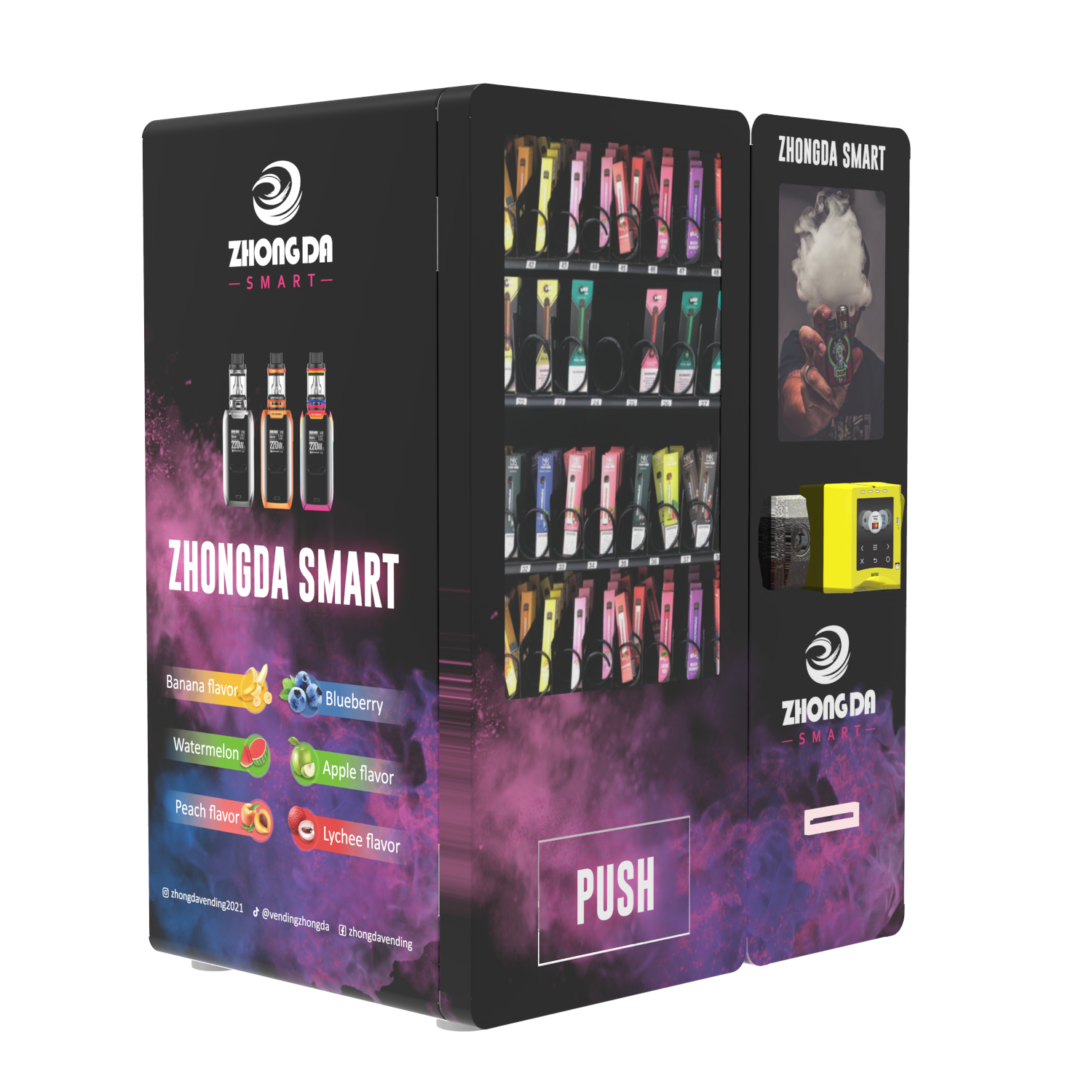
This is the most common method. The machine reads the 2D barcode or magnetic stripe on a driver’s license or passport. The software parses the data, checks the date of birth, and compares it against a database of known fraudulent IDs. The critical point here is the parsing engine. We tested seven different optical scanners on the factory floor at Zhongda Smart. The difference in read accuracy between a cheap $50 scanner and a $300 industrial-grade unit was 15% on damaged or worn IDs. For a machine processing 200 transactions a day, that is 30 lost sales. We only use high-grade scanners in our compliant e-cigarette vending machine line for this reason.
Biometric Age Estimation
This is a newer technology that uses AI to estimate a person’s age based on facial features. It does not store images, which helps with privacy regulations. The technology is improving fast, but it still has a 4% to 7% error margin on people aged 21 to 25. For a retailer selling age-restricted products, a 7% false positive (letting a minor through) is a massive liability. We only recommend this as a secondary check, not a primary verification method. For example, our ID scan vending machine uses biometrics as a liveness check after the ID scan to ensure the person holding the ID is the same person standing in front of the machine.
Remote Agent Verification
Some high-end machines connect to a live agent via video call who visually inspects the ID and the customer. This is the most secure method but also the slowest and most expensive. It adds 30 to 60 seconds to a transaction. In a high-traffic location like a bar or a concert venue, this creates a bottleneck. We deployed 20 machines with remote agent verification in a Las Vegas casino. The abandonment rate was 34% because people did not want to wait. We switched those locations to a combined ID scan + biometric system, and the abandonment rate dropped to 11%.
Comparing the Top Age Verification Solutions
I have broken down the four main categories of age verification systems that are currently viable for retail and self-service environments. This is based on our own field data from over 3,000 deployed units and feedback from operators in 14 countries.
| Solution Type | Hardware Cost (Per Unit) | Transaction Speed | Accuracy Rate | Best Use Case |
|---|---|---|---|---|
| Basic 2D Barcode Scanner | $50 – $150 | 5 seconds | 82% – 88% | Low-volume, low-risk items (e.g., lighters, nicotine gum) |
| Industrial Document Scanner | $250 – $450 | 8 seconds | 95% – 98% | High-volume vape and tobacco sales |
| Combined Scanner + Biometric AI | $600 – $1,200 | 12 seconds | 98% – 99.5% | High-security environments (dispensaries, 21+ venues) |
| Remote Agent + Video Call | $1,500 – $3,000 | 45 – 90 seconds | 99.9% | Regulatory-heavy markets (Canada, parts of Europe) |
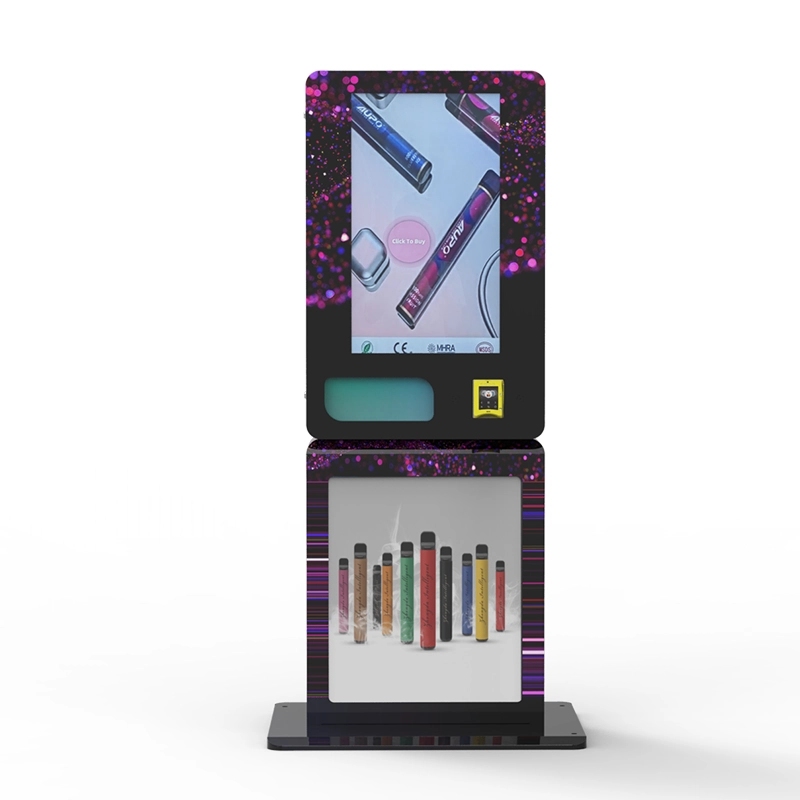
The data in this table comes from our internal testing lab at Zhongda Smart and live deployment logs from 2022 to 2024. The accuracy rate for the combined scanner and biometric AI system is the sweet spot for most retail operations. It is fast enough to keep the line moving and secure enough to pass a compliance audit.
Cost Structure and ROI of an Age Verification System
Let’s talk about the money. I see too many operators buy the cheapest scanner and then spend twice that amount on support calls and lost inventory. Here is a realistic cost breakdown for a single machine deployed in a medium-traffic location (50 transactions per day).
Upfront Investment
- Hardware (Scanner + Controller): $350 – $1,000
- Software License (Annual): $200 – $600
- Integration and Installation: $150 – $400
- Total Setup Cost: $700 – $2,000
Annual Operating Costs
- Software Maintenance: $100 – $300
- Database Updates (Fraud Lists): $50 – $150
- Hardware Repair/Replacement (Average): $75 – $200
- Total Annual Cost: $225 – $650
Revenue Impact
If your machine does 50 transactions per day at an average profit of $4 per sale, that is $200 per day in gross profit, or $73,000 per year. A 10% increase in transaction completion rate (from a better age verification system) adds $7,300 per year to your bottom line. The ROI on a good system is typically under 3 months. We have customers using our age verification vending machine who reported a full payback on the verification hardware in 47 days.
Real Deployment Experience: What Works and What Fails
I want to share a specific deployment story because it highlights why hardware choice matters. We worked with a regional operator in Germany who wanted to place vape vending machines in 20 train stations. The initial plan was to use a wall-mounted compact unit with a basic barcode scanner. During the pilot phase, we noticed a 22% failure rate on IDs from non-EU countries. Tourists and travelers could not use the machines. We swapped the scanner for a combined ID scan and biometric system. The failure rate dropped to 3%. The operator lost 2 weeks of sales during the swap, but the long-term revenue gain was substantial. That experience taught us to always spec a multi-format scanner for any location with transient traffic.
The Failure Case: The "Cheap Scanner" Trap
A franchise group in Florida bought 50 machines from a low-cost manufacturer. The age verification system was a $40 camera that took a picture of the ID and sent it to a cloud service for manual review. The average transaction time was 4 minutes. The machines were pulled after 6 months. The operator lost $180,000 in hardware and installation costs. The lesson is simple: the age verification solution is not where you cut corners. We have a full breakdown of this scenario in our case study on vape vending machines for bars and clubs, but the core takeaway is that speed and accuracy must be balanced.
Selecting the Right Age Verification Solution for Your Business
There is no single best solution. It depends on your product, your location, and your customer base. Here is how I guide our clients at Zhongda Smart when they are choosing a system.
For High-Volume Convenience Stores
You need speed. A combined industrial scanner and biometric system is the best fit. The biometric liveness check takes less than 2 seconds, and the entire transaction can be completed in under 15 seconds. We recommend our compliant e-cigarette vending machine for this setting because it has a built-in thermal printer for receipts, which is required in some states for age-restricted sales.
For Low-Traffic Specialty Shops
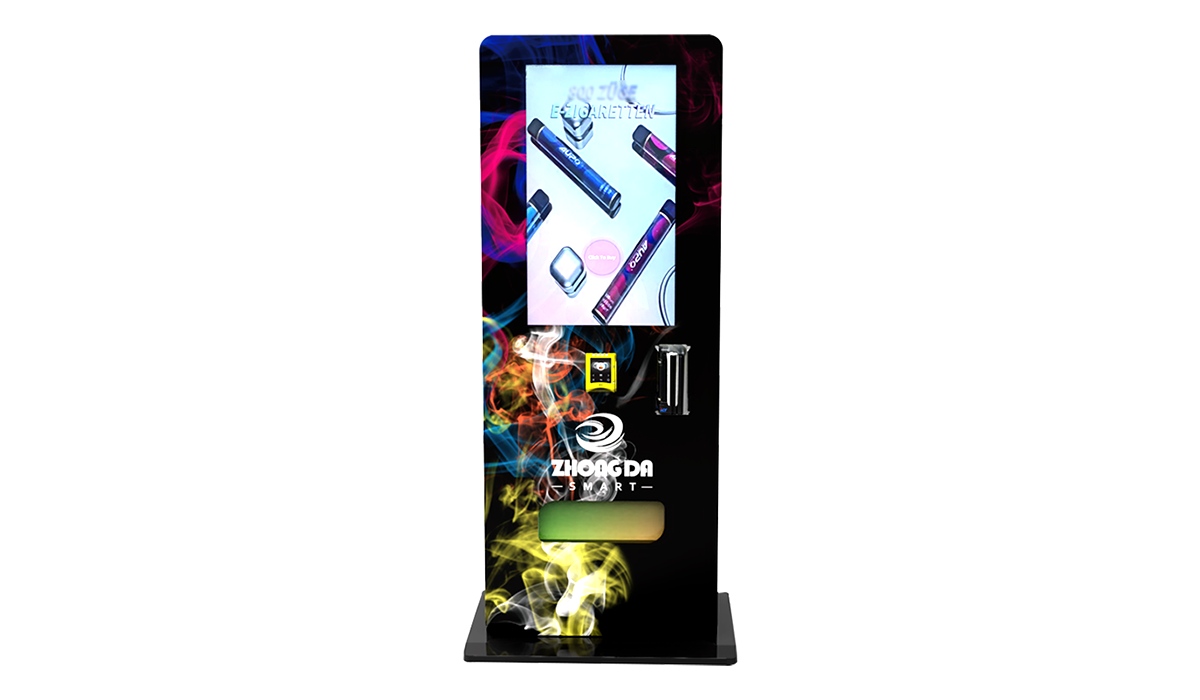
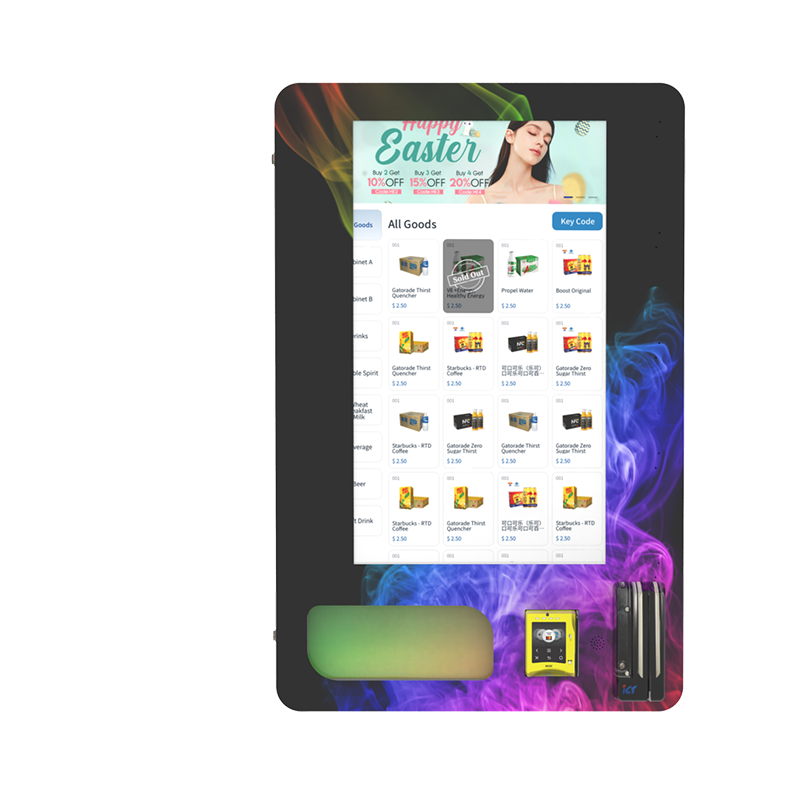
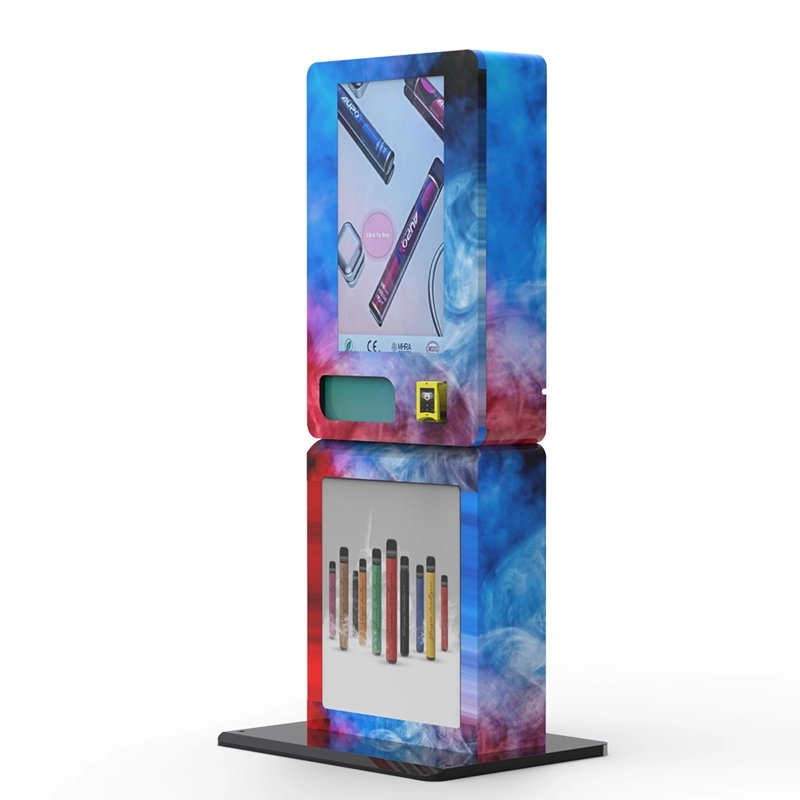
A basic ID scanner with a good parsing engine is sufficient. You do not need the biometric upgrade if you are only processing 10 to 20 sales per day. The wall-mounted e-cigarette vending machine is a popular choice here because of its small footprint and lower hardware cost. Just make sure the scanner is rated for at least 100,000 scans before maintenance.
For Events and Temporary Pop-Ups
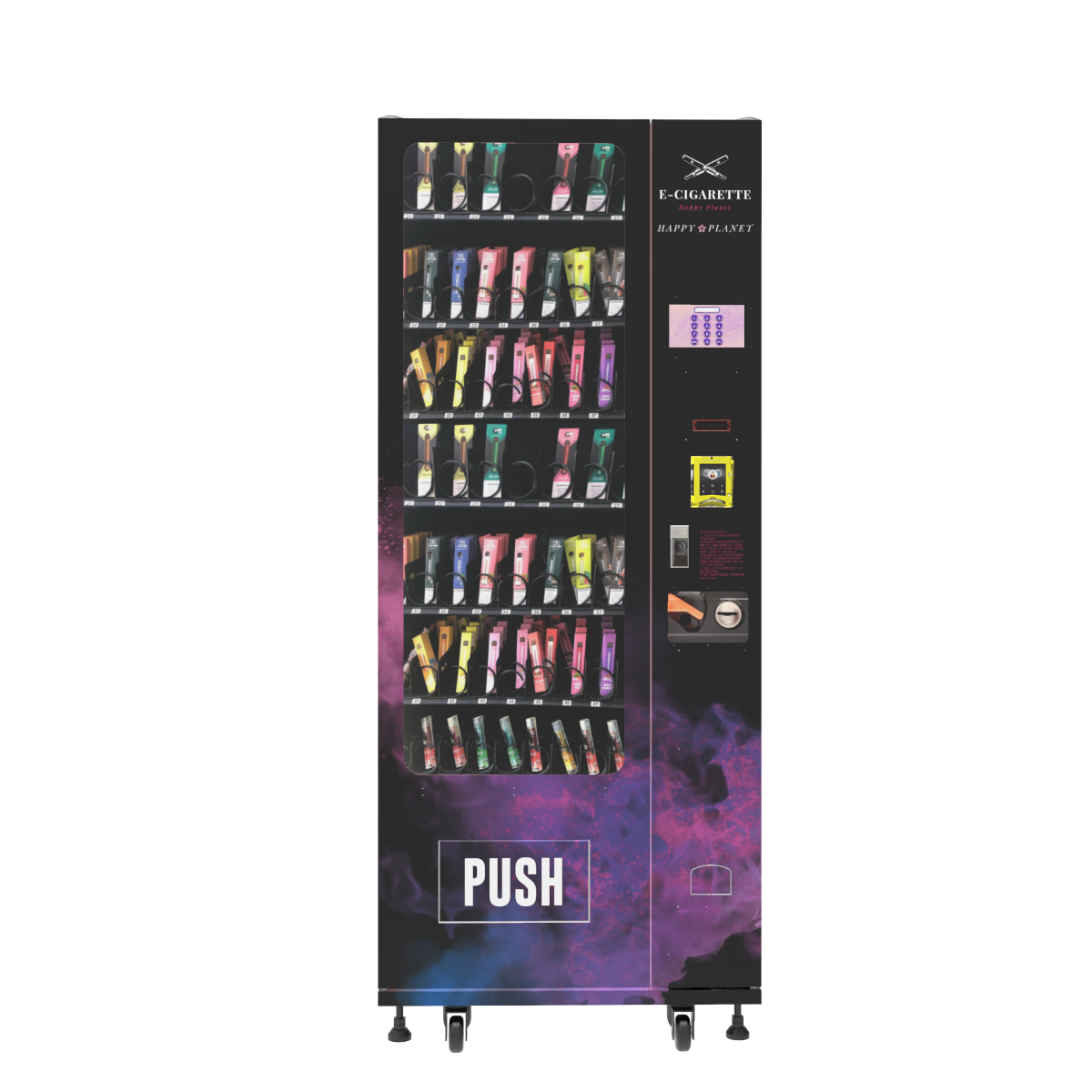
You need a mobile solution. A machine with a cellular modem and a battery backup is essential. The verification system must work offline and sync data later. We have a specific configuration for this in our high-capacity vape vending machine line, which uses a local database of expired IDs that updates automatically when the machine connects to Wi-Fi.
Maintenance and Long-Term Stability
The age verification hardware is the most mechanically stressed component in the machine. It is touched by every customer. The scanner window gets dirty. The camera lens gets smudged. The biometric sensor can be affected by ambient light. We schedule a cleaning and calibration cycle every 1,000 transactions. This takes about 10 minutes for a trained technician. Operators who skip this maintenance see a 15% increase in verification failures after 3 months. We provide a detailed maintenance log in our service center documentation, and I recommend every operator use a similar tracking system.
Industry Data and Market Trends
The demand for automated age verification is growing because of two factors: labor shortages and regulatory pressure. According to a 2023 report by IBISWorld, the vending machine operators industry in the US has seen a 4.2% annual growth rate over the last five years, driven largely by the adoption of cashless and age-verified systems. Another data point from Statista shows that the global market for age verification technology is expected to reach $1.4 billion by 2027. These numbers align with what we see on the factory floor. Orders for machines with integrated age verification have tripled since 2021.
Long-Term Operational Strategy
If you are building a network of machines, you need a unified software platform to manage all your age verification logs. You cannot rely on each machine to store data locally. We use a cloud-based dashboard that aggregates verification data from every machine. This allows us to spot failing hardware before it breaks. For example, if a specific scanner model shows a 12% failure rate across 10 machines, we know the batch has a defect and we swap the units proactively. This kind of predictive maintenance is only possible if you have centralized data. Every operator I know who scaled past 50 machines without a central management system eventually had a compliance failure.
Frequently Asked Questions
What is the most reliable age verification method for a vending machine?
Based on our field data, a combined industrial document scanner with a biometric liveness check is the most reliable setup. It offers a 98% to 99.5% accuracy rate while keeping transaction times under 15 seconds. This combination handles damaged IDs well and prevents spoofing attempts.
How much does an age verification system add to the cost of a vending machine?
The additional cost ranges from $300 for a basic scanner to $1,200 for a full biometric system. This is typically 10% to 20% of the total machine cost. The ROI is usually under 3 months because it directly increases transaction completion rates.
Can a vending machine verify age without scanning an ID?
Yes, through biometric age estimation using AI. However, this method has a higher error rate for people near the legal age limit. It is best used as a secondary verification step after an ID scan, not as a standalone solution.
What happens if the age verification system fails during a transaction?
The machine should be programmed to cancel the transaction and return any payment. The error should be logged. Most modern systems will automatically retry the scan once. If it fails again, the machine locks that product category until a technician clears the error code.
Do I need a different age verification system for different states or countries?
Yes. ID formats vary significantly. A system that works well in California may fail on IDs from New York or European driver’s licenses. You need a scanner and software that supports multi-format parsing. Check that your provider offers regular database updates for new ID formats.
How often should the age verification hardware be cleaned?
We recommend cleaning the scanner window and camera lens every 1,000 transactions or once a week in a high-traffic location. Use a microfiber cloth and isopropyl alcohol. Dust and smudges are the leading cause of false scan failures.
Can I retrofit an age verification system onto an existing vending machine?
It is possible but often not cost-effective. Retrofitting requires a compatible control board, software integration, and physical modification of the cabinet. It is usually cheaper and more reliable to buy a machine designed for age verification from the start.
What is the biggest mistake operators make with age verification?
Buying the cheapest hardware. A low-cost scanner will have a higher failure rate, leading to lost sales and frustrated customers. The money you save on hardware will be lost in support costs and missed revenue within the first 6 months.
Final Thoughts on Choosing a Partner
I have been building these machines since 2009. I have seen the market shift from mechanical cigarette machines to smart, connected age-verified kiosks. The companies that succeed are the ones that treat age verification as a core feature, not an add-on. At Zhongda Smart, we design every machine with the verification system as the primary control point. You can see the full range of our age verification vending machines on our product page. If you are planning a deployment, spend the time testing your verification system in the actual environment where it will be used. Run 500 test transactions. Check the failure rate. Adjust the lighting. Calibrate the scanner. That 2 hours of testing will save you 2 months of operational headaches.
Sources: