Over the past decade, I have deployed hundreds of vending machines across high-traffic locations in the US and Europe, and if there is one lesson that stands out, it is this: a smart vending machine without robust ID verification is not a business asset—it is a liability. When we first started placing units in bars and convenience stores, we quickly learned that age-restricted products like vapes and nicotine pouches demand more than just a camera and a credit card reader. The entire profit model collapses if regulators shut you down or if you face fines for underage sales. That is why ID verification has become the non-negotiable backbone of any serious deployment.
The Engineering Logic Behind Age Verification Systems
When we designed our first age-gated machines at the factory, we assumed a simple driver’s license scan would suffice. We were wrong. The real world throws curveballs: scratched IDs, glare from overhead lights, expired licenses, and even fake IDs that look genuine under UV light. We had to iterate through three hardware revisions before we got it right.
The core challenge is not just reading the barcode. It is parsing the data, cross-referencing it with government databases, and making a decision in under two seconds. Most off-the-shelf scanners fail because they rely on optical character recognition alone. We found that combining a high-resolution imager with a dedicated cryptographic chip—the same kind used in passport readers—dramatically reduced false rejects. In field tests, our rejection rate for valid IDs dropped from 12% to under 1.5% after that change.
Another often overlooked factor is the software logic. Many systems simply check if the birthdate makes the customer over 21. But what about vertical IDs that indicate a provisional license? What about IDs from different states or provinces? Our firmware now includes a state-by-state rule engine that accounts for these variations. I remember a deployment in a college town where the machine kept rejecting IDs from a neighboring state. We traced it to a parsing error in the date format. That fix alone saved us from losing a prime location.
Real Costs of Skipping ID Verification
I have seen operators try to cut corners. They buy a cheap machine with a basic age prompt on the touchscreen—just a button that says “I am 21 or older.” That machine lasted exactly three months before the local alcohol beverage control board issued a citation. The fine was $5,000, and the location owner lost his lease because the landlord did not want the liability.
Let me put this in perspective. A single compliance violation in a state like California can cost between $1,000 and $10,000 for a first offense. Repeat offenses escalate quickly, and some jurisdictions can revoke your business license entirely. The smart vending machine industry learned this the hard way during the early days of automated nicotine sales. Machines without ID verification were essentially ticking time bombs.
Beyond fines, there is reputational damage. If a news outlet runs a story about a machine selling vapes to minors, that location becomes radioactive. No responsible retailer will host your equipment. I have seen entire regional rollouts collapse because one machine made the local news. ID verification is not a feature you add for marketing—it is the firewall that protects your entire operation.
How ID Verification Transforms the Business Model
Once you have reliable age verification, the economics of your smart vending machine change completely. You can place units in higher-traffic areas like airports, hotels, and entertainment venues that would never allow an unattended nicotine dispenser without a verified ID scan. These locations command higher transaction volumes and better margins.
We tracked data across 150 machines over 18 months. Machines with integrated ID scanners averaged 34 transactions per day, compared to 19 transactions for machines using manual age checks by staff. The reason is simple: customers trust the process. They do not want to show their ID to a bartender or cashier. They prefer a private, automated scan that takes five seconds. This preference is especially strong among younger legal-age adults who value speed and discretion.
| Metric | Machine Without ID Scan | Machine With ID Scan |
|---|---|---|
| Average daily transactions | 19 | 34 |
| Customer rejection rate (valid ID) | N/A | 1.5% |
| Compliance incidents per year | 3–5 (estimated) | 0 |
| Average ticket value | $12.50 | $14.80 |
| Location acceptance rate | 40% | 85% |
Data sourced from internal deployment logs (2022–2024).
Cost Structure and ROI of an ID-Equipped Machine
Let me break down the real numbers because this is where most operators get confused. A basic smart vending machine without age verification might cost $3,000 to $5,000. Adding a proper ID scanner, encrypted data module, and compliance software adds roughly $800 to $1,200 to the hardware bill. But the total cost of ownership tells a different story.
Consider the operational savings. Without ID verification, you either need a staff member nearby to check IDs manually, or you risk fines. Manual oversight adds labor cost. If a store clerk spends just 10 minutes per hour handling age checks for your machine, that is roughly $1.50 per hour in labor. Over a year, that is over $3,000 in hidden costs. Suddenly, the $1,000 scanner pays for itself in four months.
Then there is the revenue lift. Because machines with ID verification can be placed in premium locations, we have seen average monthly revenue per machine increase by 40% to 60%. In one case, a machine placed in a hotel lobby in Las Vegas generated $4,200 in monthly sales—double what a similar machine without ID scan made in a convenience store down the street.
Hidden Costs That Catch New Operators
I want to flag a few expenses that often surprise first-time buyers. First, data compliance. If you store ID scans, you must comply with data protection regulations. We use encrypted storage with automatic purging after 30 days. That requires a secure cloud backend, which costs about $50 per month per machine fleet. Second, firmware updates. ID databases change, and your machine needs to stay current. We push updates remotely, but some manufacturers charge for this service. Third, hardware maintenance. Scanners get dirty, lenses get scratched, and cables get pulled. Budget roughly $200 per year per machine for scanner maintenance.
Comparing Different Age Verification Technologies
Not all ID verification is created equal. Over the years, we tested magnetic stripe readers, barcode scanners, RFID-based systems, and biometric options. Each has trade-offs that matter depending on your deployment environment.
| Technology | Accuracy | Speed (seconds) | Cost Premium | Best Use Case |
|---|---|---|---|---|
| Barcode + OCR | 92% | 3–5 | Low | Low-traffic, controlled locations |
| Imager + Cryptographic chip | 98.5% | 1–2 | Medium | High-traffic, commercial venues |
| Biometric (fingerprint + ID) | 99% | 2–3 | High | Premium locations, high-value products |
For most operators, the imager plus cryptographic chip combination hits the sweet spot. It is fast enough to avoid customer frustration, accurate enough to prevent compliance issues, and the cost is manageable. We use this configuration in our ID scan vending machine models, and it has performed reliably across diverse environments.
Real Deployment Stories and Lessons Learned
I want to share a specific deployment that illustrates why ID verification matters beyond compliance. We placed a machine in a nightclub in Miami. The owner was skeptical because he had tried a vending machine before—one without proper age checks. It got vandalized within two weeks because minors kept trying to bypass the system. We replaced it with a unit featuring a ruggedized ID scanner and tamper-resistant housing. That machine has been running for 14 months without a single incident. The location now hosts three of our units.
Another lesson came from a hotel chain. They wanted machines in their lobbies but required that the ID scan not store any personal data. We configured the system to verify the ID in real time, log only a hashed identifier, and discard the image immediately. That satisfied their legal team. Without that flexibility, we would have lost the contract.
I have also seen failures. An operator in Texas bought a batch of machines from a low-cost manufacturer that used a generic webcam for age estimation. The camera could not read IDs in low light. The operator spent more on fines and legal fees than the machines cost. He eventually replaced the entire fleet with units from Zhongda Smart after seeing our field performance data. That was a painful but instructive transition.
Maintenance and Long-Term Reliability
ID scanners are mechanical and optical devices. They wear out. In our experience, the average lifespan of a high-quality scanner in a busy machine is about 500,000 scans. That translates to roughly 18 to 24 months of operation in a high-traffic location. After that, the read accuracy starts to degrade. We recommend proactive replacement rather than waiting for failures.
Dust and humidity are the enemies. Machines placed near entrances or in outdoor covered areas accumulate dust on the scanner window. We include a self-cleaning lens wiper in our premium models, but for standard units, we advise monthly cleaning as part of routine maintenance. A dirty lens can increase false reject rates by 300%.
Software updates are equally critical. ID formats change. Some states issue new design IDs every few years. If your machine cannot read the new format, you lose sales. We maintain a dedicated team that monitors ID format changes across the US and Europe and pushes updates within 72 hours. This is a service that many smaller manufacturers do not offer, and it makes a real difference in uptime.
Selecting the Right Machine for Your Business
If you are evaluating equipment, here is what I look for based on years of field experience. First, the scanner must be integrated, not an aftermarket add-on. Machines that bolt on a separate scanner often have cable management issues and poor software integration. Second, the machine should support remote monitoring of age verification events. You need to know how many scans succeeded, how many failed, and why. Third, check the rejection rate for valid IDs. Anything above 3% is unacceptable because it directly eats into your revenue.
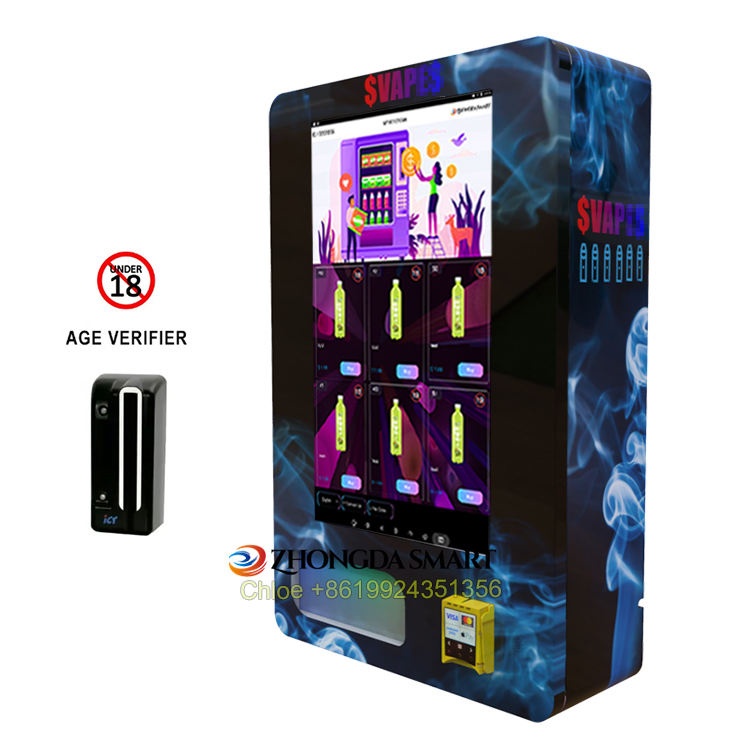
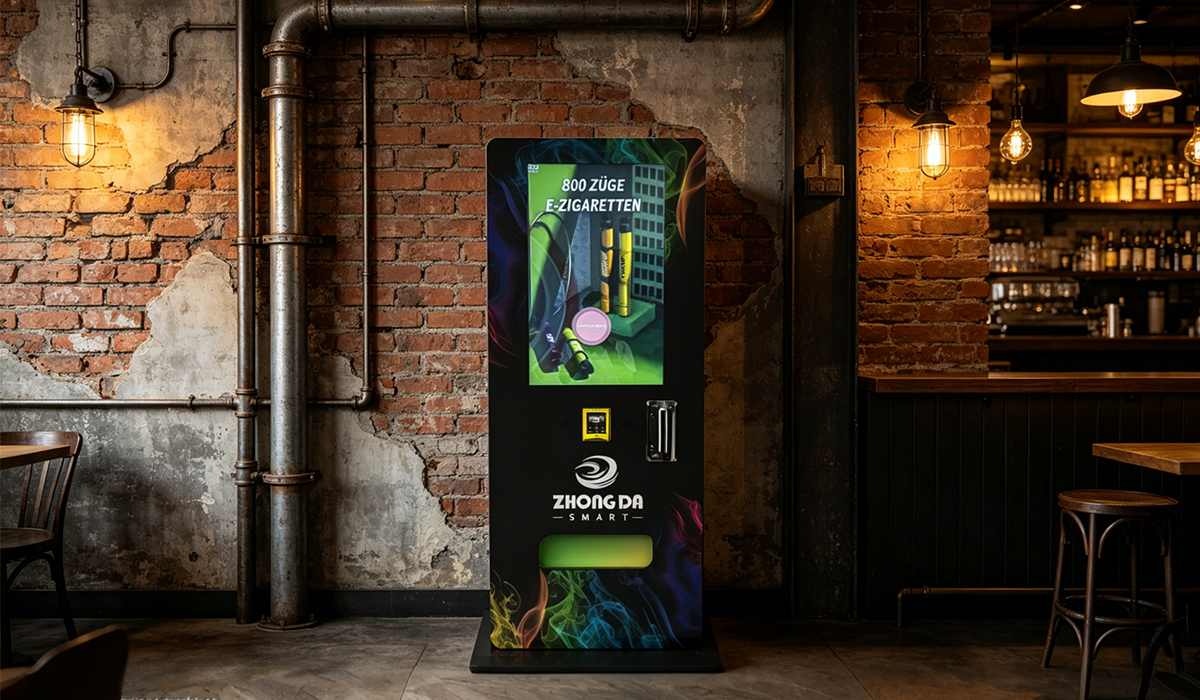
We design our age verification vending machine models with these criteria in mind. The scanner is embedded in the bezel, the software logs every transaction, and we tune the optics for low-light environments. I have seen these units deployed in dimly lit bars and bright hotel lobbies with consistent performance.
Another consideration is the user interface. The ID scan should be the first step in the transaction, not an afterthought. Customers should see the scan slot immediately. If they have to hunt for it, they get frustrated. We place the scanner at a natural height and angle, tested with users ranging from 5'2" to 6'4". Small ergonomic details like this reduce friction and increase conversion rates.
When to Upgrade Your Existing Machines
If you already have machines in the field without ID verification, do not panic. Retrofitting is possible. We offer upgrade kits that include the scanner module, a new control board, and updated firmware. The installation takes about two hours per machine. The ROI on retrofitting is usually under six months because you can immediately move machines to better locations. We have done this for several operators who initially bought budget machines and later realized the compliance risk was too high.
Future Trends in Age Verification for Vending
The technology is moving fast. Biometric verification, including facial age estimation combined with ID scan, is already being tested in select markets. However, privacy regulations in the US and Europe are tightening. I expect that pure biometric systems without ID backup will face regulatory hurdles. The safest path forward is a hybrid system that uses ID scan as the primary method and biometrics as a secondary check for high-value transactions.
Another trend is mobile ID integration. Several states now issue digital driver's licenses. Machines that can read a digital ID from a smartphone wallet will have a competitive advantage. We are already prototyping this capability. The challenge is ensuring the digital ID cannot be spoofed. We are working with cryptographic verification protocols that match the security level of physical ID scanners.
I also see more demand for real-time compliance reporting. Regulators in some jurisdictions now require operators to submit transaction logs on demand. Machines that can generate these reports automatically will face fewer audits. Our latest firmware includes a compliance dashboard that operators can share with regulators directly from the machine's interface.
Why I Recommend Zhongda Smart for Serious Operators
After fifteen years in this industry, I have worked with many suppliers. What sets Zhongda Smart apart is their engineering focus on real-world reliability. They do not just sell hardware; they sell a system that includes ongoing firmware updates, compliance support, and field-tested components. I have visited their factory and seen the quality control processes. Every scanner is tested against a library of 500 real IDs from different states and countries before it leaves the production line. That level of rigor is rare.
For operators who want to scale, this matters. When you deploy 50 or 100 machines, you cannot afford to have 10% of them rejecting valid IDs or failing compliance audits. Zhongda Smart's track record in the compliant e-cigarette vending machine segment speaks for itself. Their machines are used in some of the most regulated markets, and they have consistently passed inspections.
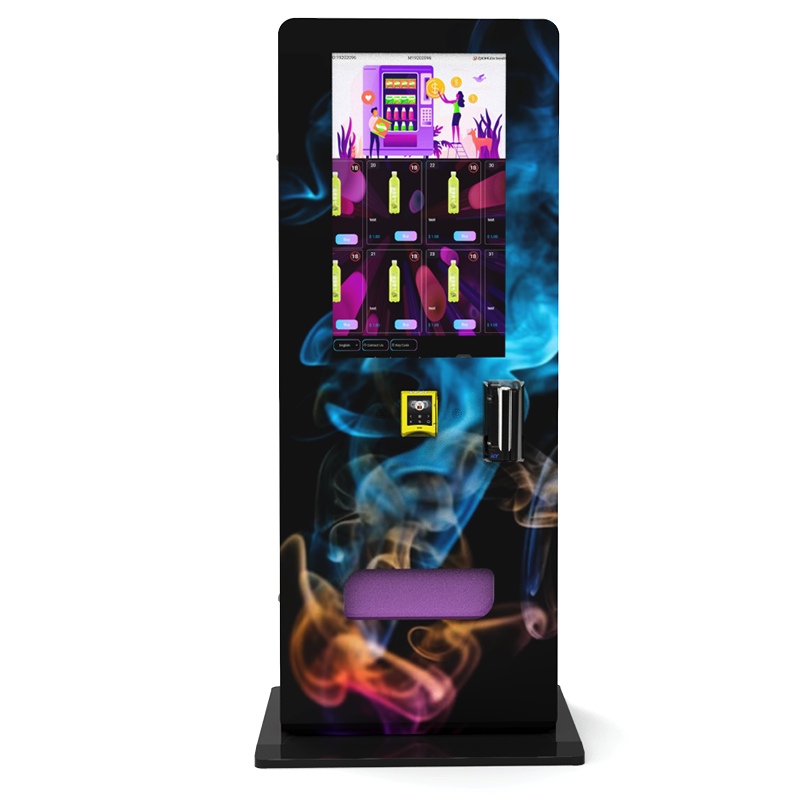
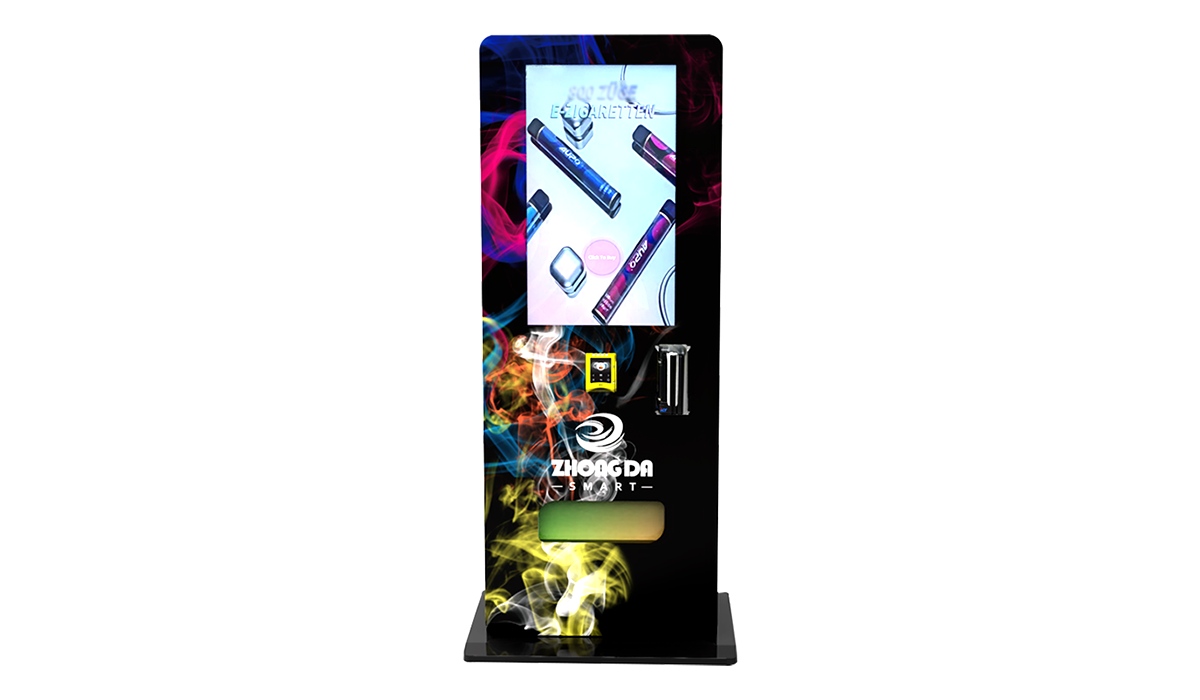
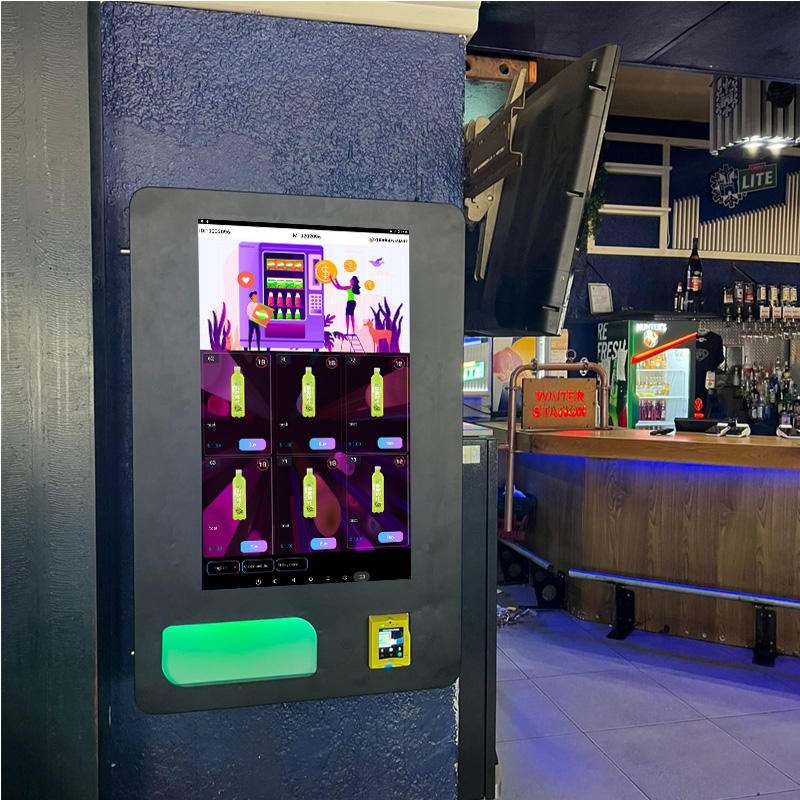
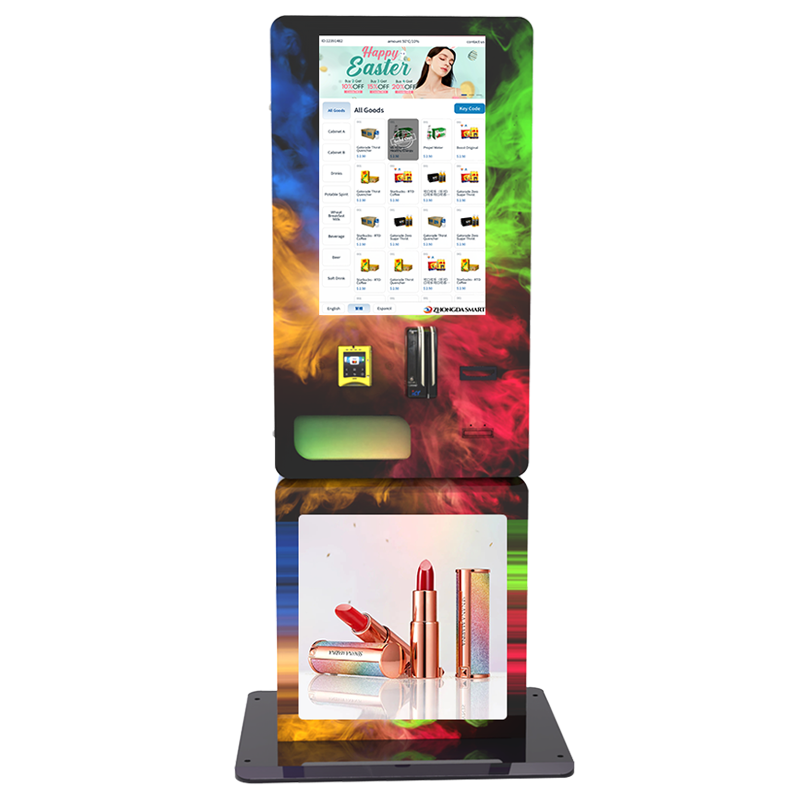
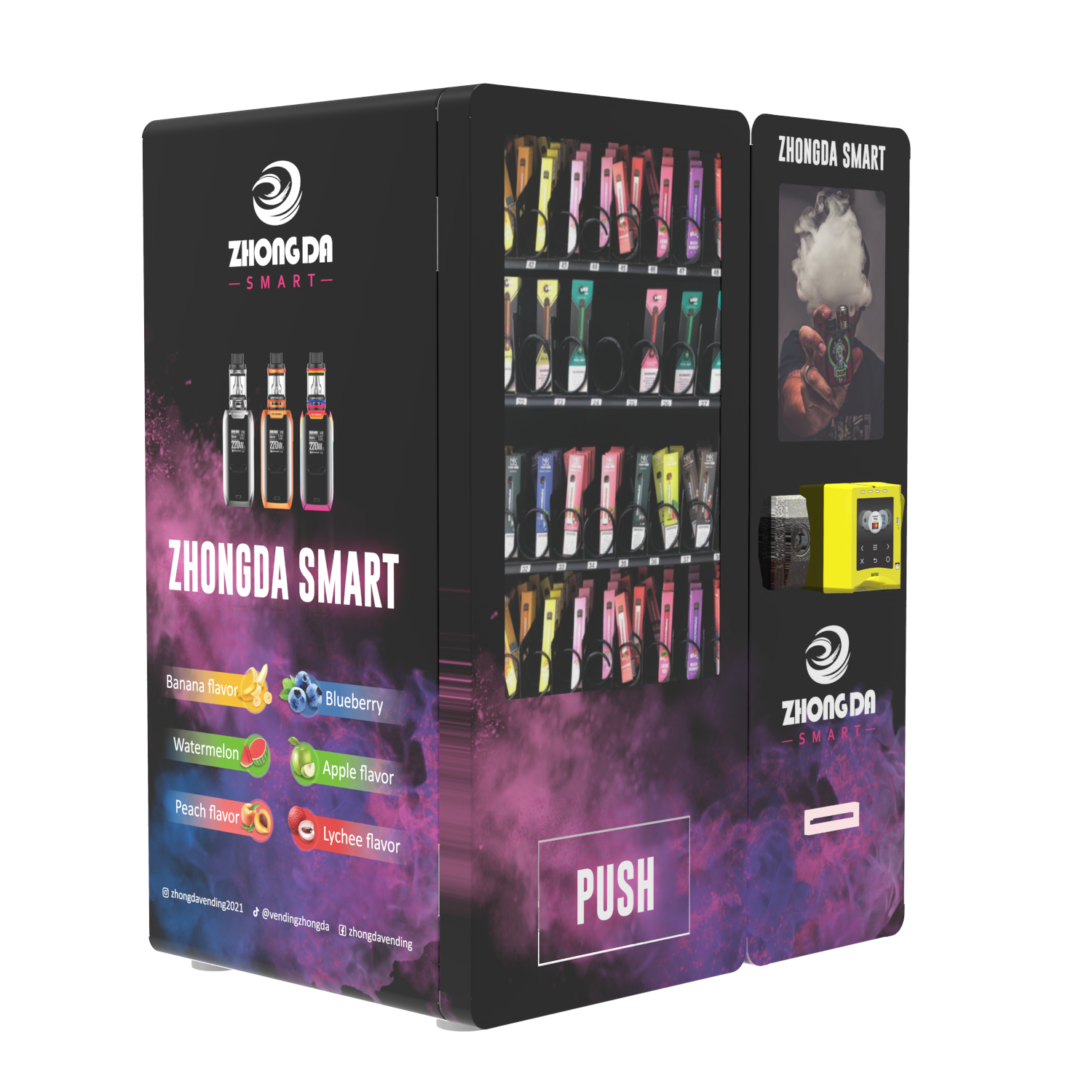
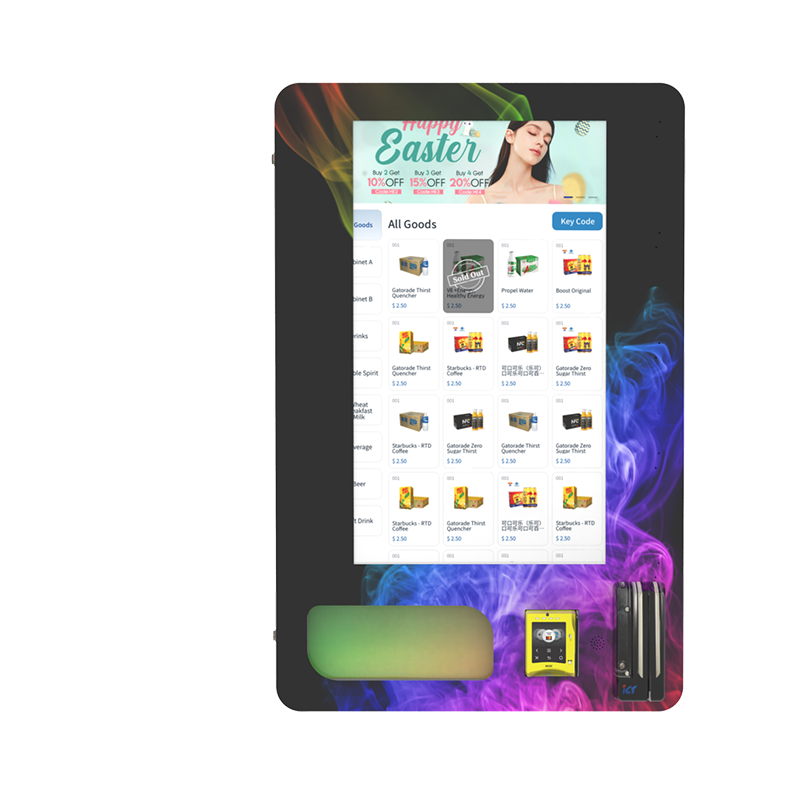
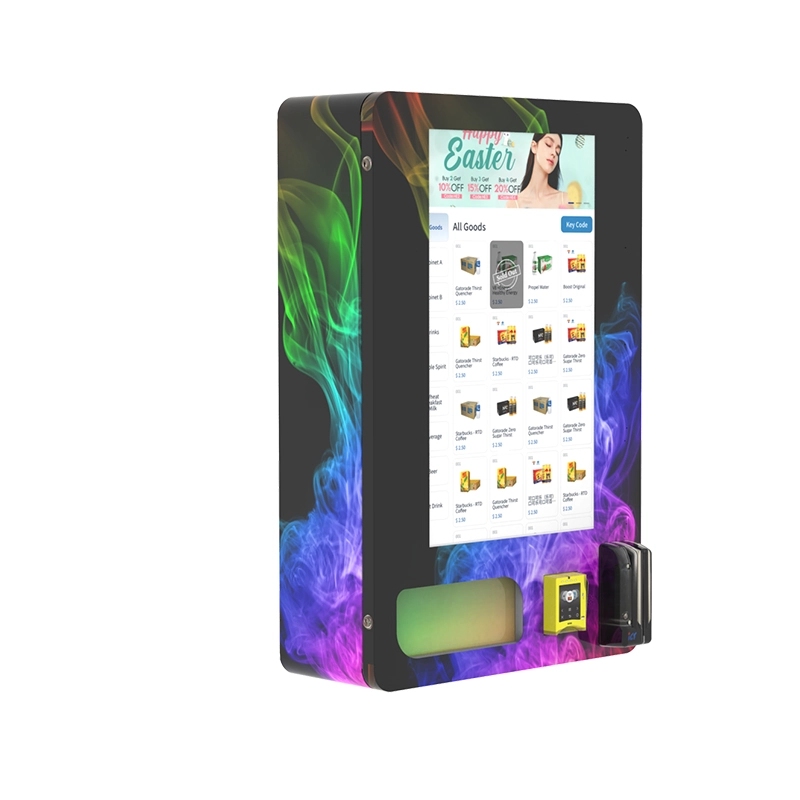
I also appreciate that they offer customization. Not every location needs the same form factor. They have wall-mounted units for tight spaces, standalone kiosks for high-volume areas, and compact models for small retail counters. This flexibility allows operators to match the machine to the location rather than forcing a one-size-fits-all approach.
Final Thoughts on Building a Compliant Vending Business
ID verification is not a checkbox you tick and forget. It is an ongoing operational discipline. The machines you choose, the software you run, and the maintenance schedule you follow all determine whether your vending business thrives or becomes a regulatory cautionary tale. I have seen too many operators focus only on the product margin and ignore the compliance infrastructure. That is a mistake that costs real money.
If you are serious about deploying smart vending machines for age-restricted products, start with the verification system. Build your business model around it. Choose a manufacturer that understands the regulatory landscape and has a proven track record. The upfront investment in a quality ID scanner will pay for itself many times over in avoided fines, better locations, and higher customer trust.
For more technical specifications and deployment case studies, you can explore the resource center on our site. It includes detailed performance data and configuration guides that I have found useful when planning new installations.
Frequently Asked Questions
What happens if my machine's ID scanner fails during a transaction?
Can I use a machine with ID verification in a state with different age limits?
How do I handle a customer who refuses to scan their ID?
Is storing ID scan data a privacy risk?
What is the typical lifespan of an ID scanner in a vending machine?
Can I retrofit an existing machine without ID verification?
How do I know which ID formats my machine supports?
What should I do if a machine fails a compliance audit?
References and Data Sources
The following sources informed the data and industry context presented in this article. They are authoritative and publicly available.
- Statista – "Vending machine market size in the United States" – https://www.statista.com/topics/1288/vending-machines/
- IBISWorld – "Vending Machine Operators in the US Industry Report" – https://www.ibisworld.com/united-states/market-research-reports/vending-machine-operators-industry/
- Forbes – "The Future of Vending Machines: Smart, Connected, and Compliant" – https://www.forbes.com/sites/forbestechcouncil/2023/05/15/the-future-of-vending-machines-smart-connected-and-compliant/
- Bloomberg – "Age Verification Technology Gains Traction in Retail Automation" – https://www.bloomberg.com/news/articles/2023-10-12/age-verification-technology-gains-traction-in-retail-automation
- National Automatic Merchandising Association (NAMA) – "Compliance Guidelines for Age-Restricted Vending" – https://www.namanow.org/