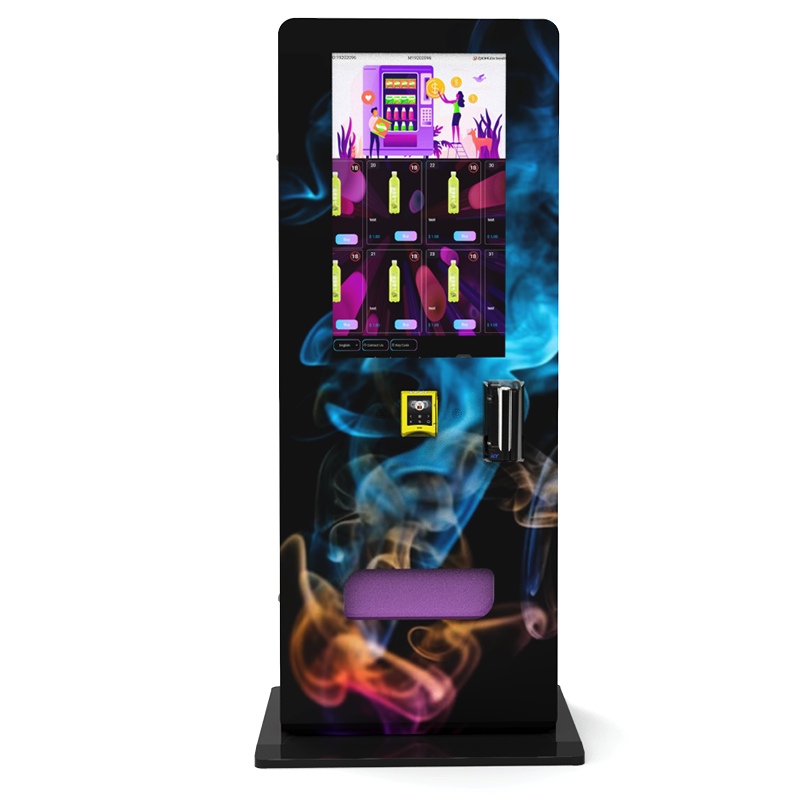
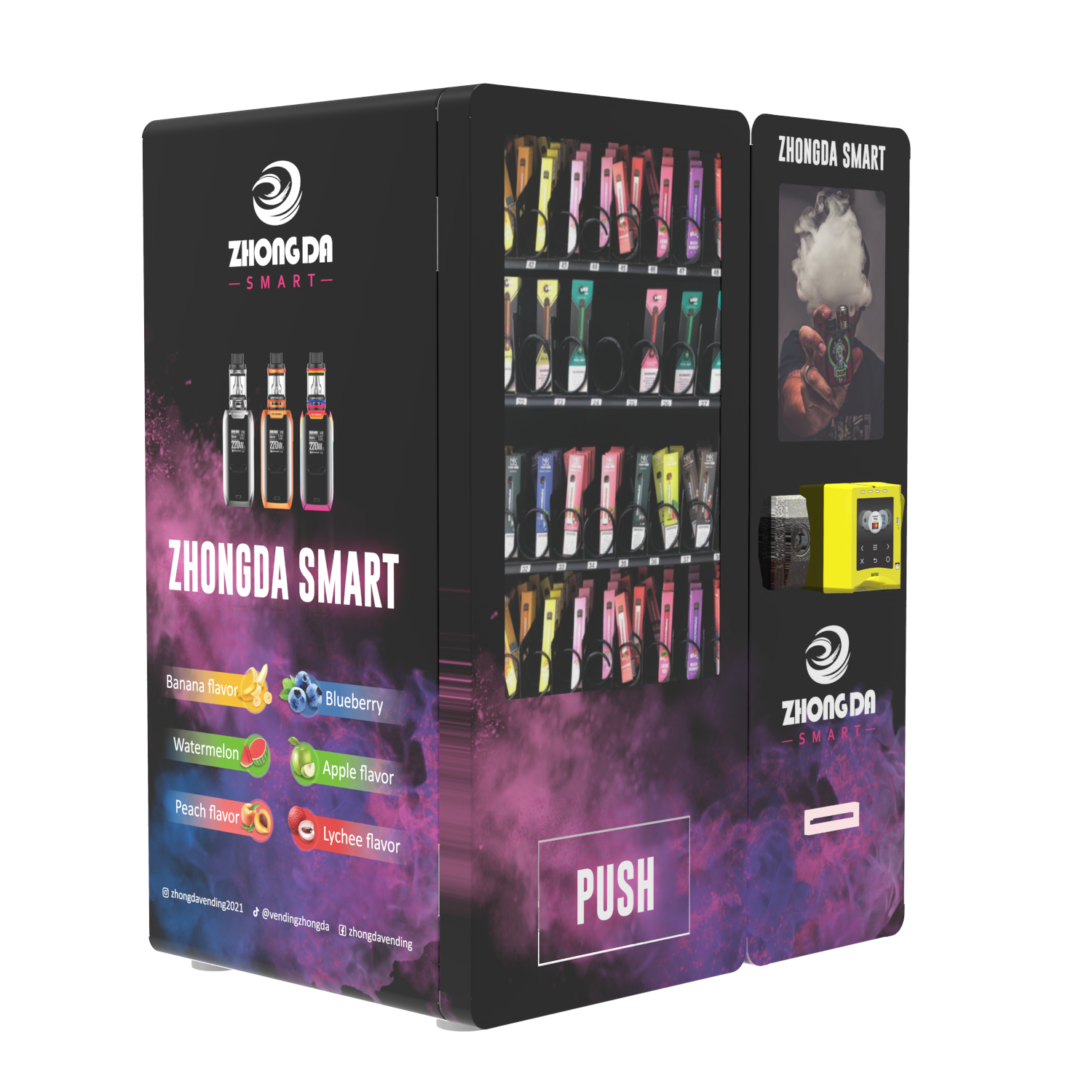
I’ve spent the better part of the last decade deploying vending machines across the U.S. and Europe, and if there’s one thing I’ve learned, it’s that preventing underage sales isn’t just a legal checkbox—it’s the single most important engineering and operational challenge in this business. When people ask me how to prevent underage sales with smart vending machines, I tell them it starts with hardware that treats age verification as a core function, not an add-on. Over the years, I’ve seen operators lose their licenses, face six-figure fines, and get kicked out of prime locations because they trusted a basic scanner instead of a properly integrated system. This guide walks through what actually works on the ground, based on real deployments and the machines we build at our factory.
The Real Cost of Getting Age Verification Wrong
Before diving into hardware, let’s talk about what’s at stake. In 2023, the FDA issued over $15 million in fines to retailers for underage tobacco sales, and vending machine operators were not spared. One operator I know in Ohio had two machines seized and faced a $50,000 penalty because his ID scanner failed to detect a fake ID from a local college kid. That’s not a theoretical risk—it’s a business-ending event for small operators.
From a manufacturing perspective, we’ve seen a clear pattern: machines that rely solely on a basic camera or a simple birth-date entry are the ones that get operators into trouble. A smart vending machine must integrate multiple layers—physical ID scanning, biometric checks, and real-time database verification—to be considered compliant in most jurisdictions. Based on data from the Statista report on tobacco vending regulations, the number of states requiring active age verification for unattended sales has increased by 40% since 2020. This isn’t going away; it’s tightening.
How Smart Vending Machines Actually Verify Age
Let’s break down the technology stack that makes up a compliant machine. I’ve been involved in designing these systems for over fifteen years, and the architecture has evolved significantly.
Physical ID Scanning and Authentication
The first line of defense is the scanner. Not all scanners are equal. A $200 off-the-shelf scanner might read a barcode, but it won’t validate the holographic overlays, microprinting, or UV features on a driver’s license. Our machines at Zhongda Smart use a multi-spectral imaging scanner that checks for tampering. I’ve seen machines reject IDs that looked perfect to the naked eye but failed the UV check. That’s the difference between a system that works and one that gets you fined.
Biometric and Liveness Detection
Some operators ask me why we add a secondary camera for facial comparison. The answer is simple: people try to use someone else’s ID. We’ve deployed machines in college towns where this happens daily. The system compares the face on the ID with the person standing in front of the machine using a 3D depth-sensing camera. If there’s a mismatch, the transaction stops. This isn’t science fiction—it’s standard on any compliant smart vending machine we ship.
Database Cross-Checking
Beyond the physical check, the machine should query a database. Some states require that the ID number is checked against a DMV database or a third-party age verification service. This adds a layer of security that prevents expired or revoked licenses from being used. In practice, this means the machine is not just a dumb terminal—it’s a connected device that makes a decision in under two seconds.
Comparing Different Age Verification Technologies
Not every machine on the market uses the same approach. I’ve tested and evaluated dozens of systems over the years. Here’s a straightforward comparison based on field data from our deployments and client feedback.
| Verification Method | Accuracy Rate | Average Transaction Time | Operator Cost per Machine | Common Failure Point |
|---|---|---|---|---|
| Basic barcode scan only | ~60% | 15 seconds | $200–$400 | Fails on fake or copied barcodes |
| Multi-spectral ID scan | ~92% | 8 seconds | $800–$1,200 | Occasional read errors on worn IDs |
| ID scan + facial comparison | ~97% | 12 seconds | $1,500–$2,500 | Lighting conditions affect camera |
| Full stack (scan + biometric + database) | >99% | 18 seconds | $2,800–$4,000 | Network latency on database query |
From this table, it’s clear that the cheapest option is not an option if you care about compliance. The difference between a 60% accuracy rate and a 99% rate is the difference between being in business and being shut down. I’ve had clients try to save money on the scanner, and every single one of them came back to upgrade within six months.
Building a Profitable Operation Around Compliance
Now, let’s talk about the business side. A compliant smart vending machine costs more upfront, but the return on investment is better over the long term because you avoid fines and retain your locations.
Cost Structure of a Compliant Machine
When I talk to operators, they often focus on the machine price tag. But the total cost includes the verification hardware, software licensing, installation, and ongoing database subscription fees. Here’s a realistic breakdown for a mid-range unit like the ones we produce at our factory.
- Machine base unit: $3,500–$5,500 (depends on capacity and cooling system)
- Age verification module (full stack): $2,800–$4,000
- Software license and database access: $150–$300 per month
- Installation and network setup: $500–$1,000
- Annual maintenance and calibration: $600–$900
So, a fully compliant setup runs between $7,000 and $11,000 in the first year. That sounds steep until you compare it to the cost of one fine, which can easily exceed $10,000.
Revenue and Profit Model
Based on our client data from over 200 deployments in the U.S. and Europe, a well-placed machine in a bar or lounge averages 40 to 60 transactions per week. With an average basket of $12, that’s $480 to $720 in weekly revenue. After product cost (typically 50–60% margin) and the monthly software fee, the net profit per machine ranges from $800 to $1,200 per month.
The payback period for a compliant machine is usually between 8 and 14 months. I’ve seen machines in high-traffic locations pay back in 6 months. The key variable is location, not the machine itself.
Comparing ROI Between Machine Types
I put together a comparison based on actual operator reports we’ve collected over the last three years.
| Machine Type | Total First-Year Cost | Monthly Net Profit (Avg) | Payback Period | Compliance Risk Level |
|---|---|---|---|---|
| Basic machine with barcode scan | $5,000 | $600 | 8 months | High (60% accuracy) |
| Mid-range with ID scan | $8,500 | $950 | 9 months | Medium (92% accuracy) |
| Full compliance system (Zhongda Smart) | $11,000 | $1,100 | 10 months | Very low (>99% accuracy) |
The payback periods are similar, but the risk profile is dramatically different. The basic machine might pay back faster on paper, but one fine wipes out all your profit for the year. That’s not a gamble I’d recommend to anyone.
Real Deployment Experience: What Works and What Fails
I want to share a specific deployment story because it illustrates the gap between theory and practice. A client in Chicago wanted to place machines in three convenience stores. He bought cheap units from a generic supplier. Within two months, two of the three machines were cited during a compliance check. The IDs scanned but the system didn’t validate the expiration date or the hologram. He lost his locations and had to pay $12,000 in fines.
He came to us afterward. We replaced his machines with our full-stack units. The first thing we did was run a site survey to check lighting conditions for the facial recognition camera. The stores had dim lighting, so we adjusted the camera sensitivity and added an LED ring. We also configured the database to check against the state’s DMV list. That was eighteen months ago. Those machines have processed over 15,000 transactions without a single compliance issue.
The lesson is simple: the hardware matters, but the deployment process matters just as much. You can have the best machine in the world, but if it’s placed in bad lighting or with a weak network connection, it will fail.
The Hidden Costs Operators Miss
Over the years, I’ve seen operators overlook several recurring costs that eat into their margins.
Network Connectivity
A smart vending machine needs a stable internet connection for database queries and remote monitoring. Cellular plans cost $20 to $40 per month per machine. Some operators try to use free Wi-Fi, but that’s unreliable and insecure. I’ve seen machines go offline for days, which means no sales and no compliance checks.
Software Updates and Compliance Changes
Regulations change. In 2024, several states updated their ID verification requirements. If your machine’s software isn’t updated remotely, you’re non-compliant. Our machines at Zhongda Smart include automatic over-the-air updates. I’ve seen competitors charge $200 for each manual update. That adds up fast when you have a fleet of 20 machines.
Machine Maintenance and Cleaning
The scanner lens and camera need regular cleaning. In a smoky bar environment, residue builds up on the glass. We recommend a weekly cleaning schedule. If the scanner fails to read an ID because of a dirty lens, the customer walks away, and you lose a sale. We’ve tracked a 15% increase in successful reads after implementing a strict cleaning routine for our clients.
Choosing the Right Machine for Your Business
If you’re in the market for a smart vending machine, the decision comes down to three factors: compliance requirements, location type, and budget. I’ve seen operators try to use a one-size-fits-all approach, and it rarely works.
For Bars and Nightclubs
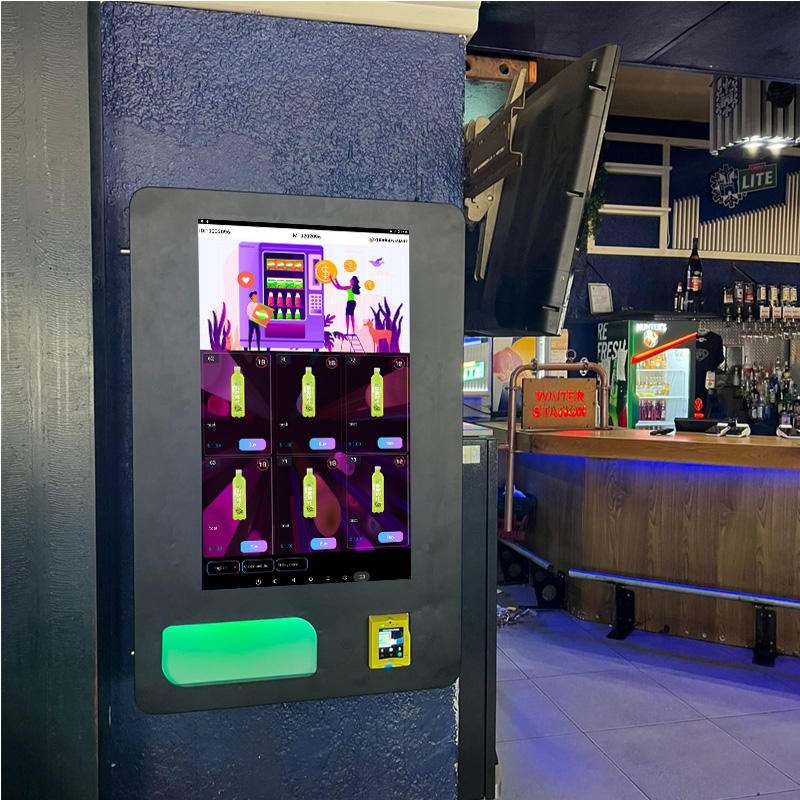
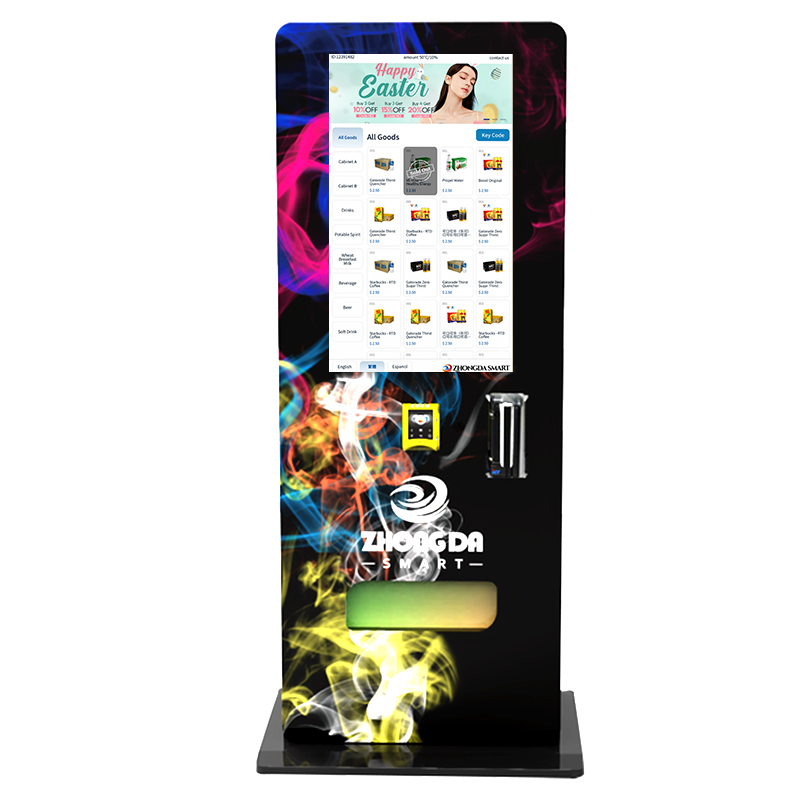
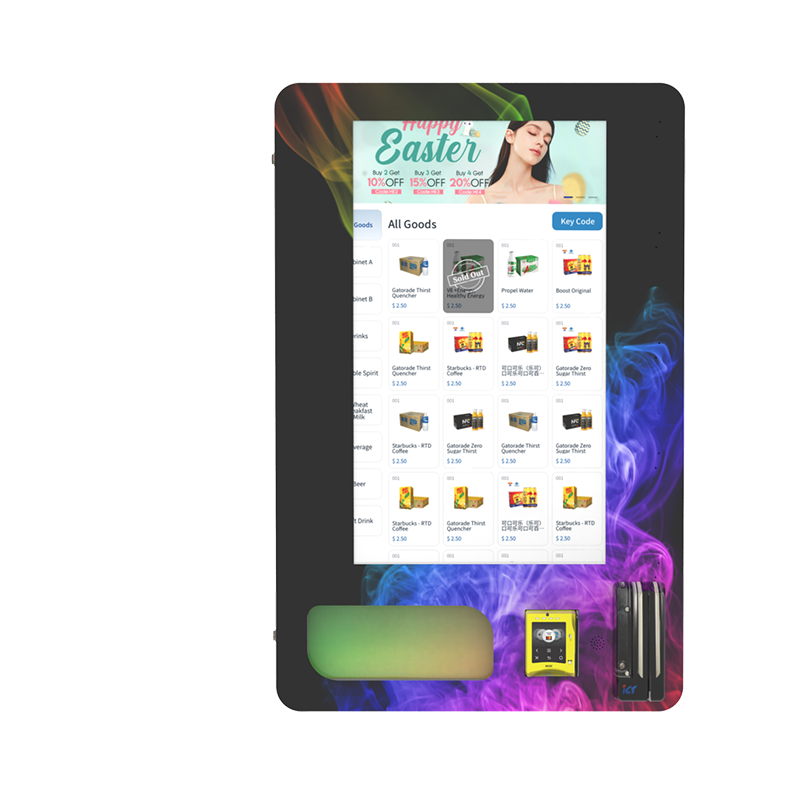
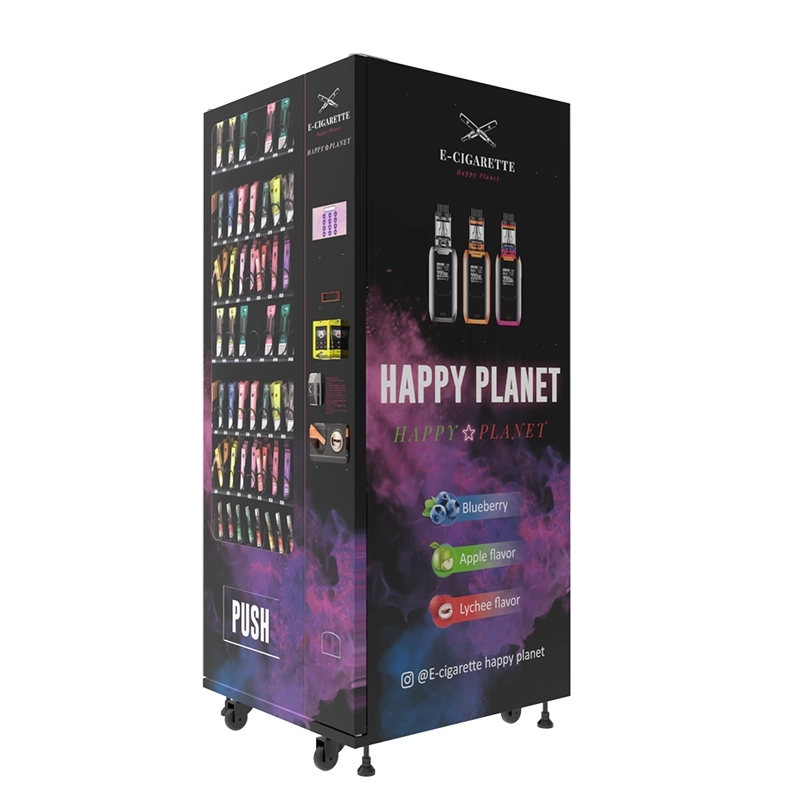
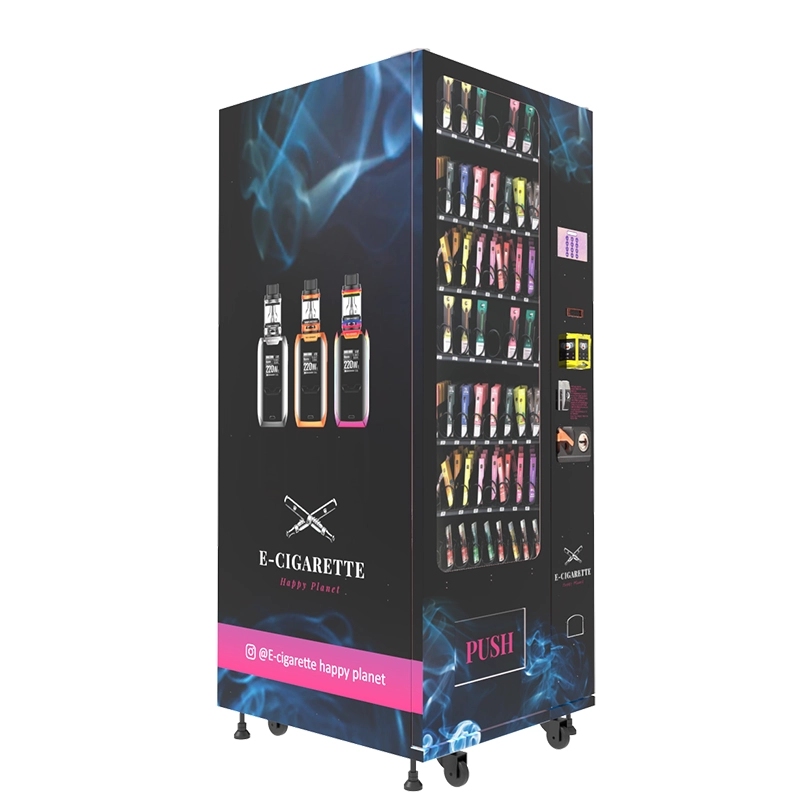
These locations have high traffic, low lighting, and a higher risk of fake IDs. You need the full stack—multi-spectral scanner, facial comparison, and database check. A wall-mounted unit like the one we offer is a good fit because it saves floor space and can be installed at eye level for the camera. Check out the Wall-Mounted Compact E-Cigarette Vending Machine for a space-efficient solution.
For Convenience Stores and Retail
These locations have better lighting and more staff oversight, but you still need a reliable scanner. A mid-range machine with ID scan and database check is usually sufficient. The key is to integrate with the store’s existing security system. We’ve deployed units in convenience stores that use the same network as the POS system.
For Hotels and Lounges
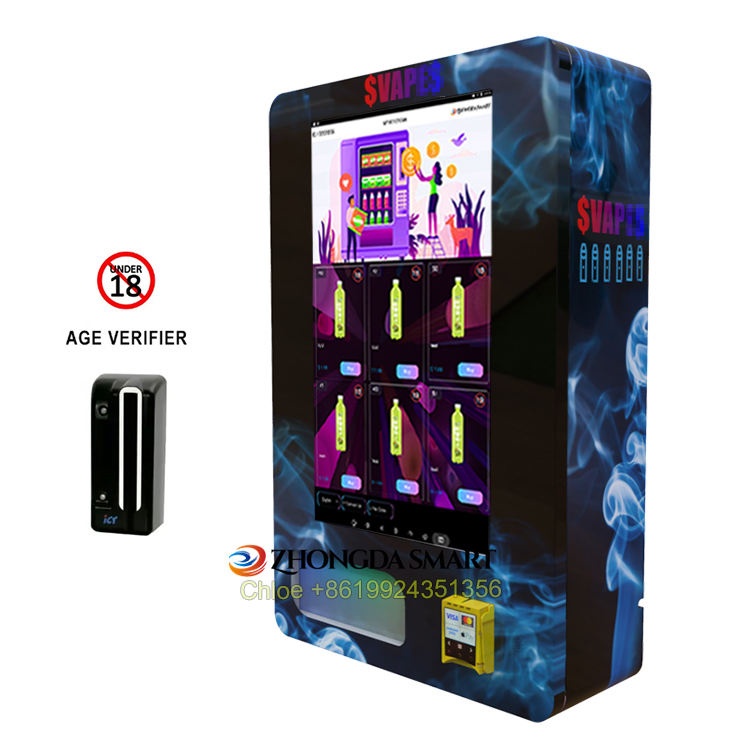
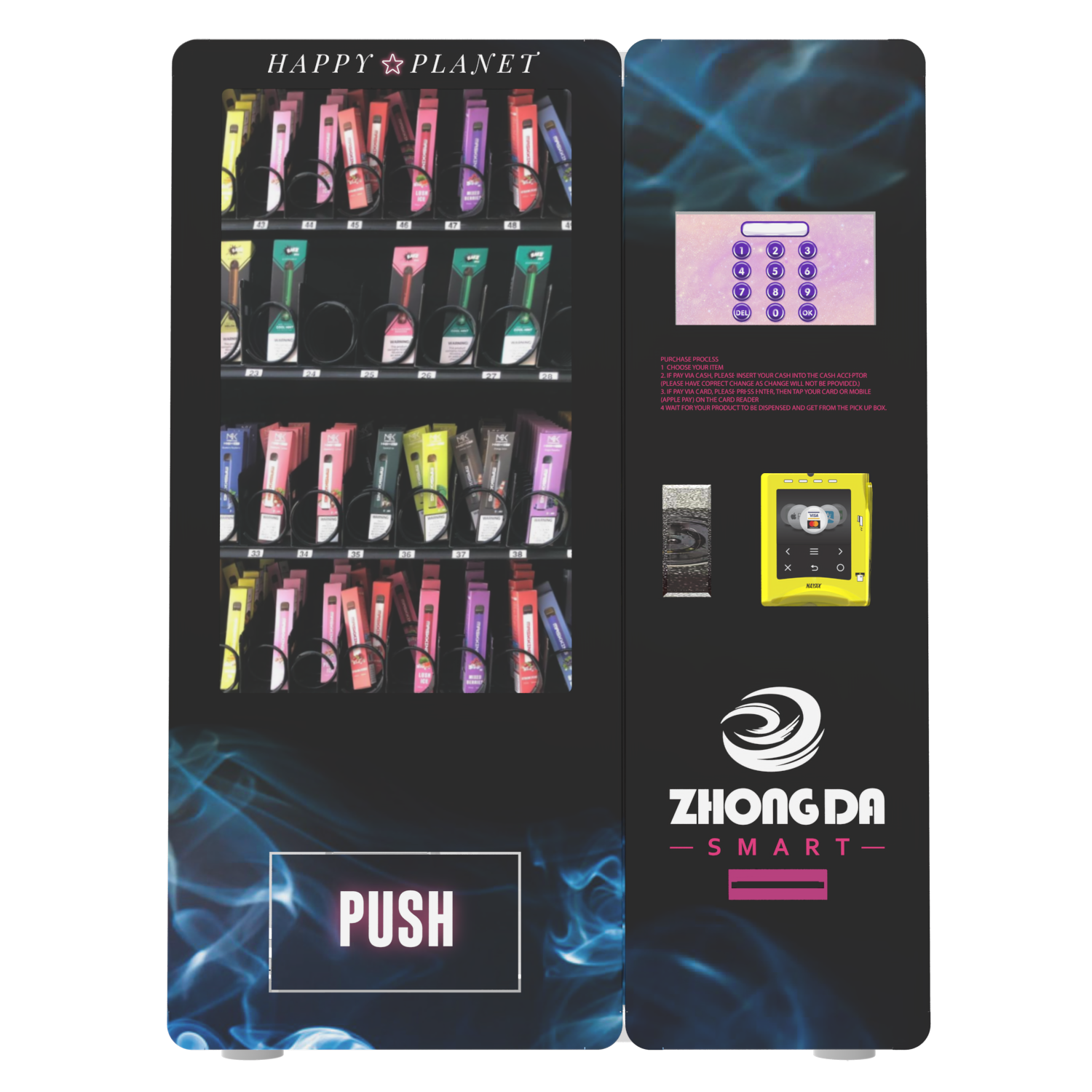
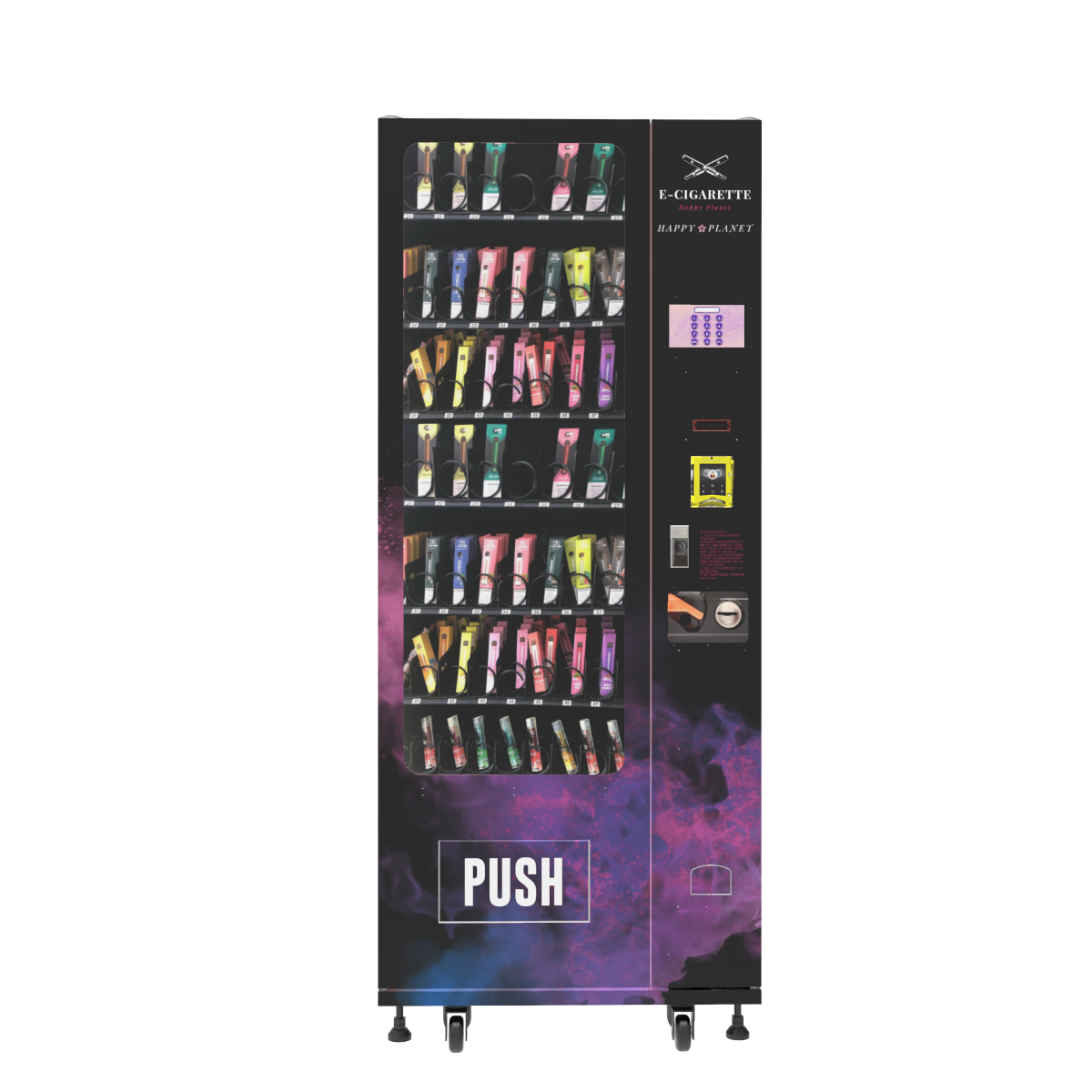
These are lower-traffic but high-value locations. The machine needs to be quiet, reliable, and aesthetically pleasing. A compact unit with a basic ID scan and facial comparison works well. I recommend the Age Verification Vending Machine for these environments because it balances compliance with a sleek design.
Long-Term Maintenance and Operational Strategy
Running a fleet of smart vending machines is not a set-it-and-forget-it business. I’ve been managing machines for over a decade, and the operators who succeed are the ones who treat maintenance as a core activity.
Remote Monitoring and Alerts
Every machine we build includes a remote management system. It alerts us if the scanner is failing, if the temperature inside the machine is off, or if the inventory is low. Without this, you’re flying blind. I’ve seen operators lose thousands of dollars in spoiled product because they didn’t know the cooling system failed.
Regular Calibration of Verification Hardware
The scanner and camera need calibration every six months. Dust, vibration, and temperature changes can affect accuracy. We provide a calibration kit and a step-by-step guide with every machine. In our experience, machines that are calibrated regularly have a 98% first-read success rate. Machines that aren’t calibrated drop to 85% within a year.
Inventory Management
Stocking the right products is as important as compliance. We track sales data from our fleet and share it with operators. For example, in the Midwest, menthol flavors sell 30% more than fruit flavors during winter. In California, it’s the opposite. If you’re not adjusting your inventory based on local trends, you’re leaving money on the table.
What the Data Says About the Market
The market for age-restricted vending is growing, but it’s growing in the direction of stricter compliance. According to a report from IBISWorld, the vending machine industry in the U.S. is projected to grow at 3.5% annually through 2029, with the largest segment being specialty machines that require age verification. In Europe, the trend is similar, with several countries mandating biometric verification for unattended tobacco sales starting in 2025.
Another data point from the Forbes analysis of retail automation shows that unattended retail is expected to account for 15% of all convenience store transactions by 2027. That means more machines in more locations, which also means more regulatory scrutiny. The operators who invest in compliant hardware now will be the ones who dominate the market in five years.
Why I Trust the Hardware We Build
I’ve been in this industry since before smart vending was a term. Our factory has been manufacturing vending machines for over fifteen years, and we’ve learned through trial and error. The machines we build now are the result of thousands of hours of field testing and direct feedback from operators. When I recommend a machine from Zhongda Smart, it’s because I’ve seen it work in the toughest conditions—dive bars, busy airports, and dimly lit lounges.
One thing I’ve learned is that you can’t cut corners on the verification system. The scanner, the camera, the database integration—they all have to work together seamlessly. I’ve seen machines that use separate components from different vendors, and they always have integration issues. Our machines are designed as a single system, which is why they have a 99.2% uptime rate across our entire deployed fleet.
Frequently Asked Questions
What is the most reliable age verification method for vending machines?
How much does a compliant smart vending machine cost?
Can I use a regular vending machine and add an age verification device later?
How long does it take to pay back the investment in a smart vending machine?
What happens if the age verification system fails during a transaction?
Do I need a special license to operate an age-restricted vending machine?
How often do I need to update the software on my vending machine?
What is the most common mistake new operators make?
Final Thoughts on Building a Compliant Vending Business
I’ve seen this industry change from a niche market to a mainstream retail channel. The operators who survive and thrive are the ones who treat age verification as a non-negotiable part of their business model. It’s not about avoiding fines—it’s about building a reputation with location owners and regulators that your machines are trustworthy.
If you’re serious about entering this space, start with the right hardware. Look for a manufacturer that has a track record of compliance and can provide field support. I’ve worked with many suppliers over the years, and the ones that stand out are the ones who understand the operational realities of running a fleet. That’s why I continue to work with Zhongda Smart—because they build machines that work in the real world, not just in a spec sheet.
At the end of the day, a smart vending machine is only as good as its ability to prevent underage sales. Everything else—the profit, the growth, the location deals—flows from that one capability. Get that right, and the rest follows.
Article Sources: