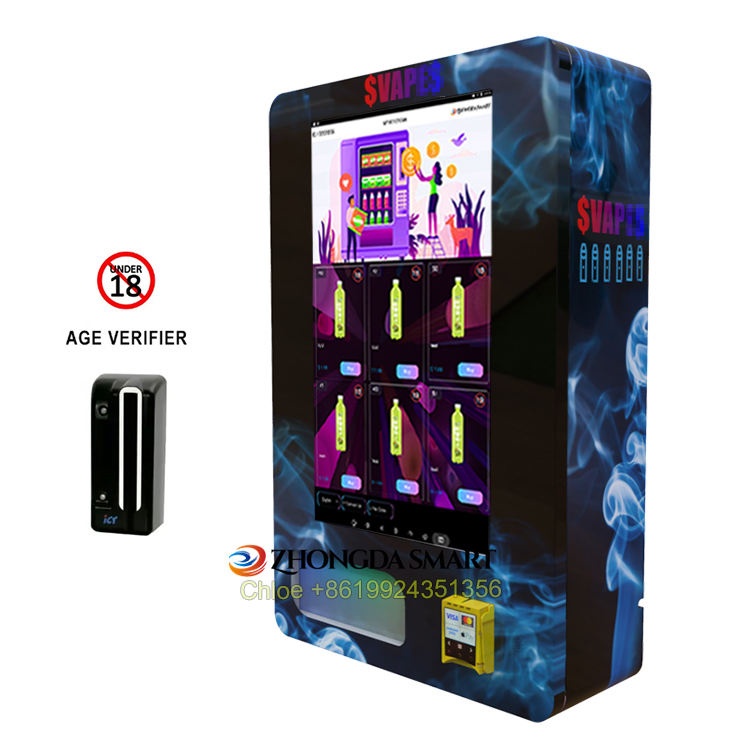
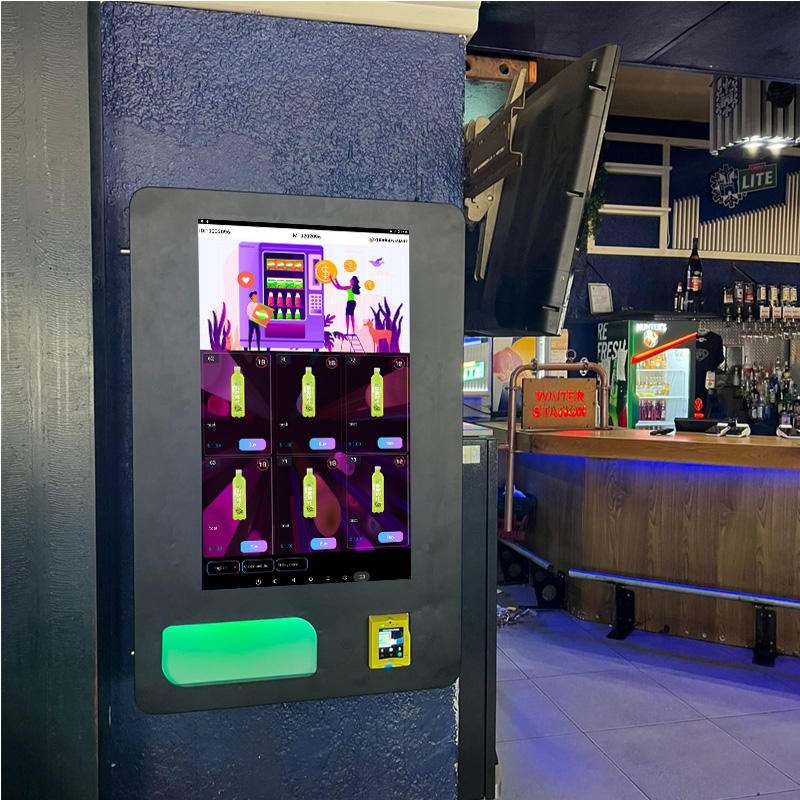
I’ve spent the last decade deploying and operating vending machines across bars, convenience stores, and retail spaces, and I’ve watched the shift from static metal boxes to intelligent retail endpoints. The biggest change I’ve seen is how AI is transforming self-service retail, especially in the vape vending machine sector, where age verification, inventory management, and customer behavior tracking used to be manual headaches. Today, these machines don’t just sell products; they learn from every transaction, adjust pricing in real time, and flag maintenance issues before they cause downtime. If you’re evaluating whether this technology fits your business, the short answer is yes, but the details matter more than the hype.
What Makes AI-Driven Vending Different from Traditional Machines
Traditional vending machines operate on a simple loop: a customer inserts cash or taps a card, makes a selection, and the machine dispenses. There’s no feedback, no data collection, and no adaptation. AI-driven machines, particularly those used for age-restricted products like vapes, operate on a completely different logic. They integrate computer vision, real-time data processing, and predictive algorithms to handle tasks that used to require human oversight.
For example, when we deployed our first AI-enabled units in high-traffic venues, the most immediate difference was how the machine handled age verification. Instead of relying on a clerk or a simple date-entry prompt, the system uses a camera and AI to scan an ID, cross-check the face, and confirm the age in under three seconds. That alone cut down on compliance issues and chargebacks related to underage sales. But the AI doesn’t stop there. It tracks which products sell fastest at different times of day, adjusts the display order on the screen, and even suggests restock priorities based on historical data.
Another layer is predictive maintenance. Traditional machines break down without warning. You find out when a customer complains or when you visit for a routine refill. AI-equipped machines monitor motor current, temperature, and door sensors. If a coil starts drawing more power than usual, the system flags it as a potential jam before it happens. In our fleet, this reduced service calls by roughly 40% in the first year.
These capabilities change the business model. You’re no longer just renting floor space for a box that sells products. You’re operating a data node that improves with every transaction. That’s the real transformation.
The Engineering Reality Behind Smart Vending Hardware
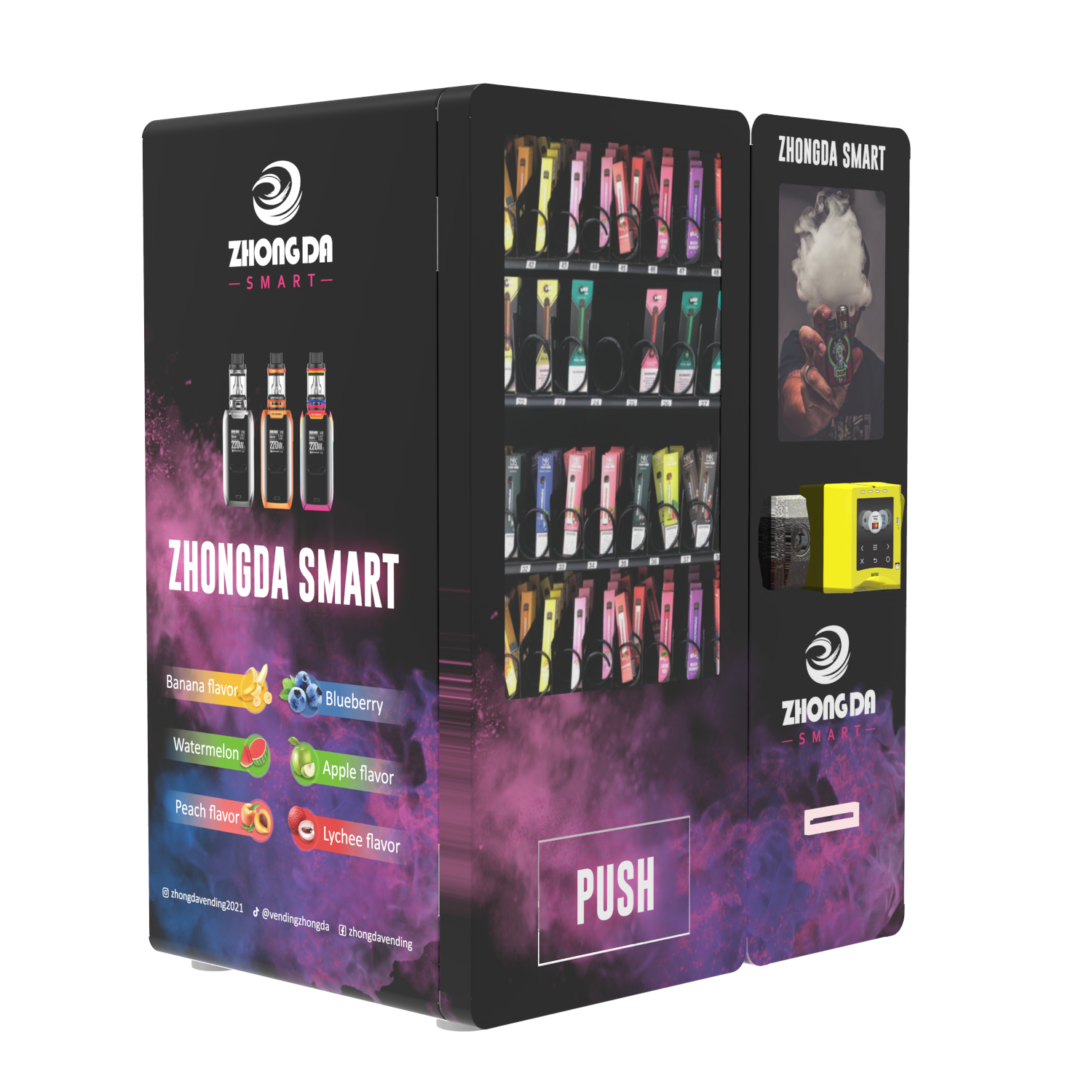
People often ask me what’s actually inside these machines that makes them “smart.” It’s not just a tablet glued to the front. The core architecture includes a central processing unit that runs a lightweight operating system, multiple sensors, a camera module for ID scanning and facial matching, and a cellular or Wi-Fi modem for cloud connectivity. The inventory system uses weight sensors or infrared beams to detect when a product is dispensed, so the machine knows in real time what’s left.
One of the biggest engineering challenges we faced early on was power management. These machines run 24/7, and the camera and processor draw more power than a traditional vending controller. We had to design a power distribution board that could handle peak loads without overheating, especially in outdoor installations where ambient temperature varies. That’s not something you’ll find in a spec sheet from a generic manufacturer. It comes from field experience.
Another detail that matters is the user interface. A touchscreen that lags or crashes will kill your sales, especially if the customer is in a hurry. We tested multiple screen controllers before settling on one that could handle the humidity and vibration common in bar environments. If you’re sourcing equipment, ask the manufacturer about their screen durability testing. If they can’t give you a clear answer, that’s a red flag.
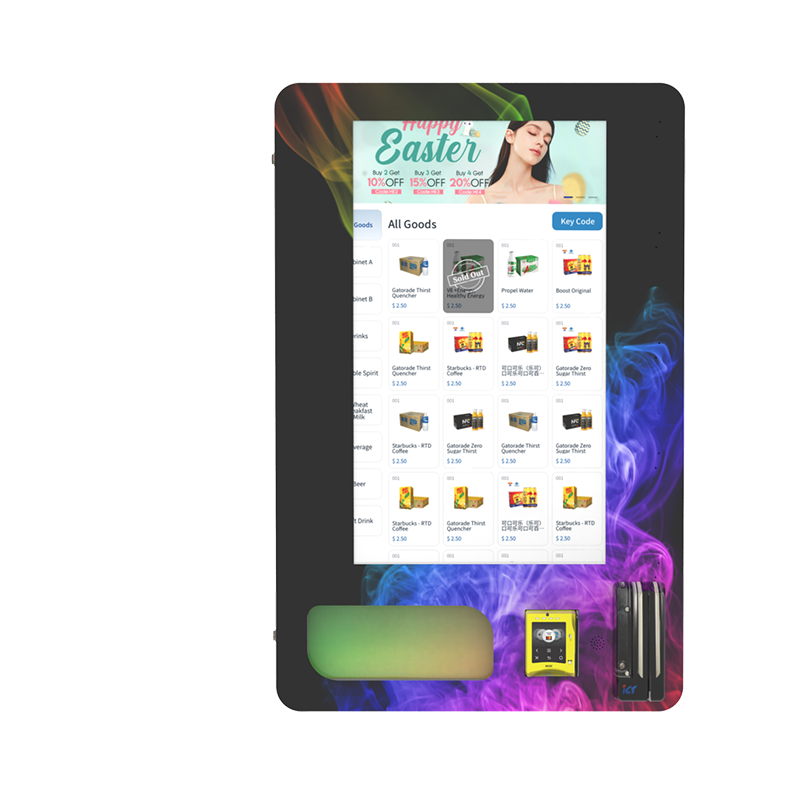
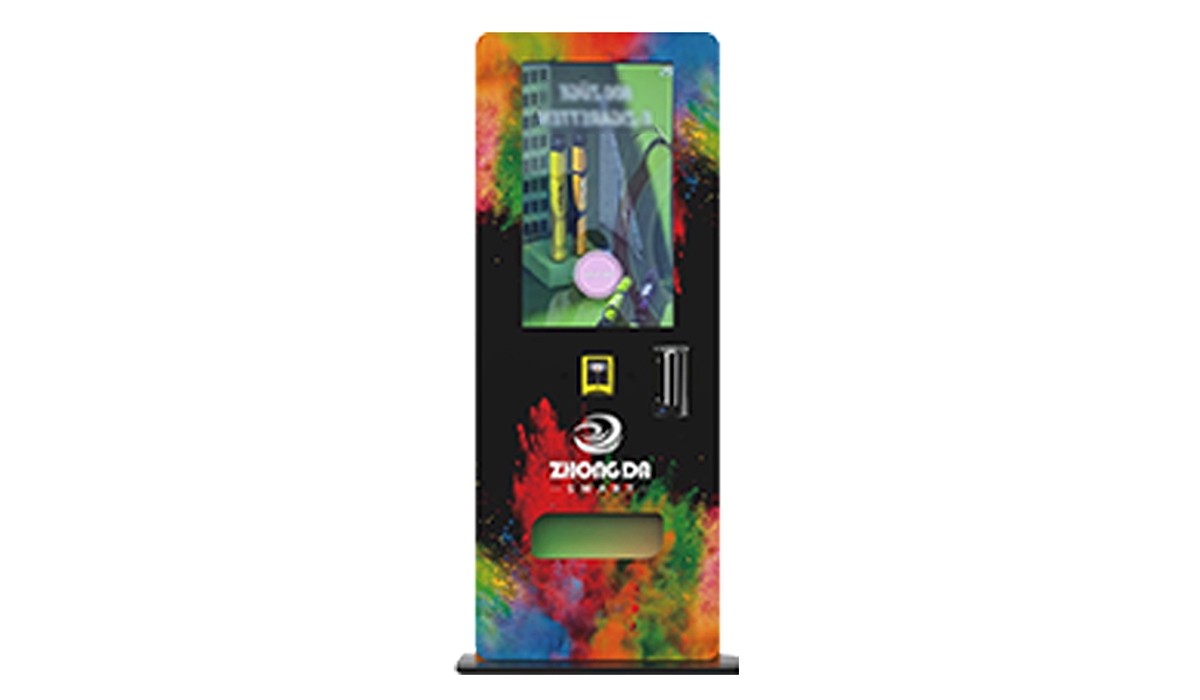
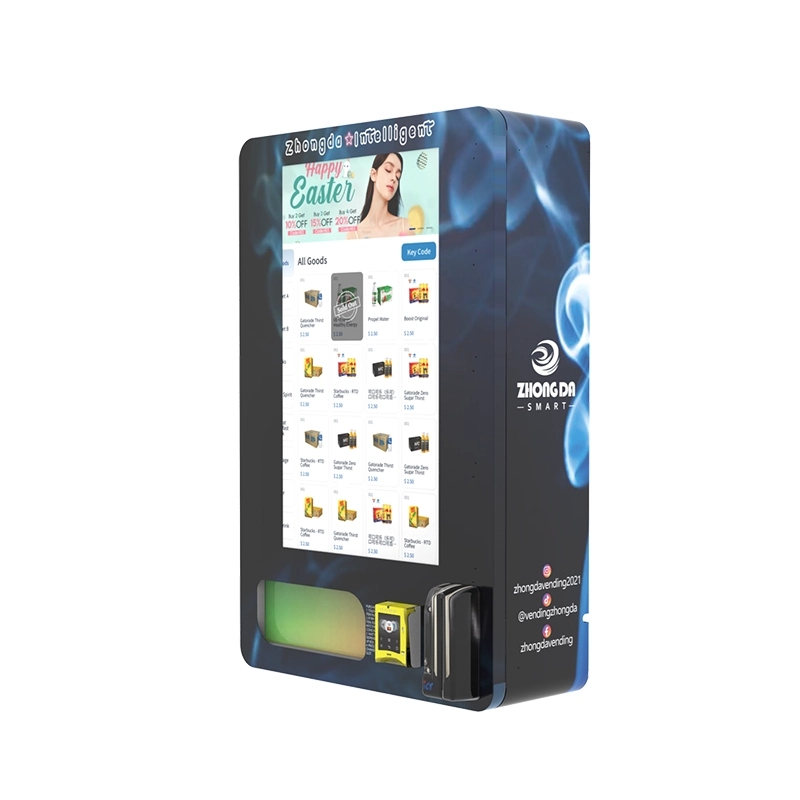
For those looking at specific hardware, wall-mounted compact e-cigarette vending units offer a good balance of footprint and functionality for smaller retail spaces. They integrate the same AI logic but in a form factor that fits tighter locations.
Cost Structure and What You’re Actually Paying For
When someone asks me how much a vape vending machine costs, I always push back and ask what they expect it to do. The price range is wide, and the difference comes down to the level of AI integration and the quality of the hardware.
| Component | Basic Unit | AI-Enabled Unit |
|---|---|---|
| Hardware (cabinet, coils, cooling) | $2,500 - $4,000 | $4,500 - $7,000 |
| AI module (camera, processor, software) | Not included | $1,500 - $3,000 |
| Installation and setup | $300 - $600 | $500 - $1,000 |
| Annual software subscription | $0 (no cloud features) | $600 - $1,200 |
| Average total first-year cost | $3,000 - $5,000 | $7,000 - $12,000 |
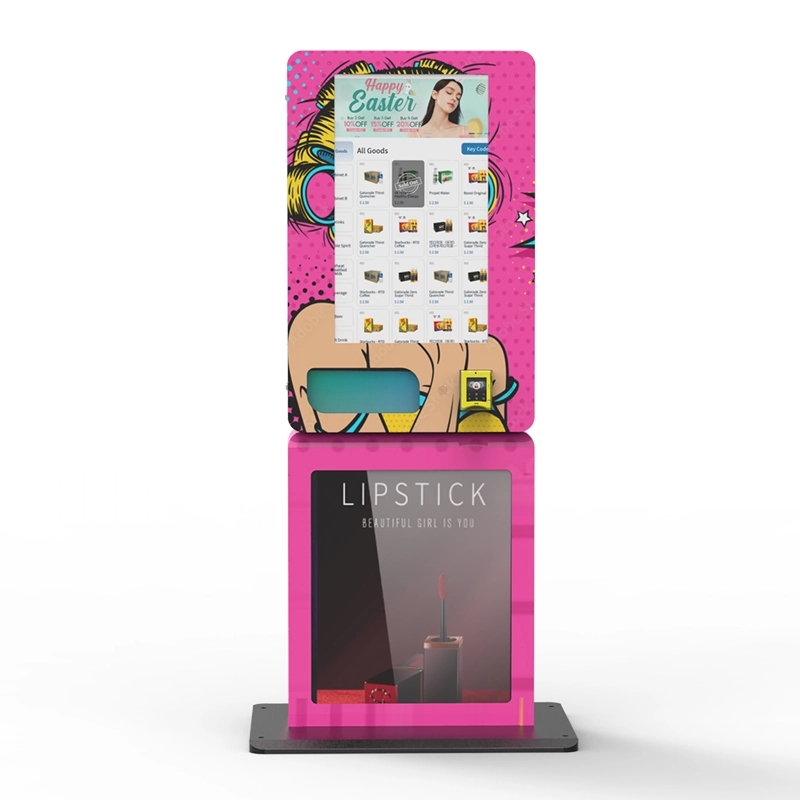
The upfront cost difference is real, but the operational savings and revenue uplift from AI features often offset it within 12 to 18 months. For example, a basic unit might require weekly visits for restocking and troubleshooting. An AI unit can extend that to every 10 days because it optimizes inventory based on actual sales patterns, not guesswork.
There are also hidden costs that many first-time buyers miss. Payment processing fees for vending machines are higher than standard retail because of chargeback risk, especially for age-restricted products. You’ll also need a reliable internet connection. If the machine loses connectivity, the AI features won’t work, and you might have to fall back to manual operation. I’ve seen operators install units in basements or concrete-walled spaces without checking signal strength first. That mistake costs time and money.
Revenue Models and Profitability Breakdown
Profitability in AI-driven vending isn’t just about selling more units. It’s about selling the right units at the right price. The AI can adjust pricing dynamically based on demand, time of day, or even local events. If a concert lets out nearby, the machine can raise prices on high-demand items automatically. That’s not price gouging; it’s basic supply and demand, executed in real time.
In our experience, a well-placed AI vending machine for vapes generates between $800 and $2,500 in monthly revenue, depending on location and product mix. The gross margin on vape products typically ranges from 40% to 60%, which is higher than snacks or beverages. After deducting restocking labor, payment processing fees, and the software subscription, net profit lands between $300 and $1,200 per machine per month.
Here’s a realistic ROI projection based on our fleet data:
| Metric | Basic Machine | AI-Enabled Machine |
|---|---|---|
| Monthly revenue (average) | $700 | $1,400 |
| COGS (product cost) | $350 | $630 |
| Operating costs (labor, fees, connectivity) | $200 | $280 |
| Net monthly profit | $150 | $490 |
| Payback period (first-year costs) | 20-30 months | 14-20 months |
These numbers assume consistent foot traffic and proper maintenance. If you place a machine in a dead zone, no amount of AI will save it. But in the right location, the AI unit pays for itself faster and generates more lifetime value.
Real Deployment Stories and Lessons Learned
I want to share a specific deployment that taught me a lot about what works and what doesn’t. We placed an AI vending machine in a mid-sized bar in a college town. The location had good foot traffic, mostly young adults. The machine was set up with ID scanning and facial matching. For the first two months, sales were decent, around $900 per month. Then we noticed a drop. The AI data showed that the machine was rejecting a high percentage of IDs after 11 PM. We dug into the logs and realized the camera was struggling with low light conditions. The bar’s lighting was dim, and the AI was failing to get a clear scan. We added an external LED strip to the machine, and the rejection rate dropped from 30% to under 5% within a week. That kind of fix only comes from monitoring real data.
Another lesson came from a convenience store deployment. The owner wanted the machine near the entrance, but the AI system kept flagging errors because sunlight was hitting the camera directly. We had to reposition the unit and add a polarized filter. If we hadn’t caught that early, the machine would have been unusable during peak afternoon hours.
These examples highlight why you need a partner who understands deployment realities, not just hardware specs. ID scan vending machines are particularly sensitive to environmental conditions, and proper installation is critical to performance.
On the operations side, one of the biggest wins from AI is restocking efficiency. Before AI, we used to send drivers on fixed schedules. Now, the system alerts us when a bin is low or when a product hasn’t sold in three days. That lets us consolidate trips and reduce labor cost by about 25%. For a fleet of 50 machines, that adds up to significant savings annually.
Risk Factors and Common Failures in AI Vending
Not every deployment succeeds. I’ve seen machines pulled from locations within three months because the operator didn’t account for real-world variables. Here are the most common failure points:
- Over-reliance on AI without human backup. If the cloud connection drops, some machines become completely non-functional. Always ensure the machine has a fallback mode, even if it’s just a basic cash sale.
- Poor location selection. AI can’t create foot traffic. If you place a machine in a low-traffic area, it will fail regardless of how smart it is. Do your own traffic counts before signing a placement agreement.
- Ignoring maintenance alerts. The AI will tell you when something is wrong. If you ignore those alerts, you’ll end up with a dead machine and a frustrated host location.
- Underestimating software costs. The subscription fees for cloud services, updates, and data storage can eat into margins if you don’t factor them into your pricing model.
- Compliance gaps. Age verification laws vary. Some states require biometric verification, others accept simple ID scanning. Make sure your machine’s AI is configured for the specific regulations in your operating area.
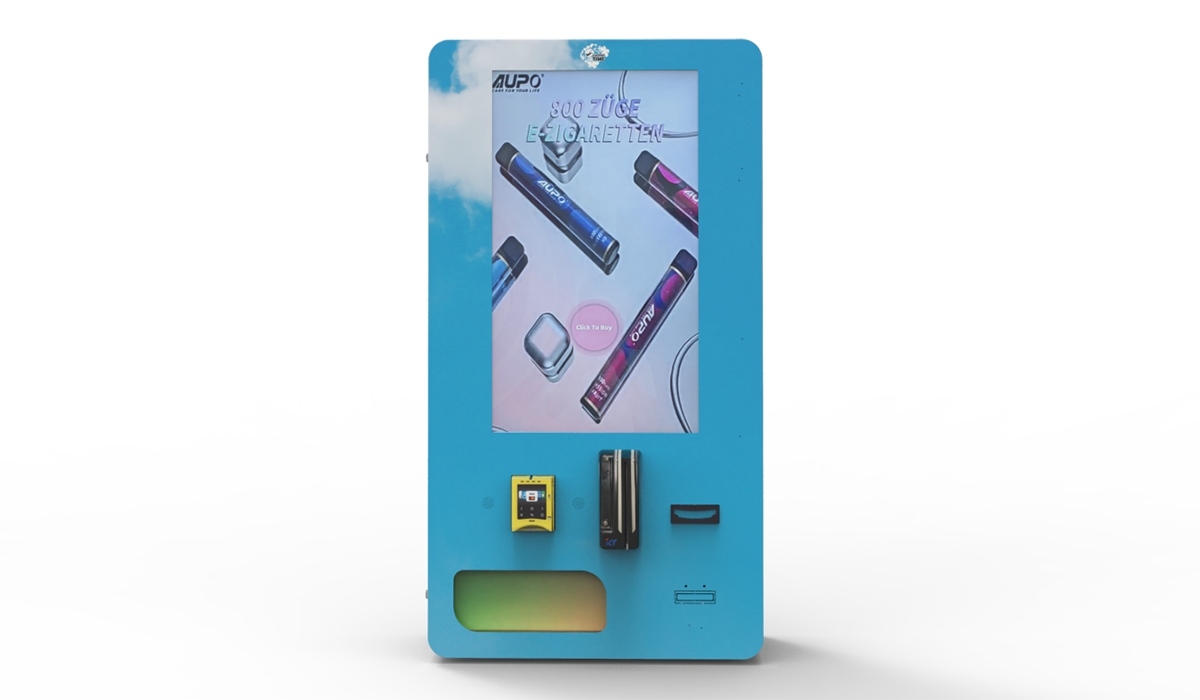
One failure I recall involved an operator who bought a cheap AI machine from an overseas supplier without testing it. The camera resolution was too low to scan IDs reliably, and the software had no update path. Within six months, the machine was obsolete. He ended up replacing the entire unit. That’s why I always recommend buying from a manufacturer with a track record in the vending space. Age verification vending machines from established suppliers come with ongoing support and firmware updates, which is critical for long-term viability.
How to Choose the Right AI Vending Machine for Your Business
If you’re in the market for an AI-driven vending machine, here’s what I look for when evaluating equipment:
- Camera and sensor quality. Test the ID scan speed in different lighting conditions. A machine that takes more than five seconds to verify will frustrate customers.
- Software ecosystem. Can you access real-time sales data remotely? Does the software update automatically? Can you adjust pricing from your phone?
- Build quality. Look at the door hinges, the locking mechanism, and the cooling system. These are the parts that fail first in high-use environments.
- Serviceability. Can you replace a sensor or a motor yourself, or do you have to ship the unit back? Machines with modular components are easier to maintain.
I’ve worked with several manufacturers over the years, and one that consistently delivers reliable hardware and solid AI integration is Zhongda Smart. Their machines are built with field service in mind, and their software platform gives operators full visibility into every unit. If you want to see what a well-engineered AI vending machine looks like, check their compliant e-cigarette vending machine lineup.
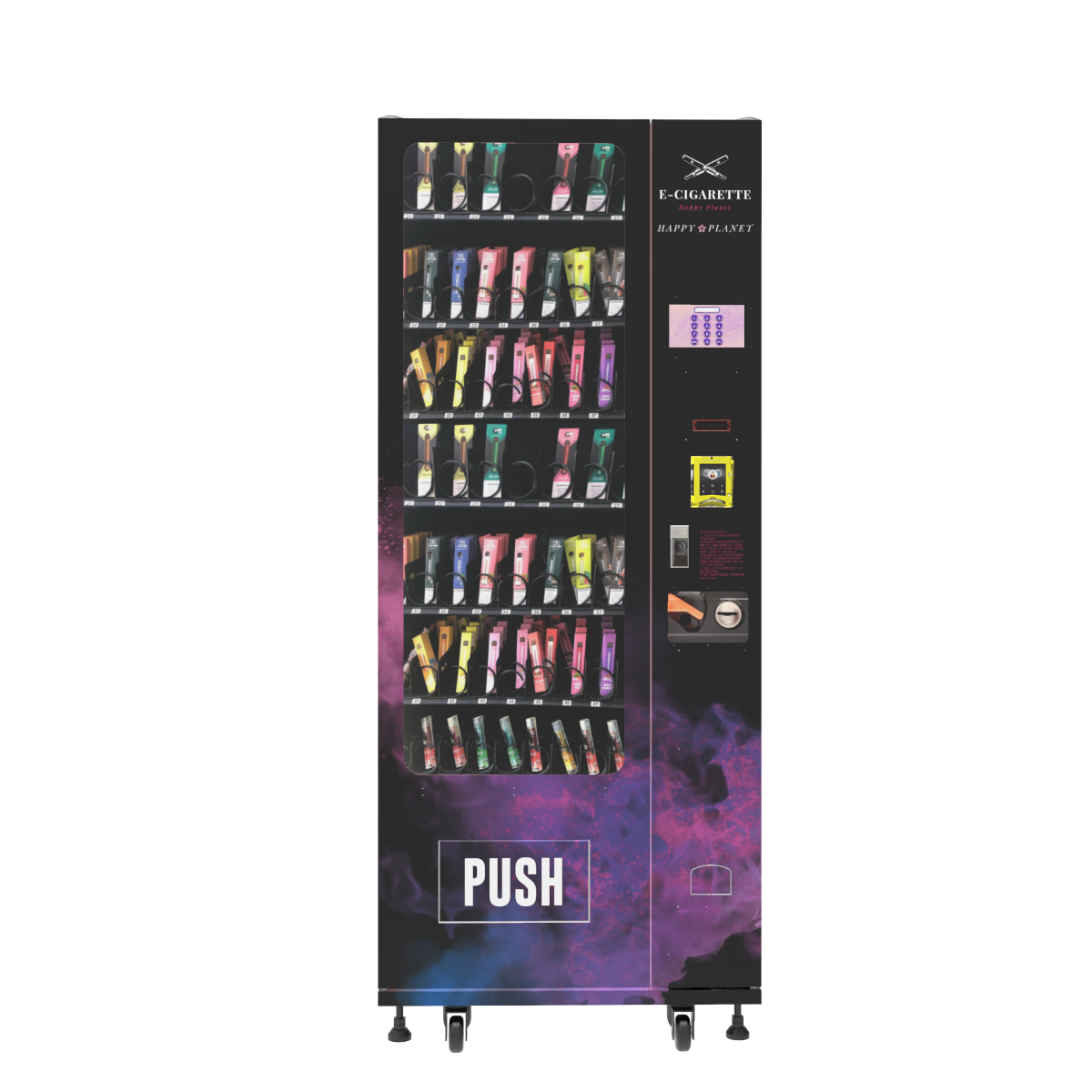
For operators who want to start small, the wall-mounted options are a good entry point. They’re cheaper, easier to install, and still include the core AI features. For high-volume locations, a full-size unit with multiple trays and a larger screen will generate more revenue but requires more capital upfront.
Long-Term Maintenance and Operational Strategy
Owning an AI vending machine isn’t a set-it-and-forget-it business. The technology requires ongoing attention. Here’s what a typical maintenance schedule looks like for our fleet:
- Weekly: Remote check of sales data, inventory levels, and error logs. Clean the touchscreen and camera lens.
- Monthly: Physical inspection of the cooling system, door seals, and payment terminal. Test the ID scanner with a known valid ID.
- Quarterly: Firmware update check. Replace any worn components like motors or sensors. Review placement agreement with the host location.
One operational insight I’ll share: don’t overstock slow-moving products. The AI will tell you which items are dead weight. Remove them and replace with higher-margin alternatives. We’ve seen machines increase revenue by 15% just by optimizing the product mix based on AI recommendations.
Another strategy is to rotate locations periodically. A machine that performs well for two years might see a decline as foot traffic patterns change. The AI data will show you the trend before it becomes a problem. Use that information to negotiate better placement terms or move the machine to a new location.
For those scaling a fleet, consider a centralized monitoring dashboard. High-capacity vape vending machines with cloud connectivity allow you to manage dozens of units from a single interface. That’s how you turn a collection of machines into a real business.
Frequently Asked Questions
Do I need a special license to operate an AI vending machine for vapes?
Can the AI system handle different types of ID formats?
What happens if the internet goes down?
How long does it take to recoup the investment in an AI vending machine?
Can I use the same machine for both vapes and other products?
What is the most common maintenance issue with AI vending machines?
Do I need a contract with the location owner?
How often should I update the product selection?
Meta Description: AI is transforming self-service retail by enabling smarter vape vending machines with real-time age verification, dynamic pricing, and predictive maintenance. Learn how to choose, deploy, and profit from AI-driven vending equipment.
Sources: