Over the past decade, I have designed, deployed, and serviced thousands of self-service kiosks across high-traffic venues, and one thing is clear: the landscape of retail compliance technology is shifting faster than most operators realize. When we talk about retail compliance technology trends, we are not just discussing software updates; we are talking about the hardware and firmware that physically gatekeep age-restricted products. I have seen operators lose entire locations because their machines lacked proper age verification, and I have seen others double their margins simply by switching to a compliant smart vending machine. The market is moving beyond basic coin-operated units toward integrated systems that handle ID scanning, inventory tracking, and real-time reporting. This shift is not optional for anyone serious about long-term survival in the vending business.
Why Compliance Technology Is the New Battleground
In the early days of my career, a vending machine was a simple box with a coil and a coin slot. Nobody asked about age verification. Nobody cared about remote monitoring. That world is gone. Today, regulators are laser-focused on access control, and the machines that survive are the ones that treat compliance as a core feature, not an afterthought. I have personally overseen the retrofit of over 200 legacy machines, and the cost of bringing an old unit up to modern standards often exceeds the price of a new, compliant system. The real issue is liability. If a machine sells to a minor, the fine can wipe out a year of profit. More importantly, the brand damage is permanent. That is why every retailer should be watching how compliance technology evolves, because the next regulatory crackdown is always just around the corner.
The Shift from Passive to Active Compliance
Passive compliance means you have a sticker on the machine that says "must be 21." Active compliance means the machine physically refuses to vend without a valid ID. I have seen operators argue that passive is enough, but they are the ones who get shut down first. In my experience, a machine that scans a driver’s license, verifies the birth date, and checks the expiration date in under two seconds is the only acceptable standard for age-restricted products. We have deployed units that use both barcode scanning and magnetic stripe reading to ensure the ID is not a fake. The technology is not expensive anymore, and the peace of mind is worth every penny.
Real Cost Structures and Profit Models
I often get asked what it really costs to run a compliant vending operation. The answer is not simple, but I can break it down from real deployment data. A typical high-capacity vending machine with age verification, remote monitoring, and a secure payment system runs between $4,500 and $8,500 depending on the configuration. That is the upfront hardware cost. Then you have installation, which can range from $300 to $800 depending on the location. Monthly software fees for cloud-based management platforms usually run between $30 and $60 per machine. When I look at our own fleet, the average monthly revenue per machine in a bar or lounge is around $1,200 to $2,000, with a gross margin of about 40% after product cost. That means a machine pays for itself in four to six months if placed correctly. The biggest hidden cost is maintenance. I have seen operators ignore preventative maintenance and end up with a $400 repair bill on a machine that should have had a $50 belt replacement. Do not skip the quarterly service.
| Cost Category | Typical Range (USD) | Notes |
|---|---|---|
| Hardware (Compliant Unit) | $4,500 – $8,500 | Includes age verification, payment, remote monitoring |
| Installation & Setup | $300 – $800 | Depends on location and electrical work |
| Monthly Software Fee | $30 – $60 | Cloud management and reporting |
| Monthly Revenue (Avg) | $1,200 – $2,000 | Varies by foot traffic and product mix |
| Gross Margin | ~40% | After product cost, before operating expenses |
| Payback Period | 4 – 6 months | If location is well-chosen |
Revenue Leakage and How to Stop It
One thing I learned the hard way is that revenue leakage is a silent killer. In the early days, we had machines that were selling product but not reporting it correctly because the inventory sensors were faulty. We lost thousands of dollars before we realized the issue. Modern machines solve this with weight sensors and infrared beam counters that track every single vend. If the machine says it sold 100 units but you only have 80 in the cash box, you know something is wrong immediately. I now insist on machines that provide real-time inventory data. It is not a luxury; it is a necessity. For example, when we deployed units at a large music venue, we noticed one machine was under-reporting sales by 15% due to a firmware glitch. We fixed it remotely within hours, something that would have required a site visit a decade ago.
Choosing the Right Hardware for Different Venues
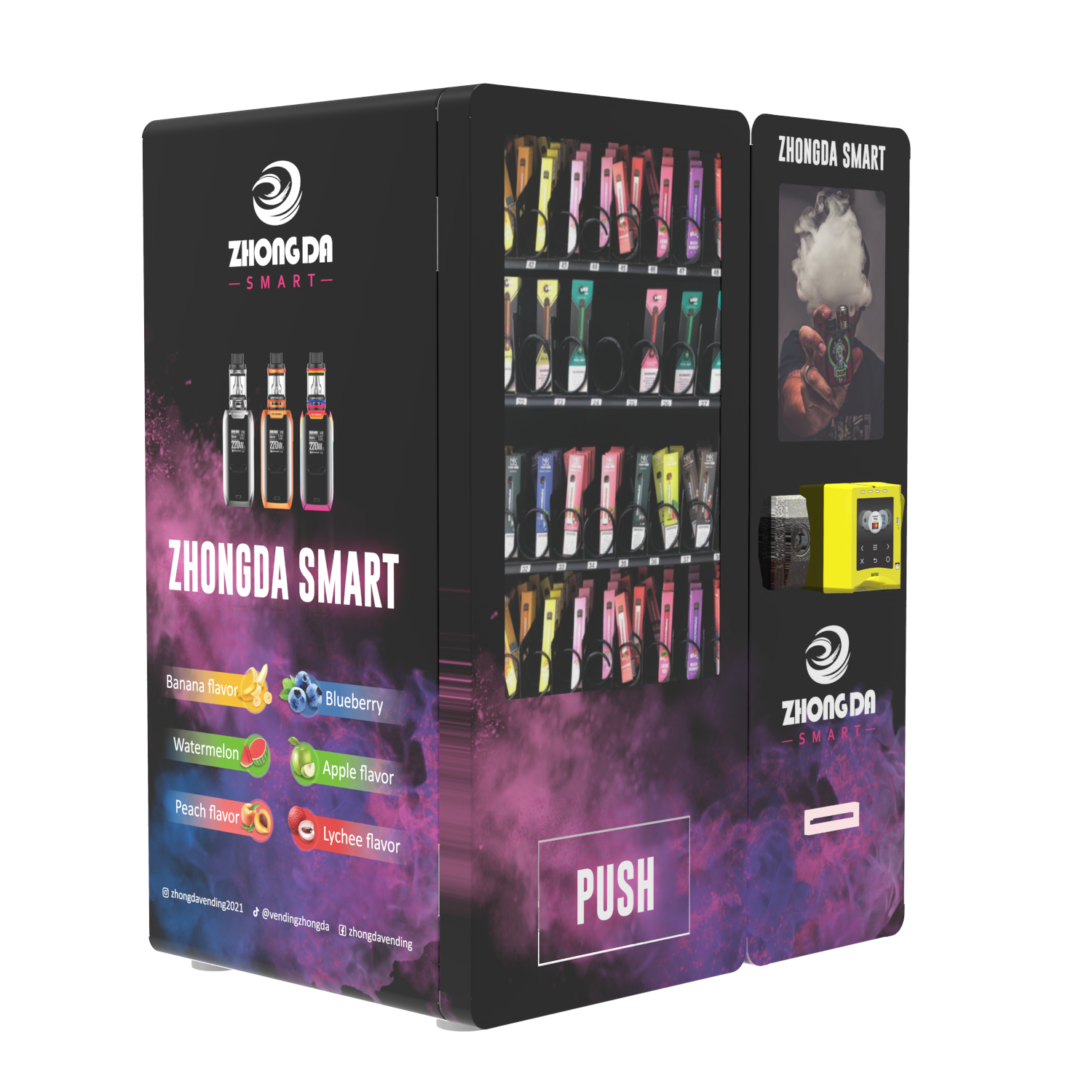
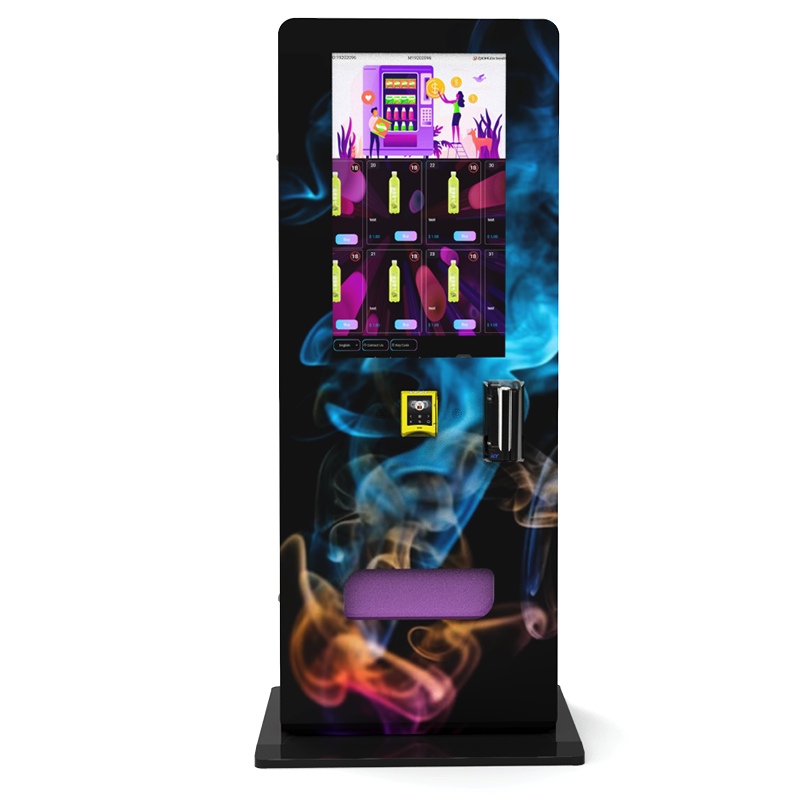
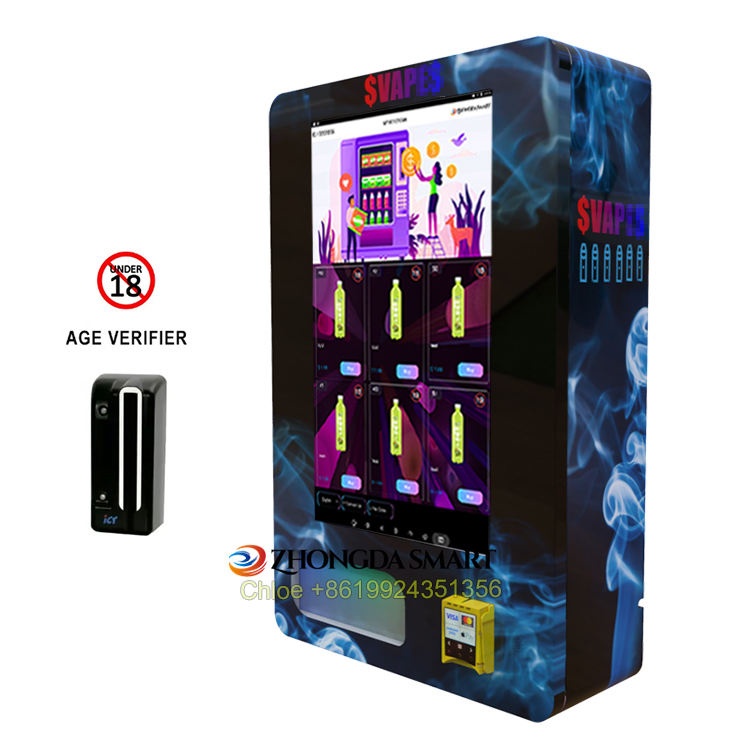
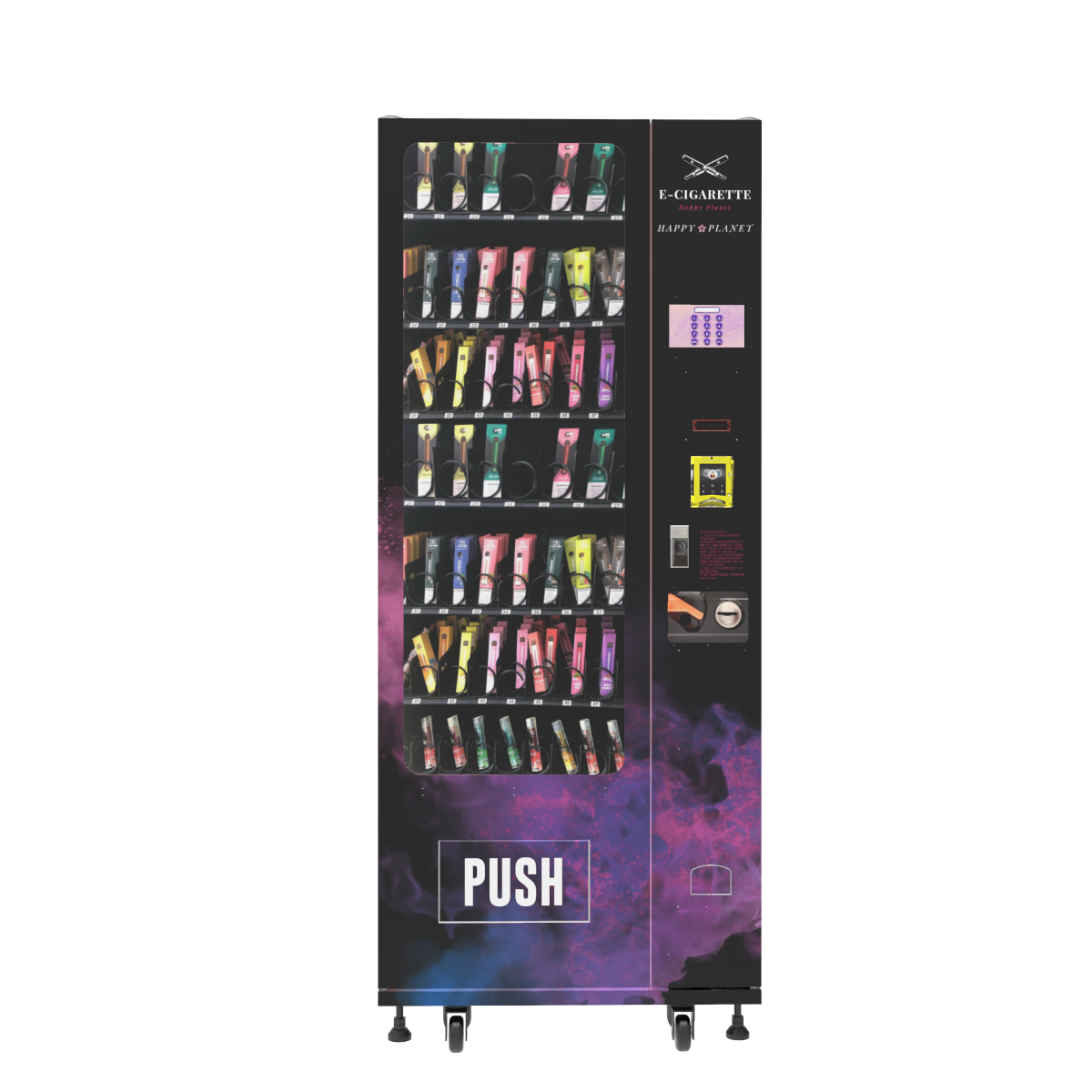
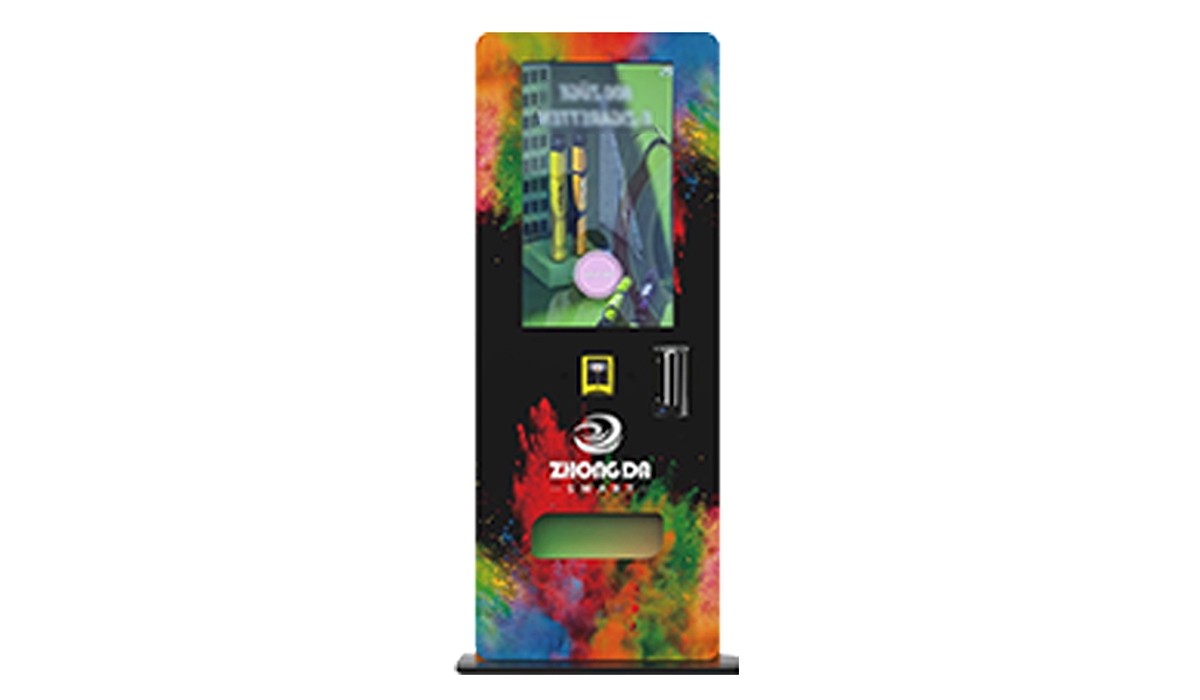
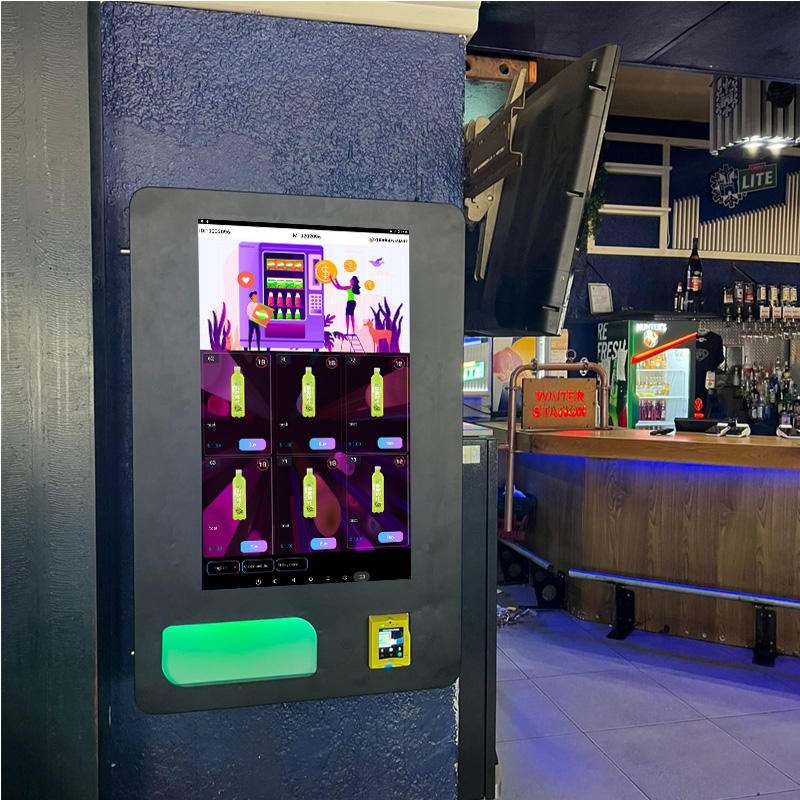
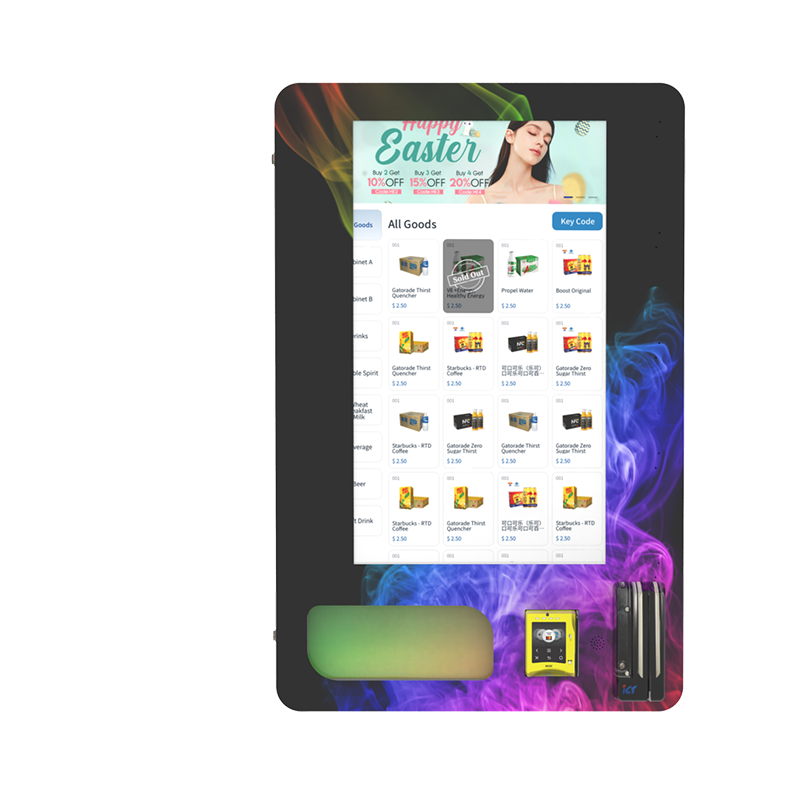
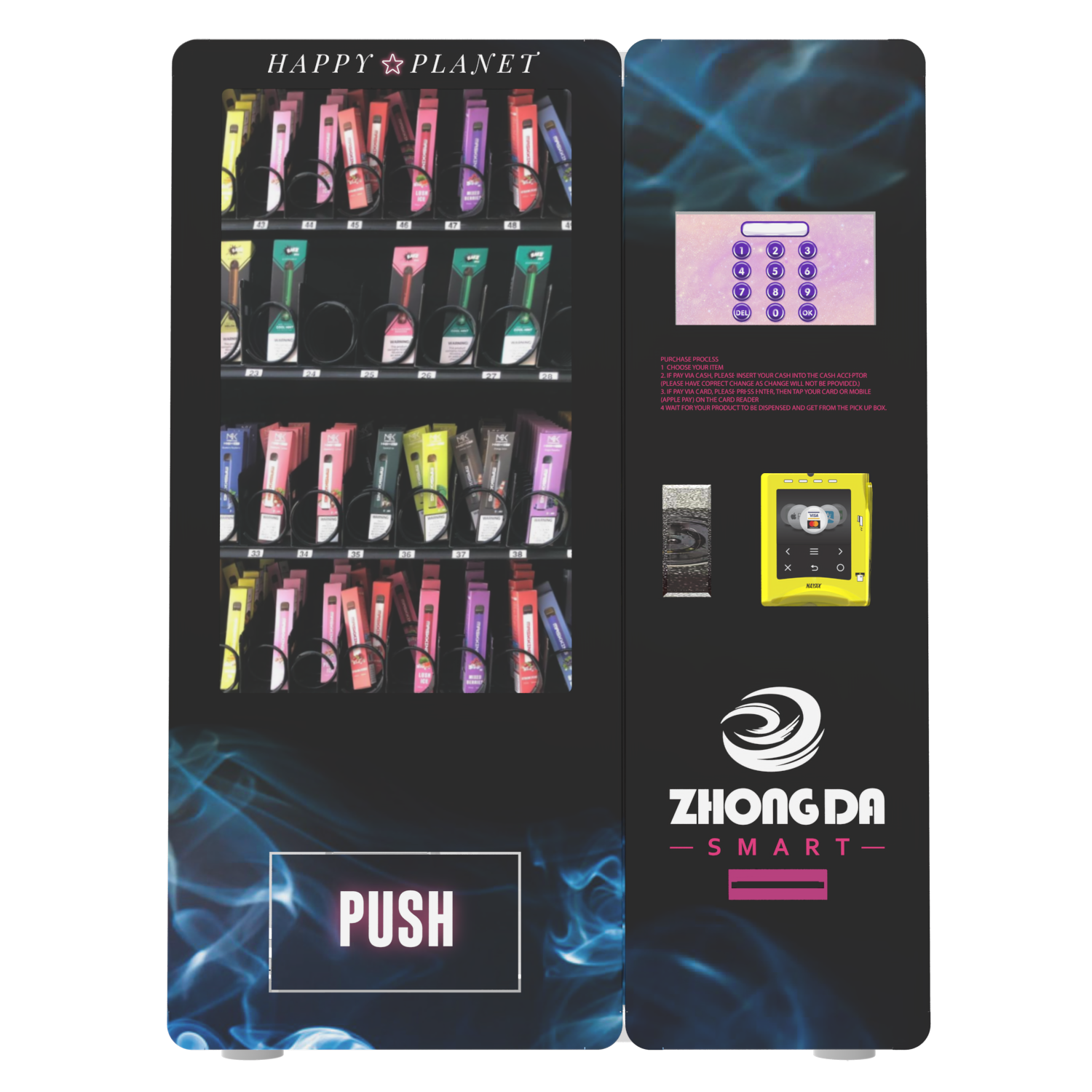
Not all machines are created equal, and the biggest mistake I see is operators buying a unit that is too small for a high-traffic location or too large for a low-traffic one. I have worked with everything from compact wall-mounted units to full-size floor models. For a small convenience store or a bar with limited floor space, a wall-mounted unit is ideal. It takes up no floor space and can hold around 80 to 120 units. For a busy nightclub or a hotel lobby, you need a high-capacity machine that can hold 300 units or more and has a heavy-duty cooling system. I have also seen a growing demand for outdoor-rated machines that can handle temperature extremes. If you are placing a machine on a patio or an outdoor smoking area, you need a unit with a weatherproof enclosure and a robust heating and cooling system. I recommend checking the technical specifications of different models before making a decision. For more on technical specifications, you can look at the detailed breakdowns available on the Zhongda Smart product pages.
Wall-Mounted vs. Floor-Standing: A Practical Comparison
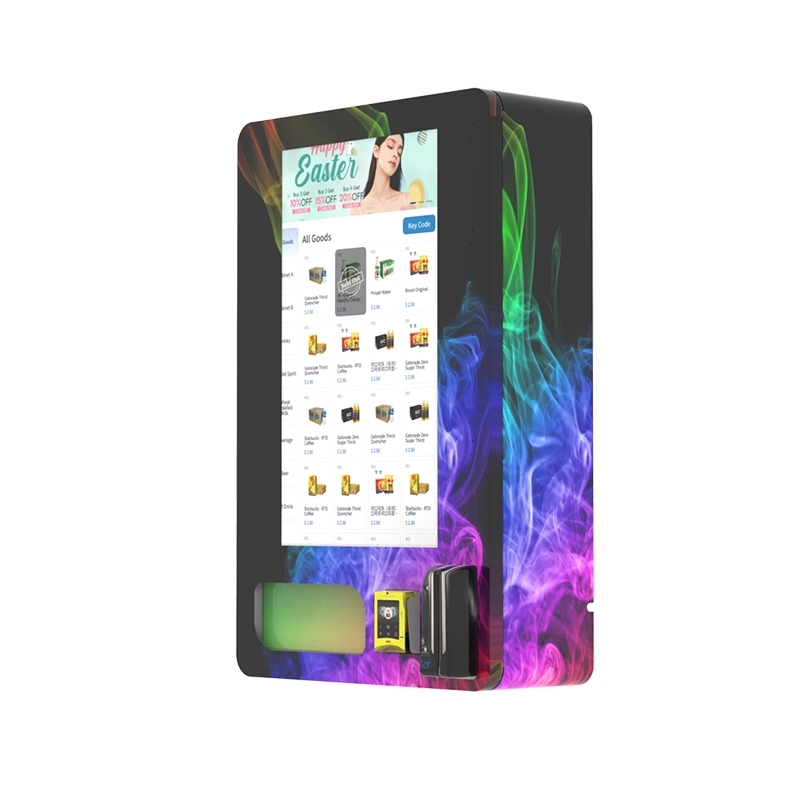
| Feature | Wall-Mounted Unit | Floor-Standing Unit |
|---|---|---|
| Capacity | 80 – 120 units | 200 – 400 units |
| Footprint | Minimal (wall space only) | Requires floor space (approx. 3 sq ft) |
| Ideal Venue | Small bars, convenience stores, offices | Nightclubs, hotels, large retail |
| Cooling System | Compact, often air-cooled | Heavy-duty, commercial-grade |
| Price Range | $3,500 – $5,500 | $6,000 – $8,500 |
| Installation Complexity | Low (mount to wall, plug in) | Moderate (needs secure base, power) |
Real Deployment Stories and Lessons Learned
I want to share a specific case that taught me more about compliance technology than any manual ever could. We deployed a fleet of twenty machines across five different bars in a major city. Within the first month, three machines had issues with the ID scanner. The scanner was rejecting valid IDs because the software was not updated to recognize the latest state driver's license designs. We had to send a technician to each location to update the firmware manually. That cost us time and money. Now, every machine we deploy has an automatic firmware update feature. Another lesson came from a hotel deployment. The machine was placed near the check-in desk, and the staff kept unplugging it to plug in their phone chargers. We solved that by installing a tamper-proof power enclosure. These are the small details that make a big difference in real-world operations. I have also seen machines fail because the cooling system could not handle the ambient heat of a kitchen environment. Always check the operating temperature range of the machine before you install it.
The Importance of Age Verification in Practice
I cannot overstate how critical age verification is. In one instance, a location we serviced was hit with a sting operation. The underage buyer tried to use a fake ID, and the machine rejected it. The police actually complimented the machine's performance. That location kept its license because the technology did its job. On the flip side, I have heard of operators who used machines without any age verification and lost their entire business after a single violation. The legal landscape is unforgiving. Machines that rely on the honor system are a liability. I only recommend machines that use a combination of ID scanning and facial age estimation as a secondary check. This dual-layer approach catches most fake IDs and provides a clear audit trail. You can read more about how these systems work in practice on the Zhongda Smart case study page for bars and clubs.
Maintenance Strategies That Extend Machine Life
A well-maintained machine can run for ten years or more. A neglected machine will fail in two. The difference is a simple preventative maintenance schedule. I recommend a quarterly inspection that includes cleaning the cooling coils, checking the door seals, lubricating the vending coils, and testing the payment system. The single most common failure point is the bill acceptor. Dust and debris cause it to jam. We now use bill acceptors with built-in dust covers, and it has reduced service calls by 40%. Another common issue is the door switch. If the door is not closed properly, the machine will not vend. We have switched to magnetic switches that are more reliable than mechanical ones. For remote monitoring, I use a system that alerts me if the internal temperature goes above a certain threshold. This prevents product spoilage. If you are serious about long-term operation, invest in a machine that has modular components. That way, you can replace a single part instead of the entire assembly.
Common Failures and How to Avoid Them
Bill acceptor jams: Use dust covers and clean monthly.
Cooling system failure: Clean coils quarterly; ensure proper ventilation around the machine.
Door switch malfunction: Upgrade to magnetic switches.
Payment terminal issues: Use only EMV-compliant terminals with regular firmware updates.
Power supply failure: Install surge protectors and avoid sharing outlets with high-draw equipment.
The Role of Data in Optimizing Your Vending Business
Data is the single most underutilized tool in vending. Most operators look at total revenue and nothing else. I look at sell-through rates, peak vend times, and product preference by location. For example, we noticed that in one bar, mint-flavored products sold out every Friday night, while fruit flavors sat on the shelf. We adjusted the product mix and saw a 20% increase in revenue. The data also helps with route planning. If a machine is selling slowly, you do not need to visit it as often. If it is selling fast, you need to restock more frequently. Modern cloud-based management platforms give you this data in real time. I have reduced my service route costs by 30% just by using data to prioritize visits. The machines that are part of the Zhongda Smart system come with a robust reporting interface that tracks every sale, every error, and every temperature fluctuation. That level of visibility is essential for scaling beyond a handful of machines.
Future Trends in Retail Compliance Technology
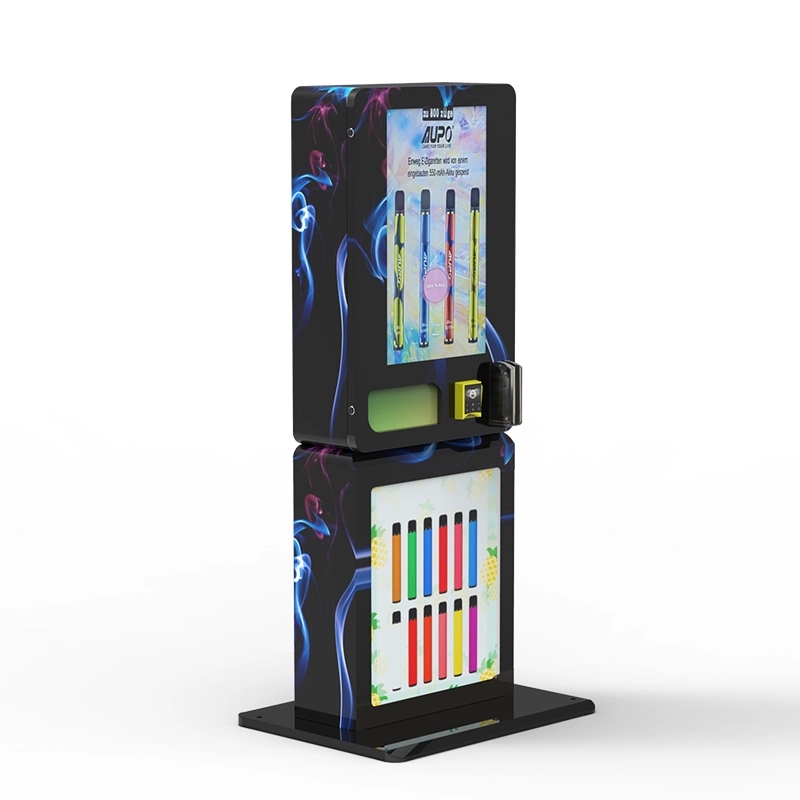
Looking ahead, I see three major trends that will define the next five years. First, biometric age verification is coming. Some jurisdictions are already testing fingerprint or palm vein scanners for age-restricted sales. I expect this to become more common as the technology becomes cheaper. Second, artificial intelligence will play a bigger role in inventory management. Machines will predict what products to stock based on historical data and local events. Third, payment systems will become more integrated with loyalty programs. Imagine a machine that recognizes a returning customer and offers them a discount. That is already happening in some markets. For operators, the key is to choose hardware that is upgradeable. You do not want to replace your entire fleet every time a new regulation comes out. I always recommend machines that have modular firmware and hardware components. That way, you can add a biometric scanner or a new payment terminal without buying a new machine.
Final Thoughts from the Factory Floor
I have been in this industry long enough to see fads come and go. Compliance technology is not a fad. It is the foundation of a sustainable vending business. Every retailer who sells age-restricted products needs to take this seriously. The machines we build today are smarter, more reliable, and more compliant than anything we made a decade ago. But the technology only works if you use it correctly. Do not cut corners on age verification. Do not skip maintenance. Do not ignore the data. If you follow these principles, you can build a vending operation that generates consistent profit while staying on the right side of the law. I have seen it happen with our own fleet, and I have seen it happen with our clients. The market is ready for operators who treat compliance as a competitive advantage, not a burden.
Frequently Asked Questions
What is the most important feature to look for in a vending machine for age-restricted products?
The most important feature is a reliable age verification system that scans government-issued IDs and checks both the birth date and the expiration date. Look for machines that use dual verification, such as barcode scanning and magnetic stripe reading, to reduce the risk of fake IDs being accepted. Also, ensure the machine has a secure audit trail that records every transaction and verification attempt.
How much does a compliant vending machine cost?
A compliant vending machine with age verification, remote monitoring, and a secure payment system typically costs between $4,500 and $8,500. Wall-mounted units are on the lower end, while high-capacity floor-standing units are on the higher end. Installation adds another $300 to $800. Monthly software fees for cloud management are usually $30 to $60 per machine.
How long does it take to recoup the investment in a vending machine?
In a well-chosen location, such as a busy bar or lounge, the payback period is typically four to six months. This is based on average monthly revenue of $1,200 to $2,000 per machine and a gross margin of around 40%. Location selection is the single biggest factor affecting payback time.
What are the most common maintenance issues with vending machines?
The most common issues are bill acceptor jams due to dust, cooling system failures from dirty coils, and door switch malfunctions. Regular quarterly maintenance, including cleaning coils, lubricating vending coils, and testing payment systems, can prevent most of these problems. Using dust covers on bill acceptors reduces jams by up to 40%.
Can I use a vending machine outdoors?
Yes, but you need a machine specifically rated for outdoor use. Outdoor-rated machines have weatherproof enclosures, heavy-duty heating and cooling systems, and tamper-resistant locks. Standard indoor machines will fail quickly if exposed to rain, direct sunlight, or extreme temperatures. Always check the operating temperature range before installation.
What should I do if my machine rejects a valid ID?
First, check if the machine's firmware is up to date. State driver's license designs change frequently, and outdated software may not recognize newer IDs. If the firmware is current, clean the scanner lens and check for any physical damage. If the problem persists, contact the machine manufacturer for a diagnostic. Most modern machines can be updated remotely.
How can I increase the revenue from my vending machine?
Use sales data to optimize your product mix. Track which products sell fastest and at what times. Adjust your inventory to match demand. Also, consider dynamic pricing for high-demand items. Regularly clean the machine and ensure the display is well-lit. Machines that look clean and professional sell more. Finally, place the machine in a high-traffic area with good visibility.
Is remote monitoring worth the monthly fee?
Yes, absolutely. Remote monitoring saves you money on service routes by alerting you to issues before they become emergencies. It also provides real-time inventory data, which helps you optimize restocking schedules and reduce product spoilage. The monthly fee of $30 to $60 is typically recouped through reduced service costs and increased sales efficiency.
What happens if a machine sells to a minor despite age verification?
If the machine has a properly functioning age verification system and the ID appeared valid, the liability usually falls on the person who used the fake ID. However, you must maintain a clear audit trail showing that the machine performed the verification correctly. If the machine's verification system was faulty or bypassed, you could face fines and license revocation. Regular testing of the verification system is critical.
Can I upgrade an old vending machine to be compliant?
It is possible but often not cost-effective. Retrofitting an old machine with a modern age verification system, payment terminal, and remote monitoring hardware can cost $3,000 or more. In many cases, it is cheaper to buy a new compliant machine. However, if you have a high-quality cabinet and cooling system, a retrofit might make sense. Consult with a manufacturer to get a quote before deciding.
Sources and References
Statista – "Vending machine market size in the United States from 2019 to 2028" – Statista Vending Machine Market Data
IBISWorld – "Vending Machine Operators in the US – Market Research Report" – IBISWorld Vending Operators Report
Forbes – "The Future Of Vending Machines: IoT, AI, And Cashless Payments" – Forbes Article on Vending Technology