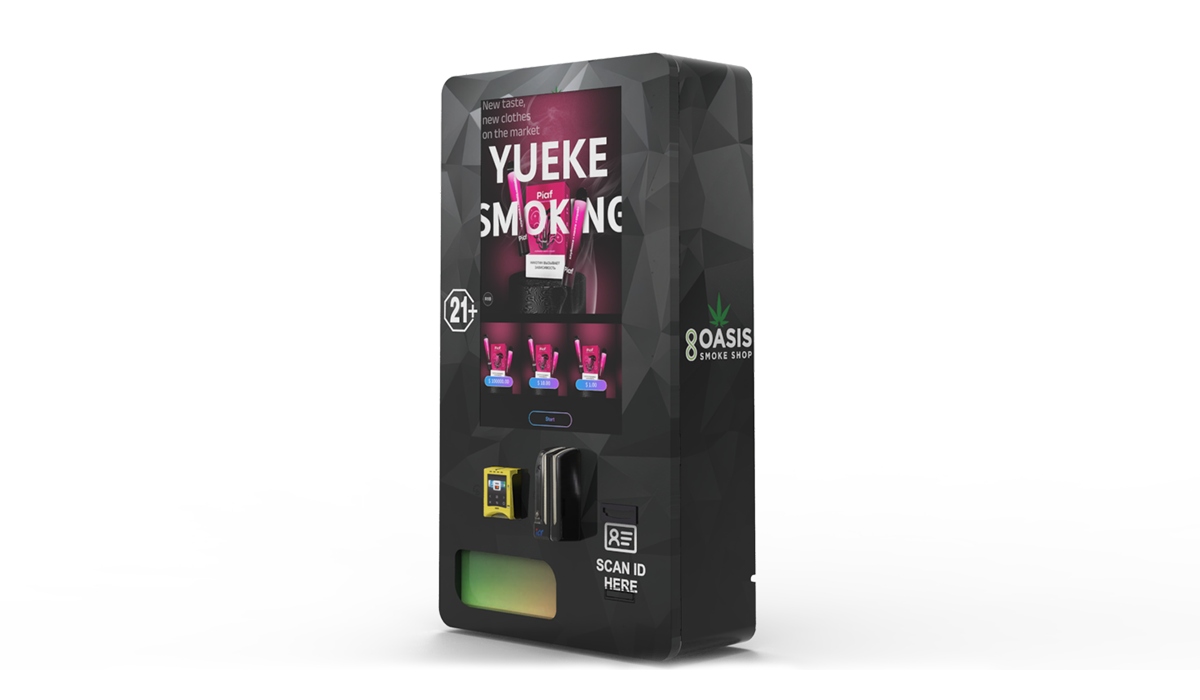
An Age Verification Vending Machine is not a regular vending cabinet with a scanner added to the front. It is a controlled-access retail system. The machine has to verify the buyer, protect restricted products, process payment, dispense accurately, and send useful operating data back to the owner.
That is why buyers should not choose a machine by price or appearance alone. A large touchscreen may look impressive, but it does not solve failed ID scans, weak payment compatibility, poor product fit, or slow after-sales support. A reliable machine comes from the full setup: cabinet structure, age verification method, payment module, backend software, dispensing system, spare parts, and factory testing.
This checklist is written from practical vending operation and source-factory experience. It is designed for buyers comparing an Age Verification Vending Machine, ID scan vending machine, smart vending machine, self-service kiosk, or restricted product vending solution before placing an order in 2026.
Quick Answer
The best Age Verification Vending Machine should verify age before dispensing, support stable cashless payment, fit the real product packaging, provide remote inventory and sales data, protect restricted items with a secure cabinet, and come from a supplier that can provide OEM/ODM support, spare parts, test videos, and long-term technical service.
Why an Age Verification Vending Machine Needs a Different Buying Standard
A standard vending machine only has to show products, accept payment, and release goods. An Age Verification Vending Machine has one more job before the sale is completed: it must confirm that the buyer is allowed to purchase the item.
That extra step changes the entire machine design. The touchscreen needs clear instructions. The scanner must work smoothly. The payment module must connect with the verification workflow. The backend should record machine status, sales, stock level, and failed transaction information. The cabinet also needs stronger access control because the products inside may require tighter management.
In daily operation, the machine must answer three practical questions:
Can the buyer complete verification without staff help?
Can the machine prevent restricted products from being dispensed incorrectly?
Can the operator track stock, payment, and machine status remotely?
If the answer to any of these questions is unclear, the machine may look ready on paper but fail in real operation.
Buyer’s Checklist for 2026
Before comparing quotations, use this checklist to review the machine as a complete operating system, not just as a cabinet.
| Checklist Item | What to Confirm | Why It Matters |
|---|---|---|
| Age verification method | ID scan, document scan, facial matching, membership access, or custom approval flow | Controls who can buy restricted products |
| Payment compatibility | Card reader, NFC, QR payment, mobile wallet, or local processor integration | Reduces failed transactions and improves completed sales |
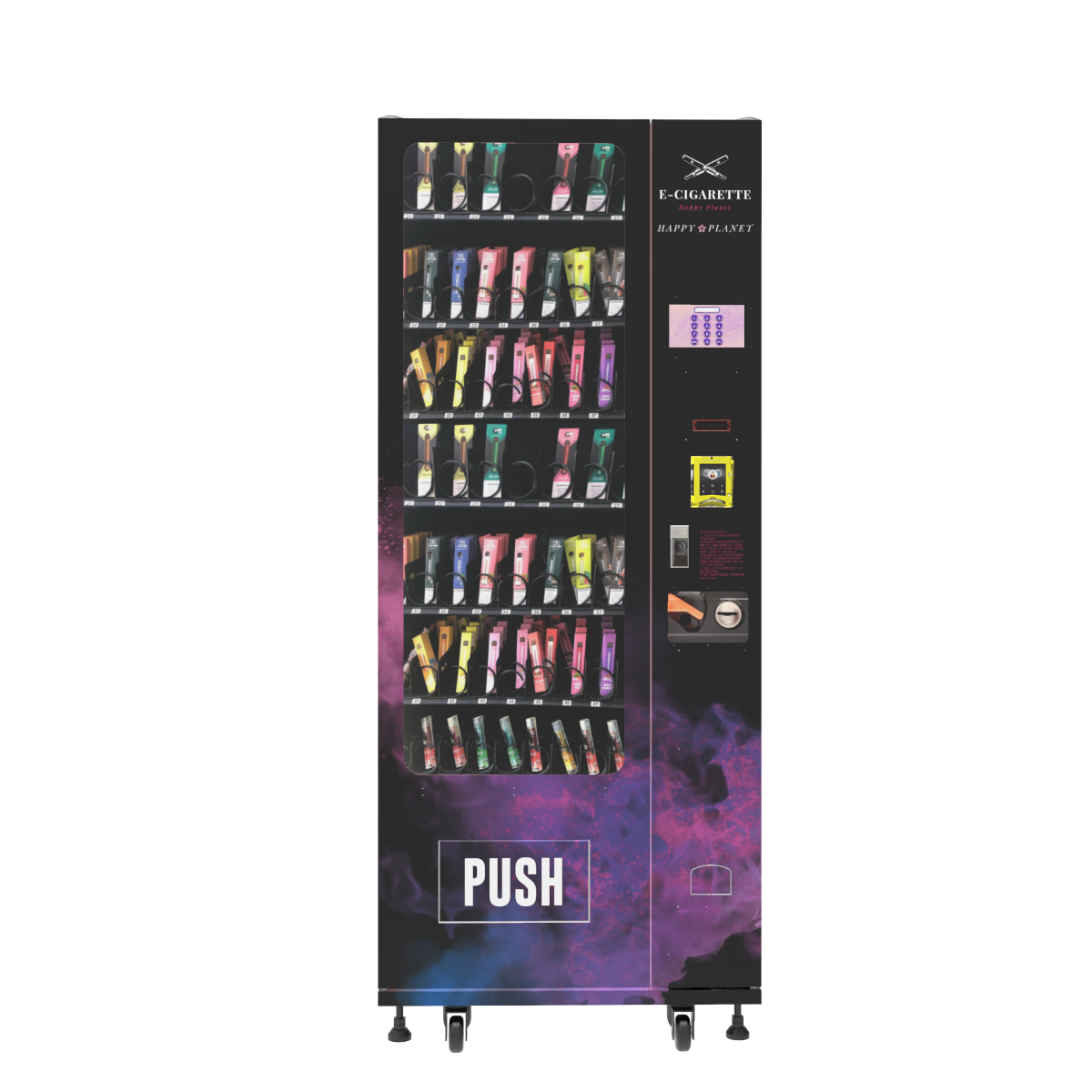
| Cabinet type | Floor-standing, wall-mounted, compact, refrigerated, or custom structure | Affects placement, capacity, freight cost, and user access |
| Product fit | SKU size, box weight, coil type, shelf spacing, and refill quantity | Prevents product jams and poor display layout |
| Remote backend | Sales reports, inventory alerts, device status, payment status, and fault messages | Helps the operator manage machines without constant site visits |
| Security design | Lock system, cabinet material, glass protection, door alerts, and optional camera support | Protects stock and payment hardware |
| Factory support | OEM/ODM service, spare parts, warranty, manuals, testing, and technical support | Reduces project risk after delivery |
A buyer should never approve an Age Verification Vending Machine from product photos alone. Request a full configuration sheet, cabinet drawings, screen workflow, payment options, scanner details, packing dimensions, and warranty terms before confirming the order.
Start With the Product, Not the Cabinet
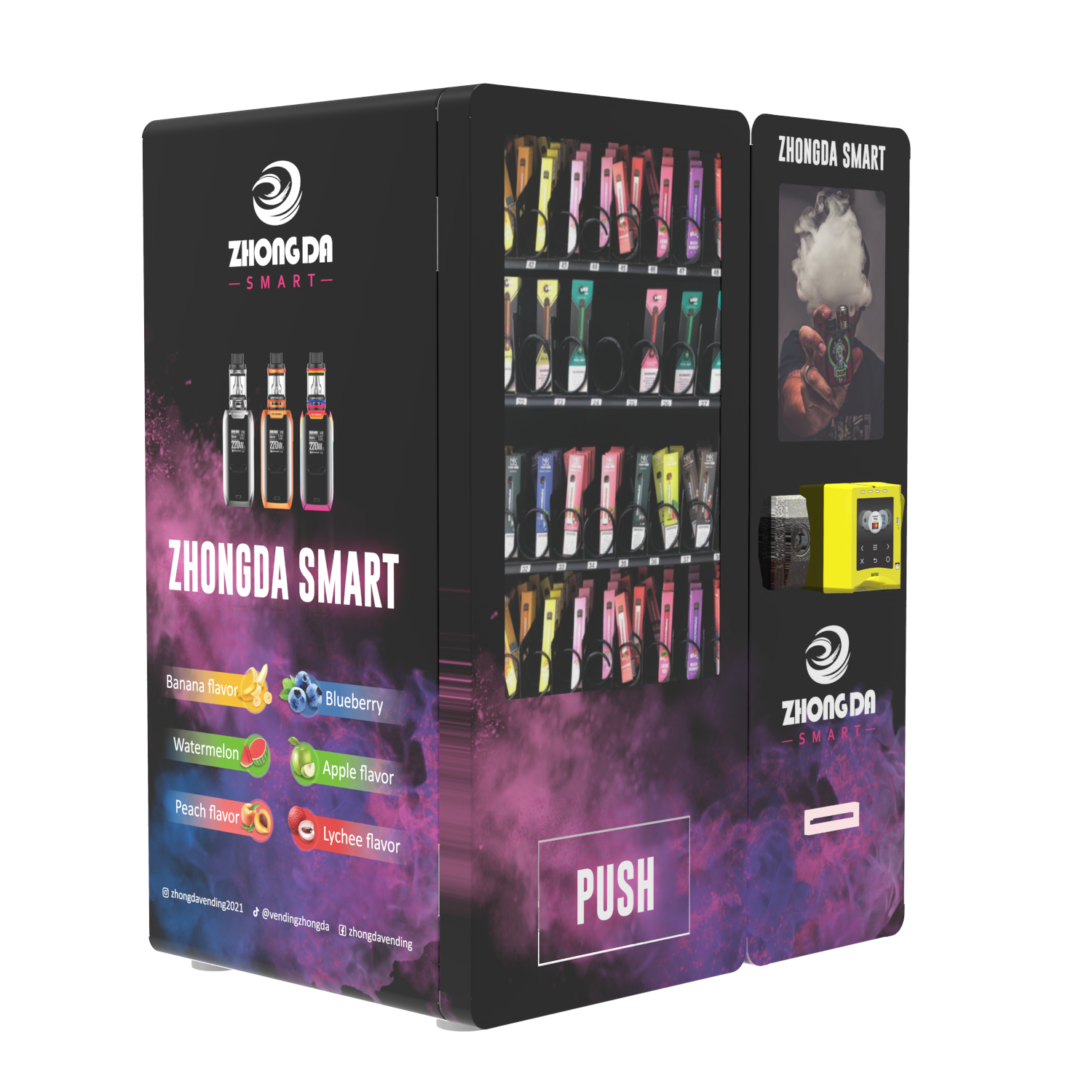
The product decides the machine. Vape products, tobacco items, boxed goods, bottled products, accessories, and other controlled-access items may all need different shelf layouts, coil sizes, tray spacing, temperature settings, and verification flows.
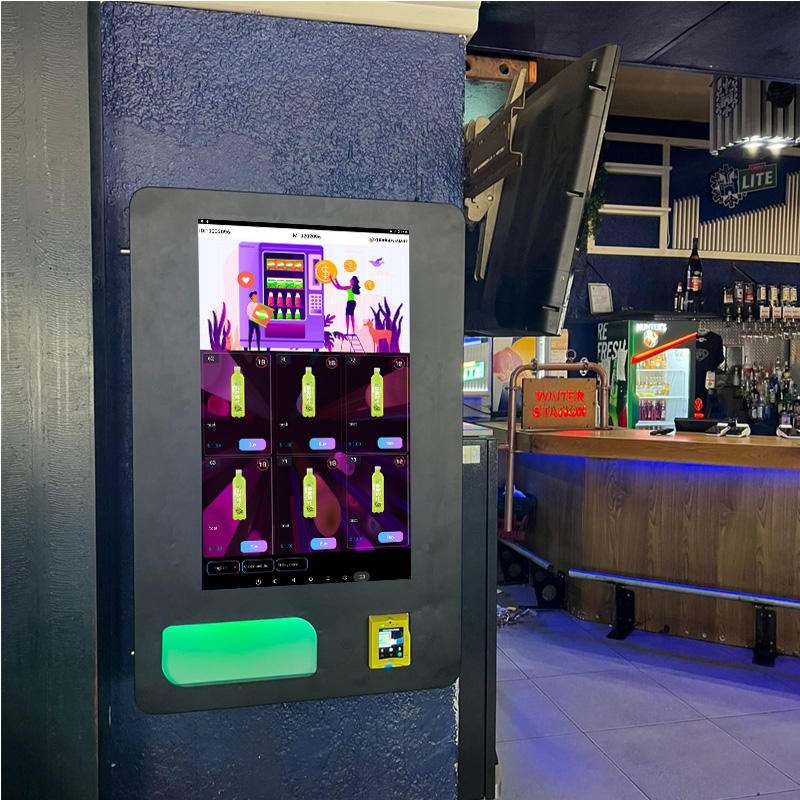
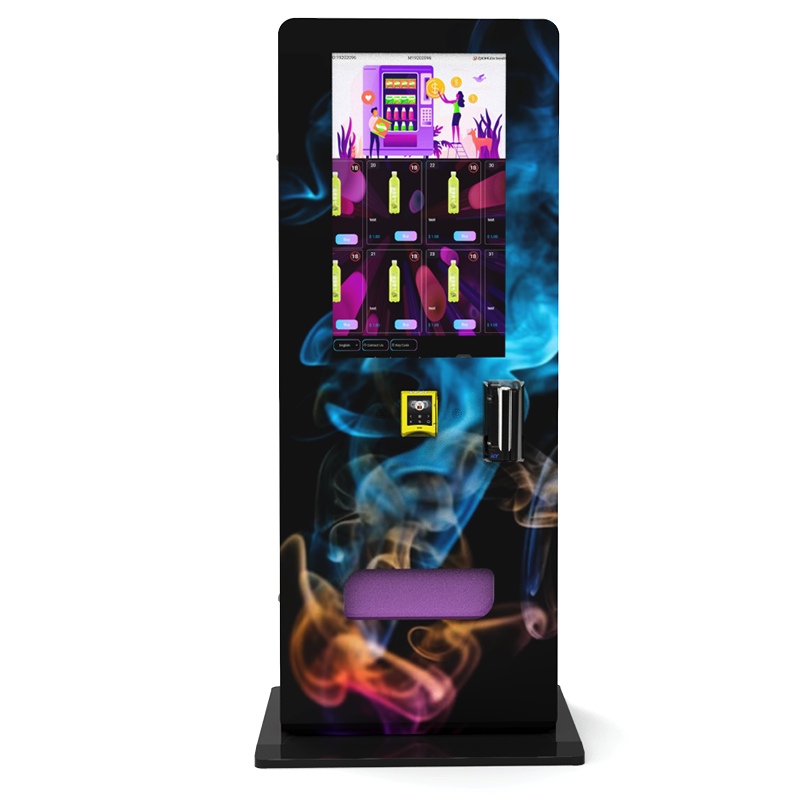
A compact wall-mounted machine may work well for small boxed products. A floor-standing smart vending machine may be better for wider product ranges or higher stock capacity. If the product packaging changes often, adjustable trays are more valuable than a fixed layout.
Before asking for a quote, prepare these details:
Product length, width, height, and weight
Number of SKUs for the first launch
Units per SKU you want to stock
Average product price and gross margin
Expected daily sales volume
Refill schedule and site access conditions
Whether cooling or temperature control is required
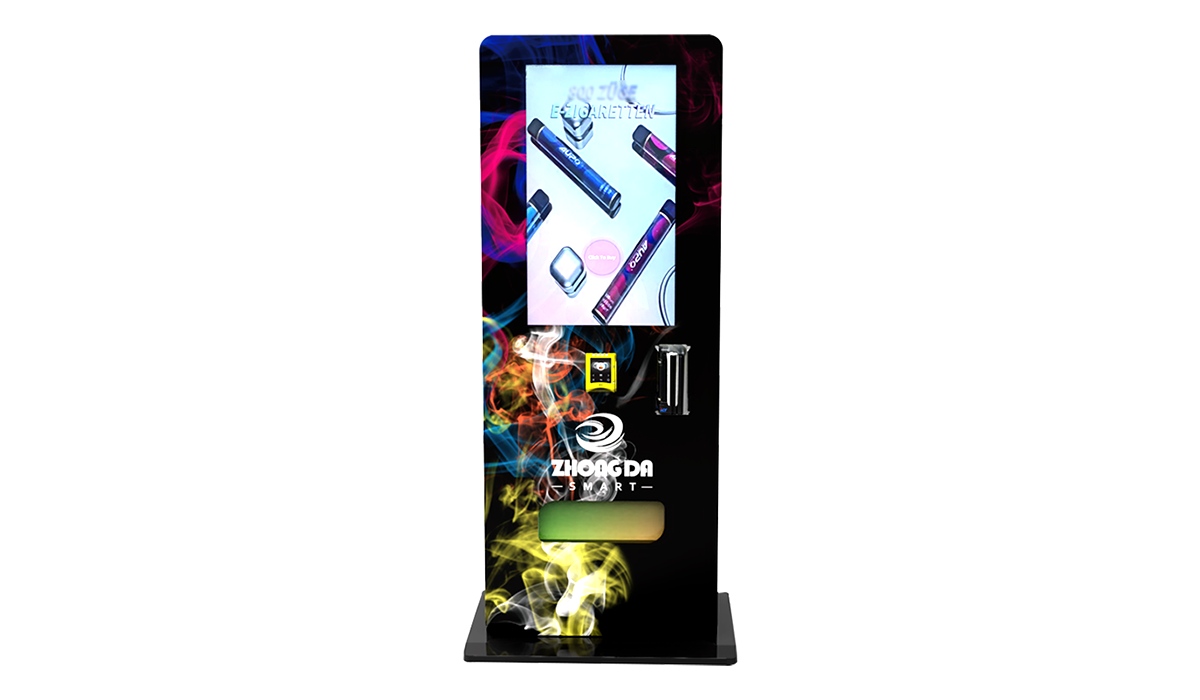
A source factory can recommend the right structure only when the product details are clear. For example, Zhongda smart offers different controlled-access vending models, including the Age Verification Vending Machine for smart restricted product sales and compact vending options for smaller placement areas.
Choose the Right Age Verification Method
The verification system is the core of the machine. A reliable ID scan vending machine should be simple for customers and difficult to bypass. Common options include ID scanning, passport or document scanning, facial matching, QR-based access, membership access, and remote approval.
For many projects, ID scanning is the most practical starting point. The buyer follows the screen instructions, scans a valid document, completes payment, and receives the product. For stricter control, facial matching can be added to compare the person standing at the machine with the document holder.
Before choosing the verification system, confirm these points:
Which ID or document types can the scanner read?
Can the machine support more than one verification method?
Does verification happen before payment or before dispensing?
What happens if the scan fails?
Can screen instructions be customized?
Can the machine avoid storing unnecessary personal information?
Can the verification module be replaced or upgraded later?
The best choice depends on the product risk, site requirements, and operating model. Paying for advanced verification does not always improve the business. The goal is to make the process secure, fast, and easy enough for real customers to finish without confusion.
ID Scan vs Facial Matching vs Manual Approval
Buyers often ask whether ID scanning alone is enough. In many cases, it is the right base configuration. Facial matching or remote approval becomes useful when the project needs tighter control or when the site has higher risk.
| Verification Type | Best Use Case | Main Advantage | Possible Limitation |
|---|---|---|---|
| ID scan | Standard restricted product vending | Fast, familiar, and easy to explain | Document compatibility must be checked before production |
| Facial matching | Higher-control vending projects | Adds another layer of identity confirmation | Requires good lighting, camera angle, and clear screen guidance |
| Manual remote approval | Special sites or controlled-access sales | Allows human review for edge cases | Slower than automated checkout |
| Membership access | Repeat-customer or closed retail environments | Convenient for known buyers | Requires member database setup |
From factory testing, the scanner is only one part of the experience. Lighting, screen prompts, camera position, and failure messages can affect completion rates. A clear “scan here” instruction often matters more than buyers expect.
Confirm Payment Before You Fall in Love With the Screen
A large screen can help product display, but payment reliability decides whether the sale is completed. In unattended retail, one failed payment can lose the buyer immediately. For an Age Verification Vending Machine, payment must work smoothly with the verification process.
Common payment options include:
Credit and debit card readers
NFC tap payment
QR code payment
Mobile wallet payment
Custom local payment integration
It is important to confirm whether payment happens before or after age verification. In most restricted product vending projects, verification should happen before the final sale is approved. This reduces refund problems and avoids charging buyers who cannot complete verification.
The backend should also show successful sales, failed payments, refunds, device status, and payment module alerts. If a machine cannot show why transactions fail, the operator may blame the site or product when the real issue is payment friction.
Review Cabinet Structure and Real Product Capacity
Capacity affects profit, but the largest machine is not always the best machine. Oversized cabinets cost more to ship, need more floor space, and may look understocked if sales volume is not high enough. Undersized cabinets create frequent restocking work and limit product range.
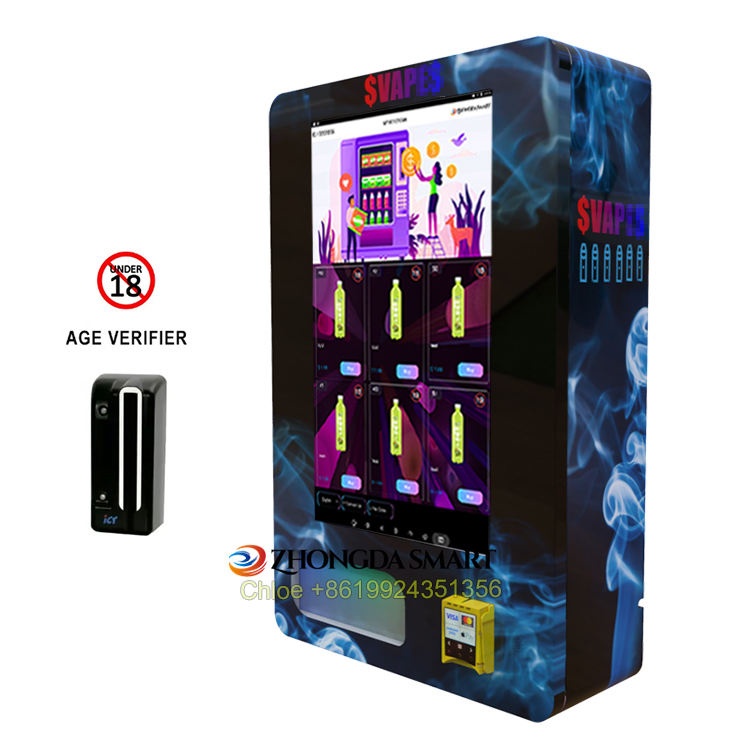
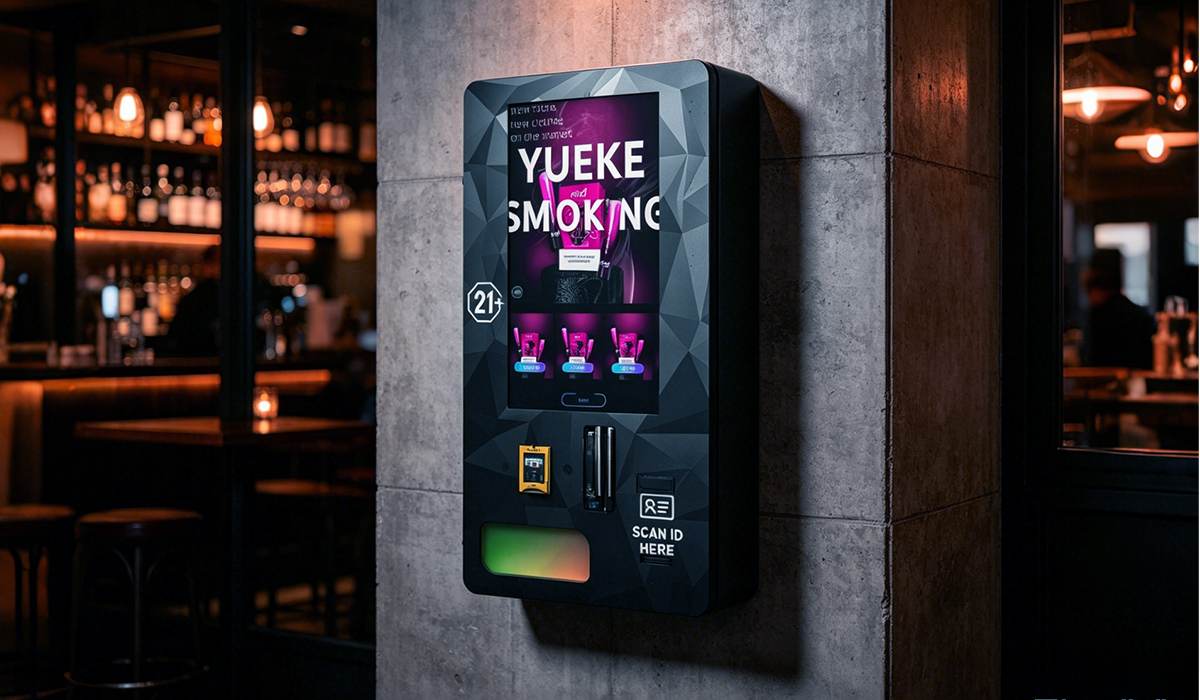
For smaller placements, a compact model may be more practical. Zhongda smart’s wall-mounted compact vending machine is designed for limited-space retail environments where operators still need controlled self-service sales.
When checking capacity, do not only count slots or coils. Confirm whether your real products fit and dispense properly. A 60-slot layout does not help if boxes jam, tilt, or fail to drop cleanly.
Important cabinet questions include:
How many SKUs can the machine display?
How many units can each channel hold?
Can coils, trays, or shelves be adjusted later?
Can the cabinet support branding or custom color?
Is the door strong enough for public placement?
What are the machine size, packing size, and gross weight?
Can the factory test product samples before shipment?
Remote Monitoring Is Not Optional Anymore
Remote monitoring is one of the clearest differences between old vending equipment and a modern smart vending machine. Without backend data, the operator has to visit the site to check stock, sales, machine health, and payment status. That wastes time and hides problems until customers complain.
A strong backend should show:
Real-time stock level
Daily, weekly, and monthly sales
Machine online or offline status
Payment status and failed payment records
Door opening records
Temperature status if cooling is installed
Fault alerts and refill reminders
Product sales ranking by SKU
An Age Verification Vending Machine should also allow the operator to review verification-related results when appropriate. The purpose is not to collect unnecessary personal data. The purpose is to understand whether the system works, where customers drop off, and whether the machine needs configuration changes.
If a supplier cannot explain the backend clearly, be careful. Machines can look almost identical from the outside while performing very differently in daily operation.
Calculate Total Project Cost, Not Only Machine Price
The machine price is only one part of the investment. A complete project includes configuration, payment setup, scanner selection, freight, taxes, installation, site preparation, spare parts, product inventory, and maintenance.
| Cost Item | Typical Impact | Buyer Tip |
|---|---|---|
| Machine hardware | Main upfront cost | Compare full configuration, not cabinet size alone |
| Verification module | Cost changes by scanner type and verification method | Confirm supported documents and workflow before production |
| Payment integration | May require processor setup and testing | Discuss payment options early |
| Freight and packing | Can be significant for floor-standing machines | Request packing size and gross weight |
| Branding and UI | Useful for retail presentation | Prepare logo, colors, and screen text before production |
| Spare parts | Small cost but high value | Buy extra coils, locks, sensors, keys, and key modules |
| Maintenance | Ongoing operating cost | Train staff or local operators before launch |
Public industry reports show that vending remains a large retail category, while smart unattended retail keeps moving toward cashless payment, remote management, and flexible product placement. For buyers, the opportunity is real, but payback depends on site traffic, product margin, refill discipline, uptime, and payment success rate.
For a deeper planning reference, Zhongda smart’s vape vending machine ROI guide explains common revenue and cost variables for vending operators.
A Simple ROI Model for Age Verification Vending
A practical ROI model does not need to be complicated. Start with daily units sold, gross profit per unit, site fee, payment fees, refill cost, and monthly maintenance. Then test low, steady, and high sales assumptions.
| Scenario | Daily Units Sold | Average Gross Profit per Unit | Estimated Monthly Gross Profit |
|---|---|---|---|
| Low traffic | 8 | $5 | $1,200 |
| Steady traffic | 15 | $5 | $2,250 |
| High traffic | 30 | $5 | $4,500 |
This is only a sample calculation. Real results depend on product mix, retail price, site traffic, machine uptime, local requirements, and restocking efficiency. A cautious buyer should run at least three projections before ordering an Age Verification Vending Machine.
In real projects, stronger operators usually do not start with the most optimistic number. They test the first placement, track sales for 30 to 60 days, adjust product selection, and then expand. That approach protects cash flow and gives the operator real data before scaling.
Compliance Features Should Be Built Into the Workflow
Compliance is not a brochure sentence. It has to be reflected in the screen flow, verification method, payment timing, product release logic, backend settings, and operator process.
A controlled-access vending setup should support:
Age verification before dispensing
Clear touchscreen instructions
Failed verification handling
Configurable product access rules
Transaction and machine status reporting
Remote product disable function when needed
Secure cabinet access for authorized staff
Do not rely only on a supplier’s claim that the machine is “compliant.” Ask how the machine works from product selection to dispensing. Ask what happens when the document scan fails. Ask whether a product can be disabled remotely. Ask whether the verification workflow can be configured before shipment.
Zhongda smart’s age verification vending guide explains the basic working process for buyers comparing standard vending with controlled-access vending.
Security and Anti-Theft Design
Security matters because the machine sells without a cashier standing beside it. The cabinet must protect products, payment hardware, screen components, and internal wiring. Restricted products may also require stronger placement control and better monitoring.
Check these security details before buying:
Reinforced steel cabinet
Durable door lock and hinge structure
Protected display window or tempered glass
Secure payment module mounting
Door-open detection
Remote alert options
Camera-ready placement or optional camera support
Stable internal wiring and protected control board area
An Age Verification Vending Machine should not only sell products. It should also reduce avoidable loss, prevent unauthorized access, and make service issues visible before they become expensive.
User Experience Affects Revenue
Customers do not care how advanced the machine is if they cannot finish the purchase quickly. A confusing screen flow lowers sales even when the cabinet and scanner are good.
A clean buying process usually looks like this:
The customer views the product menu.
The customer selects a product.
The machine requests age verification.
The customer scans ID or completes the required check.
The machine confirms eligibility.
The customer completes payment.
The product is dispensed.
The screen shows purchase completion or support instructions.
Each step should be short and clear. Avoid long paragraphs on the screen. Use large buttons, direct prompts, and simple failure messages. If the machine is placed in a busy environment, buyers should be able to complete the process without asking staff for help.
Good user experience improves completed transactions. It also reduces support calls, complaints, and abandoned purchases.
OEM and ODM Customization Details
Many controlled-access vending projects need more than a logo. Buyers may need custom cabinet size, special tray design, payment module changes, interface language, screen layout, cooling, lighting, branding, or backend configuration.
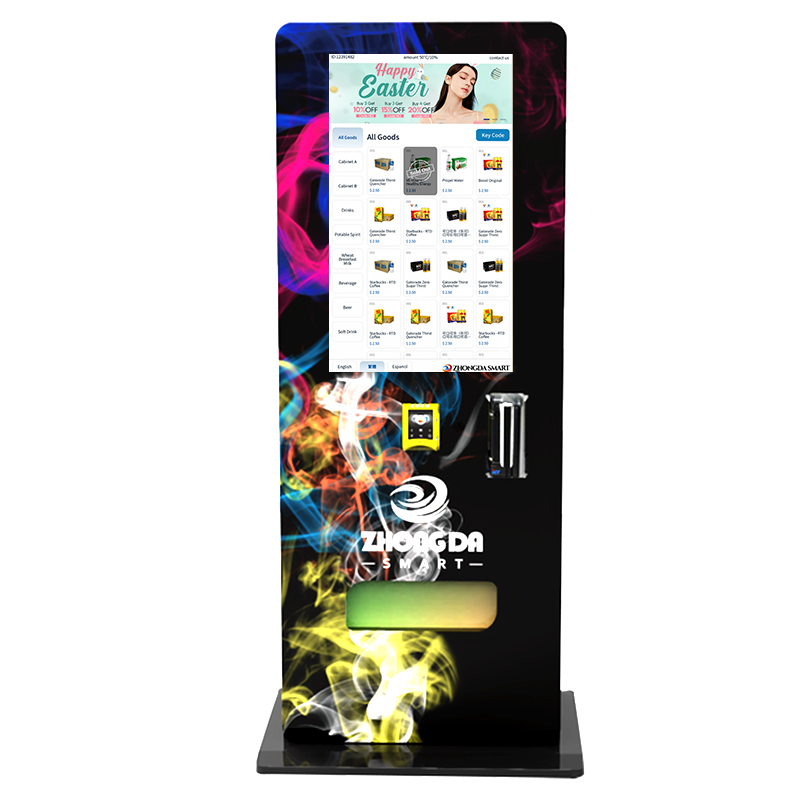
As a source manufacturer, Zhongda smart supports OEM and ODM customization for smart vending projects. Its ID scan vending machine page shows customization options such as cabinet structure, screen interface, payment module, logo, and software configuration.
For a smoother quotation, prepare a clear request sheet:
Cabinet style and installation type
Screen size and interface requirements
Product dimensions and quantity per channel
Age verification method
Payment method
Color, logo, and branding files
Expected order quantity
Target delivery schedule
Custom vending equipment takes coordination. Drawings, wiring, payment hardware, scanner installation, software setup, testing, and packing all need to match. A clear request reduces mistakes and saves time.
Factory Testing Before Shipment
A finished machine should not leave the factory after only a power-on test. Proper testing should cover cabinet inspection, touchscreen operation, payment module status, scanner function, motor dispensing, network connection, backend reporting, and packing protection.
For an Age Verification Vending Machine, the factory should test both successful and failed verification cases. The machine should not dispense restricted products when verification fails.
Before shipment, ask for:
Machine photos or videos
Final configuration confirmation
Product channel test results
Scanner installation confirmation
Payment module status
Backend account or software confirmation
Packing photos
Spare parts list
User manual and troubleshooting guide
Small factory checks prevent large after-sales problems. A loose cable, wrong coil size, unclear backend setup, or mismatched payment module can delay launch after the machine arrives.
How to Compare Suppliers
The lowest quote is not always the lowest cost. A vending machine is a working asset. The supplier must support the machine after delivery with spare parts, technical help, software guidance, and clear communication.
When comparing suppliers, ask these questions:
Is the supplier a source manufacturer or trading company?
Can the supplier provide OEM and ODM support?
Can they explain the verification workflow clearly?
Can they provide cabinet drawings and configuration sheets?
Can they support payment module selection?
Do they provide spare parts?
Do they test the machine before shipment?
Can they support long-term project cooperation?
Zhongda smart is suitable for buyers who need factory-direct support for restricted product vending, ID scan vending machines, smart vending customization, and controlled-access self-service retail projects. The company’s age verification models can support ID scanning, payment integration, backend management, and configurable cabinet options for different product categories.
Common Buying Mistakes
Most failed vending projects do not fail because vending is a bad idea. They fail because the machine was not matched to the product, payment system, site, or operating process.
Avoid these mistakes:
Buying from photos only: Always review configuration, drawings, and workflow.
Ignoring product dimensions: Product fit must be confirmed before production.
Assuming all scanners work the same way: Document compatibility needs to be checked.
Choosing payment too late: Payment setup should be discussed early.
Overbuying capacity: A half-empty machine can look weak and waste space.
Skipping backend review: Remote data is essential for efficient operation.
Forgetting spare parts: Small parts can stop a machine if replacements are not available.
Choosing weak after-sales support: Technical service matters after delivery.
The safer buying process is straightforward: define the product, confirm verification, confirm payment, approve cabinet layout, review backend, check factory testing, and prepare launch support.
Practical Buying Workflow for 2026
Use this workflow to move from idea to purchase with fewer missed details.
Define the project: Product type, placement, sales model, and required control level.
Prepare product information: Send size, weight, packaging photos, and SKU quantity.
Select cabinet type: Floor-standing, wall-mounted, compact, refrigerated, or custom.
Confirm verification: ID scan, document scan, facial matching, membership access, or remote approval.
Confirm payment: Card, NFC, QR payment, mobile wallet, or local integration.
Review backend: Sales, inventory, alerts, machine status, and remote controls.
Request quotation: Include machine price, options, packing, spare parts, and delivery terms.
Approve drawings: Cabinet layout, branding, product channels, and screen interface.
Check testing: Request videos, photos, and configuration confirmation before shipment.
Plan launch: Prepare stock, site training, support contact, and first-month performance review.
An Age Verification Vending Machine is easier to launch when the buyer treats it as a complete operating system rather than a simple product display cabinet.
Final Recommendation
The strongest age verification vending projects in 2026 will combine secure access, cashless payment, reliable dispensing, remote data, and a cabinet designed around the actual product. A machine should verify, sell, report, and keep working with minimum friction.
If you are comparing machines, start with a proven Age Verification Vending Machine, then adjust the cabinet size, verification method, payment system, product layout, and backend functions around your business plan. A factory-direct partner such as Zhongda smart can help align hardware and software before production, which is much easier than fixing the wrong configuration after delivery.
Common Operator Questions
What is an Age Verification Vending Machine?
It is a smart vending machine that verifies a buyer’s age or identity before selling restricted products. Depending on the configuration, it may use ID scanning, document reading, facial matching, membership access, or remote approval.
How much does an age verification vending machine cost?
The cost depends on cabinet size, touchscreen size, verification module, payment system, cooling, software, branding, and customization. Buyers should compare the full configuration instead of only the base machine price.
Is ID scanning enough for restricted product vending?
ID scanning is a common and practical option. Some projects may need facial matching, membership access, or manual approval depending on the product and operating requirements.
Can the machine support cashless payment?
Yes. Modern machines can support card payment, NFC, QR payment, and mobile wallet options depending on the selected payment provider and project configuration.
Can the cabinet and screen be customized?
Yes. Custom options may include logo, cabinet color, screen interface, shelf layout, product channels, payment module, verification workflow, and backend settings.
What products can be sold in this type of machine?
Common product categories include vape items, tobacco products, controlled-access retail goods, accessories, and other products that require buyer verification before sale.
What should I ask the supplier before ordering?
Ask about verification options, payment compatibility, cabinet drawings, product capacity, backend functions, warranty terms, spare parts, testing process, packing size, and delivery schedule.
Does remote monitoring matter?
Yes. Remote monitoring helps operators track stock, sales, machine status, payment issues, and service alerts without visiting the machine every day.
Disclaimer
This article is for equipment selection and business planning only. Buyers should confirm all product, placement, verification, and sales requirements with qualified professionals before launching a restricted product vending project.