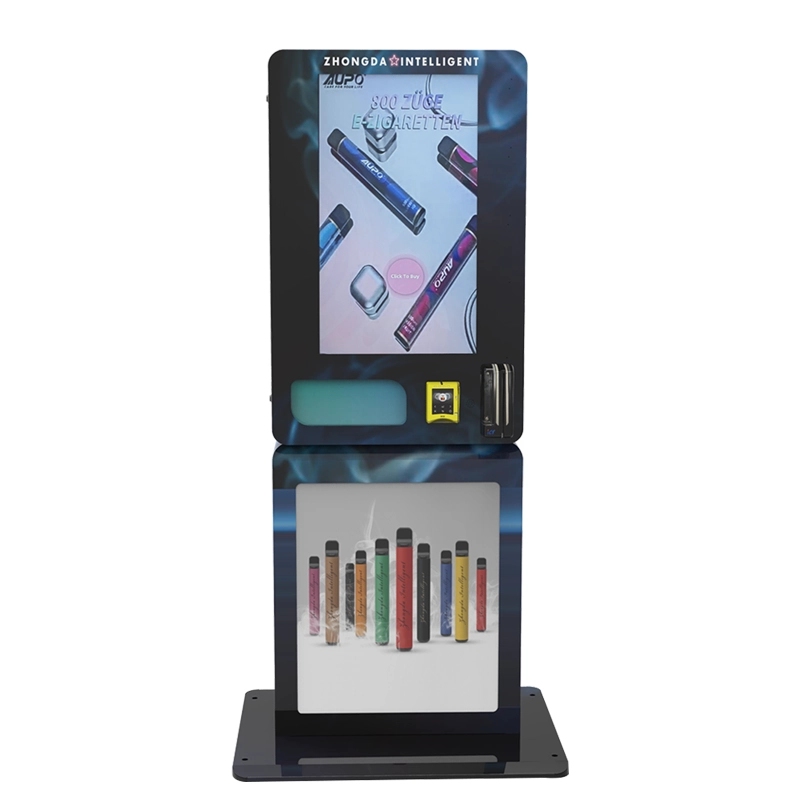
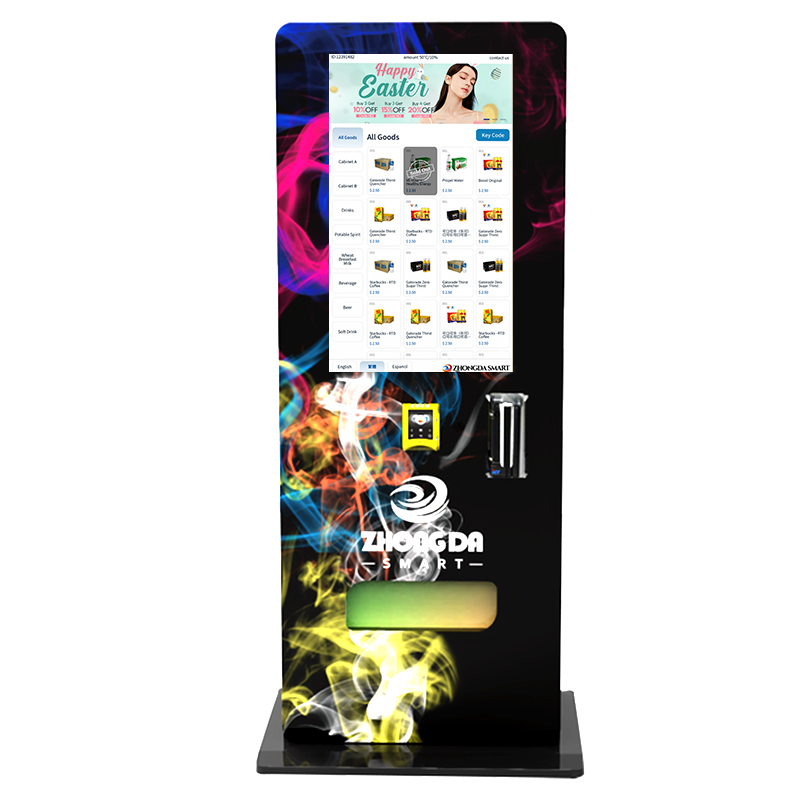
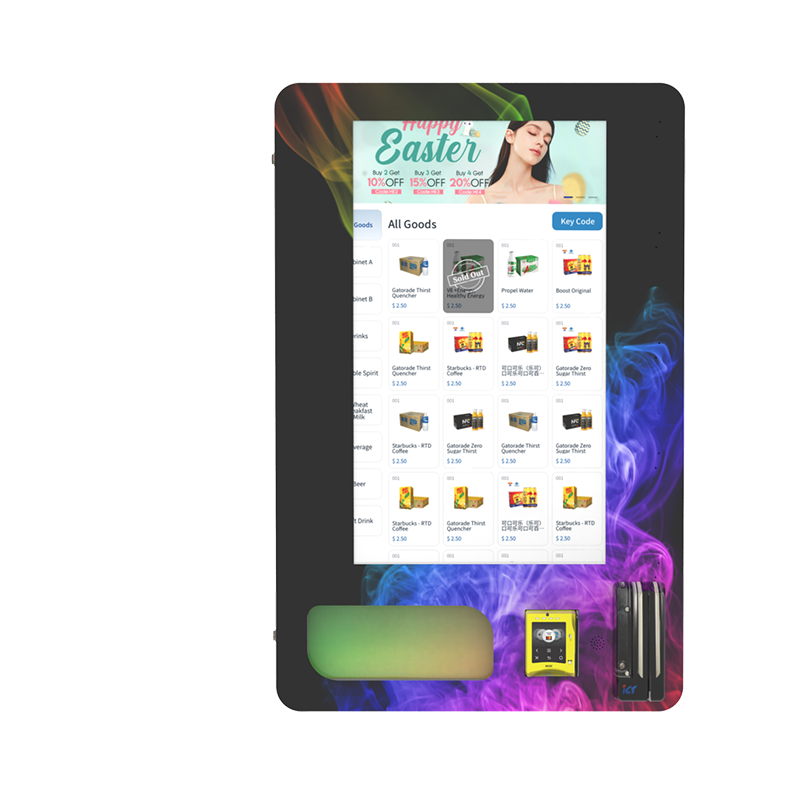
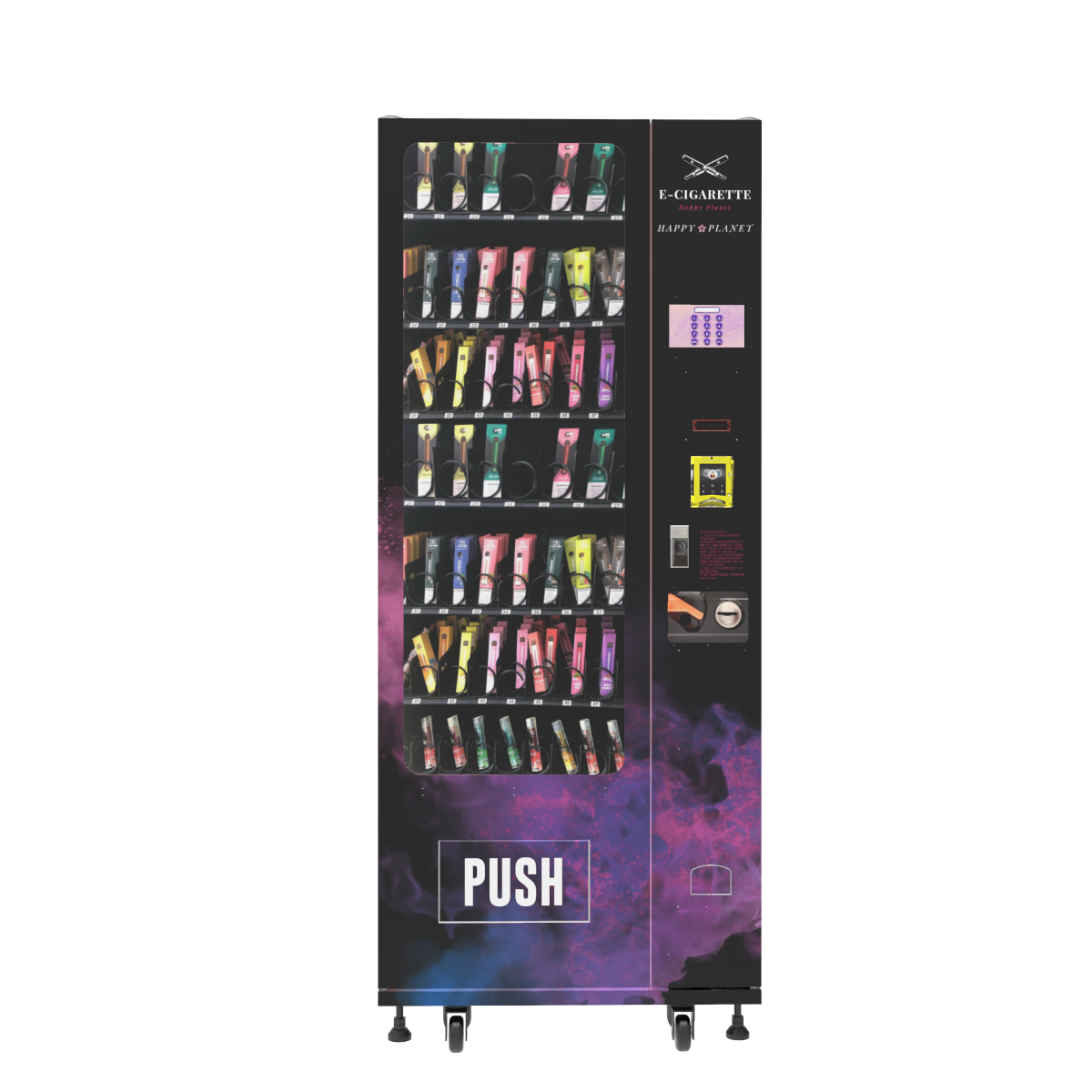
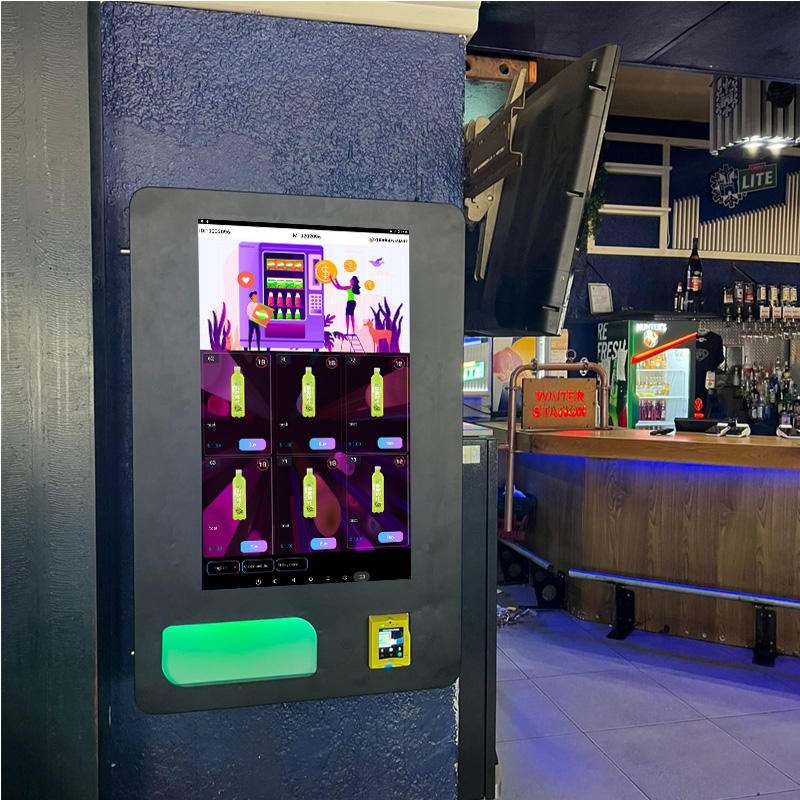
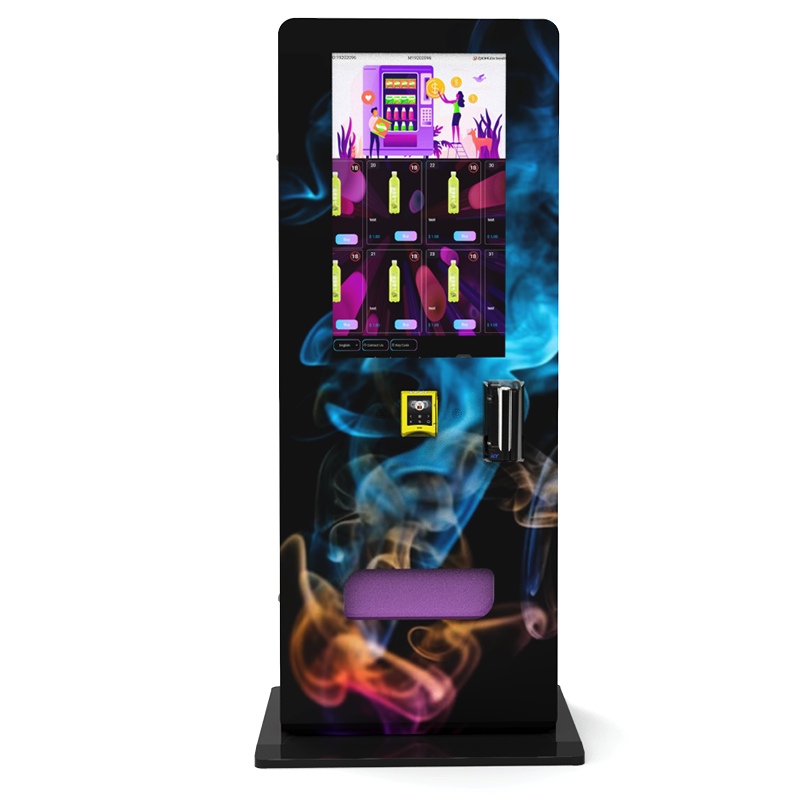
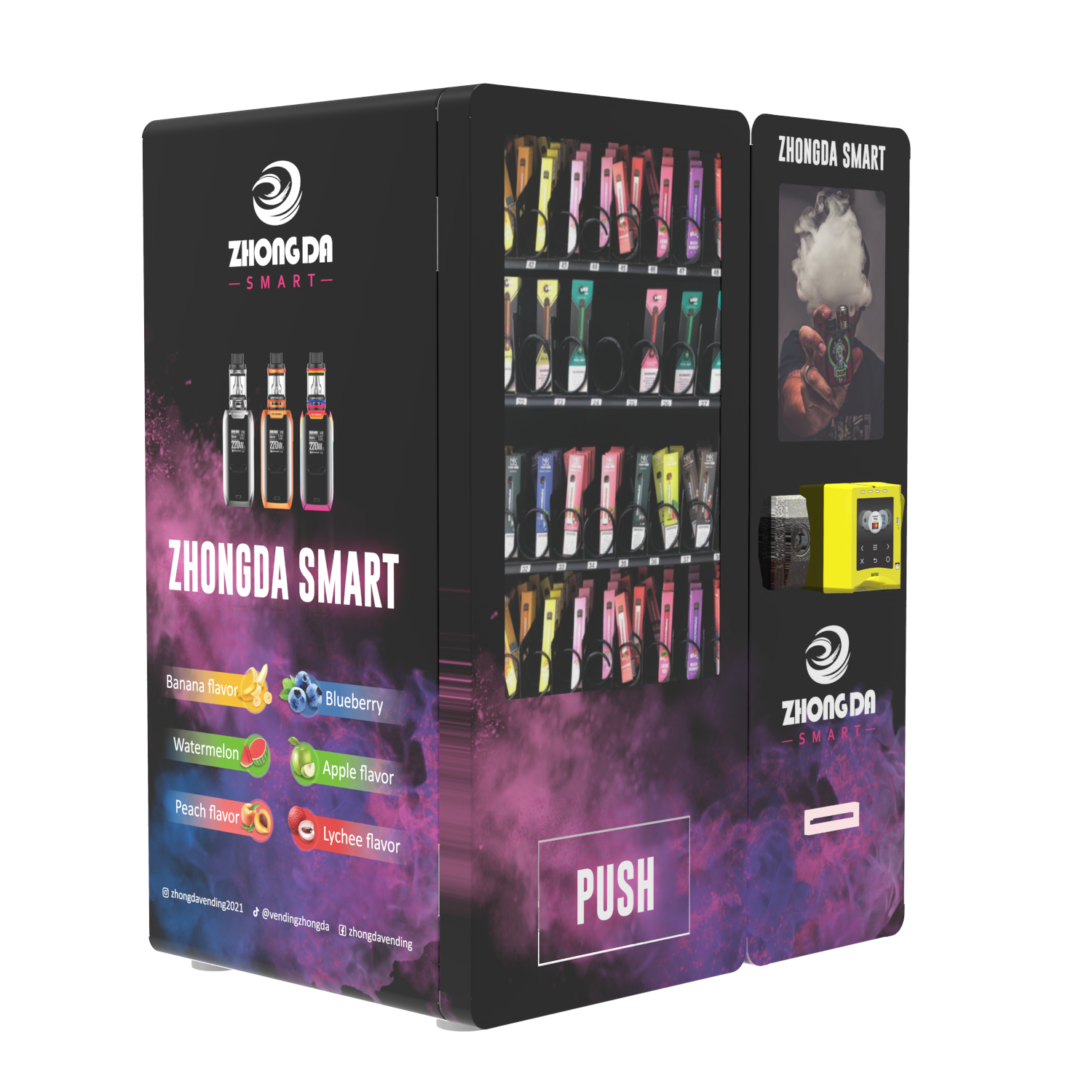
If you’re looking at the vape vending machine market in South Africa and wondering whether it’s a viable play, the short answer is: it can be, but only if you understand the legal framework and build your operations around compliance from day one. I’ve spent over a decade deploying these machines across the U.S. and Europe, and I’ve seen what works and what burns cash. South Africa presents a unique mix of opportunity and friction—regulatory uncertainty, hardware reliability, and location strategy all play a role. This guide breaks down the real risks, the actual costs, and the operational decisions that separate profitable routes from expensive mistakes.
nnWhy South Africa’s Market Is Different From the U.S. and Europe
nnIn my experience running deployments in states like California and Texas, and later rolling out units in Germany and the U.K., the biggest variable has always been regulation. South Africa is no exception, but the difference is that the rules here are still settling. The Control of Tobacco Products and Electronic Delivery Systems Bill, signed into law in early 2024, brought vaping products under the same restrictions as traditional tobacco. That means no advertising, no public indoor use, and—most critically for vending—a ban on sales to minors with strict age verification requirements.
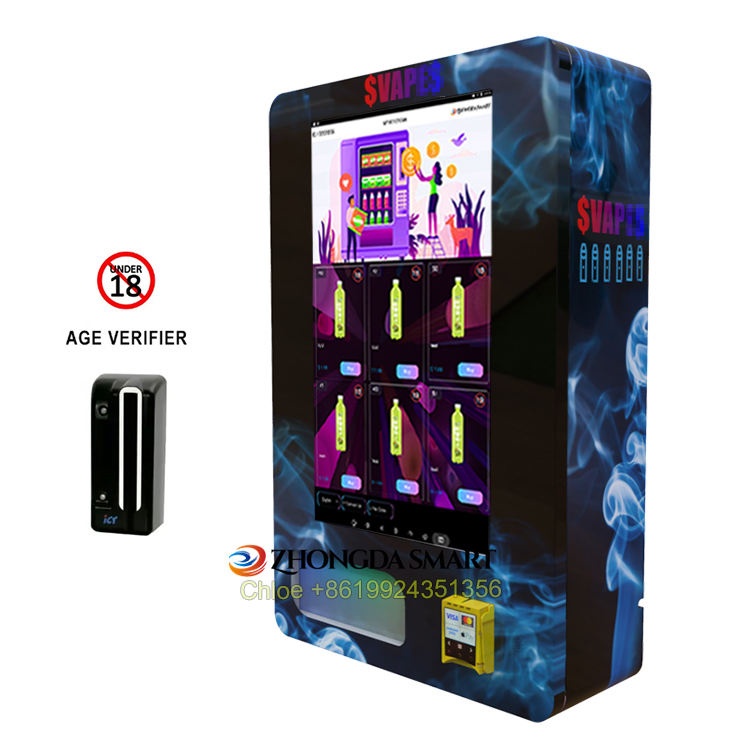
nnWhat this means for a vape vending machine operator is that you cannot simply place a unit in a bar and walk away. Every machine must have a reliable, auditable age verification system. In Europe, we’ve been using ID scanning and biometric checks for years. In South Africa, the infrastructure for digital ID verification is still developing, which creates a gap between what the law demands and what the market can easily support. That gap is where operators lose money if they cut corners.
nnAnother factor is the power grid. Load shedding is a reality. I’ve seen operators in Johannesburg lose thousands of rand in a single week because their machines rebooted mid-transaction, corrupting the payment system. Machines designed for stable European grids don’t always handle voltage fluctuations well. You need hardware with built-in power protection and transaction recovery logic.
nnThe Real Cost Breakdown for a Compliant Vape Vending Machine
nnLet’s talk numbers. I’ve sourced machines from multiple manufacturers over the years, and the price range is wider than most people expect. A basic unit with no age verification might cost $2,000, but it’s essentially useless in South Africa because it won’t pass a compliance check. A fully compliant machine with ID scanning, age verification software, and a tamper-proof transaction log runs between $5,500 and $8,500 depending on the configuration.
nnHere’s a rough cost comparison based on what I’ve seen across our factory and from competitor units in the field:
nn| Component | nBasic Unit | nCompliant Unit | nNotes for South Africa | n
|---|---|---|---|
| Machine hardware | n$1,800–$2,500 | n$3,500–$4,800 | nMust include UPS-compatible power supply | n
| Age verification system | nNone | n$800–$1,500 | nID scanner + database check | n
| Payment system | n$300–$500 | n$500–$700 | nCard + mobile money support critical | n
| Software & compliance log | n$200 | n$800–$1,200 | nAudit trail required by law | n
| Installation & setup | n$300 | n$500–$800 | nIncludes network configuration | n
| Total estimated cost | n$2,600–$3,500 | n$6,100–$9,000 | nCompliant units have higher upfront cost but lower legal risk | n
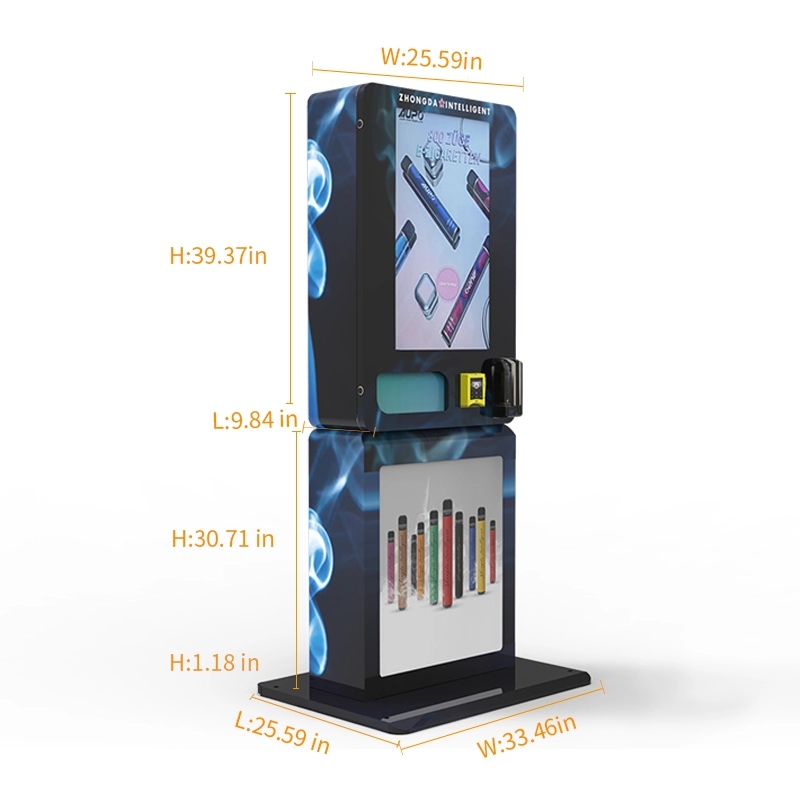
I’ve personally overseen installations where operators tried to save money by buying a used unit from Europe and retrofitting it. Every single one of those projects ran into issues—either the scanner couldn’t read South African IDs, or the software couldn’t handle the local payment protocols. The lesson is simple: buy a machine built for the market you’re deploying in.
nnProfit Model: What a Realistic Vape Vending Machine ROI Looks Like
nnI’ve been asked this question more times than I can count: “How much can I make with a vape vending machine?” The honest answer depends on location, product margin, and machine uptime. In South Africa, the average markup on a disposable vape is around 40% to 60%. If you’re selling a device at R250 that cost you R150, you’re clearing R100 per sale.
nnLet’s run a realistic scenario based on data from a deployment we supported near a university campus in Cape Town. The unit sold an average of 18 units per day over a three-month period. That’s R1,800 gross profit per day, or roughly R54,000 per month. After machine lease cost (if financed), location commission (typically 10% to 15% of gross), restocking labor, and network fees, net profit landed around R32,000 per month. That machine paid for itself in about four months.
nnBut here’s the catch: that location was carefully chosen. It had high foot traffic, a demographic that matched the product, and 24-hour access. I’ve seen machines in strip malls that sold three units a day. The difference isn’t luck—it’s site selection and product mix. According to a 2023 report by IBISWorld, the global vending machine industry sees an average annual revenue growth of 3.2%, but self-service kiosks in age-restricted categories outperform that by a wide margin when placed in controlled environments.
nnAnother factor that eats into profit is theft and vandalism. In the U.S., we lost about 2% of inventory to machine tampering. In South Africa, based on feedback from operators I’ve worked with, that number can hit 5% to 7% in poorly lit or unsupervised locations. Invest in a machine with a reinforced door, alarm sensors, and remote monitoring. The upfront cost is worth avoiding the bleed.
nnLegal Landmines: What Most Vape Vending Machine Operators Miss
nnThe biggest mistake I see new operators make is assuming that because they’ve seen a vape vending machine in a U.S. bar or a European train station, the same rules apply everywhere. They don’t. In South Africa, the Bill I mentioned earlier requires that any automated sale of vaping products must be supervised by a person or use a system that verifies age through an official identity document. That means the machine itself must be capable of scanning a South African ID book or smart ID card, checking it against a database, and recording the transaction.
nnI’ve tested machines from five different manufacturers for this capability. Most overseas units are designed for driver’s licenses from the U.S. or EU national ID cards. They fail on South African documents because the barcode format and data fields are different. We had to modify our scanner firmware specifically for the local market. If you’re importing a machine, ask for proof that it can read SA IDs before you pay.
nnAnother legal risk is product liability. If a machine sells a product that later causes harm, the operator can be held responsible. In South Africa, the Consumer Protection Act places strict liability on suppliers. That means you need to ensure every product in your machine is properly labeled, registered with the SA Health Products Regulatory Authority if required, and stored within its temperature range. I’ve seen operators load machines with counterfeit or grey-market products to boost margins. That’s a lawsuit waiting to happen.
nnHardware Reliability: Lessons From 15 Years of Manufacturing
nnRunning a factory that builds vape vending machines has taught me one thing: the electronics fail more often than the mechanics. The coils, the dispensing motors, the cooling fans—those are robust. But the mainboard, the touchscreen, and the payment terminal are what break. In humid environments like Durban, we’ve seen touchscreens fail within six months if they’re not industrial-grade. In high-heat areas like the Northern Cape, the cooling system for the product storage has to work overtime.
nnFrom our own production line, we’ve moved to using automotive-grade connectors and conformal-coated circuit boards to handle humidity and dust. That’s not standard in most vending machines. If you’re sourcing from a manufacturer, ask about their environmental testing. I’ve seen machines from other factories that looked great in a showroom but failed in the field because the wiring harness wasn’t rated for the temperature swings.
nnRemote monitoring is non-negotiable. Every machine we build now includes a cellular modem that reports inventory levels, transaction status, and error codes in real time. Without that, you’re driving to a location to find out why a machine is down—and that’s a cost that kills margins. In South Africa, where distances between locations can be large, remote diagnostics save thousands of rand in transport costs alone.
nnLocation Strategy: Where to Place a Vape Vending Machine for Maximum Profit
nnI’ve placed machines in over 200 locations across three continents. The best locations for a vape vending machine are not always the most obvious. Bars and clubs work, but they come with late-night operational risks and lower sales during weekdays. What I’ve found more profitable are 24-hour convenience stores, hotel lobbies, and student centers. These locations have steady foot traffic and a built-in demographic that’s already looking for convenience.
nnIn South Africa, security is an additional factor. A machine in a standalone location with no security guard is a target. We’ve seen machines ripped from walls in less than two minutes. The best locations are those with on-site security, good lighting, and CCTV coverage. Negotiate a revenue share with the location owner—typically 10% to 15%—and include a clause that requires them to maintain basic security. If they won’t agree, walk away.
nnI’ve written more about specific placement strategies in this guide on vape vending machine location selection. The principles apply globally, but the local execution matters.
nnMaintenance Realities: What Breaks and How Often
nnAfter the first year of operation, you will have maintenance events. That’s a fact. On average, a well-built vape vending machine will need a service call every 4 to 6 months. The most common issues are payment system failures (card reader jams, mobile payment timeouts), product jams (especially with non-standard packaging), and network connectivity drops.
nnWe track every service event across our installed base. The data shows that machines with a simple, gravity-fed dispensing mechanism have 40% fewer jams than those with robotic arms. That’s why our e-cigarette vending machine models use a modular tray system that can be swapped in under two minutes. If you’re running multiple locations, standardize on one machine type. Carrying spare parts for five different models is a logistical nightmare.
nnTraining your local staff is also critical. In one deployment, a location manager kept calling us because the machine wasn’t dispensing. It turned out they were loading the products upside down. A 30-minute training session eliminated those calls entirely. Build that into your deployment plan.
nnComparing Vape Vending Machines vs. Traditional Retail
nnI’ve had operators ask me why they should buy a vape vending machine instead of just opening a small retail counter. The answer comes down to labor and hours. A retail counter needs a staff member for every hour of operation. A vending machine works 24/7 with no breaks, no overtime, and no sick days. The trade-off is that you lose the upselling opportunity and the personal interaction that can build brand loyalty.
nnBut for high-volume, low-margin products like disposable vapes and pods, the vending model wins on efficiency. According to a study by Grand View Research, the global vending machine market is projected to reach $27.2 billion by 2030, with the tobacco and vape segment growing faster than snacks and beverages. That growth is driven by labor cost increases and consumer preference for self-service.
nnIn South Africa, where labor laws are strict and minimum wage is rising, the economics of vending become even more attractive. A machine costs about the same as six months of a full-time cashier’s salary, and it never calls in sick.
nnCase Study: A Failed Deployment and What We Learned
nnI’ll share a specific failure because it’s more instructive than any success story. A few years ago, we worked with an operator in Johannesburg who wanted to place machines in five taxi ranks. The foot traffic was massive—tens of thousands of people per day. But the machines were vandalized within two weeks. The payment terminals were ripped off, the screens were smashed, and the product was stolen.
nnThe mistake was not the location type, but the lack of supervision. Taxi ranks are chaotic environments with minimal security. We should have recommended machines with reinforced enclosures and remote lock-down capabilities. Instead, we sold them a standard unit. That cost the operator over $30,000 in losses. After that, we developed a heavy-duty age verification vending machine with a steel frame and an alarm system that triggers a remote alert if the door is forced. That machine is now our standard for high-risk locations.
nnThe lesson: match the hardware to the environment. A machine that works in a hotel lobby will not survive a taxi rank. Don’t let cost savings drive your hardware decision. Let the location risk profile drive it.
nnHow to Choose a Vape Vending Machine Manufacturer
nnI’ve visited factories in China, the U.S., and Europe. The range in quality is staggering. Some manufacturers assemble machines in a garage with off-the-shelf parts. Others, like ours, run a full production line with in-house firmware development and environmental testing. When you’re choosing a supplier, look for three things:
nn- n
- Do they have a local service partner in South Africa? If the machine breaks and you have to ship it back to the factory, you’re looking at weeks of downtime. n
- Can they customize the age verification software for South African IDs? If they say “no problem” without asking for a sample ID, they haven’t done it before. n
- Do they provide remote monitoring as standard? If not, your operating cost will be significantly higher. n
We’ve built our reputation on answering yes to all three. You can see the full range of our vape vending machines on our site, including models specifically designed for the compliance requirements we’ve discussed here.
nnLong-Term Strategy: Scaling a Vape Vending Machine Business in South Africa
nnIf you’re serious about building a network of machines, start with three units in controlled locations. Prove the model, refine your restocking logistics, and build a relationship with a reliable supplier. Then scale to ten units. At that point, you’ll have enough data to know which locations perform and which don’t.
nnOne strategy that worked well for operators I’ve advised is to partner with a single retail chain. If you can get your vape vending machine into ten stores of the same chain, you standardize the maintenance, the commission structure, and the restocking route. That’s much more efficient than having one machine in ten different types of locations.
nnAlso, plan for regulatory changes. South Africa is likely to tighten enforcement over the next few years. Machines that don’t have proper age verification will be shut down. If you’re already running compliant hardware, you’re ahead of the curve. If you’re running cheap machines, you’ll be forced to upgrade at a higher cost later.
nnFor more detailed information on how to start, I’ve put together a practical walkthrough on starting a vape vending machine business that covers the step-by-step process from registration to first sale.
nnFrequently Asked Questions
nnIs a vape vending machine legal in South Africa?
nHow much does a compliant vape vending machine cost?
nWhat is the profit margin on a vape vending machine?
n
What are the biggest risks with vape vending machines?
nCan I import a vape vending machine from overseas?
nSources:
n- n
- IBISWorld – Vending Machine Industry Market Research (2023) n
- Grand View Research – Vending Machine Market Size Report (2023–2030) n
- South African Government – Control of Tobacco Products and Electronic Delivery Systems Bill (2024) n