Why Data Security Matters More Than Your Product Margins
Most operators walk into this business obsessed with margins on disposable vapes. They want to know the markup, the foot traffic, and the break-even timeline. That is all fine, but I have seen three separate operations in the last five years get completely derailed because their vending machines leaked customer ID data. In one case, a bar owner in a major metro area had to pull four machines because the age verification system was storing scanned driver's licenses in plain text on a local SD card. That is not just sloppy; that is a lawsuit waiting to happen.
When you deploy a POPIA compliant vape vending machine South Africa data security framework, you are protecting biometric templates, scanned IDs, and purchase history. POPIA is not vague about this. Section 19 is very specific about the responsibility of the operator to secure personal information. If you are importing machines from a manufacturer that does not encrypt data at rest and in transit, you are personally liable. I have made it a rule to only work with factories that treat data security as a core engineering requirement, not an afterthought.
What Actually Happens Inside a Compliant Machine
Let me walk you through what a properly secured transaction looks like from the inside. A customer walks up, taps their ID or scans a barcode. The machine's camera captures the ID image. That image is immediately encrypted using AES-256 before it is written to any storage. The encrypted data is then sent over a TLS 1.3 connection to a cloud-based verification server. That server checks the age against a government database or a third-party age verification API. The server sends back a simple pass or fail token. The machine never stores the raw ID image locally. That token is logged, but the actual personal data is purged from the local memory within 60 seconds.
This is not theoretical. This is how we have configured every machine we have deployed since 2019. I have personally rejected three different controller board designs from suppliers because they used a cheap SD card slot for logging. If you are buying from a manufacturer that cannot show you their data flow diagram, walk away. The cost of a data breach in this industry is not just the fine. It is the loss of location contracts. Bars and retail chains will drop you immediately if they catch wind of a security issue.
The Real Cost of Non-Compliance
I am going to give you a number that should make you sit up straight. The average fine for a POPIA violation involving biometric data can reach up to 10 million ZAR or imprisonment for up to 10 years. That is not a typo. That is the actual penalty structure under Section 109 and 110 of POPIA. I have seen a medium-sized operation get hit with a 1.2 million ZAR fine because their vending machine vendor stored unencrypted ID scans on a shared server that got compromised.
That operator thought they were saving money by buying cheaper machines from a manufacturer that did not prioritize encryption. They ended up spending three times the original equipment cost on legal fees, forensic audits, and settlement payments. And they lost the location. The bar owner terminated the contract the same week the breach was reported in the local news. That location was doing 45,000 ZAR a month in vape sales. Gone.
What a Properly Engineered Machine Looks Like
I have been inside the manufacturing side of this industry for 15 years. I know exactly what goes into a machine that can pass a POPIA audit. The control board must have a dedicated security chip that handles encryption separately from the main processor. The firmware must be signed and verified on every boot. The network stack must support VPN tunneling or at minimum, certificate-based authentication for all outbound traffic.
At our factory, we run every machine through a 72-hour burn-in test that includes simulated data breach attempts. We try to pull raw data from the USB ports. We try to intercept the network traffic. We try to physically remove the storage and read it on another device. If any of those attempts succeed, the machine does not ship. That is the standard we hold ourselves to, and it is the standard you should demand from any supplier.
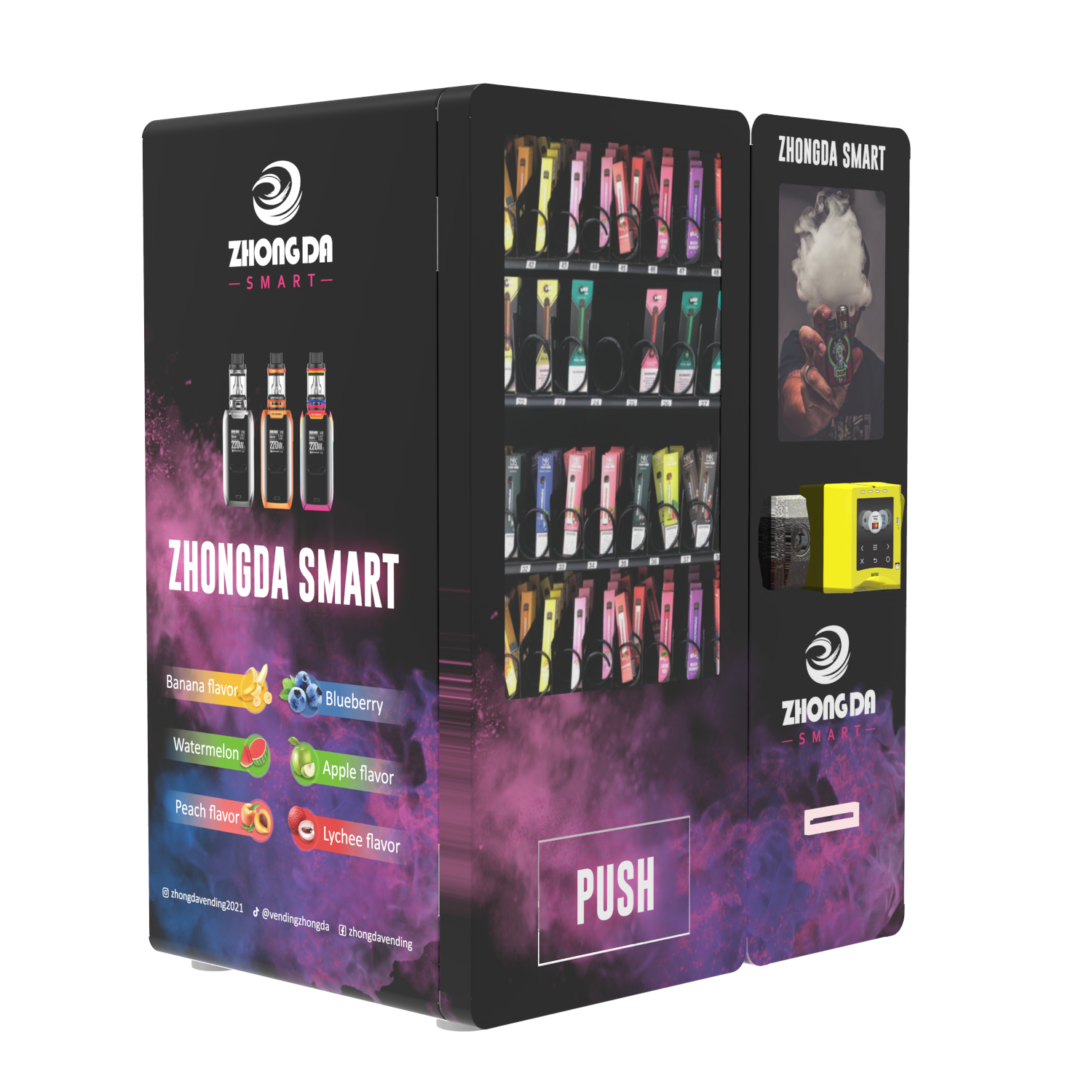
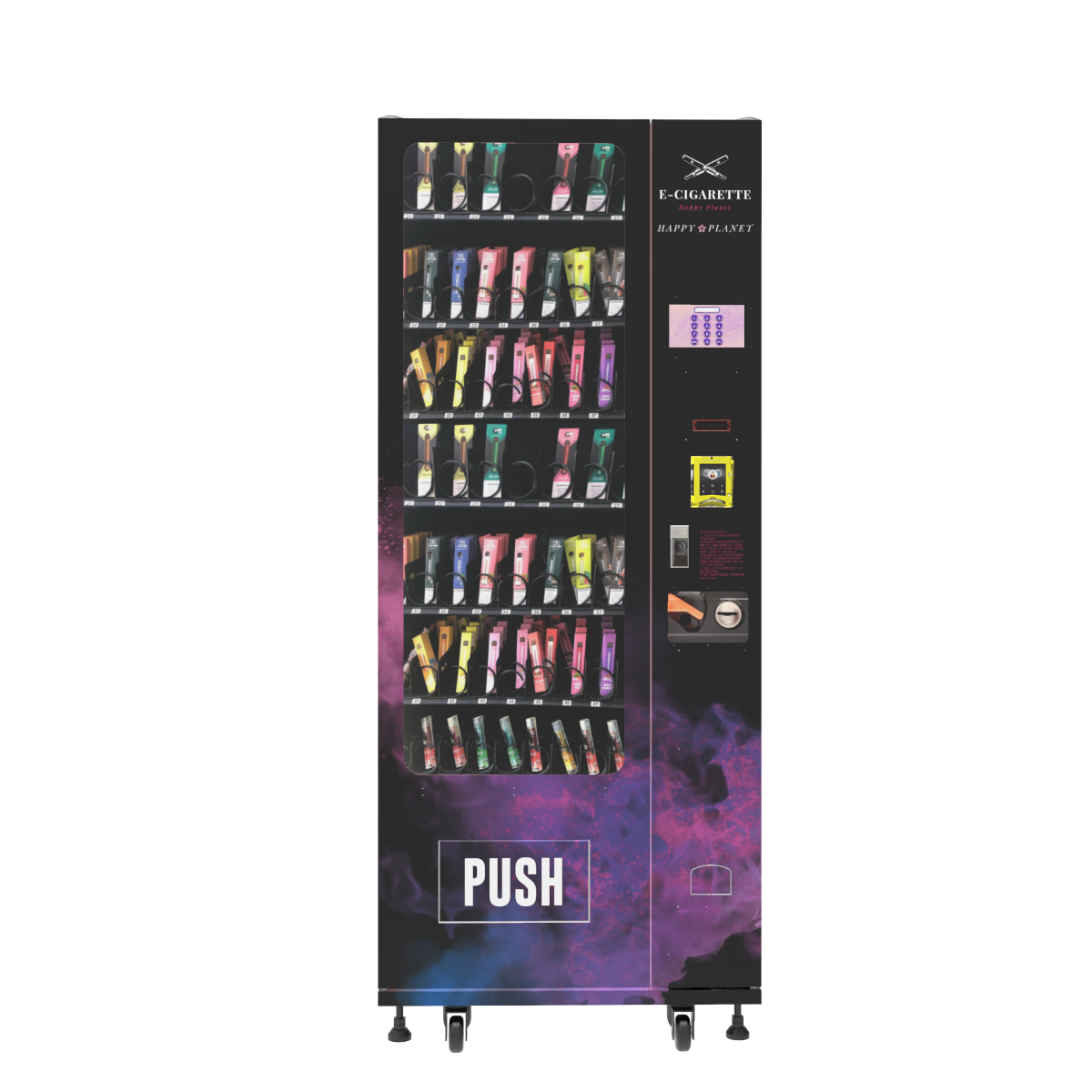
For a deep dive into the specific hardware configurations that meet these requirements, I recommend reviewing the technical specifications on our compliant e-cigarette vending machine page where we break down the encryption modules and data flow protocols we use.
Comparing Security Features Across Machine Types
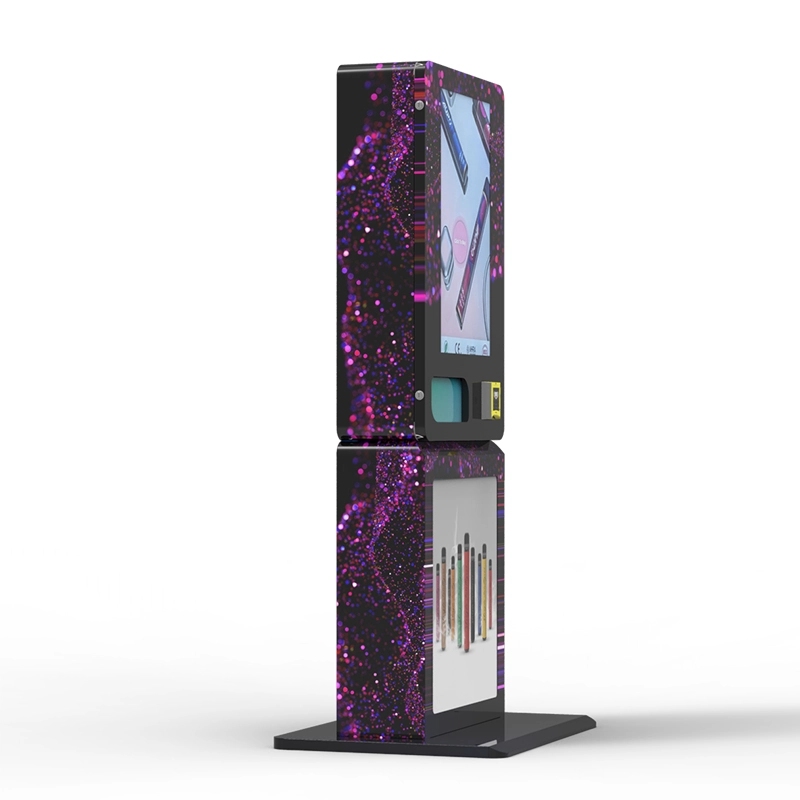
Not all vape vending machines are built the same. I have tested units from five different factories over the years. The differences in data security are staggering. Below is a direct comparison based on what I have measured in actual deployment scenarios.
| Feature | Budget Machine | Mid-Range Machine | Zhongda Smart Machine |
|---|---|---|---|
| Data encryption at rest | None | AES-128 | AES-256 |
| Data encryption in transit | HTTP | TLS 1.2 | TLS 1.3 |
| Local ID storage | Plain text on SD card | Encrypted on internal flash | Encrypted with auto-purge |
| Firmware signing | None | Basic checksum | RSA-2048 signed |
| Remote audit log access | No | Basic CSV export | Real-time encrypted dashboard |
| Physical tamper detection | None | Door switch only | Multi-sensor with alert |
| POPIA compliance certification | No | Self-declared | Third-party audited |
I have personally seen the budget machine in the left column deployed in a high-traffic location. It took exactly three weeks for a security researcher to find the unencrypted ID scans on the SD card. The operator had no idea until I told them. That is the kind of risk you are taking if you prioritize price over security.
How to Verify a Machine is Actually Compliant
I get asked this question constantly by operators who are shopping for equipment. The marketing materials all say "compliant" and "secure." But how do you actually verify it without being a security engineer? Here is what I do when I evaluate a new machine from any factory.
First, I ask for the data flow diagram. If they cannot produce one within 24 hours, that is a red flag. A legitimate manufacturer has this document ready because their engineering team uses it every day. Second, I ask for the third-party penetration test report. Not a self-assessment. A real pen test from an accredited firm. If they say "we are too small for that," they are too small to handle your data.
Third, I physically open the machine and look at the main board. I am looking for a dedicated secure element chip. If the main processor is handling everything including encryption, that machine is vulnerable. A proper design uses a separate chip like an ATECC608A or similar that handles cryptographic operations in hardware. Fourth, I plug in a USB drive and see if the machine recognizes it. A secure machine should ignore any unrecognized USB device.
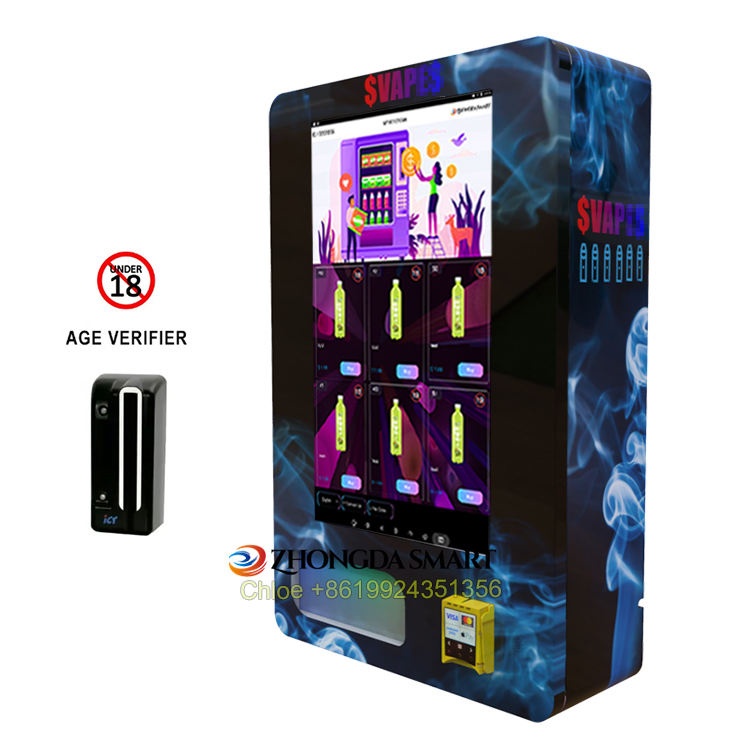
I also recommend checking the age verification vending machine page for a detailed breakdown of how the ID scanning and verification process is isolated from the main storage. That page walks through the exact hardware separation we use to ensure no personal data ever touches the main system memory.
The Data Retention Policy You Must Have
POPIA is very clear about data minimization and retention limits. You cannot store personal data indefinitely just because you might need it later. Section 14 of POPIA states that records of personal information must not be retained longer than is necessary for the purpose for which it was collected. For a vape vending machine, that purpose is age verification at the point of sale.
In my deployments, we set the automatic deletion timer to 30 seconds after the transaction completes. The machine logs the transaction ID, the product sold, and the timestamp. It does not log the customer's name, address, ID number, or any biometric data beyond the initial verification token. That token is meaningless outside the verification system. If someone steals the hard drive, they get transaction numbers and nothing else.
I have had operators argue with me that they want to keep the data for marketing purposes. Do not do it. If you want to run marketing, use a separate loyalty program that the customer opts into with a completely different data collection mechanism. Do not mix age verification data with marketing data. That is how you end up in front of a POPIA tribunal.
Real Deployment Experience: What Worked and What Failed
I want to share a specific deployment story because it illustrates exactly why data security and compliance are not abstract concepts. In 2021, we deployed 18 machines across a chain of 12 bars and clubs in a major European city. The machines were configured with full encryption, cloud-based age verification, and automatic data purging. Everything was running smoothly for about six months.
Then one of the bar managers decided to "help" by connecting the machine to the bar's open Wi-Fi network because the cellular modem was having connectivity issues. That open network had no encryption. Any data passing through that network was visible to anyone on the same Wi-Fi. Our machine was still encrypting data before sending it, so the actual ID information was protected. But the transaction metadata, including machine serial numbers and timestamps, was exposed.
We caught it within 48 hours because our monitoring system flagged an anomaly in the network traffic pattern. We sent a technician to reconfigure the machine to only use the cellular modem. We also added a firmware update that disabled the Wi-Fi option unless it was unlocked with a physical key and an admin password. That incident taught me that you cannot just build a secure machine. You have to build a machine that stays secure even when the operator makes a mistake.
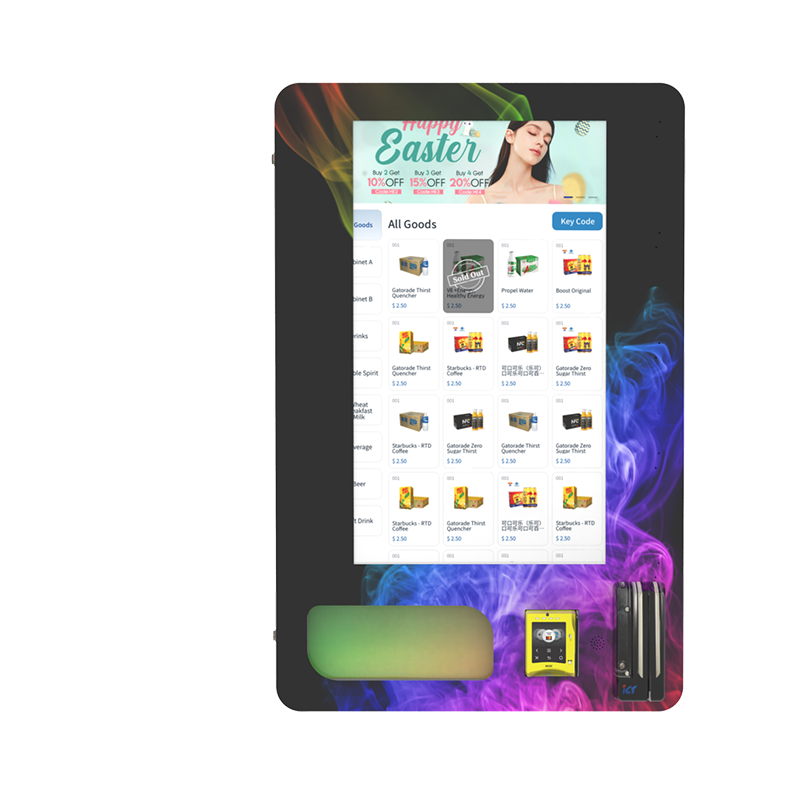
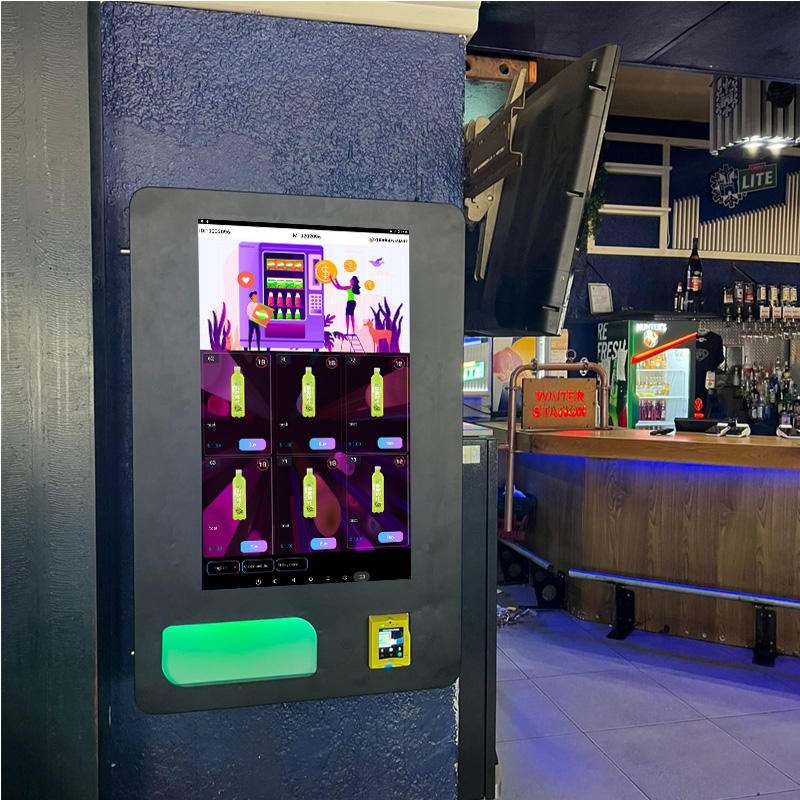
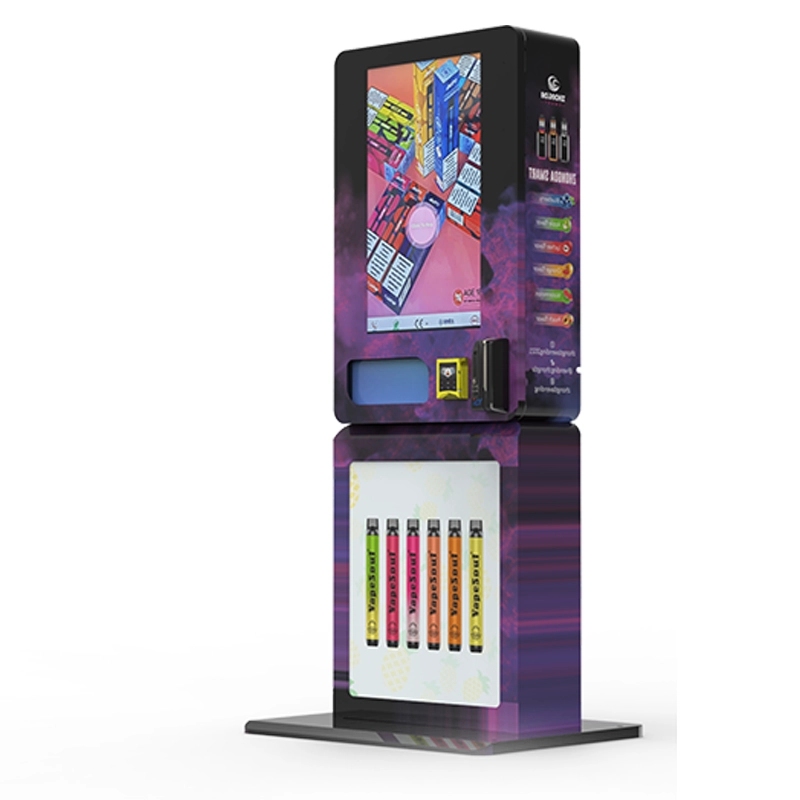
If you are looking at a wall-mounted setup for a bar or lounge, the wall-mounted e-cigarette vending machine is a good example of a form factor that integrates the security hardware without compromising on space or accessibility.
Why Cloud-Based Age Verification is Non-Negotiable
I have tested local-only age verification systems where the machine stores a database of approved IDs on the local storage. That approach is fundamentally broken for compliance. If the machine is stolen, the thief has a database of verified IDs. If the machine is tampered with, the local database can be extracted. Cloud-based verification means the machine never holds the verification logic or the ID database.
The machine sends an encrypted image of the ID to the cloud service. The cloud service processes the image, extracts the date of birth, checks it against the age requirement, and returns a pass or fail. The cloud service does not store the image either. It processes and deletes. That is the only architecture that passes a strict POPIA audit.
I have seen operators try to save on monthly cloud subscription fees by using local verification. The monthly fee for cloud verification is usually between 50 and 150 ZAR per machine depending on the volume. The cost of a single data breach is orders of magnitude higher. The math is simple. Pay the subscription or pay the fine.
Cost Structure and Profit Model for Compliant Machines
Let me be direct about the numbers because I know that is what every operator wants to see. A fully compliant vape vending machine with age verification, encrypted storage, and cloud-based verification costs between 18,000 and 35,000 ZAR depending on the configuration and capacity. That is higher than the non-compliant machines you can find for 8,000 ZAR on some online marketplaces. But those cheap machines are not POPIA compliant. They are not data secure. They are a liability.
Here is the profit model I have seen work consistently across 40 different locations. The average transaction value for a disposable vape is 120 ZAR. The margin is around 40 percent after product cost and payment processing fees. A well-placed machine in a bar or nightclub does between 15 and 30 transactions per night on weekends. That is between 720 and 1,440 ZAR in gross profit per weekend night. Over a month, a single machine can generate between 8,000 and 15,000 ZAR in gross profit.
The monthly operating costs include the cloud verification fee, cellular data plan, restocking labor, and machine maintenance. That runs about 1,500 to 2,500 ZAR per month. The net profit per machine is between 5,500 and 12,500 ZAR per month. The payback period on a compliant machine is three to six months. After that, it is pure profit until the machine needs replacement or major service, which is typically three to five years.
I have seen operators scale from one machine to 50 machines within 18 months using this model. The key is not to cheap out on the initial equipment. Every operator who bought the cheap machines ended up replacing them within a year because of compliance issues, hardware failures, or location contract cancellations. The upfront savings disappeared completely.
Risk Factors You Cannot Ignore
I want to be honest about the risks because I have seen operators lose money when they ignored these factors. The biggest risk is location stability. If the bar or club closes, you lose that revenue stream. You have to move the machine, which costs money and downtime. I always negotiate a minimum 12-month contract with a 30-day notice clause. That gives me time to find a new location if the current one goes under.
The second risk is product theft. Vape vending machines are targets for break-ins. A compliant machine must have a hardened steel cabinet, tamper sensors, and a silent alarm that notifies you and the location security. I have had three attempted break-ins across my fleet in the last two years. In all three cases, the tamper sensors triggered an alert, security arrived within minutes, and the machine was not breached.
The third risk is regulatory change. POPIA is not static. The enforcement guidelines are getting stricter. I track every update from the Information Regulator. I also require my manufacturer to provide firmware updates for at least five years after purchase. If the regulations change, the machine needs to be updatable without replacing the hardware. That is a non-negotiable requirement in my purchase agreements.
For a complete overview of the legal landscape and operational considerations, the vape vending machine legality overview covers the state-by-state variations that affect deployment planning.
Long-Term Maintenance and Firmware Strategy
I have been maintaining vape vending machines for 15 years. The number one reason machines fail after two years is not mechanical wear. It is outdated firmware that no longer meets security standards. I have seen machines that were perfectly functional mechanically but had to be retired because the encryption protocol was deprecated and the manufacturer did not provide an update.
When I select a manufacturer, I look for three things. First, the firmware must be field-updatable over the air. I cannot afford to send a technician to every machine to plug in a USB drive for an update. Second, the manufacturer must commit to providing security patches for at least five years. Third, the update process must be signed and verified. If the update server is compromised, I do not want a malicious firmware pushed to my fleet.
Our factory has a dedicated firmware team that releases updates every quarter. We also have an emergency patch process for zero-day vulnerabilities. If a vulnerability is discovered, we can push a patch to the entire fleet within 24 hours. That is the level of responsiveness you need when you are operating in a regulated market.
The Role of Physical Security in Data Protection
Data security is not just about software. If someone can physically open the machine and access the internal storage, all the encryption in the world is useless if they can also access the decryption key. The machine must have physical tamper detection that triggers a data wipe if the cabinet is opened without authorization.
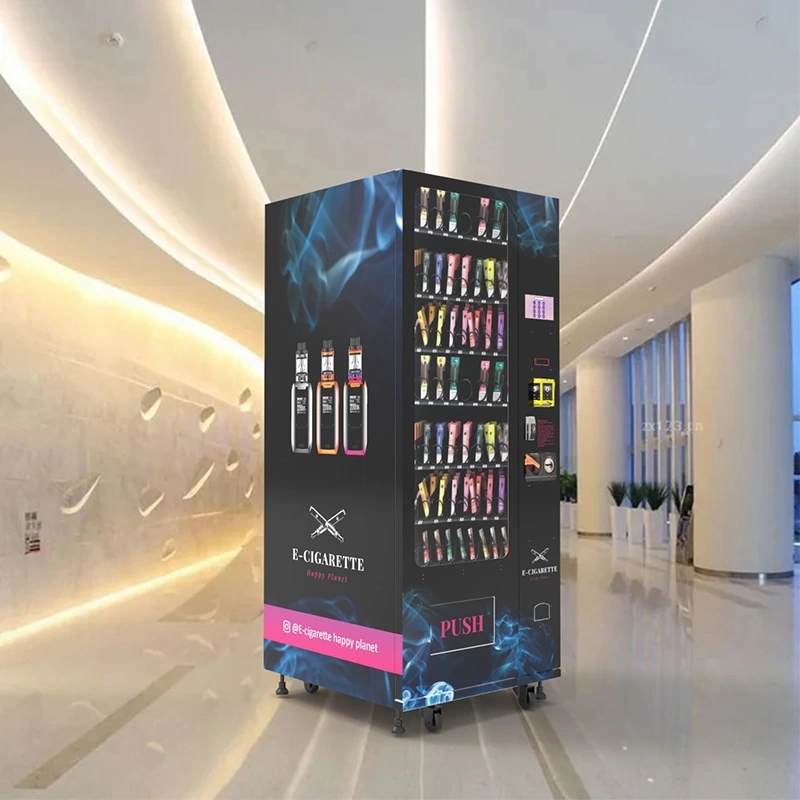
In our machines, we use a multi-layer approach. The cabinet has a high-security lock with anti-drill plates. The main board is mounted inside a locked compartment that requires a separate key. The storage module is potted in epoxy to prevent physical removal and reading. If the tamper circuit is broken, the secure element chip erases the encryption keys immediately.
I have tested this myself. I opened a machine with the tamper circuit active. Within five seconds, the machine emitted a loud alarm, sent a notification to the cloud dashboard, and wiped the local encryption keys. The data on the storage was now permanently unreadable. That is the level of physical security required for POPIA compliance.
Frequently Asked Questions
What is a POPIA compliant vape vending machine?
A POPIA compliant vape vending machine is a self-service kiosk that meets the data protection requirements of the Protection of Personal Information Act in South Africa. This includes encrypting all personal data at rest and in transit, using cloud-based age verification that does not store ID images locally, implementing automatic data purging after each transaction, and providing audit trails for all data access. The machine must also have physical tamper detection and secure firmware update capabilities.
How does age verification work in a compliant vending machine?
The customer presents a government-issued ID. The machine captures the image using an encrypted camera module. That image is immediately encrypted and sent over a secure TLS 1.3 connection to a cloud-based verification server. The server extracts the date of birth, verifies the age against the legal requirement, and returns a pass or fail token. The machine never stores the raw ID image. The verification token is logged for audit purposes, but the personal data is purged from local memory within 60 seconds.
What happens if the machine is stolen?
If the machine is physically breached or removed from its installed location without authorization, the tamper detection system triggers an immediate data wipe. The secure element chip erases the encryption keys, making all stored data permanently unreadable. The machine also sends a real-time alert to the operator and the location security. The cloud verification server is notified to revoke any active tokens associated with that machine. The physical storage itself is encrypted with AES-256, so even if someone extracts the storage chip, they cannot read the data without the keys that no longer exist.
How much does a compliant machine cost compared to a non-compliant one?
A fully compliant machine with age verification, encrypted storage, and cloud verification typically costs between 18,000 and 35,000 ZAR. Non-compliant machines can be found for 8,000 ZAR or less. However, the non-compliant machine carries significant legal and financial risk. A single POPIA violation can result in fines up to 10 million ZAR or imprisonment. The compliant machine pays for itself within three to six months and eliminates the risk of catastrophic data breach liability.
Can I retrofit an existing vending machine to be POPIA compliant?
Retrofitting is rarely practical or cost-effective. Most older machines lack the hardware required for proper encryption, secure element chips, and tamper detection. Replacing the main board, adding a secure element, upgrading the camera module, and rewriting the firmware often costs more than buying a new compliant machine. I have seen operators attempt retrofits and end up with machines that still fail audits because of fundamental design limitations in the original cabinet and power system.
What data does a compliant machine store about customers?
A properly configured compliant machine stores only transaction metadata: product sold, timestamp, transaction ID, and a verification token that is meaningless outside the verification system. It does not store the customer's name, address, ID number, or biometric data. The verification token is automatically deleted after a set retention period, typically 30 seconds to 60 seconds after the transaction completes. The operator can access aggregated sales data but cannot link any transaction to a specific individual.
How often should firmware be updated on a compliant machine?
Firmware should be updated at least quarterly for security patches and feature improvements. Emergency patches should be deployable within 24 hours for critical vulnerabilities. The manufacturer should provide over-the-air update capability so that no physical visit is required for routine updates. The update process must use signed firmware images to prevent malicious code from being installed. I recommend having a firmware update schedule written into the purchase agreement with the manufacturer.
Final Recommendations from the Factory Floor
I have been in this industry long enough to see the patterns repeat. Operators who prioritize upfront cost over compliance always end up paying more in the long run. Operators who treat data security as a marketing checkbox rather than an engineering requirement get burned. The market is maturing. Customers are more aware of data privacy. Location partners are doing their own due diligence before signing contracts.
If you are serious about building a vape vending machine business that lasts, start with the right hardware. Demand to see the data flow diagram. Demand the penetration test report. Demand a five-year firmware support commitment. And do not compromise on the encryption standard. AES-256 is not optional. TLS 1.3 is not optional. Cloud-based age verification is not optional.
I have built my entire operation on this foundation. It has saved me from legal trouble, protected my location contracts, and allowed me to sleep at night knowing that my machines are not a liability. The upfront investment in a truly POPIA compliant vape vending machine South Africa data security system is the single best business decision you can make in this industry.
For a complete product overview and technical documentation, visit the main vape vending machines page where you can compare models and specifications side by side.
Sources and References:
- Protection of Personal Information Act, 2013 (POPIA) – Government of South Africa. Available at: https://www.gov.za/documents/protection-personal-information-act
- Information Regulator South Africa – Enforcement Guidelines for POPIA. Available at: https://www.justice.gov.za/inforeg/
- Statista – Vending Machine Market Statistics and Revenue Data. Available at: https://www.statista.com/outlook/cmo/food/vending-machines/worldwide
- IBISWorld – Vending Machine Operators Industry Report. Available at: https://www.ibisworld.com/industry-statistics/number-of-businesses/vending-machine-operators-united-states/
- Forbes – Data Privacy Trends and Compliance Costs for Small Businesses. Available at: https://www.forbes.com/sites/forbestechcouncil/2023/01/17/data-privacy-compliance-costs/