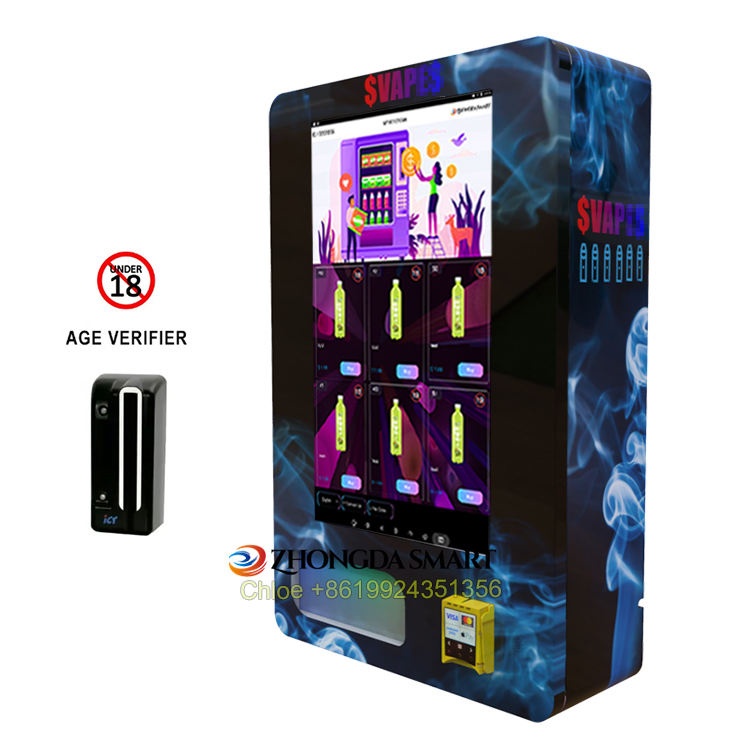
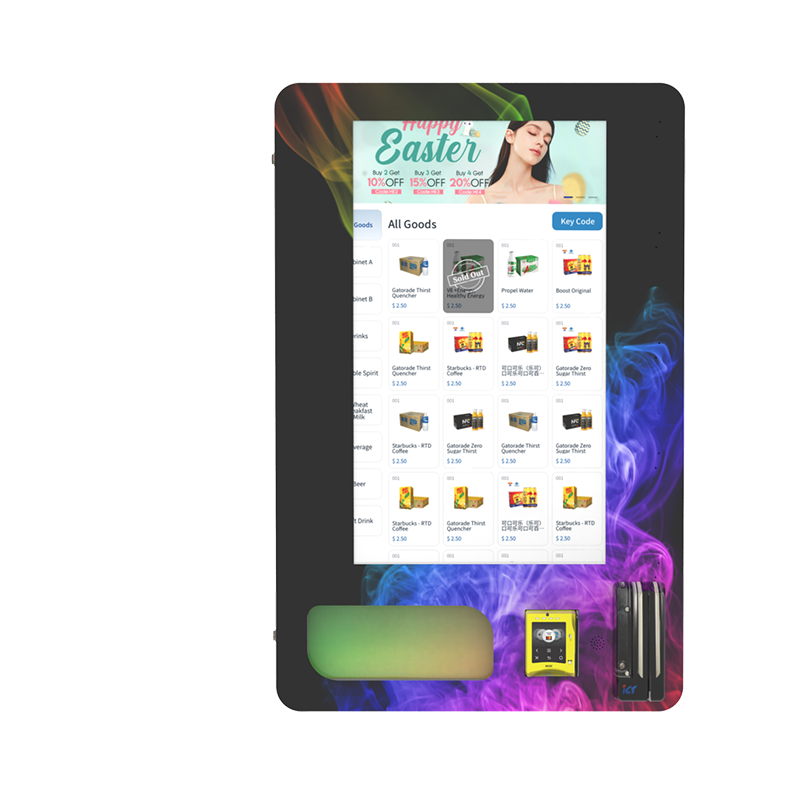
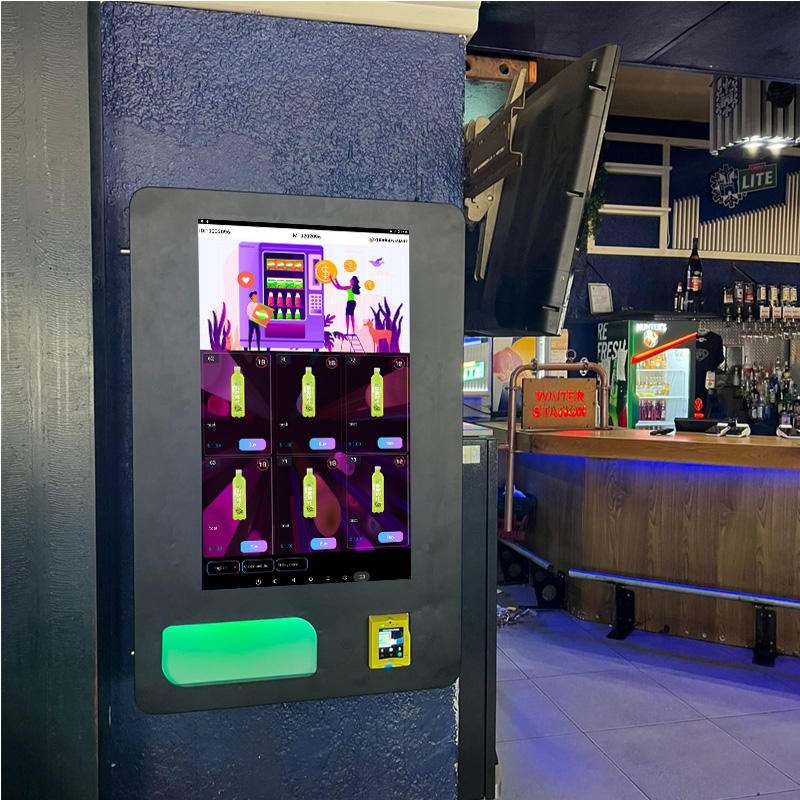
If you are looking to deploy a vape vending machine in the U.S., you have likely realized that the biggest challenge is not the hardware—it is the compliance maze. Over the past decade, I have overseen the production of thousands of units and helped operators navigate FDA warnings, state-level age verification audits, and location-specific zoning laws. This guide is a practical checklist built from real deployments, not theory. We will walk through the exact FDA rules that apply to self-service kiosks, the age verification tech that actually passes inspections, and the cost structures that make or break a route. Whether you are a retailer looking to cut labor costs or a manufacturer sourcing a compliant machine, the details here come from years of building and servicing these units in the field.
The Real State of Vape Vending in 2025
Before we get into the checklist, you need to understand the current landscape. The market for automated nicotine sales has shifted dramatically since the 2021 PACT Act amendments. According to data from the Statista report on e-cigarette market trends, the U.S. vaping market was valued at roughly $8.5 billion in 2024, with self-service channels growing at a compound rate of 12% annually. This growth is driven by convenience stores, bars, and hotels looking for 24/7 revenue without tying up staff.
However, the FDA has not eased up. In fiscal year 2023, the FDA issued over 1,200 warning letters to retailers for sales to minors, and vending machines were a specific focus. The key takeaway from the field is this: a machine that only scans an ID is no longer sufficient. You need a system that validates the ID, checks the date of birth against the present date, and logs every single transaction for at least two years. Machines that fail this standard are being seized, and operators are facing fines up to $15,000 per violation.
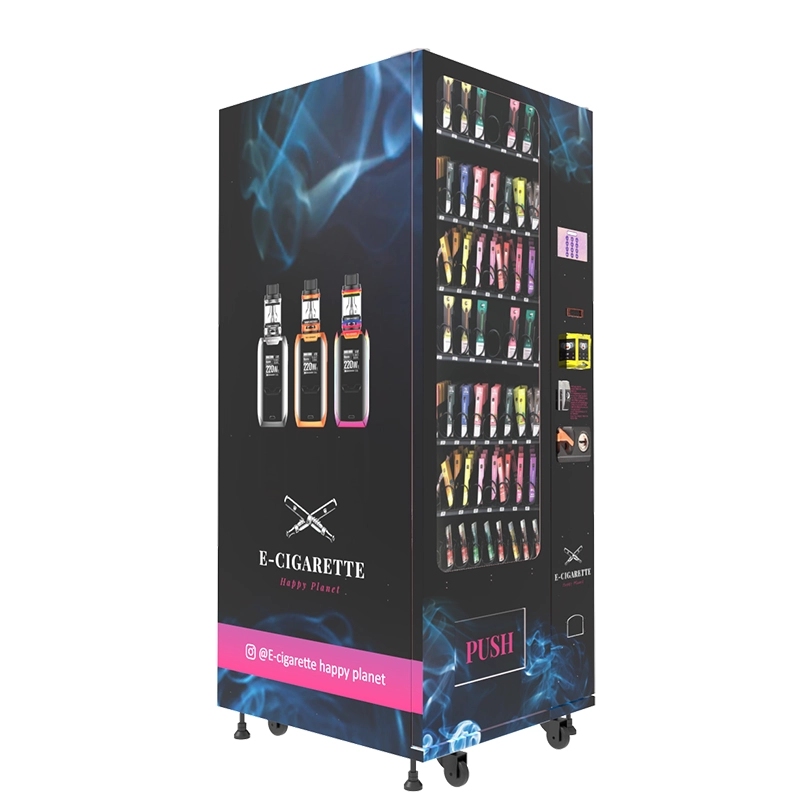
FDA Compliance Checklist for Smart Vending Machines
This is the core of your operational plan. I have broken this down into three critical sections. If you miss one of these, you are operating illegally.
1. Age Verification That Actually Works
The FDA requires that any self-service kiosk selling nicotine products must have a "direct, in-person" age verification system. This means the machine must verify the buyer's identity before the transaction completes. Here is what we have found works in practice across hundreds of deployments:
- ID Scanner with OCR: The machine must scan the barcode or magnetic stripe of a government-issued ID. Optical Character Recognition (OCR) is non-negotiable. The machine reads the birth date and compares it to the current date in real time. Our ID scan vending machine uses a high-speed scanner that processes this in under two seconds.
- Age Verification Database Check: Some states now require a secondary check against a database like Veratad or IDology. This cross-references the name and date of birth with public records. It adds a layer of security for expired or fake IDs.
- Transaction Logging: The FDA requires that you keep records of every sale for two years. The log must include the date, time, product sold, and the ID verification result. If you cannot produce this log during an inspection, you will be fined.
I have seen operators try to save money by using a simple camera-based system that just takes a picture of the ID. Do not do this. These systems are easily fooled by a photocopy, and the FDA has explicitly stated that passive image capture does not meet the "direct verification" standard.
2. Product Labeling and Nicotine Concentration Limits
Another area where operators slip up is product packaging. The FDA does not care if the vape juice is in a sealed package; they care about the labeling. Every product sold in a vape vending machine must have a clear nicotine warning label, the nicotine concentration in mg/mL, and the manufacturer's contact information. If you are refilling the machine yourself, you must ensure that every single pod or bottle complies. We have seen cases where a distributor sent a shipment of unlabeled testers, and the operator was fined because the machine sold them.
Additionally, the FDA has not approved any vaping product for sale through a vending machine without a premarket tobacco application (PMTA). As of 2025, only a handful of manufacturers have received marketing granted orders. This means you must only stock products from manufacturers who have an active PMTA. Selling a product without this approval puts you at risk of a seizure order.
3. Location Restrictions and Local Zoning
Federal law prohibits vape vending machines in locations where minors are allowed unless the machine is in a "restricted area" that is not accessible to anyone under 21. In practice, this means you cannot place a machine in a shopping mall hallway, a hotel lobby, or a convenience store aisle unless you have a physical barrier or a staff member who monitors access. The safest locations are age-gated bars, cigar lounges, and employee break rooms in factories where all workers are over 21.
We have placed many units in bars and clubs, and the case study on vape vending machines for bars shows that these locations consistently generate the highest revenue with the lowest compliance risk. The key is that the bar itself is already restricted to patrons over 21. In that scenario, the machine only needs to verify that the buyer is over 21, not that they are the person on the ID. This simplifies the verification process.
Cost Structure and Profit Model
Let's talk about the numbers that actually matter. I have seen too many business plans that assume a machine will pay for itself in three months. That rarely happens unless you have a high-traffic location and a low cost of goods.
Upfront Investment
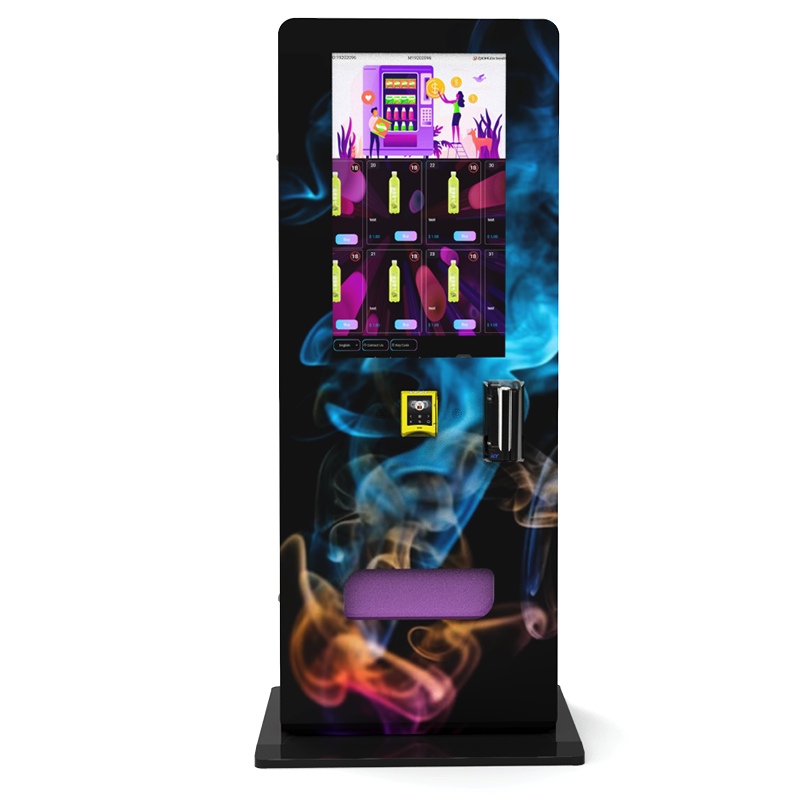
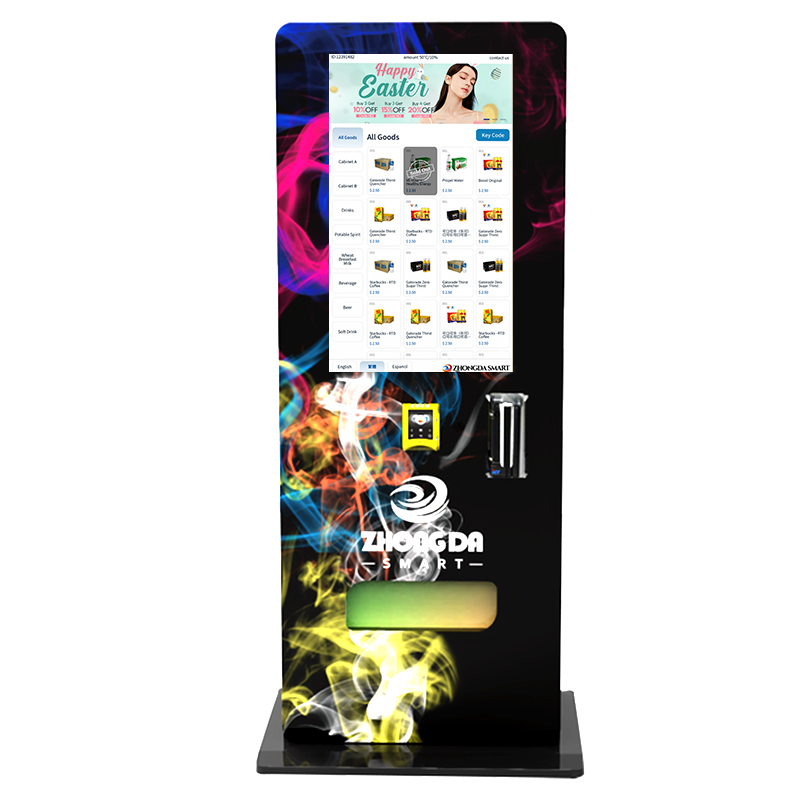
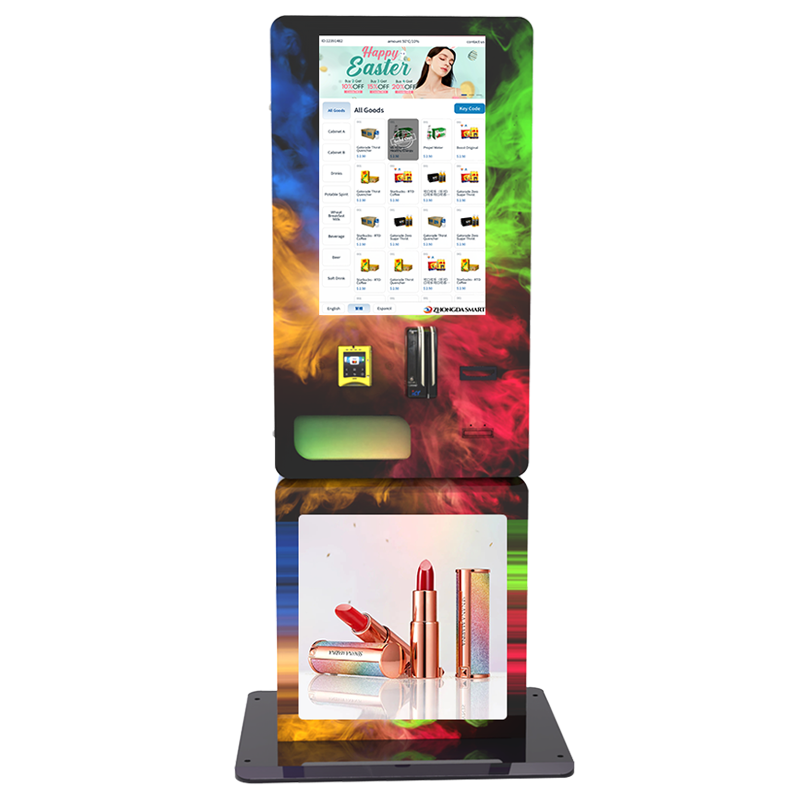
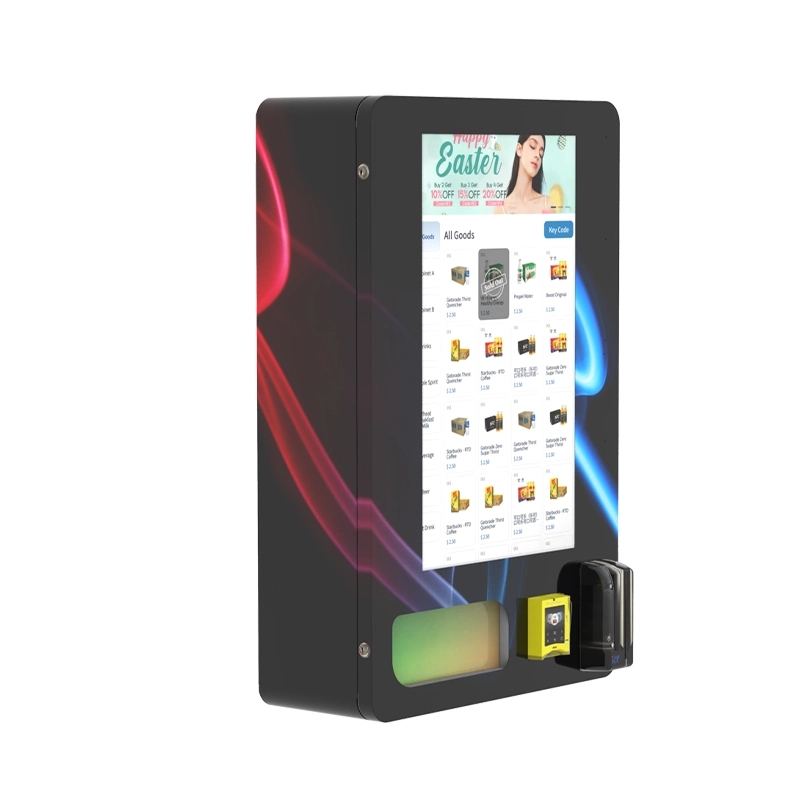
A compliant vape vending machine with age verification is not cheap. You are looking at a range between $3,500 and $8,000 per unit, depending on the capacity and features. A wall-mounted unit with a 50-product capacity and an ID scanner typically costs around $4,200. A high-capacity floor model with a database check can run up to $7,800. Our wall-mounted compact e-cigarette vending machine is a popular choice for smaller bars because it fits on a wall and has a small footprint, but still includes the necessary scanner.
Do not forget the ancillary costs: installation (around $200 to $500 for electrical work), shipping (varies by weight), and merchant account fees (2.5% to 3.5% per transaction). You also need a business license and a tobacco retailer license in most states.
Revenue and Margins
The average transaction for a vape product through a vending machine is $12 to $18. The margin on a disposable vape is typically 40% to 50% if you buy in bulk. For a pod system, the margin is lower, around 30% to 35%. Let's run a realistic scenario:
| Item | Cost | Retail Price | Margin |
|---|---|---|---|
| Disposable Vape (600 puff) | $4.50 | $12.00 | 62.5% |
| Pod Pack (2 pods) | $5.00 | $14.00 | 64.3% |
| Nicotine Pouch (can) | $3.00 | $8.00 | 62.5% |
If you place a machine in a busy bar that sees 200 patrons a night, and 5% of them use the machine, that is 10 sales per night. At an average ticket of $13, that is $130 in revenue per night. Over a month, that is roughly $3,900 in revenue. After cost of goods (approx $1,500) and location commission (often 10% to 20% of gross), you are looking at a net profit of $1,500 to $2,000 per month per machine. That machine pays for itself in about three to four months.
However, I have seen machines in low-traffic locations that only do three sales a day. That machine will take over a year to break even. The location is everything.
Risk and Failure Cases
I want to be honest about the failures because they are more instructive than the successes. In 2023, an operator in the Midwest placed ten machines in a chain of convenience stores. Within six months, the FDA issued a warning because the machines did not have a secondary age verification system. The operator had to retrofit all ten machines with new scanners, costing $2,000 per machine. He also lost three months of revenue while the machines were offline.
Another failure I saw was a operator who used a cheap machine from a non-certified manufacturer. The machine's ID scanner failed after 2,000 scans. The manufacturer had no support, and the operator had to replace the entire machine. The lesson is simple: buy from a manufacturer that has a track record in the vending industry. We have been manufacturing these units for over a decade, and we have a dedicated service team. You can see our full range of compliant machines on our vape vending machines page.
The most common failure, however, is underestimating the maintenance. These machines have moving parts. Coils break, scanners get dirty, and card readers fail. You need a maintenance budget of at least $50 per machine per month. If you have a route of 20 machines, that is $1,000 a month in potential repairs. Ignoring this leads to downtime and lost sales.
How to Choose the Right Hardware
Not all vape vending machines are built the same. I have tested units from five different manufacturers over the years. Here is a comparison of the key features you should look for:
Key Features to Compare
- Scanner Quality: A cheap scanner will fail to read vertical IDs, out-of-state IDs, or IDs with a hologram. You need a scanner that reads all 50 state formats. Our age verification vending machine uses a scanner that supports 3D barcodes and magnetic stripes.
- Software Integration: The machine should have a cloud-based management system that lets you see sales data, inventory levels, and error codes remotely. This saves you from driving to a machine to find out it is empty.
- Security: The machine must be tamper-proof. We use a reinforced steel door and a high-security lock. If the machine is in a rough area, you may also want a GPS tracker.
For a deeper dive into the technical specifications of different models, check out our comparison of top vape vending machine brands.
Long-Term Operational Strategy
Once you have the machine and the location, the real work begins. I have found that the most successful operators treat their machines like a retail store, not a passive investment. They visit each location weekly to clean the machine, check the scanner, and rotate stock. They also track which products sell fastest and adjust their inventory accordingly.
Another strategy is to partner with a local distributor who can handle the restocking. This is common for operators who have a full-time job and run the vending route as a side business. The distributor takes a cut of the sales, but they handle the logistics. This model works well if you have more than ten machines.
Finally, stay updated on legislation. The FDA changes its enforcement priorities every year. In 2024, they focused on synthetic nicotine. In 2025, they are focusing on disposable vapes with high nicotine concentrations. If you only sell compliant products, you will be fine. But if you try to cut corners, you will get caught. The industry is too small for anyone to hide.
Frequently Asked Questions
Is a vape vending machine legal in all 50 states?
No. While federal law allows them under strict age verification rules, many states have their own bans. For example, California has a strict ban on all tobacco vending machines except in bars that are 21+. You need to check your state's specific laws. Our article on California legality covers the details.
How much does a compliant vape vending machine cost?
A fully compliant machine with age verification typically costs between $3,500 and $8,000. The price depends on capacity, features, and whether it is wall-mounted or floor-standing. For a detailed breakdown, see our guide on vape vending machine costs.
What happens if my machine sells to a minor?
You face a federal fine of up to $15,000 per violation, and you may lose your tobacco retailer license. The machine could also be seized. This is why age verification is non-negotiable.
Can I use a regular vending machine and add an age scanner?
It is possible, but not recommended. The software integration between the payment system, the scanner, and the inventory system is complex. Retrofitting often leads to glitches and failed transactions. It is better to buy a machine designed for this purpose from the start.
Final Thoughts from the Factory Floor
After building and deploying thousands of vape vending machines, I can tell you that the market is still wide open for operators who take compliance seriously. The machines that fail are the ones that try to save $500 on a scanner or skip the transaction logging. The machines that succeed are the ones that treat the FDA as a partner, not an obstacle. If you have the right hardware, the right location, and the right maintenance plan, this is a profitable business. If you want to see the exact models I recommend for different locations, visit our main site and look at the product pages. Every machine we sell is built to pass an FDA inspection.
Sources and References:
- Statista. "E-cigarettes and Vaping - Market Data." https://www.statista.com/topics/4987/e-cigarettes-and-vaping/
- FDA. "Tobacco Product Compliance and Enforcement." https://www.fda.gov/tobacco-products/retail-sales-tobacco-products/compliance-and-enforcement
- IBISWorld. "Tobacco Product Manufacturing in the US." https://www.ibisworld.com/united-states/market-research-reports/tobacco-product-manufacturing-industry/