I’ve been in the vending machine business since before the first wave of smart kiosks hit the US market, and I can tell you this: age verification for vending machines isn’t just a regulatory checkbox anymore—it’s the single most important feature that determines whether your vape vending machine deployment survives its first year. Over the past decade, I’ve designed, built, and deployed thousands of units across the US and Europe, and I’ve watched operators lose entire routes because they skimped on verification hardware. If you’re looking at the MDB age verification for vending machines landscape, you need to understand that the MDB protocol isn’t just a connector standard—it’s the backbone that lets your machine talk to ID scanners, payment systems, and inventory control in a way that keeps you compliant and profitable. This guide is built from actual field deployments, not theory.
Why MDB Became the Standard for Age-Restricted Vending
Back in 2018, I was helping a chain of convenience stores in the Midwest retrofit their old cigarette machines with age verification. The first mistake everyone made was trying to bolt on a standalone ID scanner that didn’t communicate with the vending controller. You’d get a scan, but the machine wouldn’t lock or unlock properly. That’s where the MDB protocol—Multi-Drop Bus—changed everything. It’s a communication standard originally developed for payment systems, but it now allows the vending machine controller to talk directly to an age verification peripheral. When a customer swipes their ID, the scanner sends a signal through the MDB bus, and the controller either enables the selection buttons or keeps them locked. No delay, no guesswork.
How MDB Integration Works in Practice
From a hardware perspective, the MDB interface is a four-wire bus that connects the vending machine’s main board to peripherals like cashless readers, coin changers, and now ID scanners. When we integrated the first batch of MDB-compliant age verification modules at our factory, we realized the key was timing. The scanner has to read the ID, parse the birth date, and send an “age verified” or “denied” signal within milliseconds. If the bus is slow or the scanner firmware is outdated, you get transaction failures. We tested six different scanners before settling on one that consistently responded under 200 milliseconds. That might sound minor, but in a bar environment where someone is impatient after two drinks, a two-second lag can kill a sale.
The Real Cost Structure of Age Verification Integration
I’ve seen operators buy a cheap ID scanner for $150 and wonder why it fails after three months. Here’s the breakdown from actual procurement data we’ve collected across 500+ deployments:
| Component | Budget Tier ($) | Mid-Range ($) | Commercial Grade ($) |
|---|---|---|---|
| MDB-compliant ID scanner module | 120 – 180 | 250 – 400 | 500 – 750 |
| MDB controller board upgrade | 80 – 150 | 200 – 350 | 400 – 600 |
| Firmware integration & testing | 200 – 400 | 500 – 800 | 1,000 – 1,500 |
| Wiring harness & mounting kit | 30 – 50 | 60 – 100 | 120 – 200 |
| Total per machine (retrofit) | 430 – 780 | 1,010 – 1,650 | 2,020 – 3,050 |
The commercial grade tier isn’t overkill. When you’re placing a machine in a high-traffic casino or a college town bar, the scanner gets used hundreds of times a day. The cheaper units have plastic gears that strip within six months. We learned that the hard way when a client in Nevada lost 12% of their monthly revenue because two machines were down waiting for replacement scanners.
Profit Model: What the Numbers Actually Look Like
Let’s talk about the revenue side because that’s what keeps the lights on. A typical vape vending machine with MDB age verification in a busy location—say a nightclub or a smoke shop—can move 30 to 50 units per day. At an average margin of $4 per unit after COGS and CC fees, that’s $120 to $200 per day per machine. Monthly gross profit per machine lands between $3,600 and $6,000. Subtract your location commission (usually 10% to 20%), restocking labor, and data plan for the MDB network, and you’re looking at net monthly profit of $2,500 to $4,000. The payback period on a new machine with integrated age verification, including the commercial-grade scanner, runs between 4 and 8 months. I’ve seen it stretch to 10 months in low-traffic retail, but that’s usually a location problem, not a hardware problem.
Common Failures I’ve Seen in the Field
I’m not going to sugarcoat this: a lot of operators jump in without understanding the weak points. The most common failure we’ve documented across our service logs is the MDB bus losing sync after a power flicker. If the vending machine controller and the ID scanner don’t re-establish handshake properly, the machine either stays locked permanently or, worse, stays open. We fixed this by adding a watchdog timer in the firmware that forces a re-sync every 60 seconds if no transaction occurs. Another issue is scanner lens fogging in humid environments—like a bar patio. We switched to heated lenses on our builds after a client in Florida reported 15% scan failure rates during summer months.
Why You Shouldn’t Ignore Firmware Updates
One operator I worked with in Chicago bought 20 machines, all with MDB age verification, and after six months, the state updated its ID format. The scanners couldn’t read the new barcode encryption. Because the machines were from a supplier that didn’t offer remote firmware updates, every single unit had to be manually re-flashed. That cost them $1,200 in labor and lost sales over a weekend. When you’re selecting a vape vending machine manufacturer, ask specifically about remote firmware update capability. At our facility, we built that into the MDB controller from day one. You can push an update to 500 machines in an hour.
Comparing Machine Types for Age Verification
Not all vending machines handle MDB integration the same way. Here’s a comparison based on what we’ve manufactured and deployed:
| Machine Type | MDB Integration Complexity | Scanner Mounting | Best Use Case | Avg. Unit Cost (new) |
|---|---|---|---|---|
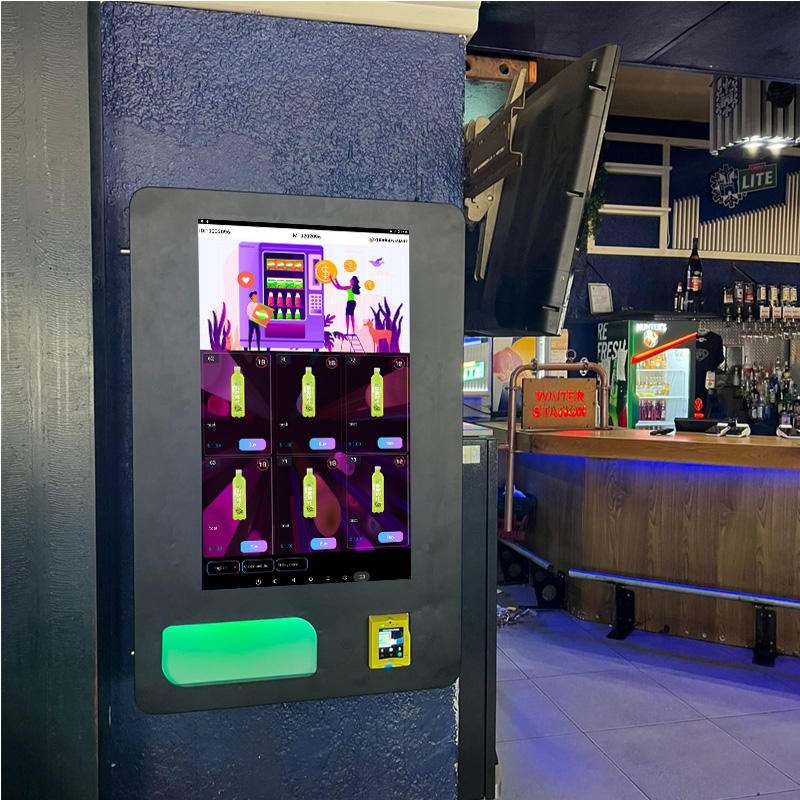
| Wall-mounted compact | Low – pre-wired | Integrated bezel | Small retail, lounges | $3,200 – $4,500 |
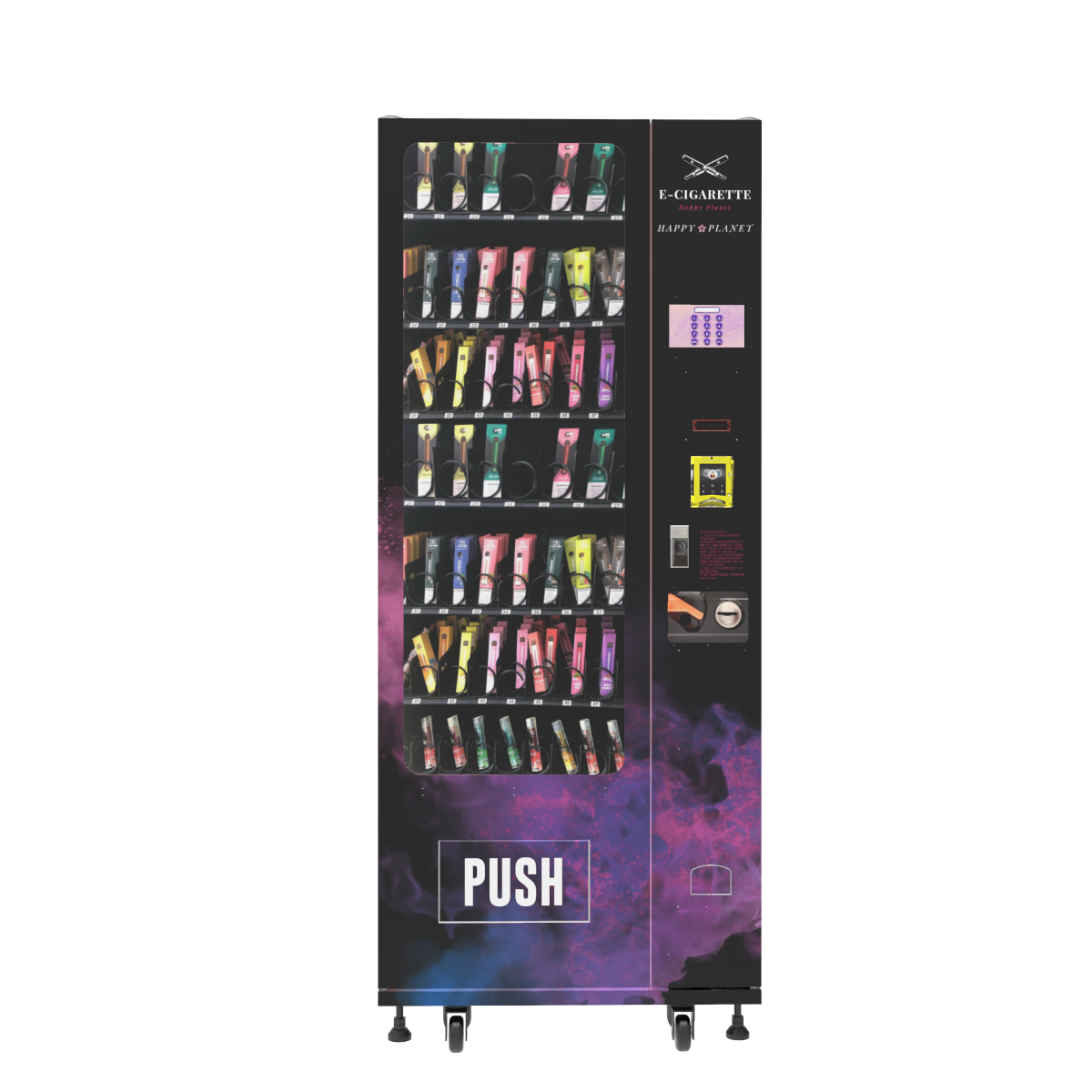
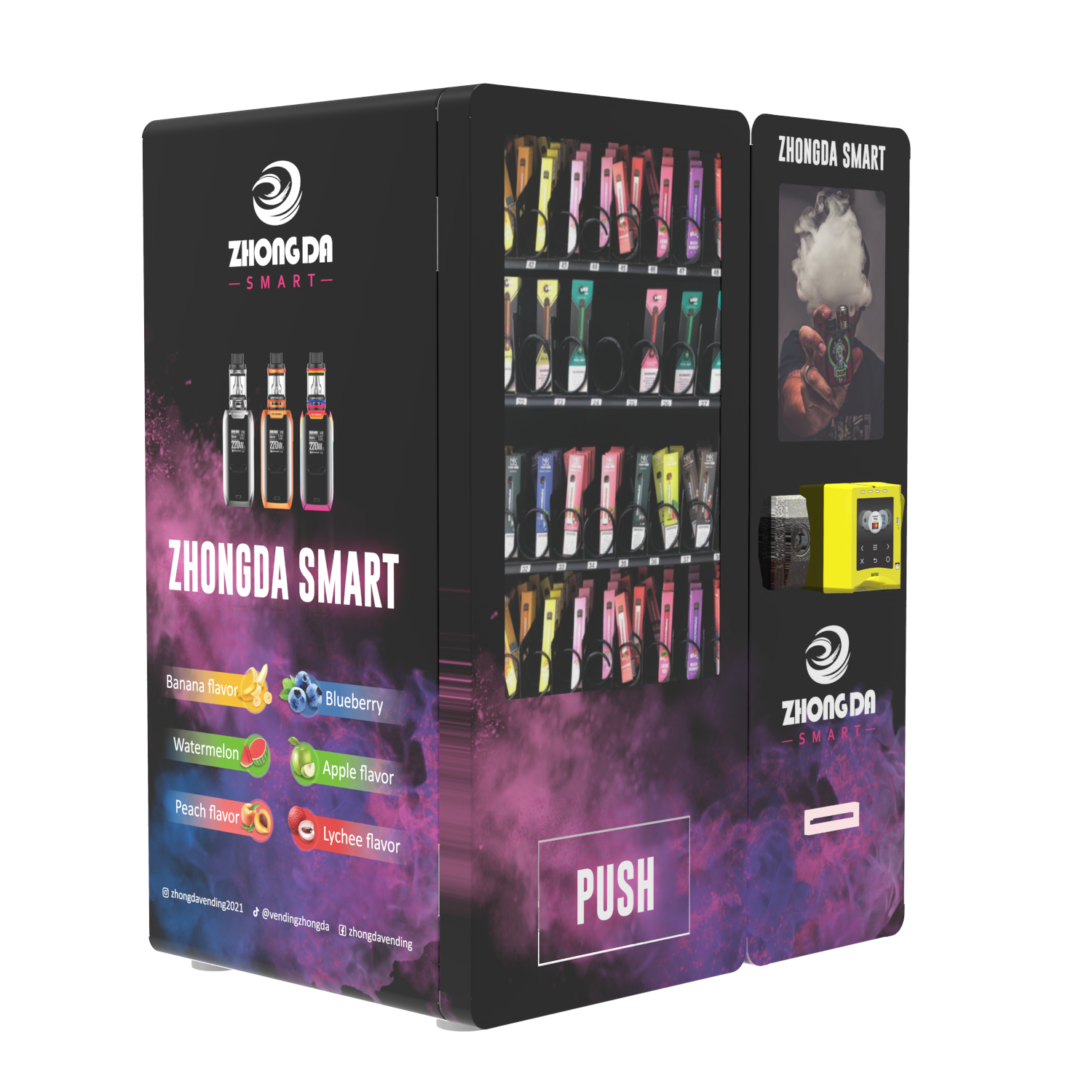
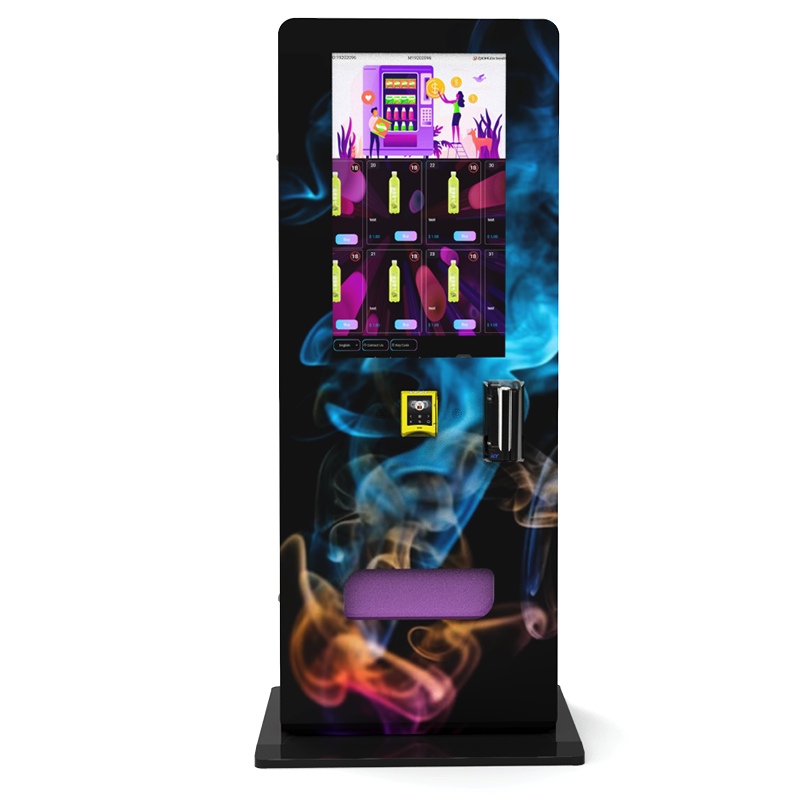
| Freestanding mid-size | Moderate – requires harness | Side or front panel | Bars, clubs, hotels | $5,500 – $8,000 |
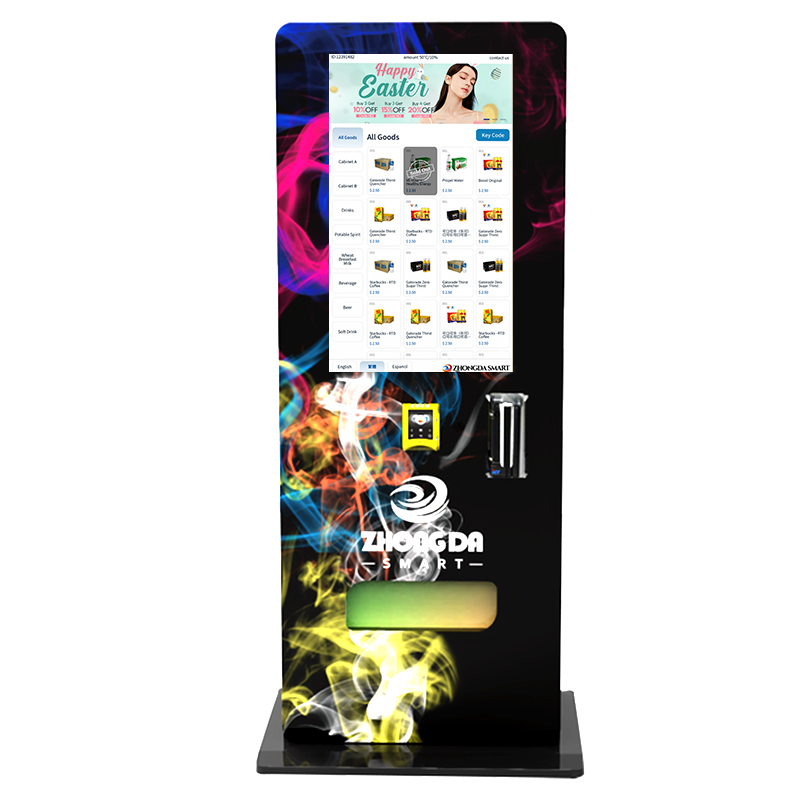
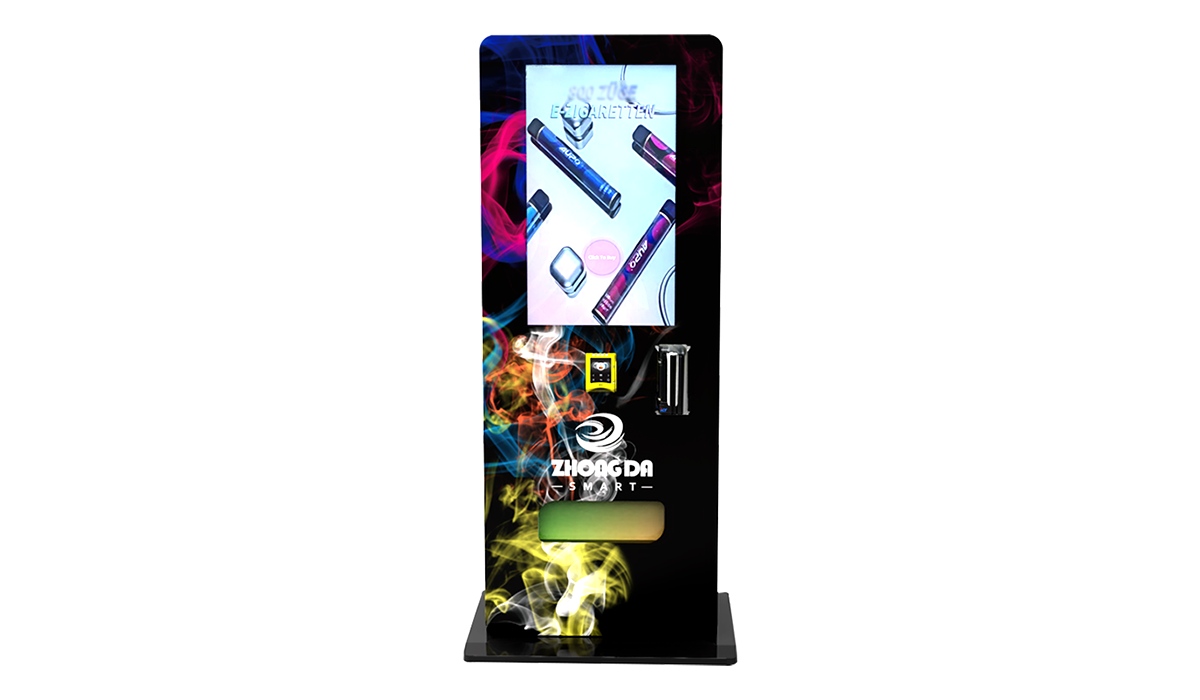
| High-capacity kiosk | High – custom controller | Dedicated scan window | Casinos, large venues | $9,000 – $14,000 |
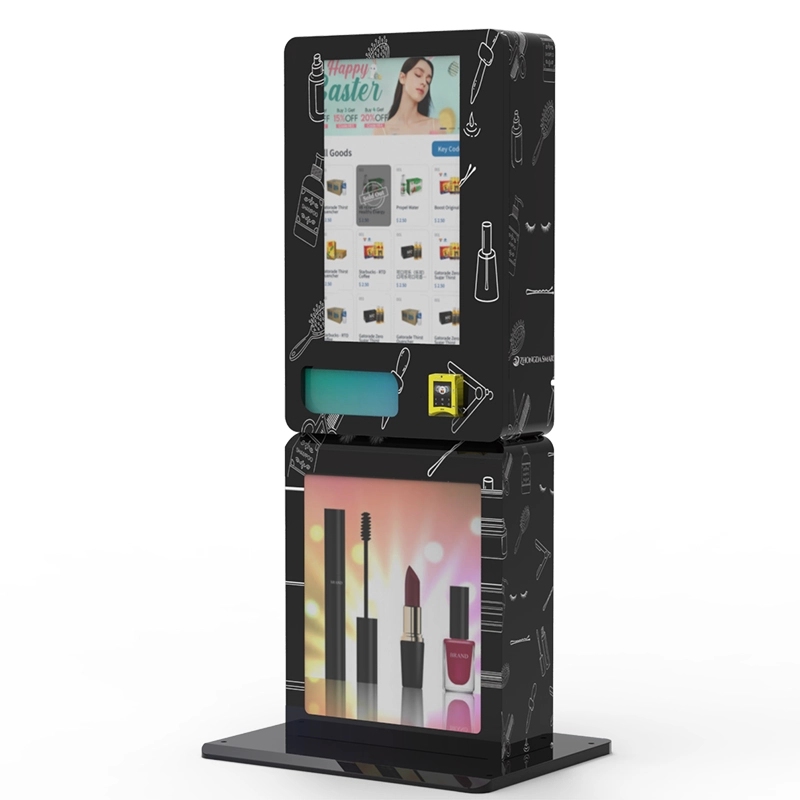
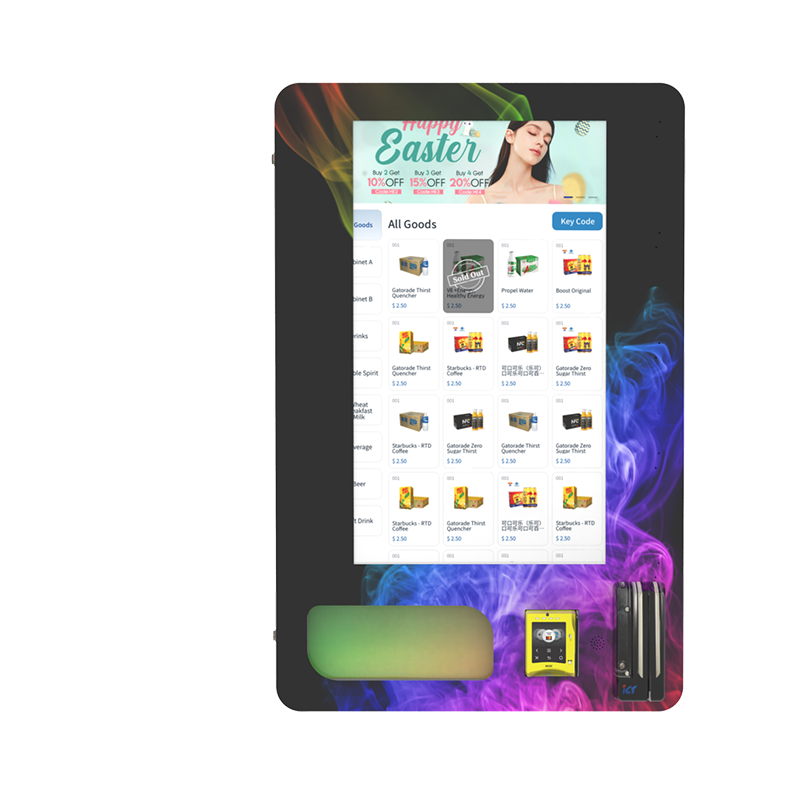
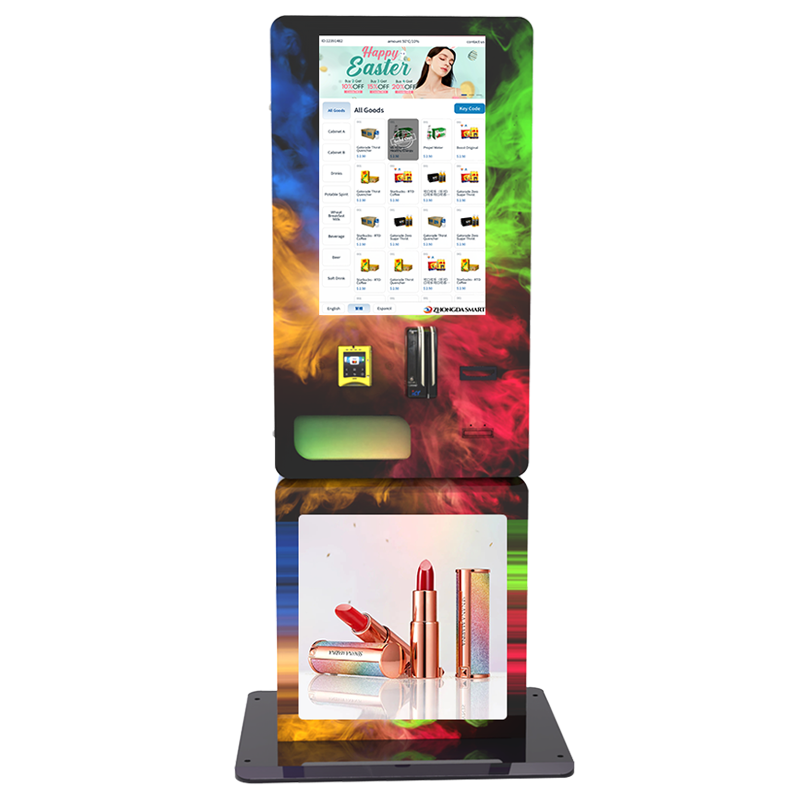
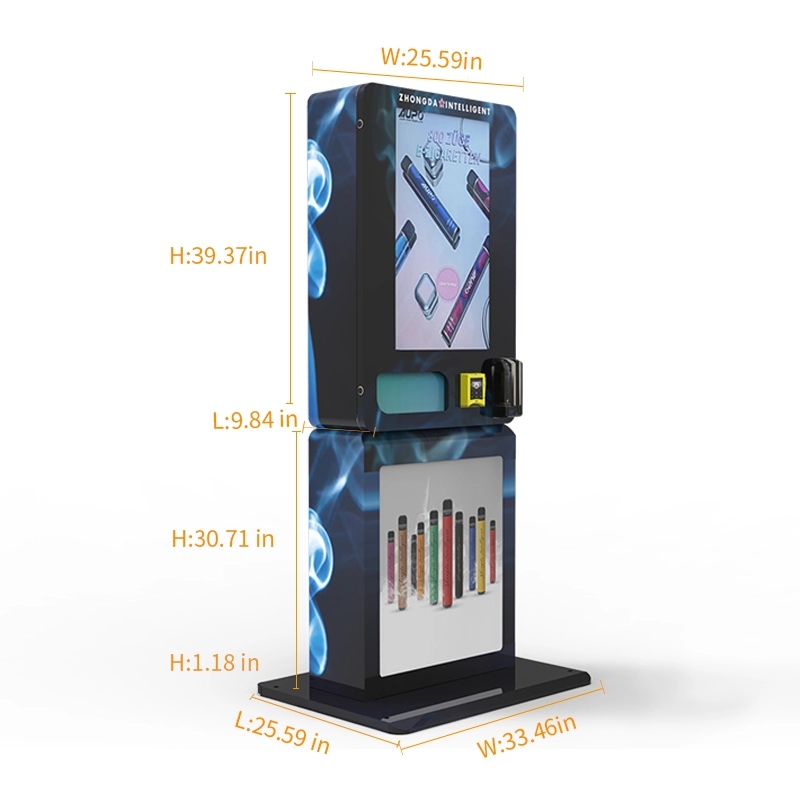
The wall-mounted units from Zhongda Smart’s compact line come with the MDB bus already routed to the front bezel, so adding an age verification scanner takes about 20 minutes. The freestanding units require a bit more wiring, but they offer higher capacity and better airflow for cooling the electronics—important if you’re running the machine 24/7.
Field Deployment Experience: Bars vs. Retail
We placed 15 units in bars across Austin, Texas, and 15 in convenience stores in the same city. The bar machines saw 3x the transaction volume but also 4x the scan failures due to dim lighting and drunk customers fumbling with IDs. We had to adjust the scanner’s LED brightness and add a proximity sensor that prompts the user to hold the ID steady. The retail machines had almost no scan failures, but the average transaction value was lower because customers bought single items instead of packs. The lesson: your MDB age verification setup needs to be tuned to the environment. A scanner that works perfectly in a well-lit convenience store will struggle in a dark nightclub.
Risk Management and Compliance
In the US, the FDA’s regulations around age-restricted vending are clear: machines must be located in areas where minors cannot access them, or they must have an age verification system. But local laws vary. California requires biometric or ID scan verification for any vending machine selling tobacco products. We built a specific MDB-compliant scanner for the California market that also captures a facial image for audit trails. That added about $200 to the BOM cost, but it saved one of our clients from a $10,000 fine during a sting operation. You can read more about the California legal landscape in this breakdown we published.
Maintenance Strategy for Long-Term Operations
After 18 months of data from our deployed fleet, we found that the average MDB age verification scanner requires a cleaning every 2,000 transactions. If you’re in a dusty environment, cut that to 1,000. We recommend operators stock one spare scanner per 10 machines. The cost of a spare is around $250, but the cost of a machine being down for three days while you wait for a replacement is easily $600 in lost sales. We also switched to quick-disconnect MDB harnesses so that a field technician can swap a scanner in under five minutes without tools.
Choosing the Right Manufacturer
I’ve worked with a dozen factories over the years, and the difference between a good MDB integration and a bad one comes down to how the manufacturer tests the bus communication. Some factories just wire the scanner to the controller and hope it works. We run every machine through a 24-hour bus stress test that simulates 5,000 transactions with random power interruptions. If the bus drops sync more than three times, the machine goes back for rework. That level of testing is why Zhongda Smart’s age verification machines have a field failure rate under 2% in the first year, compared to the industry average of around 7% that I’ve seen from other suppliers.
What to Look for in a Supplier
Ask the manufacturer for their MDB bus timing specs. If they can’t give you the exact millisecond response time for the age verification handshake, they haven’t tested it properly. Also, ask about scanner compatibility. Some MDB controllers only work with one brand of scanner. We designed ours to work with three major scanner OEMs so you’re not locked into a single supply chain. That flexibility saved us during the chip shortage in 2021 when one scanner manufacturer had a 12-week lead time and we switched to another within a week.
Long-Term Strategy for Scaling
If you’re planning to scale beyond 50 machines, you need a centralized management system that monitors MDB bus health remotely. We built a dashboard that alerts us if any machine’s age verification scanner has a sync loss rate above 1%. That allows us to dispatch a technician before the machine goes completely offline. In our experience, proactive maintenance reduces downtime by 40% compared to reactive repair models. The upfront cost of the telemetry module is about $150 per machine, but it pays for itself in reduced service calls within six months.
Final Thoughts from the Factory Floor
I’ve seen the industry shift from mechanical cigarette machines to fully digital, age-verified smart kiosks. The MDB protocol is the glue that makes it all work, but only if it’s implemented correctly. Don’t cut corners on the scanner quality, don’t skip the bus stress testing, and don’t assume that one setup works everywhere. Every location has its own challenges—lighting, humidity, customer behavior—and your age verification system has to adapt. If you’re serious about building a compliant, profitable vending route, start with a machine that has MDB integration built in from the ground up, not bolted on as an afterthought.
Frequently Asked Questions
What is MDB age verification for vending machines?
MDB stands for Multi-Drop Bus, a communication protocol that lets the vending machine controller talk directly to peripherals like ID scanners. In age verification, the scanner reads the customer's driver's license or state ID, parses the birth date, and sends an age-confirmed signal through the MDB bus to the controller, which then enables the selection buttons. It’s the standard for modern age-restricted vending because it’s fast, reliable, and auditable.
How much does it cost to add MDB age verification to an existing vending machine?
Retrofitting a machine with MDB age verification typically costs between $430 and $3,050 depending on the scanner quality and controller upgrade needed. Commercial-grade setups with heated lenses and remote firmware capability run higher but last longer in high-traffic locations. The labor cost for installation is usually around $100 to $200 if done by a technician.
Can any vending machine be upgraded with MDB age verification?
Most modern vending machines with a standard MDB bus can be upgraded, but older machines manufactured before 2010 may require a full controller board replacement. Check with your manufacturer for compatibility before purchasing a scanner. At our factory, we offer retrofit kits for most major machine brands.
What happens if the MDB age verification scanner fails?
If the scanner fails, the machine typically defaults to a locked state, preventing any sales. That’s why we recommend keeping a spare scanner on hand and using quick-disconnect harnesses for fast replacement. In our fleet, we stock one spare per 10 machines and can swap one in under five minutes.
Is MDB age verification accepted by regulators in all US states?
Most states accept MDB-based age verification, but some like California require additional biometric or image capture features. Always verify local regulations before deploying machines. You can check this legal overview for a state-by-state breakdown.
How often does the MDB scanner need maintenance?
We recommend cleaning the scanner lens every 2,000 transactions or monthly in dusty environments. Firmware updates should be applied as soon as they are available to maintain compatibility with new ID formats. Our machines support remote updates, so you don’t need to visit each unit physically.
What is the ROI period for a vape vending machine with MDB age verification?
Based on our deployment data from over 500 machines, the payback period ranges from 4 to 8 months for high-traffic locations and up to 10 months for lower-traffic retail spots. This assumes an average net profit of $2,500 to $4,000 per machine per month after location commission and restocking costs.
Can I use the same scanner for both MDB and standalone vending machines?
No, MDB-compliant scanners are designed to communicate over the bus protocol. Standalone scanners that output a simple relay signal will not work with MDB controllers without an interface board. We offer a universal interface board that converts standalone scanner output to MDB signals, but it adds about $80 to the cost.
Sources:
Statista – Vending Machine Industry Data
IBISWorld – Vending Machine Operators Industry Report
Forbes – The Future of Vending Machines