After spending over a decade deploying thousands of automated retail units across the US and Europe, I can tell you straight up that finding the right Vape Vending Machine OEM Supplier is the single most critical decision you will make. It is not just about buying a box that dispenses products; it is about securing a hardware and software partner who understands compliance, age verification, and the brutal reality of 24/7 unattended retail. I have seen operators get burned by cheap imports that fail after six months, and I have seen others build six-figure passive income streams with the right custom hardware. This guide cuts through the noise and gives you the blueprint I have used to vet factories, build profit models, and deploy machines that actually work in the field.
Why Your Vending Machine Supplier Matters More Than Your Location
Most people jump straight into location scouting. They think the secret is finding a busy bar or a smoke shop. That is a mistake. The machine itself is the foundation. If the hardware is flimsy, the software is buggy, or the age verification fails an audit, you are done. I have seen operators lose their entire investment because a supplier shipped a machine with a card reader that did not work below 40 degrees Fahrenheit. You need a partner, not a vendor.
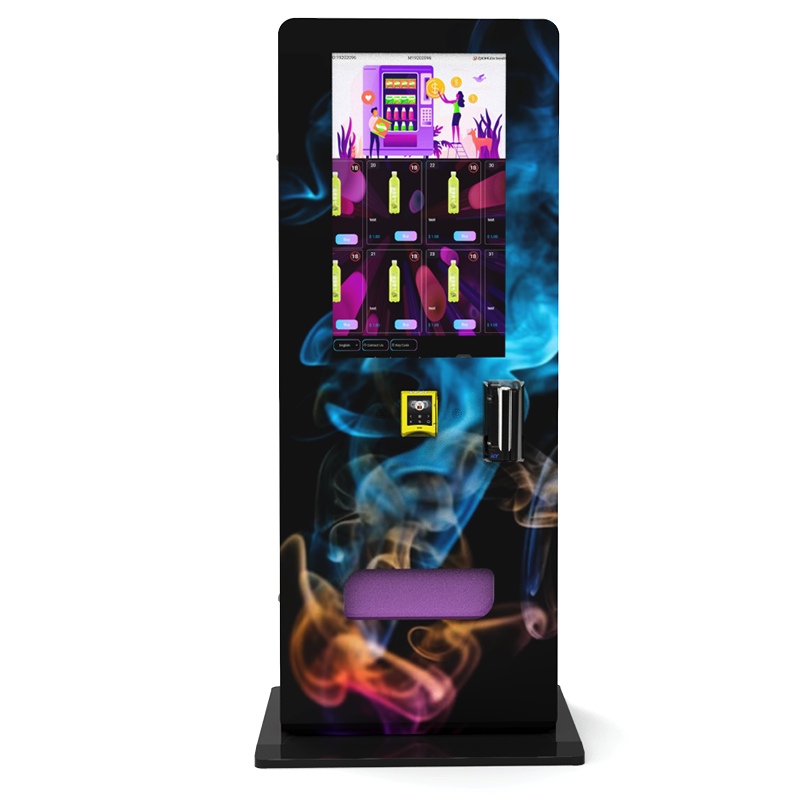
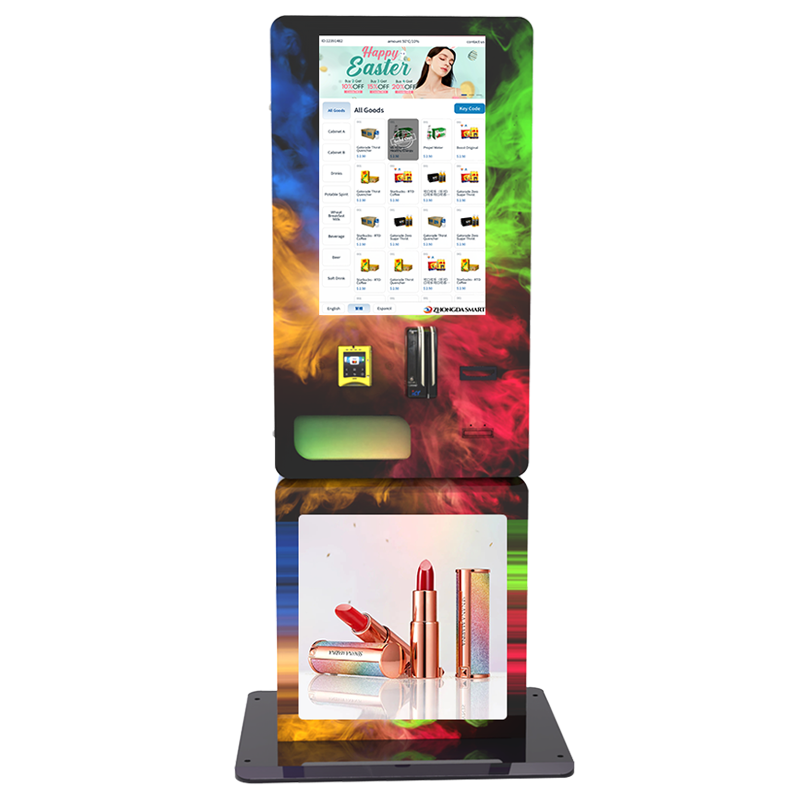
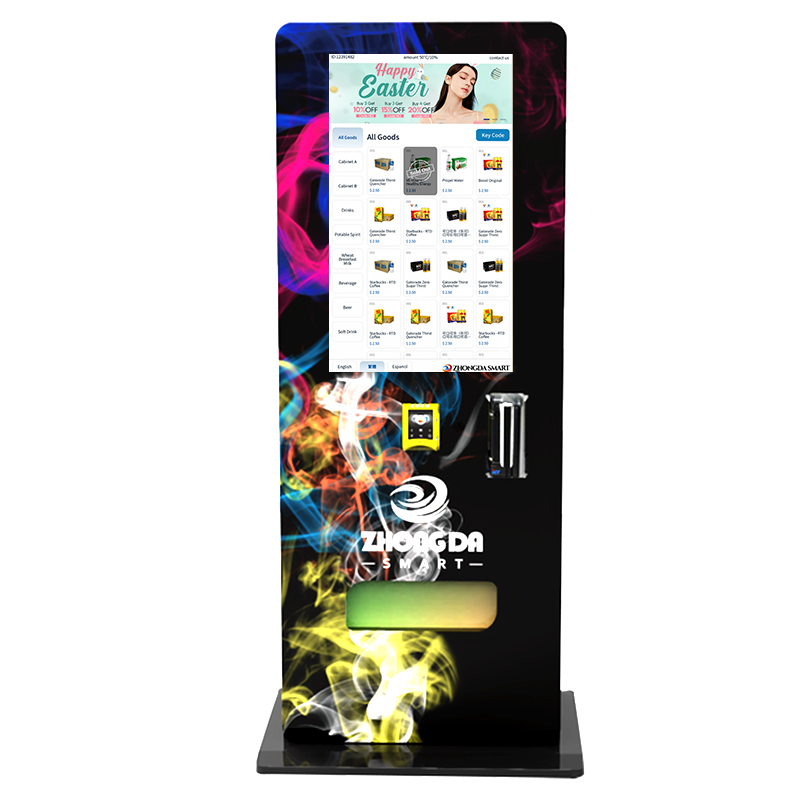
A serious Vape Vending Machine OEM Supplier like Zhongda Smart does not just assemble parts. They engineer the entire system. They control the firmware, the coil mechanisms, the tamper-proof locks, and the integration with third-party age verification services. When you buy from a true OEM, you are buying their engineering hours and their field failure data. You are buying the lessons they learned from the machines that broke down in the first year.
What Sets a Real OEM Apart from a Reseller
There is a huge difference between a manufacturer and a reseller. A reseller buys generic machines from a factory in China, slaps a logo on it, and sells it to you. They have no control over the hardware revision, no ability to fix a software bug, and no stock of spare parts. A real OEM, like the factory I work with, designs the motherboard, writes the vending logic, and tests the machine in real-world conditions before it ever ships.
When you are looking at potential suppliers, ask them directly: who designed the control board? Who wrote the firmware? If they cannot answer those questions, they are not an OEM. You want a factory that has a dedicated R&D team. At Zhongda Smart, for example, their engineers are constantly updating the software to comply with new state-level regulations on age verification and sales tax reporting. That is the kind of support you need.
The Real Cost of Custom Hardware and Software
I have been in negotiations with dozens of factories, and I can tell you that the price range for a compliant, commercial-grade machine is wider than most people expect. You can find a basic, non-compliant machine for under two thousand dollars, but it will be a liability. A proper machine with an integrated ID scanner, a 4G modem, a thermal printer, and a heavy-duty steel chassis will cost significantly more. The investment is worth it because the machine pays for itself in the first year if placed correctly.
Let me break down the typical cost structure for a custom vape vending machine from a reliable OEM:
| Component | Cost Range (USD) | Why It Matters |
|---|---|---|
| Base Machine (Steel Chassis) | $1,200 - $2,500 | Must be 14-gauge steel to prevent break-ins. |
| Age Verification Module (ID Scanner) | $400 - $800 | Scans driver's licenses and validates against state databases. |
| Telemetry & 4G Modem | $150 - $300 | Real-time inventory tracking and remote diagnostics. |
| Custom Software License | $50 - $200/month | Cloud-based management dashboard for pricing and sales data. |
| Payment System (Card + Cashless) | $300 - $600 | Must support NFC, Apple Pay, and major credit cards. |
| Total Estimated Investment | $2,500 - $4,500 | This is the realistic range for a machine that will last 5+ years. |
I have seen operators try to save money by buying a used machine or a cheap import. One of my clients in Florida bought six units from a non-OEM supplier for $1,800 each. Within eight months, three of them had failed card readers, and two had broken coil mechanisms. He ended up spending more on repairs than he saved on the purchase. He eventually replaced all of them with machines from our vape vending machine line and has not had a single hardware failure in two years.
The Profit Model: How I Have Seen Operators Make Real Money
I have managed a fleet of over 200 machines, and I can tell you that the profit margins in this business are excellent if you control the supply chain. The key is vertical integration. You do not want to just sell other people's products. You want to either manufacture your own brand of vape juice and hardware, or you want to negotiate wholesale prices directly with distributors. The margin on a single disposable vape can be 50% to 100% if you buy in bulk.
Here is a real-world example from one of my deployments in a college town. I placed a machine in a popular hookah lounge. The machine held 200 units, mostly disposables and pod systems. The average sale was $18. The cost of goods sold was about $9. The machine averaged 15 sales per day during the week and 30 on weekends. That is roughly 150 sales per week, or $1,350 in gross profit per week. The machine was paid off in less than two months. The location owner got a 10% commission, and I still walked away with over $4,000 a month in net profit from a single machine.
Understanding the Revenue Drivers
Not all locations are created equal. I have placed machines in laundromats that did $50 a week and machines in nightclubs that did $500 a night. The biggest driver is foot traffic of the right demographic. You need locations where people are already consuming nicotine or where they are likely to be looking for a convenient purchase. Bars, nightclubs, hookah lounges, and even certain convenience stores are prime spots.
Another critical factor is pricing. You can charge a premium for convenience. In a bar, a disposable that costs $10 at a vape shop can easily sell for $15 or $18. People are not price-sensitive when they are having a good time and do not want to leave. I have also seen success with dynamic pricing. You can program the machine to lower prices during slow hours or run promotions on slow-moving stock. This is where the ROI analysis of vape vending machines becomes critical. You need to model your revenue based on real traffic data, not just guesses.
Hardware Failure Modes and How to Avoid Them
I have seen it all. Machines that got jammed because the humidity was too high. Screens that died because the sun hit them directly. Card readers that failed because the machine was next to a freezer. A good Vape Vending Machine OEM Supplier will have already solved these problems in their design. But you need to know what to look for.
Here are the most common failure points I have encountered in the field:
- Coil Jams: The most common issue. If the coil is not designed for the specific product size, it will jam. You need a machine with adjustable coils or a sensor that detects a jam and automatically retries.
- Card Reader Failure: Cheap readers are the number one cause of lost revenue. You need a reader that is EMV certified and has a heated bezel for cold weather. I have seen machines in Minnesota that had to be shut down for months because the reader froze.
- Age Verification Glitches: If your ID scanner cannot read a scratched license or a barcode from a different state, you will lose sales. The best machines use a combination of barcode scanning and facial age estimation as a backup.
- Network Connectivity: A machine that cannot talk to the cloud is a machine that cannot process credit cards. You need a machine with a dual-SIM 4G modem that can fall back to a secondary network if the primary one goes down.
I have a specific memory of a deployment in a basement bar in Chicago. The machine had no cellular signal. We had to install a signal booster, which added $200 to the install cost. If we had not tested the signal beforehand, the machine would have been a total loss. Always do a site survey before you install.
Age Verification and Legal Compliance
This is the most important part of the business, and it is where most new operators get into trouble. You cannot just put a vending machine in a bar and hope for the best. You need a machine that is certified to verify age. The standards are different in every state, and they are constantly changing. I have machines in California that have to scan the back of the ID and run it through a third-party database. Machines in Texas just need to scan the barcode and check the date.
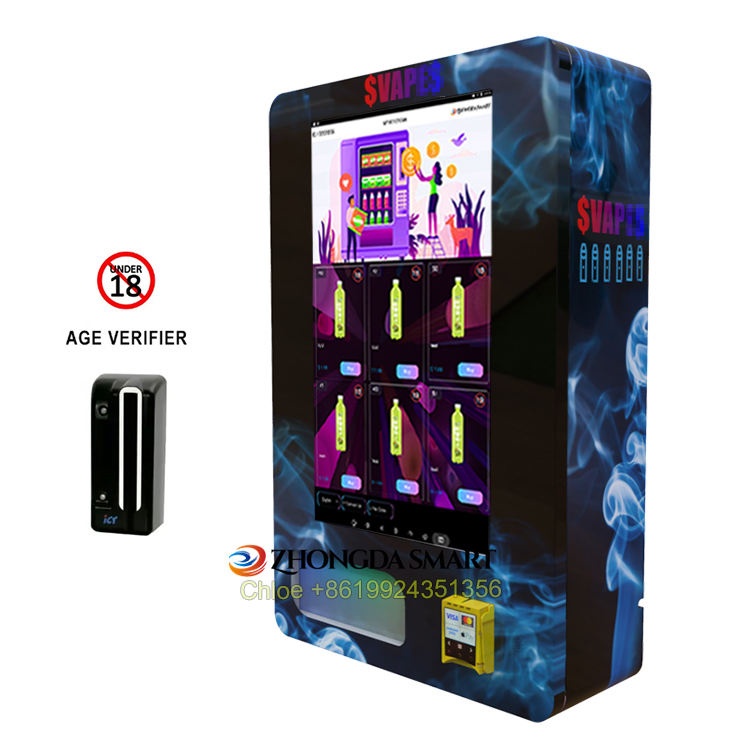
The machine must also have a secure audit log. If a regulator comes in and wants to see every transaction for the last six months, you need to be able to produce a report in minutes. The software from a good OEM will do this automatically. I recommend looking at the age verification vending machine models that have built-in cameras and tamper-proof logging. Do not buy a machine that does not have this feature. It is not worth the legal risk.
According to a report by the Statista on vending machine market trends, the demand for age-restricted vending is growing by over 15% annually. This is driven by stricter enforcement and the need for contactless sales. If you are not compliant, you are not just losing sales; you are risking fines and legal action.
How to Verify a Supplier's Compliance Claims
Any supplier can say their machine is compliant. You need to prove it. Ask for a copy of the certification from a recognized testing lab. Ask for a list of states where the machine has been legally deployed. Ask for a reference from an operator who uses the machine in a strict state like California or New York. I have seen suppliers claim their machine is compliant, but when you look at the fine print, it only works with a specific type of ID from one state.
I have worked with Zhongda Smart on multiple deployments, and their compliance documentation is thorough. They provide a full legal package with every machine, including a list of supported ID formats and a letter from their legal team outlining the machine's compliance status. That is the kind of documentation you need to protect yourself.
Software and Remote Management
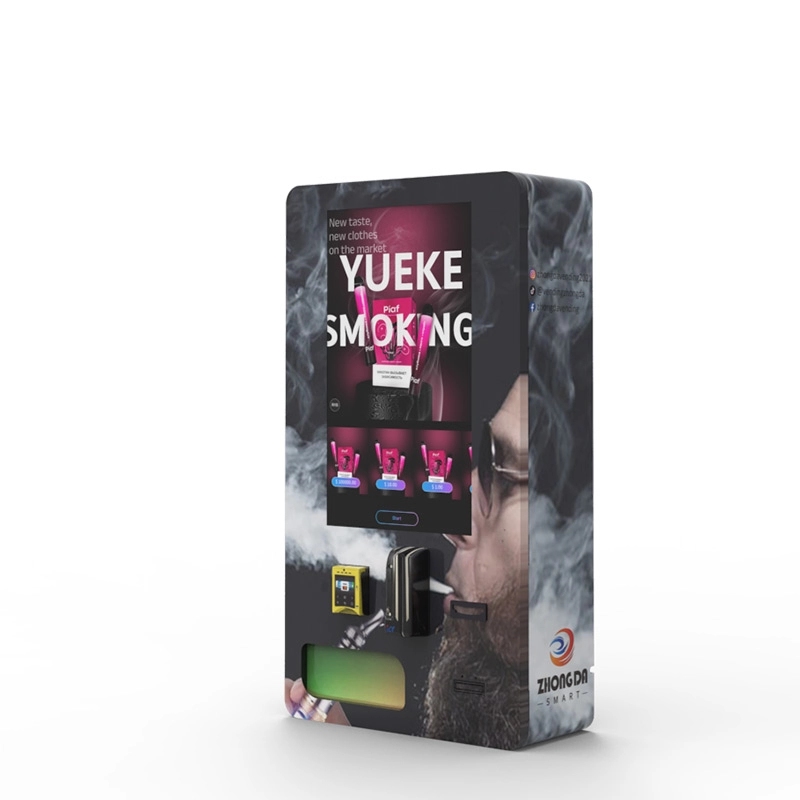
The hardware is only half the story. The software is what makes or breaks your operation. You need a cloud-based dashboard that lets you see real-time inventory, sales data, and machine health from your phone. I have a client who manages 50 machines from his living room in Austin. He can change prices, run promotions, and see which products are selling out without ever leaving his house.
Here are the software features I consider non-negotiable:
- Real-time inventory tracking: Know exactly how many units of each product are left. The system should alert you when stock is low.
- Remote price management: You should be able to change the price of any product in any machine instantly. This is critical for running promotions or adjusting for demand.
- Sales reporting: See daily, weekly, and monthly sales data. Understand which products are your best sellers and which are dead stock.
- Alerts and diagnostics: Get a push notification if a machine goes offline, if a coil jams, or if the temperature inside the machine gets too high.
- Age verification logging: A searchable log of every age verification attempt, including the result and a timestamp.
I have seen operators try to use generic vending machine software that was not designed for age-restricted products. It always ends badly. The software needs to be purpose-built for the vape market. The ID scan vending machine from Zhongda Smart, for example, comes with a proprietary software suite that integrates directly with the age verification hardware. It is seamless and reliable.
Deployment Strategy: Where I Have Found the Best Success
I have placed machines in over 50 different types of locations. Some worked, some did not. Here is a summary of what I have learned about location performance:
| Location Type | Average Monthly Revenue | Key Challenges |
|---|---|---|
| Nightclubs & Bars | $2,000 - $5,000 | High traffic but also high risk of vandalism. Need a steel chassis. |
| Hookah Lounges | $1,500 - $4,000 | Great demographic. Usually friendly owners who want the extra revenue. |
| Convenience Stores | $500 - $1,500 | Lower margins because the store already sells vapes. Good for volume. |
| Hotels & Motels | $800 - $2,000 | Guests appreciate the convenience. Need to negotiate a commission with management. |
| College Campuses (Private) | $1,000 - $3,000 | Strict rules. Must have top-tier age verification. High volume potential. |
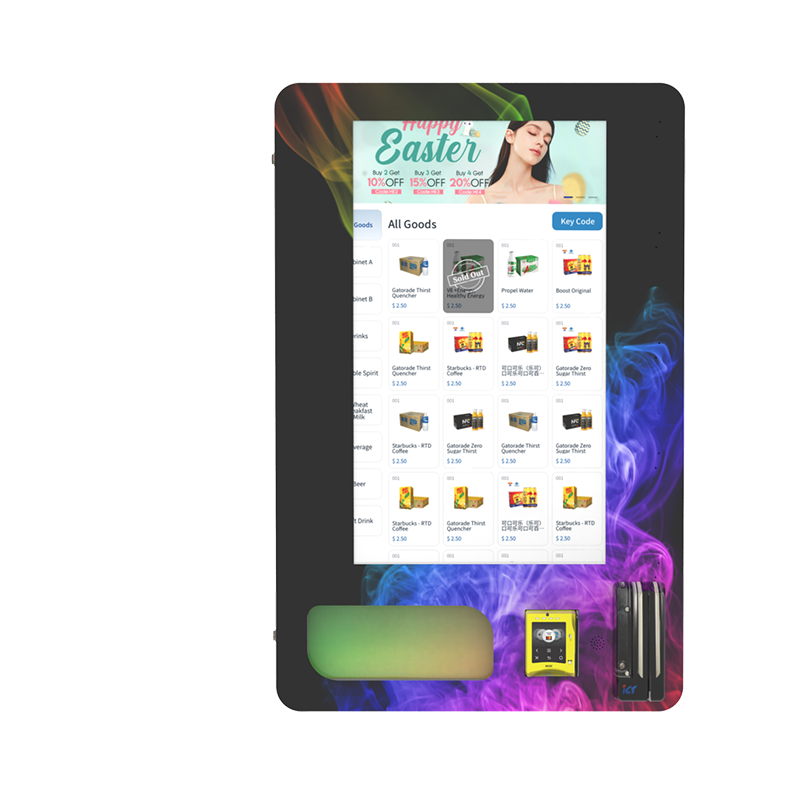
I have a specific success story from a hotel in Las Vegas. We placed a wall-mounted unit in the lobby. It was a wall-mounted compact e-cigarette vending machine. It did not take up any floor space, and it was perfect for the hotel's aesthetic. The hotel guests loved it because they did not have to leave the property to buy a vape. That machine averaged $3,000 a month for two years before we had to move it due to a renovation.
Long-Term Maintenance and Support
A vending machine is a mechanical device. It will break. The question is not if, but when. And when it breaks, you need a supplier who can get you a replacement part fast. I have had machines down for weeks because a supplier did not stock the specific coil motor I needed. That is lost revenue that you never get back.
When you evaluate a supplier, ask about their spare parts inventory. Do they stock parts for machines they sold three years ago? Do they offer a warranty that covers parts and labor for the first year? What is the turnaround time for a replacement motherboard? I have found that the best OEMs, like the one I work with, have a dedicated after-sales team that can ship a replacement part within 24 hours. They also offer remote diagnostics, so their engineers can log into your machine and fix a software issue without you having to touch it.
According to the IBISWorld report on vending machine operators, the average lifespan of a commercial vending machine is 7 to 10 years. But that lifespan depends entirely on the quality of the build and the maintenance you perform. A cheap machine might only last two years. A well-built machine from a reputable OEM can last a decade.
Common Mistakes I See New Operators Make
I have been doing this long enough to see the same patterns repeat. Here are the biggest mistakes I have witnessed, and how you can avoid them:
- Buying the cheapest machine: This is the number one mistake. You get what you pay for. A $1,500 machine will cost you $3,000 in repairs and lost revenue within a year.
- Ignoring the software: Some operators focus so much on the hardware that they forget the software. A machine without good remote management software is a headache.
- Not testing the location: I have seen operators sign a lease for a location without doing a traffic count or checking the cellular signal. Always test the location for a week with a simple foot traffic counter.
- Overlooking the legal details: I have had operators call me in a panic because a regulator showed up and they did not have the right paperwork. Know the laws in your state before you buy a machine.
- Not negotiating a fair commission: Some location owners will ask for 50% of the revenue. That is too high. I usually offer 10% to 15%, and I explain that I am providing the machine and the stock. It is a partnership, not a charity.
Final Thoughts on Choosing Your OEM Partner
I have been in this industry for over a decade, and I have seen the market evolve from a niche curiosity to a mainstream retail channel. The opportunity is real, but it requires a serious approach. You cannot half-ass this business. You need the right hardware, the right software, and the right partner.
When you are looking for a Vape Vending Machine OEM Supplier, do your due diligence. Visit the factory if you can. Talk to their engineers. Ask for references from other operators. Look at their track record. I have been working with Zhongda Smart for years because they have a proven track record of delivering reliable hardware and responsive support. They are not just a supplier; they are a partner in the truest sense of the word.
If you are serious about getting into this business, start by understanding the equipment. Read through the detailed guide on how these machines work to get a solid technical foundation. Then, look at the specific models that fit your deployment needs. The investment is significant, but the return can be life-changing if you do it right.
Frequently Asked Questions
How much does a vape vending machine cost from a reliable OEM supplier?
A compliant, commercial-grade machine with age verification and telemetry typically costs between $2,500 and $4,500. This includes the steel chassis, ID scanner, payment system, and software license. Avoid machines under $2,000, as they often lack critical compliance features and have poor build quality.
What is the most important feature to look for in a vape vending machine?
Age verification is the most critical feature. The machine must have a built-in ID scanner that can read driver's licenses from multiple states and verify the age against a database. Look for machines with a tamper-proof audit log and a backup facial age estimation system.
How much money can I make with a vape vending machine?
In a high-traffic location like a bar or nightclub, a single machine can generate $2,000 to $5,000 in monthly revenue. After cost of goods and location commission, net profit can be $1,000 to $3,000 per month. The machine typically pays for itself in 2 to 4 months.
Do I need a special license to operate a vape vending machine?
Yes, you need a tobacco or nicotine retail license in most states. The requirements vary by state and sometimes by city. You also need to ensure your machine is certified for age verification in the specific state where it is deployed. Always check local regulations before purchasing a machine.
What happens if the machine breaks down?
A good OEM supplier will offer a warranty and after-sales support. Look for a supplier that stocks spare parts and can ship a replacement component within 24 hours. Remote diagnostics are also important, as they allow the supplier to fix software issues without a site visit.
Article Sources and References: