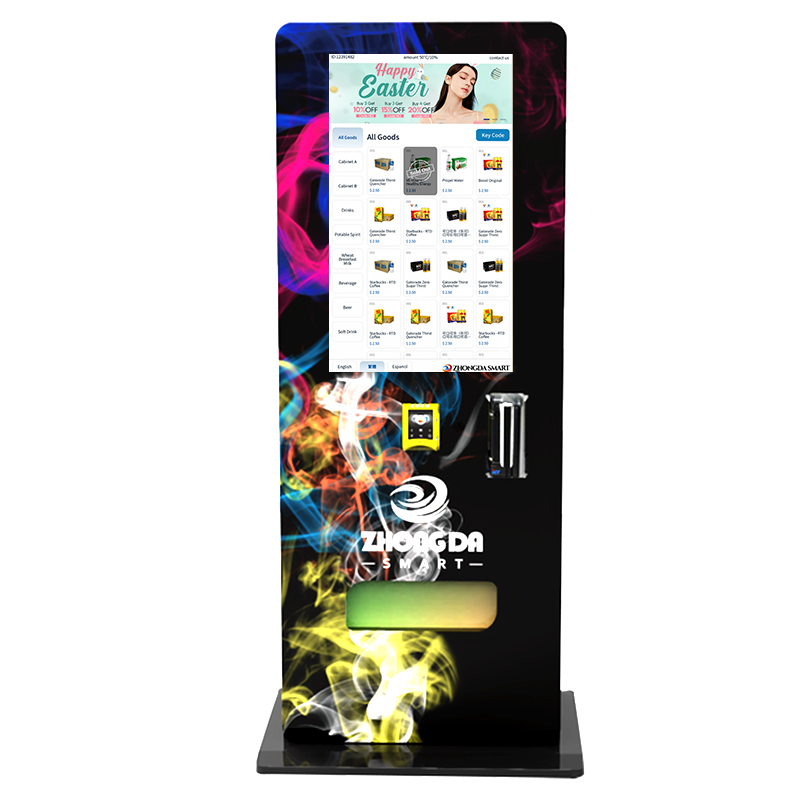
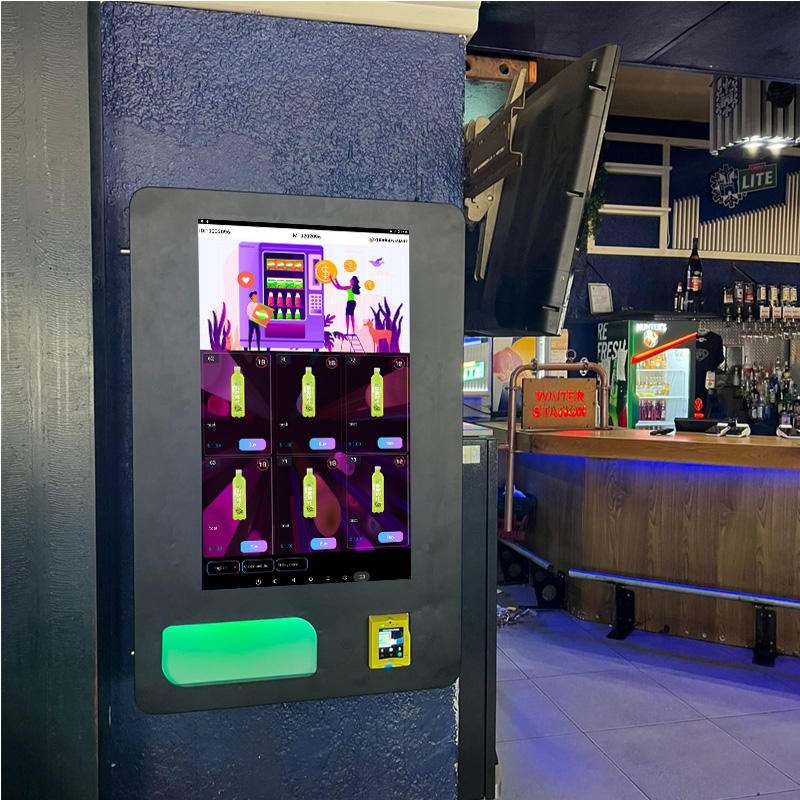
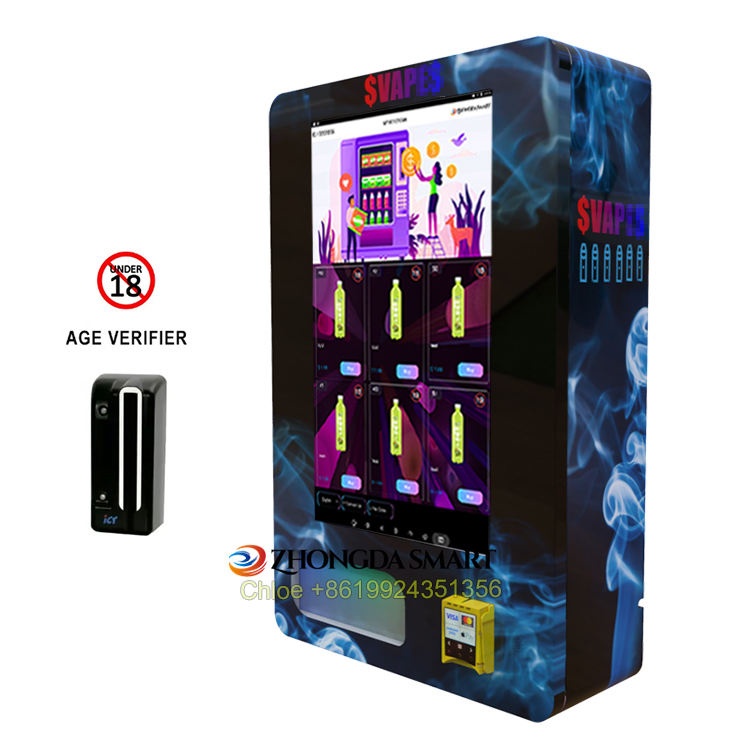
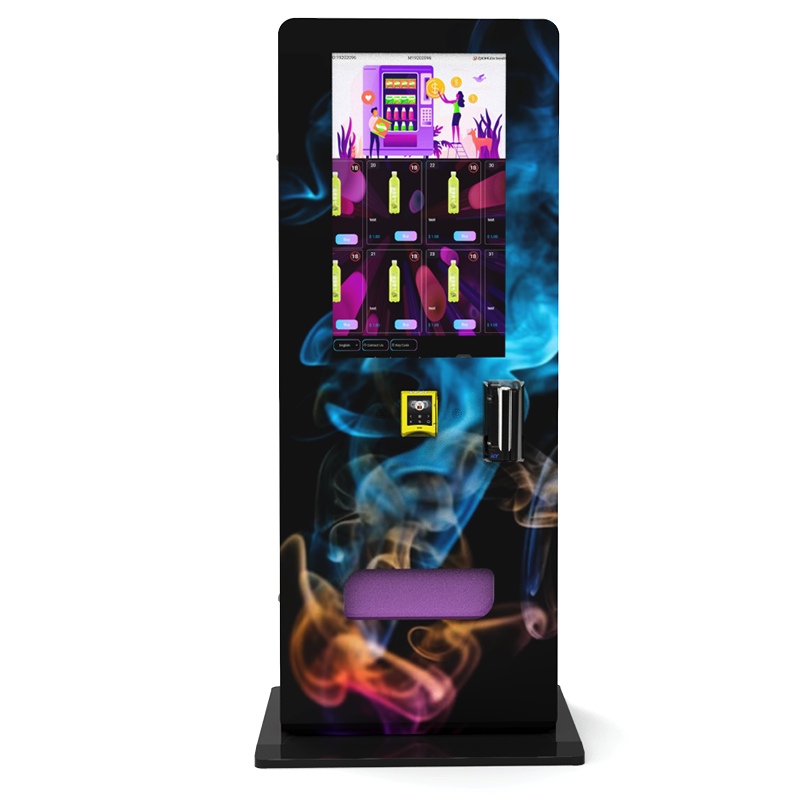
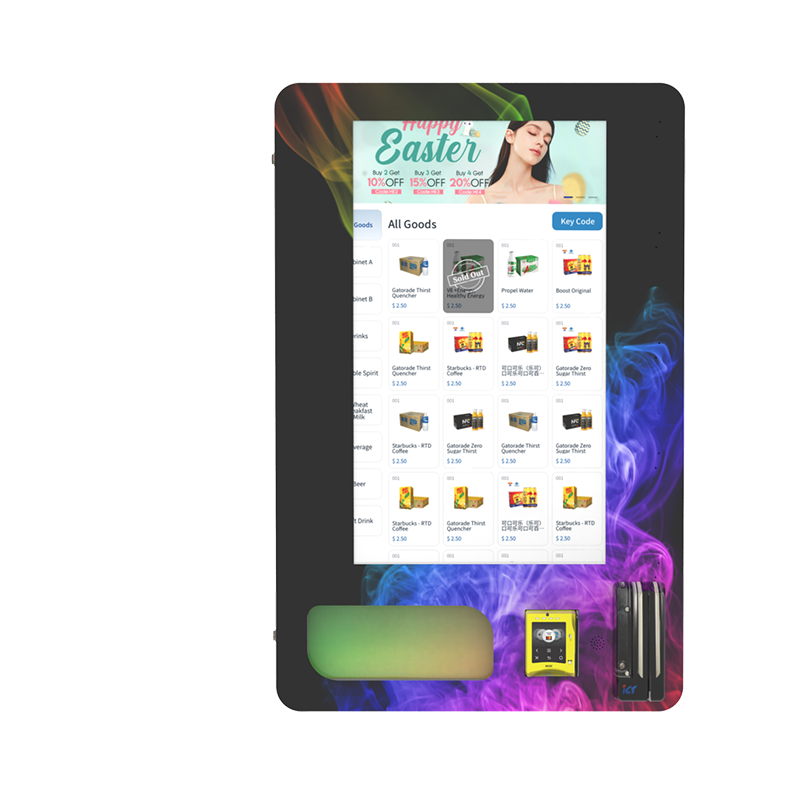
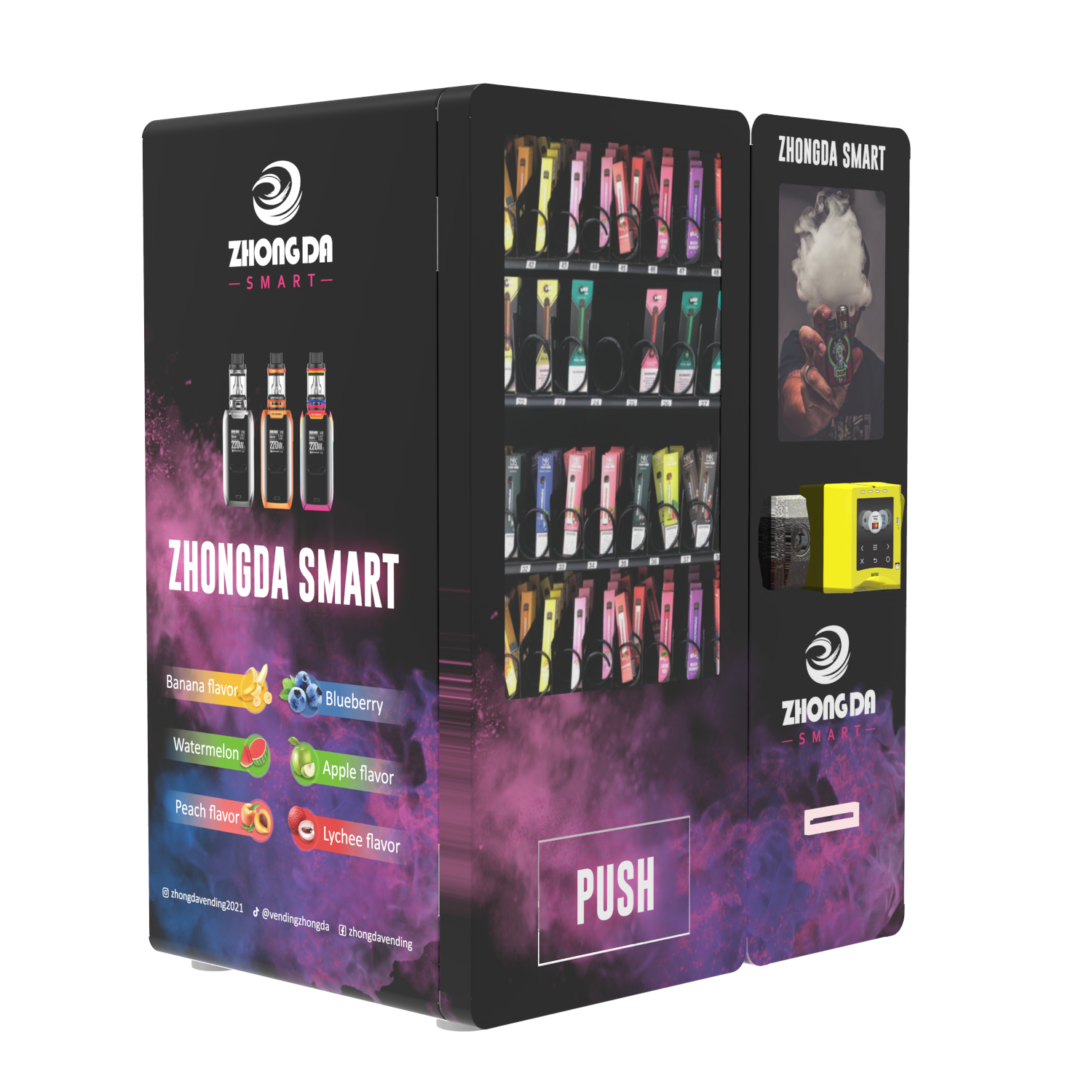
After fifteen years building vending machines and another ten deploying them across the U.S. and Europe, I can tell you this straight: the FDA rules for vape vending machines are not a suggestion—they are the difference between a profitable automated retail route and a federal citation that shuts you down. Most operators I meet focus on margins and foot traffic first. They should focus on compliance first. The FDA treats a vending machine as a retailer, which means it must verify age, restrict access, and only carry products with a marketing denial order or premarket authorization. I have seen too many smart operators lose capital because they bought a machine without an integrated age verification system. This guide breaks down exactly what you need to know to stay legal, choose the right equipment, and actually make money without waking up to a warning letter.
How the FDA Classifies a Vape Vending Machine
The FDA does not see a vending machine as a piece of hardware. It sees it as a point-of-sale location. That means every machine you place has to meet the same federal requirements as a brick-and-mortar vape shop. The most critical rule is that no one under 21 can complete a purchase. That sounds simple, but the enforcement is specific.
Any vape vending machine placed in a location where minors can access it—which is almost every public or semi-public space—must have a mechanism to verify age before the transaction finishes. The FDA has not approved a blanket exemption for any location type. Even if you place a machine inside a bar that card at the door, you still need age verification on the machine itself. I have seen operators try to rely on bouncers or front desk staff. That does not hold up during an inspection.
The compliance burden falls on the retailer and the machine owner. If the machine does not have a working age verification system, the FDA can issue a warning letter, a civil money penalty, or in repeated cases, refer for injunction. The machine itself can be seized. I have personally walked into locations where a distributor lost three machines because the operator assumed a location with restricted entry was enough.
The Specific FDA Requirements for Vending Machines
The FDA requires that any vending machine selling tobacco products, including e-cigarettes and vaping devices, must be located in a facility where the operator ensures that no person under 21 is present or allowed entry at any time. That is the legal standard. In practice, that means the machine must either be in a facility that restricts entry to 21+ or the machine itself must have an age verification system that scans a valid government-issued ID and checks the date of birth.
Most operators choose the second path because a truly restricted facility is rare. A bar that serves alcohol but allows 18-year-olds for live music does not qualify. A convenience store that cards at the register but has a vending machine in a back corner does not qualify. The machine has to stand on its own compliance.
The verification system must scan the ID, parse the birth date, and reject anyone under 21. It must also reject expired IDs. Some systems also check for ID validity using barcode or magnetic stripe data. I recommend systems that do not store the scanned data beyond the transaction to avoid privacy liability. Our machines at Zhongda Smart use a one-pass scan that verifies age and discards the image immediately.
Age Verification Technology Is Not Optional
Every vape vending machine sold in the U.S. market today must include some form of age verification. The FDA has not specified which technology you must use, but the enforcement guidance makes it clear that a simple button that says “I am 21” is not acceptable. You need active verification.
There are three main approaches in the market right now. The first is a driver’s license scanner that reads the barcode or magnetic stripe. This is the most reliable method because it pulls the birth date from machine-readable data, not from OCR of the printed text. The second is an ID scanner that also checks the hologram or UV features to confirm the card is not a fake. The third is a biometric system that combines ID scan with facial recognition to match the person to the card. Biometric systems are more expensive but offer the highest level of security.
I have deployed all three types across different routes. The ID scanner with barcode reading is the sweet spot for most retail locations. It is fast, reliable, and the hardware cost is reasonable. Biometric systems are better for high-risk locations like college-adjacent convenience stores where fake IDs are common. But for a standard bar or lounge, a good ID scanner is sufficient.
One thing I have learned the hard way: make sure the scanner reads vertical IDs. Many states issue vertical licenses for drivers under 21. If your scanner rejects those, you will lose sales and frustrate customers. Our age verification vending machine handles vertical and horizontal IDs from all 50 states plus international passports.
What Happens When the Scanner Fails
No system is perfect. Sometimes the barcode is scratched. Sometimes the ID is from a state with a less common format. You need a fallback. The best machines allow a manual override where a staff member can visually verify the ID and approve the transaction from a remote terminal or a local keypad with a supervisor code. This keeps the sale moving without bypassing the age check.
I also recommend setting the machine to log every manual override with a timestamp and the staff ID. If the FDA ever audits your machine, those logs are your proof that you followed the process. I have seen operators lose their case because they had no records of manual overrides and the inspector assumed the machine was bypassed regularly.
Product Approval and the FDA Enforcement Discretion
This is where many operators get confused. The FDA does not require that every individual vape product sold in a vending machine have a marketing order, but the agency has made it clear that products without a pending premarket tobacco application are subject to enforcement. In practice, that means you should only stock products from manufacturers that have submitted PMTAs and are on the FDA’s list of compliant products.
The FDA publishes a list of products that have received a marketing denial order. Those products cannot be sold legally. If you stock a product that has an MDO, your machine is in violation. The same applies to products that were never submitted for review. I check the FDA list every month before I restock any route. It takes ten minutes and saves thousands in fines.
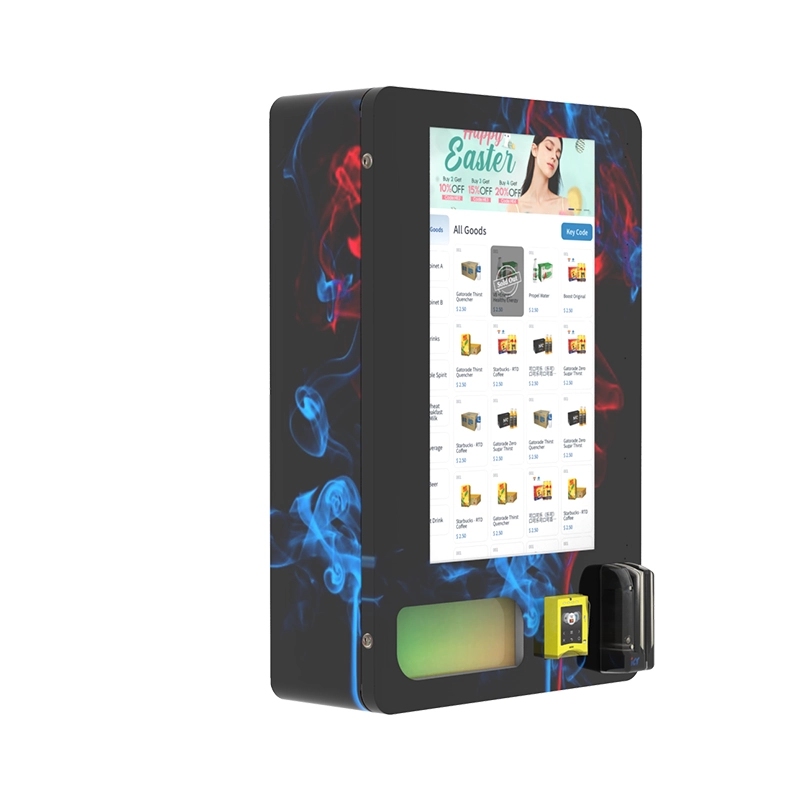
The other risk is state-level variation. While the FDA sets federal rules, states like California, New York, and Massachusetts have additional restrictions. Some states ban flavored products entirely. Some require additional licensing for the machine itself. You need to check the state and local laws for every location where you place a machine. I once had a machine in Colorado that was fully FDA compliant but violated a local county ordinance about machine placement near schools. That was a painful lesson.
Cost Structure of a Compliant Vape Vending Machine
Let me break down the real costs based on what I have seen across hundreds of deployments. A compliant vape vending machine with age verification is not cheap. The hardware alone ranges from $3,500 to $8,000 depending on the size, security features, and verification system. A basic wall-mounted unit with an ID scanner runs around $3,800. A full-size floor unit with biometric verification and a high-capacity inventory system runs closer to $7,500.
Then you have installation, which includes mounting, electrical work, and network setup. That runs $300 to $800 per machine. You also need a cellular or Wi-Fi connection for remote monitoring and payment processing. Data plans run about $20 to $40 per month per machine.
Inventory is a separate capital outlay. You need to stock each machine with enough product to turn over at least once a week. A typical machine holds 100 to 300 units. At wholesale cost of $4 to $8 per unit, you are looking at $400 to $2,400 in initial inventory per machine.
Then there is the software. Many age verification systems require a monthly subscription for the database updates and compliance logging. That runs $30 to $60 per month. Payment processing fees are standard at 2.5% to 3.5% per transaction.
Total first-year cost for a single machine is roughly $5,000 to $12,000. That includes hardware, installation, inventory, software, and connectivity for twelve months.
Profit Model and Revenue Expectations
Based on my routes, a well-placed vape vending machine in a busy bar or lounge does 15 to 30 transactions per day. Average transaction value is $12 to $18. That puts daily revenue at $180 to $540. Gross margin on vape products is typically 40% to 55% at retail. So daily gross profit is $72 to $297 per machine.
Subtract the monthly costs: software ($40), data ($30), payment processing ($150 to $300 depending on volume), and location commission if you pay one. Many bar owners ask for 10% to 20% of gross revenue as a placement fee. That is negotiable, but expect to give up something for a prime spot.
Net monthly profit per machine in a good location is $1,200 to $3,500. Payback period is 4 to 8 months if you place well. If you place poorly, you never get your money back. I have machines that do $80 a day and machines that do $8 a day. The difference is always the location.
For a detailed breakdown of what to expect, I wrote about vape vending machine ROI based on actual route data from the last three years.
Location Strategy That Actually Works
You cannot just put a machine anywhere adults gather. The location has to have the right foot traffic, the right demographic, and the right attitude toward vaping. I have placed machines in over 200 locations. Here is what works and what does not.
Bars and nightclubs are the best locations. The demographic is 21 to 40, they are already spending money, and they often want a vape after a drink. I have machines in six bars in Austin that each do over $400 a day on weekends. The key is to place the machine near the bar or the restroom path, not in a dark corner.
Vape shops that want to extend hours without staffing are a good second option. The shop owner gets a cut, and you get a location where every visitor is already a vaper. I have three machines in vape shops that do steady volume during off-hours.
Hotels with a bar or lounge work well, especially if the hotel does not have a retail vape option nearby. Business hotels are better than budget hotels. The average business traveler is 35 to 55 and has disposable income.
Convenience stores are hit or miss. If the store already sells vapes at the counter, a machine cannibalizes those sales and the store owner will not be happy. If the store does not sell vapes, the machine fills a gap. But convenience stores often have a younger demographic walking in, so the age verification system has to be flawless.
Locations that do not work: laundromats, gyms, college campuses (even if you think you can verify age), and retail stores that cater to families. I tried a laundromat once. The machine did $12 in a week. Never again.
For more on placement, check the vape vending machines for bars case study that shows the exact setup and results from a real deployment.
Real Failures and What They Cost
I want to share three failures I have been part of so you do not repeat them.
First failure: I placed a machine in a bowling alley that had a bar. The bowling alley allowed minors during the day. The machine was in a hallway that minors could access even though the bar area was restricted. The FDA issued a warning letter to the business owner. He pulled the machine and I lost the location and the machine had to be moved. The cost was $1,200 in relocation and lost revenue for three weeks. The lesson: the entire path to the machine must be restricted, not just the immediate area.
Second failure: I stocked a machine with a popular disposable brand that later received a marketing denial order. The FDA did not notify me directly. I found out when a distributor called. I had to pull all inventory from three machines and replace it. That cost $2,400 in lost inventory and two days of downtime. The lesson: check the FDA enforcement list every month without fail.
Third failure: I placed a machine in a hotel that had a 24-hour front desk but no bar. The hotel manager agreed to a placement fee. After three months, the hotel changed management. The new manager did not like the machine and made it difficult to service. I had to remove it. The lesson: get a written agreement with a termination clause that gives you at least 60 days notice.
Maintenance and Daily Operations
A vape vending machine is not a set-it-and-forget-it device. You need a weekly service schedule. Each machine needs to be restocked, cleaned, and checked for any error logs. The age verification system needs to be tested at least once a month. I use a fake ID card that I carry specifically for testing.
Remote monitoring is essential. Every machine I deploy has a cellular connection that reports inventory levels, transaction data, and error codes. I can see if a coil is jammed or if the cash box is full without driving to the location. The monitoring system pays for itself in saved fuel and time.
Payment options matter. Most machines accept credit cards and mobile payments. Cash is still used in about 15% of transactions, especially in bars where people have cash from the ATM. I recommend a machine that accepts both. Our compliant e-cigarette vending machine supports card, mobile, and cash with a bill acceptor that validates $1, $5, $10, and $20 bills.
Security is another operational concern. Vape machines are targets for theft because the product is small and valuable. I use machines with reinforced doors, tamper alarms, and a lock that requires two keys. I also install a GPS tracker inside the machine so I can locate it if it is moved without authorization.
Comparison of Vape Vending Machine Types
I have used machines from several manufacturers over the years. The differences are significant. Here is a comparison based on actual field performance.
| Feature | Wall-Mounted Compact | Floor-Standing Standard | Floor-Standing with Biometric |
|---|---|---|---|
| Capacity | 60 to 100 units | 150 to 300 units | 200 to 400 units |
| Age Verification | ID scanner only | ID scanner + optional biometric | ID scanner + biometric |
| Footprint | 24 x 18 x 12 inches | 36 x 24 x 72 inches | 40 x 28 x 72 inches |
| Price Range | $3,500 to $4,500 | $5,000 to $6,500 | $6,500 to $8,500 |
| Best Location | Small bars, hotel lobbies | Nightclubs, vape shops | High-security locations |
| Remote Monitoring | Standard | Standard | Standard with advanced reporting |
| Payment Options | Card + mobile | Card + mobile + cash | Card + mobile + cash |
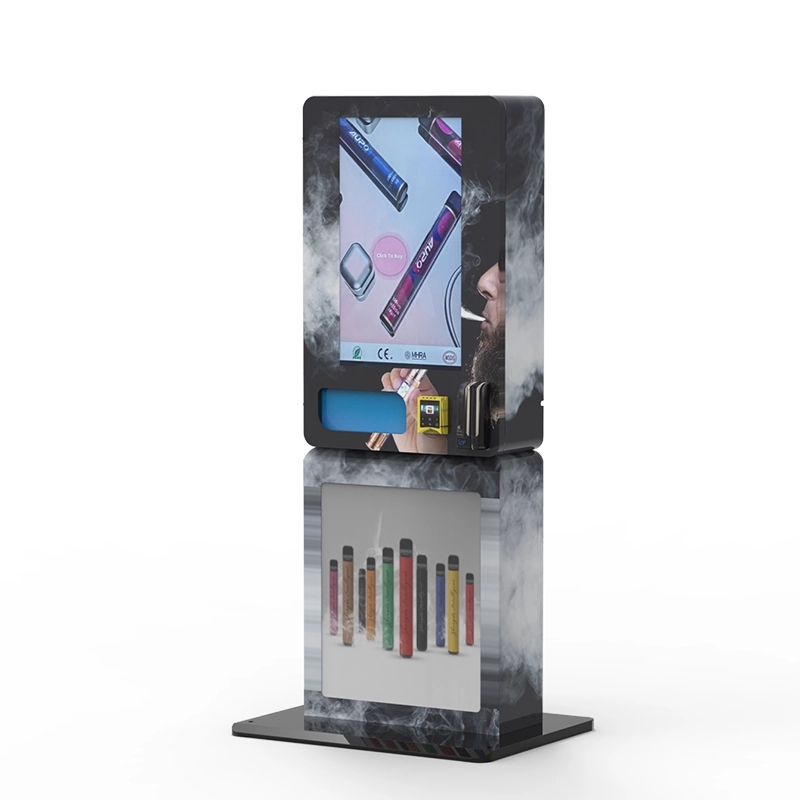
For most operators, the floor-standing standard machine with an ID scanner is the best balance of cost and revenue potential. The wall-mounted compact is good for testing a new location with low risk. The biometric machine is only worth it if you are in a market with heavy fake ID use or if a local regulation requires biometric verification.
Our wall-mounted compact e-cigarette vending machine is a popular choice for first-time operators because the upfront cost is lower and it fits in tight spaces.
Long-Term Strategy for a Vape Vending Route
Building a profitable route takes time. I started with two machines. Now I manage forty. The growth came from reinvesting profits into new machines and from building relationships with location owners who trust that my machines are compliant and reliable.
One strategy that works is to offer the location owner a revenue share that increases after the first year. That gives them an incentive to keep the machine and to promote it. I have one bar where the owner tells every customer about the machine because he gets 15% of the gross. That bar does $600 a day on weekends.
Another strategy is to rotate products based on sales data. I track every SKU by location. If a product does not sell in a week, I replace it. The top 20% of products generate 80% of revenue. I keep those in stock and experiment with the other slots.
You also need a plan for machine upgrades. The FDA rules for vape vending machines will change. The age verification technology will improve. I budget 15% of annual revenue for equipment upgrades and software updates. That keeps my machines compliant and competitive.
If you are serious about starting a vape vending machine business, I recommend reading the how to start a vape vending machine business guide that covers the step-by-step process from licensing to first placement.
Common Questions About FDA Compliance
I get the same questions from every new operator. Here are the answers based on real experience.
Do I need a tobacco license for each machine? Yes, in most states. The machine is considered a retail location. You need the same license as a physical store. Some states require a separate vending machine endorsement on the license.
Can I place a machine in a state where flavored vapes are banned? No. Even if the machine verifies age, you cannot sell a product that is illegal in that state. You have to comply with both federal and state law.
What happens if the age verification system fails during a sale? The machine should refuse the transaction. If you have a manual override, only authorized staff should use it. Log every override.
Do I need to register the machine with the FDA? The FDA does not require machine registration, but the retailer who owns the machine must be registered as a tobacco retailer. That registration is free and done online through the FDA Tobacco Retailer Registration portal.
How often do inspections happen? It varies. I have had machines inspected once in five years and others twice in one year. The FDA targets areas with high underage tobacco use complaints. If you are compliant, an inspection is just a paperwork check.
Final Operational Advice
Do not buy a machine without seeing the age verification system work in person. Do not take a manufacturer’s word that the system is compliant. Test it with a real ID. Test it with an expired ID. Test it with a vertical ID from a 19-year-old. If it fails any of those tests, do not buy the machine.
Do not place a machine in a location where you cannot service it at least once a week. A machine that is empty or broken for more than three days loses customer trust and location owner trust. You will get kicked out.
Do not ignore state and local laws. The FDA sets the floor. States set the ceiling. I have seen operators in California get fined for not having a state-specific warning sign on the machine. That is a $500 fine per machine per day.
Do not try to cut corners on compliance. The FDA has increased enforcement on vending machines in the last two years. According to data from the FDA Center for Tobacco Products, the number of warning letters issued to vending machine operators increased by 40% from 2022 to 2024. That trend is not going to reverse.
Do build a relationship with a reliable manufacturer. I have worked with Zhongda Smart for over a decade because they understand the compliance requirements and they build machines that last. Their ID scan vending machine has been the backbone of my route for years.
The vape vending machine business is profitable if you do it right. The operators who fail are the ones who skip compliance, place machines in bad locations, or try to run the route without a service schedule. The operators who succeed treat it like a real business with real processes. That is the difference between a machine that pays for itself in six months and a machine that gets confiscated by the FDA.
References and Data Sources
FDA Center for Tobacco Products. "Tobacco Retailer Compliance." fda.gov
FDA. "Vending Machines and Self-Service Displays." fda.gov
Statista. "Vending Machines in the U.S. – Statistics & Facts." statista.com
IBISWorld. "Vending Machine Operations in the US – Market Research Report." ibisworld.com
FDA. "Premarket Tobacco Product Applications." fda.gov
Meta Description: FDA rules for vape vending machines explained by a 15-year manufacturer. Learn age verification requirements, cost structure, and how to build a compliant, profitable route.